Callitriche terrestris
Callitriche terrestris
An amphibious creeping plant from the Americas, perfect for creating soft, bright green foreground carpets. It demands medium-high light, CO2, and cool waters to maintain its dense, cloud-like habit.
Température de l’eau
10 - 26 °C
Valeur du pH
6 - 7.5
Type d'eau
Eau douce
Lumière
Medium to High
CO2
Faible - Élevée
Hauteur attendue
10 cm
Largeur attendue
10 cm
KH
2 - 10 dKH

Description de l'espèce
Geographical Origin and Habitat: Callitriche terrestris is primarily distributed throughout the Americas, where it inhabits damp soils, muddy riverbanks, ditches, and flooded forest floors. Despite its species name *terrestris*, it adapts well to submersed conditions in shallow, cool waters, anchoring in organic-rich silt.
Taxonomy & Genetics: Belonging to the family Plantaginaceae, it is commonly known as terrestrial starwort. Genetically, it possesses high plasticity, allowing it to transition from a compact terrestrial form to a branching submersed form with longer leaves in response to water level shifts.
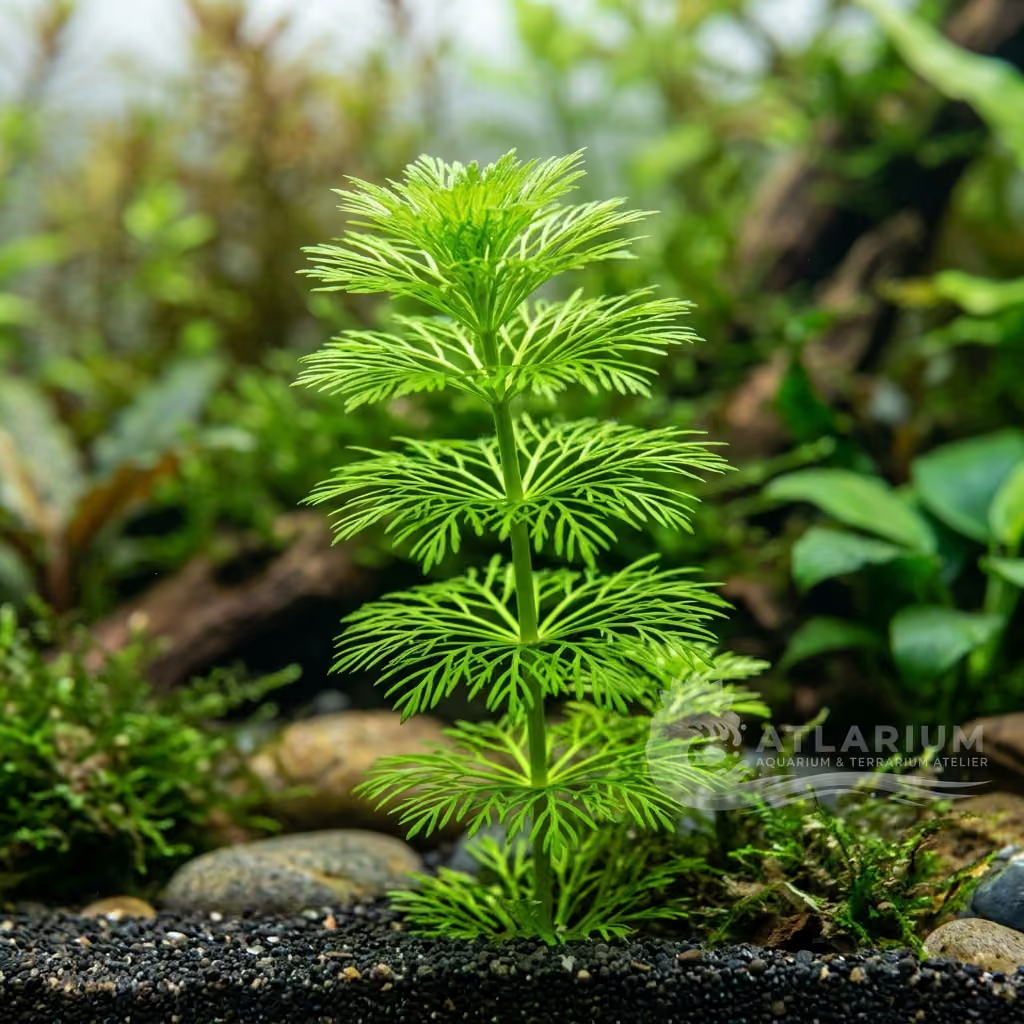
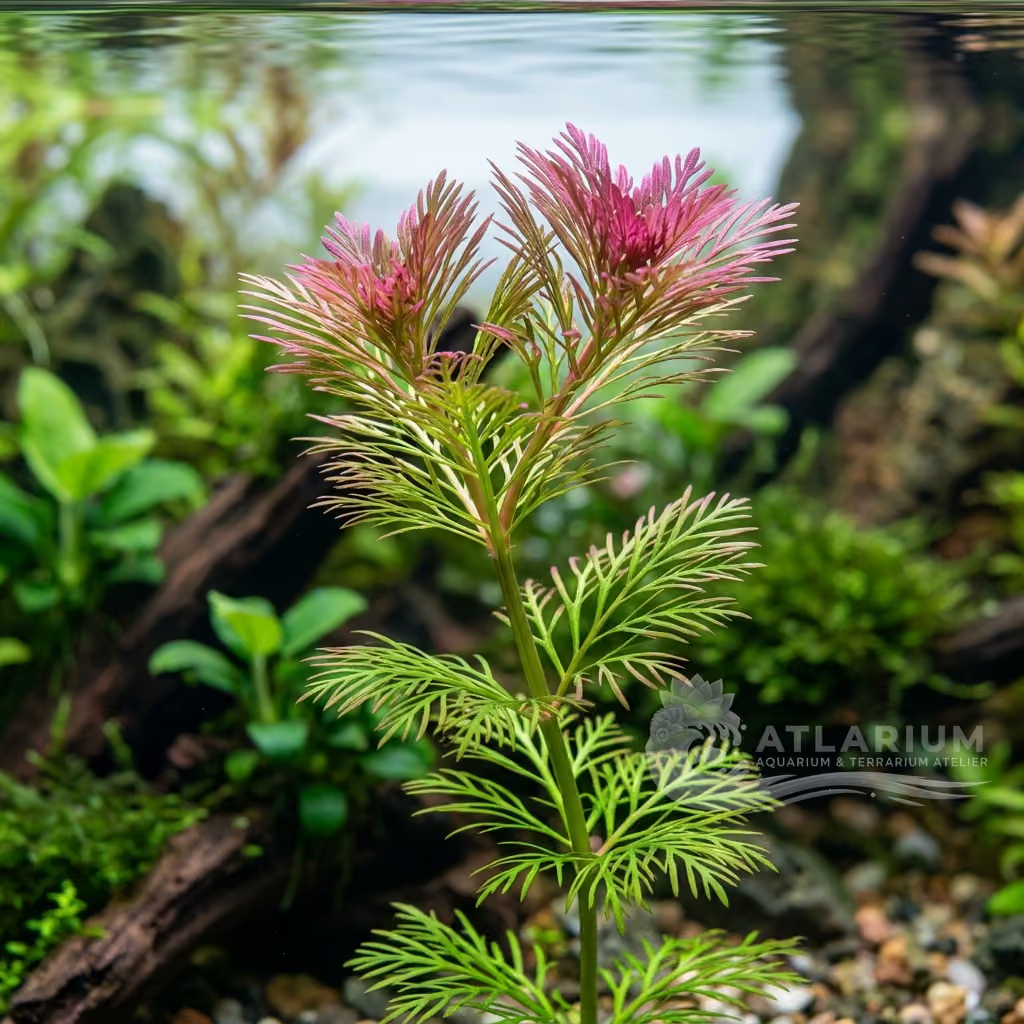
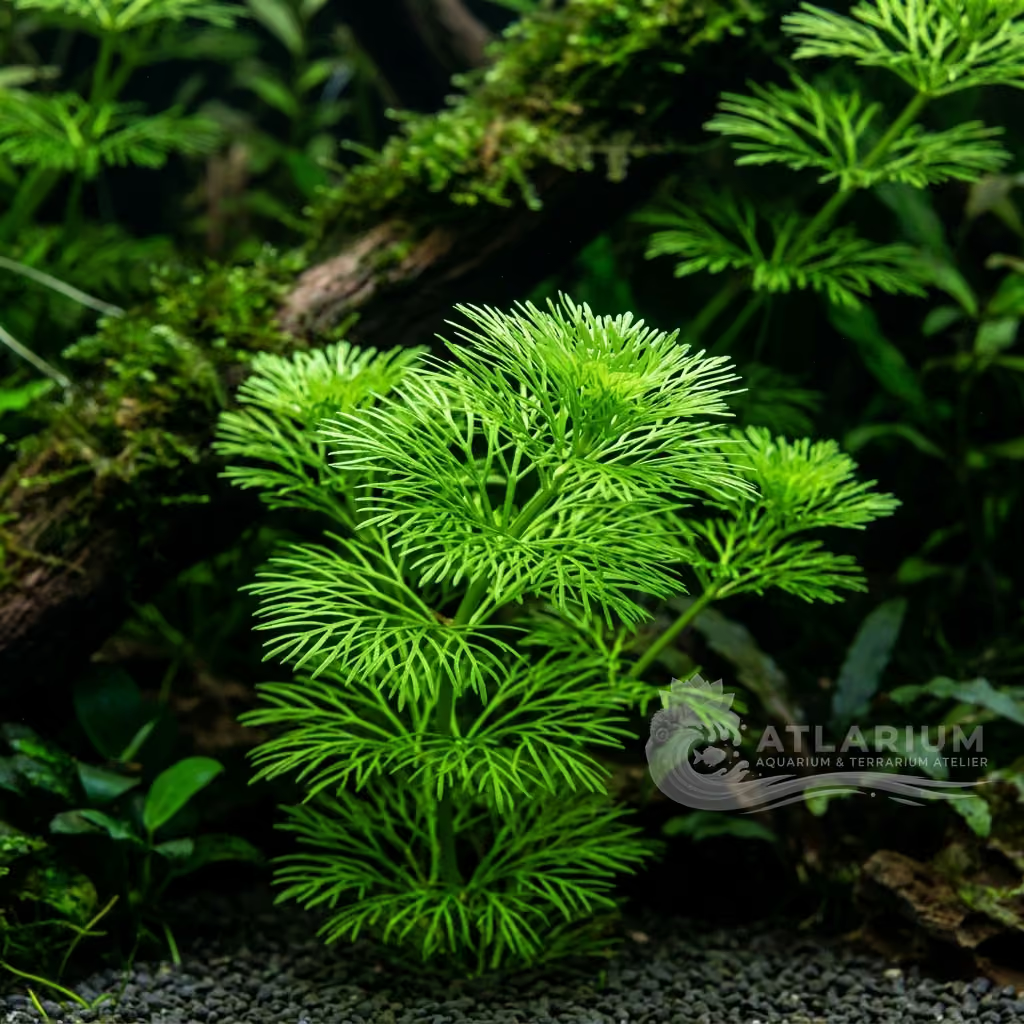
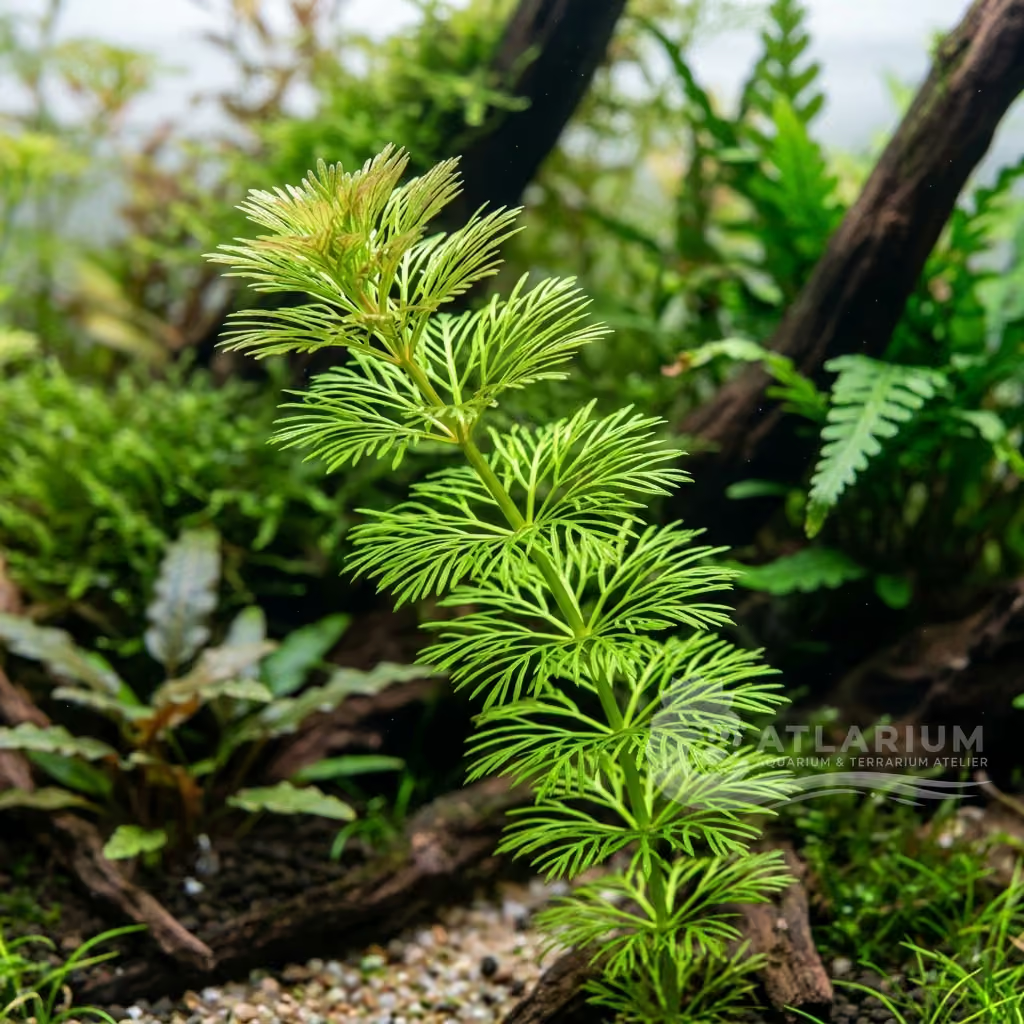
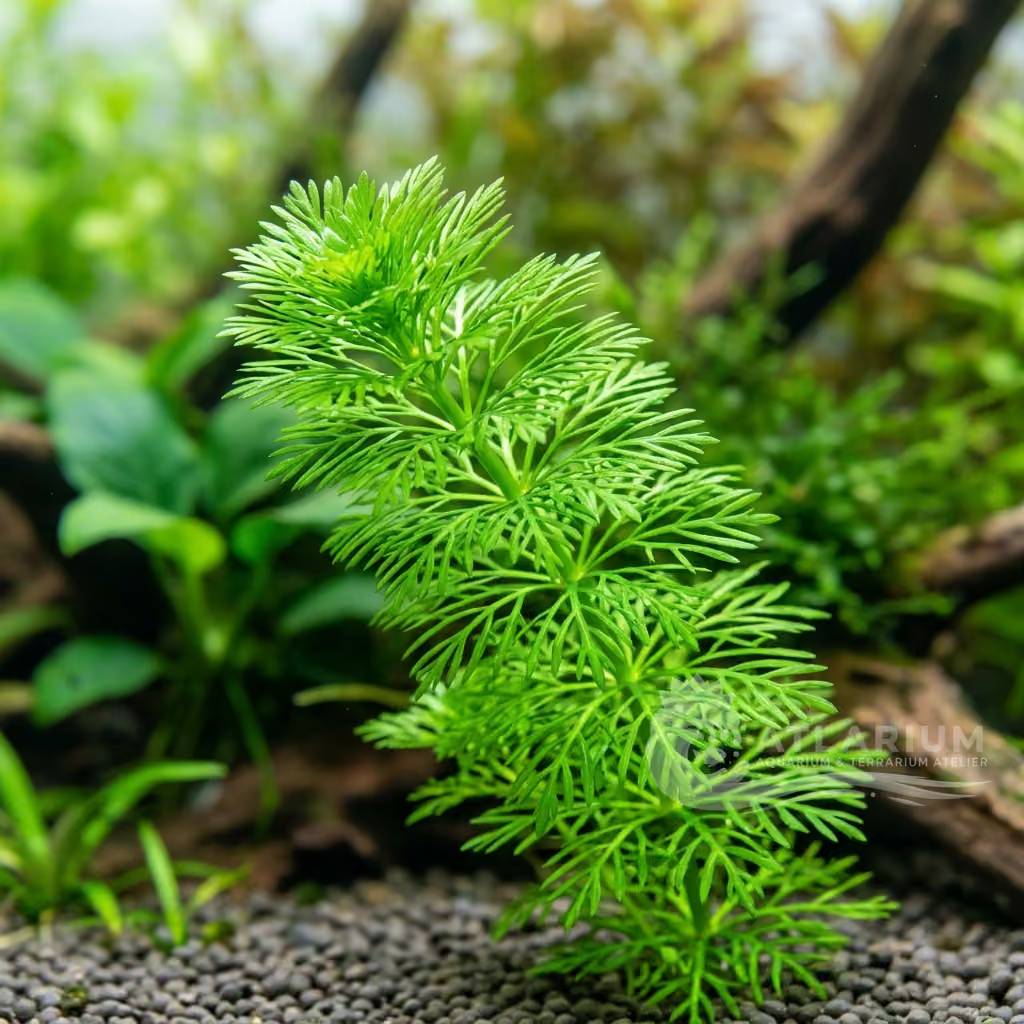
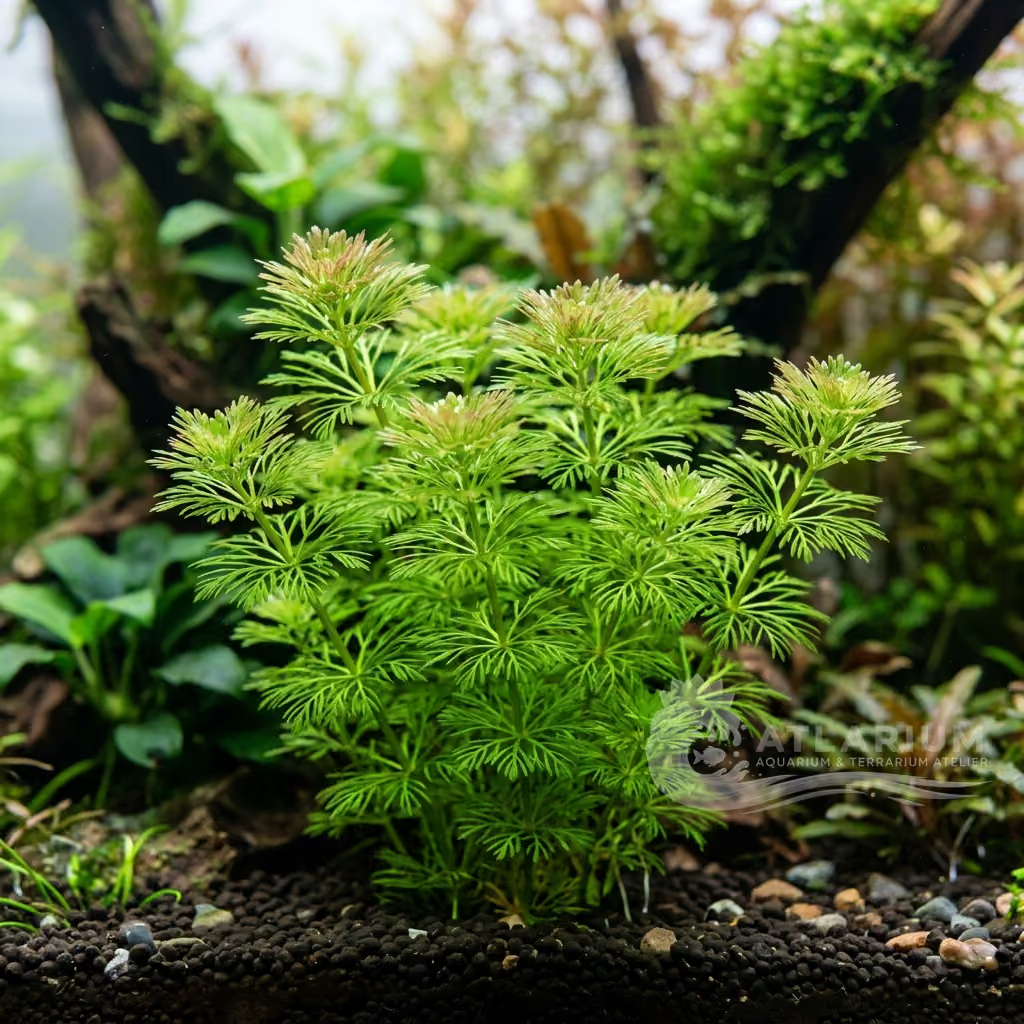
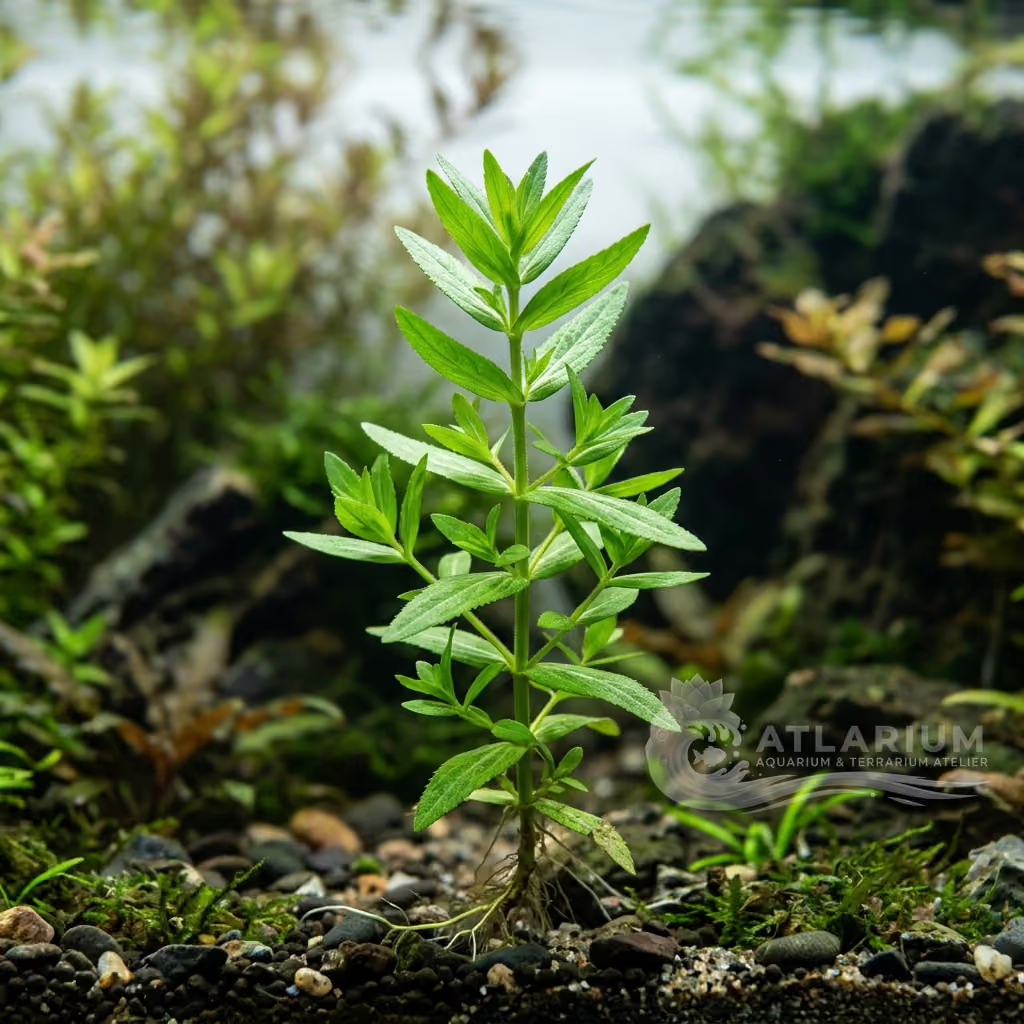
Physical Structure: It develops very thin, fragile, and heavily branching stems that tend to creep horizontally under strong lighting, forming a dense carpet. The submersed leaves are opposite, linear-lanceolate, and very small, giving the plant a delicate, soft, and cloud-like texture.
Color & Texture: The foliage is a fresh, bright light green. The texture is extremely fine and soft, forming a lush cushion that reflects light evenly. This bright color provides a striking visual contrast against dark hardscapes, such as basalt or lava rocks.

Soins, reproduction et cohabitation
Lighting & CO2: It demands medium to high lighting to maintain a compact, creeping habit in the foreground. CO2 injection (10-20 mg/L) is highly recommended to promote dense growth and to prevent the delicate stems from stretching vertically and losing their lower leaves.
Nutrition & Substrate: A fine-grained, fertile substrate or sand is important to support its delicate, shallow root system. Regular liquid fertilization supplying iron and potassium is needed to maintain its bright green coloration and prevent yellowing.
Water Chemistry: This plant prefers cooler water, with an optimal temperature range of 10°C to 26°C; it does not tolerate high heat well. It thrives in soft to moderately hard water with a pH of 5.5 to 7.0. Regular water changes are recommended to maintain water clarity.
Space Management & Placement: Best suited for the foreground or front of the midground. Plant small stems close together in clusters. It is exceptionally well-suited for nano aquariums or rocky layouts where it can create a soft, natural lawn effect.
Pruning: Trim the stems regularly using sharp aquascaping shears to keep the carpet low. This encourages lateral branching, making the lawn denser. The trimmed tops can be carefully replanted into the substrate, where they will quickly root.
Risks & Diseases: The primary risk is water temperature exceeding 26°C, which can cause the thin stems to melt and decay. Due to its dense growth habit, it can trap organic waste at its base, leading to local rot or hair algae if water flow is inadequate.

Origine et répartition géographiques
Callitriche terrestris is primarily distributed throughout the Americas, where it inhabits damp soils, muddy riverbanks, ditches, and flooded forest floors. Despite its species name *terrestris*, it adapts well to submersed conditions in shallow, cool waters, anchoring in organic-rich silt.
Origine
Amérique du NordAmérique du Sud hors AmazonieAmérique centrale et Caraïbes

Profil de plante
- Emplacement
- Premier plan
- Given its small stature, this plant is best utilized in the foreground or midground, where it can form low, creeping thickets. It is an excellent choice for nano aquariums or shallow paludariums where it can freely transition between submerged and emersed growth. It requires unobstructed light, so avoid planting it beneath the canopy of larger, broader-leafed species.
- Forme botanique
- Tige
- This diminutive plant features very slender, fragile stems adorned with tiny, spatulate (spoon-shaped) leaves arranged in opposite pairs. When allowed to breach the water's surface, it forms compact, bright green rosettes that look spectacular in open-top setups. Its delicate, creeping nature makes it appear very natural and wild in an aquascape.
- Croissance
- Rapide
- Under high light and supplemental CO2, Callitriche terrestris grows reasonably fast and readily spreads across the substrate. In low-tech setups, its growth slows down significantly and it tends to grow more vertically rather than creeping horizontally. Regular trimming is necessary only when it begins to overgrow its designated area or shade itself out.
- Substrat
- Moyen
- A fine-grained, nutrient-rich substrate like aquasoil is ideal for this delicate species. Its root system is relatively shallow and fragile, so coarse gravel should be avoided as it impedes proper anchoring and root development. Even a plain sand substrate can work well if regularly enriched with high-quality root tabs.
- Fertilisation de la colonne d'eau
- Recommandée
- Liquid fertilization is very beneficial as the small leaves efficiently absorb nutrients directly from the water column. A comprehensive fertilizer containing nitrogen, phosphorus, and potassium should be dosed weekly to prevent deficiency symptoms. Careful attention should be paid to avoid overdosing, as the delicate leaves can become smothered by resulting algae blooms.
- Fertilisation racinaire
- Aucune
- While it draws heavily from the water, supplementing the substrate with root tabs greatly enhances its resilience and rooting speed. Providing nutrients at the roots ensures a steady supply of elements like iron, which prevents the lower portions of the stems from rotting away. This dual-feeding approach ensures consistent, lush growth.
- Taille
- Occasionnelle
- Trimming is straightforward; simply cut the stems or leaves to the desired length. Regular pruning encourages bushier, denser growth and prevents the plant from taking over the tank. Replant the healthy trimmings if you wish to expand its footprint.
- Propagation
- Boutures
- Propagation is extremely simple and is done by taking stem cuttings or dividing established creeping mats. Snipping the tops and gently planting them into fine substrate will quickly yield new, rooted plants. Emersed cuttings will readily adapt to submerged conditions if planted carefully and provided with adequate CO2.
- Sensibilité
- Modérée
- Generally robust but can melt if water parameters swing drastically. It prefers stable conditions and clean water with good flow. Algae can be an issue if organic waste is allowed to accumulate on its delicate leaves.
- Rôle dans le décor
- Nano, Plan intermédiaire, Premier plan, group
- Excellent for creating natural-looking thickets or adding a touch of wildness to the aquascape. It bridges the gap between different plant groups beautifully. Its unique texture provides a great contrast to broad-leaved plants.

Espèces associées
Recommandations regroupées par proches parents, compagnons et soins similaires.