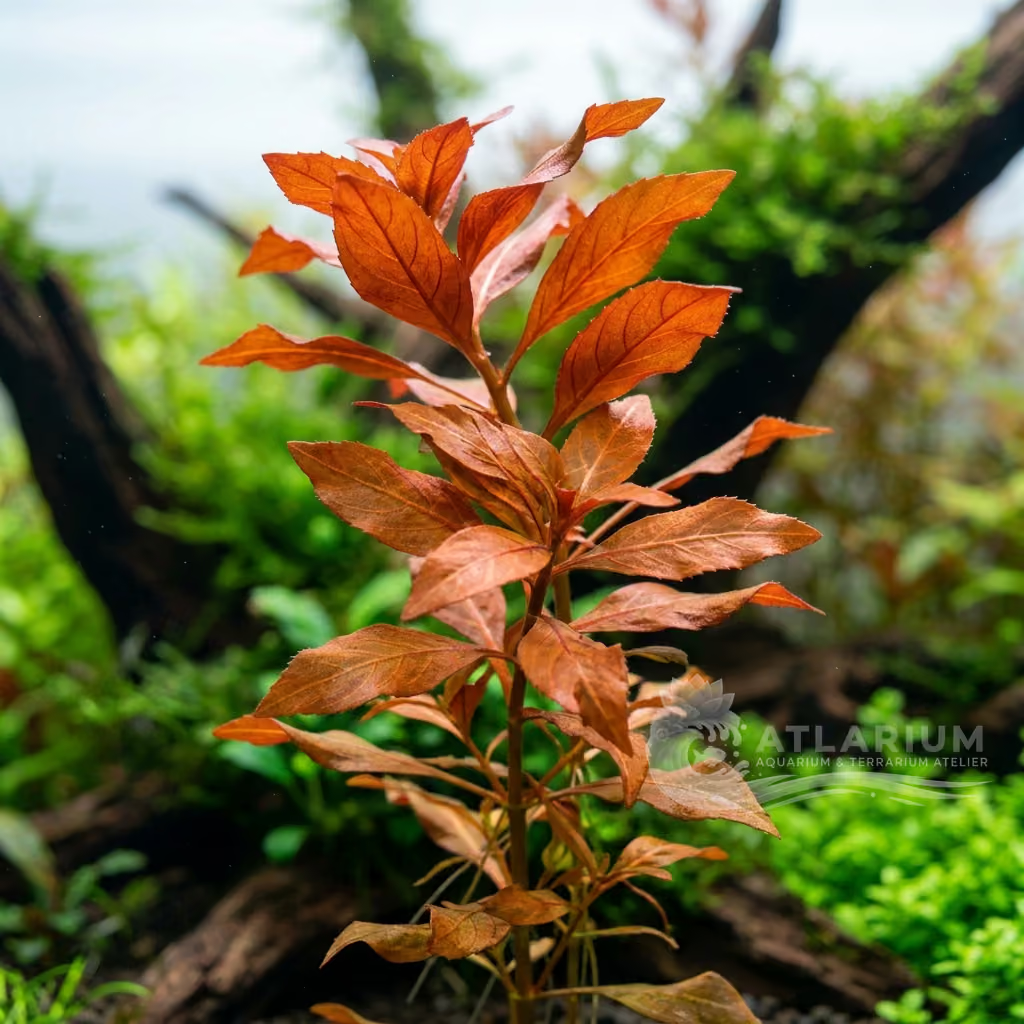
Ludwigia sedoides
Ludwigia sedoides
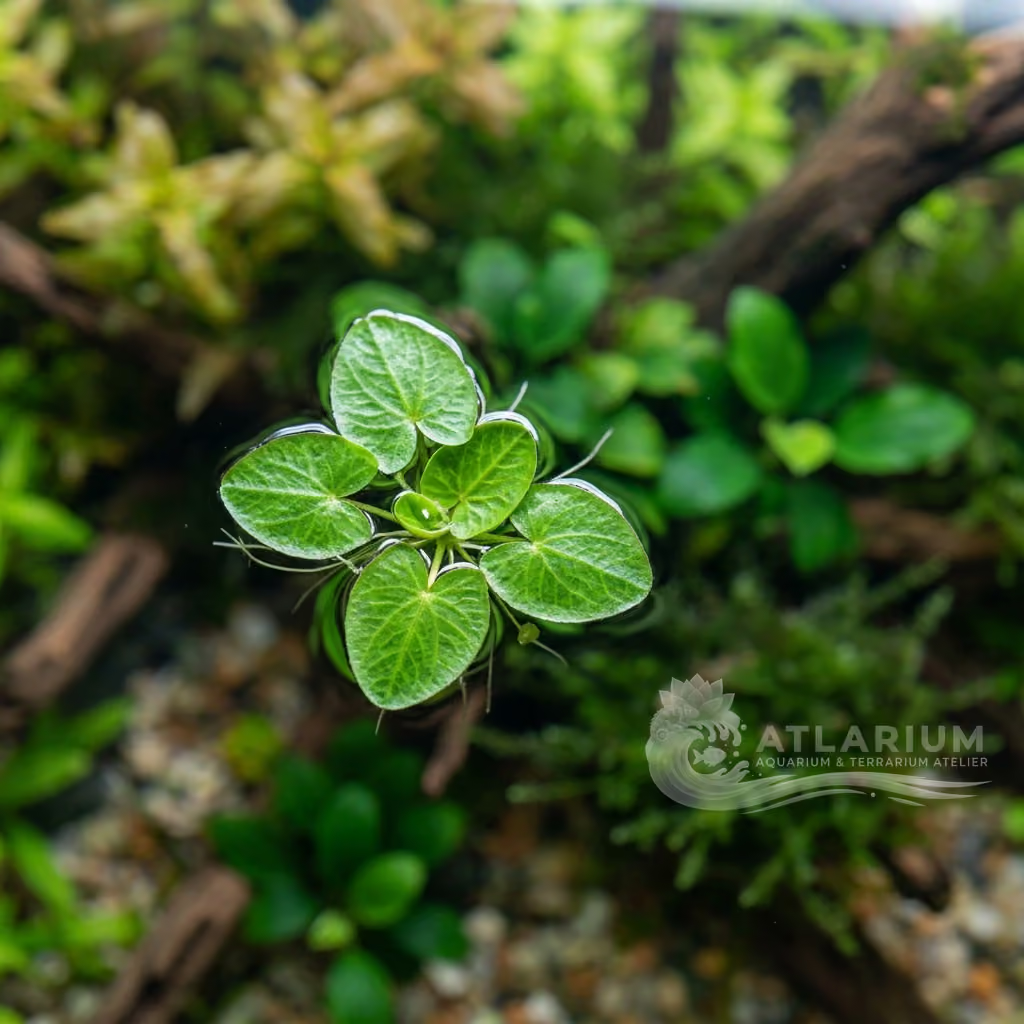
Ludwigia sedoides is a fast-growing plant ideal for midground placement, prized for its unique floating rosettes that resemble miniature water lilies, adding a distinctive texture and vibrant green to the aquascape.
Température de l’eau
20 - 34 °C
Valeur du pH
5 - 8
Type d'eau
Eau douce
Lumière
Élevée
CO2
Élevée
KH
2 - 15 dKH

Description de l'espèce
Geographical Origin and Habitat: Native to the tropical and subtropical regions of South America, Ludwigia sedoides is commonly found in Brazil, Uruguay, Argentina, and Paraguay. Its natural habitat includes slow-moving rivers, ponds, and marshy areas, where it typically floats on the water surface, anchoring itself with roots to the substrate if present, or free-floating. This environment has shaped its adaptive ability to absorb nutrients primarily from the water column and tolerate a wide range of water conditions.
Taxonomy & Genetics: Belonging to the Onagraceae family, the same family as evening primroses, Ludwigia sedoides is a distinctive member of the Ludwigia genus, known for its aquatic adaptations. Unlike many other Ludwigia species which are predominantly stem plants, L. sedoides stands out with its unique rosette-forming floating leaves. Its genetic makeup allows for rapid proliferation and efficient photosynthesis in high-light aquatic environments.
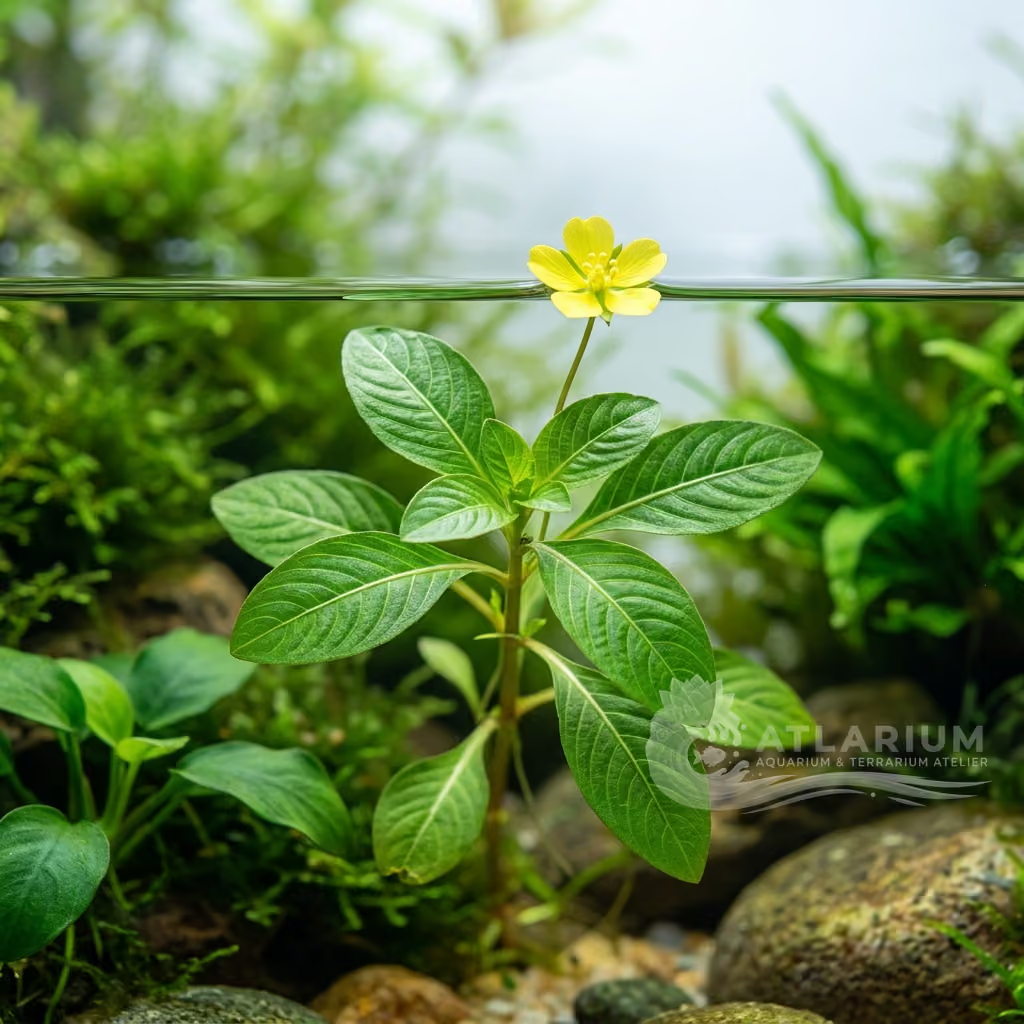
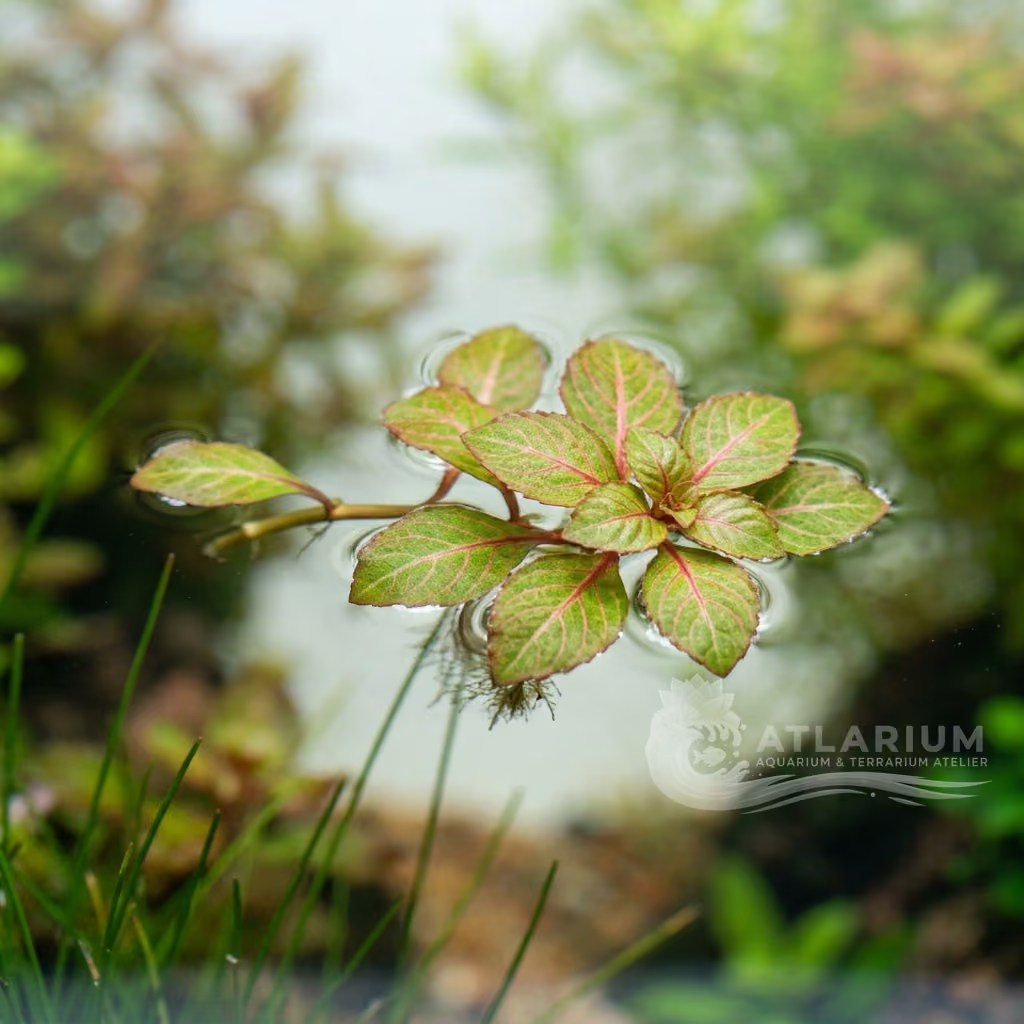
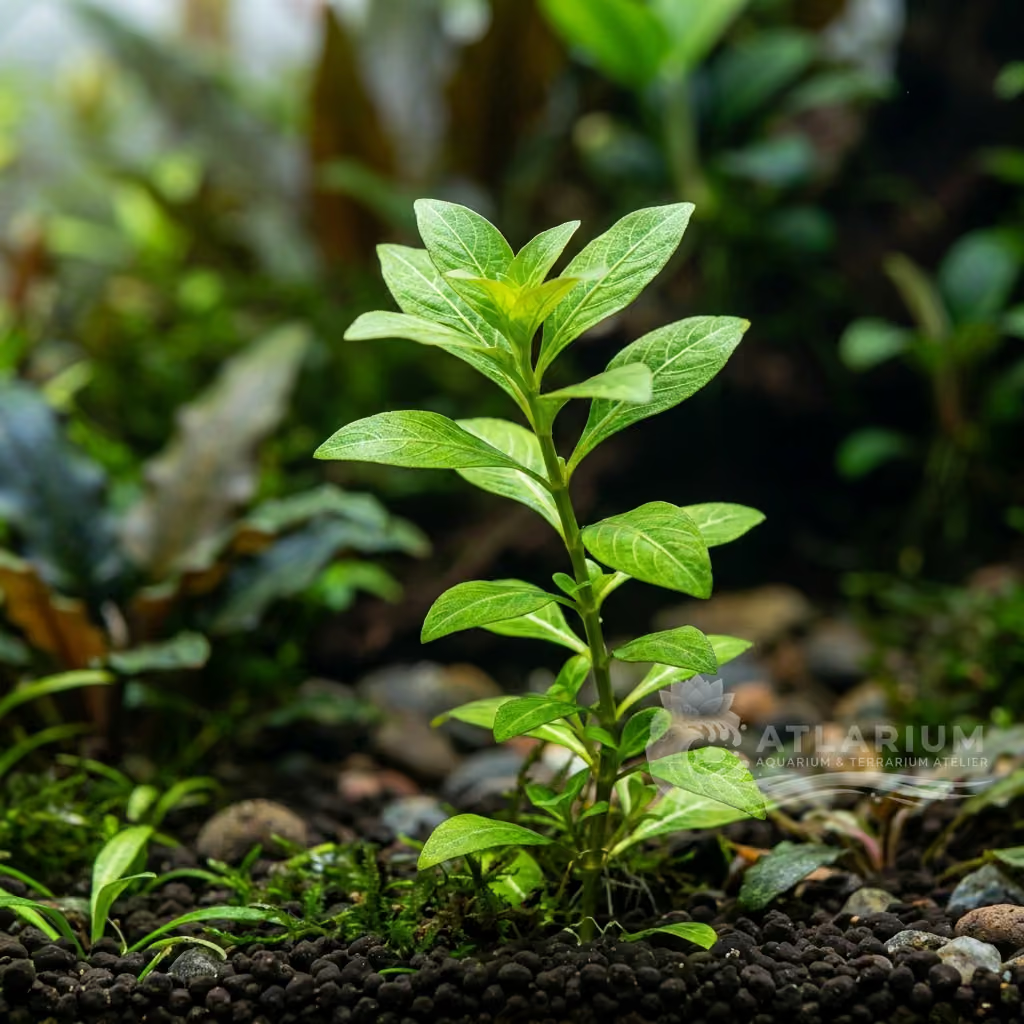
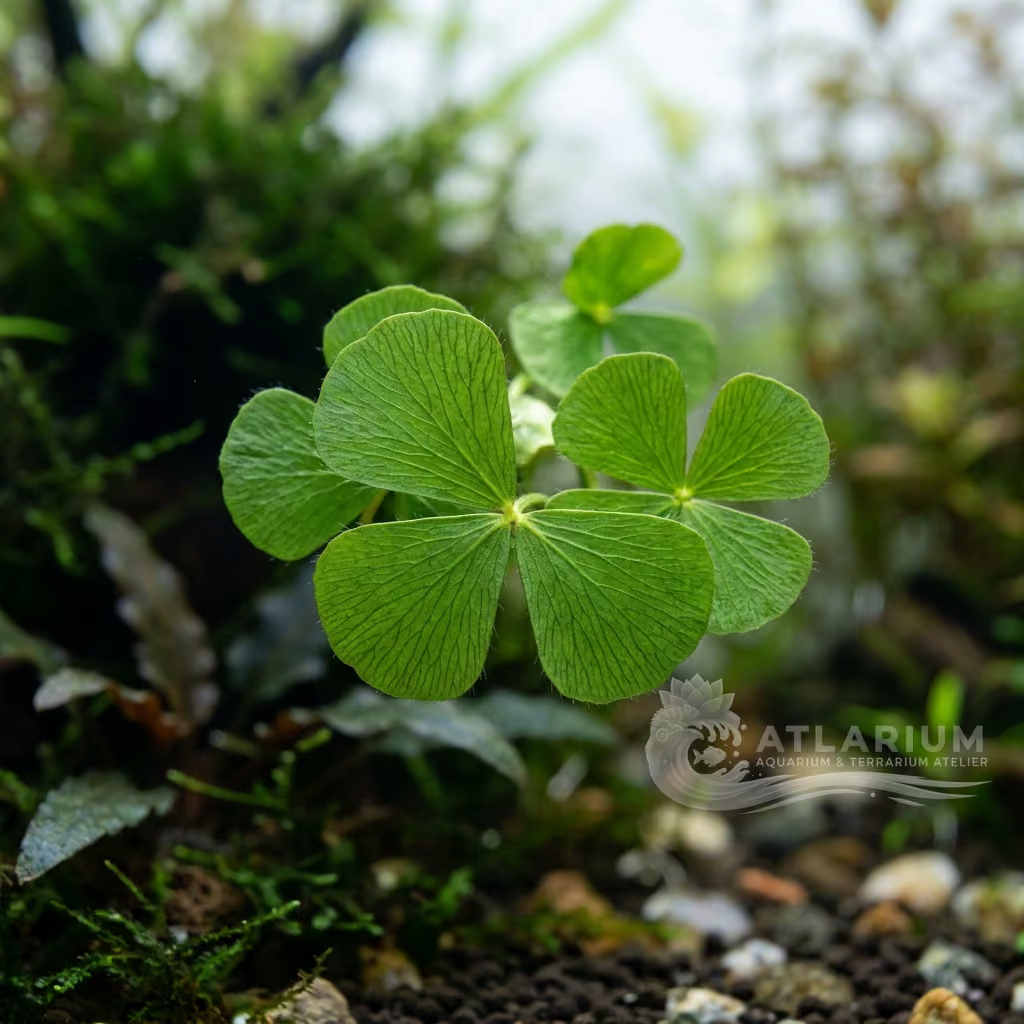
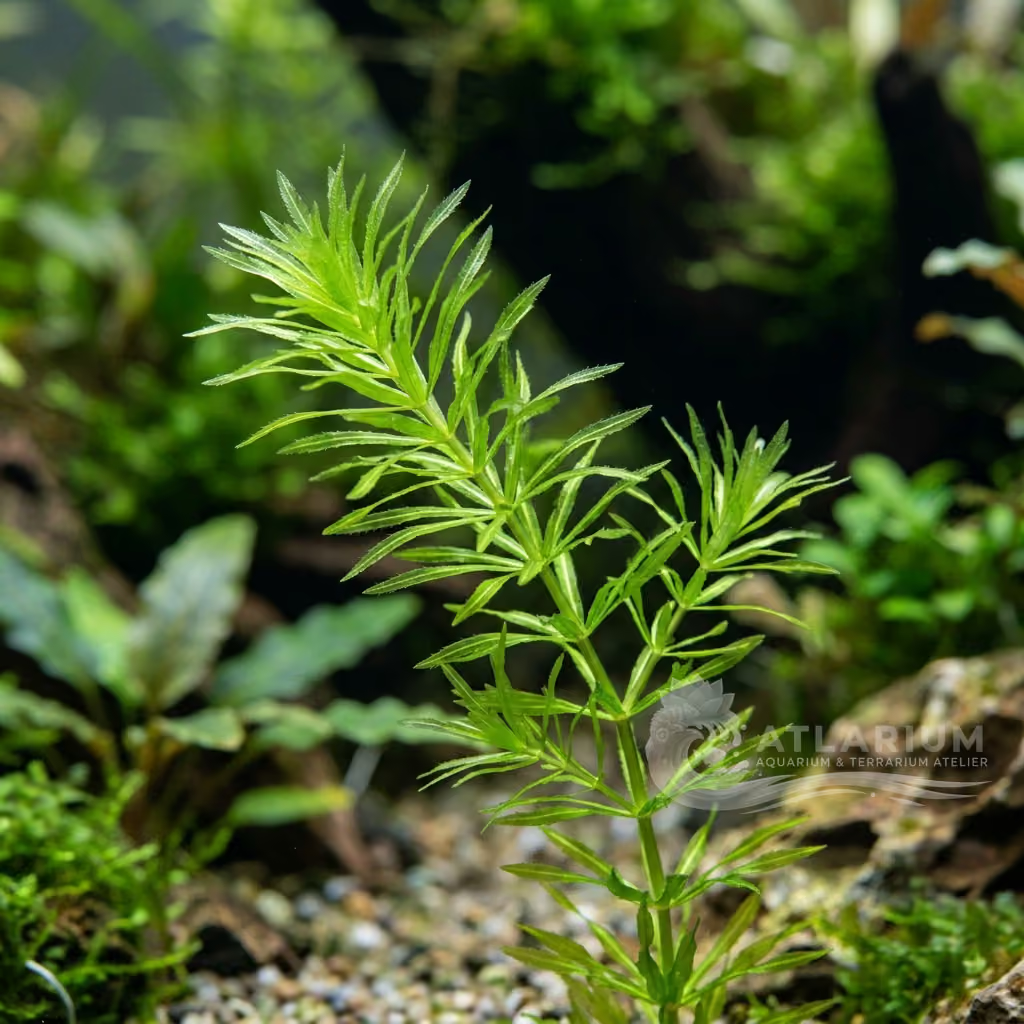
Physical Structure: The physical structure of Ludwigia sedoides is characterized by its captivating floating rosettes of leaves that can reach several inches in diameter. Each rosette is supported by a submerged stem that can grow quite long, extending roots into the water column or anchoring into the substrate. The individual leaves are often rhomboid or spatula-shaped, featuring a striking venation pattern that enhances their visual appeal.
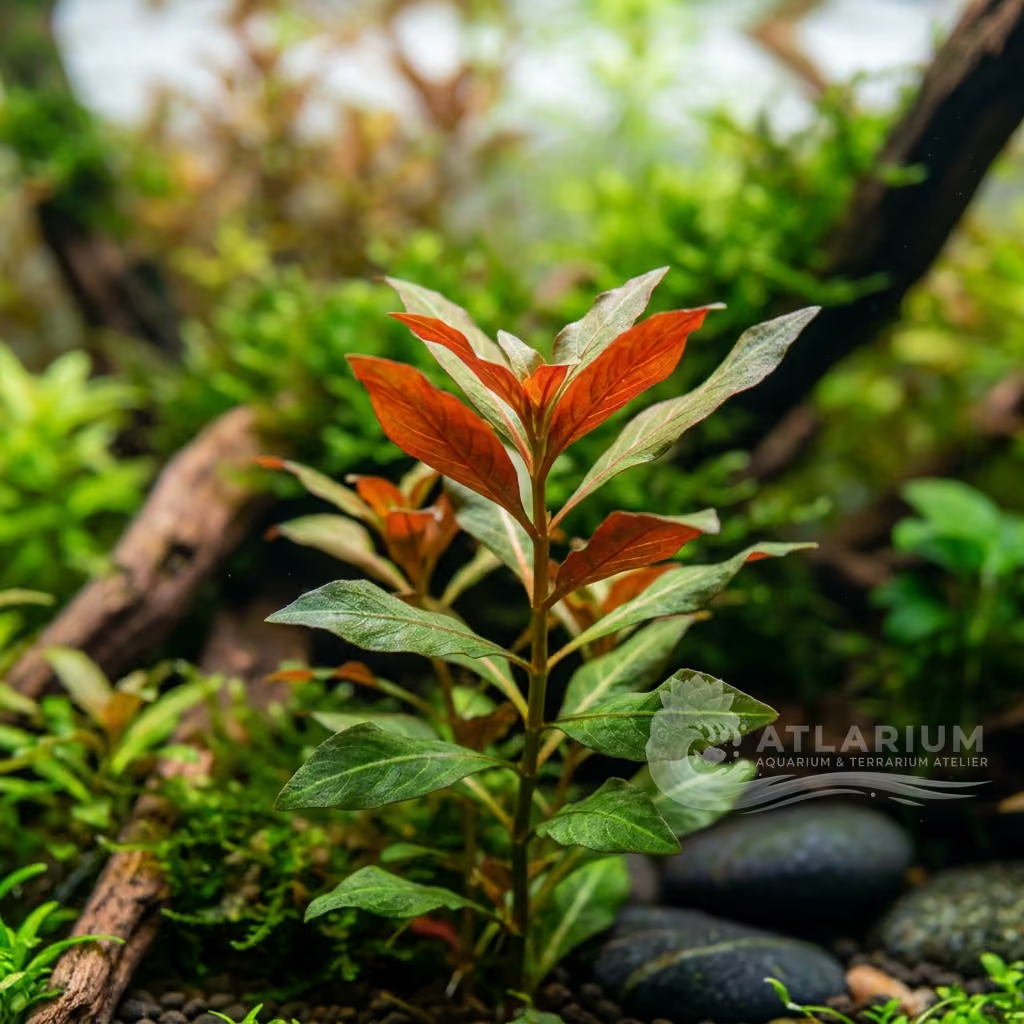
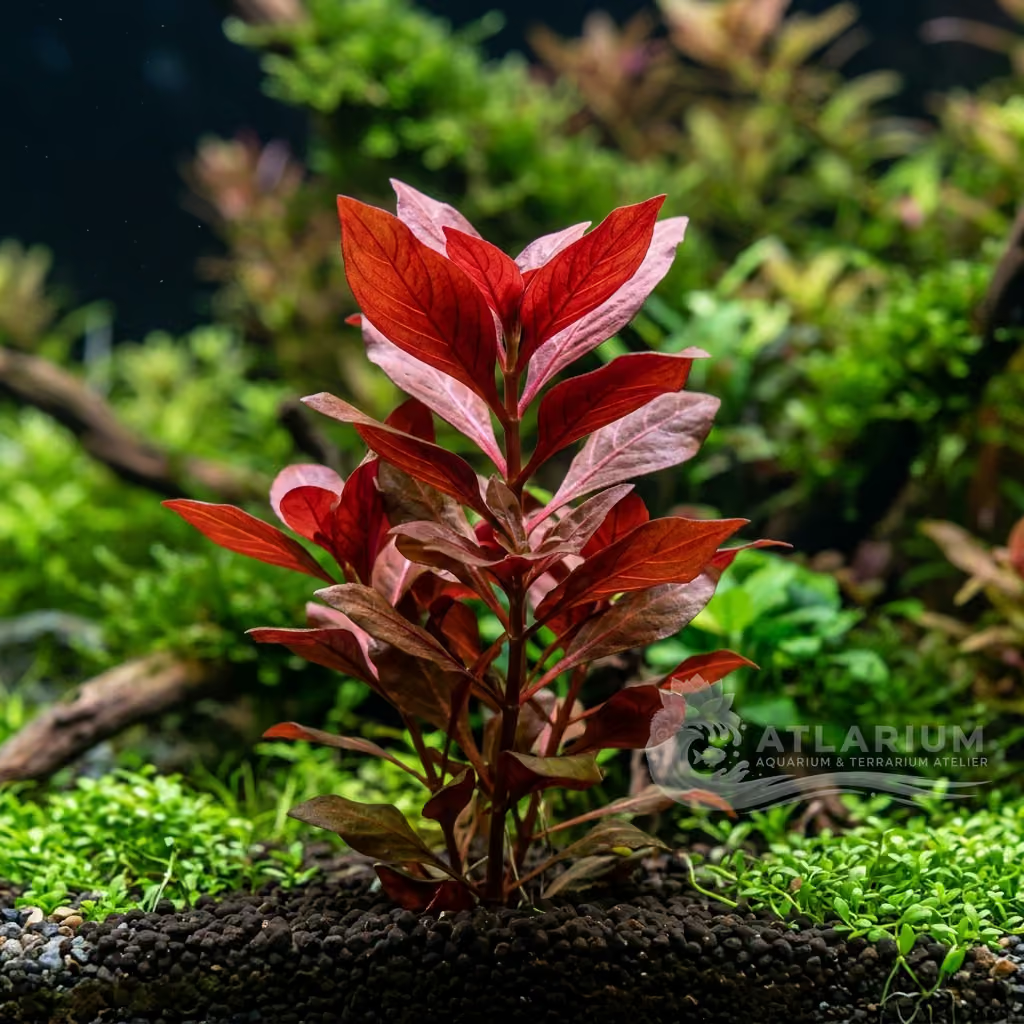
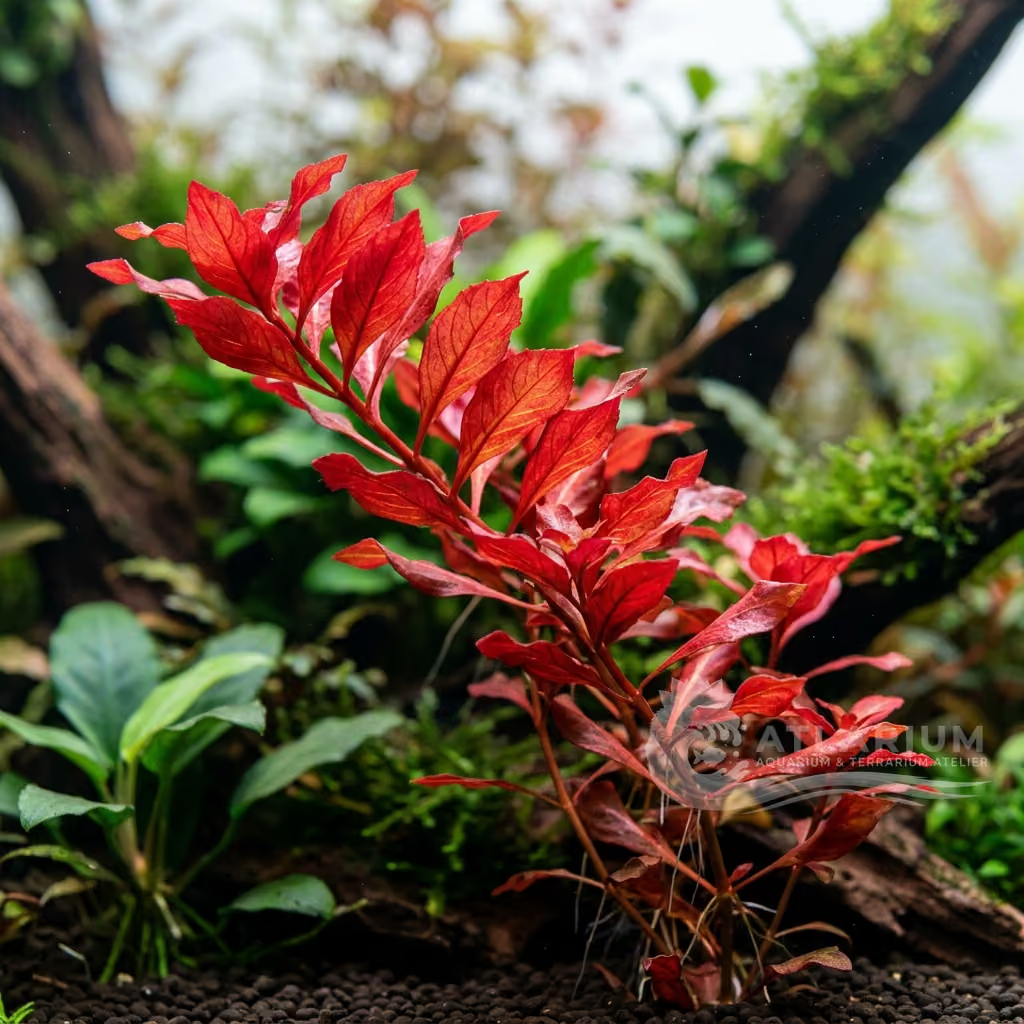
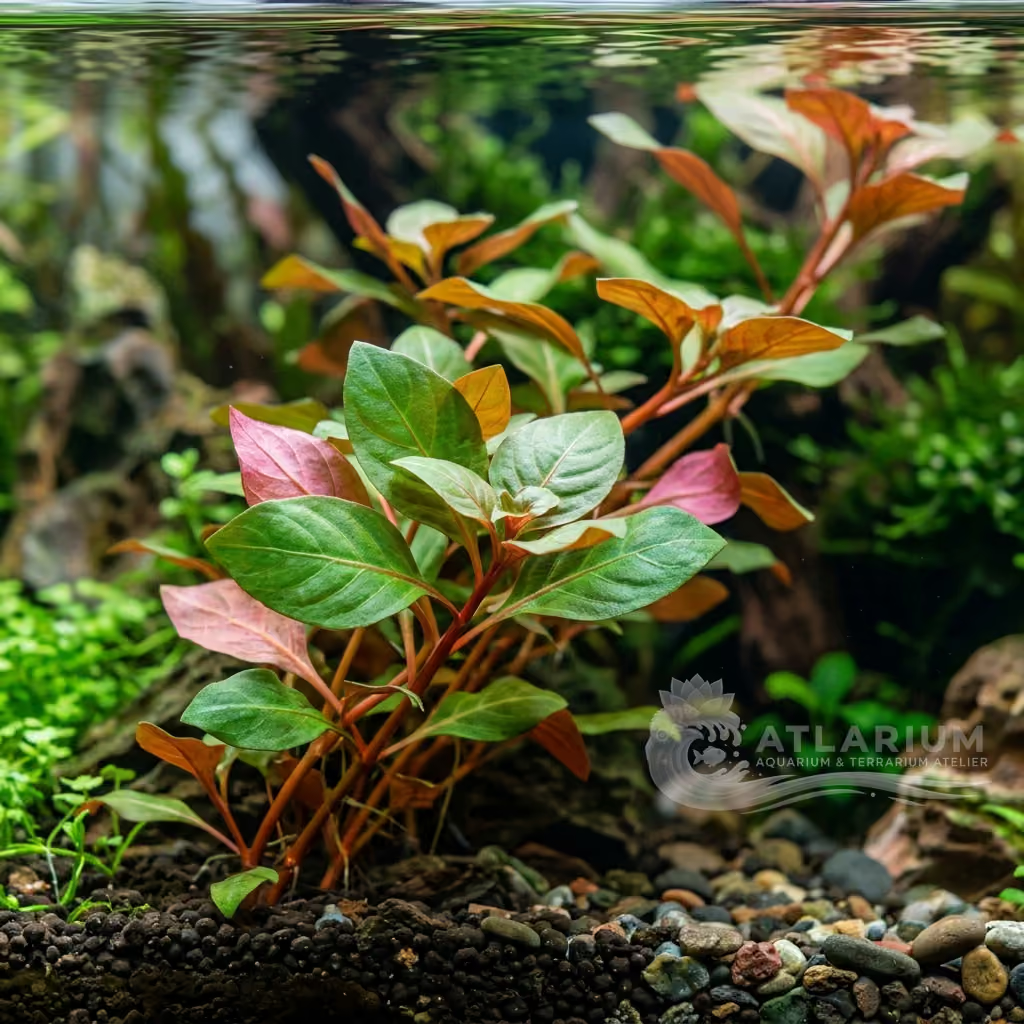
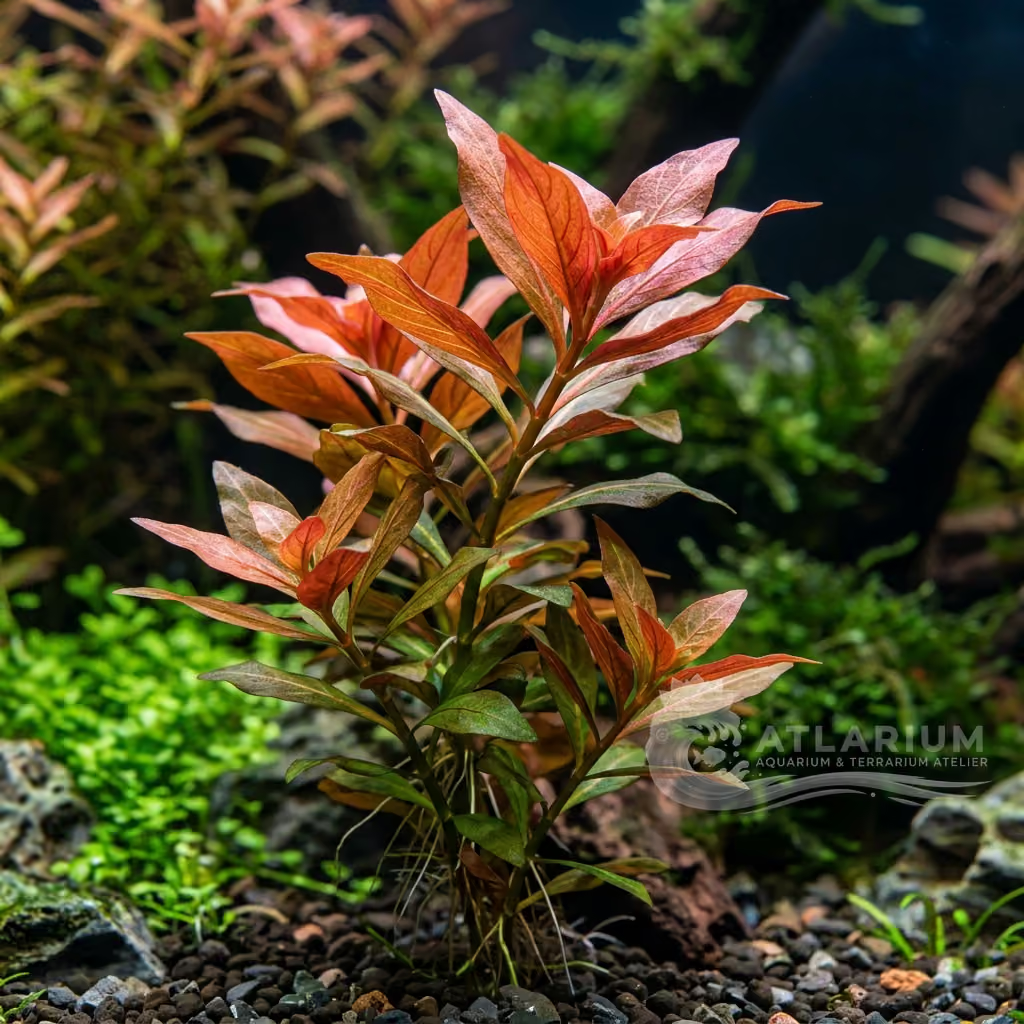
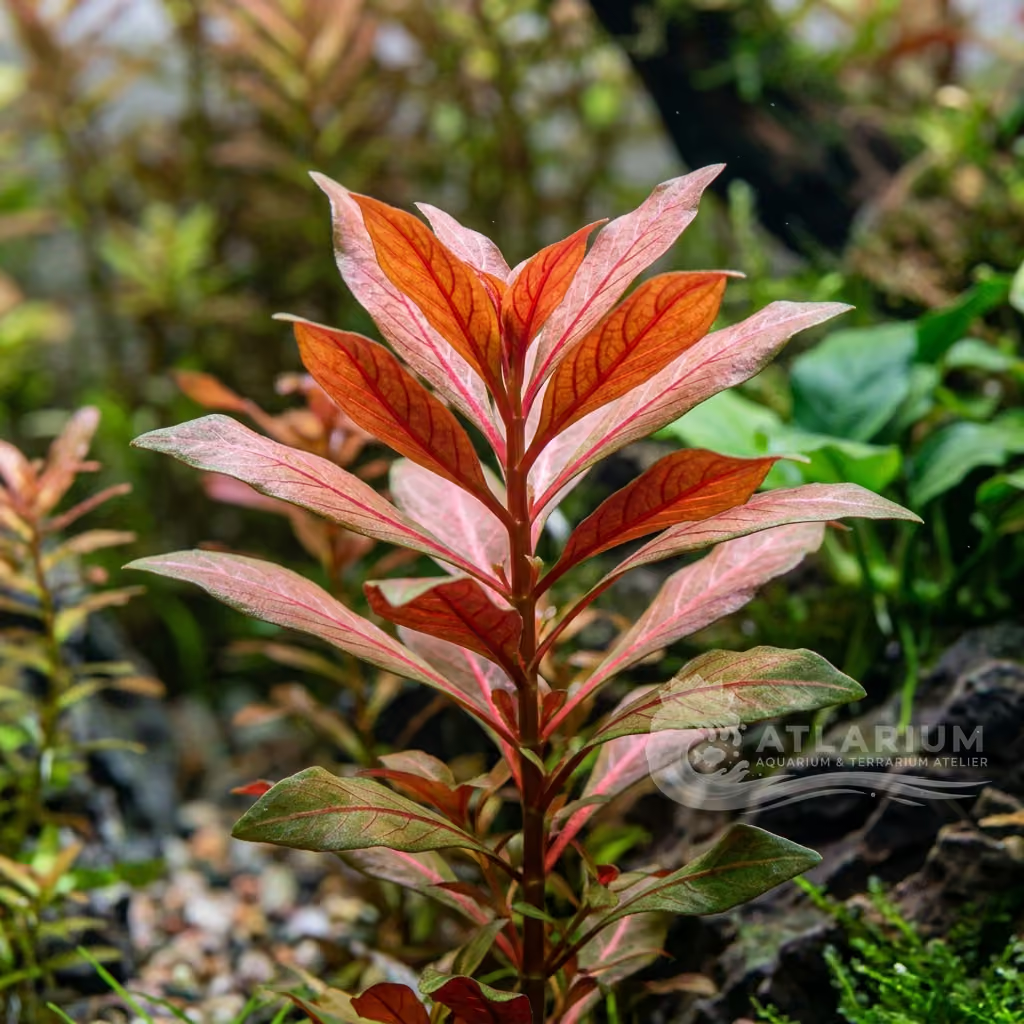
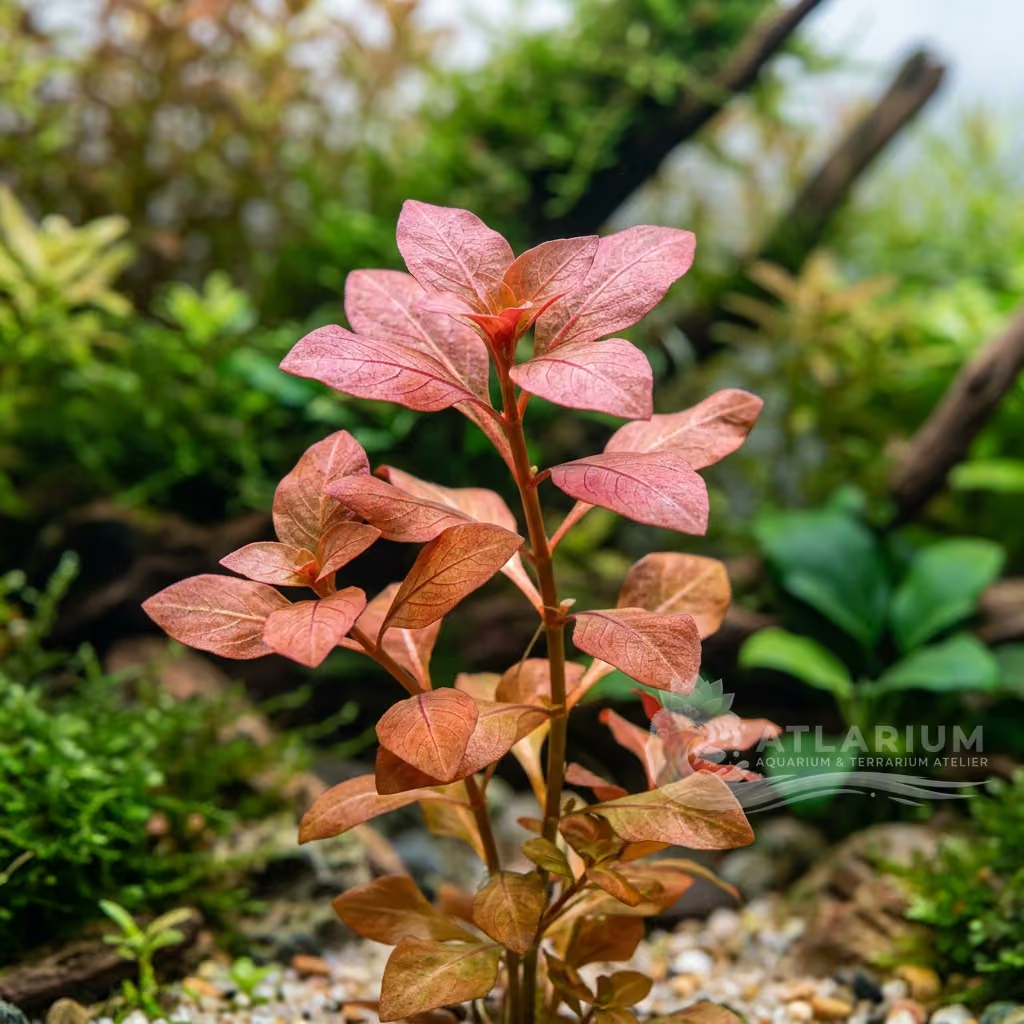
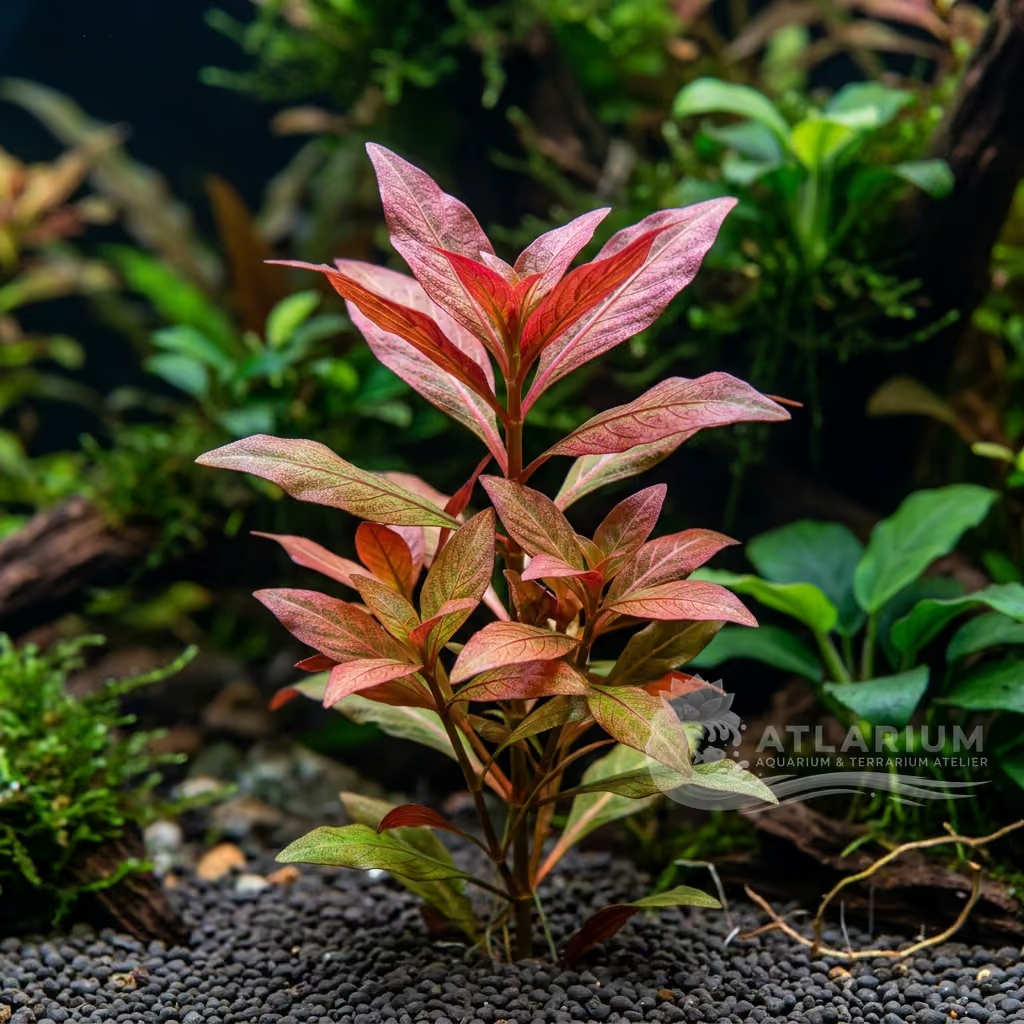
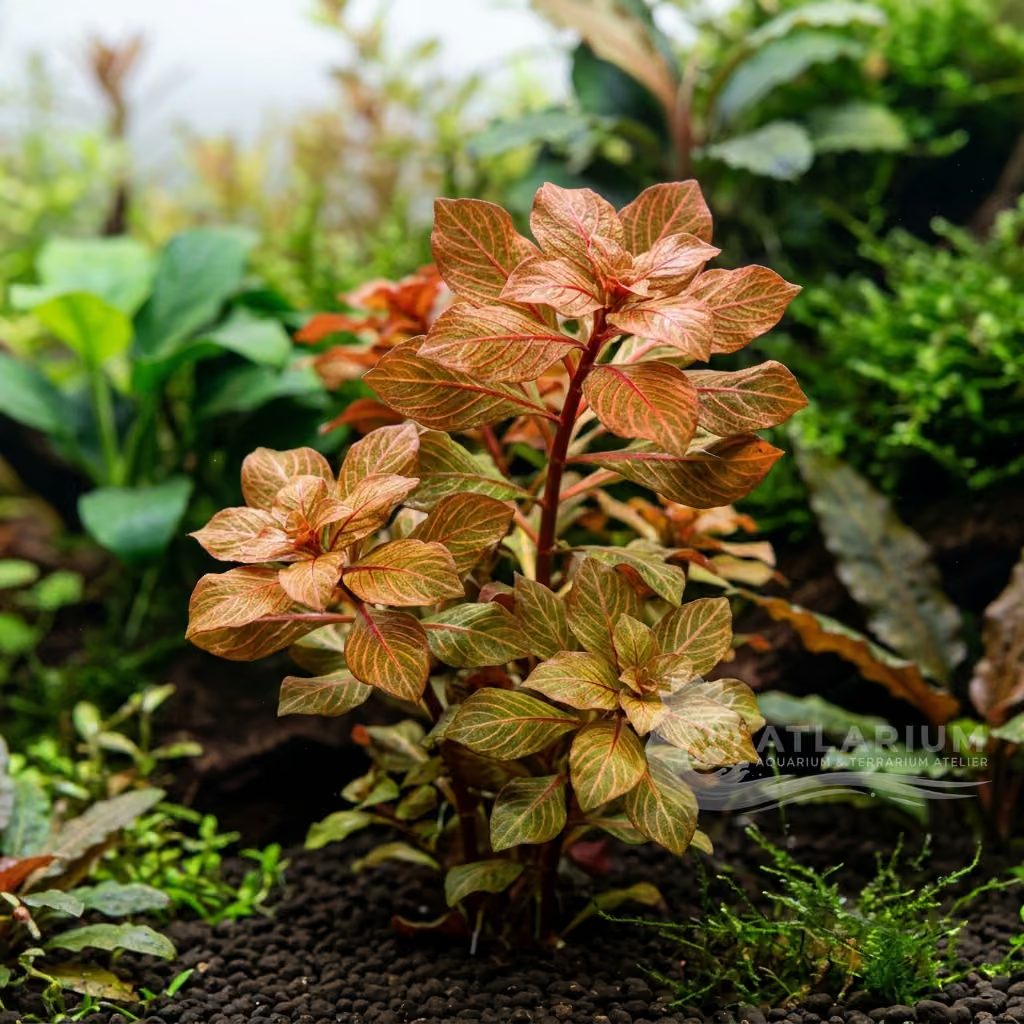
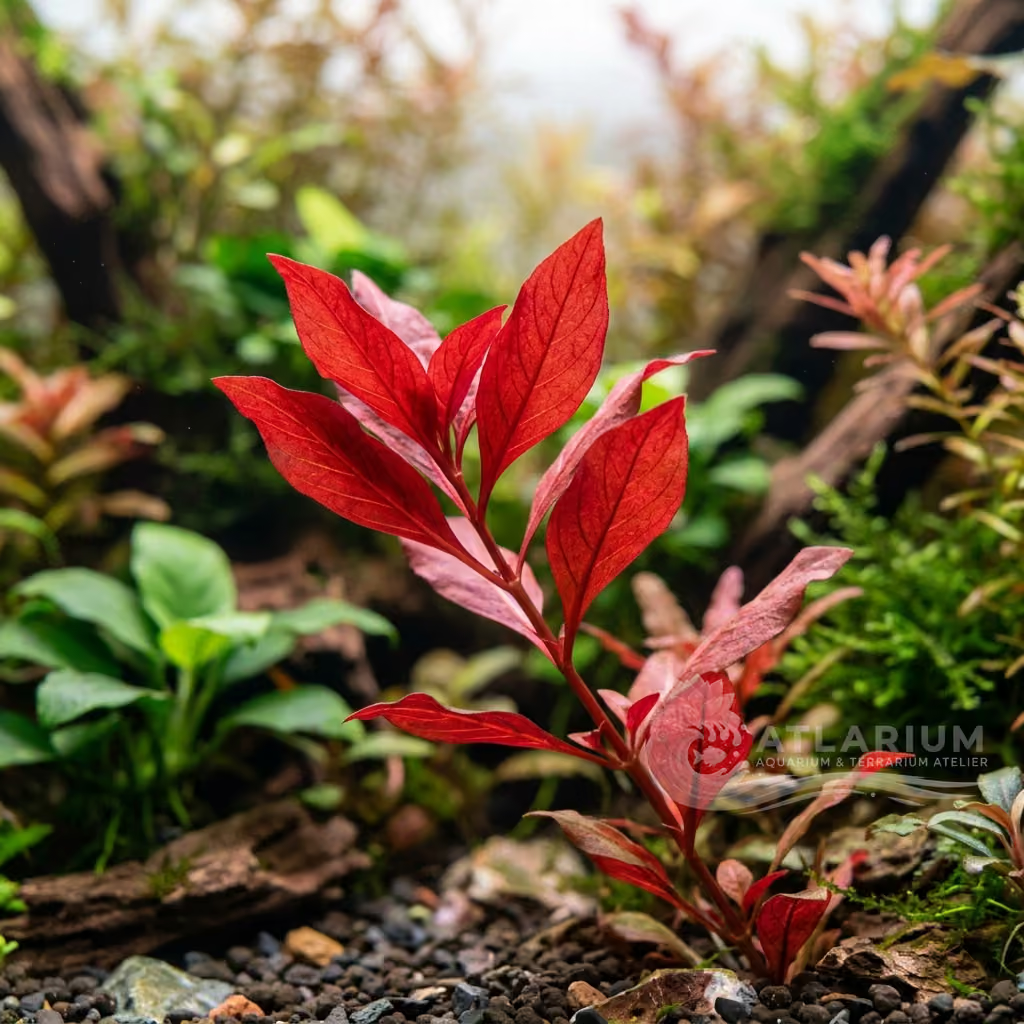
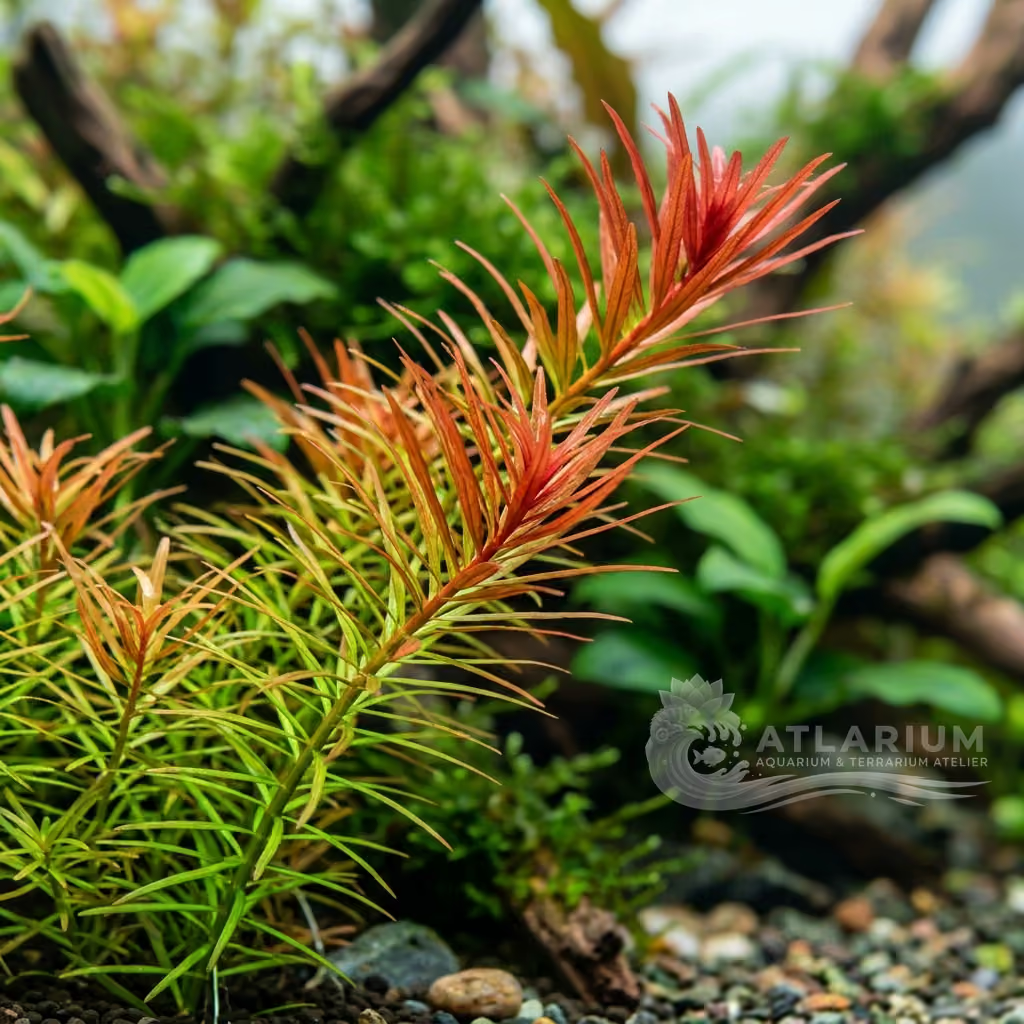
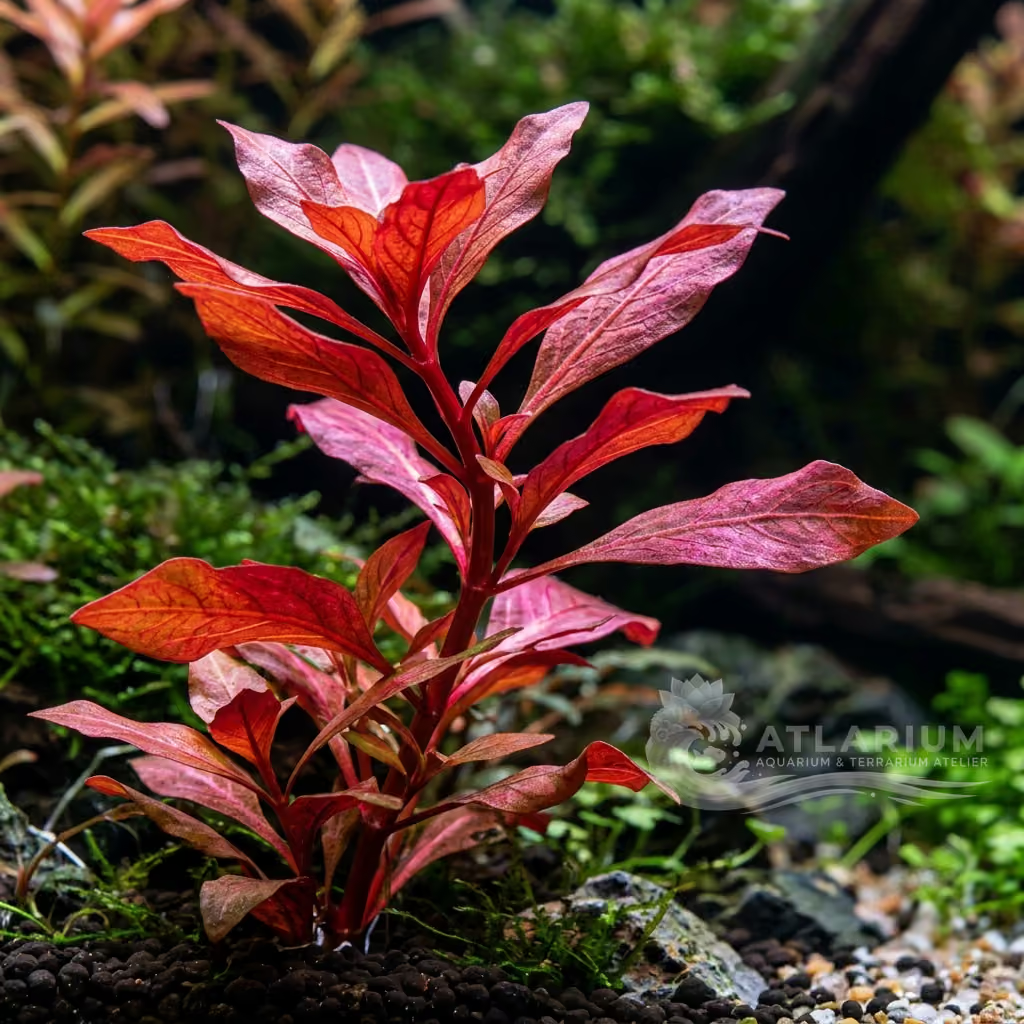
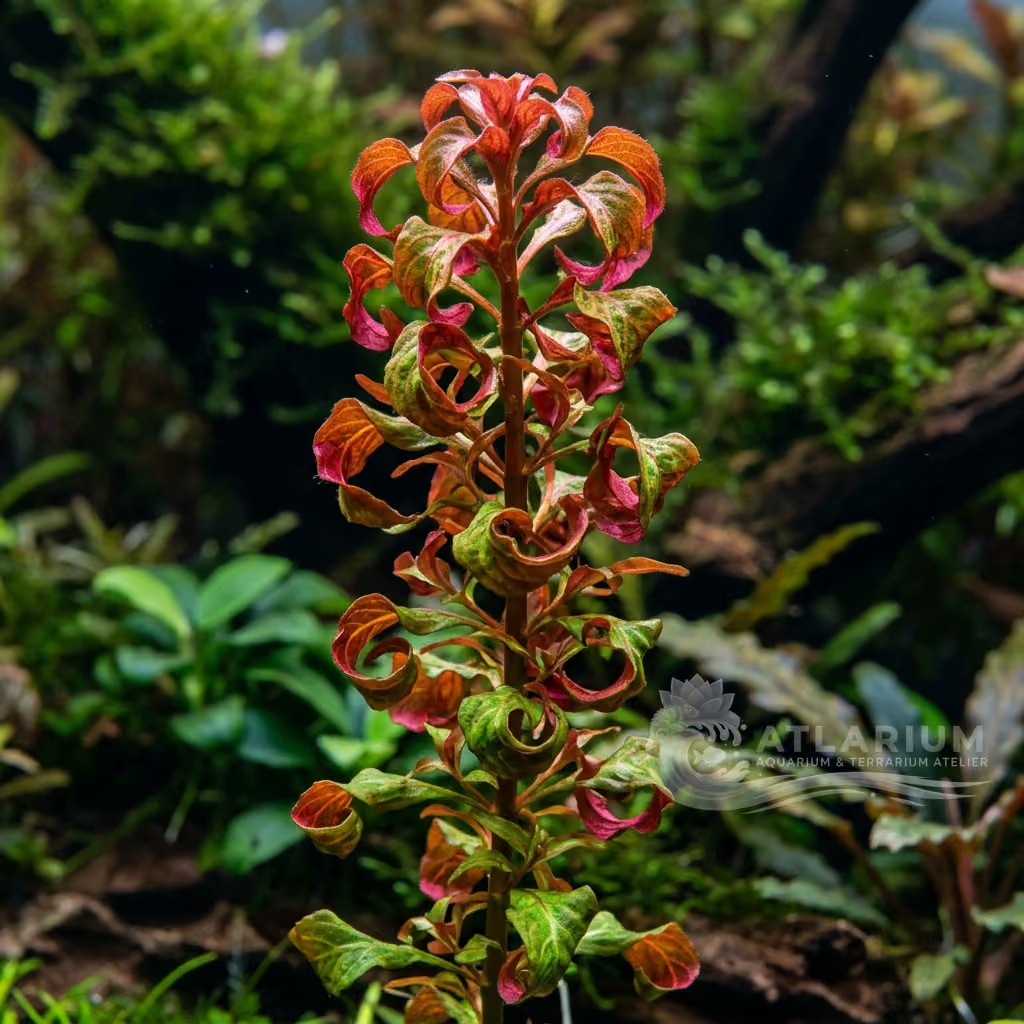
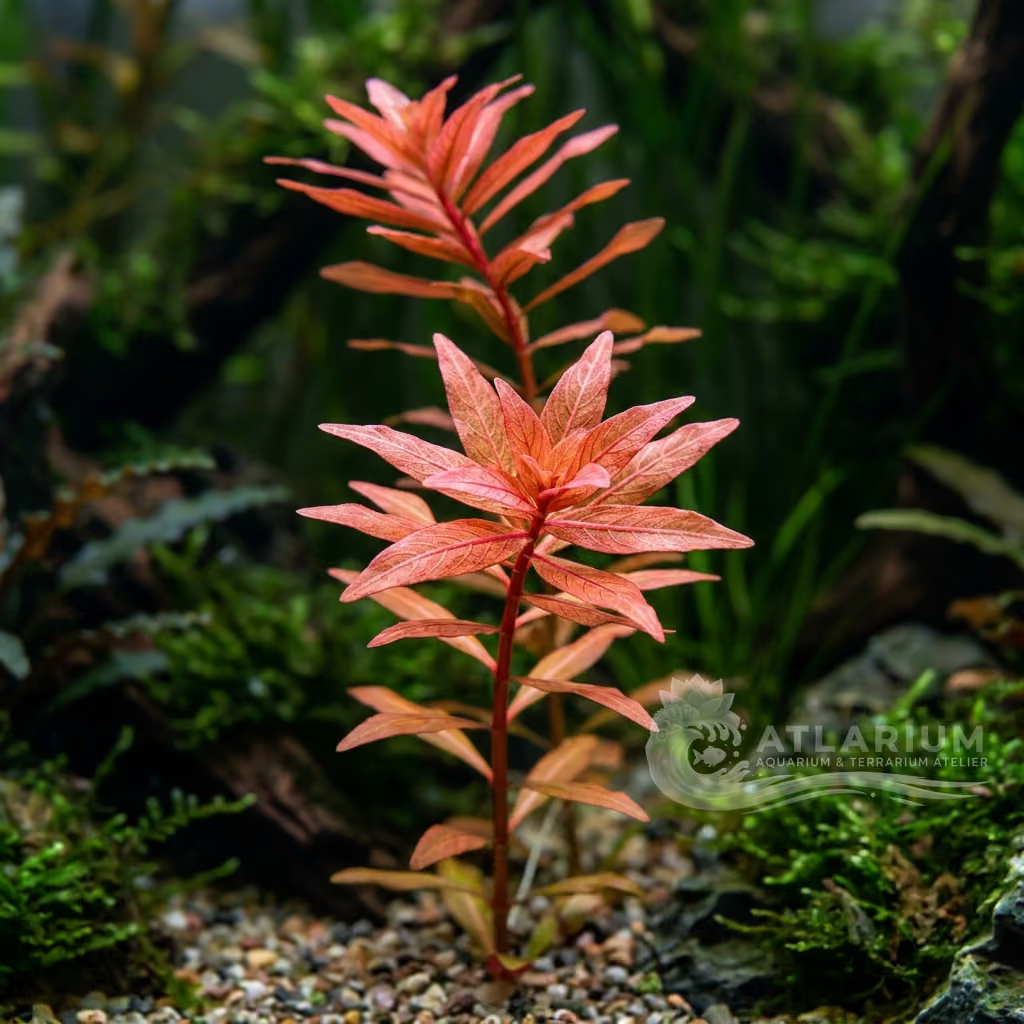
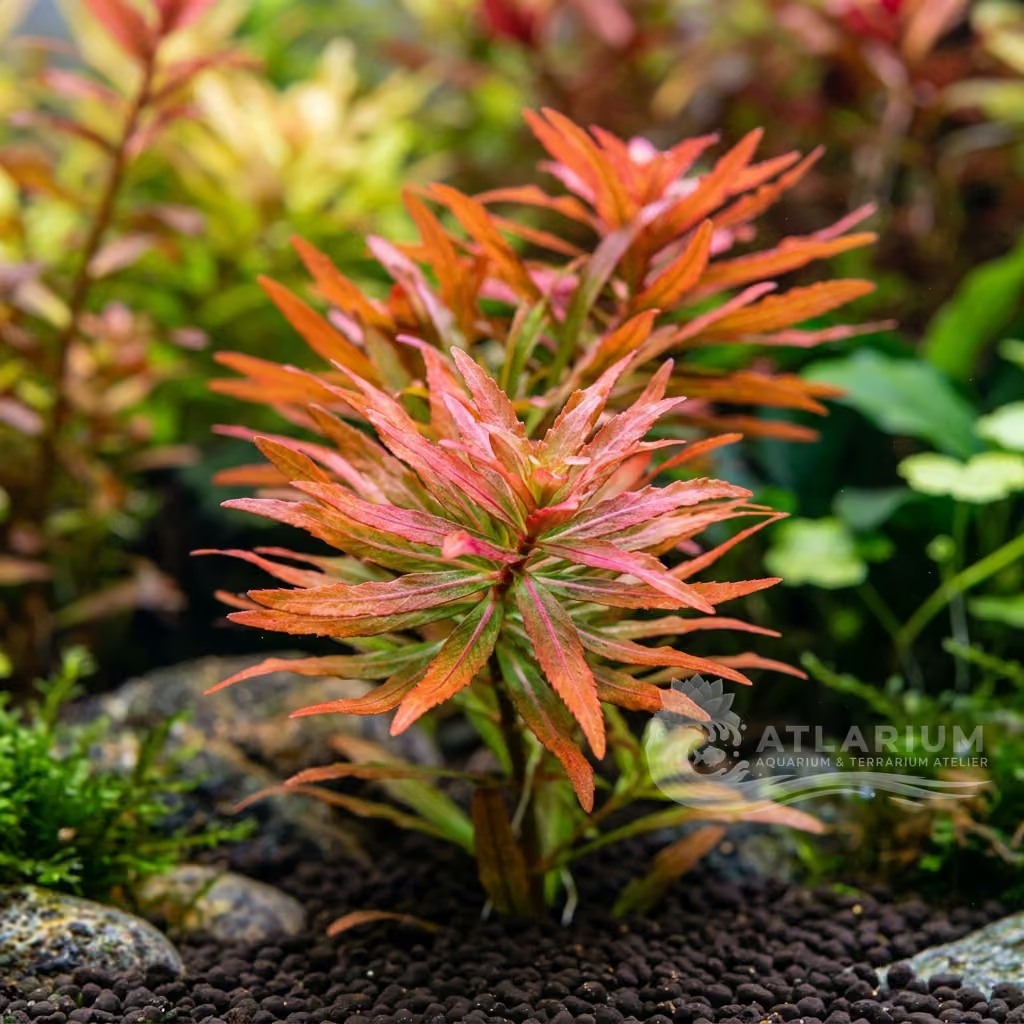
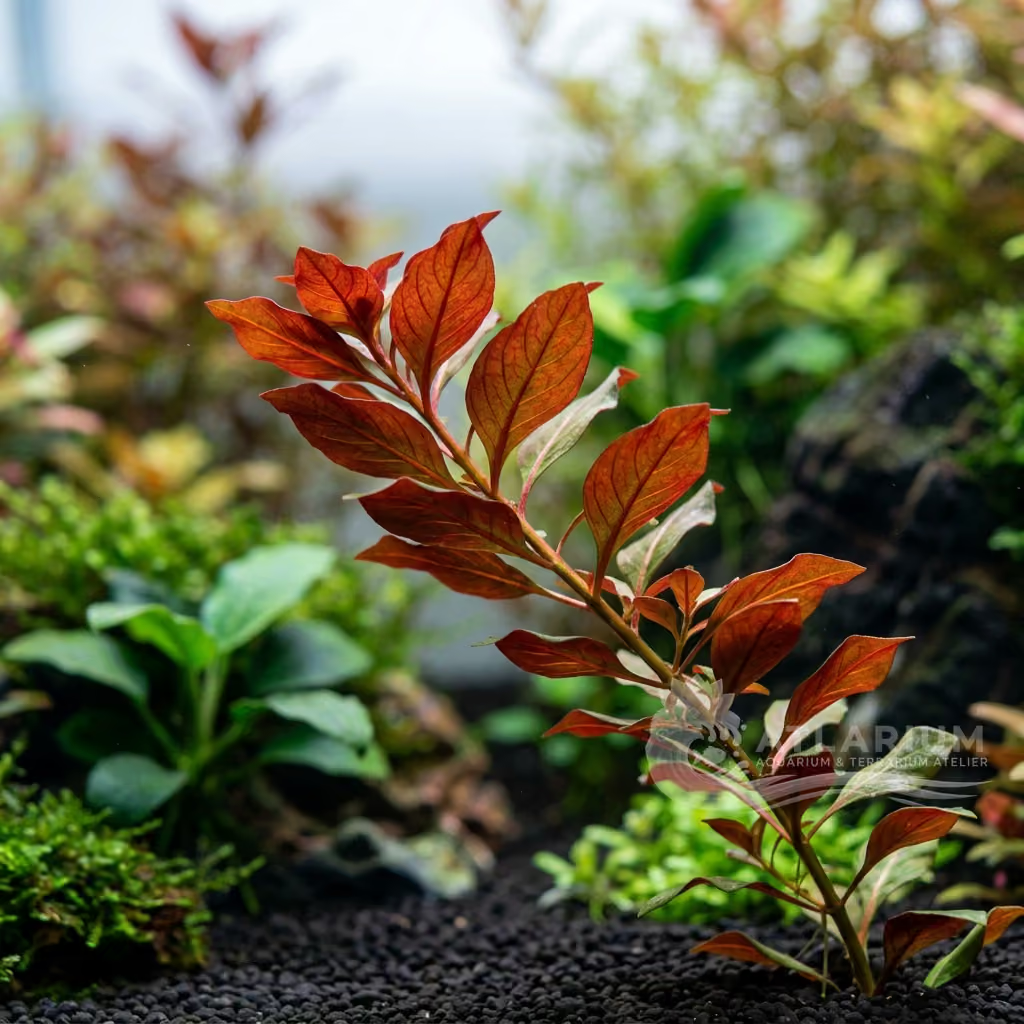
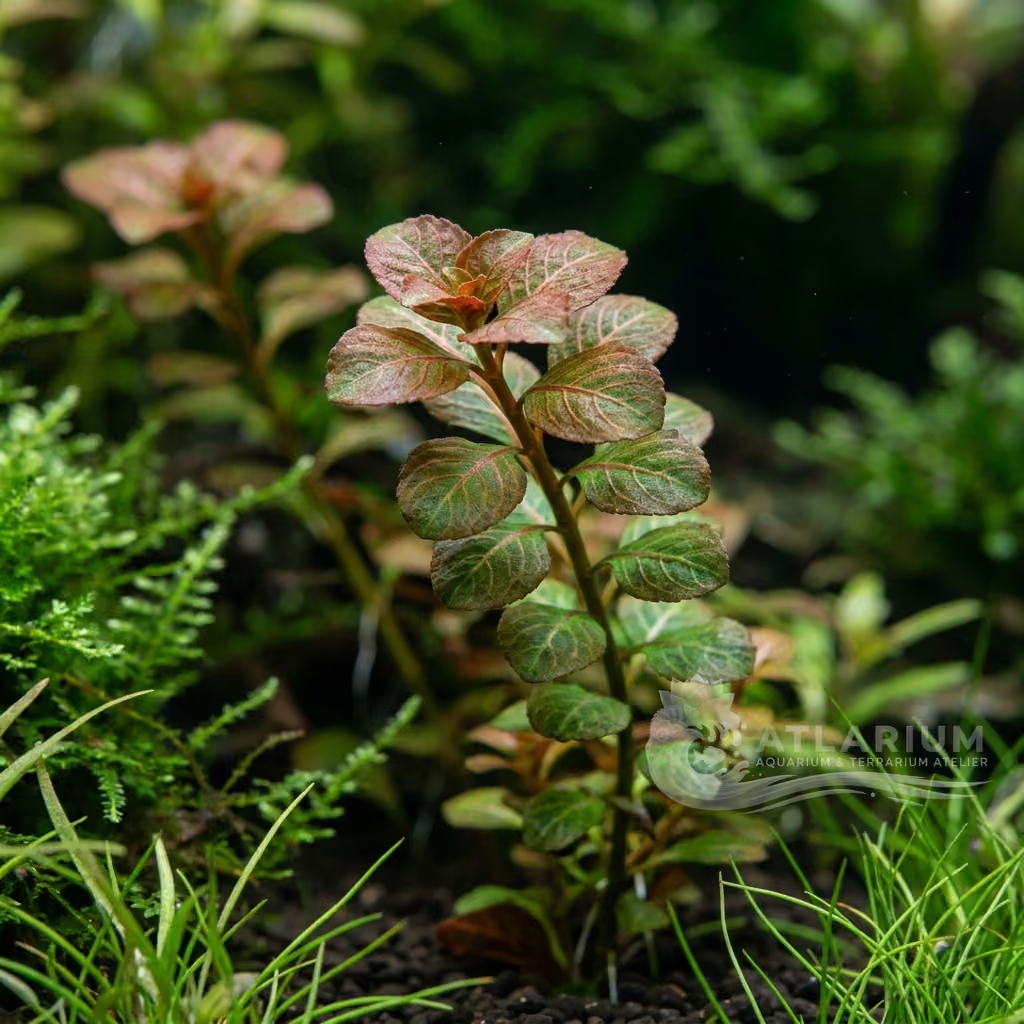
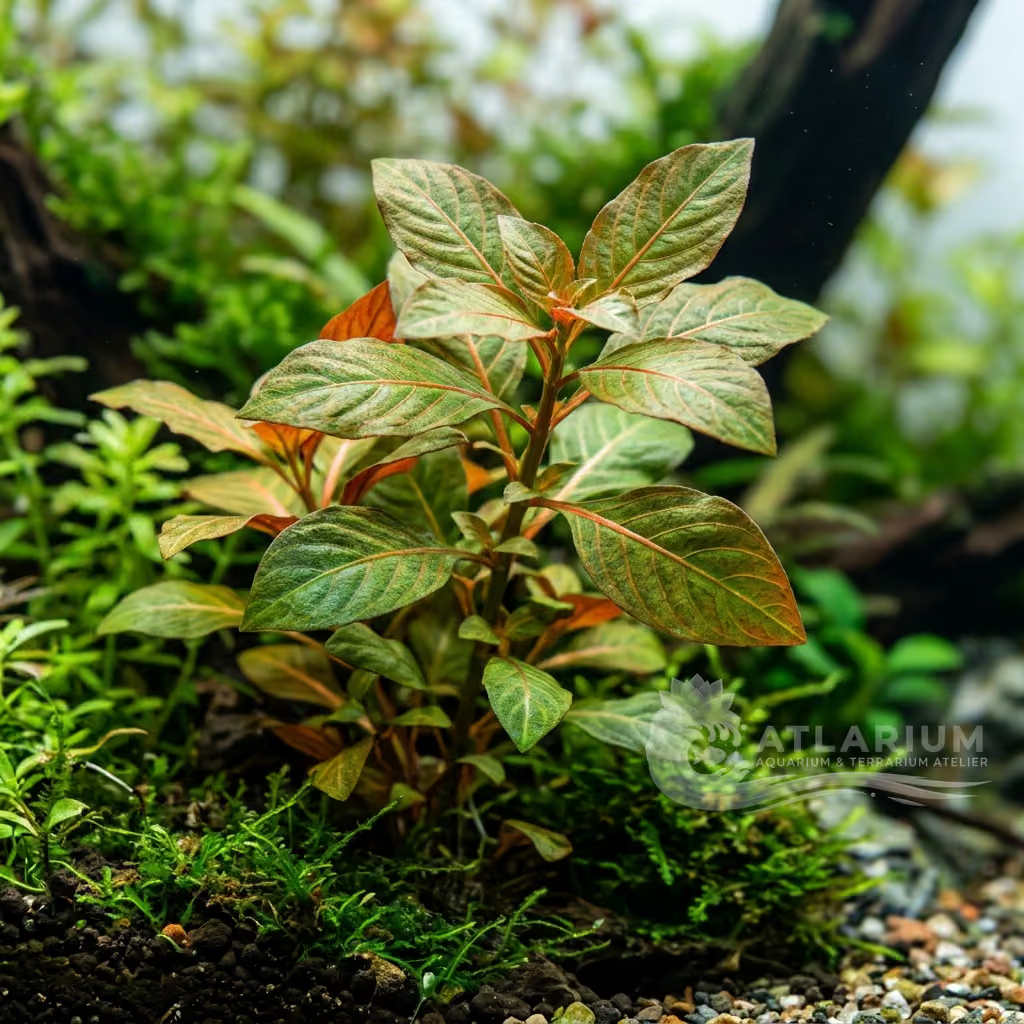
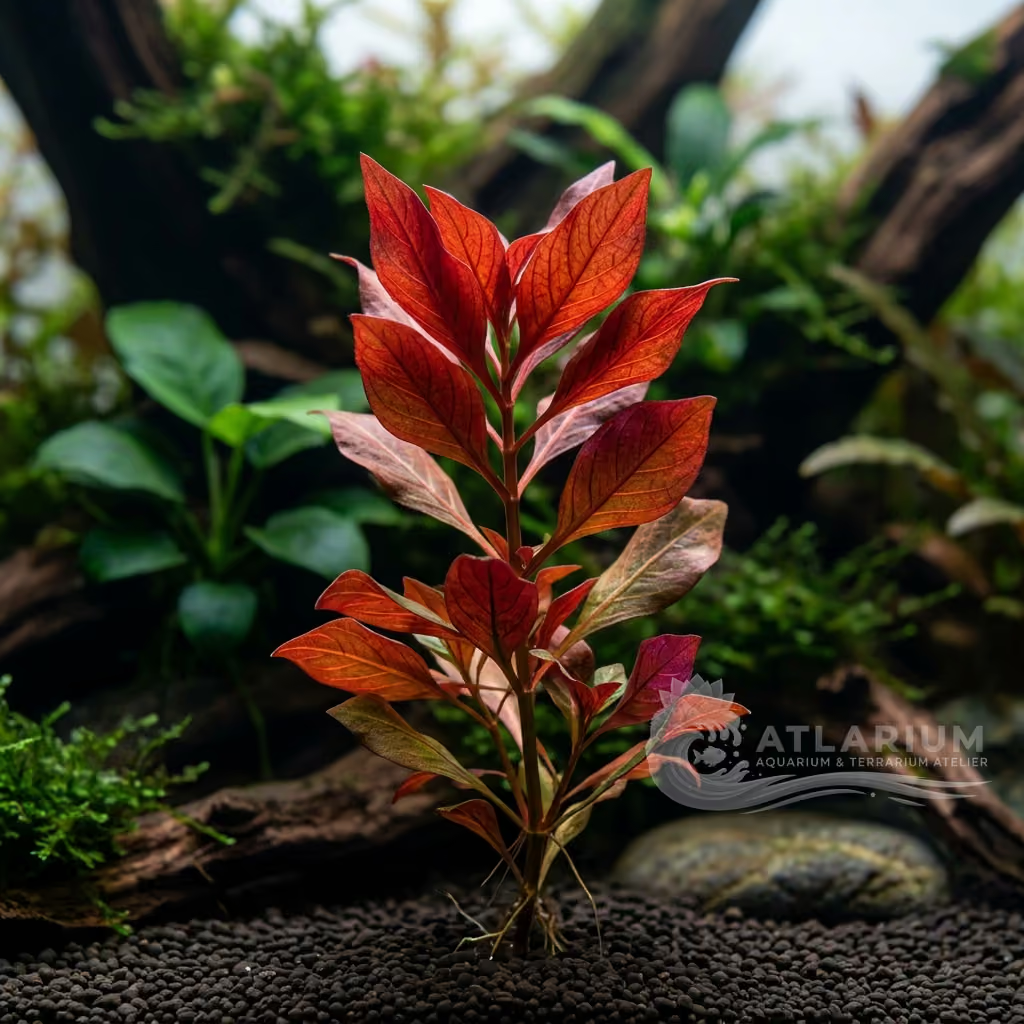
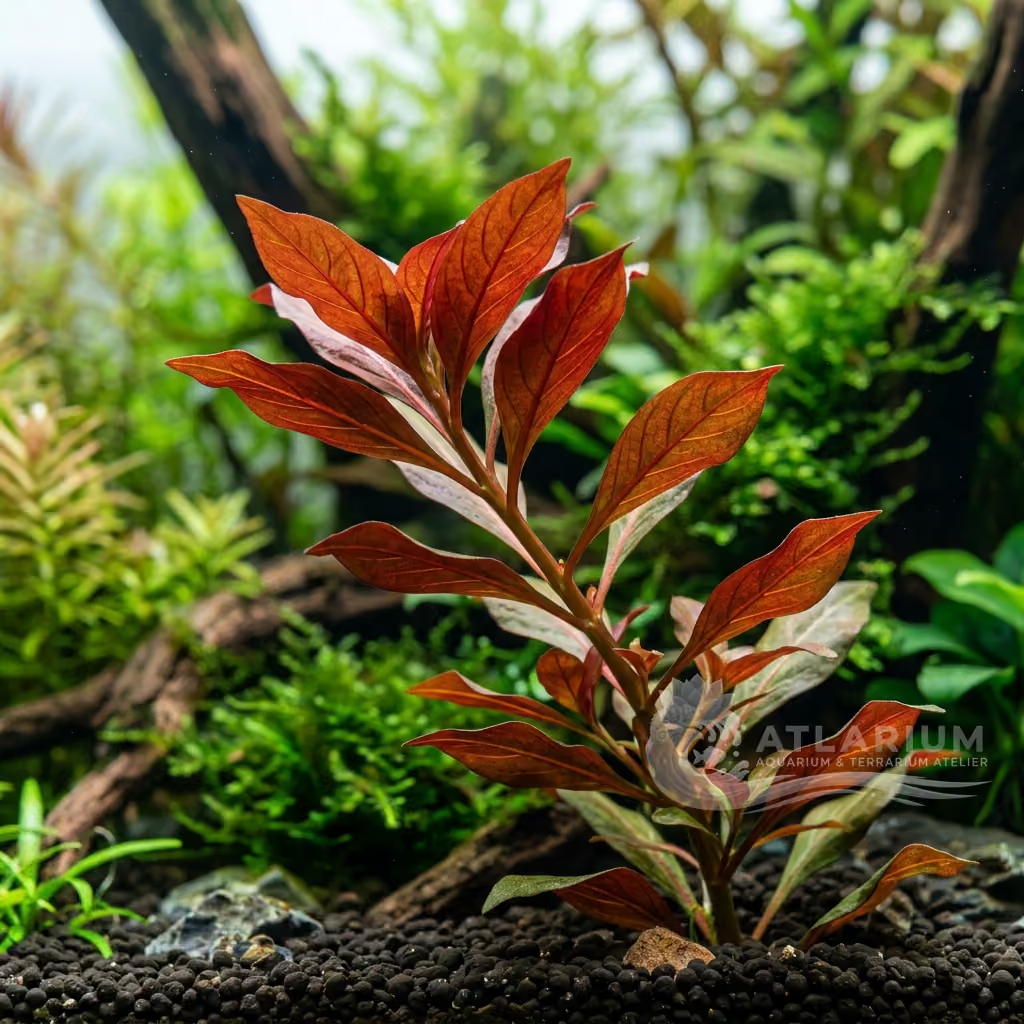
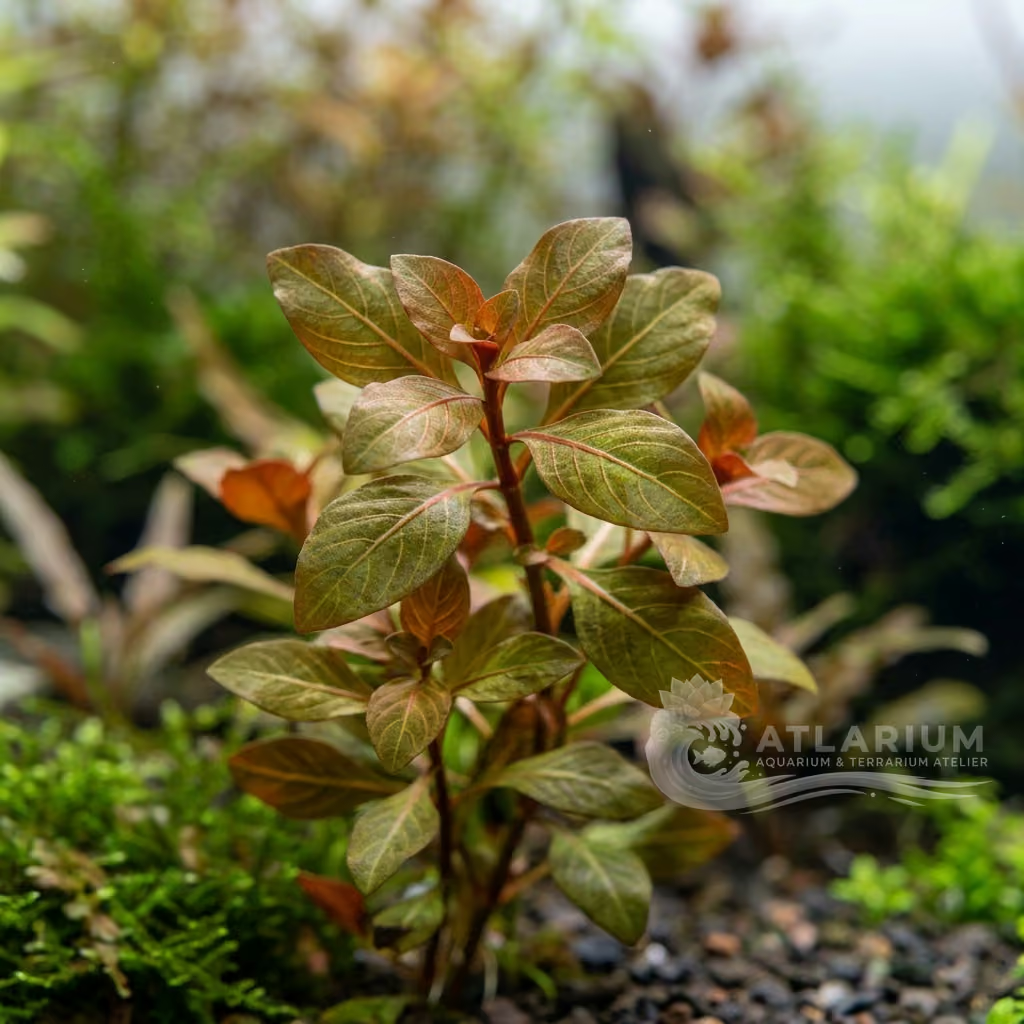
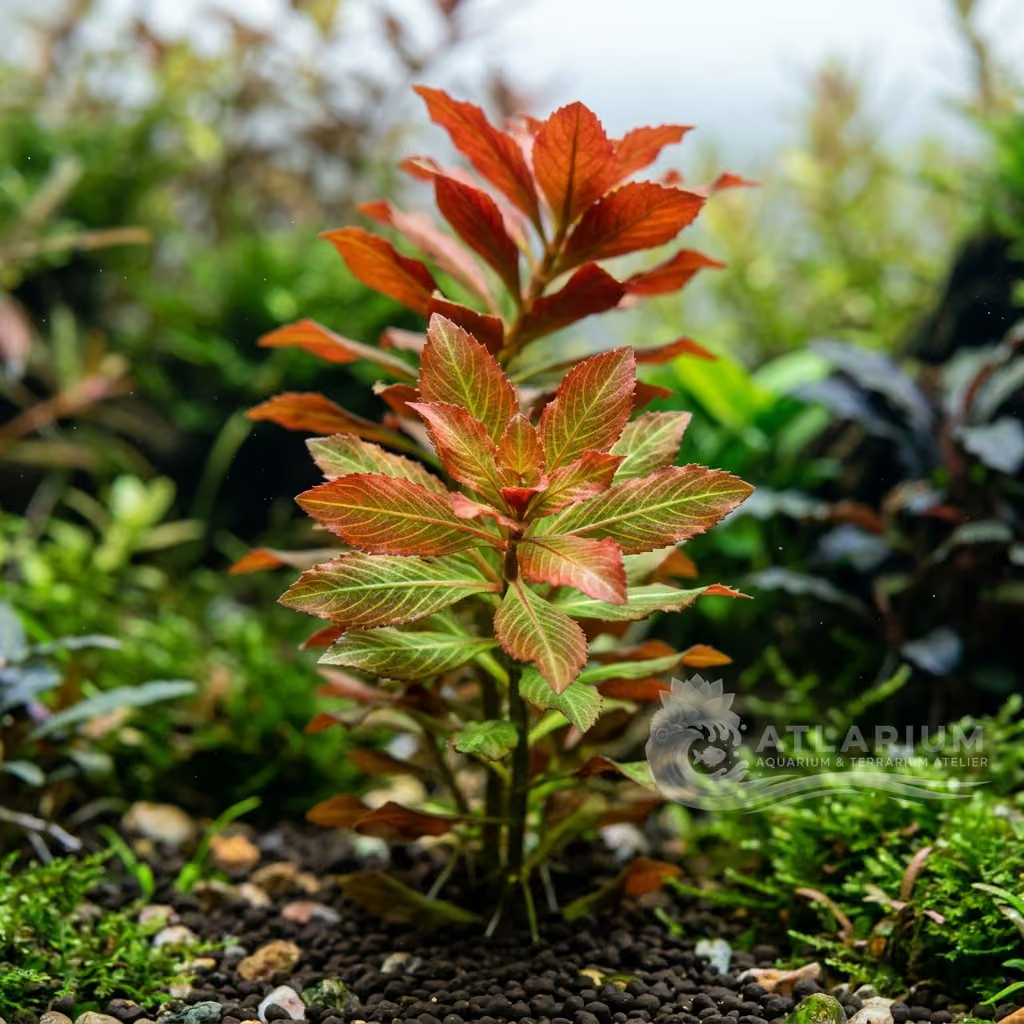
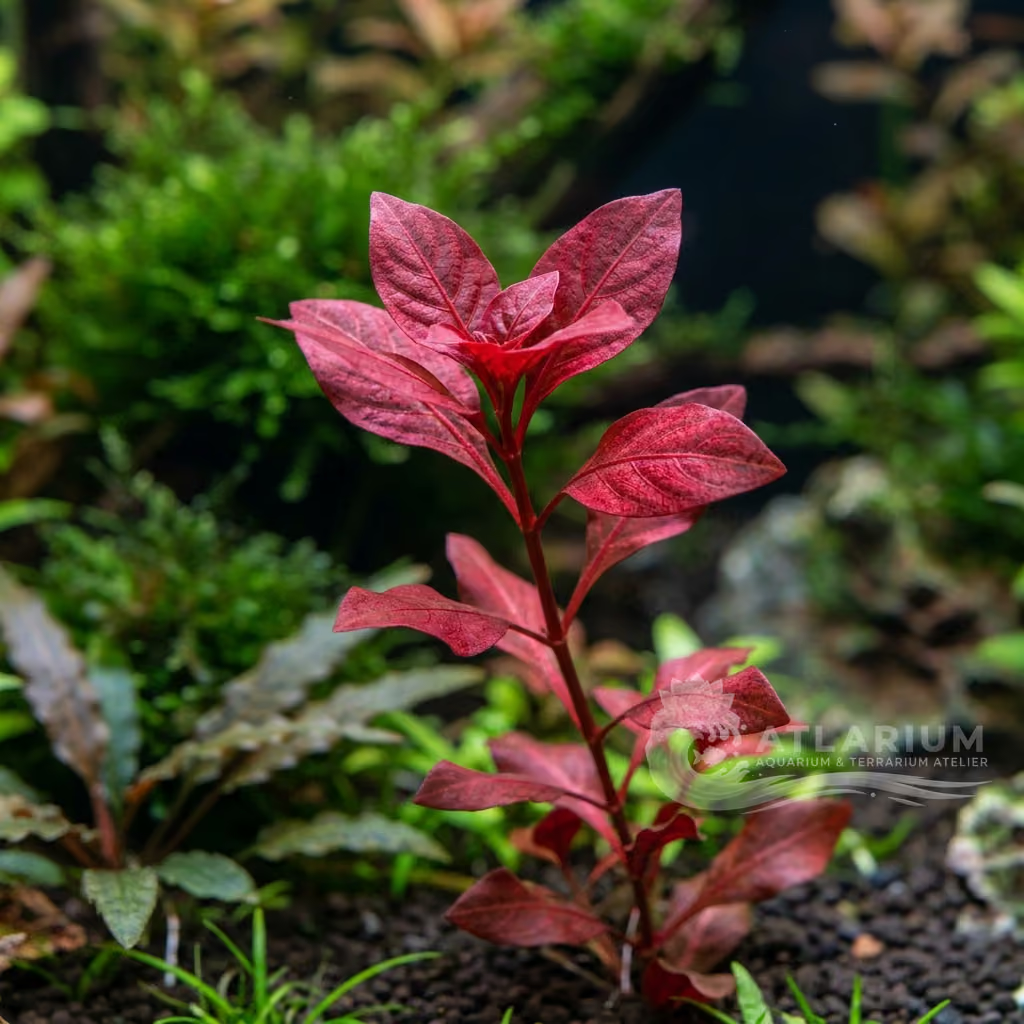
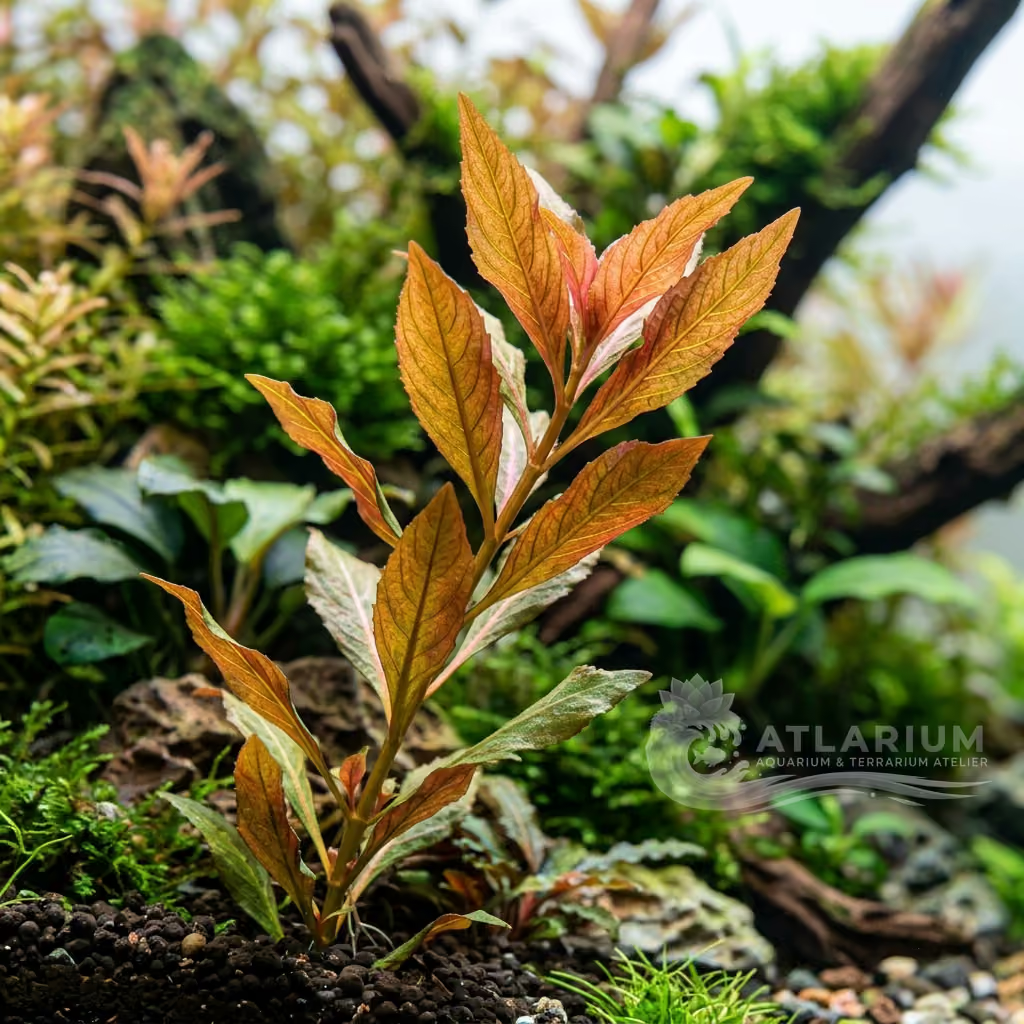
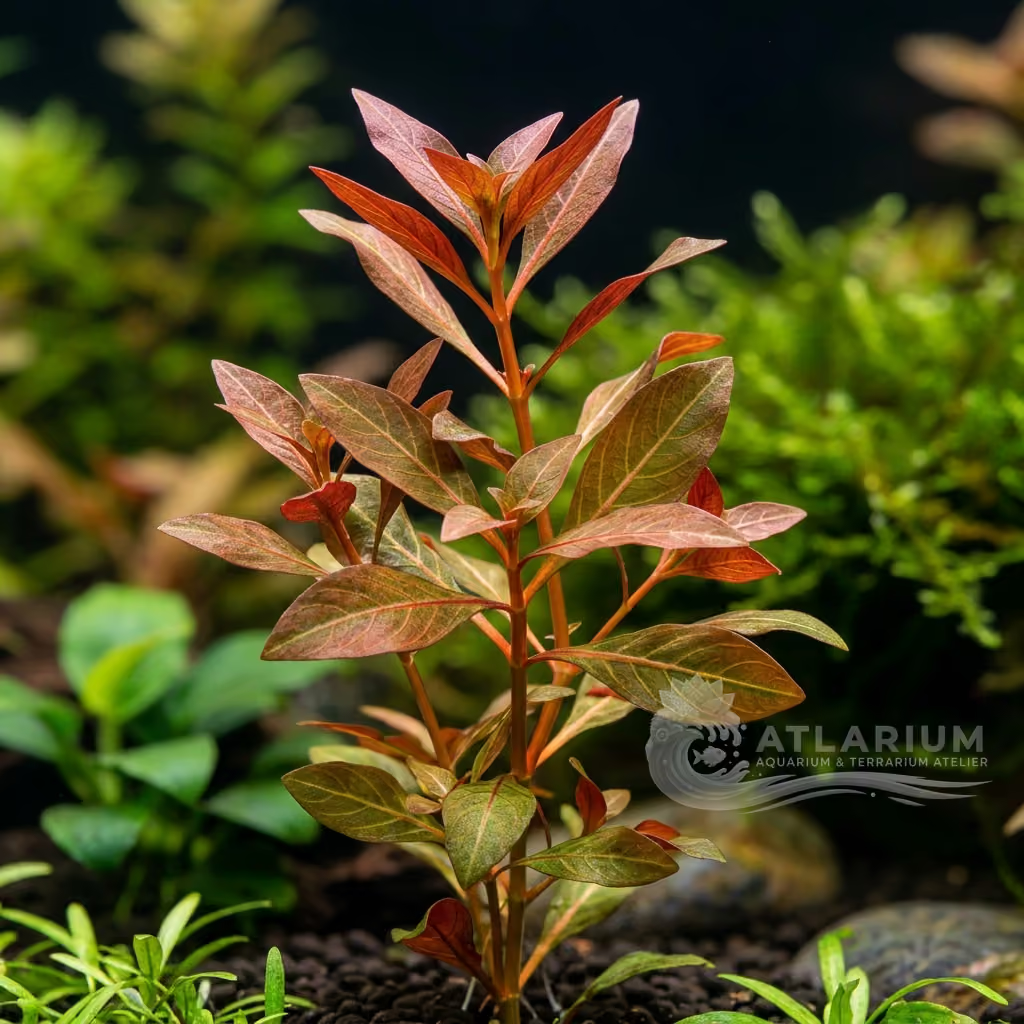
Color & Texture: Ludwigia sedoides boasts a vibrant green coloration, which under optimal high lighting and nutrient conditions, can develop stunning reddish or bronze undertones, particularly along the leaf margins or undersides. Its leaves have a smooth, slightly waxy texture, contributing to its common moniker "water poppy" due to their delicate appearance. The intricate arrangement of the leaves within the rosette creates a captivating visual texture that adds depth to the aquascape.

Soins, reproduction et cohabitation
Lighting & CO2: This species demands high light intensity to flourish, ensuring compact growth, vibrant coloration, and the characteristic reddish hues. Insufficient lighting will result in leggy growth and a loss of vibrant color. While CO2 injection is not strictly mandatory for survival, providing supplemental CO2 significantly boosts its growth rate, promotes denser leaf formation, and enhances its overall health and resilience in the aquascape.
Nutrition & Substrate: Ludwigia sedoides is primarily a
Water Chemistry: Ludwigia sedoides is remarkably adaptable to a broad spectrum of water chemistry parameters. It thrives in temperatures ranging from 20.0 to 34.0°C, accommodating both cooler tropical setups and warmer environments. A KH range of 2.0 to 15.0 and a pH range of 5.0 to 8.0 indicate its tolerance for soft to moderately hard water, and slightly acidic to slightly alkaline conditions. Maintaining stability within these ranges is more critical than pinpointing exact mid-points.
Space Management & Placement: Although classified for midground placement, Ludwigia sedoides is most effectively utilized as a floating rosette plant, creating natural overhead cover and an interesting textural element. Its propensity for rapid growth means it can quickly cover the water surface, potentially shading out light-demanding plants below. Strategic placement, perhaps confined to specific areas or near the tank's edges, is vital to manage light distribution and integrate it harmoniously into the aquascape.
Pruning: Due to its fast growth rate, regular pruning is essential to manage the size and spread of Ludwigia sedoides. Overgrown rosettes can be thinned out by removing older, lower leaves or by trimming back excessively long stems. This practice not only maintains the plant's aesthetic appeal but also encourages new, healthy growth and prevents it from completely dominating the water surface.
Risks & Diseases: While generally robust, Ludwigia sedoides can be susceptible to common aquatic plant issues if conditions are not met. Low light or nutrient deficiencies can lead to pale, stunted growth or leaf deterioration, making it more vulnerable. Excessive algae growth on its distinctive leaves can occur in tanks with imbalanced nutrients or extreme light, hindering photosynthesis and overall health. Monitoring these factors helps prevent most potential risks.

Origine et répartition géographiques
Native to the tropical and subtropical regions of South America, Ludwigia sedoides is commonly found in Brazil, Uruguay, Argentina, and Paraguay. Its natural habitat includes slow-moving rivers, ponds, and marshy areas, where it typically floats on the water surface, anchoring itself with roots to the substrate if present, or free-floating. This environment has shaped its adaptive ability to absorb nutrients primarily from the water column and tolerate a wide range of water conditions.
Origine
Amérique du Sud hors Amazonie

Profil de plante
- Emplacement
- Plan intermédiaire
- This plant is best suited as a floating plant or cultivated in shallow water where its leaves rest on the surface. In open-top aquariums or paludariums, it creates a stunning display when viewed from above. It requires an unshaded location with high light intensity.
- Forme botanique
- rooting plant with floating leaves
- It exhibits a unique rosette-like floating form composed of diamond-shaped leaves arranged in a circular, mosaic pattern. The leaves display a vibrant mix of green and red hues depending on light exposure. Submerged stems are typically bare, serving only to anchor the rosettes.
- Croissance
- Rapide
- Under optimal conditions of high light and rich nutrients, it grows very rapidly, quickly covering the water surface. Its rapid growth makes it excellent for nutrient export in open aquariums. However, it requires frequent maintenance to prevent shading out submerged plants below.
- Substrat
- Faible
- Ludwigia sedoides thrives when planted in a nutrient-rich, muddy substrate or aqua soil, although it can also grow as a floating plant with trailing roots. A substrate depth of 2-3 inches allows its root system to anchor securely in shallow water environments. Heavy root feeding is not strictly required if the water column is well-fertilized, but a rich base ensures more robust growth and vibrant foliage.
- Fertilisation de la colonne d'eau
- Recommandée
- Consistent liquid fertilization is highly recommended to support rapid growth and surface coverage. A comprehensive fertilizer containing iron and trace elements enhances the red coloration of the leaves. Dosing macros like nitrate and phosphate is also necessary in tanks with low bioloads.
- Fertilisation racinaire
- Aucune
- While primarily drawing nutrients from the water column, it benefits from root tabs if planted in the substrate. A nutrient-rich soil helps strengthen the stem that anchors the plant. However, root feeding is less critical than water column fertilization.
- Taille
- Occasionnelle
- Trimming involves pinching off overgrown rosettes or cutting the main stem to control its spread. Excess growth should be removed regularly to maintain light penetration for other inhabitants. Trimming is straightforward and encourages a tidier appearance.
- Propagation
- Boutures
- Propagation is easily achieved by taking side shoots or cutting the stem just below a healthy rosette. These cuttings can be replanted into the substrate or left to float until roots develop. The plant naturally produces runners along the surface in optimal conditions.
- Sensibilité
- Modérée
- Ludwigia sedoides is highly sensitive to low light conditions, which cause it to lose its red color and eventually melt. It also does not tolerate cold water or strong surface agitation that constantly splashes its leaves. A stable, warm environment with gentle surface movement is ideal.
- Rôle dans le décor
- Flottante, Plan intermédiaire
- It serves as a spectacular floating centerpiece or surface accent in open-top aquariums and indoor ponds. Its mosaic pattern provides natural shade and resting places for surface-dwelling fish. It is often used to add visual interest to the water surface rather than the underwater landscape.

Espèces associées
Recommandations regroupées par proches parents, compagnons et soins similaires.