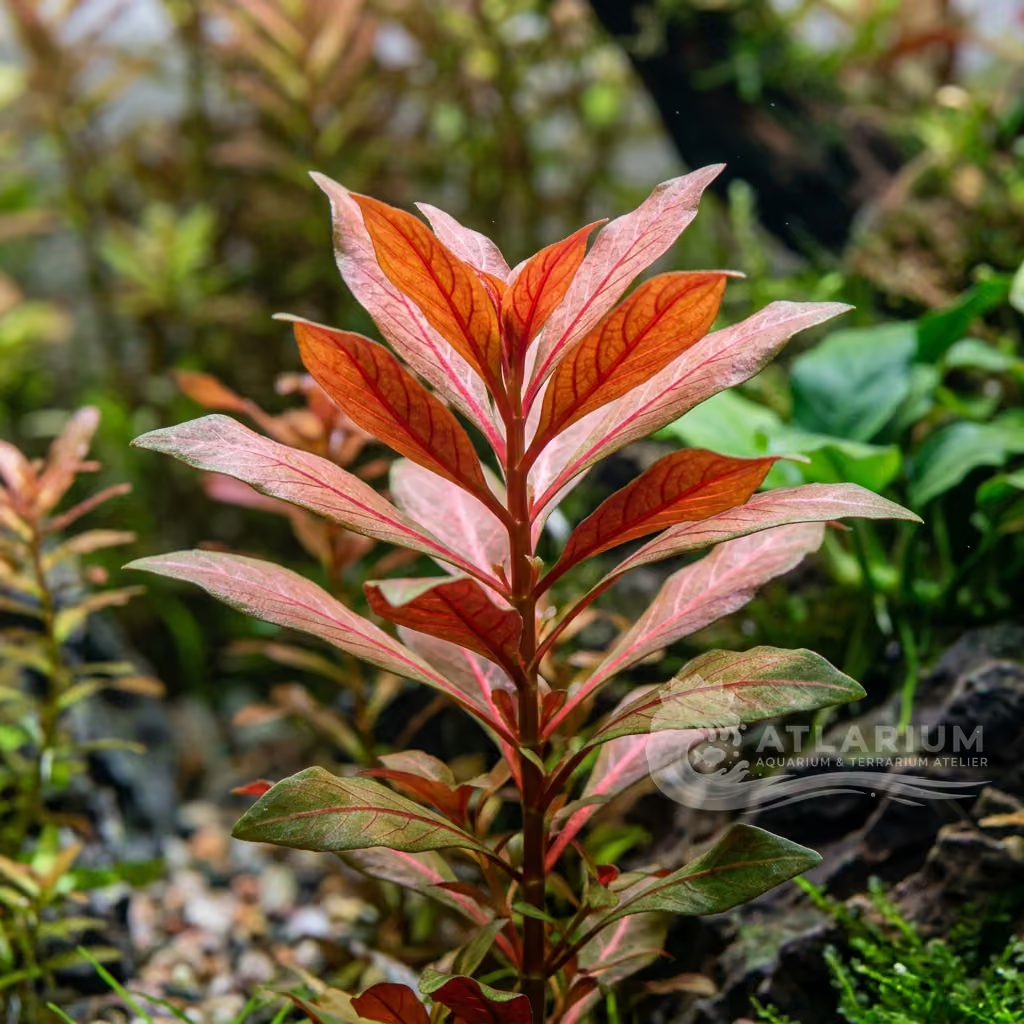
Ludwigia sphaerocarpa
Ludwigia sphaerocarpa
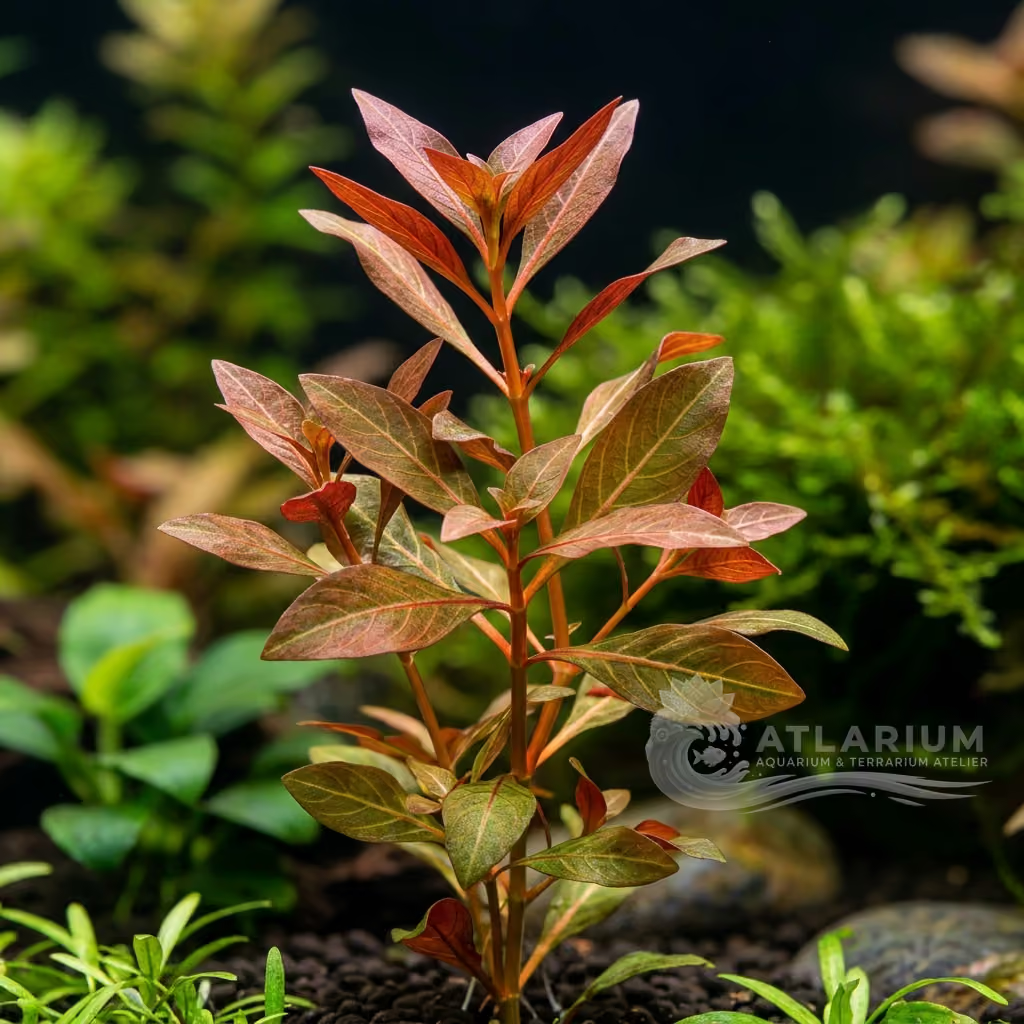
Ludwigia sphaerocarpa is a vibrant midground stem plant known for its plump leaves and intense coloration, requiring high light and specific conditions to thrive. With a medium growth rate, it serves as an excellent focal point or a dense bush in a well-maintained aquascape.
Température de l’eau
18 - 28 °C
Valeur du pH
5 - 7
Type d'eau
Eau douce
Lumière
Élevée
CO2
Élevée
KH
2 - 10 dKH

Description de l'espèce
Geographical Origin and Habitat: Ludwigia sphaerocarpa is an aquatic species native to the southeastern United States, where it thrives in freshwater environments such as swamps, ponds, and slow-moving riverbanks. These areas are typically characterized by soft, slightly acidic water, often rich in organic detritus that contributes to a nutritious substrate. Its adaptability to these conditions makes it a robust plant, yet it displays its full splendor when the requirements of its natural habitat are faithfully replicated in the aquarium.
Taxonomy & Genetics: Belonging to the Onagraceae family, Ludwigia sphaerocarpa shares the Ludwigia genus with numerous other popular aquarium species, all characterized by a stem structure and a remarkable variety of leaf shapes and
Color & Texture: s. Its classification distinguishes this species by its spherical or spatulate leaves and the peculiar shape of its fruits in nature, from which the epithet "sphaerocarpa" derives. Although no widely distributed genetically distinct varieties have been identified in the aquarium trade, the plant exhibits some phenotypic plasticity in response to different growing conditions, influencing size and color intensity.
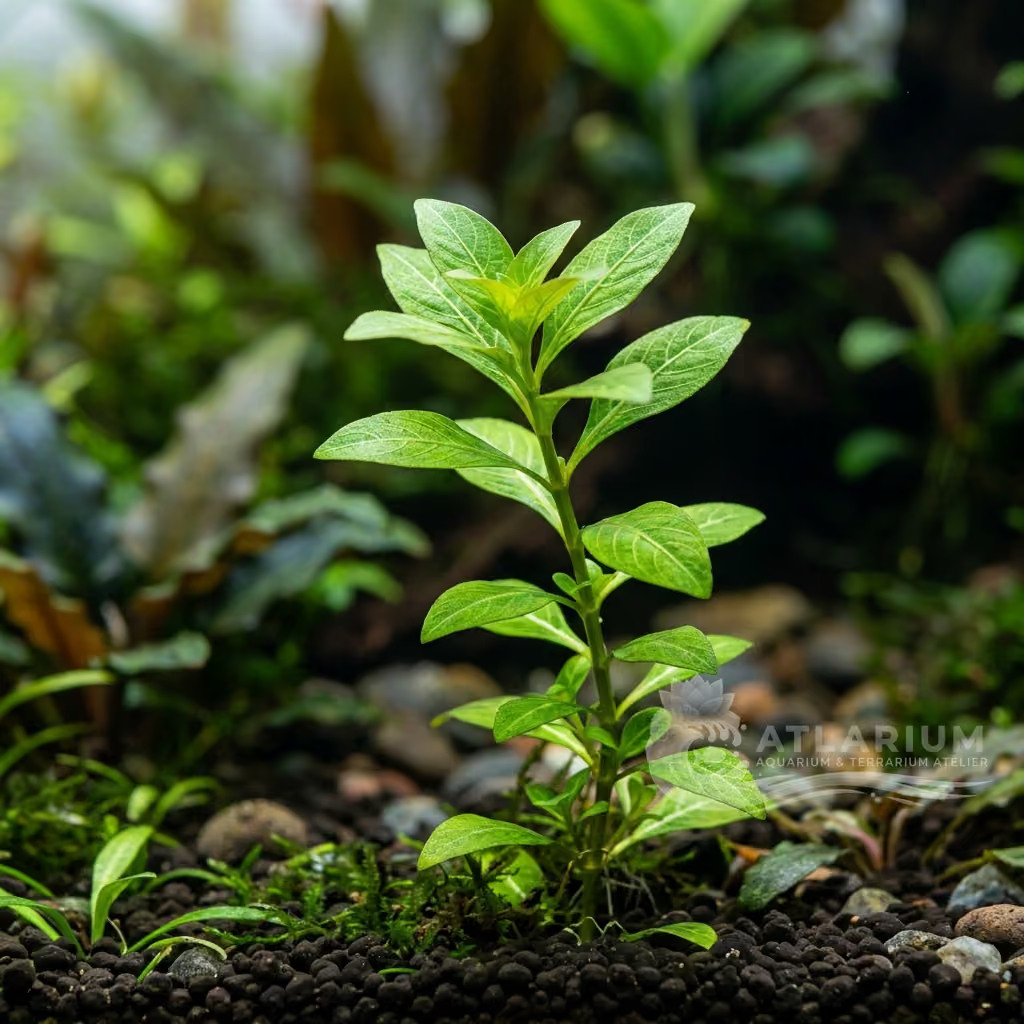
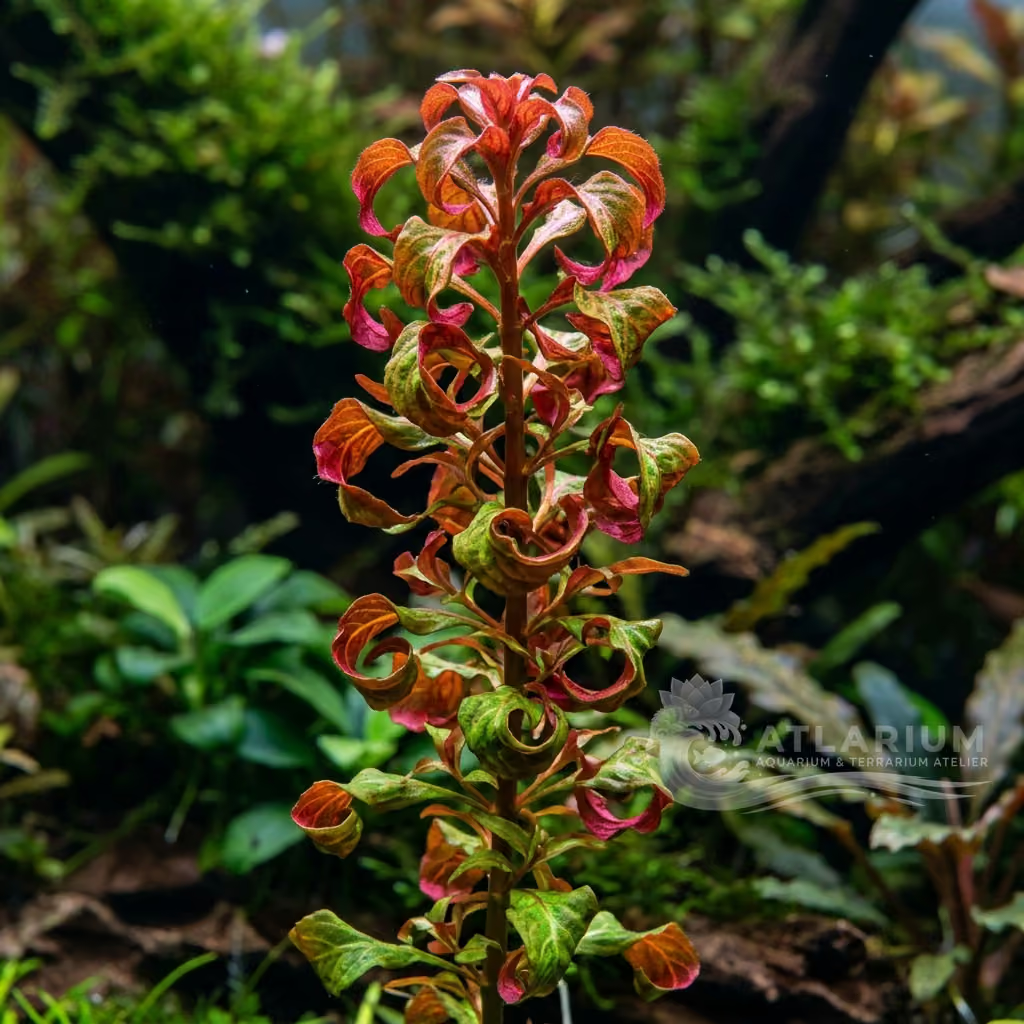
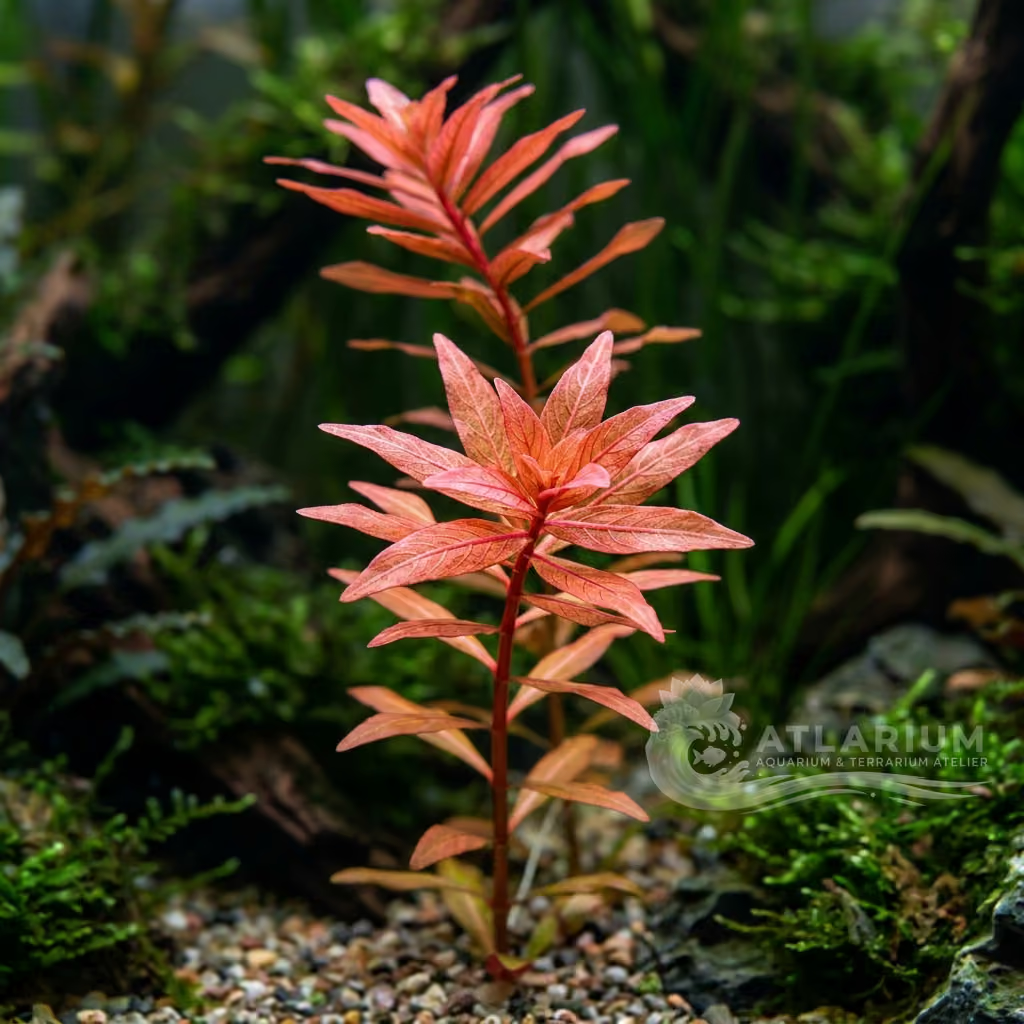
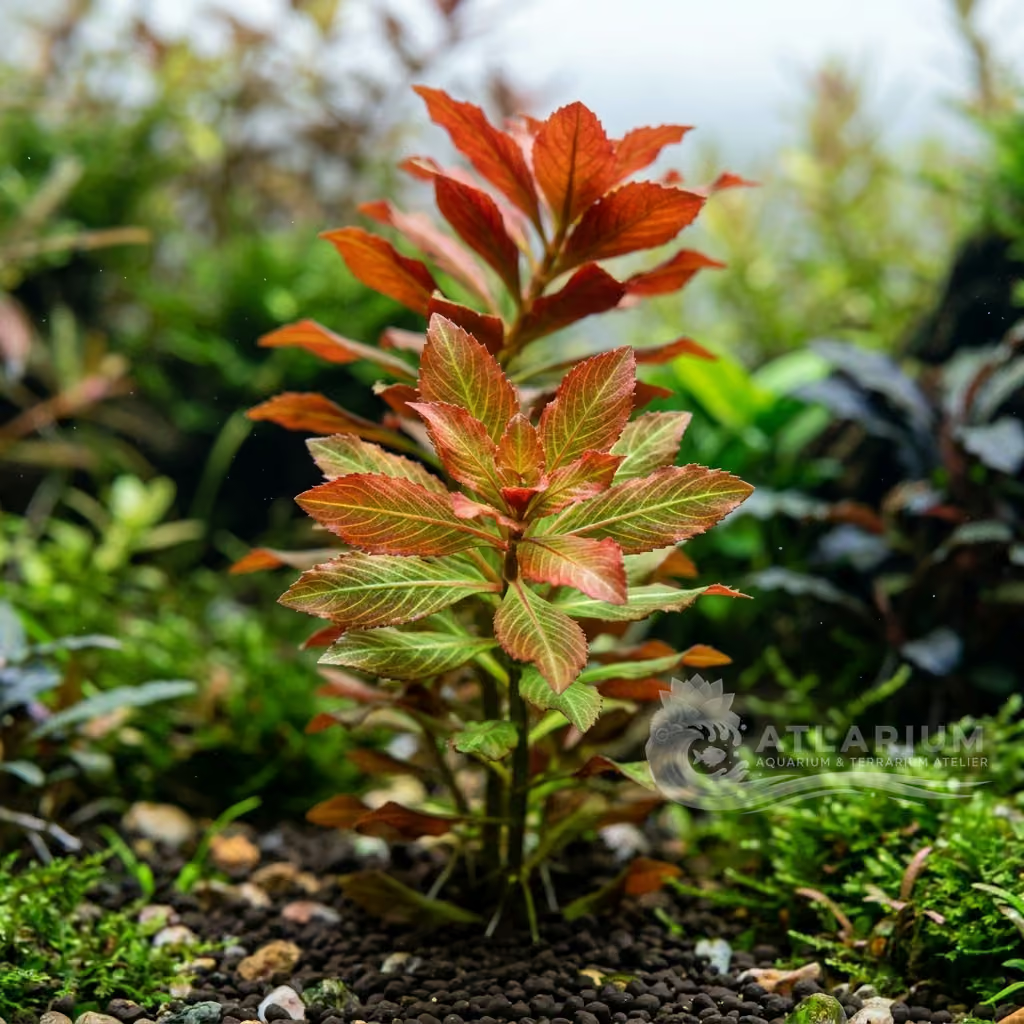
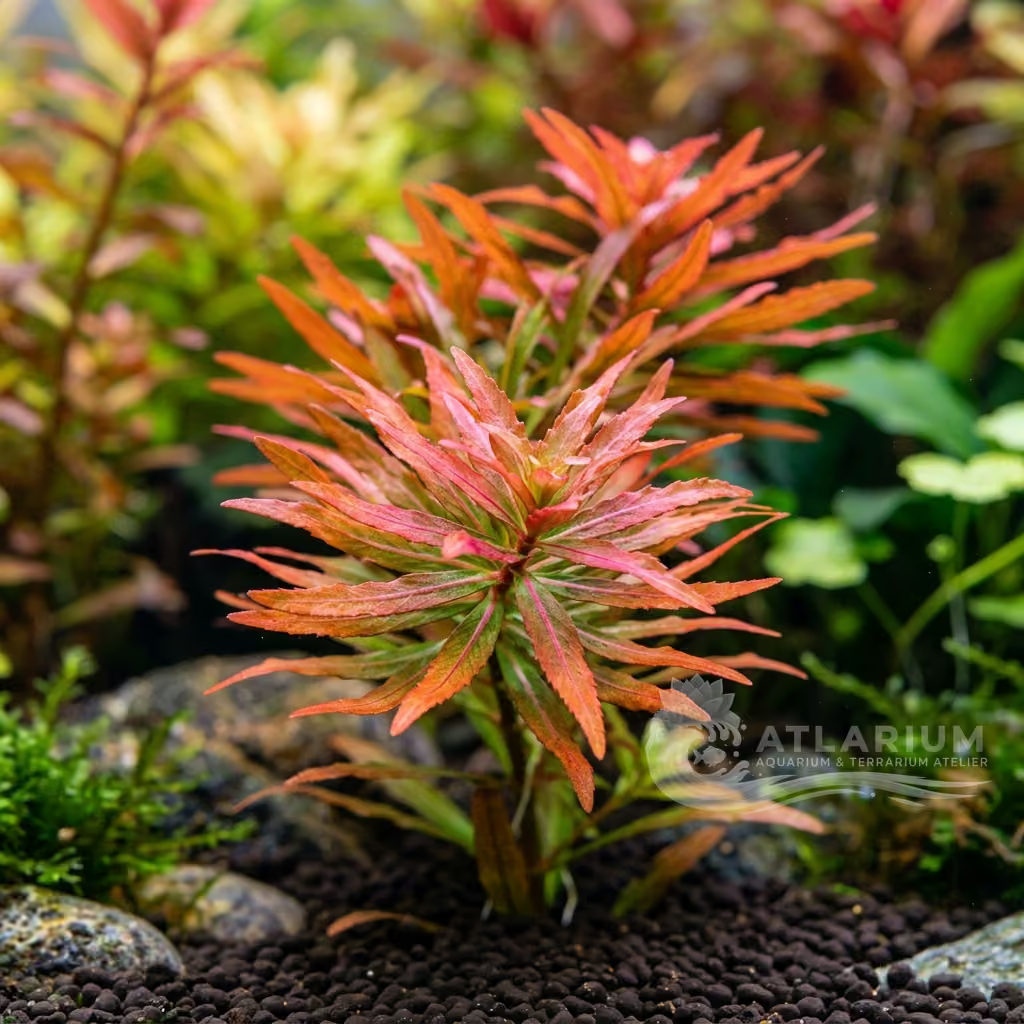
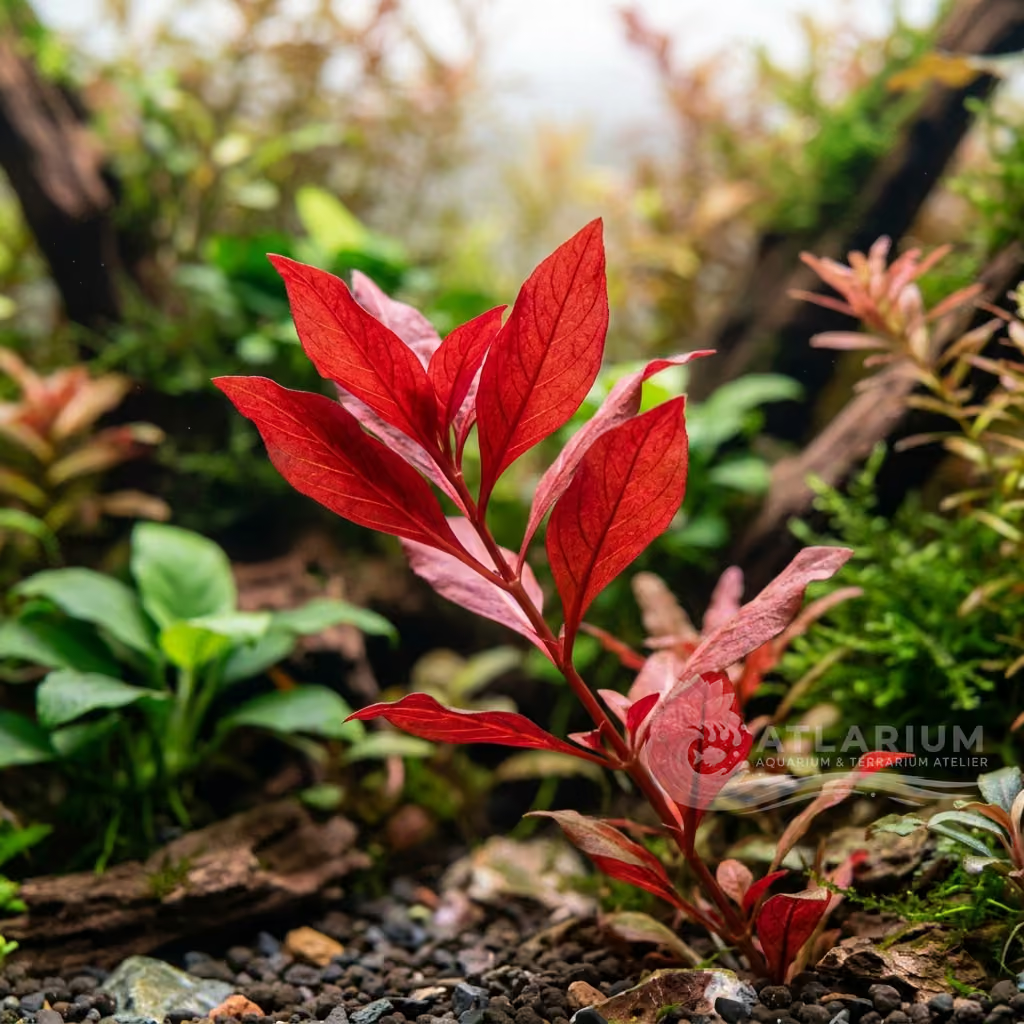
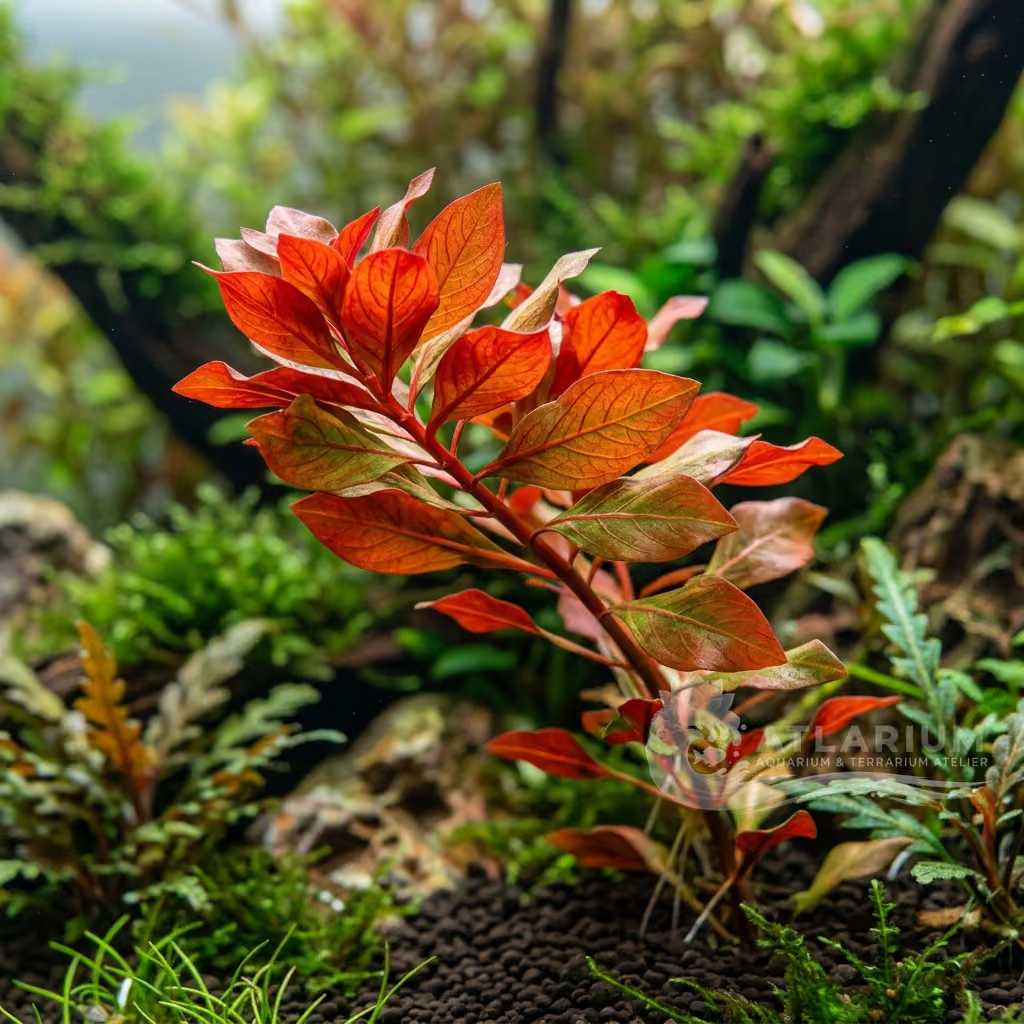
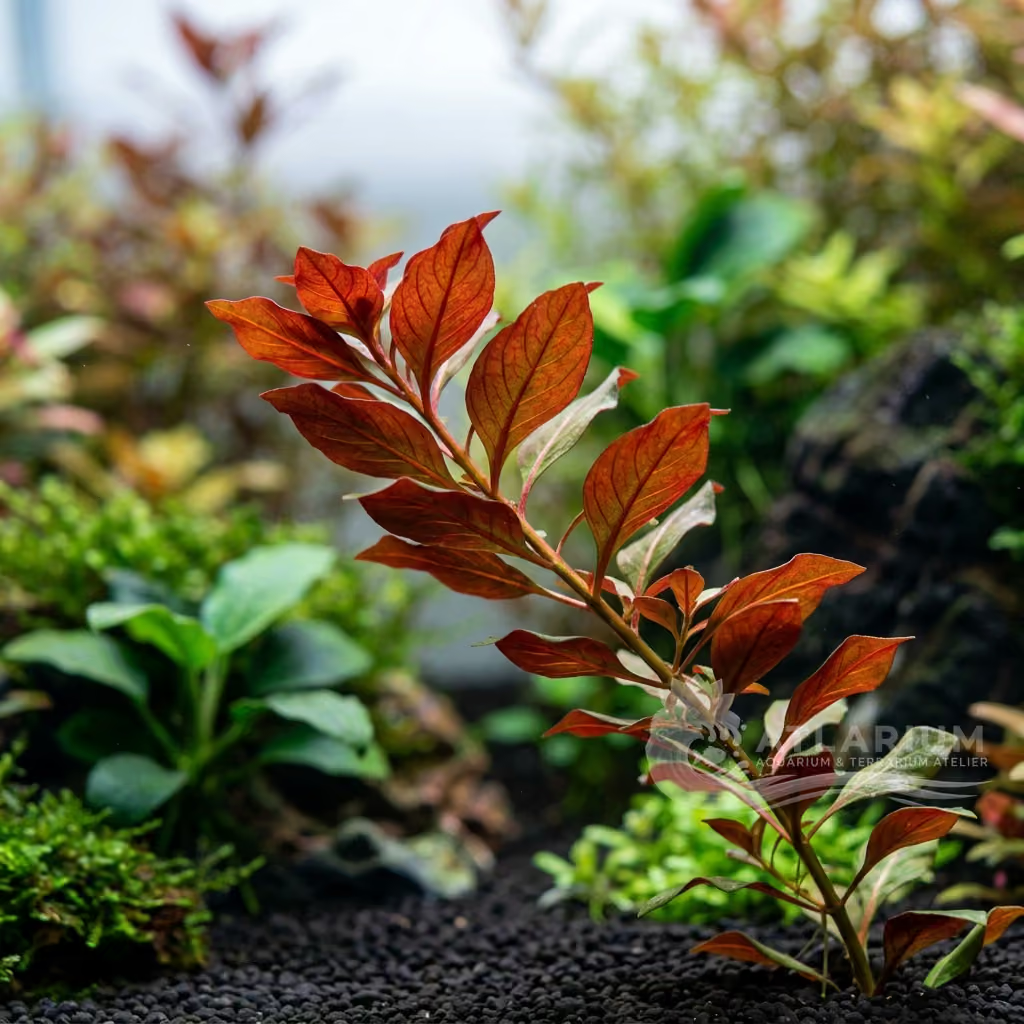
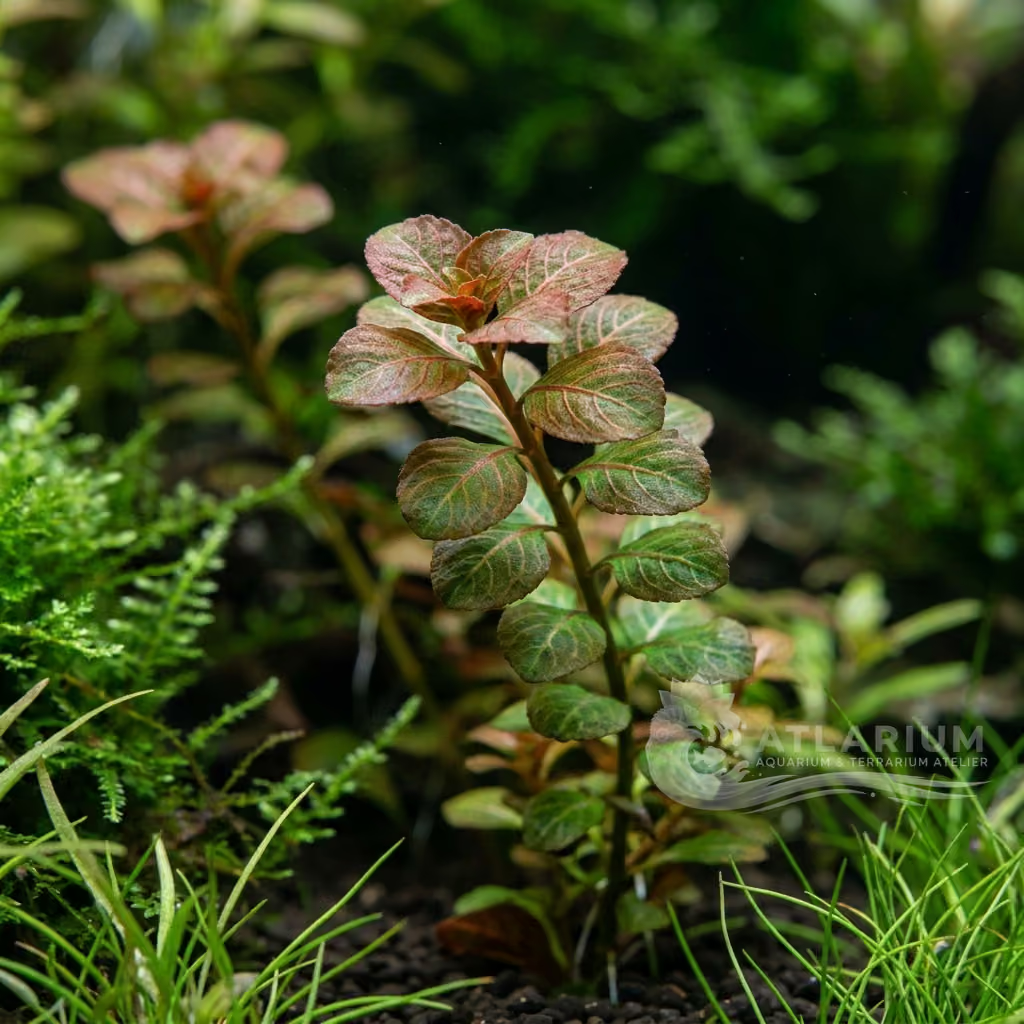
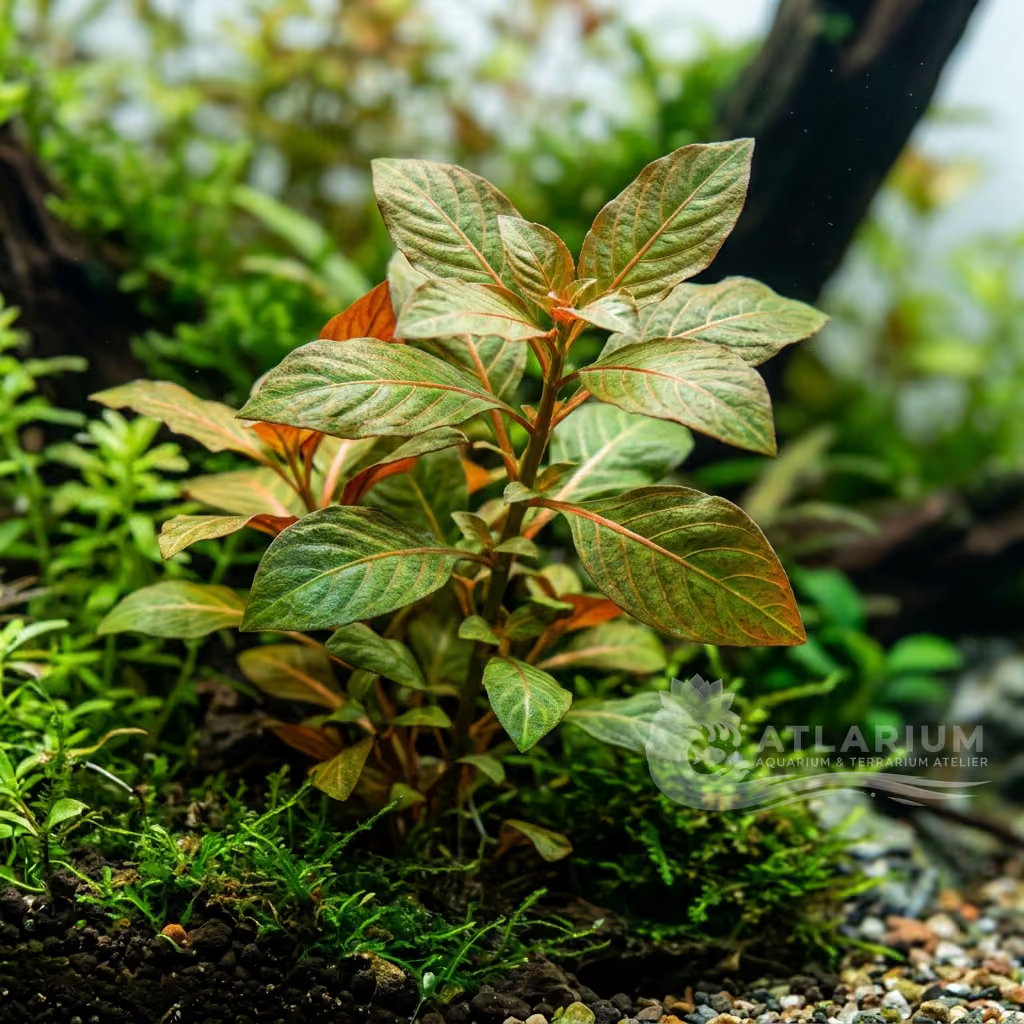
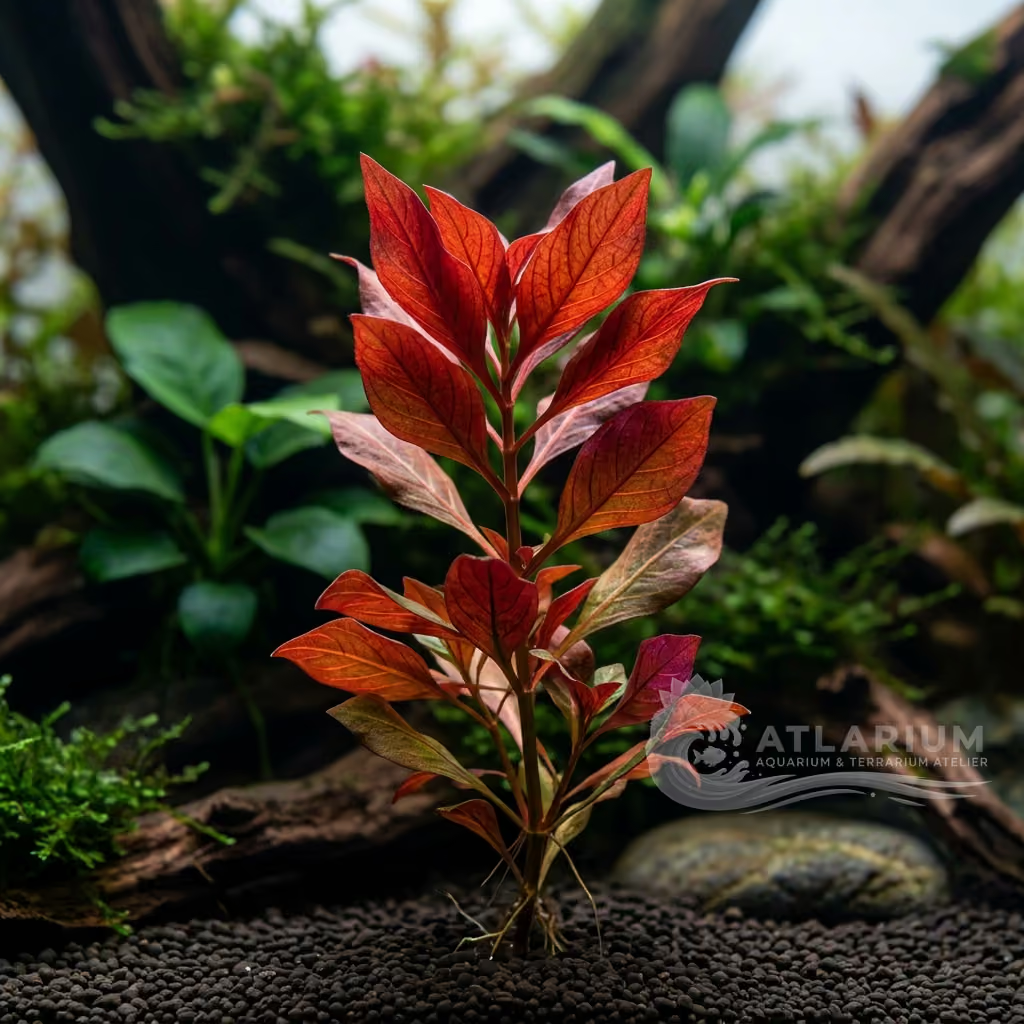
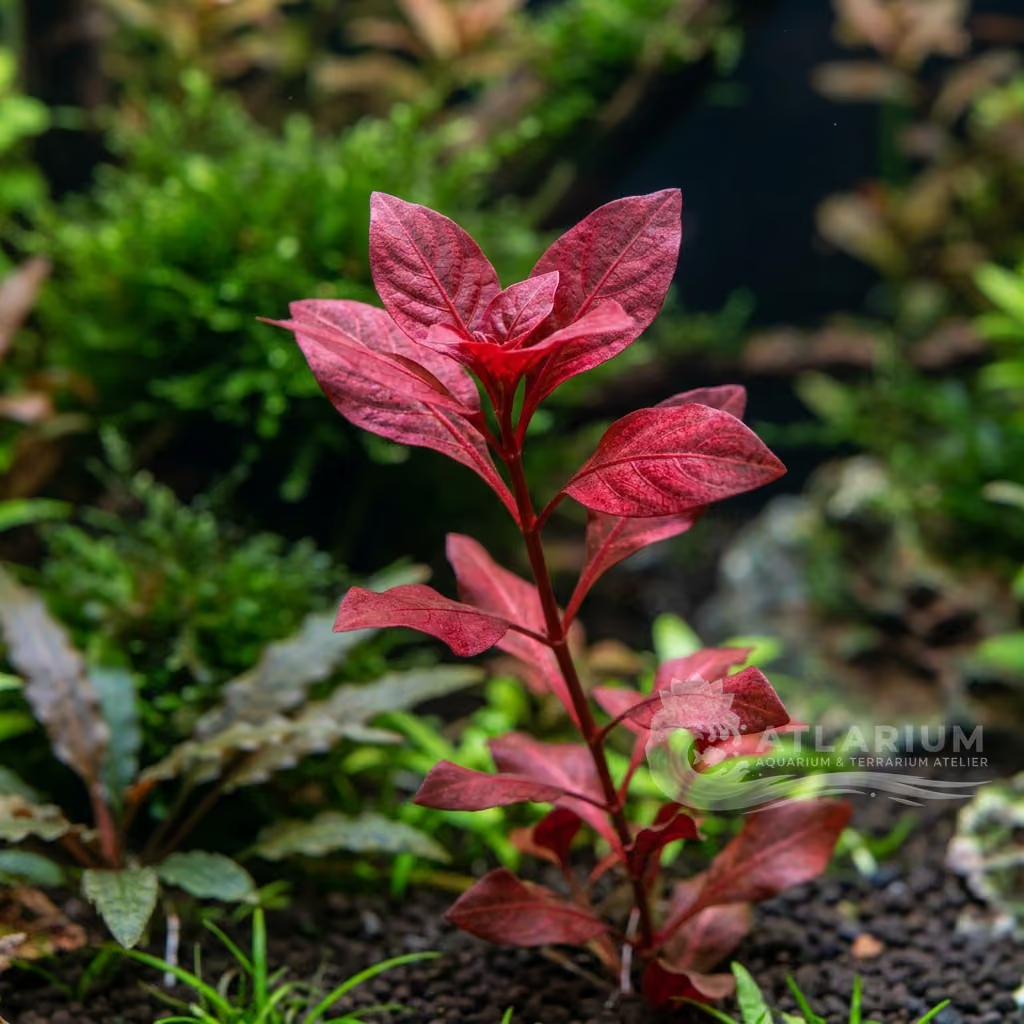
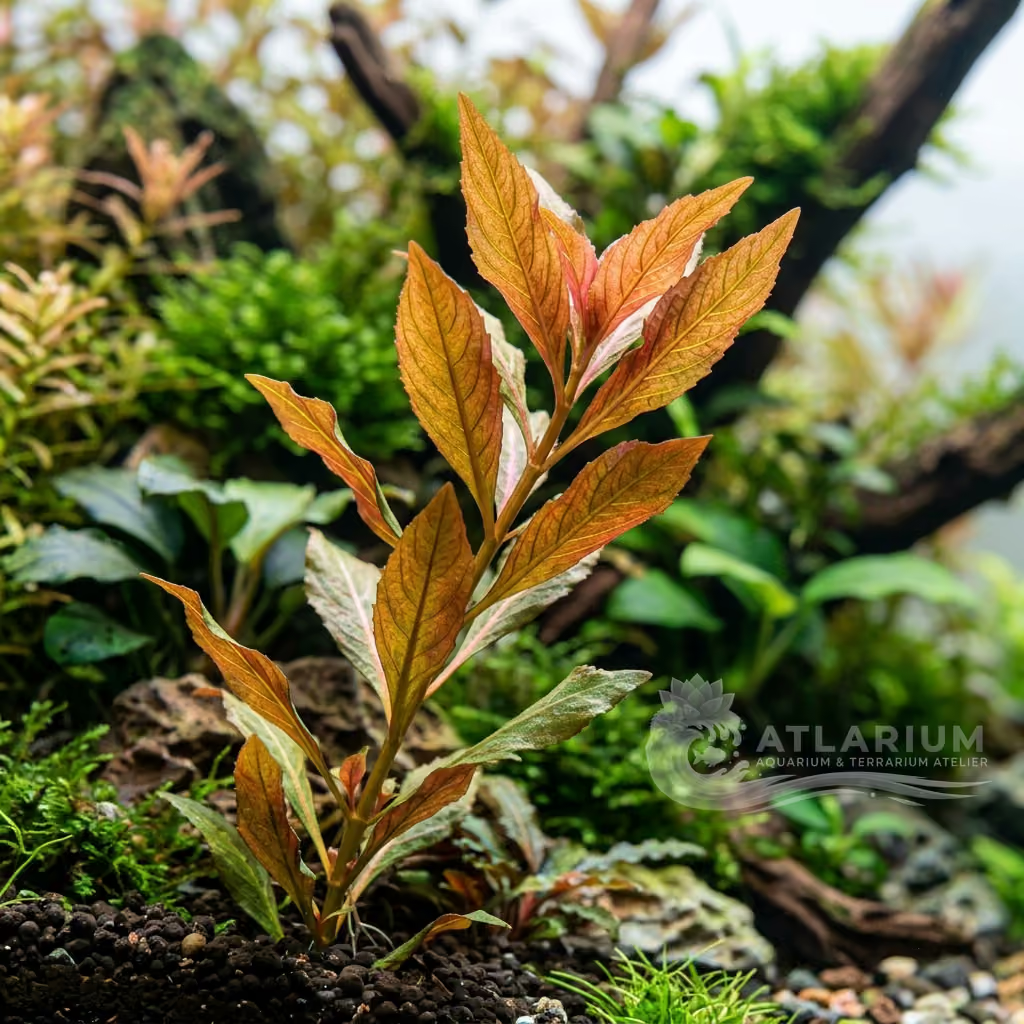
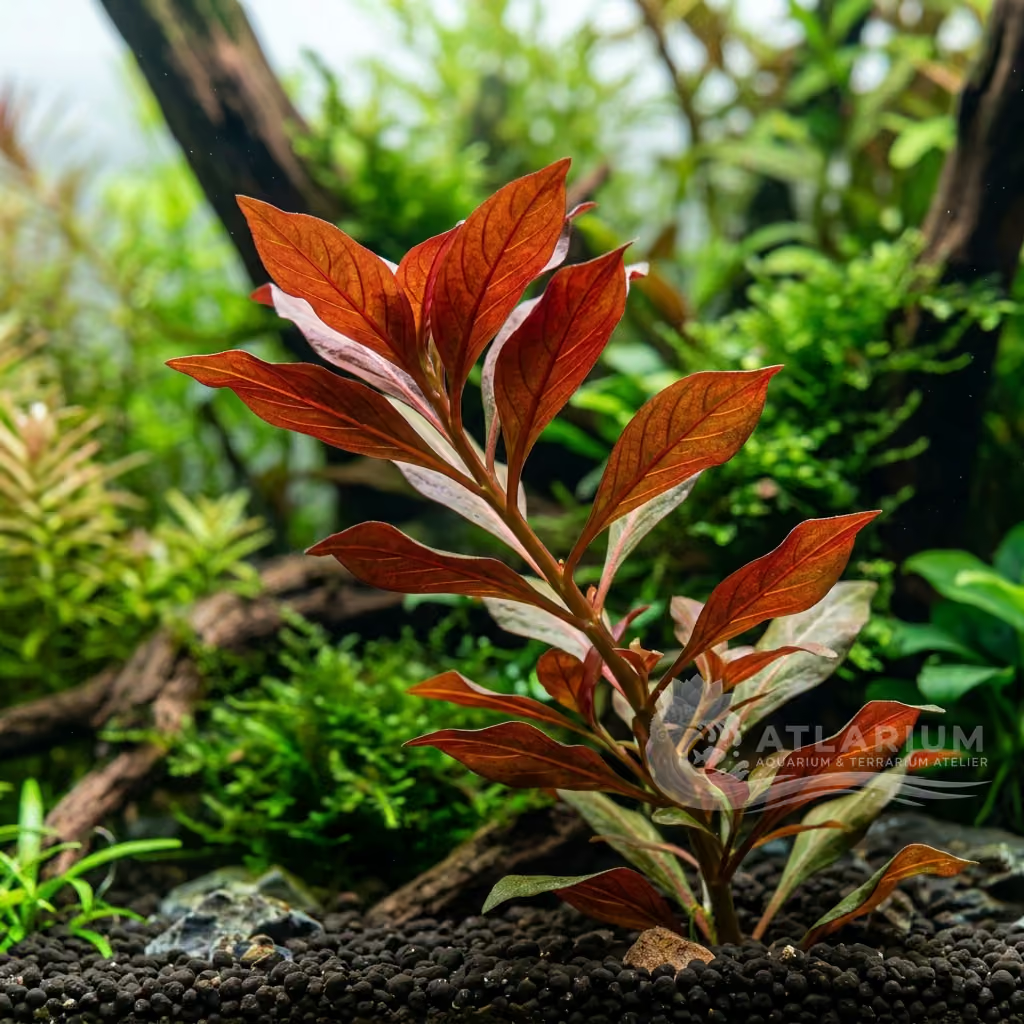
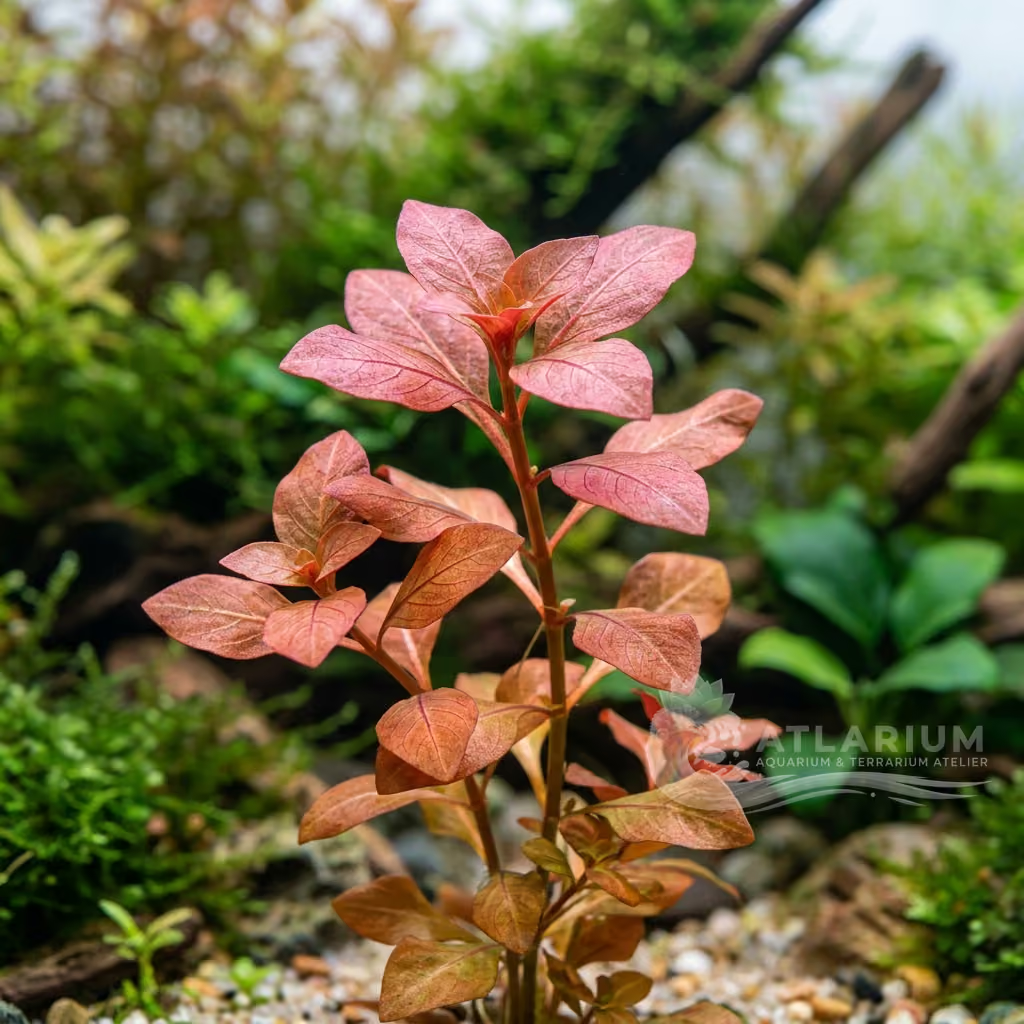
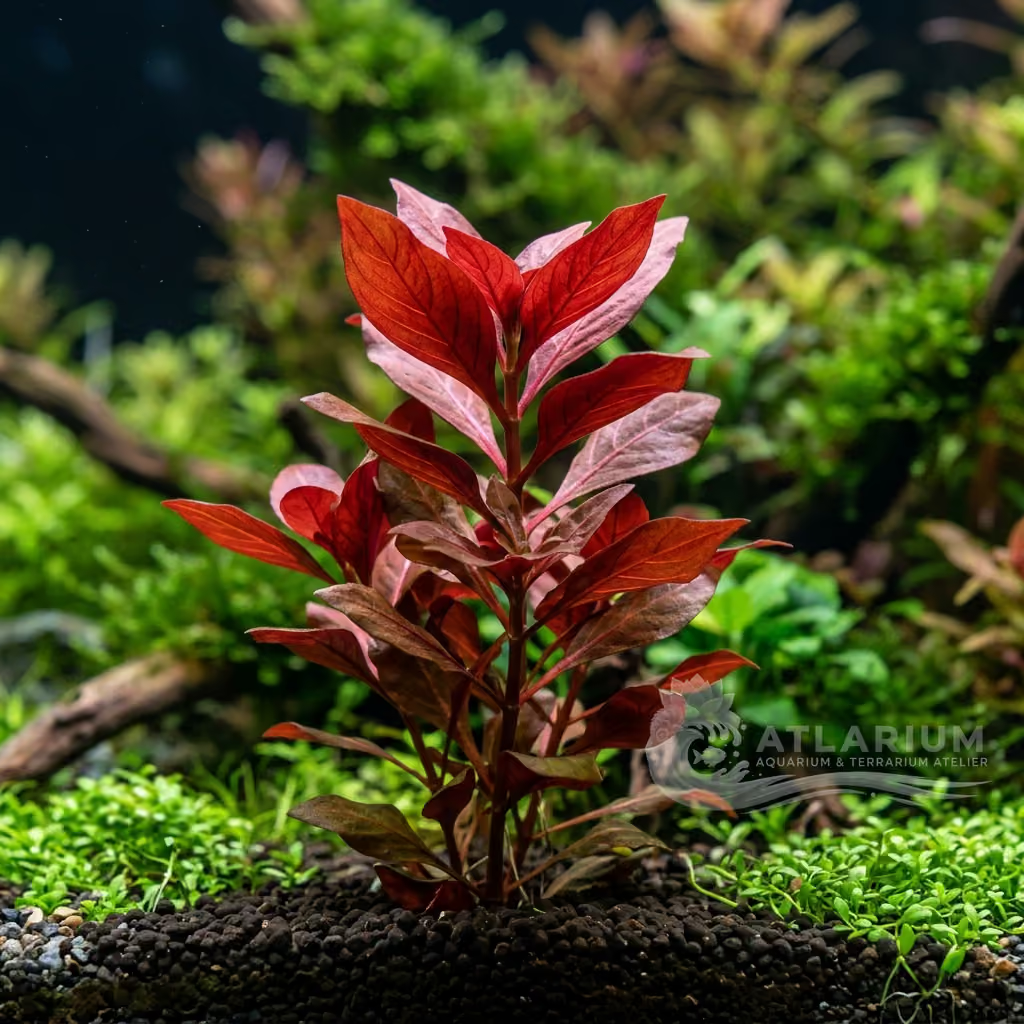
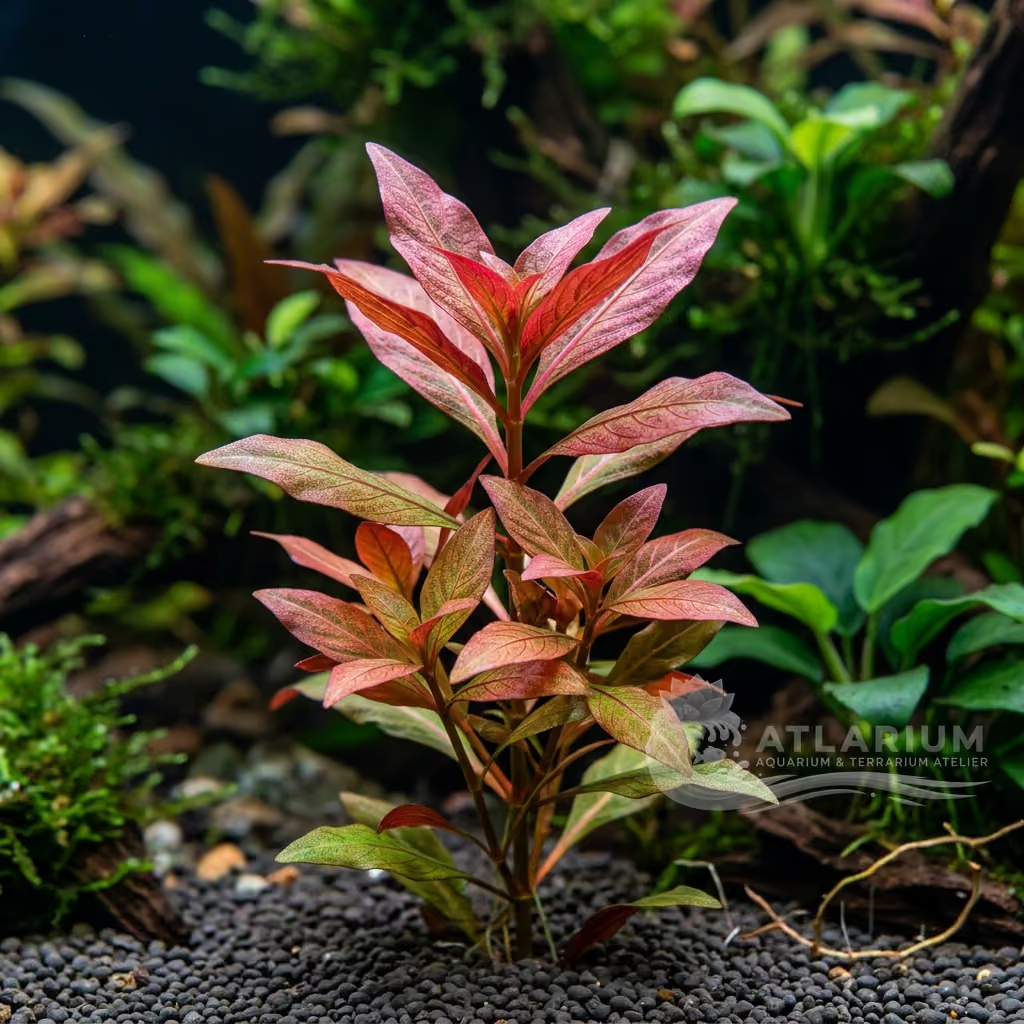
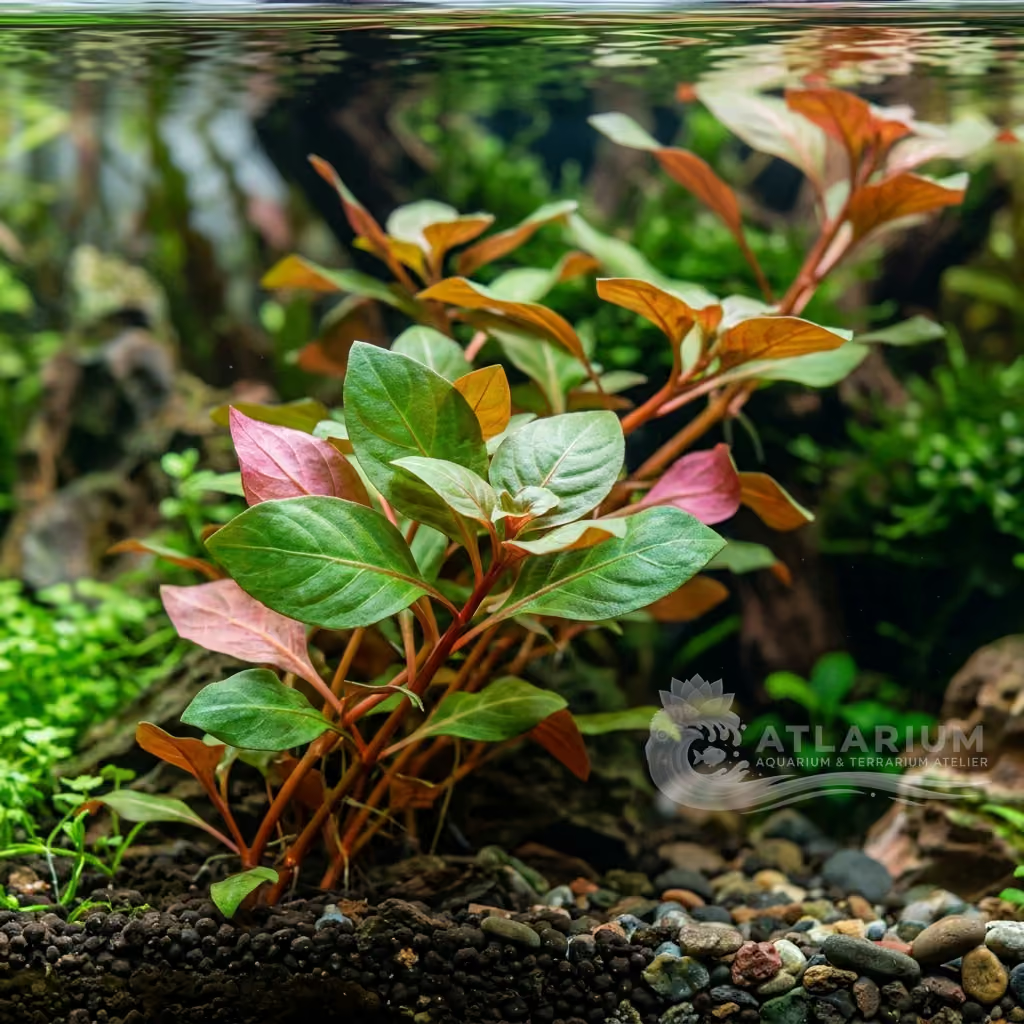
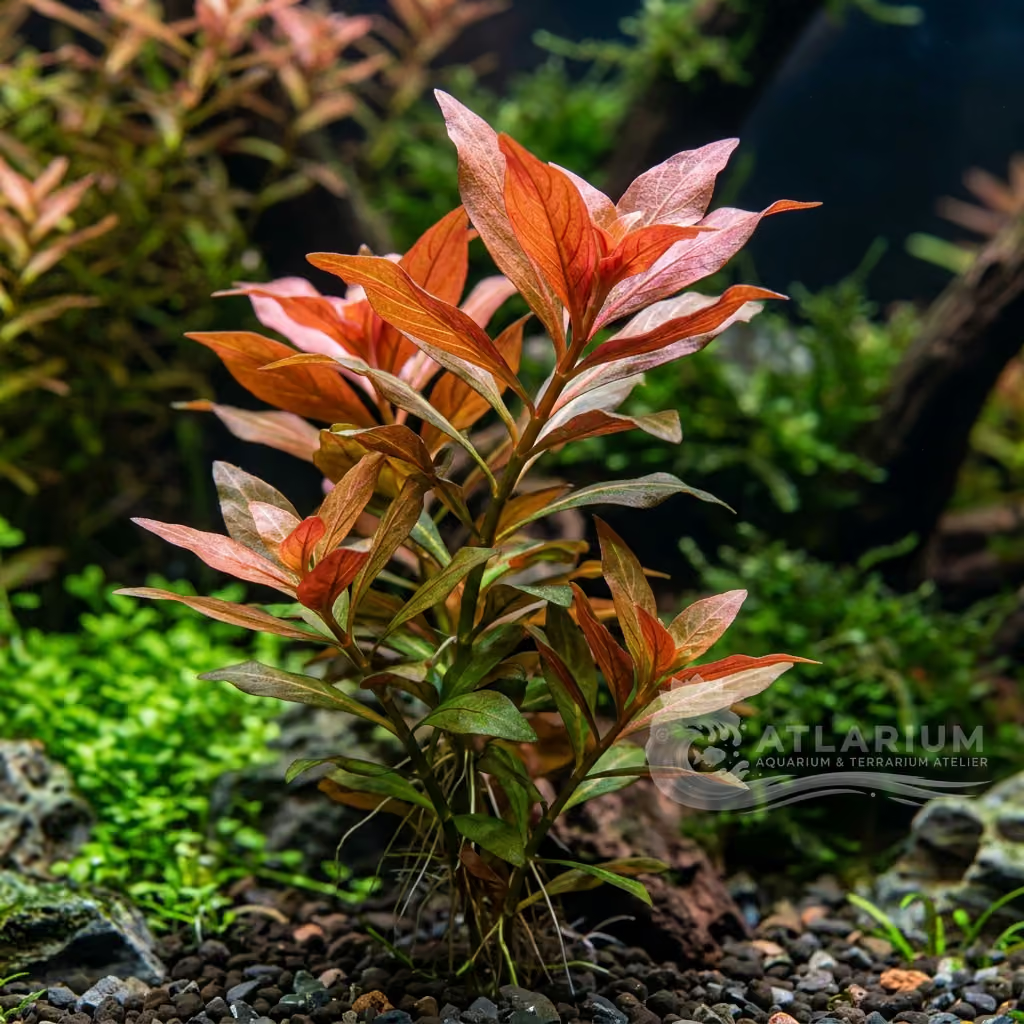
Physical Structure: Ludwigia sphaerocarpa presents as an erect stem plant with leaves arranged alternately or spirally along the stem. The leaves are typically spatulate or oval-round in shape, developing a fleshy texture and notable density under optimal growing conditions. The stem is robust and tends to branch, creating a bushy structure that is well-suited for midground placement in the aquarium. It also develops a strong root system, essential for anchoring and nutrient absorption from the substrate.
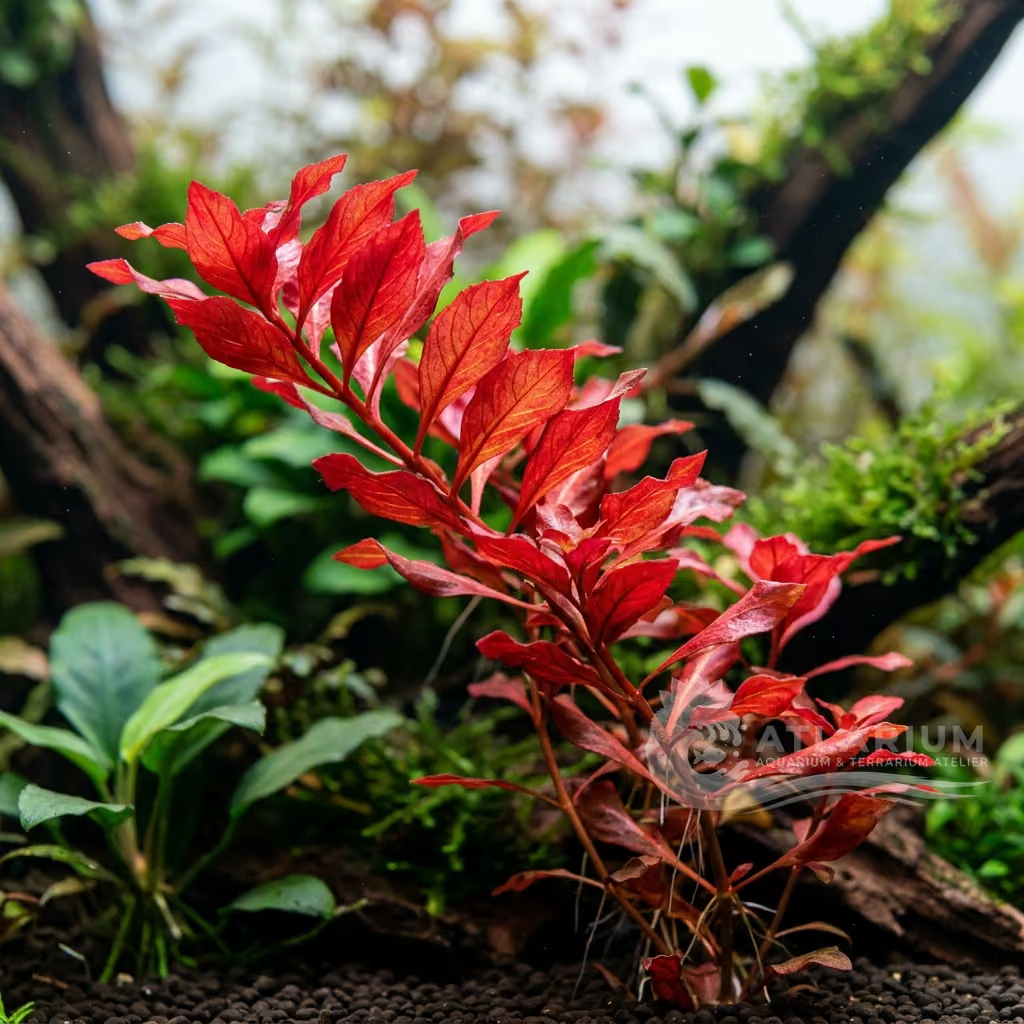
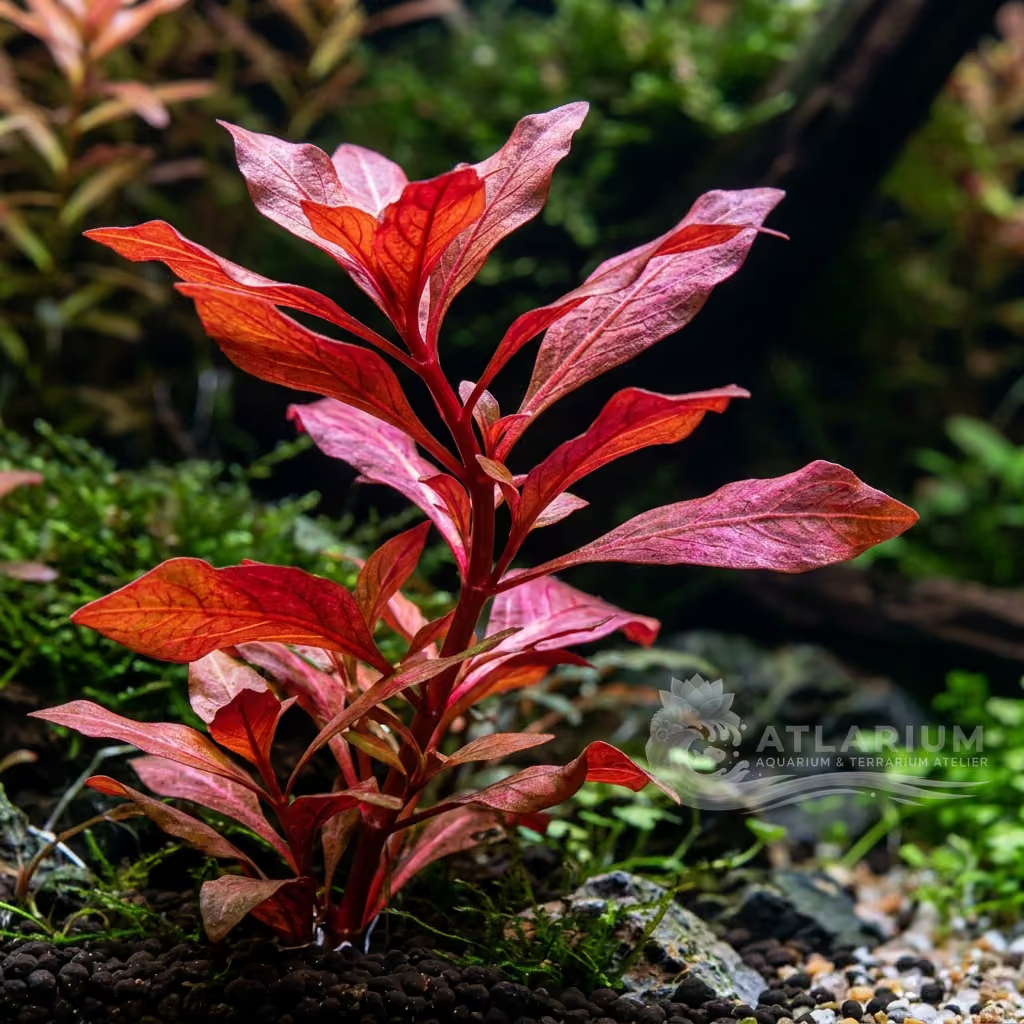
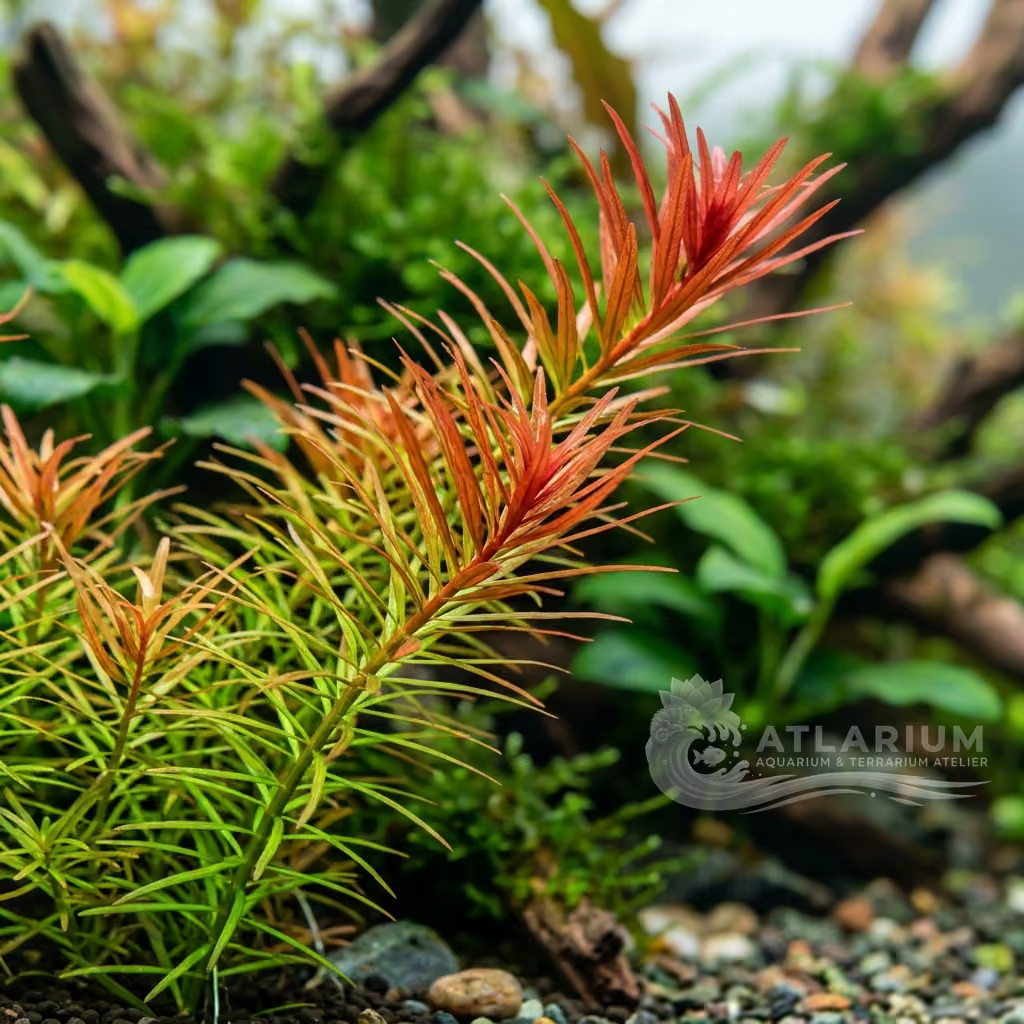
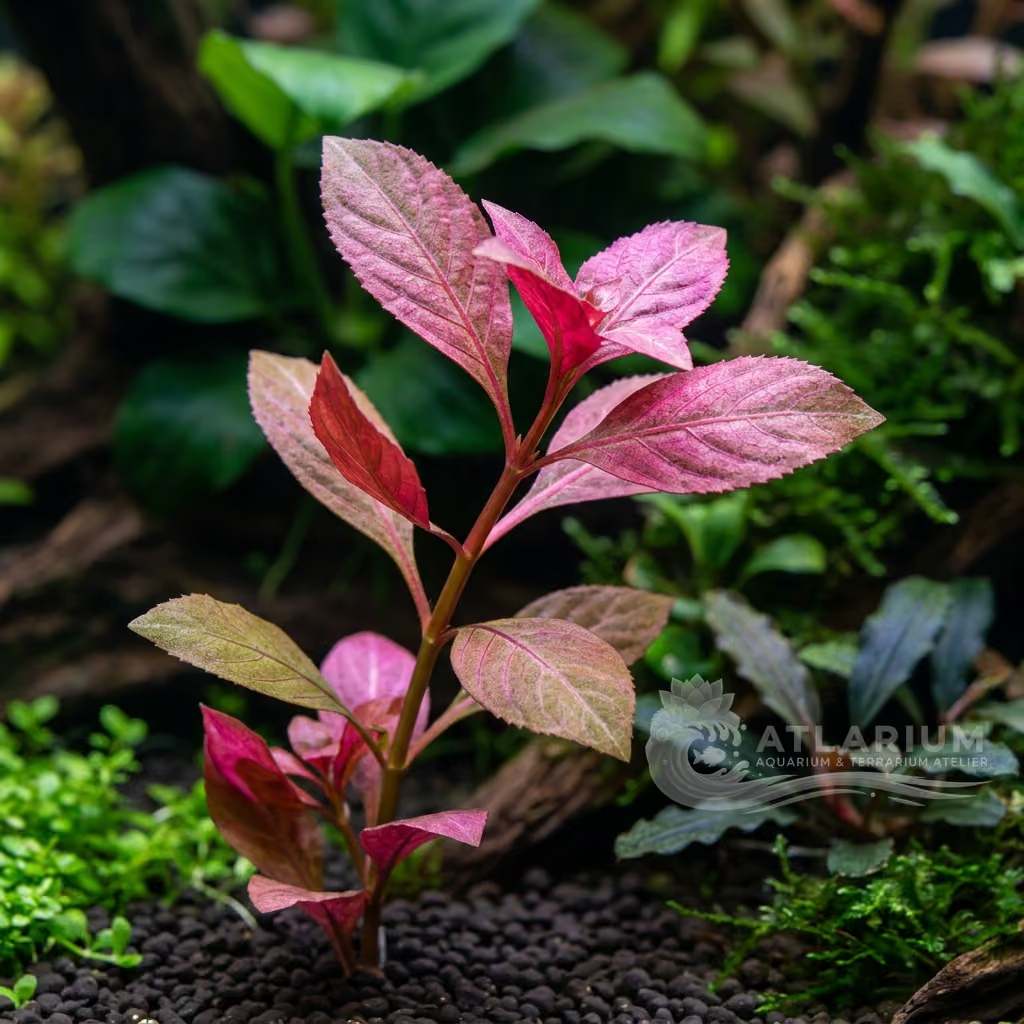
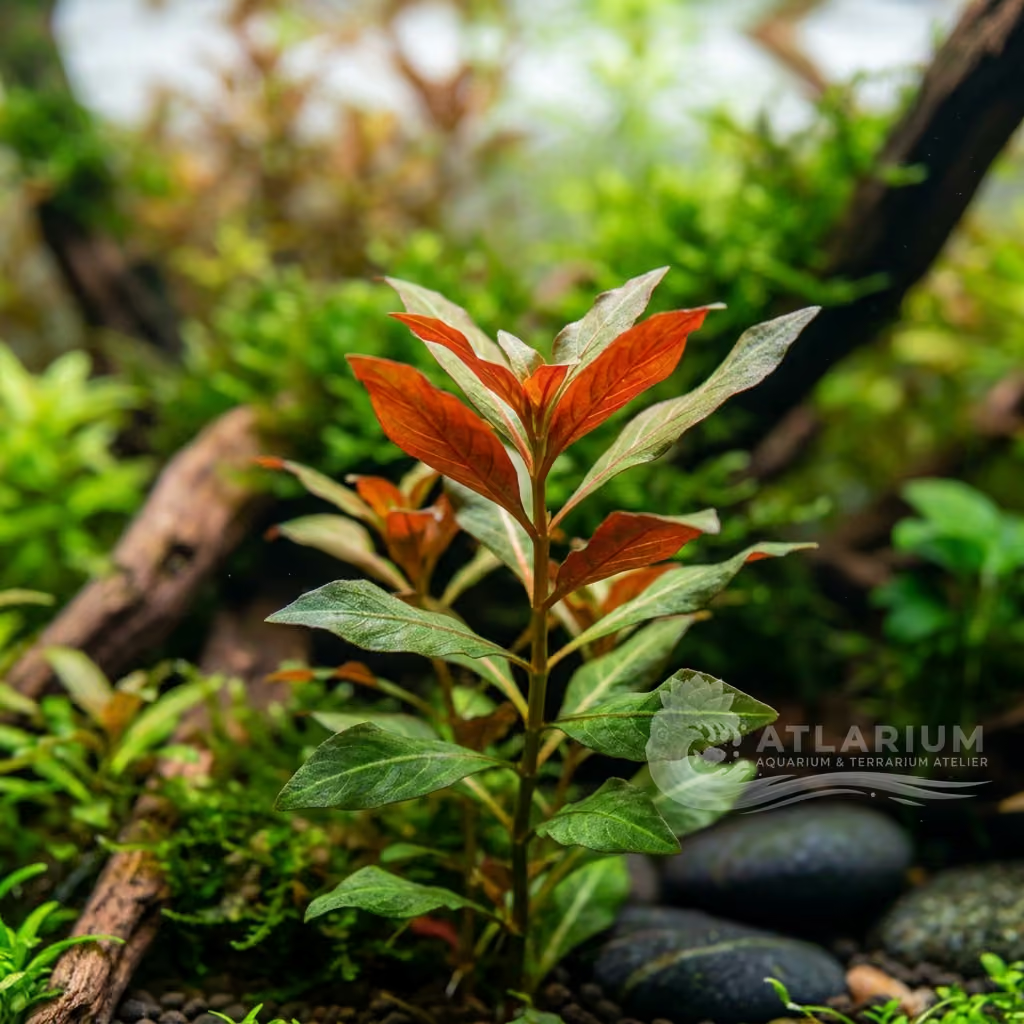
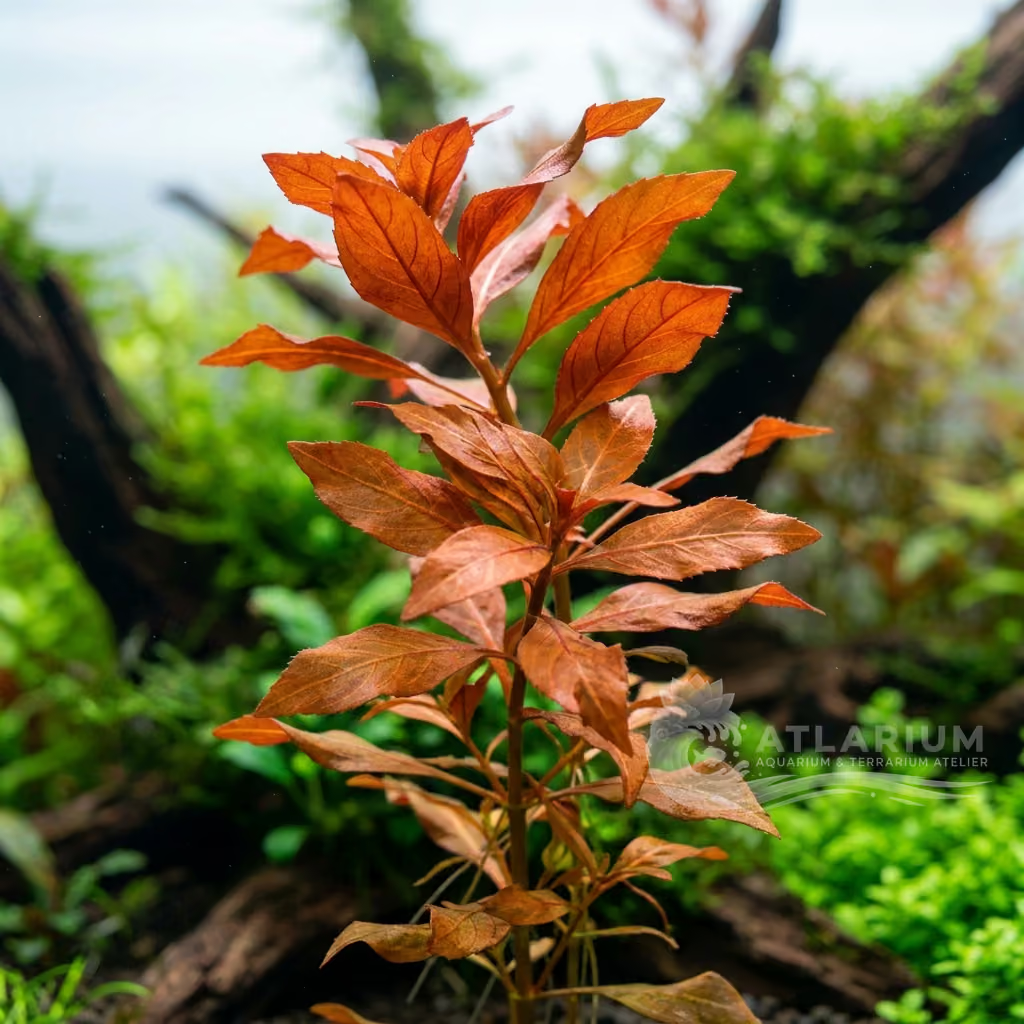
Color & Texture: Under conditions of intense light and adequate CO2 and nutrient supply, Ludwigia sphaerocarpa displays a captivating coloration ranging from orange-green to deep red, especially on younger leaves and the upper parts of the plant. The exact shade can depend on light intensity, iron availability, and other micronutrients. The leaves have a smooth and slightly waxy surface, which beautifully reflects light and adds a distinctive texture to the aquascape, distinguishing it from other Ludwigia species with more delicate leaves.

Soins, reproduction et cohabitation
Lighting & CO2: Ludwigia sphaerocarpa is a plant that demands high illumination to fully express its vivid red coloration and maintain a compact, healthy growth habit. Insufficient light intensity can lead to elongated stems, smaller leaves, and a pale green color. Carbon dioxide (CO2) supplementation is not only recommended but almost indispensable for this species, as it supports vigorous photosynthesis, accelerating growth and intensifying leaf pigmentation.
Nutrition & Substrate: For robust growth and optimal coloration, Ludwigia sphaerocarpa benefits significantly from a nutrient-rich substrate, such as specific aquarium soils containing clay, laterite, and other minerals. Comprehensive liquid fertilization, with particular attention to trace elements like iron, is crucial to prevent deficiencies and promote the development of red hues. Nutrient absorption occurs both through the roots and the leaves, making a balance between substrate and
Water Chemistry: This species thrives in a water temperature range of 18.0 to 28.0 C, although temperatures closer to the lower or upper limits may slow growth or cause stress. It prefers soft to medium-hard water, with a KH between 2 and 12, and a slightly acidic to neutral pH, between 5.0 and 7.0. Maintaining stable parameters is crucial, as sudden fluctuations can stress the plant and compromise its overall health.
Space Management & Placement: Ludwigia sphaerocarpa is classified as a midground plant due to its ability to form a dense bush and reach significant, yet manageable heights with
Pruning: Regular pruning is essential to keep Ludwigia sphaerocarpa dense and healthy, as well as to promote lateral branching and bushier growth. When stems reach the desired height or begin to lose lower leaves due to shading, it is appropriate to cut the upper tips. The cut sections can be replanted into the substrate to propagate new plants, while the lower part of the stem remaining in the aquarium will continue to produce new shoots. It is advisable not to remove more than one-third of the plant's biomass in a single pruning session to avoid shock.
Risks & Diseases: Despite being a relatively robust plant, Ludwigia sphaerocarpa can be susceptible to nutritional deficiencies, manifesting as chlorosis or loss of color if it does not receive sufficient iron and micronutrients. Insufficient lighting or a lack of CO2 can lead to stunted growth and algae growth on the leaves. It is also important to monitor for the appearance of filamentous algae, which can easily colonize denser leaves in cases of nutrient or light imbalances. Ensuring good water circulation helps prevent the accumulation of debris on leaves and reduces the risk of fungal diseases.

Origine et répartition géographiques
Ludwigia sphaerocarpa is an aquatic species native to the southeastern United States, where it thrives in freshwater environments such as swamps, ponds, and slow-moving riverbanks. These areas are typically characterized by soft, slightly acidic water, often rich in organic detritus that contributes to a nutritious substrate. Its adaptability to these conditions makes it a robust plant, yet it displays its full splendor when the requirements of its natural habitat are faithfully replicated in the aquarium.
Origine
Amérique du Nord

Profil de plante
- Emplacement
- Plan intermédiaire
- Due to its striking size and creeping growth habit, it is best placed in the foreground or midground. It should not be shaded, as it requires intense lighting to stay low and compact. It makes an excellent focal point when planted near hardscape elements.
- Forme botanique
- Tige
- It features large, broad, and somewhat rigid leaves that grow in a tight, rosette-like fashion along a creeping stem. The leaves can develop beautiful orange, bronze, or red hues under intense light. Its thick stems and robust appearance give it a very prehistoric, architectural look.
- Croissance
- Moyenne
- This plant has a relatively slow to moderate growth rate, which is unique among Ludwigia species. Its slow growth makes it highly manageable in the aquascape, requiring less frequent trimming. It takes time to establish an extensive root system before taking off.
- Substrat
- Élevé
- Ludwigia sphaerocarpa is uniquely demanding of the substrate, thriving best in very rich aqua soils that support its slow, creeping growth habit and large, rounded leaves. Because it stays relatively low and compact, a substrate depth of 2-3 inches is vital for its thick roots to firmly anchor and search for deep nutrients. Supplementing an inert substrate with high-quality root tabs is essential if aqua soil is not used.
- Fertilisation de la colonne d'eau
- Recommandée
- Consistent liquid dosing of a comprehensive fertilizer is highly recommended to support its large leaves. However, it seems to draw a significant portion of its needs from its extensive root system. Maintaining stable water column nutrients prevents algae from settling on its slow-growing leaves.
- Fertilisation racinaire
- Recommandée
- A deep, nutrient-rich substrate is absolutely critical for the success of Ludwigia sphaerocarpa. It develops a massive root system and responds incredibly well to root tabs or aquasoil. Without strong substrate nutrition, the plant will struggle to grow and may slowly decline.
- Taille
- Occasionnelle
- Trimming is rarely needed due to its slow, creeping growth habit. When necessary, stems can be cut to prevent it from encroaching on other plants. The trimmed portions can be replanted, though they may take a while to root and resume growth.
- Propagation
- Boutures
- Propagation is done by taking cuttings from the creeping stem. Ensure the cuttings have a few healthy leaves and gently plant them into a rich substrate. Patience is required, as the cuttings will take time to establish new roots.
- Sensibilité
- Modérée
- It is quite sensitive to poor substrate conditions and lack of light, which will cause it to grow leggy and lose its unique shape. It requires stable CO2 levels and does not tolerate being shaded. Once established in optimal conditions, it is relatively robust.
- Rôle dans le décor
- Plan intermédiaire
- It is an exceptional plant for creating a bold, textural focal point in the midground or foreground. Its large, colorful rosettes contrast sharply with delicate carpeting plants or fine-leaved stem plants. It is highly sought after for advanced aquascapes aiming for high contrast.

Espèces associées
Recommandations regroupées par proches parents, compagnons et soins similaires.