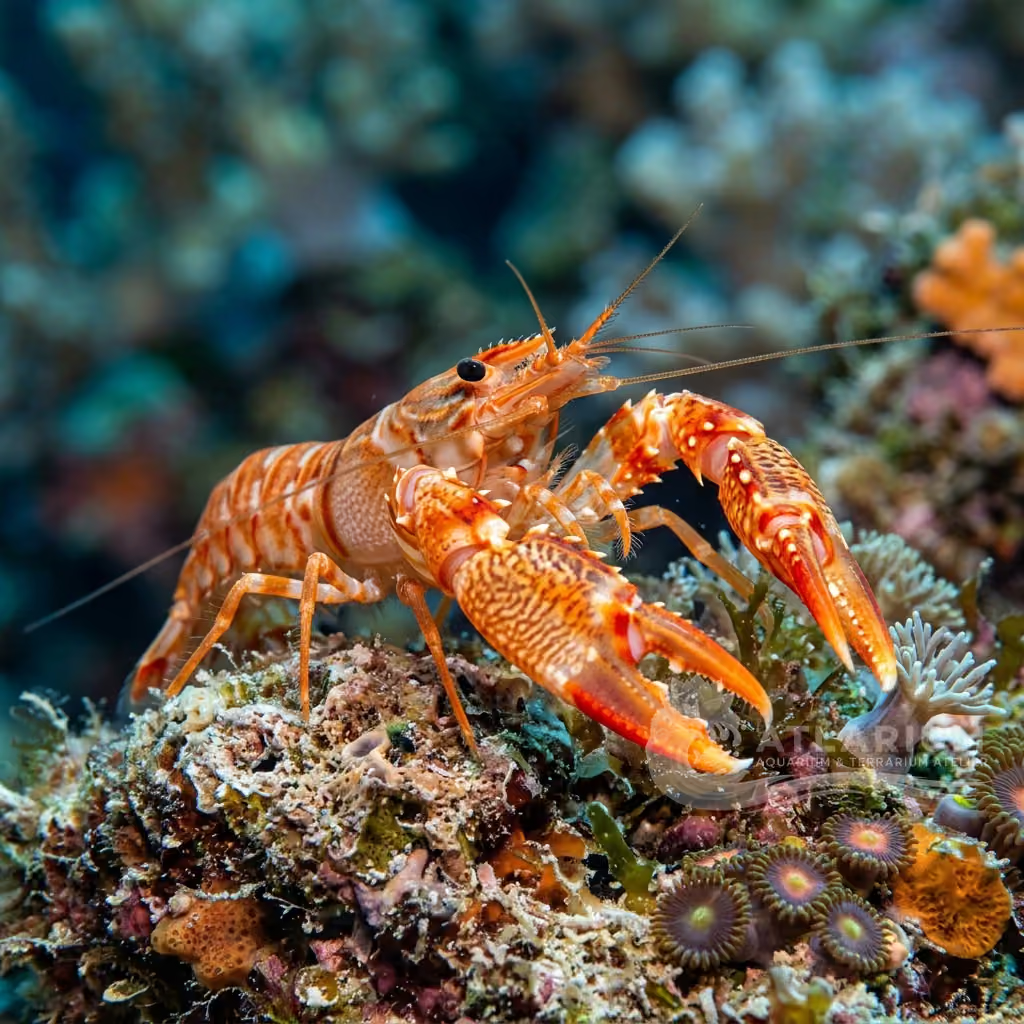
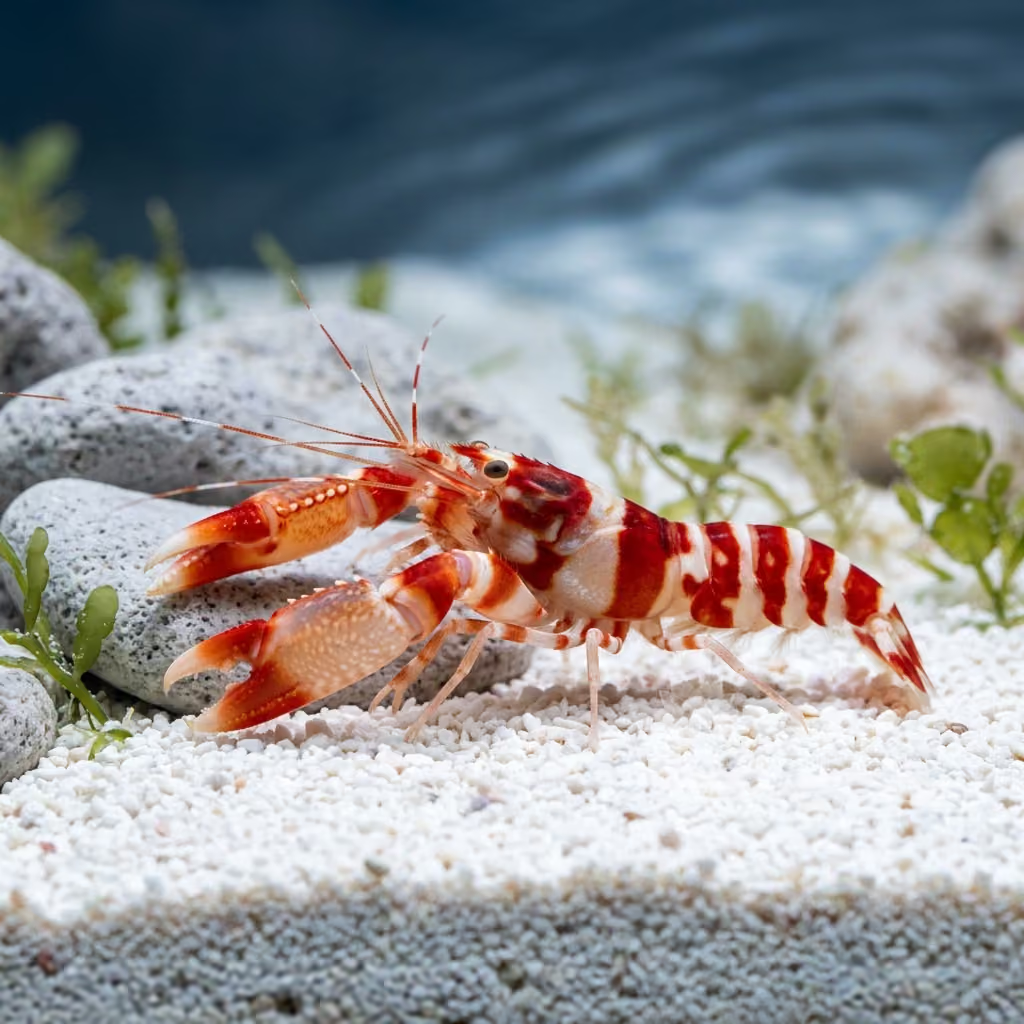
Bluntclaw snapping shrimp
Alpheus amblyonyx
A fascinating Western Atlantic snapping shrimp known for its broad, blunt claw. It produces loud shockwaves and displays highly active burrowing habits.
Température de l’eau
22 - 28 °C
Valeur du pH
8.1 - 8.4
Type d'eau
Marin
Type d'invertébré
Marine shrimp
Taille adulte
3,5 cm
Groupe minimal
>= 1
KH
8 - 12 dKH
Rôle écologique
Symbiont
Sensibilité au cuivre
High

Description de l'espèce
Geographical Origin and Habitat: Alpheus amblyonyx, commonly known as the bluntclaw snapping shrimp, is native to the western Atlantic Ocean. Its distribution includes the Gulf of Mexico, the Yucatan Peninsula, the Caribbean Sea, and the coast of Brazil. It inhabits coral reefs, sandy-rubble flats, and seagrass beds at depths of 1 to 30 meters, building burrows.
Taxonomy: Belongs to the family Alpheidae and the genus Alpheus. Described by Chace in 1972, this species is morphologically identified by the broad, blunt shape of its major claw (cheliped). It utilizes a specialized plunger mechanism on its claw to eject water at high speed, creating a loud snapping noise.
Social Behavior: Cryptic, solitary, and a highly active burrower. It spends its life digging and maintaining complex tunnel systems beneath the sand and live rocks. It can form symbiotic partnerships with shrimpgobies, sharing its burrow in exchange for the goby's visual warning system.
Coloration and Sexual Dimorphism: Body is translucent greyish-brown to reddish, occasionally featuring faint light bands across the segments. The oversized major claw is broad with rounded, blunt tips. There is no obvious external sexual dimorphism; determining sex requires microscopic inspection of the abdominal appendages.

Soins, reproduction et cohabitation
Tank Setup: Requires a marine or reef aquarium of at least 80 liters (approx. 20 gallons). A substrate bed of 6-8 cm deep, consisting of sand mixed with small shell pieces and coral rubble, is essential to prevent tunnel cave-ins. Place base rocks directly on the bottom glass before adding sand to prevent collapses.
Diet and Feeding: Carnivorous scavenger. In captivity, it will feed on organic debris and fish leftovers. Feed frozen mysis, brine shrimp, chopped seafood, and sinking high-protein pellets placed near the entrance of its burrow. The shrimp will grab the food and carry it inside the safety of its tunnel.
Water Quality: Maintain stable marine conditions: temperature 23-26°C (73-79°F), pH 8.1-8.4, and specific gravity 1.022-1.025. Nitrates and phosphates should be kept low. Do not use copper-based treatments. Supplementing calcium and iodine is recommended to support their periodic molting process.
Compatibility and Tankmates: Peaceful and reef-safe. It is an ideal host for symbiotic shrimpgobies (such as Amblyeleotris or Cryptocentrus species). Avoid housing with large predatory tankmates like hawkfish, triggerfish, lionfish, or large aggressive crabs that will prey on the shrimp when it is soft after molting.
Aquarium Breeding: Breeding in home aquariums is extremely rare. Females carry fertilized eggs beneath their pleopods. Released larvae enter a planktonic, free-swimming stage that is highly vulnerable to aquarium filtration and requires specialized microscopic live feeds like rotifers and green water.
Risks and Diseases: Highly sensitive to rapid changes in salinity and temperature, which can trigger stress-induced molts. Perform slow drip acclimation when introducing them. The snapping sound is loud but harmless to the tank glass, serving as a sign of territory defense or hunting activity.

Origine et répartition géographiques
Alpheus amblyonyx, commonly known as the bluntclaw snapping shrimp, is native to the western Atlantic Ocean. Its distribution includes the Gulf of Mexico, the Yucatan Peninsula, the Caribbean Sea, and the coast of Brazil. It inhabits coral reefs, sandy-rubble flats, and seagrass beds at depths of 1 to 30 meters, building burrows.
Origine
Océans tropicaux et récifsAmérique du Sud hors AmazonieAmérique centrale et CaraïbesAsie de l'Est

Profil d'invertébré
- Régime alimentaire
- Omnivore
- The Alpheus amblyonyx is generally considered an opportunistic omnivore that will scavenge for leftover food, detritus, and small organisms. In the home aquarium, its diet should be supplemented with a variety of meaty foods such as frozen mysis shrimp, brine shrimp, and high-quality sinking pellets. Providing a varied diet ensures they receive the necessary nutrients for growth and molting. Feeding them targeted amounts helps prevent starvation while keeping the aquarium clean.
- Rôle écologique
- Symbiont
- In its natural habitat, the Alpheus amblyonyx serves as a valuable cleaner and scavenger, helping to control detritus and organic waste. By consuming uneaten food and dead organic matter, it plays a critical role in nutrient recycling within the reef ecosystem. Some species within this group also engage in symbiotic relationships with other marine life, providing cleaning services in exchange for food. Their presence indicates a healthy and balanced marine environment.
- Taille adulte
- 3.5 cm
- Risque de saut
- Yes
- While not notorious escape artists, the Alpheus amblyonyx can be startled easily and may dart unpredictably when frightened. In open-top aquariums, this sudden burst of speed could potentially cause them to launch out of the water. It is advisable to use a tight-fitting lid or a mesh screen top to prevent any accidental escapes. Minimizing sudden movements or aggressive tank mates will also reduce the likelihood of jumping behavior.
- Sensibilité aux chocs
- High
- The Alpheus amblyonyx is quite sensitive to sudden changes in water parameters such as salinity, temperature, and pH. Rapid fluctuations can cause severe osmotic shock, leading to stress, failed molts, or immediate death. It is highly recommended to use a slow drip acclimation method over several hours when introducing them to a new aquarium. Consistent water quality and stability are paramount for their long-term survival and health.
- Calcium et minéraux
- High
- Proper calcium levels are essential for the Alpheus amblyonyx to successfully build and maintain its exoskeleton. Along with calcium, trace elements like iodine and magnesium must be kept at optimal marine levels to facilitate the molting process. A lack of sufficient calcium can result in soft shells, deformities, and ultimately fatal molting complications. Regular water changes with high-quality salt mix usually provide adequate amounts of these crucial minerals.
- Mue
- Periodic
- Molting is a vulnerable time for the Alpheus amblyonyx, during which it sheds its old exoskeleton to grow a new, larger one. Following a molt, the invertebrate will hide in the rockwork for a few days until its new shell hardens completely. During this period, they are highly susceptible to predation and physical damage from tank mates. It is best to leave the discarded exoskeleton in the tank, as they often consume it to reclaim valuable minerals.
- Reproduction
- Oviparous
- Breeding the Alpheus amblyonyx in a home aquarium can be challenging due to the complex larval stages and dietary needs of the offspring. These invertebrates often carry their eggs under their abdomen until they hatch into planktonic larvae. Raising the delicate larvae requires specialized rearing tanks and constant supplies of specific microscopic live foods. Although spontaneous spawning is common in well-fed adults, successful rearing to maturity is rarely achieved by casual aquarists.
- Compatibilité et compagnons
- Reef safe
- The Alpheus amblyonyx is generally peaceful and can be safely housed with a wide variety of reef-safe fish and corals. Care should be taken to avoid keeping them with large, aggressive fish such as triggerfish, puffers, or large wrasses that might view them as a meal. They are usually tolerant of other peaceful invertebrates, though some territorial squabbles may occur with closely related species. Providing ample hiding spots among live rock will help them feel secure and reduce stress.

Espèces associées
Recommandations regroupées par proches parents, compagnons et soins similaires.