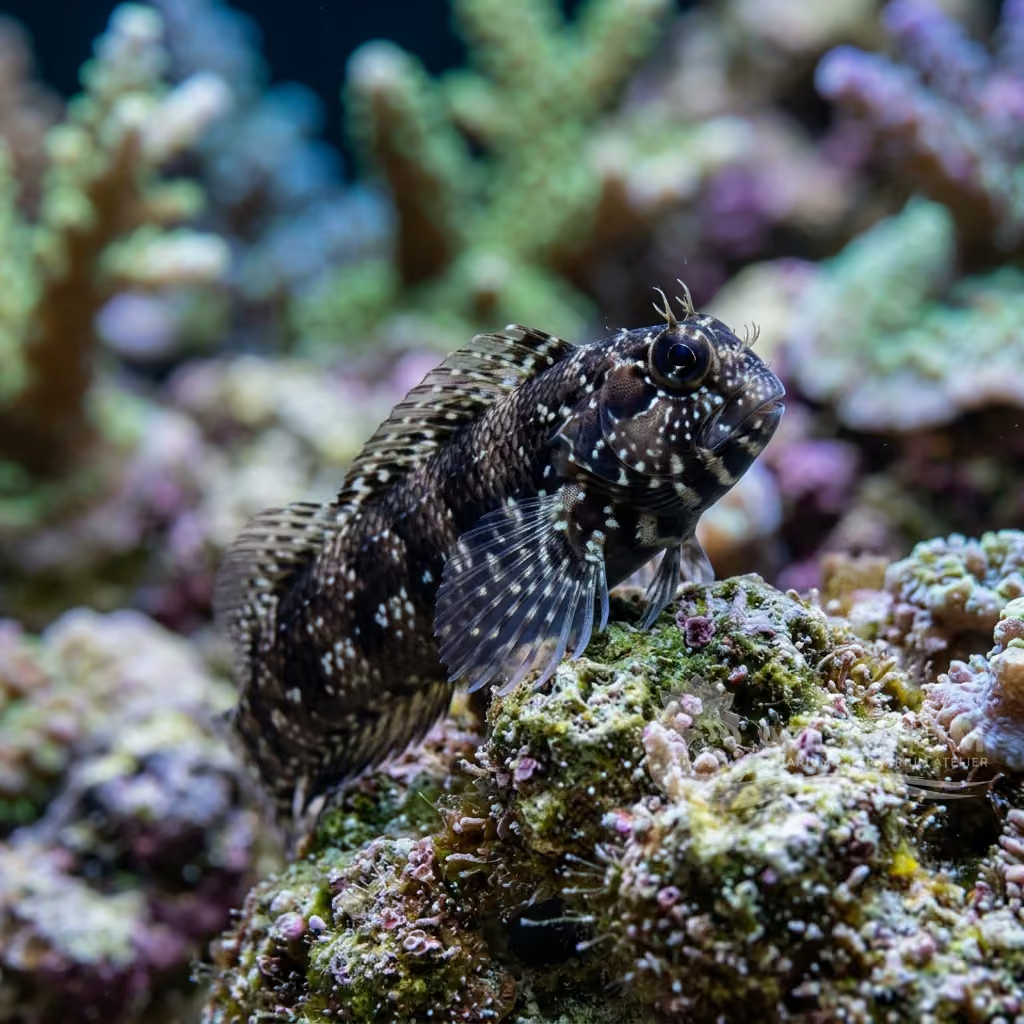
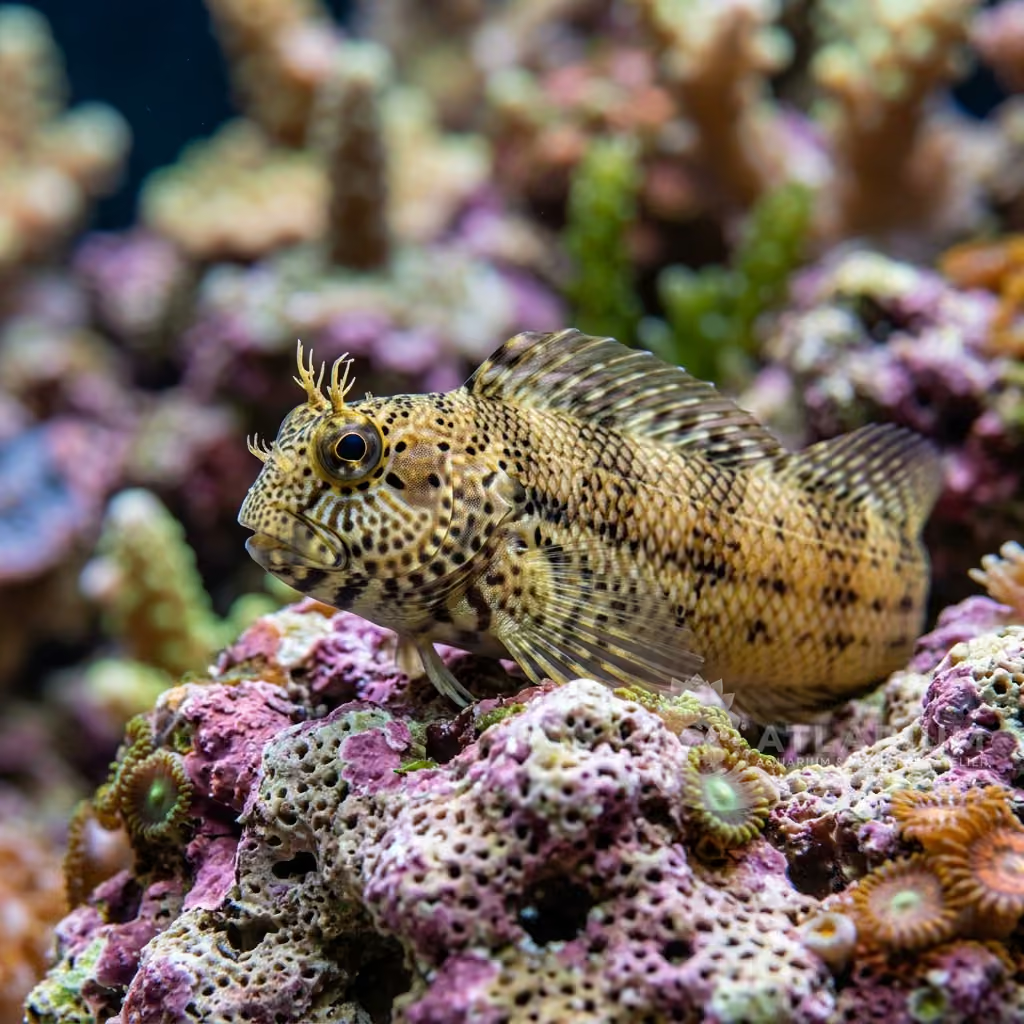
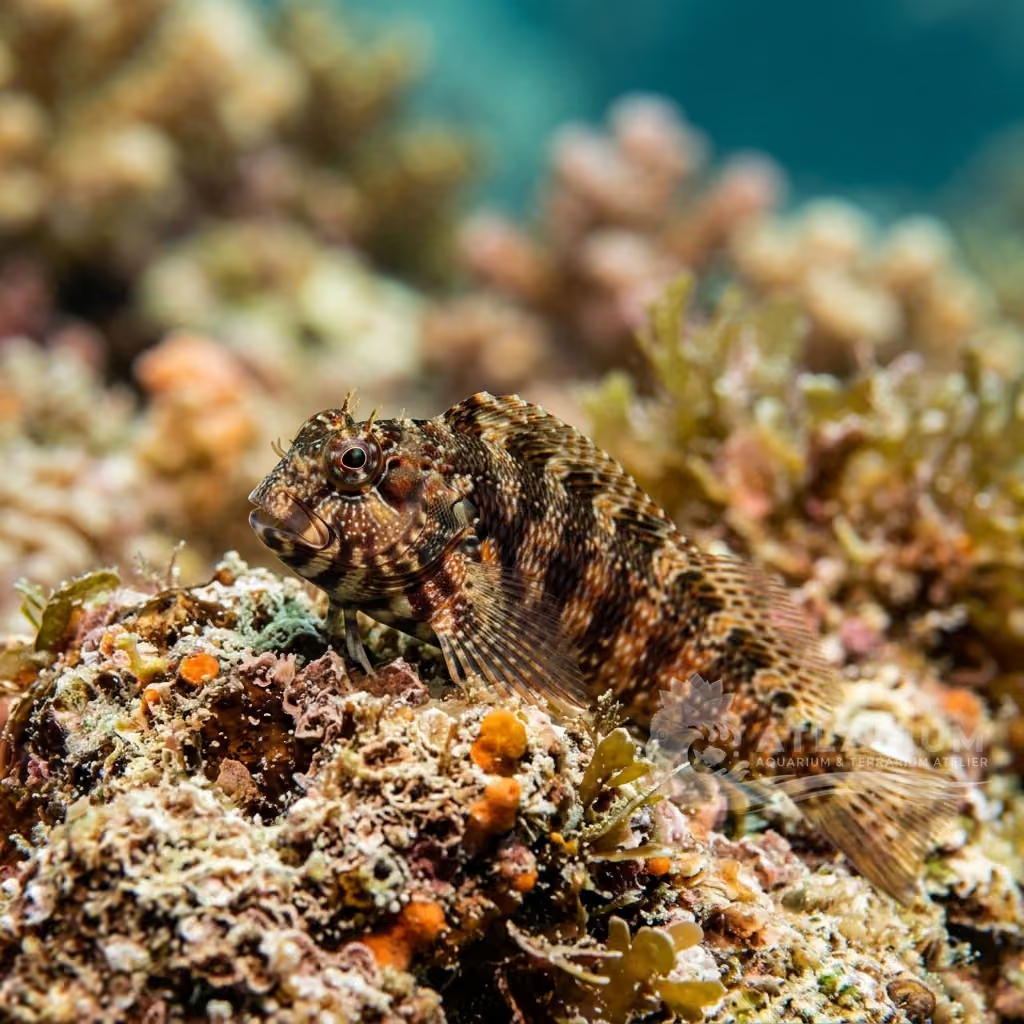
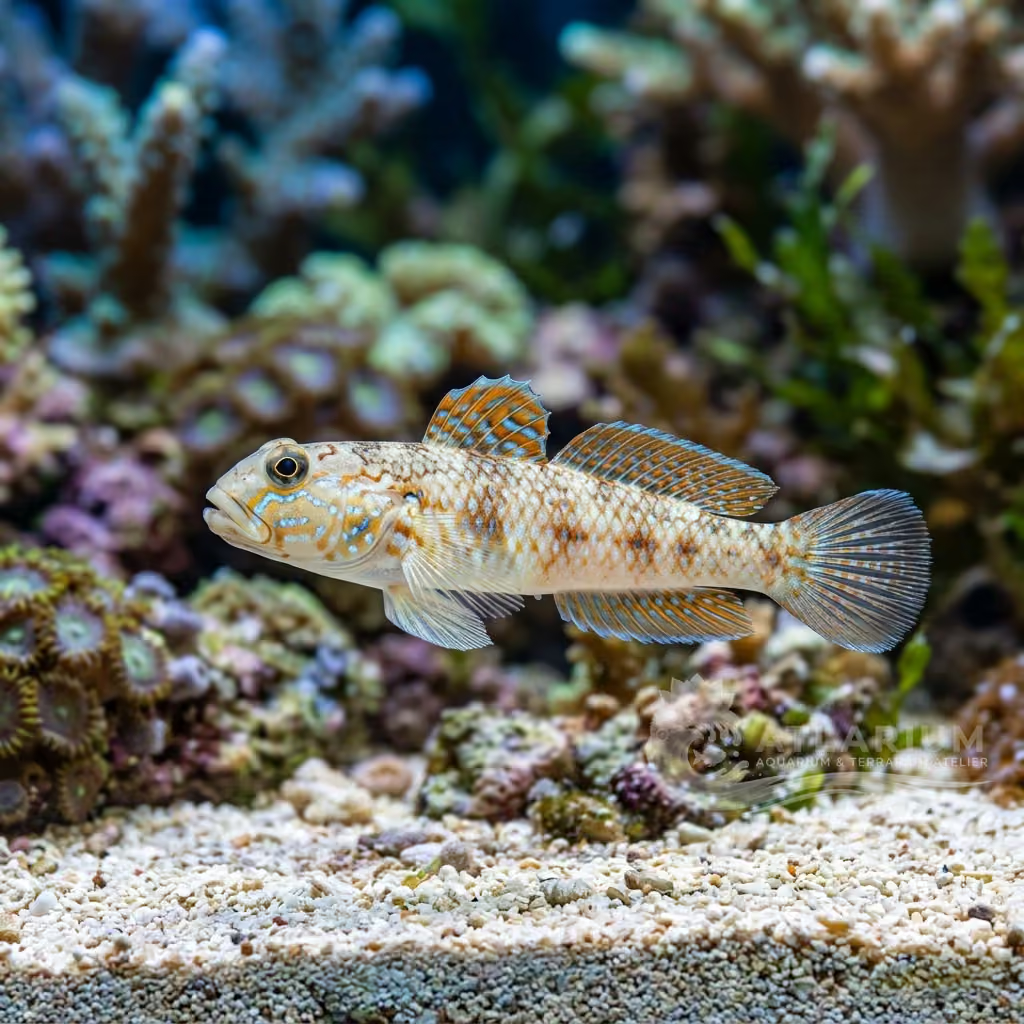
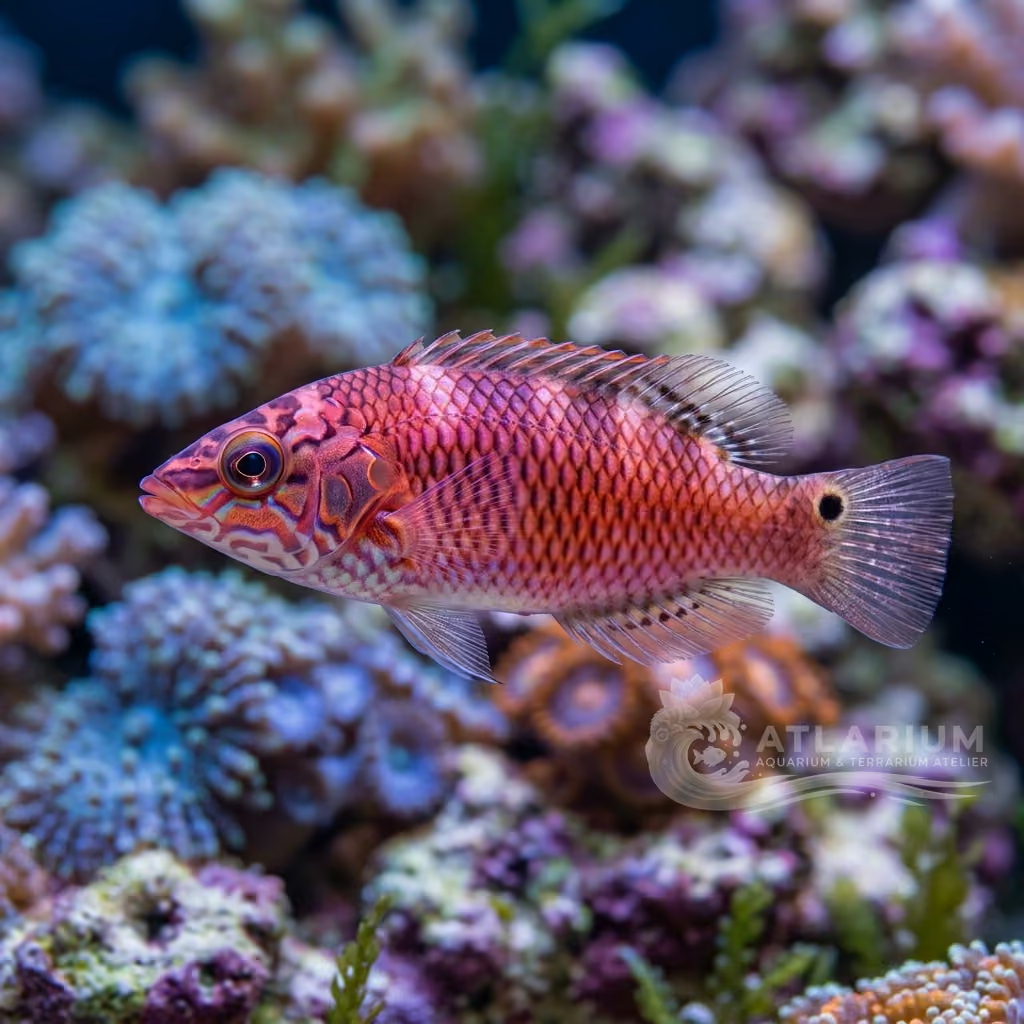
Wolf fangblenny
Petroscirtes lupus
The Wolf Fangblenny is a resilient Indo-Pacific marine fish recognized for its defensive lower canine fangs. It enjoys a diet of meaty foods in rocky tanks filled with crevices.
Température de l’eau
21 - 28 °C
Valeur du pH
8.1 - 8.4
Type d'eau
Marin
Niveau dans le bac
Tous les niveaux
Taille adulte
13 cm
Volume minimal du bac
>= 150 L
Groupe minimal
>= 1
KH
8 - 12 dKH

Description de l'espèce
Geographical Origin and Habitat: Petroscirtes lupus, commonly known as the wolf fangblenny, is native to the Western Indo-Pacific. Its range extends from East Africa to the Line Islands, north to southern Japan, and south to New Caledonia. It inhabits shallow coastal lagoons, sheltered bays, seagrass beds, and silty reef flats. It is typically found at depths of 1 to 15 meters, utilizing empty gastropod shells, worm tubes, rock crevices, or human debris as shelters.
Taxonomy and Morphology: Belongs to the family Blenniidae, subfamily Blenniinae, and tribe Nemophini. The body is elongated, moderately compressed, with a rounded head and high-set eyes. Its most prominent anatomical feature is a pair of extremely large, curved canine teeth (fangs) located in the lower jaw, which fit into pockets in the upper jaw when the mouth is closed. These are used defensively.
Social Behavior: It is a territorial fish that occupies a specific home crevice from which it watches the surrounding area. Unlike benthic blennies, it frequently swims in the water column just above the substrate. It is generally peaceful toward unrelated fish but exhibits strong territorial aggression toward conspecifics or other blennies of similar shape.
Coloration and Sexual Dimorphism: Displays a cryptic color pattern consisting of a grey to olive-brown base, mottled with dark brown horizontal bands, blotches, and small white or bluish spots. Sexual dimorphism is subtle; adult males are generally larger than females and may develop longer filaments on their dorsal and anal fins during spawning periods.

Soins, reproduction et cohabitation
Aquarium Setup: Requires a marine aquarium of at least 100 liters with plenty of live rock arranged to create crevices, overhangs, and caves. Introducing empty barnacle shells or large snail shells is highly recommended as the fish will readily use them as homes. A tight-fitting lid is mandatory, as this species is prone to jumping when startled.
Diet and Feeding: An omnivore that feeds on small benthic invertebrates, zooplankton, and microalgae. In captivity, it readily accepts frozen foods such as mysis shrimp, brine shrimp, and copepods, supplemented with high-quality flakes or pellets containing spirulina. Feed small amounts two times daily.
Water Quality: Maintain stable marine parameters: temperature of 24 °C to 28 °C, pH of 8.1 to 8.4, specific gravity of 1.020 to 1.025, and dKH of 8 to 12. Keep nitrates and phosphates low using a good protein skimmer and performing biweekly water changes of 10-15% to maintain water clarity.
Compatibility and Cohabitation: Fully reef-safe and compatible with most peaceful community reef fish, such as gobies, clownfish, and small wrasses. Avoid keeping them with other members of the genus Petroscirtes or Meiacanthus unless the tank is large with distinct territories. Do not house with large predatory fish.
Aquarium Breeding: Breeding occurs in empty shells or tubes. The male coaxes the female into his den to spawn, then fertilizes the adhesive eggs. The male guards and aerates the nest until hatching. Rearing the pelagic larvae is difficult and requires a continuous supply of live rotifers and microalgae.
Risks and Diseases: Quite hardy, but susceptible to common marine external parasites like Ich (Cryptocaryon) and velvet. Use caution with copper-based medications, as blennies can be sensitive to them. Handle with care during tank maintenance: though not venomous, their bite from their long canine teeth can pierce human skin.

Origine et répartition géographiques
Petroscirtes lupus, commonly known as the wolf fangblenny, is native to the Western Indo-Pacific. Its range extends from East Africa to the Line Islands, north to southern Japan, and south to New Caledonia. It inhabits shallow coastal lagoons, sheltered bays, seagrass beds, and silty reef flats. It is typically found at depths of 1 to 15 meters, utilizing empty gastropod shells, worm tubes, rock crevices, or human debris as shelters.
Origine
Océans tropicaux et récifsAfrique et MadagascarAsie de l'EstAustralie, Nouvelle-Guinée et Océanie

Profil de poisson
- Tempérament
- Semi-aggressive
- This blenny exhibits a very observant and somewhat comical temperament, frequently perching on rocks to survey its environment. It is mostly peaceable and minds its own business, making it a stellar resident for a diverse community tank. It will, however, stand its ground and defend its favorite hiding spot if harassed by other bottom-dwelling fish. Once acclimated, it becomes quite bold, learning to recognize its caretaker and eagerly anticipating feeding times at the front of the glass.
- Régime alimentaire
- Omnivore
- This blenny relies on an omnivorous diet that heavily incorporates both meaty items and marine algae for proper nutrition. In captivity, it will aggressively feed on prepared foods such as frozen mysis shrimp, enriched brine shrimp, and high-quality sinking pellets. It is also an avid grazer, constantly picking at microalgae and small organisms residing on the live rock. Providing algae wafers or sheets of dried nori is important to ensure its herbivorous requirements are fully satisfied.
- Espérance de vie
- 3-5 years
- Taille adulte
- 13 cm
- Ratio des sexes
- Solitary
- Keeping this species in groups is generally ill-advised unless the aquarium is exceptionally large and structurally complex. Males are particularly intolerant of one another and will engage in fierce, sometimes fatal, combat over territorial rights. It is highly recommended to keep them singly or, if possible, as a mated pair introduced simultaneously. Even a male and female pairing can occasionally exhibit friction, making close observation during the initial introduction phase crucial for long-term success.
- Fréquence d'alimentation
- Twice daily
- Feeding this species two to three small meals per day is highly recommended to sustain its active grazing behavior. Offering frequent, smaller portions closely mirrors how it would feed in its natural ocean environment. This approach helps maintain its vibrant health while preventing the degradation of water quality from uneaten food. Ensuring that the food reaches the lower levels of the tank is important, as it primarily feeds near the substrate and rockwork.
- Charge biologique
- Low to Medium
- Petroscirtes lupus contributes a very modest bioload to the marine aquarium system, making it an ideal choice for well-established setups. Its dietary habits and efficient digestion result in relatively low waste production compared to similarly sized species. Regular maintenance, including standard water changes and protein skimming, will easily handle its biological output. It is an excellent candidate for reef aquariums where maintaining low nutrient levels is of paramount importance.
- Courant
- Moderate
- It prefers an aquarium with moderate to strong water flow, which helps simulate the dynamic environment of a natural coral reef. Strong currents encourage natural swimming behaviors and help deliver suspended food particles throughout the water column. However, it requires an aquascape with plenty of natural rock formations to break the current and provide tranquil resting zones. A varied flow pattern created by wavemakers or oscillating powerheads provides the most stimulating and healthy environment.
- Risque de saut
- Yes
- There is a significant risk of this species jumping out of the aquarium, particularly when startled or newly introduced to a tank. Its streamlined body is built for sudden bursts of speed, which can easily propel it over the edge of an open enclosure. A tightly fitted lid, canopy, or fine mesh net over the top of the aquarium is an absolute necessity. Care must be taken during tank maintenance to ensure it does not attempt to leap out while the cover is removed.
- Reproduction
- Oviparous
- Captive breeding of this species is extremely uncommon and poses a significant challenge even for advanced aquarists. They lay demersal eggs, which are typically deposited in tight, secure locations such as empty barnacle shells or narrow rock crevices. The male assumes full responsibility for guarding the clutch, actively fanning the eggs to provide oxygen and deterring any would-be predators. The resulting larvae are incredibly small and delicate, requiring a specialized diet of rotifers to have any chance of survival.
- Compatibilité et compagnons
- With caution
- The brown sabretooth blenny is widely regarded as a peaceful community fish that gets along well with most tank mates. It generally ignores corals and mobile invertebrates, making it a very safe and reliable choice for a diverse reef aquarium. Caution should be exercised when housing it with other blennies or fish that occupy the same benthic ecological niche. It is best to avoid keeping it alongside highly aggressive or excessively large predatory species that might view it as prey.
- Niveau dans le bac
- All levels
- As a primarily benthic species, it spends the vast majority of its time interacting directly with the substrate and live rock. It rarely ventures into the upper open water column unless it is aggressively pursuing a specific piece of food. It relies heavily on the complex structure of the reef for shelter, often retreating tail-first into small holes or barnacle shells. An aquascape rich in caves, overhangs, and interconnected crevices is essential to cater to its natural spatial preferences.

Modèles et paramètres scientifiques
FishBase
Fenêtre sur les données scientifiques officielles de l’espèce
FishBase v25.04Données synchronisées le : 15/06/2026
- Niveau trophique
- 2,1 ± 0,2 se
- Résilience
- Élevée (moins de 15 mois)
- Singularité phylogénétique (PD50)
- 0.5005
- Relation bayésienne longueur-poids
- a = 0.00575, b = 3.06
- VulnérabilitéVulnérabilité faible (10 / 100)

Espèces associées
Recommandations regroupées par proches parents, compagnons et soins similaires.