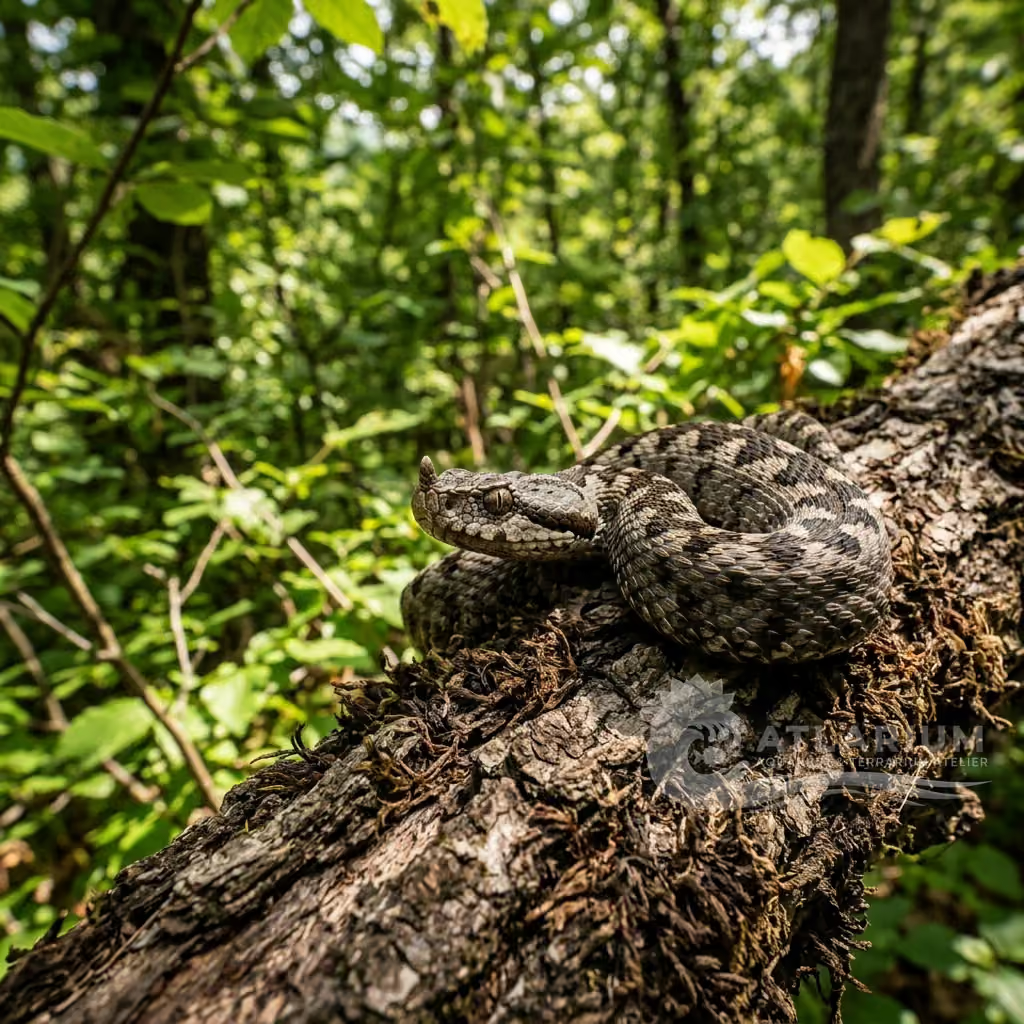
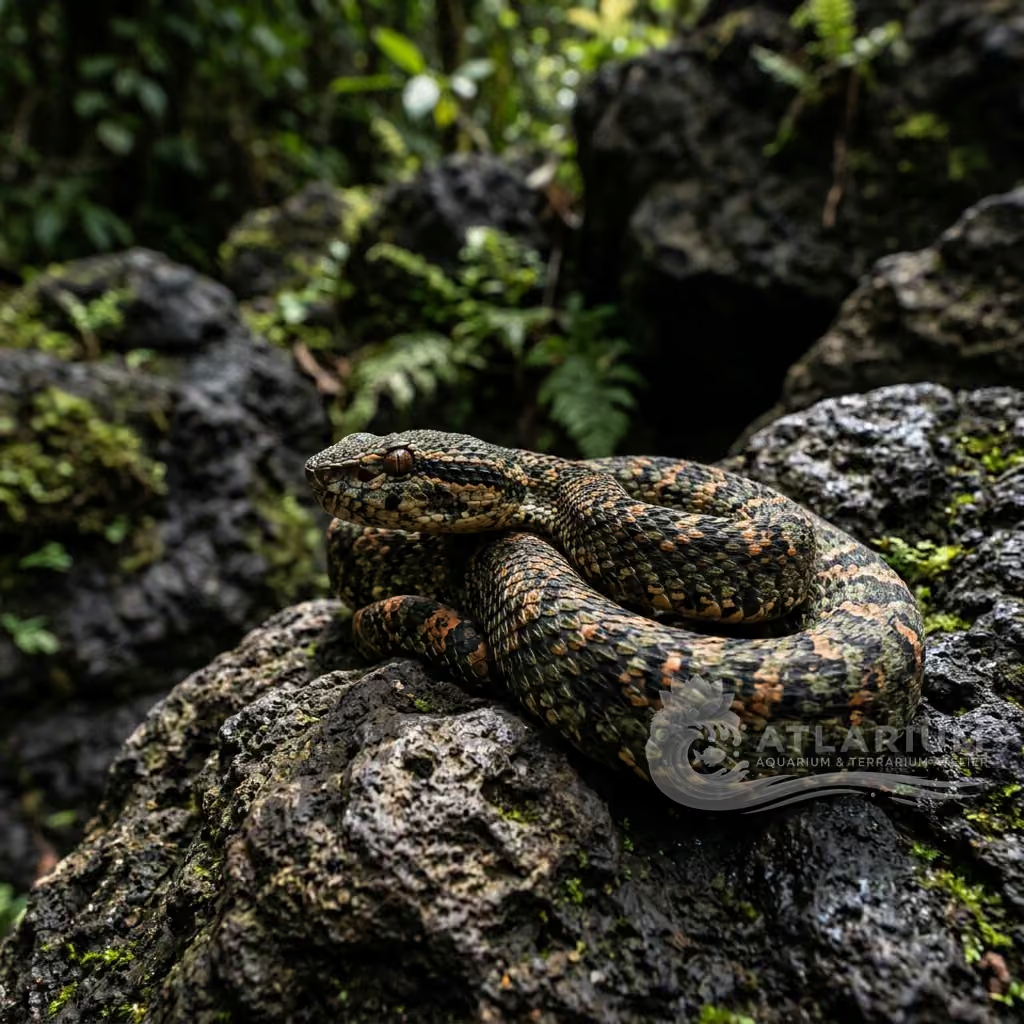
Mexican Pygmy Rattlesnake
Crotalus ravus
Endemic to central Mexico's mountains, this small rattlesnake thrives in cool, high-altitude forests. It requires a secure, escape-proof terrarium with low temperatures.
Umgebung
Terrestrisch
Luftfeuchtigkeit
45 - 65 %
Tagestemperatur
14 - 26 °C
Umgebungstemperatur
14 - 26 °C
Nachttemperatur
17 - 19 °C
Sonnenplatz
28 °C
Erwachsenengröße
50 cm
Mindestgehäuse
>= 100 L

Artbeschreibung
Geographical Origin and Habitat: This species is endemic to the mountainous regions of central Mexico, occurring primarily in the states of Puebla, Veracruz, Tlaxcala, Morelos, Mexico, and the Federal District. It inhabits montane grasslands and pine-oak forests within the Trans-Mexican Volcanic Belt at high elevations ranging from 2,000 to 3,000 meters above sea level.
Taxonomy and Genetics: Classified as *Crotalus ravus* (historically placed in the genus *Sistrurus* as *Sistrurus ravus*). It belongs to the family Viperidae and subfamily Crotalinae. There are three recognized subspecies (*C. r. ravus*, *C. r. exiguus*, and *C. r. lutosus*) which vary slightly in geographic distribution and color patterns.
Behavior and Habits: Primarily terrestrial, diurnal, and crepuscular. Due to the high altitude of its native habitat, it has a low tolerance for excessive heat and prefers cooler environments. It spends colder hours sheltered in rodent burrows or under flat rocks, emerging to bask during sunny mornings.
Morphology: This is one of the smallest rattlesnake species, with adults reaching a length of only 40 to 65 centimeters. The body is thick-set with an oval or triangular head. The base color ranges from grey to yellowish-brown, marked with a series of large, dark rectangular blotches along the back and smaller spots on the sides. The rattle is small and produces a very soft sound.

Pflege, Zucht und Mitbewohner
Terrarium Setup: Keeping this venomous species is restricted to licensed professionals. Requires a secure, escape-proof terrarium (minimum 32x16x16 inches for an adult) fitted with key locks. The substrate should consist of a dry mix of soil, orchid bark, and leaf litter. Provide stable flat rocks for basking and dry hides at both ends of the enclosure.
Lighting and Heating: As a highland species, it does not tolerate hot temperatures. Keep daytime ambient temperatures at 22-25°C on the cool side, with a localized basking spot not exceeding 28°C. Nighttime temperatures must drop significantly to 15-17°C to mimic highland conditions. A low-output UVB source is recommended.
Humidity and Hydration: Maintain moderate humidity levels between 45% and 60%. Light misting once a week can assist during the shedding cycle. A heavy, non-tippable water bowl filled with fresh, clean water must be accessible at all times to prevent dehydration.
Feeding and Supplementation: Feeds on lizards, small rodents, and amphibians in the wild. In captivity, they feed on appropriately sized thawed mice. Feed adults once every 10-14 days; monitor body condition closely as they are prone to obesity in captivity. Supplementation is generally not required for animals fed whole rodents.
Compatibility: Strictly solitary. House individually to prevent stress, competition, and cannibalism. Introduction of pairs should only be attempted by experienced venomous keepers for controlled breeding attempts, and the animals must be monitored constantly.
Health and Common Diseases: Overheating is the single greatest hazard in captivity: temperatures above 30°C can cause heat stroke and death rapidly. Respiratory infections from stagnant air and scale rot from damp substrate are also common. Always handle using professional snake hooks, tongs, and safety protocols.

Geografische Herkunft und Verbreitung
This species is endemic to the mountainous regions of central Mexico, occurring primarily in the states of Puebla, Veracruz, Tlaxcala, Morelos, Mexico, and the Federal District. It inhabits montane grasslands and pine-oak forests within the Trans-Mexican Volcanic Belt at high elevations ranging from 2,000 to 3,000 meters above sea level.
Ursprung
Mittelamerika und Karibik

Reptilienprofil
- Diät
- Carnivore
- The Mexican pygmy rattlesnake predominantly feeds on a diet of small rodents, lizards, and various large insects found in its high-altitude habitat. Due to its small stature, it primarily targets prey that it can easily subdue and swallow whole. It is an ambush predator that relies on its earthy, mottled coloration to blend seamlessly with the rocky and grassy terrain of the Mexican highlands. Its facial heat-sensing pits allow it to locate warm-blooded mammals with pinpoint accuracy during cooler nocturnal hunts.
- Erwachsenengröße
- 50 cm
- Lebensstil/Mikrohabitat
- Terrestrial
- It is a strictly terrestrial snake that inhabits rocky outcrops, pine-oak woodlands, and arid scrublands at high elevations, frequently hiding under rocks or within deep crevices when not actively foraging.
- Aktivitätszyklus
- Diurnal
- Unlike many rattlesnakes, this high-altitude species is largely diurnal, taking advantage of the daytime sun to warm itself in its cool mountain habitat, though it may occasionally hunt during twilight hours.
- Sozialität
- Solitary
- Adapted to montane pine-oak forests and high grasslands, the Mexican pygmy rattlesnake is mostly terrestrial and moves with a slow, deliberate crawl. It is primarily crepuscular and diurnal, concentrating its activity during the warmer parts of the day to compensate for the chilly mountain nights. Compared to larger rattlesnake species, its rattle is exceptionally small and produces a faint, high-pitched buzzing sound when agitated. It is generally a shy and retiring snake that prefers to hide but will fiercely defend itself if stepped on or handled.
- Reproduktion
- Viviparous
- This species is viviparous, an evolutionary advantage that allows it to successfully reproduce in the cooler climates of the central Mexican plateau. Females carry the developing embryos internally, carefully regulating their body heat by basking in the high-altitude sun. After a long gestation period, they give birth to a small litter of fully formed, venomous neonates. The young receive no maternal care and must begin hunting small invertebrates and lizards almost immediately.
- Handhabungstoleranz
- Expert only
- Handling should be strictly avoided as it is a highly venomous pit viper. Only experienced keepers using proper equipment and safety protocols should attempt to manage or relocate these animals.
- Brumation
- Nicht erforderlich
- Due to the cold temperatures of its high-altitude native range, a true winter brumation period is essential. The snake retreats deep underground to survive freezing conditions before emerging in spring.
- Häutung
- Regular
- Regular molting requires adequate hydration and a moderate ambient humidity. Introducing a humid microclimate within the enclosure before shedding ensures the old skin is removed cleanly without retaining patches.

Verwandte Arten
Empfehlungen gruppiert nach nahen Verwandten, Auswahl von Begleitern und ähnlicher Betreuung.