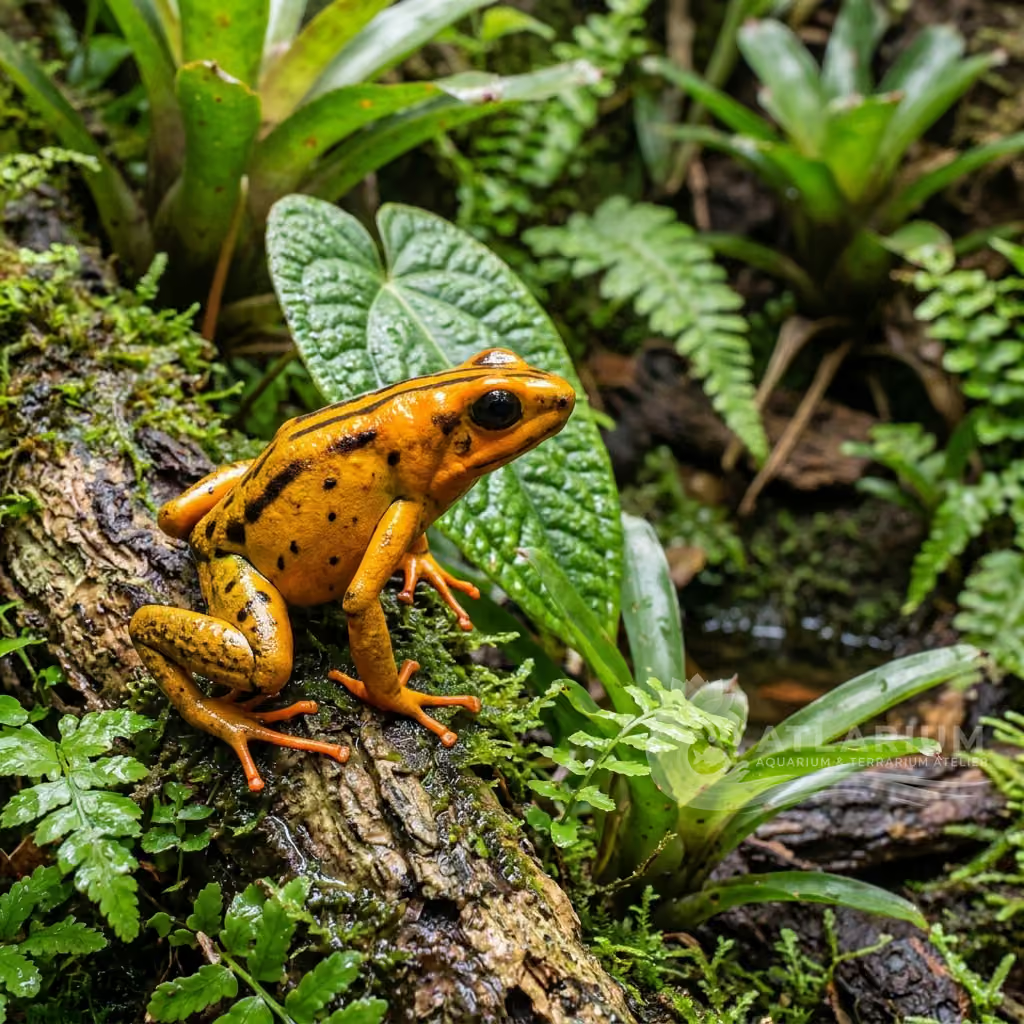
Green and Golden Bell Frog
Ranoidea aurea
The Green and Golden Bell Frog is a large, energetic Australian amphibian with a distinctive bell-like call. Semi-aquatic and sun-loving, it thrives in a spacious paludarium with basking spots.
Umgebung
Terrestrisch
Luftfeuchtigkeit
60 - 80 %
Tagestemperatur
20 - 26 °C
Nachttemperatur
15 - 18 °C
Umgebungstemperatur
20 - 26 °C
Mindestgehäuse
>= 80 L

Artbeschreibung
Geographical Origin and Habitat: Native to southeastern Australia. It inhabits marshes, sunny reed beds, ponds, and wet grasslands. Once common, wild populations are now in severe decline due to pollution, habitat loss, and chytrid fungus.
Taxonomy and Genetics: A large frog, with adult females exceeding 10 cm in length. The dorsal surface features a vibrant green or emerald background mottled with bright metallic gold or bronze patches. A distinct pale gold or cream stripe runs along the sides. The hind legs are robust and highly muscular.
Behavior and Habits: Unusually active during the day, spending long hours basking in direct heat (a rare behavior for amphibians). It is an excellent swimmer and a voracious predator, chasing prey on land with large leaps. Males call in loud, vibrating choruses that sound like a distant motor.
Morphology: Adult females are significantly larger and heavier than males. Males are smaller, develop dark nuptial pads on their inner thumbs during the breeding season, and possess a loose vocal sac on their throat.

Pflege, Zucht und Mitbewohner
Terrarium Setup: Requires a very large aqua-terrarium (minimum 100x50x50 cm for adults to prevent snout injuries from long jumps). Provide an aquatic zone around 15 cm deep with live plants and a secure land area with thick branches or bamboo for climbing.
Lighting and Heating: Needs warm conditions and strong light. Keep daytime temperatures at 25-28°C, with a localized basking spot up to 30°C, dropping to around 20°C at night. High-output (10%) UVB lighting is mandatory for calcium synthesis and bone development.
Humidity and Hydration: Maintain relative humidity around 70%. Adequate ventilation is essential to avoid stagnant conditions. Frequent water changes or strong filtration are required to handle the high waste production of this species.
Feeding and Supplementation: Extremely voracious and opportunistic. Diet should consist of large live insects like roaches, crickets, and locusts. Dust prey items with calcium and vitamin D3 supplements three times a week. Avoid overfeeding to prevent obesity.
Compatibility: Can be kept in groups, but only if all specimens are of identical size. They are highly cannibalistic, and any smaller frog or tankmate will be immediately consumed.
Health and Common Diseases: Prone to snout-rubbing injuries if housed in cramped enclosures where they collide with glass. Highly vulnerable to chytridiomycosis; quarantine new specimens carefully. Never handle with bare hands.

Geografische Herkunft und Verbreitung
Native to southeastern Australia. It inhabits marshes, sunny reed beds, ponds, and wet grasslands. Once common, wild populations are now in severe decline due to pollution, habitat loss, and chytrid fungus.
Ursprung
NordamerikaAustralien, Neuguinea und Ozeanien

Amphibienprofil
- Diät
- Insectivore
- The diet of Ranoidea aurea must be carefully managed to ensure optimal health and longevity. In its natural habitat, Ranoidea aurea typically consumes a variety of specific prey items or plant matter. Captive specimens require a similarly balanced intake, often supplemented with essential vitamins and calcium. It is important to offer food that is appropriately sized to avoid choking or digestive issues. Regular monitoring of their feeding response helps in identifying any potential health problems early.
- Lebenserwartung
- 10-15 years
- Erwachsenengröße
- 8 cm
- Lebensstil/Mikrohabitat
- Semi-aquatic
- The lifestyle of Ranoidea aurea varies greatly depending on whether they are terrestrial, arboreal, aquatic, or semi-aquatic. Designing an enclosure that accommodates their specific mode of living is essential for their physical and mental health. This includes providing the right substrate, climbing branches, or water features as needed. A proper setup allows Ranoidea aurea to exercise, hide, and thermoregulate effectively. Understanding their lifestyle choices helps in creating a thriving captive environment.
- Aktivitätszyklus
- Diurnal
- The activity pattern of Ranoidea aurea typically dictates when they feed, explore, and rest. Depending on their biology, they may be predominantly active during the day, night, or twilight hours. Replicating appropriate lighting and temperature cycles is crucial for maintaining their natural rhythm. Disruptions to this schedule can lead to stress and a decline in the health of Ranoidea aurea. Keepers should try to interact with them during their most active periods to minimize disturbance.
- Sozialität
- Solitary
- The behavior of Ranoidea aurea is deeply influenced by its natural instincts and environment. These creatures exhibit unique social and territorial behaviors that must be respected in captivity. Providing a habitat that mimics their wild surroundings can greatly reduce stress and encourage natural activities. Ranoidea aurea may show specific defensive or communicative displays when interacting with its environment. Observing these behaviors is key to understanding their overall well-being and comfort.
- Reproduktion
- Oviparous
- Reproduction in Ranoidea aurea requires specific environmental triggers such as temperature and humidity changes. Breeding these animals in captivity can be challenging and often demands a dedicated setup. Once successful mating occurs, careful attention must be given to the incubation of eggs or the care of live young. The offspring of Ranoidea aurea are usually fragile and require highly specific conditions to thrive. Keepers must thoroughly research their reproductive cycle to achieve positive breeding results.
- Toxizität
- Harmless
- The green and golden bell frog does not possess harmful toxins and is not dangerous to humans or pets. While they may secrete a mild mucus when highly stressed, it is merely a deterrent to predators and lacks any potent chemical defense. They are entirely safe to handle, though, like all amphibians, their permeable skin requires gentle care.
- Lebensphase
- Metamorphosis
- The tadpoles are quite large and voracious, primarily feeding on algae, decaying matter, and sometimes even smaller or weaker tadpoles. They typically take two to three months to undergo metamorphosis, though this can be delayed by cooler water temperatures. Upon emerging from the water, the juvenile frogs quickly adopt the aggressive hunting habits of the adults.
- Handhabungstoleranz
- Display only
- Handling should be avoided. They secrete a distinct, somewhat foul-smelling protective mucus when stressed, and are vulnerable to human skin oils.
- Brumation
- In their native Australian habitat, they undergo a brumation period during the colder winter months, retreating beneath thick vegetation or logs to hibernate.
- Häutung
- Periodic
- They shed frequently in the water or damp vegetation. High humidity and access to clean water are required for them to successfully remove their old skin.

Verwandte Arten
Empfehlungen gruppiert nach nahen Verwandten, Auswahl von Begleitern und ähnlicher Betreuung.