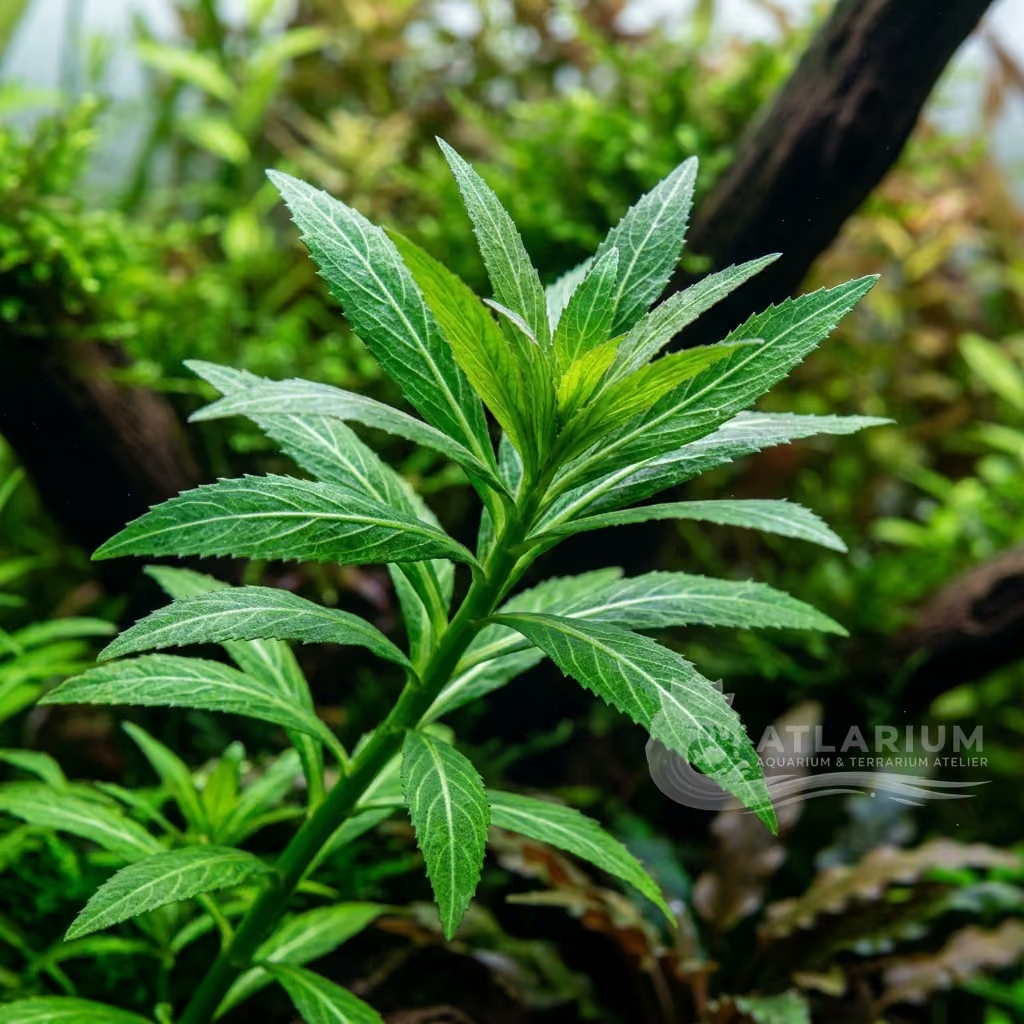
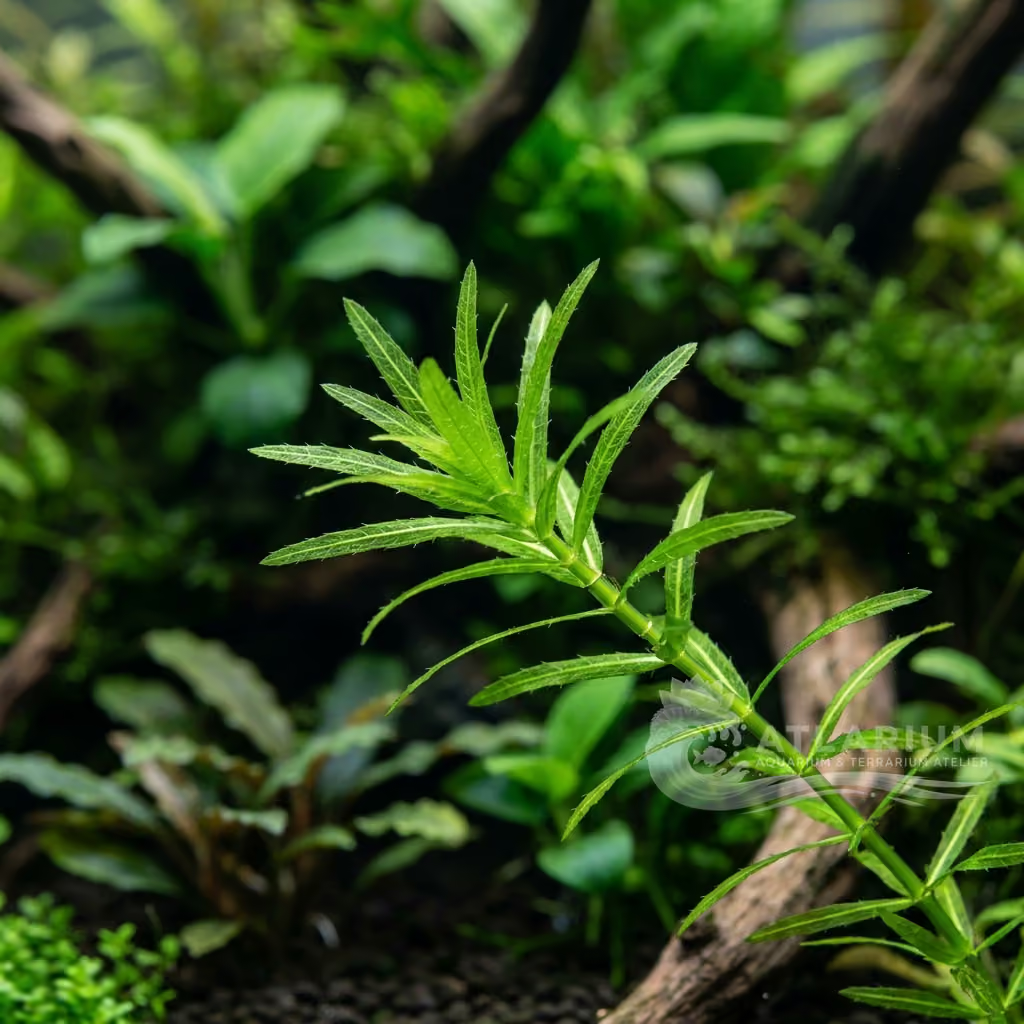
Microsorum pteropus "Needle Leaf"
Microsorum pteropus "Needle Leaf"
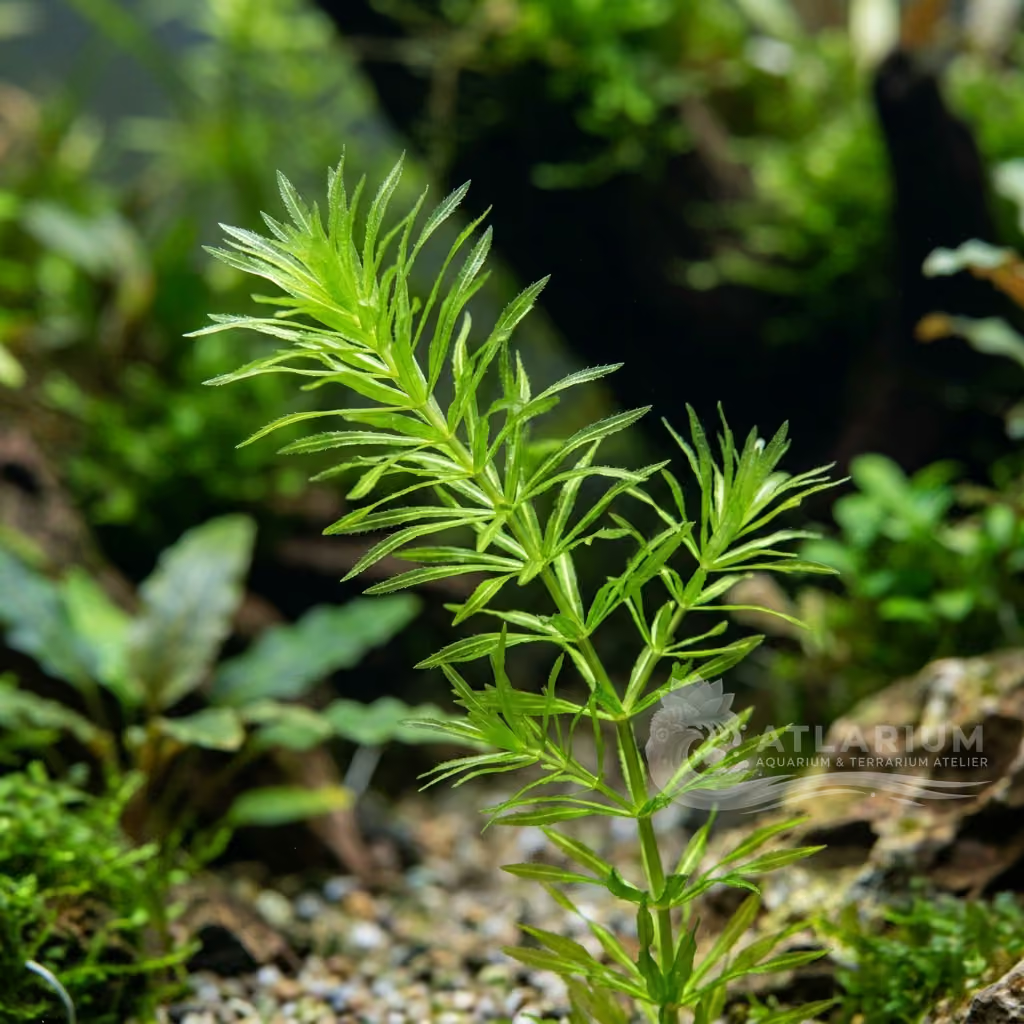
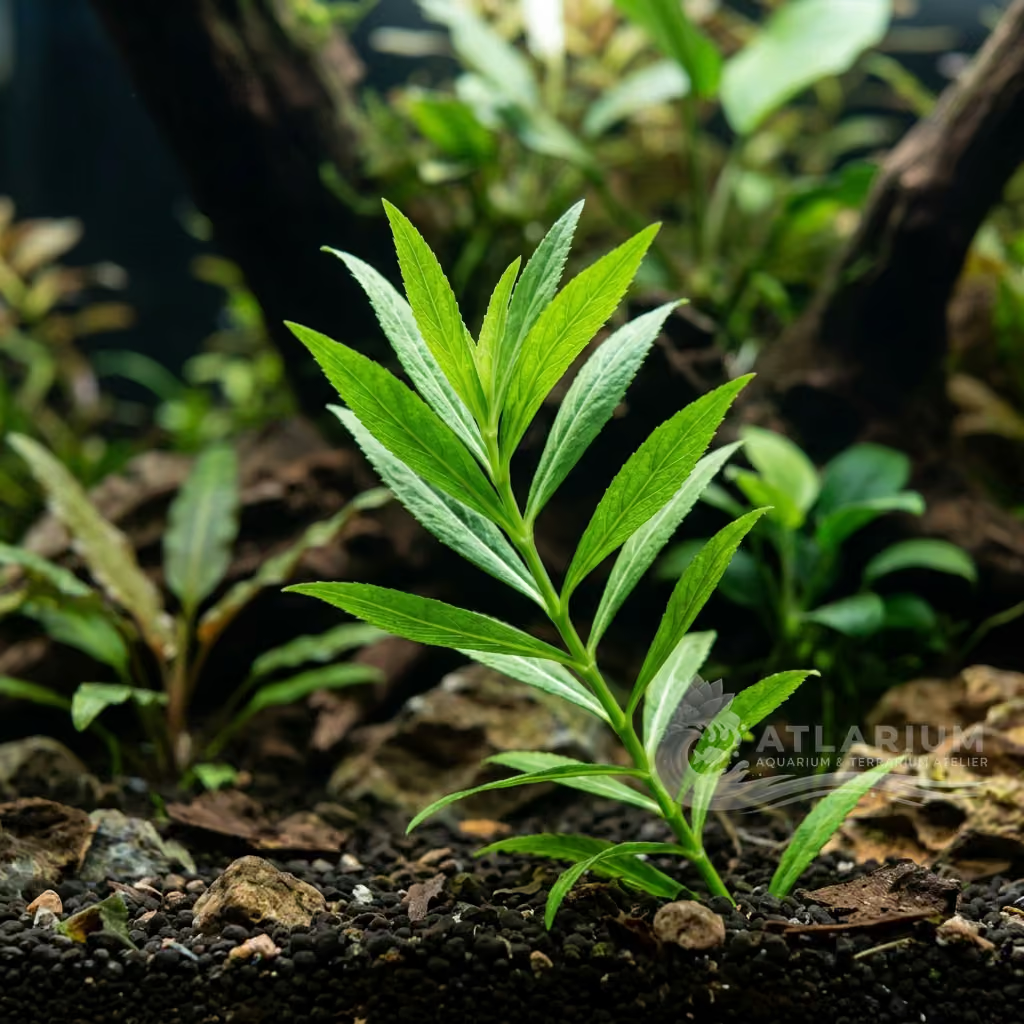
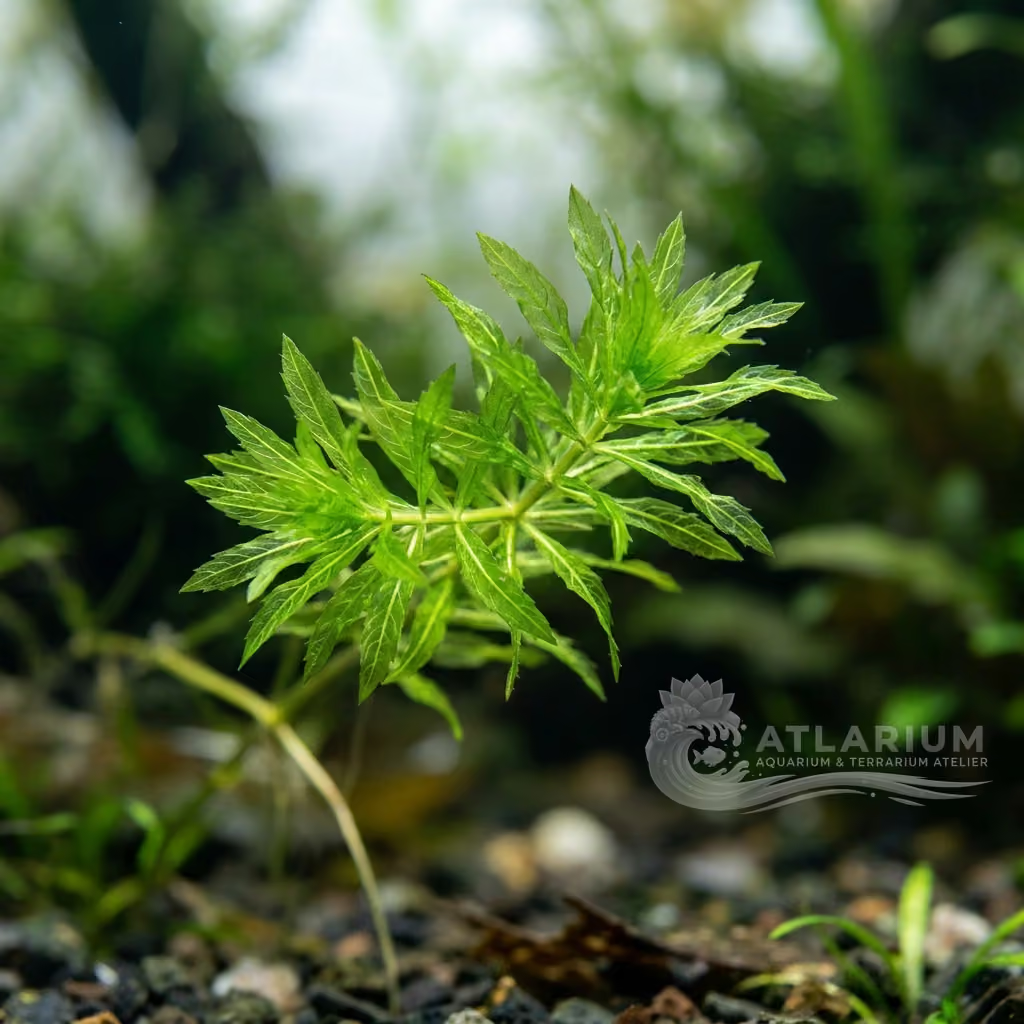
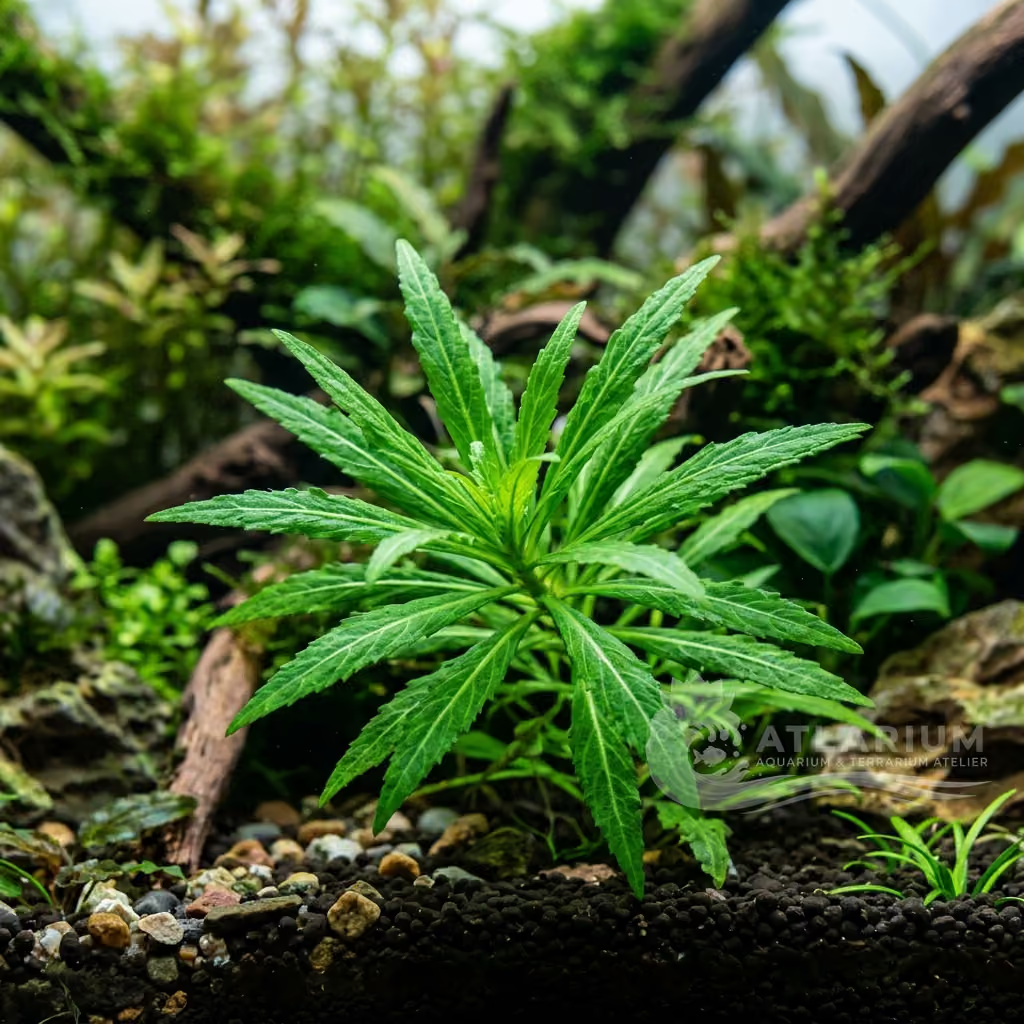
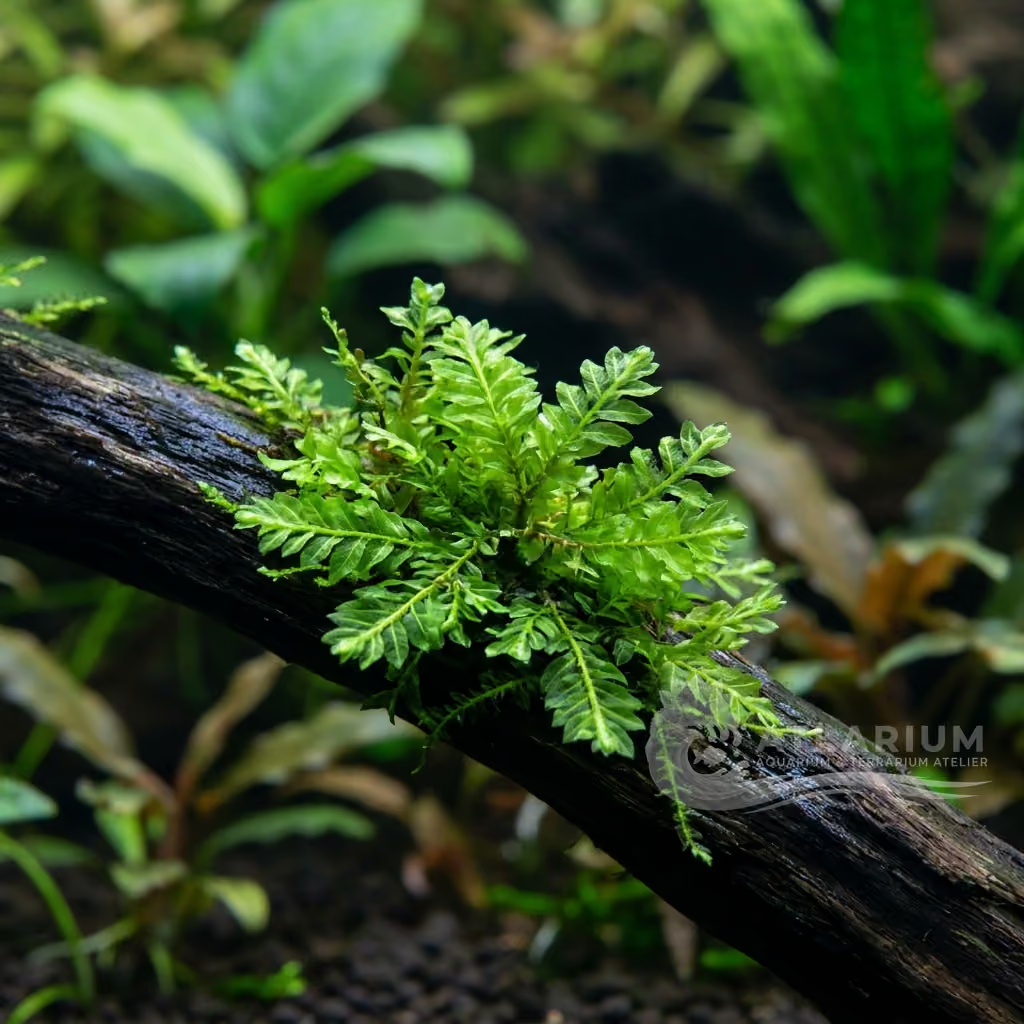
Microsorum pteropus "Needle Leaf" is a slow-growing epiphytic fern, perfect for adding delicate texture to the foreground or midground of an aquarium. Its compact form and narrow leaves make it an ideal choice for attaching to hardscape, creating naturalistic detail.
Wassertemperatur
4 - 30 °C
pH-Wert
5 - 7.5
Wassertyp
Süßwasser
Licht
Low to High
CO2
Hoch
KH
0 - 12 dKH

Artbeschreibung
Geographical Origin and Habitat: The genus Microsorum pteropus originates from the tropical and subtropical regions of Southeast Asia, where it thrives as an epiphyte or semi-aquatic plant along riverbanks and streams. In its natural habitat, it typically attaches to submerged logs, rocks, and other debris, enduring fluctuating water levels with remarkable resilience. The "Needle Leaf" cultivar shares this ancestral environment, preferring shaded or partially shaded conditions and deriving nutrients directly from the water column rather than a rich substrate.
Taxonomy & Genetics: Microsorum pteropus "Needle Leaf" belongs to the Polypodiaceae family, a diverse group of true ferns. This particular cultivar is a horticultural selection, developed for its distinctive, unusually narrow leaf morphology. While not a wild species, it retains the robust genetic qualities of its parent, Microsorum pteropus, exhibiting the same hardiness and adaptability to various aquatic conditions. Its cultivar name precisely describes its unique, elongated leaf shape, differentiating it from other Java fern varieties.
Physical Structure: The physical structure of Microsorum pteropus "Needle Leaf" is characterized by a creeping, fleshy rhizome that grows horizontally, from which fine rootlets and alternating fronds emerge. The leaves, which give the cultivar its name, are exceptionally narrow and elongated, resembling needles or thin blades, and can reach considerable lengths while maintaining minimal width. This epiphytic growth habit allows the plant to firmly anchor itself to wood, rocks, or other decor, crucially preventing the rhizome from being buried in the substrate, which would lead to decay.
Color & Texture: Microsorum pteropus "Needle Leaf" displays a vibrant, deep green coloration, which may subtly vary in shade depending on light intensity and nutrient availability, often appearing darker green in more moderate lighting. The leaf surface is typically smooth and somewhat leathery to the touch, lending a durable yet elegant texture to the overall plant. On the underside of mature fronds, small, dark structures known as sori may appear, containing spores, which should not be mistaken for signs of disease and add a natural detail to the plant's appearance.

Pflege, Zucht und Mitbewohner
Lighting & CO2: Microsorum pteropus "Needle Leaf" is remarkably adaptable to various lighting conditions, thriving in both low and high light environments, although excessive light can promote algae growth on its leaves. Moderate illumination is often ideal for fostering healthy growth and vibrant coloration without unduly stressing the plant. While CO2 injection is not strictly essential for its survival or slow growth rate, providing supplemental CO2 can encourage more robust development and denser, more lush foliage by slightly accelerating its metabolic processes.
Nutrition & Substrate: As an epiphytic plant, Microsorum pteropus "Needle Leaf" primarily absorbs nutrients directly from the
Water Chemistry: This fern exhibits exceptional tolerance to a broad range of water chemistry parameters, making it suitable for nearly any freshwater aquarium. It thrives in temperatures between 4.0 and 30.0 C, pH levels from 5.0 to 7.5, and KH values from 0.0 to 12.0, though stable parameters within these ranges are more critical than absolute values. Avoiding sudden fluctuations in temperature or water chemistry is essential, as these can induce stress and the common "Java fern melt" phenomenon. Well-oxygenated water with good circulation is generally beneficial for the plant's health.
Space Management & Placement: Given its compact form and slender leaves, Microsorum pteropus "Needle Leaf" is ideally suited for foreground or midground placement in an aquarium, particularly in smaller setups or nano-tanks. It is imperative to attach or glue its rhizome to driftwood or rocks, ensuring it is never buried in the substrate, as this will invariably lead to its decline. This plant can be used to create a fine green carpet effect or to add intricate detail within crevices of the hardscape, providing excellent refuge for small fish or invertebrates.
Pruning: Pruning Microsorum pteropus "Needle Leaf" is a straightforward process primarily performed for aesthetic purposes or to remove old or damaged fronds. Yellowed, brown, or algae-covered leaves should be trimmed at their base, close to the rhizome, using sharp, clean scissors. This practice helps maintain the plant's overall health and prevents the decomposition of organic matter in the aquarium. Regular pruning can also encourage the growth of new, more vigorous, and denser foliage.
Risks & Diseases: Despite its hardiness, Microsorum pteropus "Needle Leaf" can be susceptible to a few common issues, such as algae accumulation on its leaves, especially under excessive lighting or nutrient imbalances. Rhizome rot is a significant risk if the rhizome is buried in the substrate, leading to plant deterioration. Furthermore, the plant may experience "Java fern melt," a sudden breakdown of leaves, often triggered by drastic changes in the aquatic environment or adverse reactions to certain chemicals. Careful observation and preventive maintenance are crucial to mitigate these problems.

Geografische Herkunft und Verbreitung
The genus Microsorum pteropus originates from the tropical and subtropical regions of Southeast Asia, where it thrives as an epiphyte or semi-aquatic plant along riverbanks and streams. In its natural habitat, it typically attaches to submerged logs, rocks, and other debris, enduring fluctuating water levels with remarkable resilience. The "Needle Leaf" cultivar shares this ancestral environment, preferring shaded or partially shaded conditions and deriving nutrients directly from the water column rather than a rich substrate.
Ursprung
Süd- und SüdostasienSelektive Züchtung und Sorten

Pflanzenprofil
- Platzierung
- Vordergrund
- It is ideally placed in the midground or background, attached to rocks, driftwood, or decorations. Its distinct leaf shape provides an excellent focal point or contrasting texture. Over time, it will form dense clusters that offer great hiding spots for aquatic life.
- Botanische Form
- rhizome or creeping stem
- It is an epiphytic fern characterized by a thick horizontal rhizome and extremely thin, needle-like leaves. The root system consists of dark, hair-like roots designed primarily for anchoring. This variant offers the finest texture among Java ferns, creating a delicate, flowing look.
- Wachstum
- Langsam
- Like most epiphytic ferns, it has a slow growth rate. Leaves develop gradually from the creeping rhizome over weeks and months. This slow pace makes it a low-maintenance choice that requires very infrequent pruning.
- Substrat
- Keiner
- This plant should never be planted directly into the substrate. The rhizome must remain exposed to the water column, otherwise it will rot and the plant will die. It is best attached to hardscape materials where its roots can anchor onto rough surfaces.
- Säulendüngung
- Empfohlen
- Water column fertilization is the primary method of feeding this plant. A light, regular dose of a complete liquid fertilizer is usually sufficient for optimal health. Being a slow grower, it does not rapidly deplete nutrients from the water.
- Wurzeldüngung
- Keine
- Root fertilization is completely unnecessary and ineffective for this species. Because it is an epiphyte and not planted in the soil, it cannot access nutrients in the substrate. All feeding should be done via liquid fertilizers.
- Trimmen
- Gelegentlich
- Trimming consists solely of removing decaying or unsightly leaves at their base on the rhizome. Trimming the leaves themselves will halt their growth and cause them to rot. It is best left alone to form natural, dense clumps.
- Ausbreitung
- Stecklinge
- Propagation is very easy and occurs naturally through two methods. The rhizome can be cut into smaller pieces, each with at least a few leaves, and reattached elsewhere. Alternatively, small plantlets will naturally develop on the tips or undersides of older leaves and can be detached when roots form.
- Empfindlichkeit
- Mäßig
- It is robust against fluctuations in water chemistry and temperature. It is susceptible to black beard algae if placed under very high light with poor flow. Consistent water parameters and moderate light keep it pristine.
- Layoutrolle
- group, Aufsitzerpflanze, Mittelgrund, Nano, Vordergrund
- It provides unparalleled fine texture and an elegant, sweeping aesthetic to the midground. Its extremely thin leaves create a delicate contrast against bulky rocks and wood. It is highly prized by aquascapers for its refined appearance.

Verwandte Arten
Empfehlungen gruppiert nach nahen Verwandten, Auswahl von Begleitern und ähnlicher Betreuung.