Microsorum pteropus "Orange Narrow"
Microsorum pteropus "Orange Narrow"
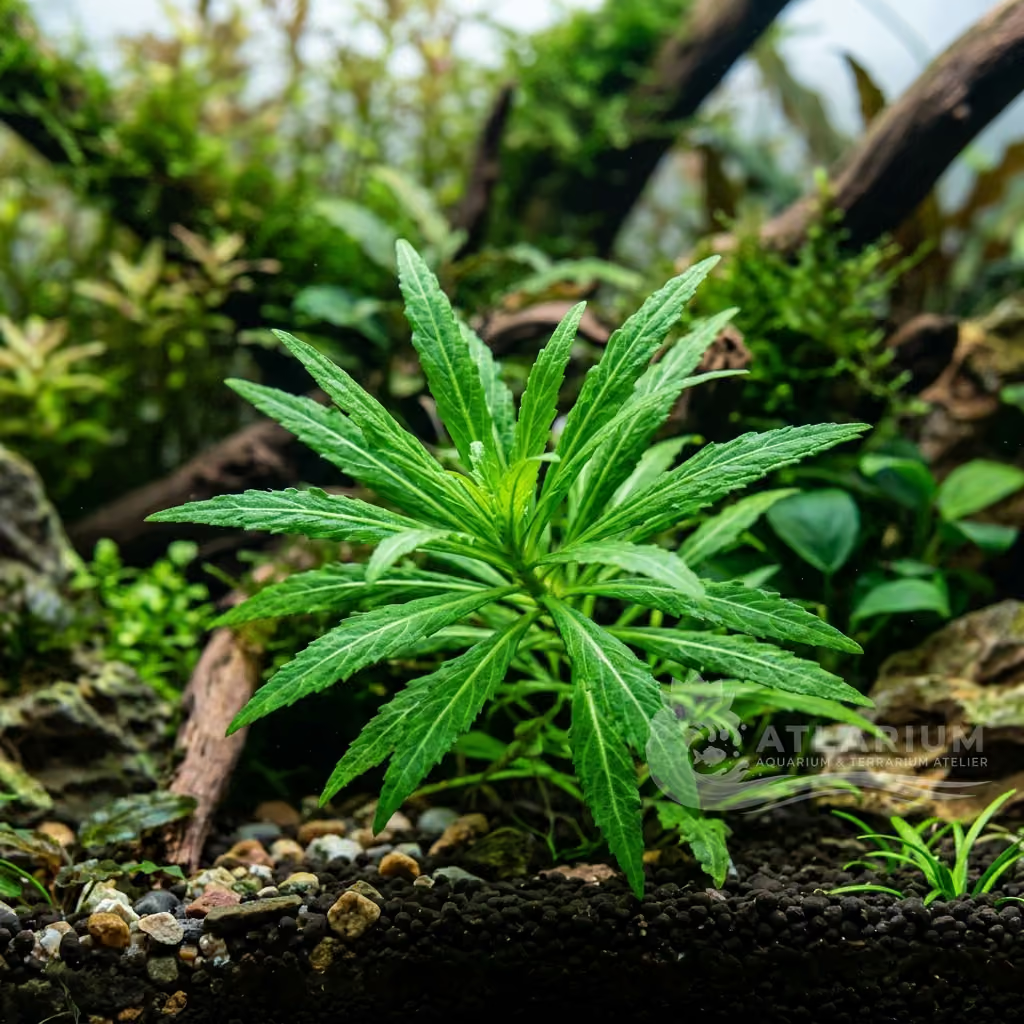
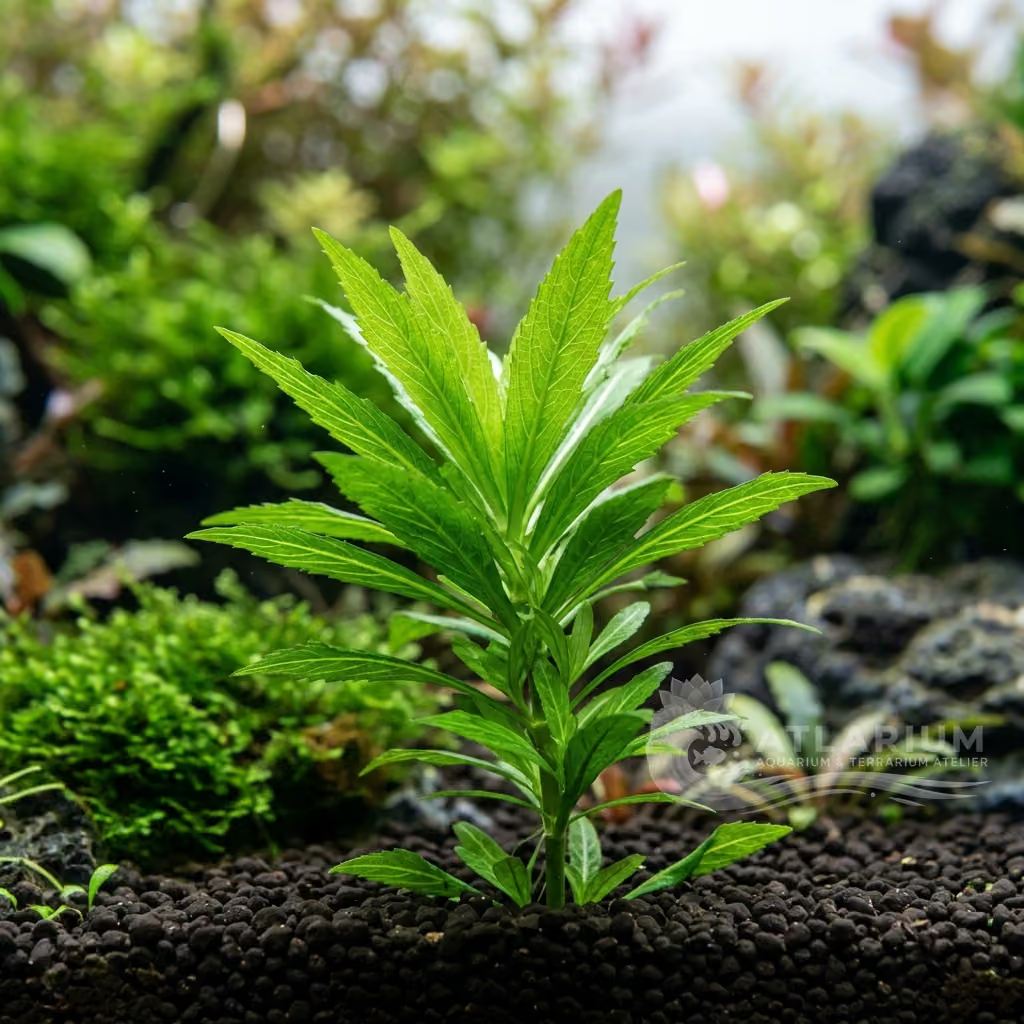
Microsorum pteropus "Orange Narrow" is a medium-growth epiphytic aquatic fern, perfect for midground placement in an aquarium. Its distinctive narrow fronds and vibrant orange coloration make it an attractive focal point, clinging gracefully to hardscape elements.
Wassertemperatur
4 - 30 °C
pH-Wert
5 - 8
Wassertyp
Süßwasser
Licht
Low to High
CO2
Hoch
Erwartete Höhe
20 cm
Erwartete Breite
30 cm
KH
0 - 14 dKH

Artbeschreibung
Geographical Origin and Habitat: The species Microsorum pteropus, from which the "Orange Narrow" variant originates, is native to Southeast Asia, thriving as a rheophytic plant anchored to rocks and tree trunks along riverbanks and streams. Its robust aerial roots allow it to withstand strong currents, absorbing nutrients directly from the surrounding water. While this specific cultivar is not found in nature in this exact form, it shares the same preference for submerged or semi-submerged environments, flourishing under conditions similar to its wild ancestors.
Taxonomy & Genetics: Belonging to the Polypodiaceae family, Microsorum pteropus "Orange Narrow" is a genetically selected cultivar of Microsorum pteropus, commonly known as Java Fern. This selection was specifically aimed at accentuating distinct aesthetic characteristics, such as the narrowness of its fronds and its unique pigmentation. Propagation primarily occurs vegetatively through rhizome division or the formation of adventitious plantlets along the frond margins, ensuring the preservation of its peculiar genetic traits.
Physical Structure: This aquatic fern features a creeping rhizome from which its distinctive fronds emerge. The fronds of the "Orange Narrow" are notably narrower and more lanceolate than those of the typical species, often displaying slightly wavy margins. The rhizome should never be buried in the substrate but must be attached to wood or rocks, where its roots will firmly anchor. Its robust structure and lush foliage contribute a natural and vibrant appearance to any aquascape.
Color & Texture: The most captivating feature of Microsorum pteropus "Orange Narrow" is its extraordinary coloration. New shoots and young fronds display vibrant hues ranging from brilliant orange to coppery tones, often with hints of reddish-brown, which gradually mature into a rich, deep green. This chromatic transition, often enhanced by adequate lighting, creates an appealing visual contrast within the aquarium. The frond texture is typically leathery and slightly rough, adding further tactile and visual interest.

Pflege, Zucht und Mitbewohner
Lighting & CO2: Microsorum pteropus "Orange Narrow" is remarkably versatile regarding lighting, thriving in conditions from low to high light. However, moderate to high light intensity is often crucial to stimulate and maintain the vibrant orange coloration of its new leaves. While CO2 injection is not strictly necessary for its survival, supplementation can significantly accelerate growth and promote a more robust, bushy development, further enhancing the intensity of its warm hues.
Nutrition & Substrate: As an epiphytic plant, Microsorum pteropus "Orange Narrow" absorbs nutrients primarily from the
Water Chemistry: This aquatic fern exhibits remarkable tolerance to a wide range of water chemistry parameters, making it suitable for various aquarium setups. The ideal water temperature ranges from 4.0 to 30.0 °C, allowing it to thrive in tropical and even unheated tanks. pH levels can fluctuate between 5.0 and 8.0, while carbonate hardness (KH) tolerates values from 0.0 to 14.0. Despite its robustness, maintaining stable parameters within reasonable ranges is always advisable for the plant's long-term health.
Space Management & Placement: Microsorum pteropus "Orange Narrow" is ideal for midground placement in the aquarium, where it can be securely attached to driftwood or rocks using fishing line or cyanoacrylate glue. It is crucial never to bury the rhizome in the substrate, as this can lead to rot and plant decay. Allowing sufficient space around the plant will enable its fronds to spread fully, creating a naturalistic scenic effect and contributing to the aquascape's perceived depth.
Pruning: Pruning Microsorum pteropus "Orange Narrow" is relatively simple and aimed at maintaining the desired shape and promoting new growth. Older, damaged, or excessively algae-covered fronds should be removed by cutting them at their base, close to the rhizome. This operation not only improves the plant's aesthetics but also prevents detritus accumulation and promotes water circulation among the leaves. For propagation, the rhizome can be gently divided into sections, ensuring each piece has at least 3-4 fronds and a healthy section of rhizome, then re-anchoring the new portions.
Risks & Diseases: Although Microsorum pteropus is generally robust, the "Orange Narrow" cultivar can be susceptible to specific problems if conditions are not optimal. The greatest risk is rhizome rot, which occurs if the rhizome is buried in the substrate, hindering proper oxygenation. Fronds may develop black spots or signs of decay due to nutritional deficiencies, particularly potassium, or stress from excessive lighting. It is also important to monitor for algae growth on the leaves, which can indicate imbalances in lighting or nutrients, and to intervene promptly to prevent its proliferation.

Geografische Herkunft und Verbreitung
The species Microsorum pteropus, from which the "Orange Narrow" variant originates, is native to Southeast Asia, thriving as a rheophytic plant anchored to rocks and tree trunks along riverbanks and streams. Its robust aerial roots allow it to withstand strong currents, absorbing nutrients directly from the surrounding water. While this specific cultivar is not found in nature in this exact form, it shares the same preference for submerged or semi-submerged environments, flourishing under conditions similar to its wild ancestors.
Ursprung
Süd- und SüdostasienSelektive Züchtung und Sorten

Pflanzenprofil
- Platzierung
- Mittelgrund
- It is ideally placed in the midground or background, attached to rocks, driftwood, or decorations. Its distinct leaf shape provides an excellent focal point or contrasting texture. Over time, it will form dense clusters that offer great hiding spots for aquatic life.
- Botanische Form
- rhizome or creeping stem
- It is an epiphytic fern characterized by a thick horizontal rhizome and narrow leaves that display an orange hue at the tips under strong light. The root system consists of dark, hair-like roots designed primarily for anchoring. It provides a unique pop of warm color in an otherwise green fern cluster.
- Wachstum
- Mittel
- Like most epiphytic ferns, it has a slow growth rate. Leaves develop gradually from the creeping rhizome over weeks and months. This slow pace makes it a low-maintenance choice that requires very infrequent pruning.
- Substrat
- Keiner
- This plant should never be planted directly into the substrate. The rhizome must remain exposed to the water column, otherwise it will rot and the plant will die. It is best attached to hardscape materials where its roots can anchor onto rough surfaces.
- Säulendüngung
- Empfohlen
- Water column fertilization is the primary method of feeding this plant. A light, regular dose of a complete liquid fertilizer is usually sufficient for optimal health. Being a slow grower, it does not rapidly deplete nutrients from the water.
- Wurzeldüngung
- Keine
- Root fertilization is completely unnecessary and ineffective for this species. Because it is an epiphyte and not planted in the soil, it cannot access nutrients in the substrate. All feeding should be done via liquid fertilizers.
- Trimmen
- Gelegentlich
- Maintenance is minimal, requiring only the removal of old, fading leaves at the rhizome. Do not cut the leaves midway, as they cannot heal or regrow from the cut. Pruning older leaves can stimulate the growth of new, brightly colored fronds.
- Ausbreitung
- Teilung
- Propagation is very easy and occurs naturally through two methods. The rhizome can be cut into smaller pieces, each with at least a few leaves, and reattached elsewhere. Alternatively, small plantlets will naturally develop on the tips or undersides of older leaves and can be detached when roots form.
- Empfindlichkeit
- Mäßig
- It is a highly adaptable plant that tolerates a wide range of water parameters. Too much light without CO2 can lead to algae colonizing its slow-growing leaves. The distinct orange coloration may be less intense in low-light setups.
- Layoutrolle
- Aufsitzerpflanze, Mittelgrund, Hintergrund
- It serves as a stunning midground focal point due to the warm tones of its new growth. It breaks up the monotony of green in epiphyte-heavy layouts. Its narrow leaves add a graceful, flowing texture to the aquascape.

Verwandte Arten
Empfehlungen gruppiert nach nahen Verwandten, Auswahl von Begleitern und ähnlicher Betreuung.