Pogostemon deccanensis
Pogostemon deccanensis
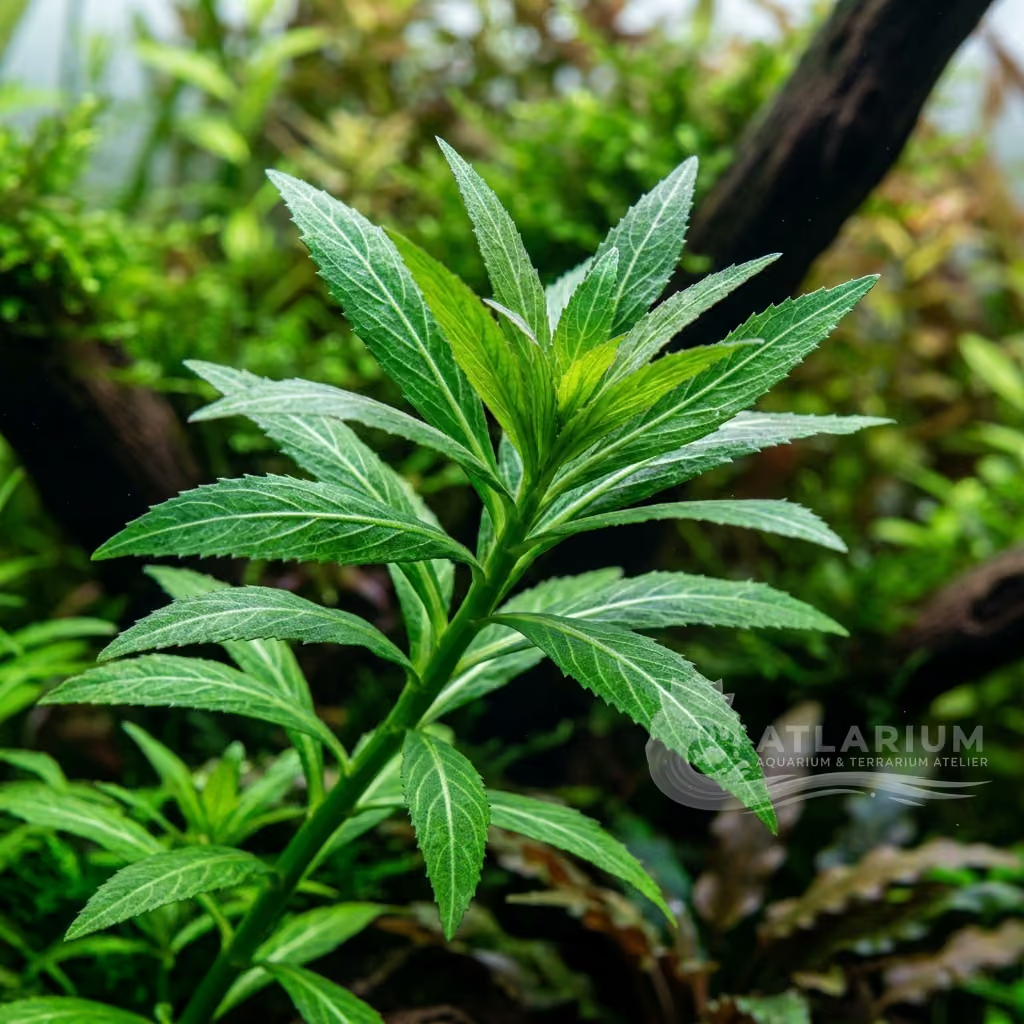
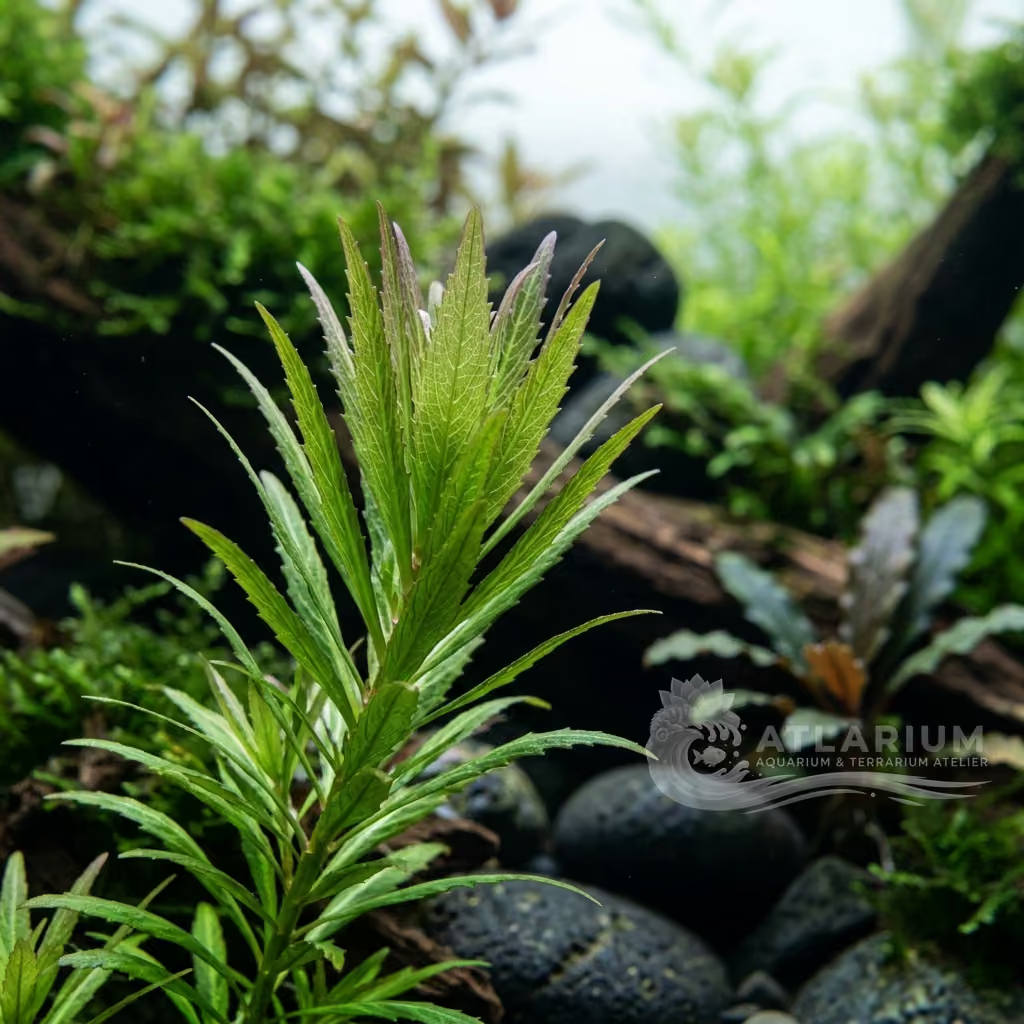
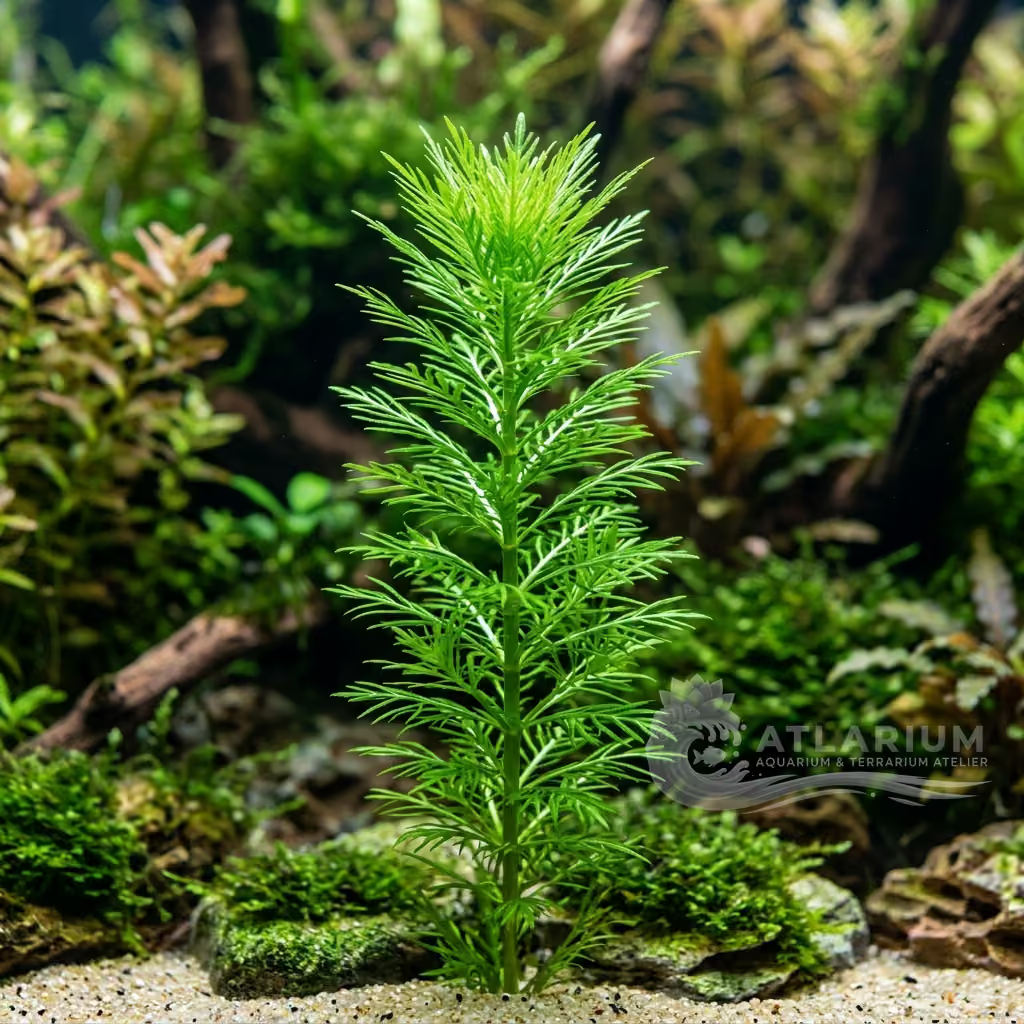
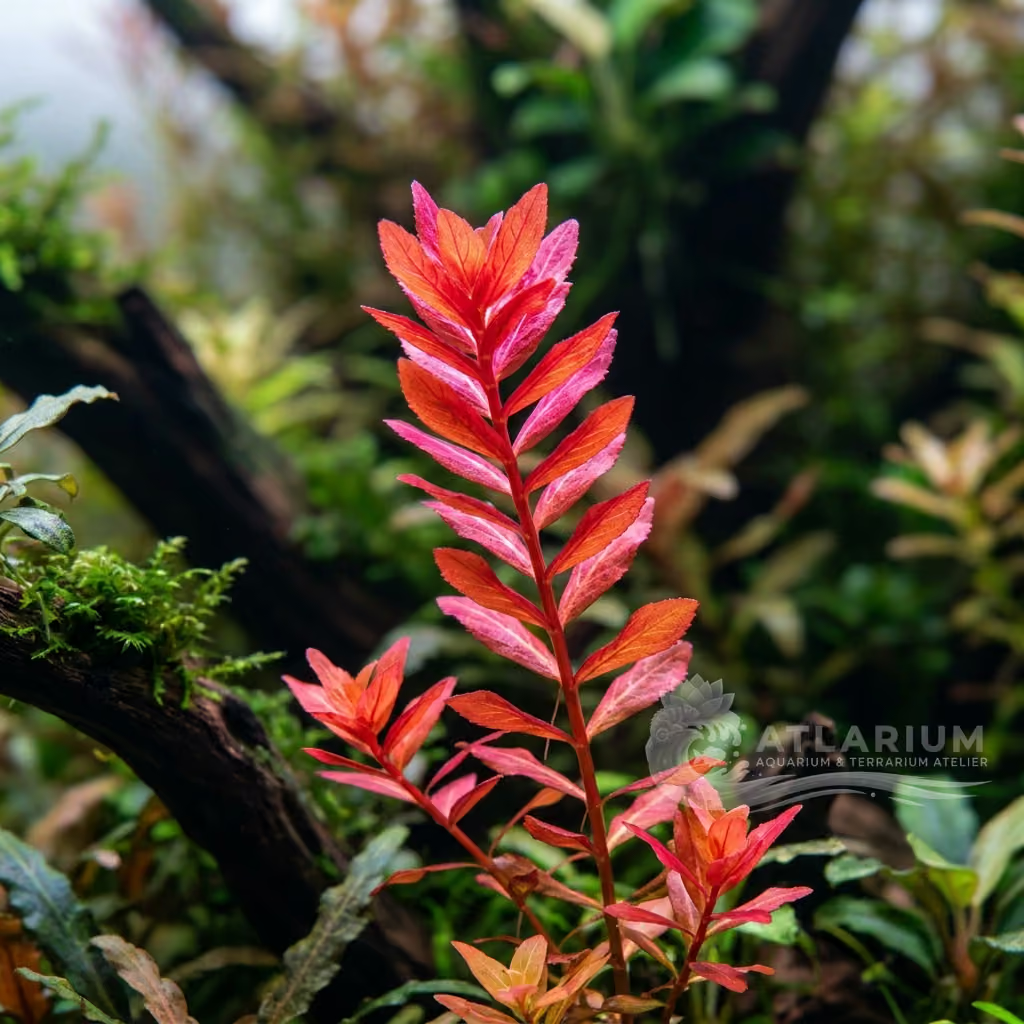
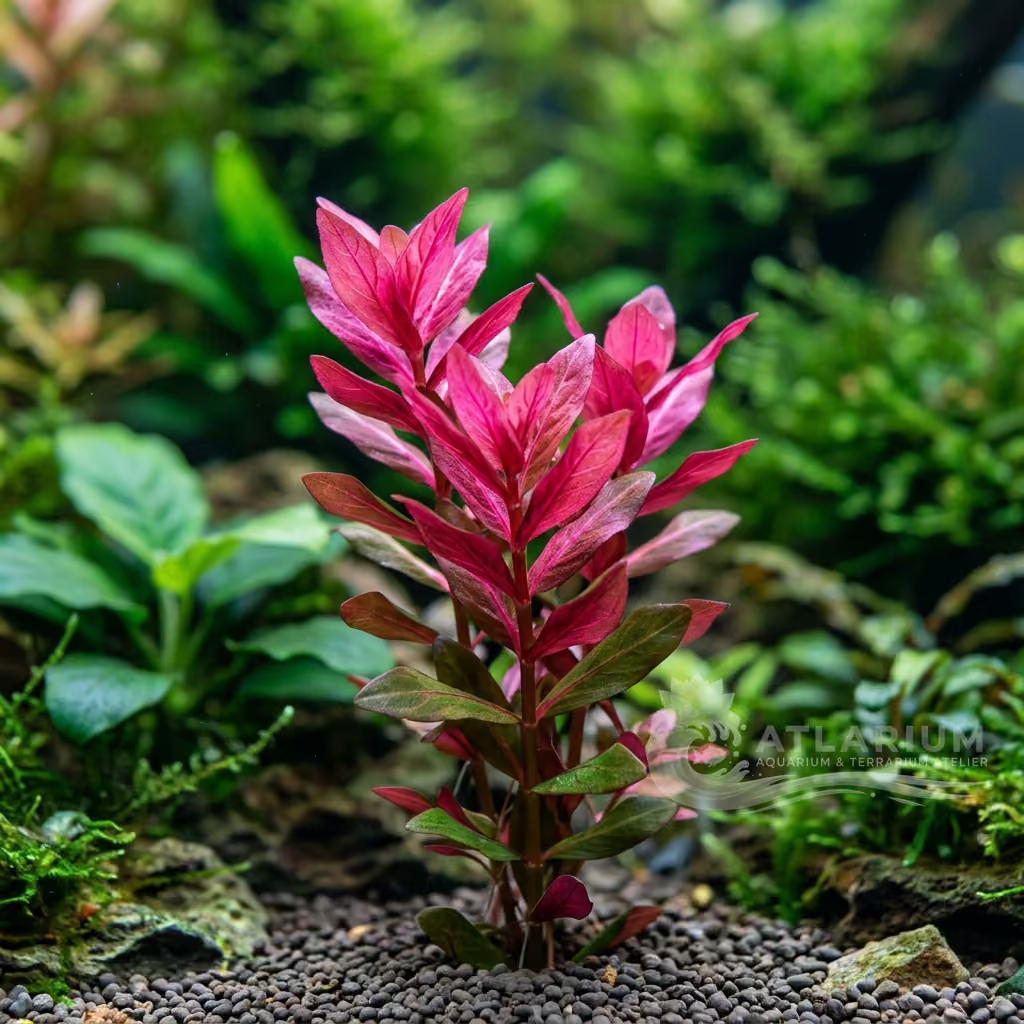
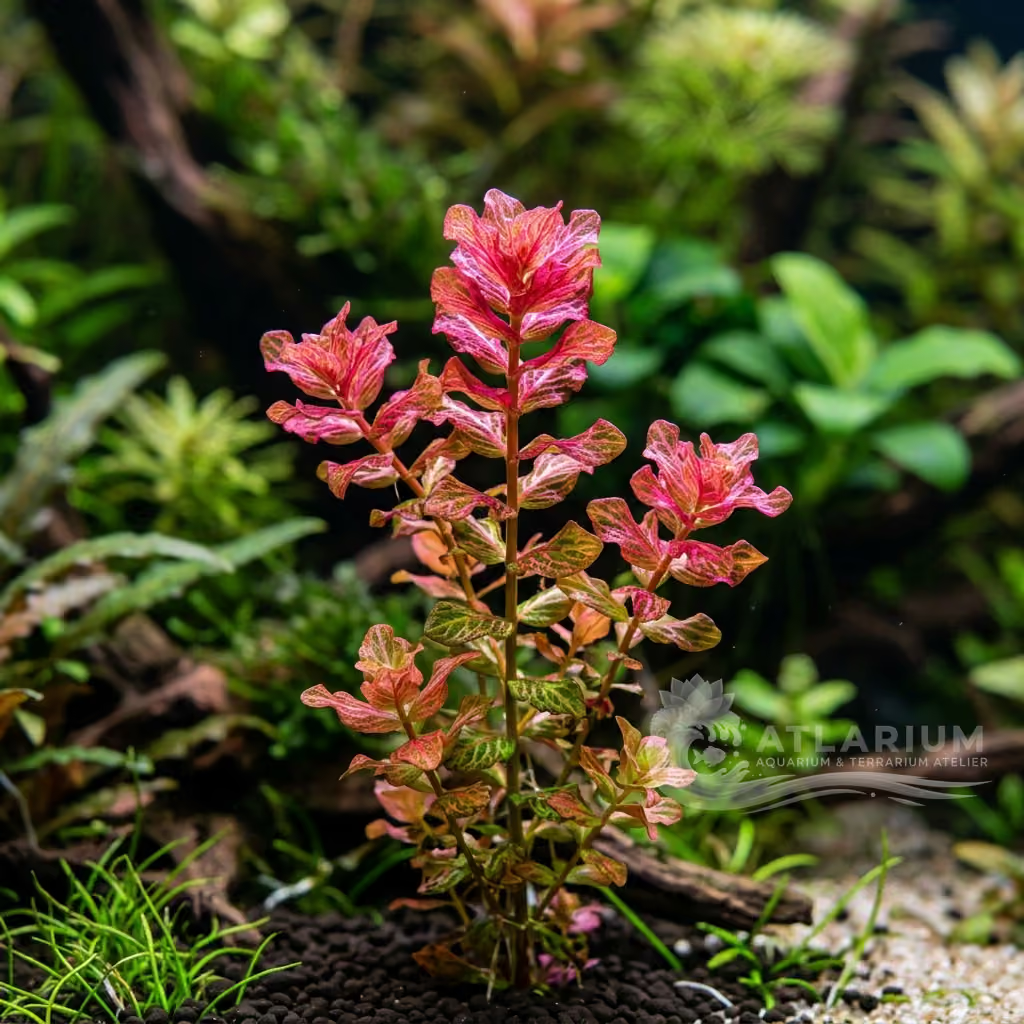
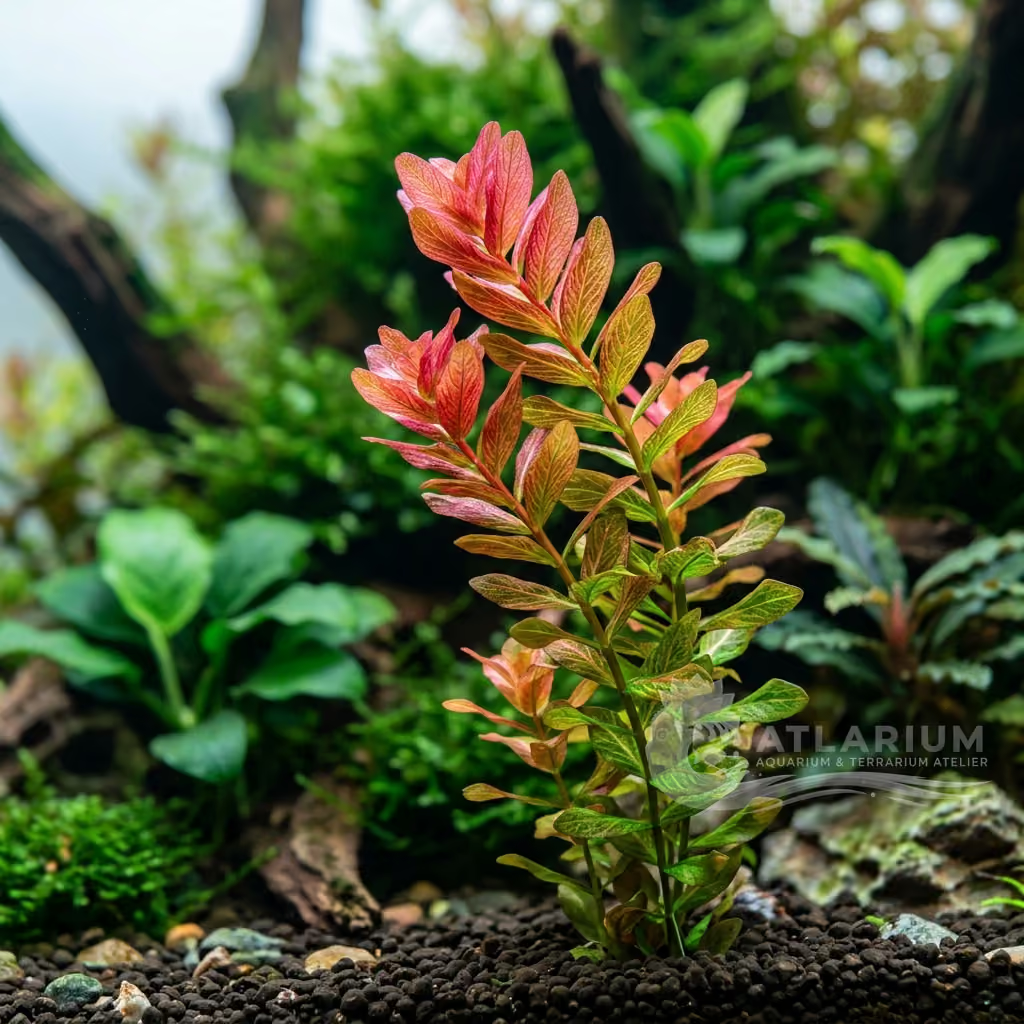
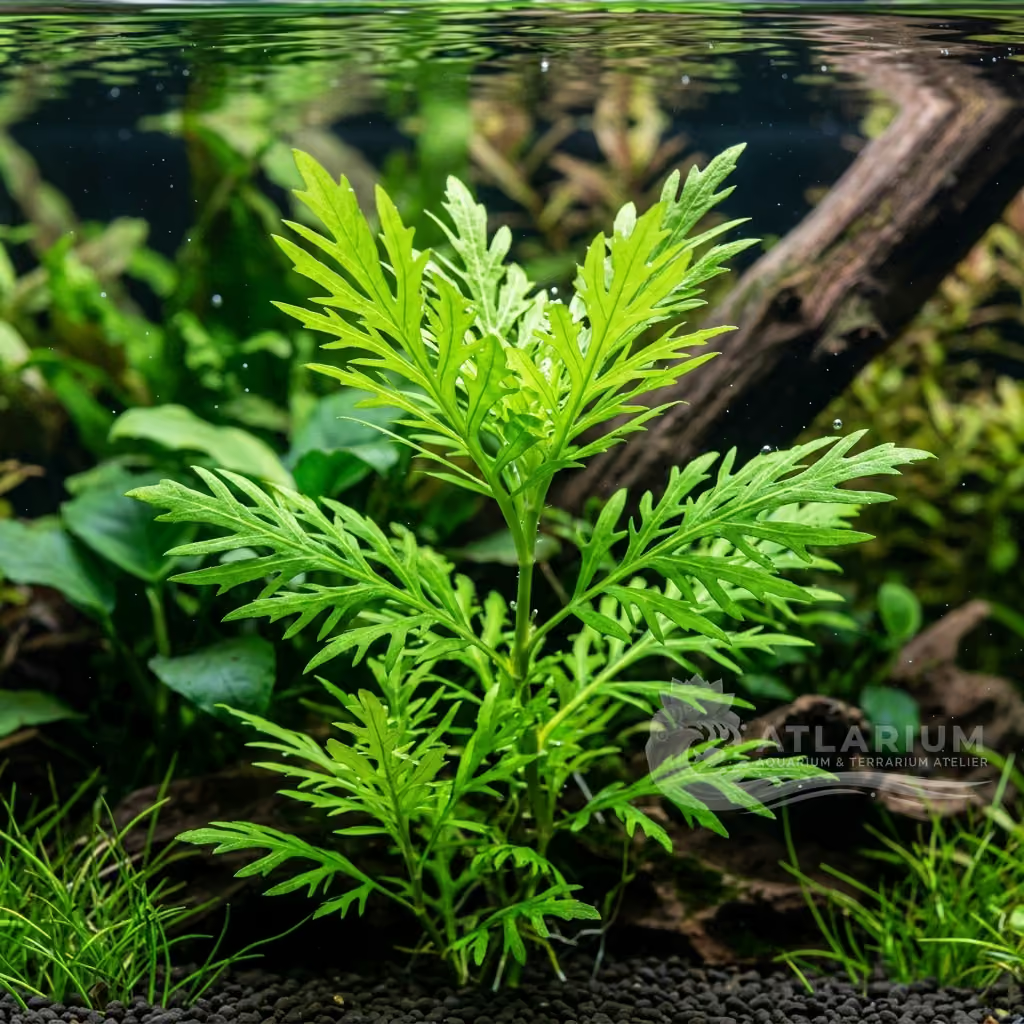
Pogostemon deccanensis is a fast-growing stem plant perfectly suited for the aquarium background, offering an elegant vertical presence. With its dense foliage and vibrant hue, it significantly contributes to the depth and lush aesthetic of any aquatic setup.
Wassertemperatur
18 - 30 °C
pH-Wert
5 - 7
Wassertyp
Süßwasser
Licht
Medium to High
CO2
Hoch
KH
1 - 14 dKH

Artbeschreibung
Geographical Origin and Habitat: Pogostemon deccanensis is native to regions of Asia, specifically southern India, where it thrives in both aquatic and semi-aquatic environments. This species is typically found along the banks of rivers and streams, as well as in marshy areas, adapting to both submerged and emergent conditions. Its natural habitat suggests a preference for clear, nutrient-rich waters, indicative of the optimal conditions required for its successful cultivation in aquariums.
Taxonomy & Genetics: Classified within the Lamiaceae family, Pogostemon deccanensis belongs to a genus that encompasses numerous terrestrial, aquatic, and semi-aquatic species. Its scientific name highlights its geographical origin (Deccan, a region in India), distinguishing it from similar species. This precise identification is crucial for aquascapers, as it is often confused with other Pogostemon plants, such as Pogostemon erectus, despite possessing distinct morphological and genetic characteristics.
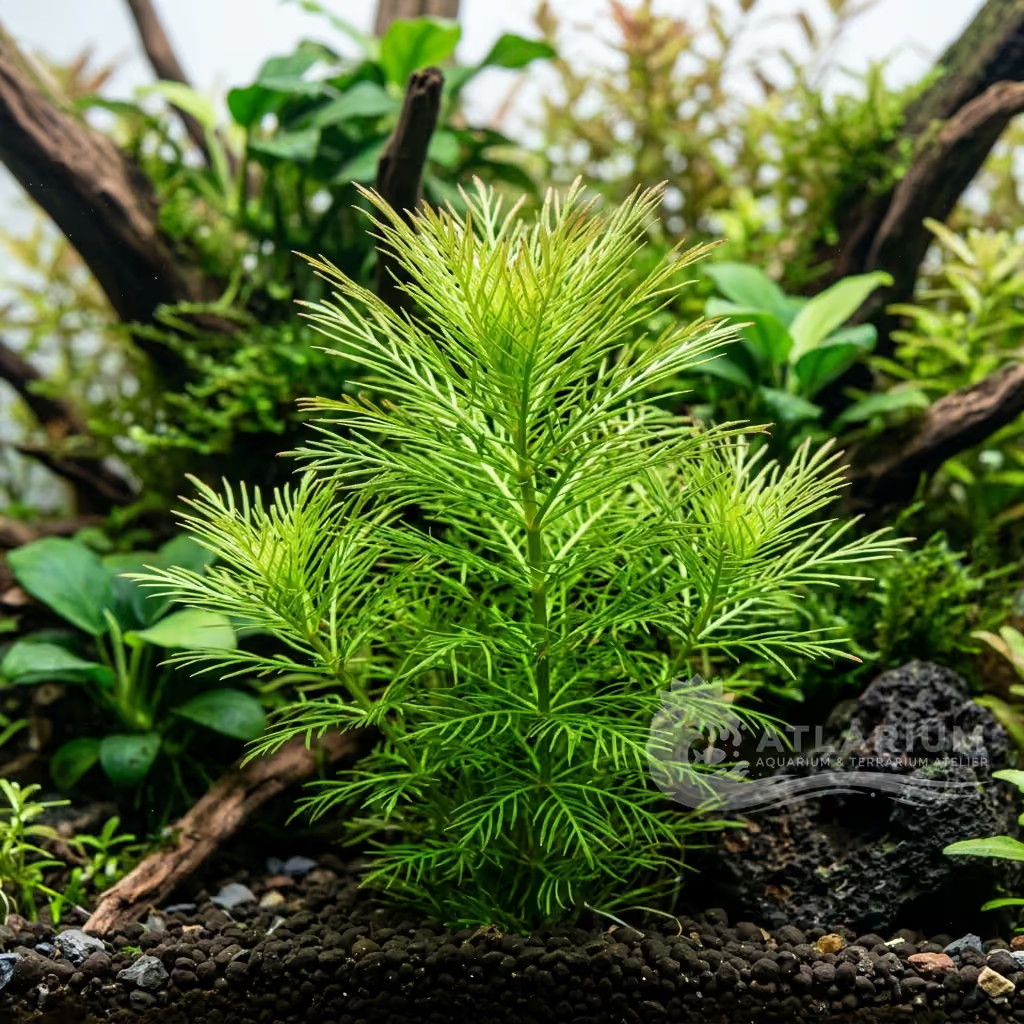
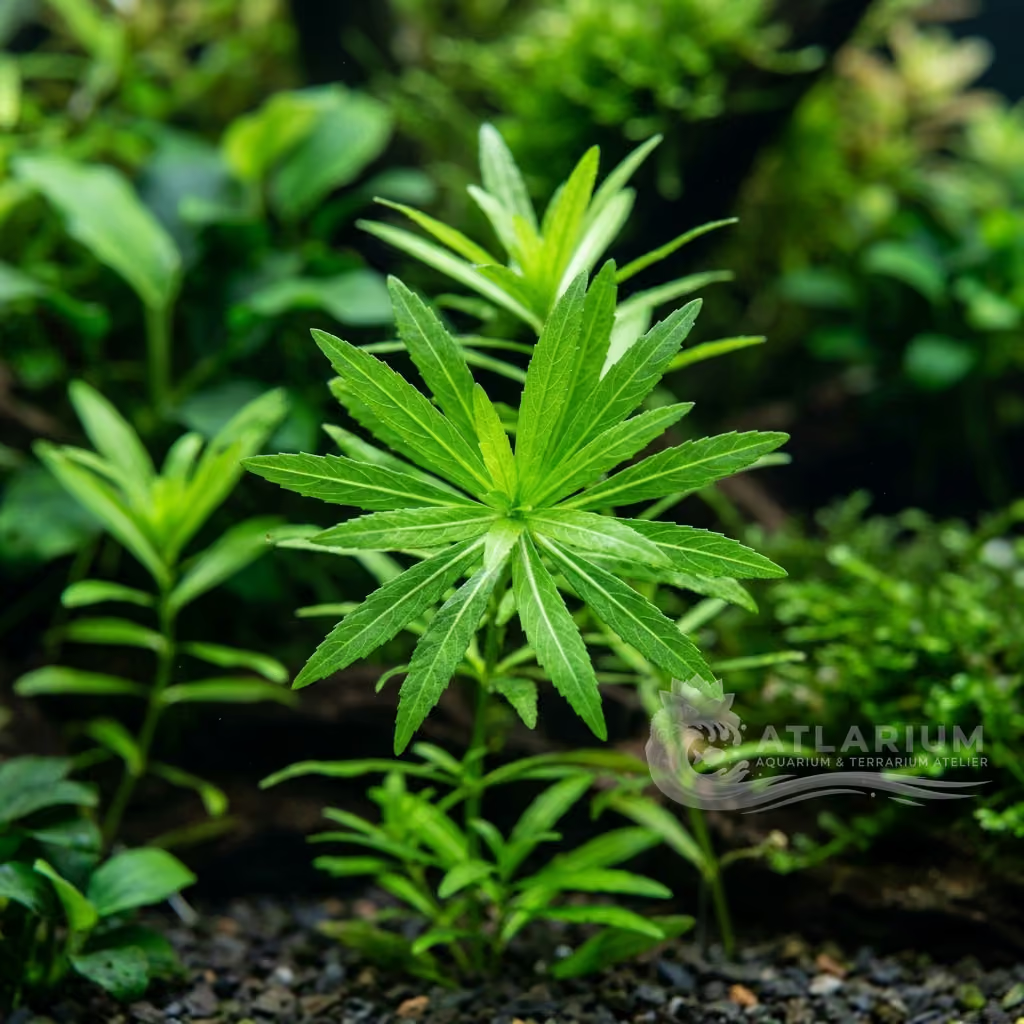
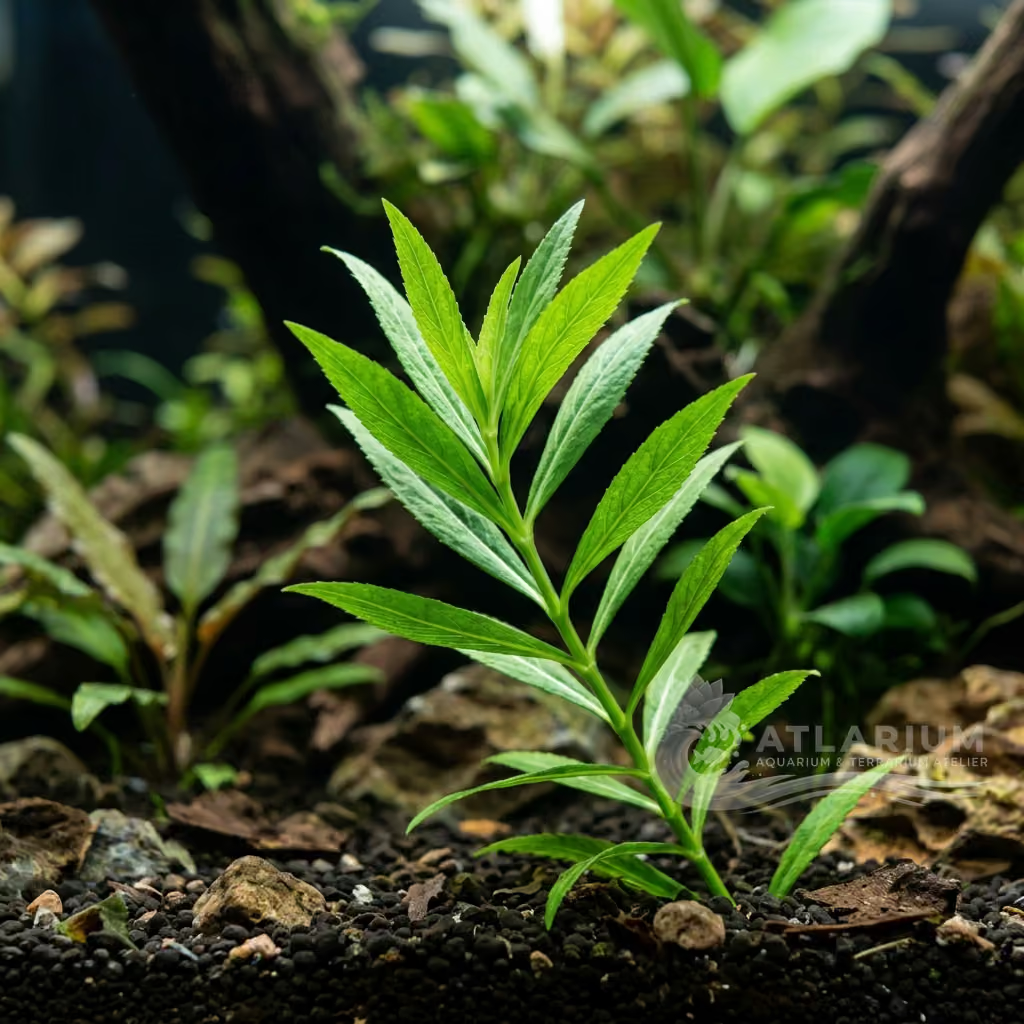
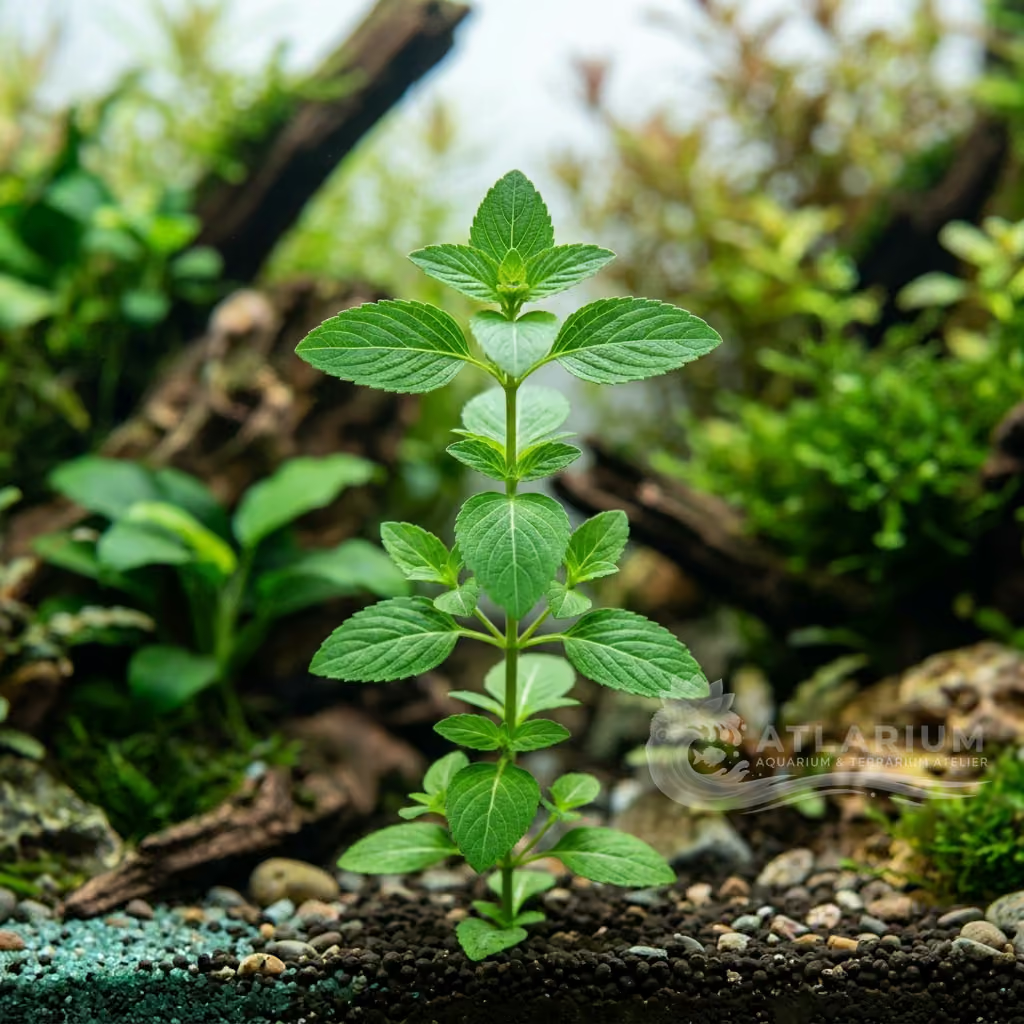
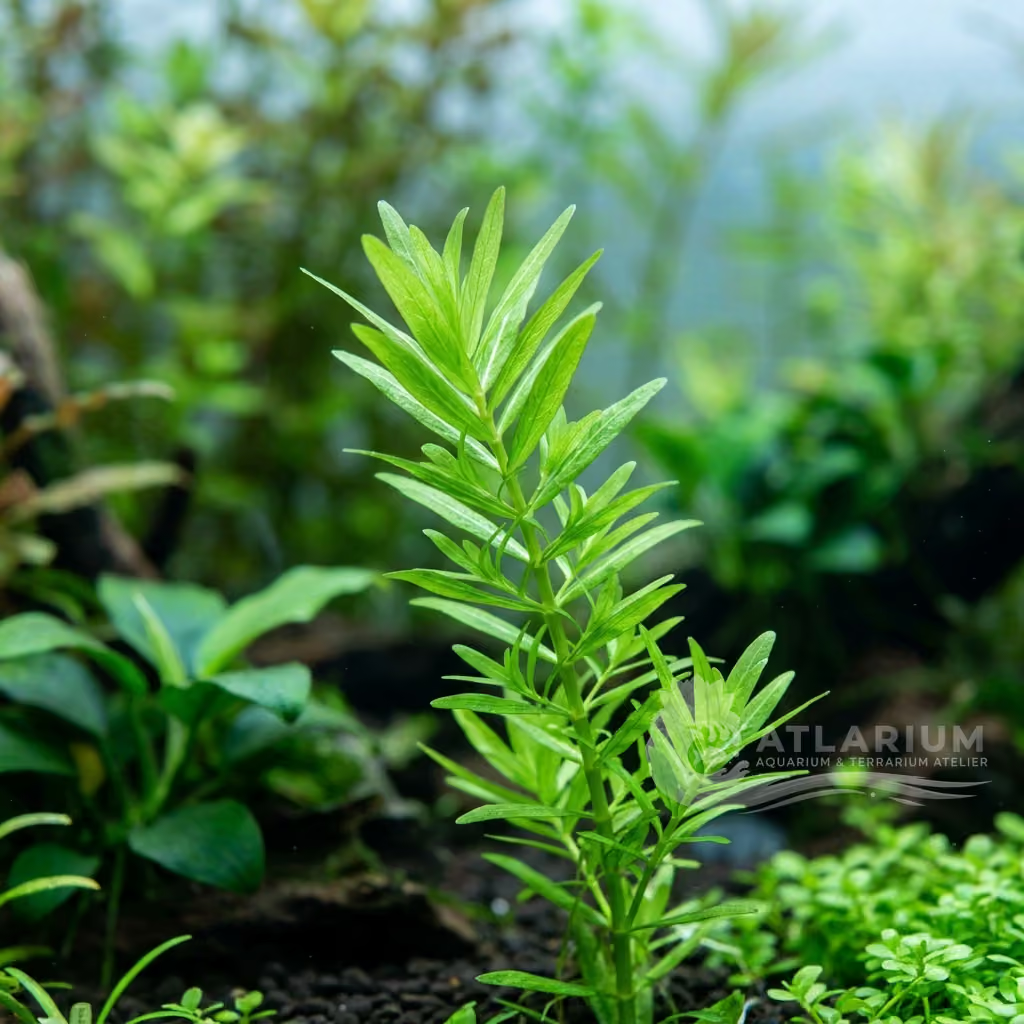
Physical Structure: Pogostemon deccanensis presents as a stem plant with a robust, upright growth habit, characterized by a relatively thick and strong stem. Its leaves are arranged in dense whorls along the stem, giving the plant a voluminous and compact appearance. It develops a well-anchored root system in the substrate, which is essential for its support and nutrient absorption, supporting rapid vertical growth.
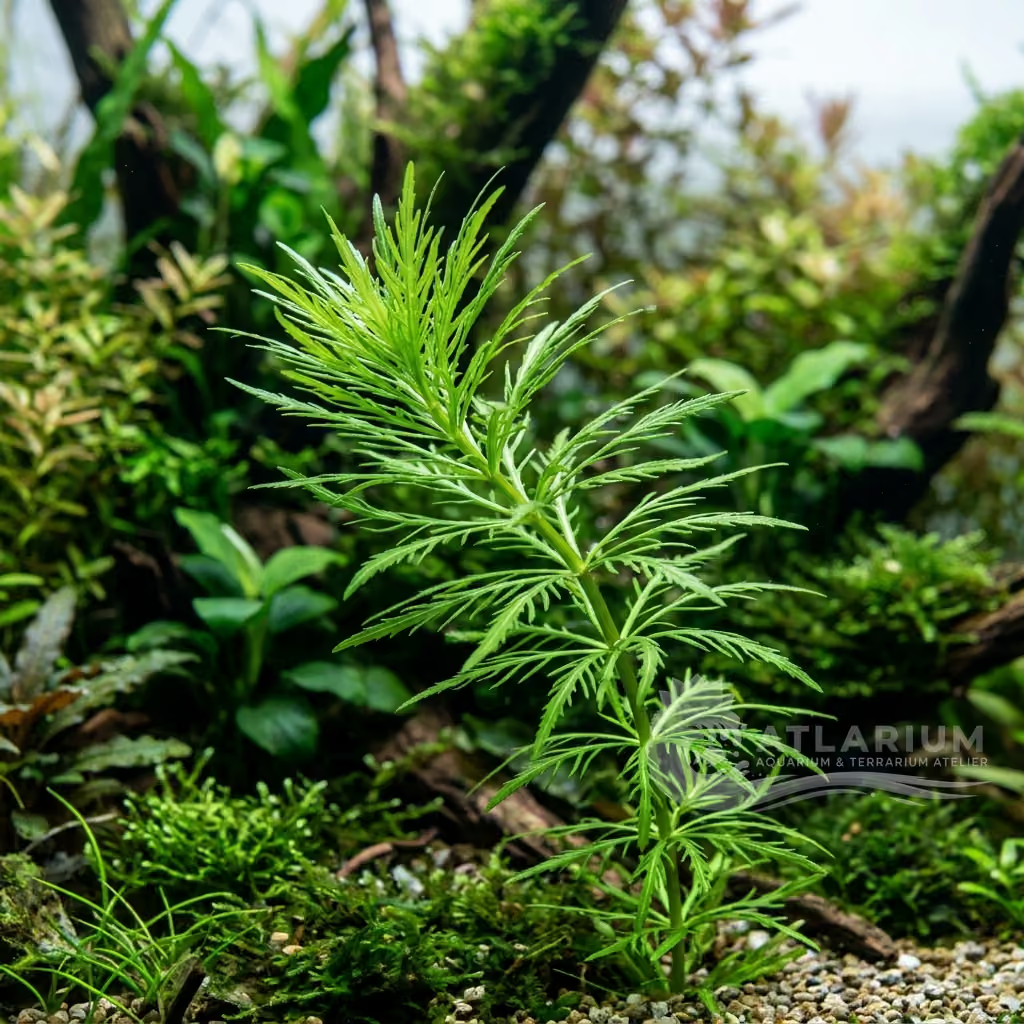
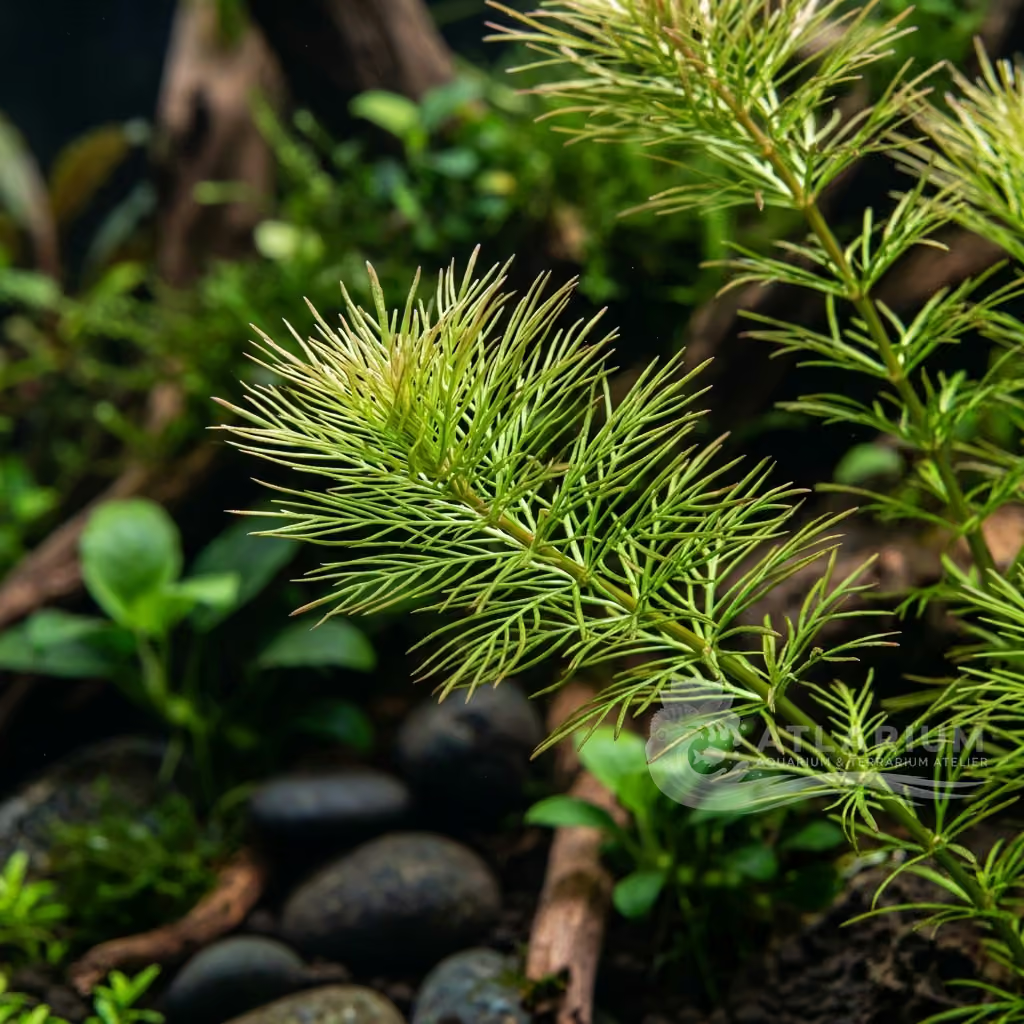
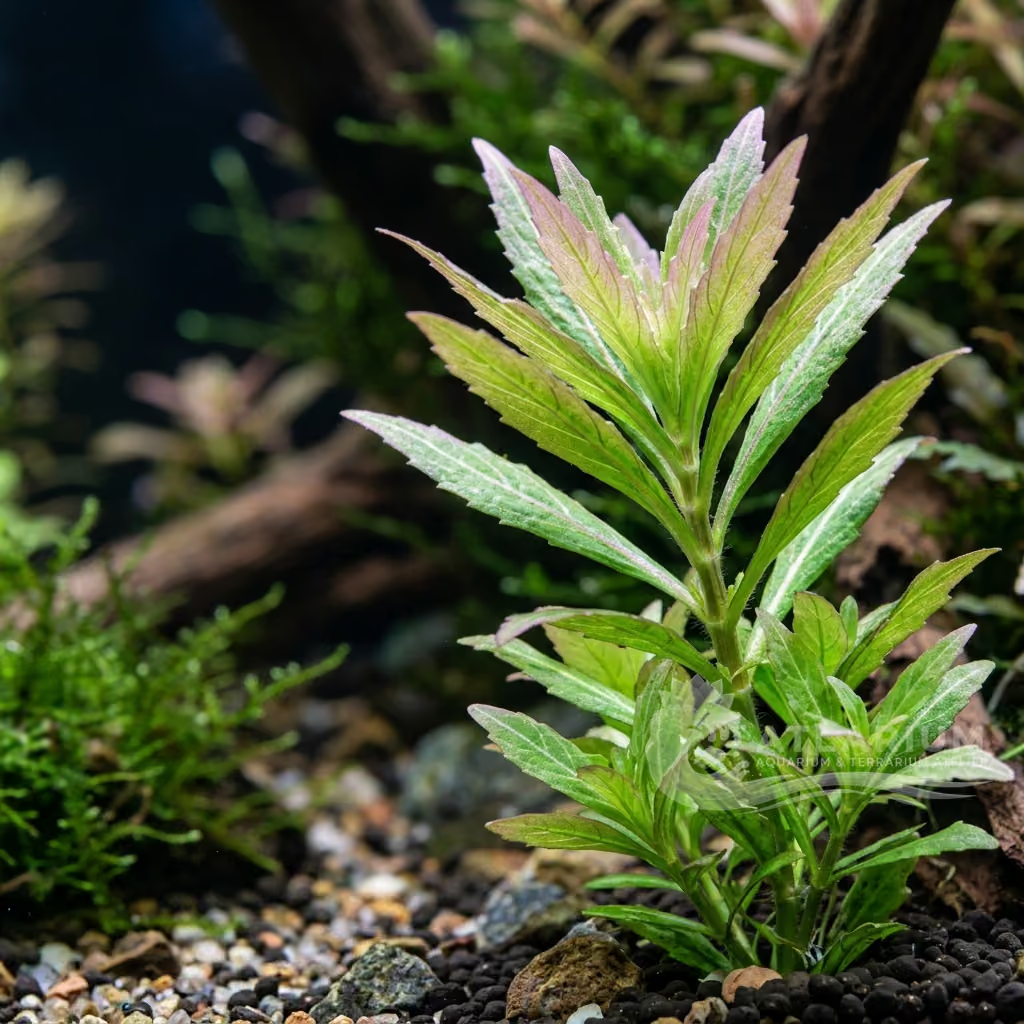
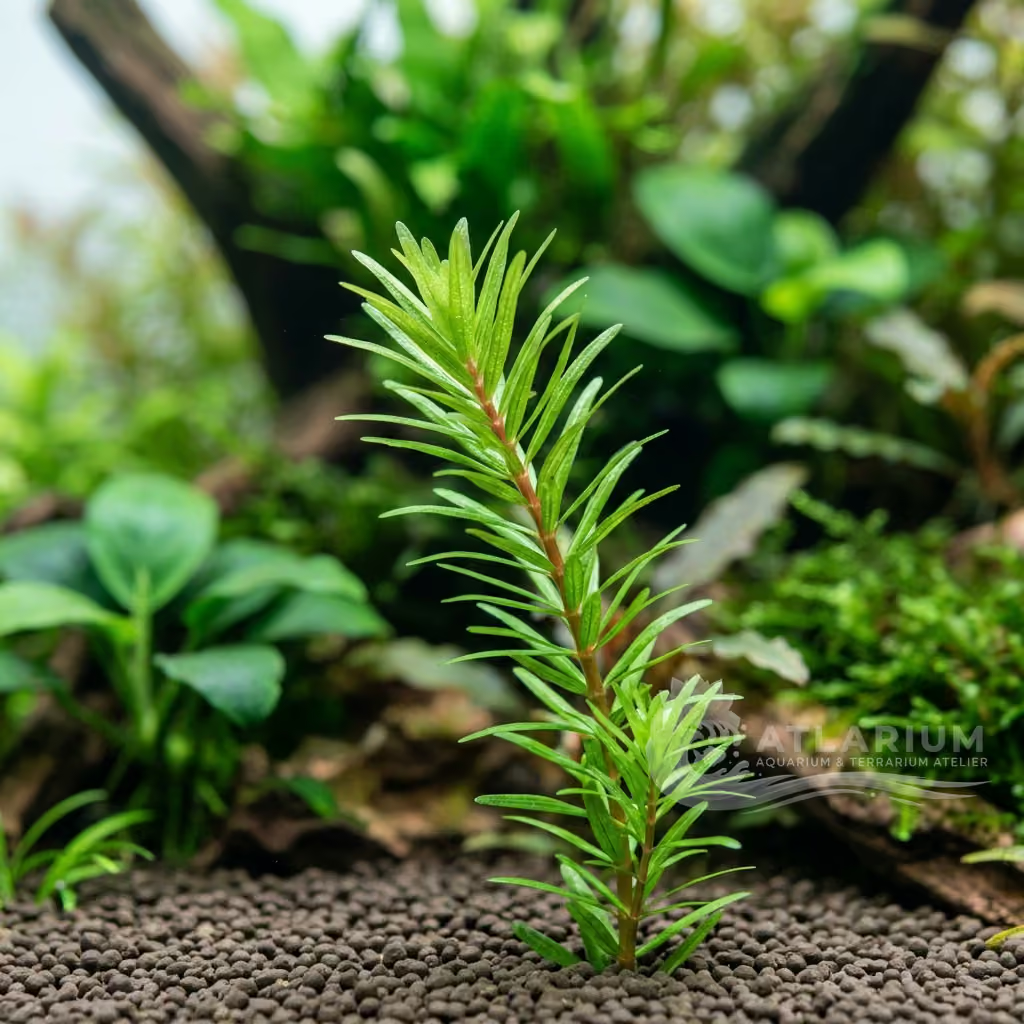
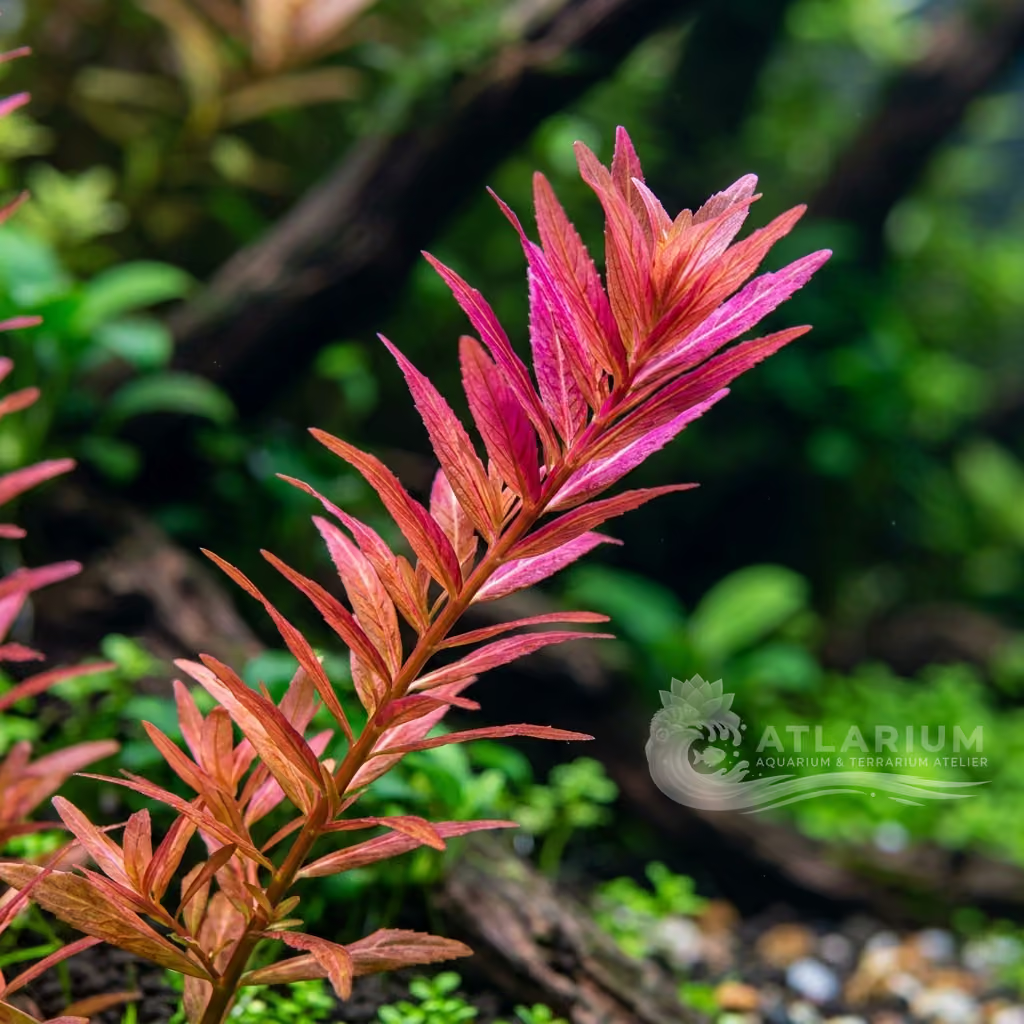
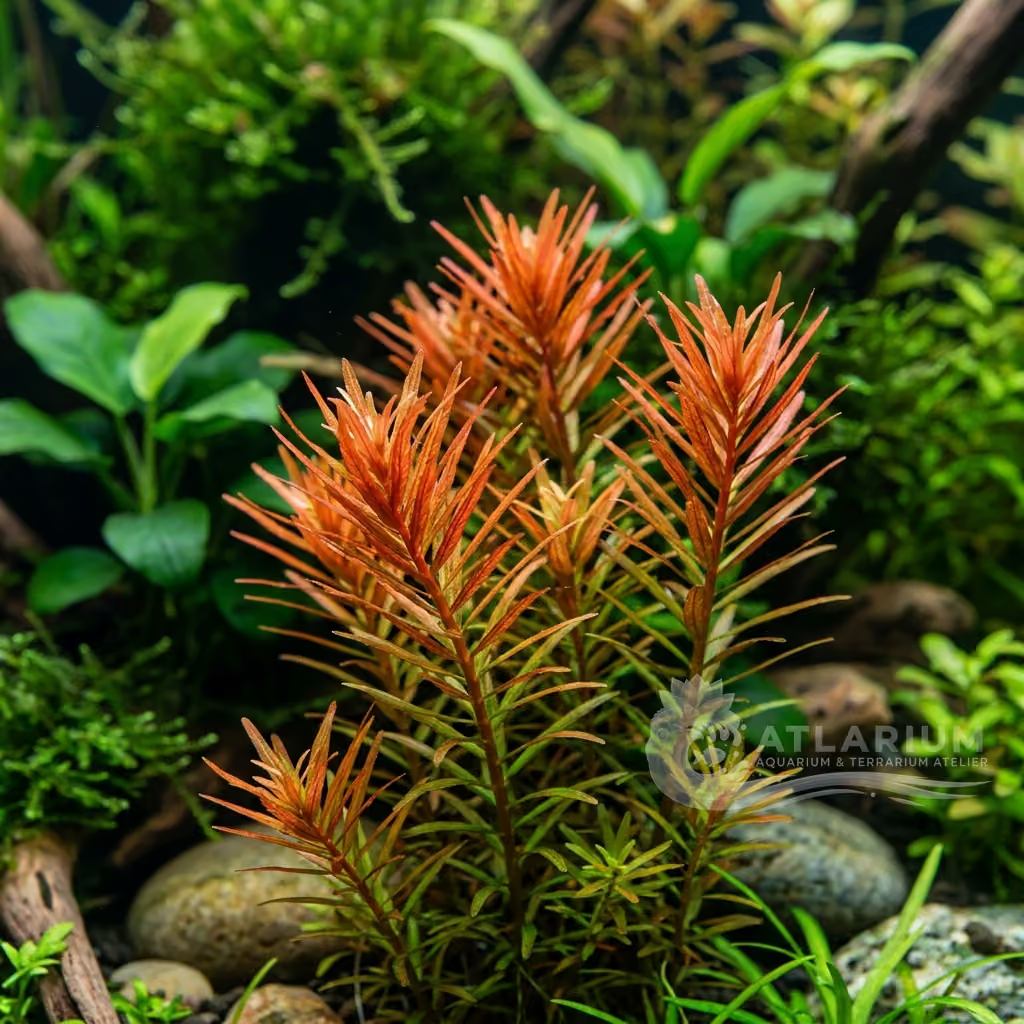
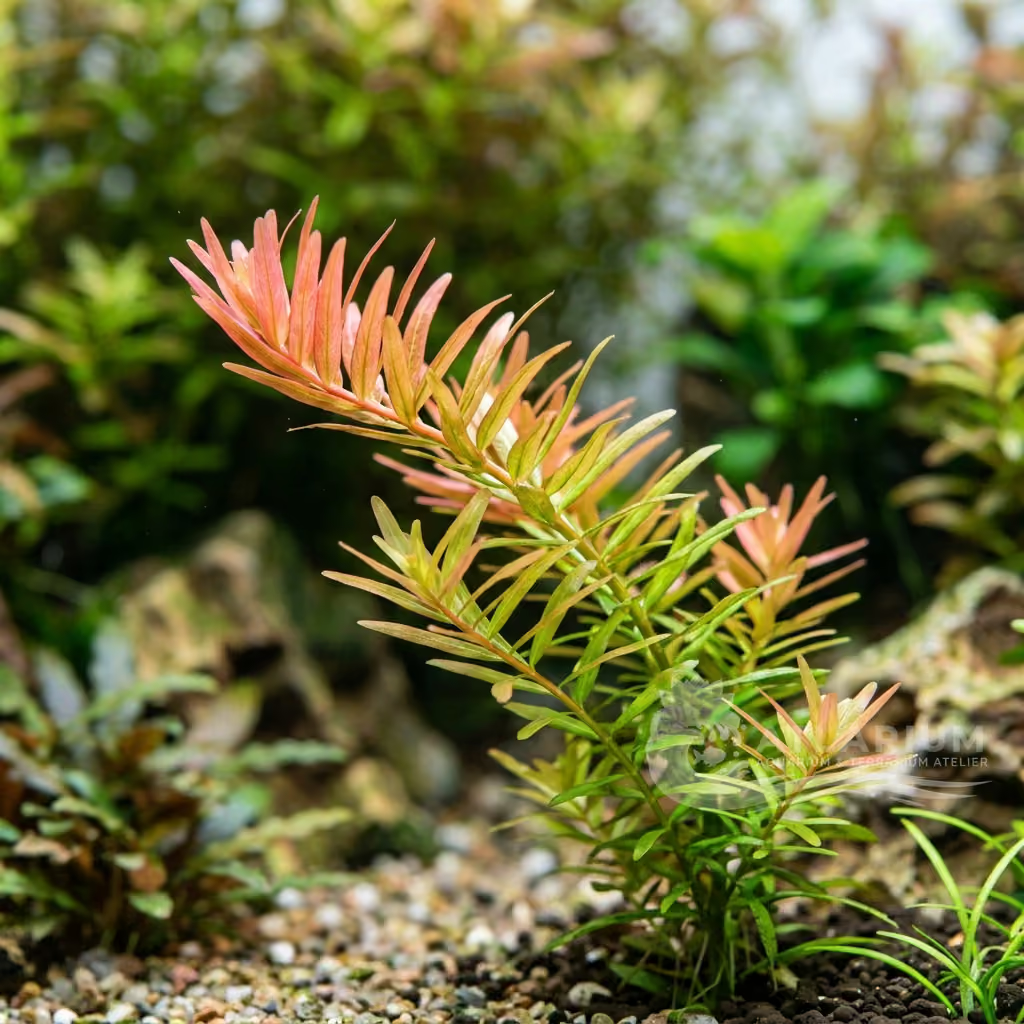
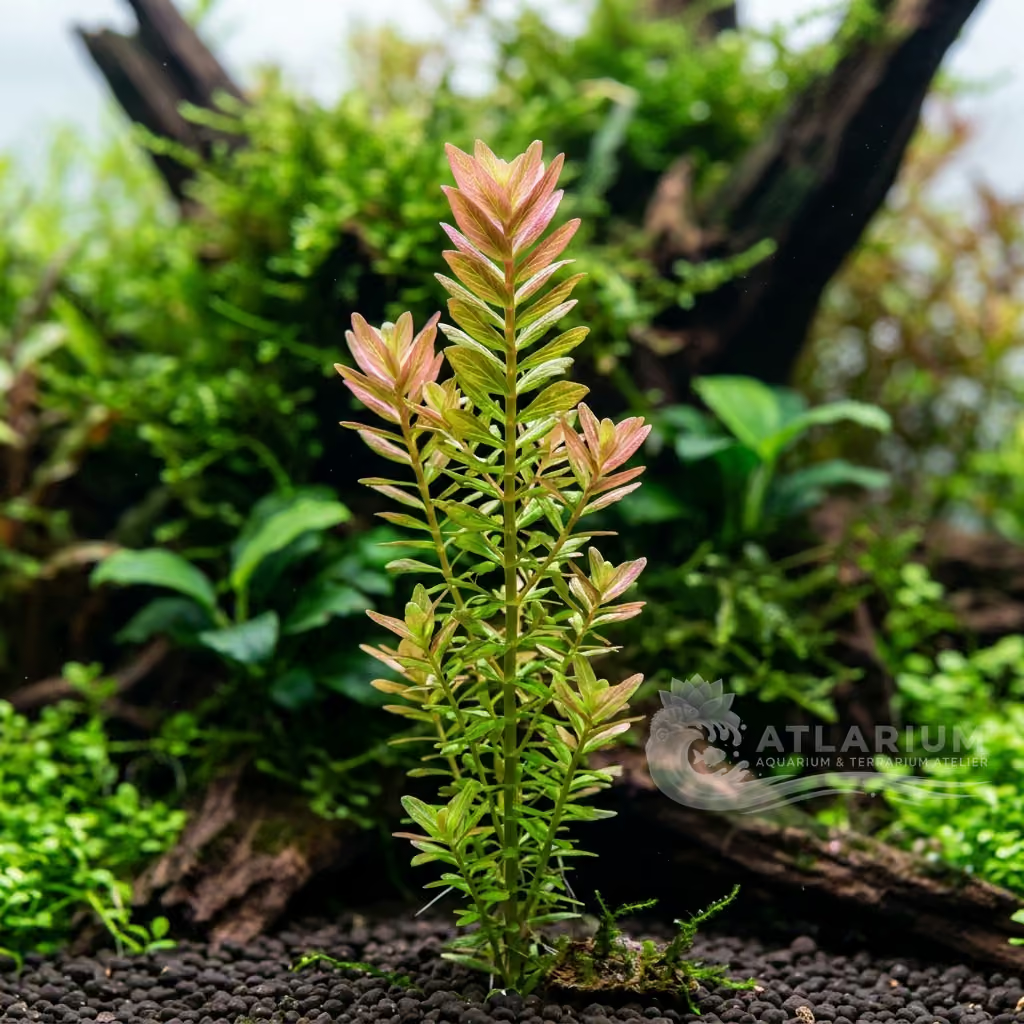
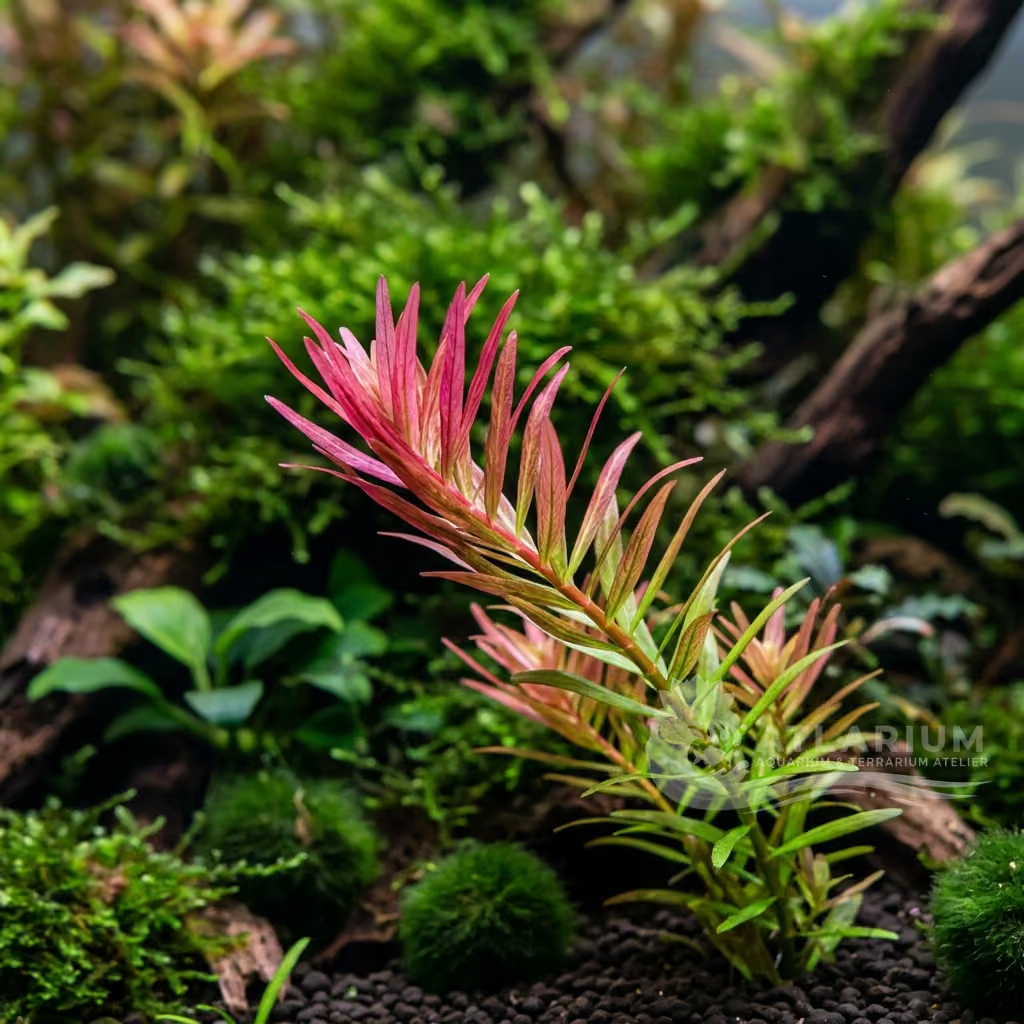
Color & Texture: The predominant color of Pogostemon deccanensis is a vibrant, bright green, which can take on lighter or darker shades depending on light intensity and nutrient availability. The leaves are thin and needle-like, giving the plant a fine and delicate texture yet a sense of density. Under intense lighting and with proper CO2 supplementation, the leaf tips can sometimes develop slight reddish or amber hues, adding an additional element of visual interest.

Pflege, Zucht und Mitbewohner
Lighting & CO2: For optimal growth and intense coloration, Pogostemon deccanensis requires medium to high lighting, preferably with an 8-10 hour photoperiod. Insufficient light intensity can lead to thinning of the lower foliage and stunted growth. Carbon dioxide (CO2) injection is almost indispensable to fully realize its rapid growth potential and maintain robust health, helping to prevent algae formation through strong
Nutrition & Substrate: As a fast-growing plant, Pogostemon deccanensis has a high nutritional demand, which must be met through a fertile substrate and regular liquid fertilization. A nutrient-rich substrate containing clay, iron, and trace elements is fundamental for root anchoring and absorption. Supplementation with macroelements (nitrogen, phosphorus, potassium) and microelements through liquid dosing is necessary to prevent deficiencies and support its vigorous growth.
Water Chemistry: Pogostemon deccanensis is adaptable to a wide range of water parameters, tolerating temperatures between 18.0 and 30.0 °C, although it thrives best around 22-26 °C. It prefers slightly acidic pH levels, between 5.0 and 7.0, but is also tolerant of neutral values. Regarding carbonate hardness (KH), the plant adapts well from 1.0 to 14.0, demonstrating remarkable flexibility that makes it suitable for various aquarium setups.
Space Management & Placement: Given its recommended background placement and rapid growth, Pogostemon deccanensis requires careful space planning. This plant can reach considerable heights, forming a dense green wall that creates a magnificent backdrop and a sense of depth. It is essential to provide ample space for it to expand without suffocating neighboring plants, and its growth can be managed through regular
Pruning: Regular pruning is crucial for keeping Pogostemon deccanensis healthy, promoting bushier growth, and controlling its height. It is advisable to trim the stem tops once they reach the surface or desired size, stimulating lateral branching and the formation of a denser bush. Apical or lateral cuttings can be easily replanted into the substrate to propagate the plant, helping to fill gaps or expand the grouping.
Risks & Diseases: Although Pogostemon deccanensis is generally robust, it can be susceptible to nutritional deficiencies, manifesting as yellowing leaves or stunted growth, and to algae proliferation under imbalanced conditions. Weak growth or lack of CO2 makes it more vulnerable to algal coatings, especially on lower leaves and stems. It is essential to maintain a consistent fertilization regimen, adequate lighting, and stable CO2 levels to prevent these issues and ensure the plant's health.

Geografische Herkunft und Verbreitung
Pogostemon deccanensis is native to regions of Asia, specifically southern India, where it thrives in both aquatic and semi-aquatic environments. This species is typically found along the banks of rivers and streams, as well as in marshy areas, adapting to both submerged and emergent conditions. Its natural habitat suggests a preference for clear, nutrient-rich waters, indicative of the optimal conditions required for its successful cultivation in aquariums.
Ursprung
Süd- und Südostasien

Pflanzenprofil
- Platzierung
- Hintergrund
- This plant is ideal for the midground or background of the aquarium, depending on the tank size. It creates stunning, dense thickets when planted in groups. Space the stems slightly apart to ensure light reaches the lower portions.
- Botanische Form
- Stängel
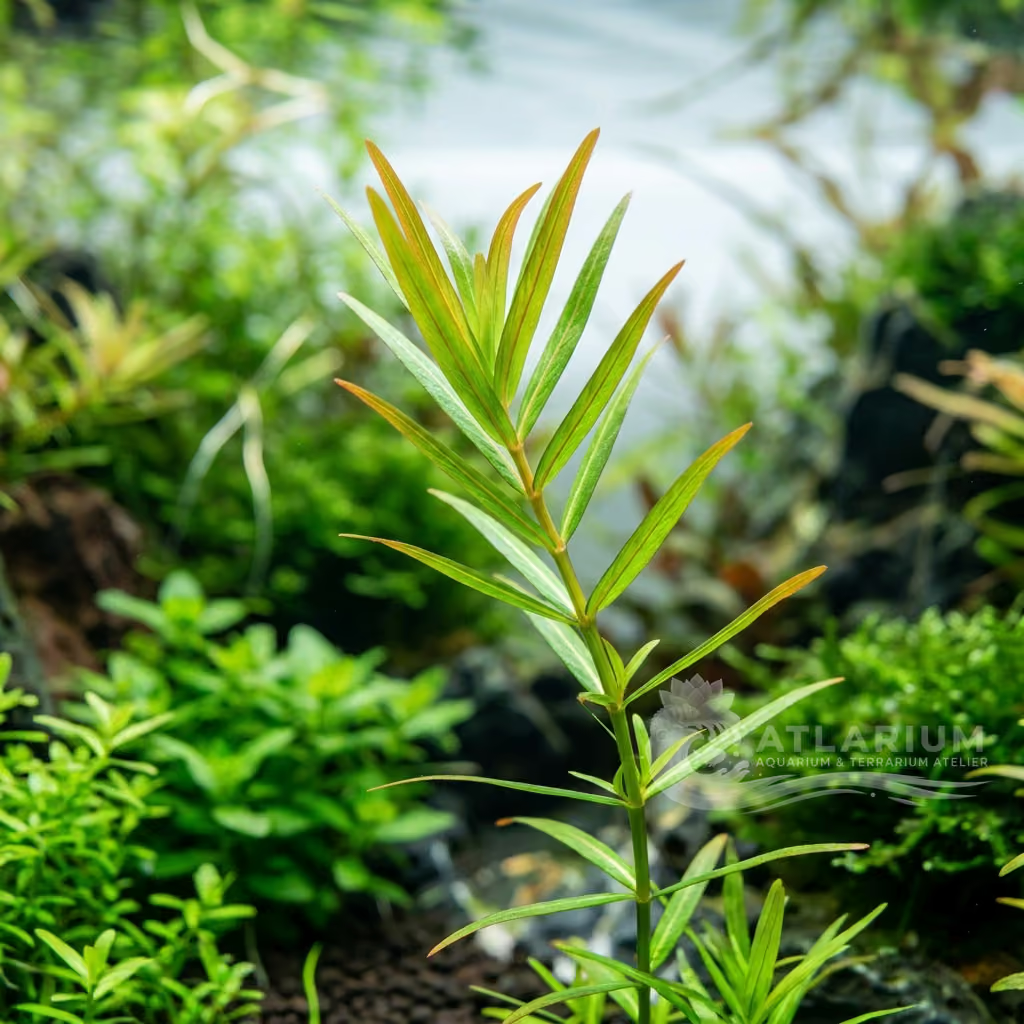
- It is a stem plant characterized by extremely fine, needle-like leaves arranged in whorls. The vibrant light green color and star-like appearance viewed from above make it very distinctive. The stems can become quite thick and sturdy under ideal conditions.
- Wachstum
- Schnell
- Growth is fast when provided with high light, CO2 injection, and rich nutrients. It will rapidly reach the water surface and require regular trimming to maintain a compact shape. In lower tech setups, the growth rate is significantly slower.
- Substrat
- Hoch
- Pogostemon deccanensis features a fine, extensive root structure that benefits greatly from a nutrient-dense, loose substrate like aqua soil. This species draws a significant portion of its nourishment directly through its roots, making a mineral-rich bottom layer essential for sustaining its bright green, needle-like leaves. Ensure a substrate depth of at least 4 centimeters to secure the buoyant stems and promote a healthy, expansive root network.
- Säulendüngung
- Empfohlen
- Frequent column fertilization is essential for sustained growth. Liquid fertilizers containing nitrogen, phosphorus, and potassium should be dosed regularly. Trace elements, especially iron, are needed for vibrant color and healthy leaf development.
- Wurzeldüngung
- Empfohlen
- While it absorbs nutrients efficiently from the water, a nutrient-rich substrate is highly beneficial. Root tabs or aqua soil will fuel vigorous growth and a strong root system. Deep substrate allows for better anchoring of its tall stems.
- Trimmen
- Gelegentlich
- Trim by cutting the top portions and replanting if propagation is desired. The rooted stems will quickly develop multiple side shoots. Regular pruning encourages a dense, bushy appearance and prevents the bottom leaves from dying off.
- Ausbreitung
- Stecklinge
- Propagation is straightforward via stem cuttings. Simply cut a healthy top shoot and plant it into the substrate. It will quickly root and establish itself as a new plant.
- Empfindlichkeit
- Mäßig
- It is highly sensitive to shading; lower leaves will quickly melt if they do not receive enough light. Good flow is also necessary to keep the fine leaves free of algae and detritus. Avoid sudden fluctuations in water parameters.
- Layoutrolle
- Hintergrund
- It serves as an excellent background plant or midground focal point in nature and Dutch style aquariums. The fine texture contrasts beautifully with broad-leaved plants or hardscape materials. Its bright green color adds a vibrant touch to any layout.

Verwandte Arten
Empfehlungen gruppiert nach nahen Verwandten, Auswahl von Begleitern und ähnlicher Betreuung.