Comb Wrasse
Coris picta
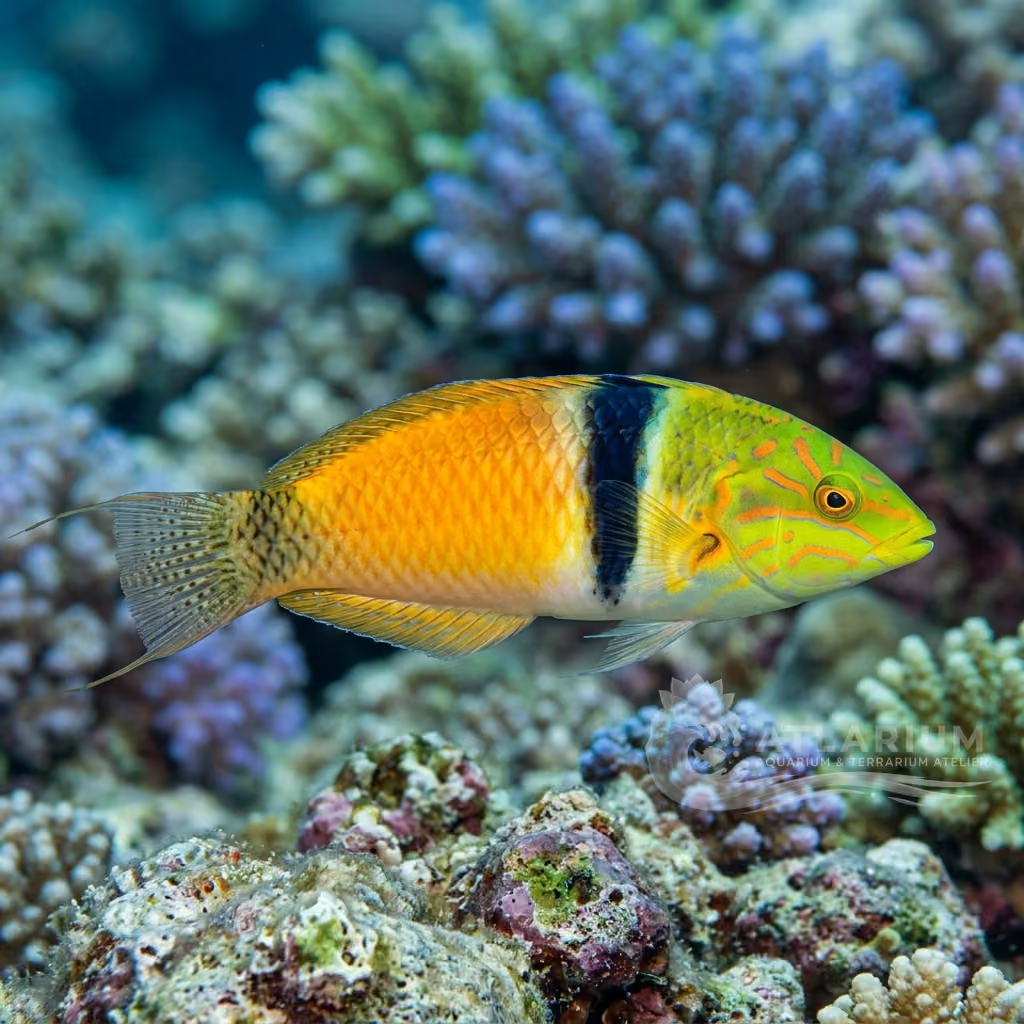
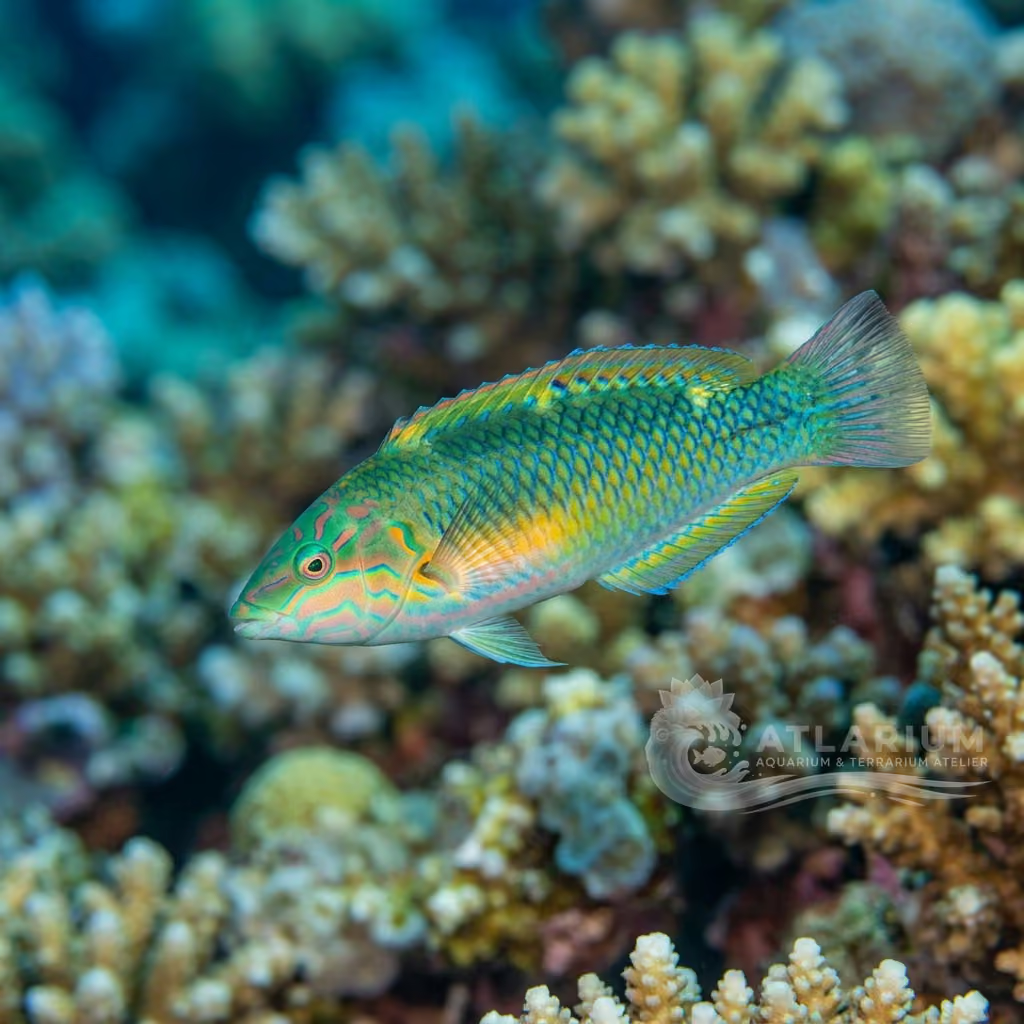
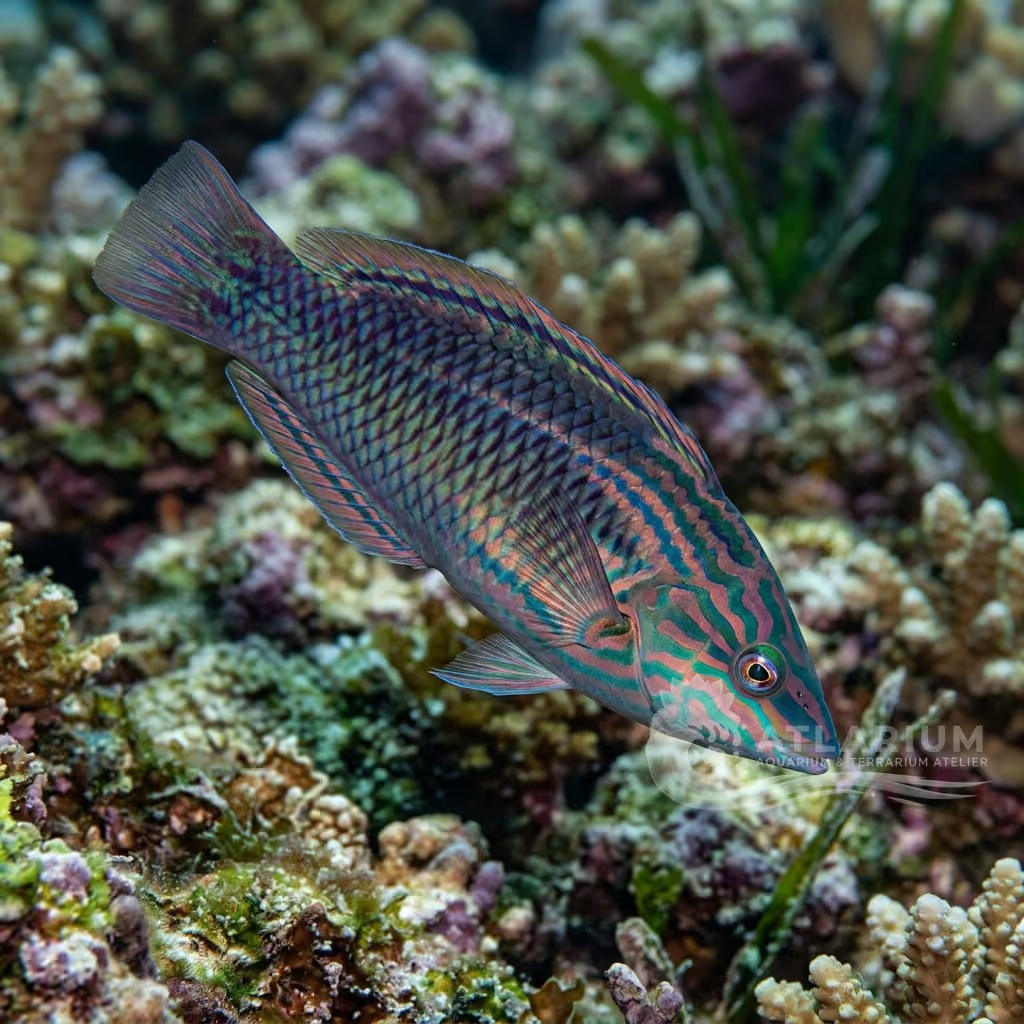
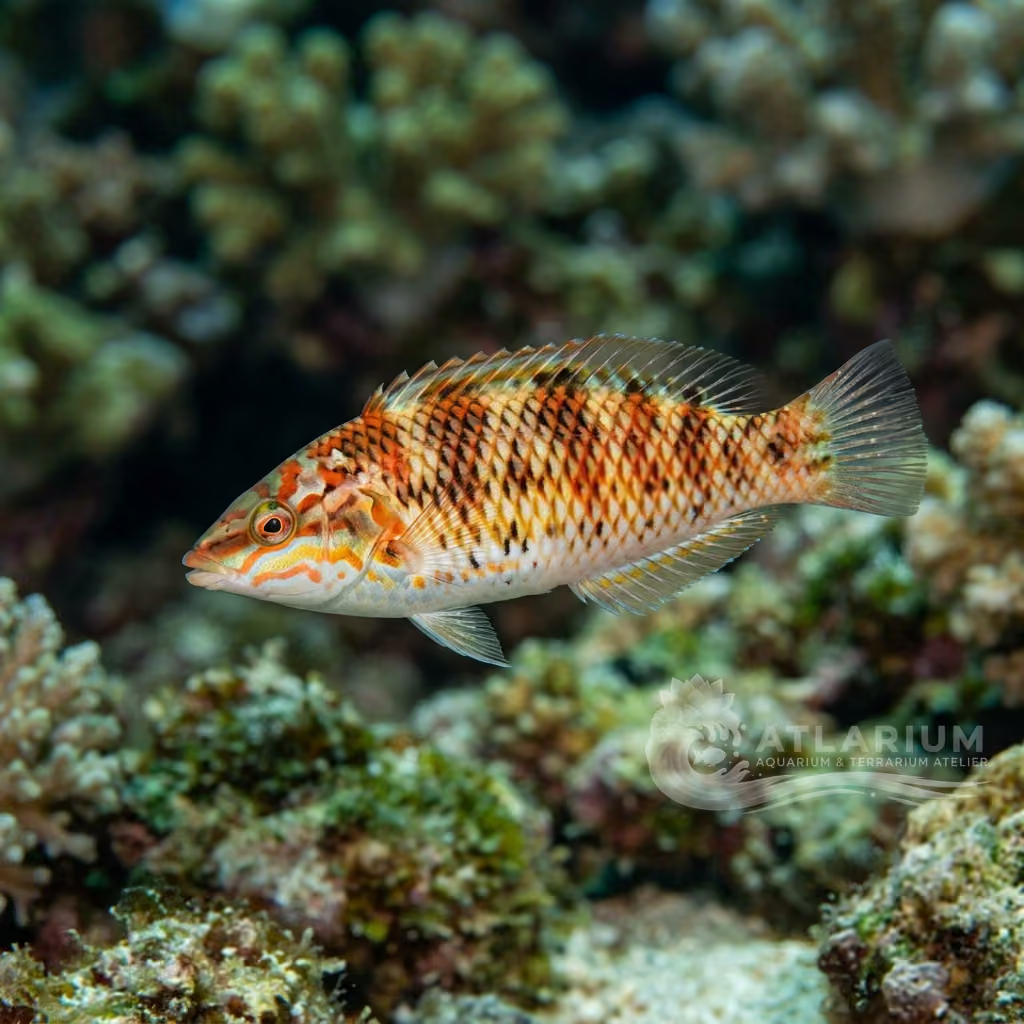
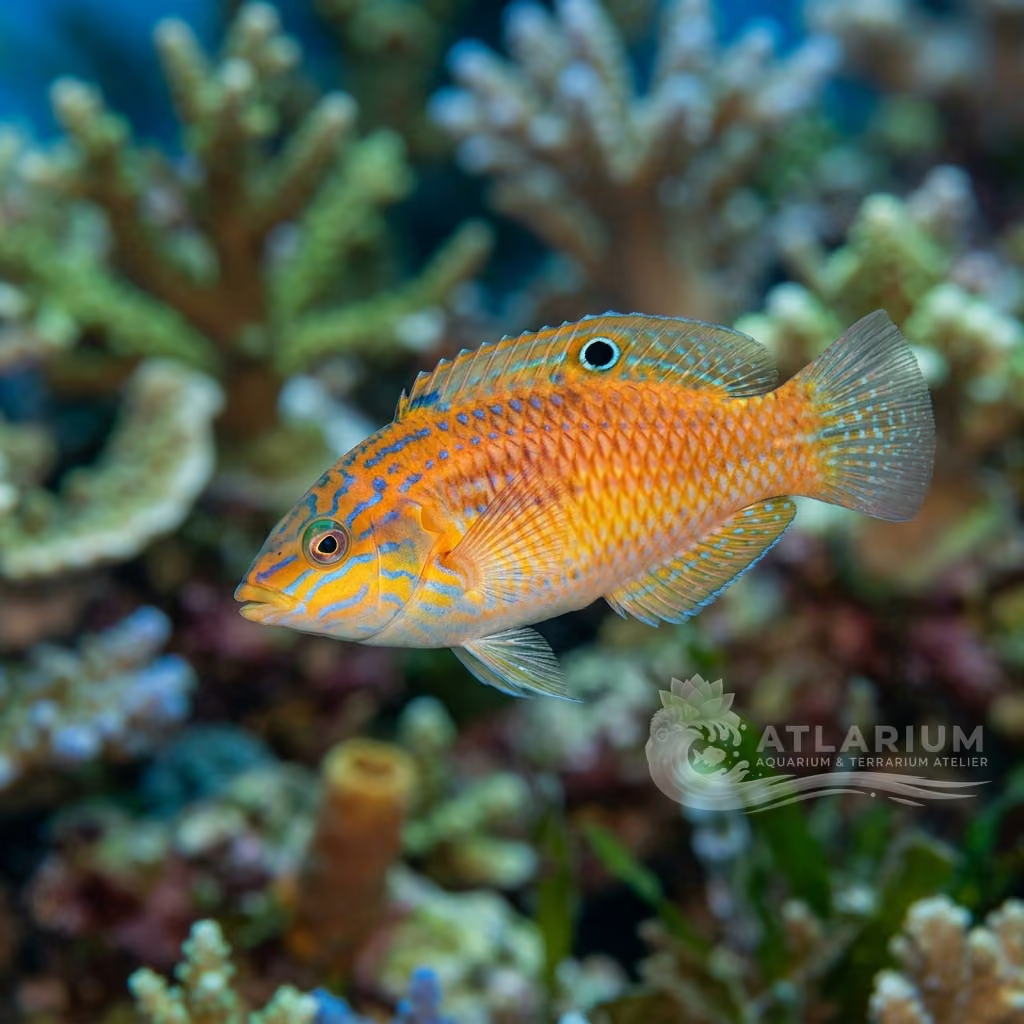
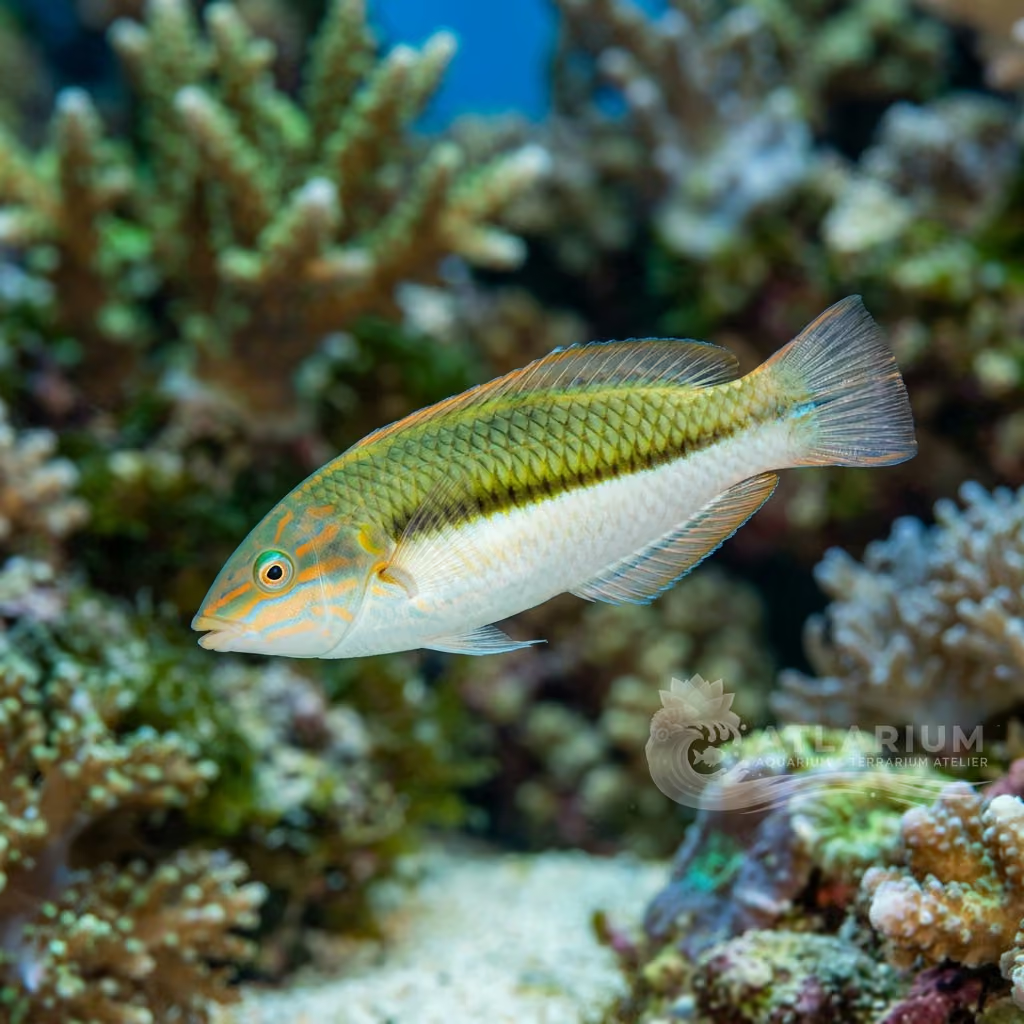
The comb wrasse (Coris picta) is an active marine wrasse from the subtropical waters of Australia and New Zealand, named for its jagged black lateral stripe.
Wassertemperatur
16 - 22 °C
pH-Wert
8.1 - 8.4
Wassertyp
Meerwasser
Tankfüllstand
Alle Ebenen
Erwachsenengröße
25 cm
Mindesttankvolumen
>= 400 L
Mindestgruppe
>= 1
KH
8 - 12 dKH

Artbeschreibung
Geographical Origin and Habitat: This species is native to the temperate and subtropical waters of the southwestern Pacific Ocean, primarily recorded along the eastern coast of Australia (from southern Queensland down to New South Wales) and around New Zealand. It inhabits the margins of rocky and coral reefs, frequently roaming over sandy areas at depths of 3 to 30 meters.
Taxonomy and Morphology: Coris picta belongs to the Labridae family and the genus Coris. It features an elongated, slender, and laterally compressed body profile that is highly hydro-dynamic. The mouth is small with sharp teeth adapted for preying on small benthic organisms. Adult specimens can reach a maximum standard length of approximately 25 cm.
Social Behavior: An active, diurnal swimmer that is constantly on the move during daylight hours. Juvenile comb wrasses function as cleaner fish, picking parasites and dead tissue off larger fish. Adults are solitary or form loose groups, and they spend significant time turning over rubble and blowing water into the sand to uncover prey.
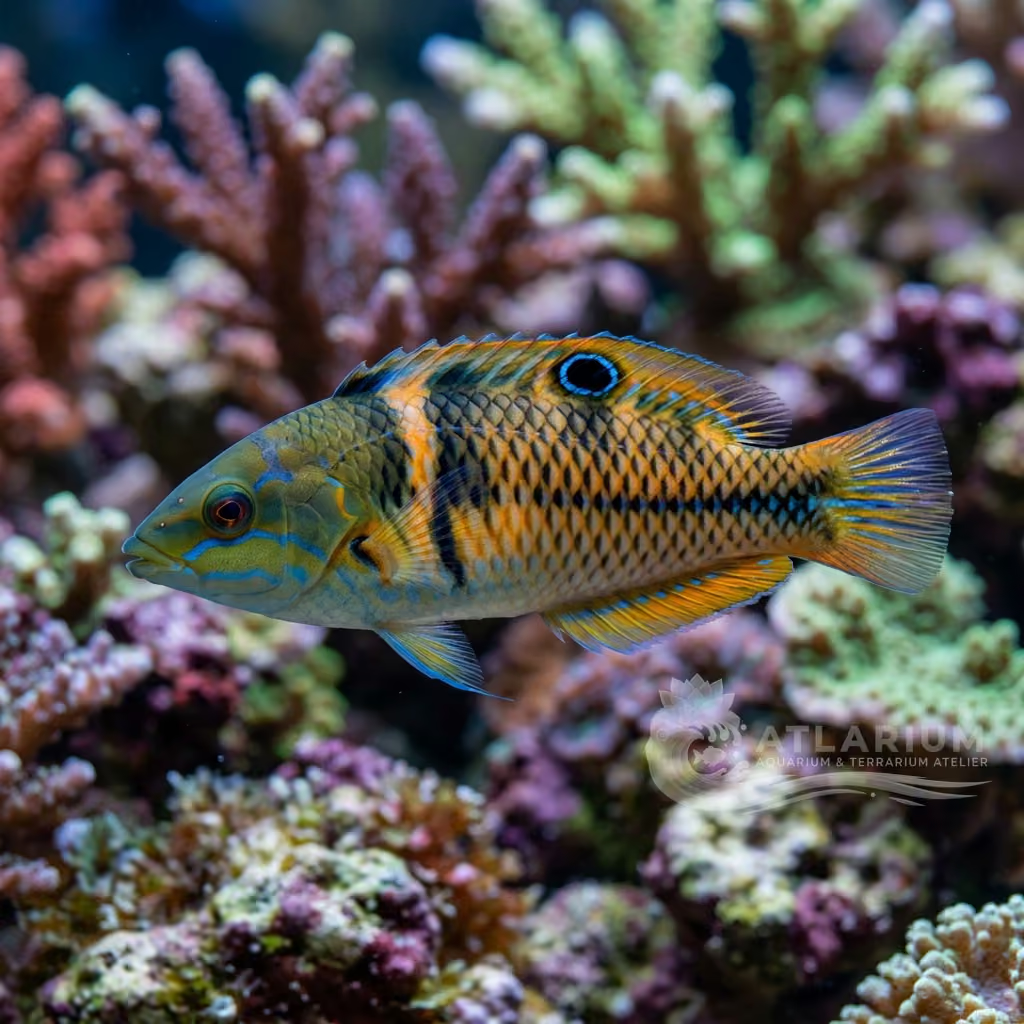
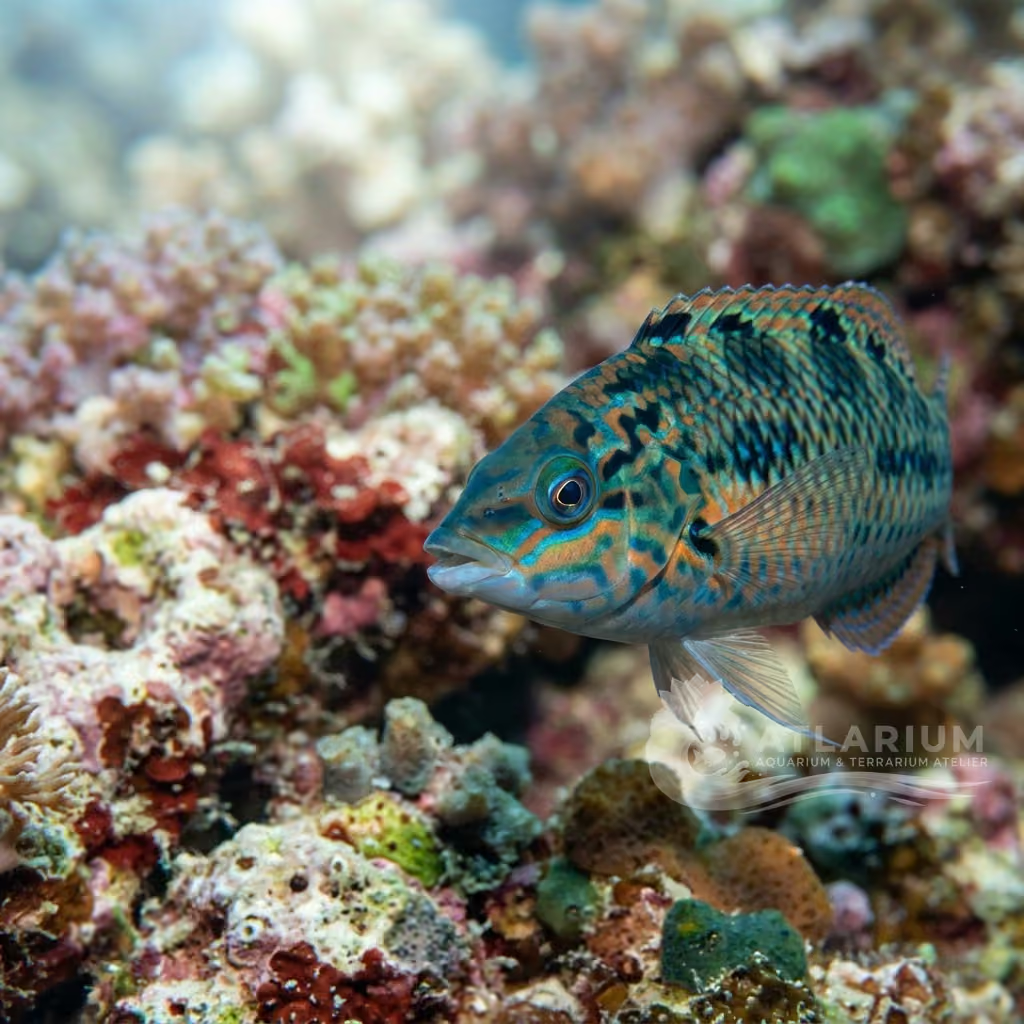
Coloration and Sexual Dimorphism: The species has a white body with a broad, black longitudinal stripe along the upper half, which features a comb-like, zig-zag lower border. The belly is white. Terminal phase males develop vibrant yellow coloration on the head and tail, along with purple accents on the fins.

Pflege, Zucht und Mitbewohner
Aquarium Setup: Requires a very large and spacious tank of at least 400 liters (100 gallons) to accommodate its active swimming behavior. It is critically important to provide a soft, fine sand bed (not crushed coral) at least 6-8 cm deep, as this wrasse burrows completely into the substrate to sleep at night or when threatened. A secure screen lid is mandatory to prevent jumping.
Diet and Feeding: Carnivorous. Naturally feeds on small crabs, shrimps, snails, and polychaete worms. In the aquarium, it readily accepts a varied diet of frozen foods such as mysis shrimp, krill, brine shrimp, and chopped seafood. High-quality marine pellets and flakes are usually accepted once the fish is acclimated.
Water Quality: Being a subtropical species, it prefers cooler temperatures than typical tropical reef fish, with a range between 16°C and 22°C. Maintain standard marine parameters: pH 8.1-8.4, specific gravity of 1.020-1.025, and KH 8-12. Strong mechanical filtration and high dissolved oxygen levels are required.
Compatibility and Cohabitation: Generally peaceful towards other fish of similar size. It is reef-safe with corals but is not compatible with small invertebrates. It will actively hunt and consume ornamental shrimps, small crabs, and snails. Juveniles are peaceful and will clean other tankmates.
Aquarium Breeding: It is a protogynous hermaphrodite, starting life as female and transitioning to male. Breeding in home aquariums is extremely rare and has not been successfully achieved on a commercial scale due to the pelagic nature of their eggs and larvae, which require specialized planktonic food.
Risks and Diseases: The primary risk is skin and mouth damage from coarse, sharp substrates or a lack of sand, leading to secondary bacterial infections. Stress-induced diseases can occur if they are kept at constant tropical temperatures above 25°C for extended periods.

Geografische Herkunft und Verbreitung
This species is native to the temperate and subtropical waters of the southwestern Pacific Ocean, primarily recorded along the eastern coast of Australia (from southern Queensland down to New South Wales) and around New Zealand. It inhabits the margins of rocky and coral reefs, frequently roaming over sandy areas at depths of 3 to 30 meters.
Ursprung
Tropische Ozeane und RiffeNordamerikaAustralien, Neuguinea und Ozeanien

Fischprofil
- Temperament
- Peaceful
- They are active, engaging, and remarkably peaceful towards non-food items. Their juvenile cleaning behavior makes them highly beneficial and interactive tankmates. They bring a lot of movement and bright coloration to a peaceful reef setup.
- Diät
- Carnivore
- This species is a carnivore that requires a varied meaty diet. Mysis shrimp, enriched brine shrimp, and finely chopped seafood are excellent choices. They are also known to actively clean external parasites off other tankmates.
- Lebenserwartung
- 8-10 years
- Erwachsenengröße
- 25 cm
- Geschlechterverhältnis
- Solitary
- It is safest to maintain them as a single individual in most displays. Pairs can be attempted if they are introduced as juveniles simultaneously. Adult males will display intense aggression towards any competing male conspecifics.
- Fütterungsfrequenz
- 2-3 times daily
- Feed them small amounts two to three times daily for optimal health. Their active swimming requires a constantly replenished source of energy. They will eagerly accept foods from the water column and the substrate.
- Bioload
- Medium to High
- The comb wrasse has a moderate bioload that is easily managed. Consistent maintenance and a good protein skimmer are more than adequate. It does not produce an excessive amount of waste compared to tangs.
- Fluss
- Strong
- They enjoy moderate to high water flow which mimics their natural coastal environments. Strong flow helps distribute food particles evenly for them to catch. It also ensures the deep sand bed they require stays relatively clean.
- Sprungrisiko
- Yes
- Like most wrasses, the comb wrasse is highly prone to jumping out of open tanks. A perfectly sealed mesh lid is an absolute requirement for keeping them safely. Any small gaps around the overflow or cables must be completely covered.
- Reproduktion
- Protogynous hermaphrodite
- There are no confirmed reports of successful captive breeding for this species. Their complex pelagic larval stage requires conditions impossible to recreate at home. They will simply live out their natural lifespans without multiplying in aquariums.
- Kompatibilität & Tankkameraden
- Verify
- It is a peaceful community fish that gets along with most reef inhabitants. It acts as a cleaner fish in its juvenile stage, aiding other larger fish. However, large adult specimens might opportunistically eat small ornamental shrimp.
- Tankfüllstand
- All levels
- They spend most of their time in the lower and middle strata of the tank. A deep, fine sandy substrate is absolutely vital for their nighttime sleeping habits. They will predictably dive straight into the sand when stressed or tired.

Wissenschaftliche Modelle & Parameter
FishBase
Zugang zu den offiziellen wissenschaftlichen Daten der Art
FishBase v25.04Daten synchronisiert am: 15.06.2026
- Trophäenniveau
- 3,5 ± 0,3 se
- Belastbarkeit
- Mittel (1,4 - 4,4 Jahre)
- Phylogenetische Einzigartigkeit (PD50)
- 0.5
- Bayessche Längen-Gewichts-Beziehung
- a = 0.00501, b = 3.13
- AnfälligkeitGeringe Anfälligkeit (15 / 100)

Verwandte Arten
Empfehlungen gruppiert nach nahen Verwandten, Auswahl von Begleitern und ähnlicher Betreuung.