Yellowhead Wrasse
Halichoeres garnoti
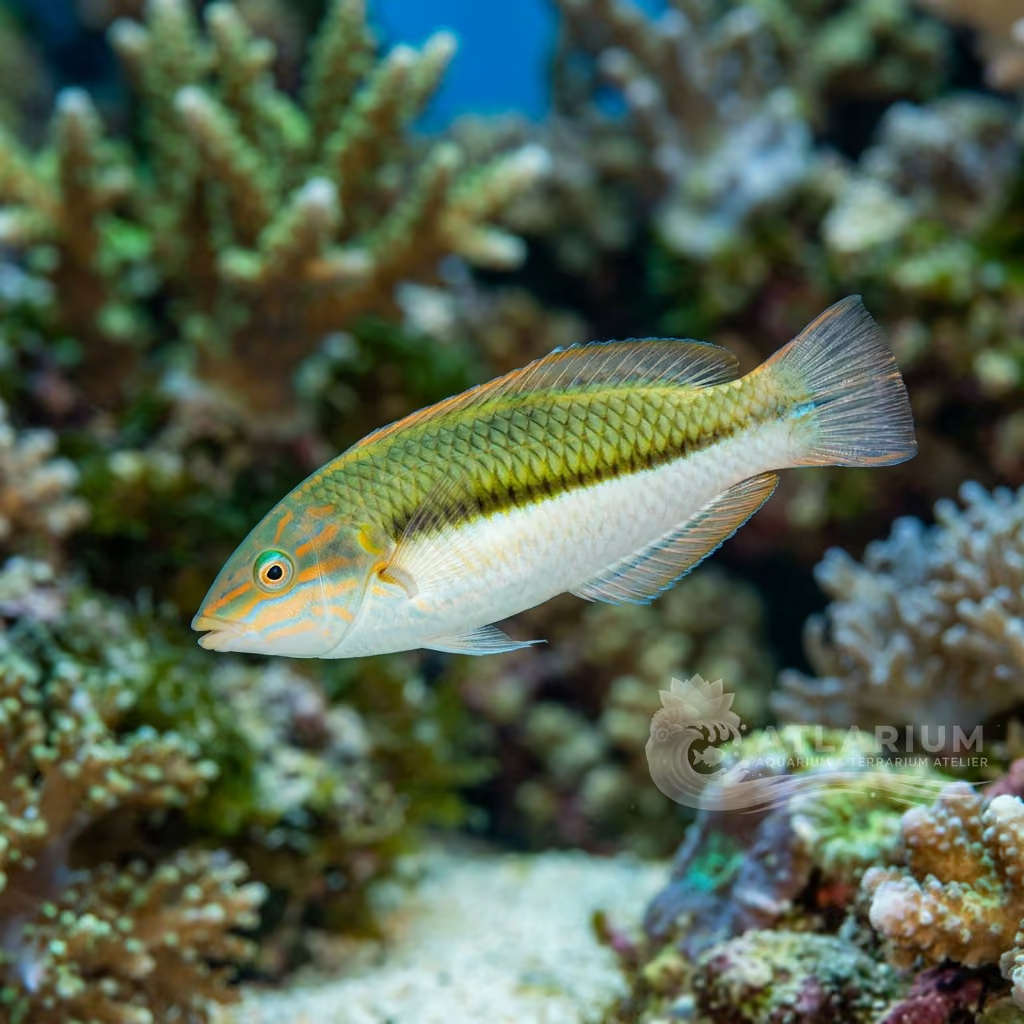
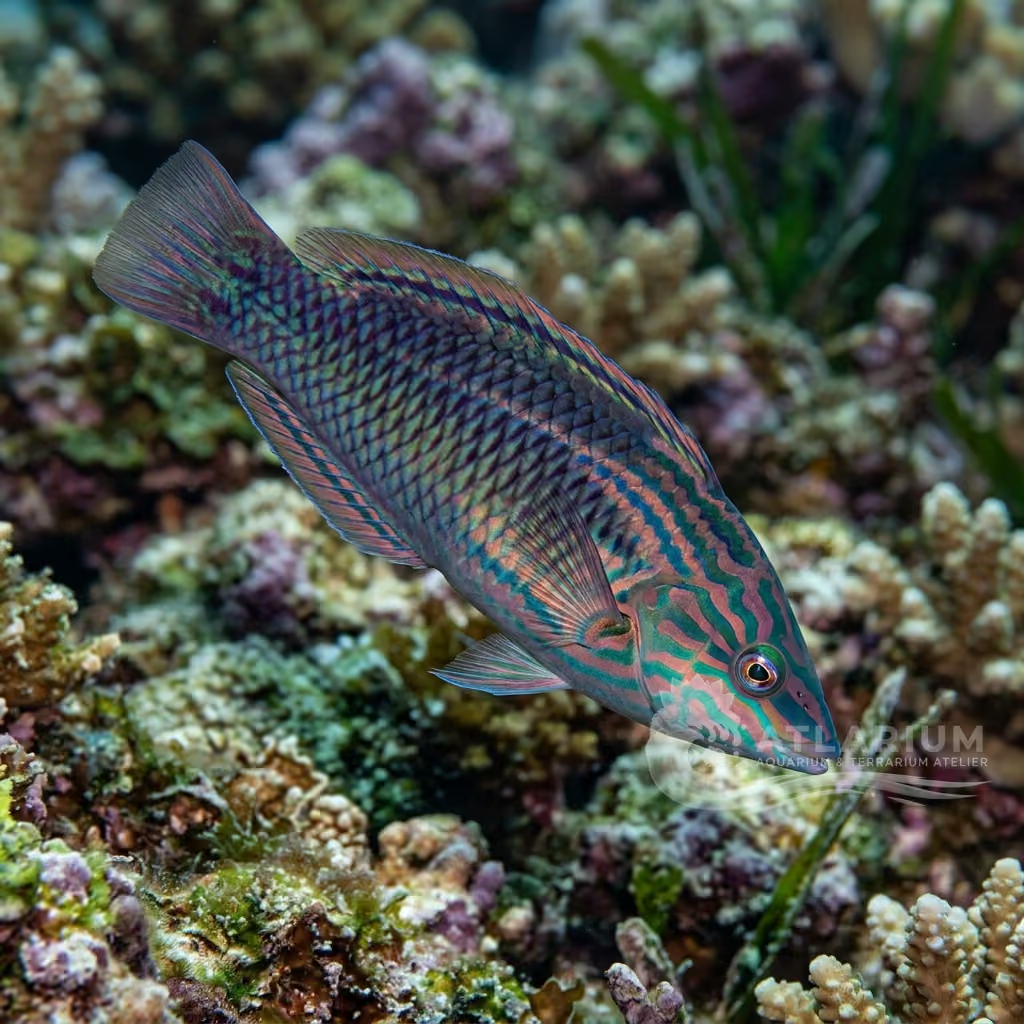
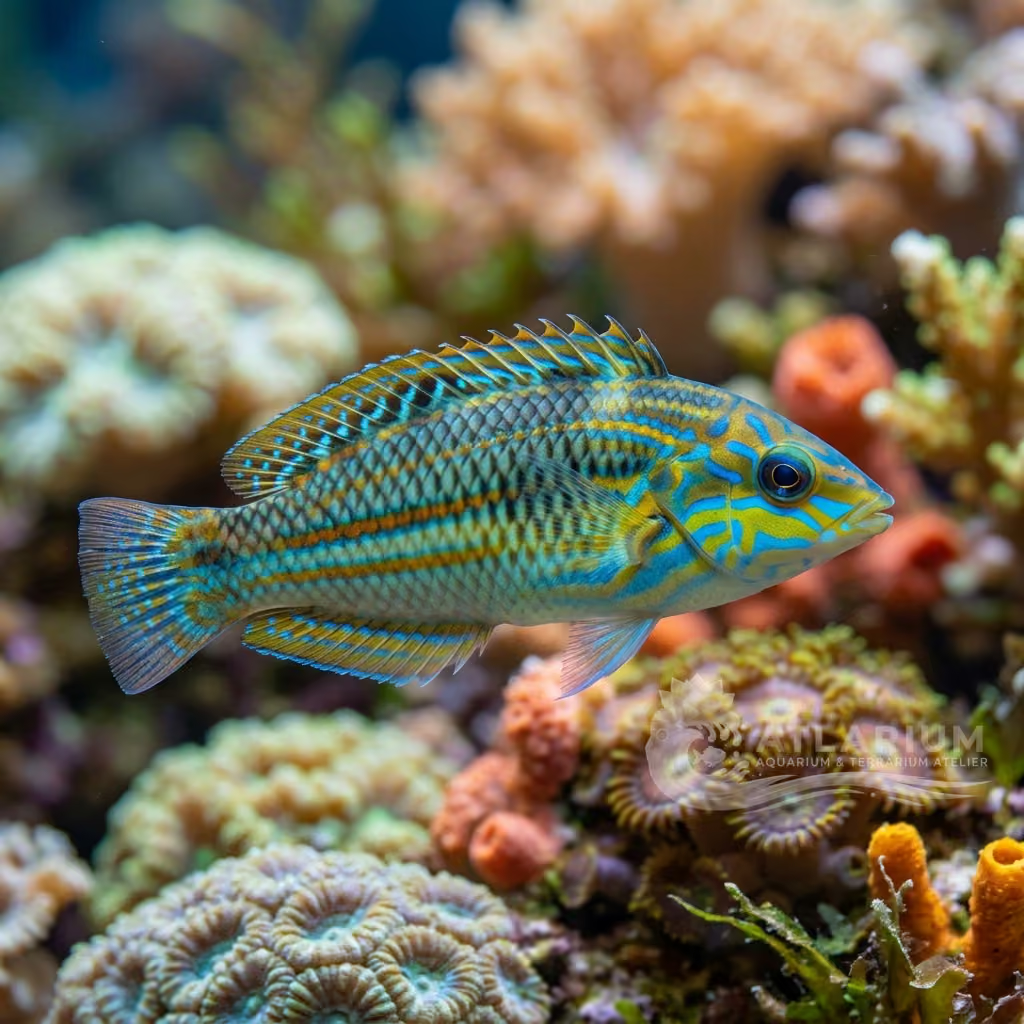
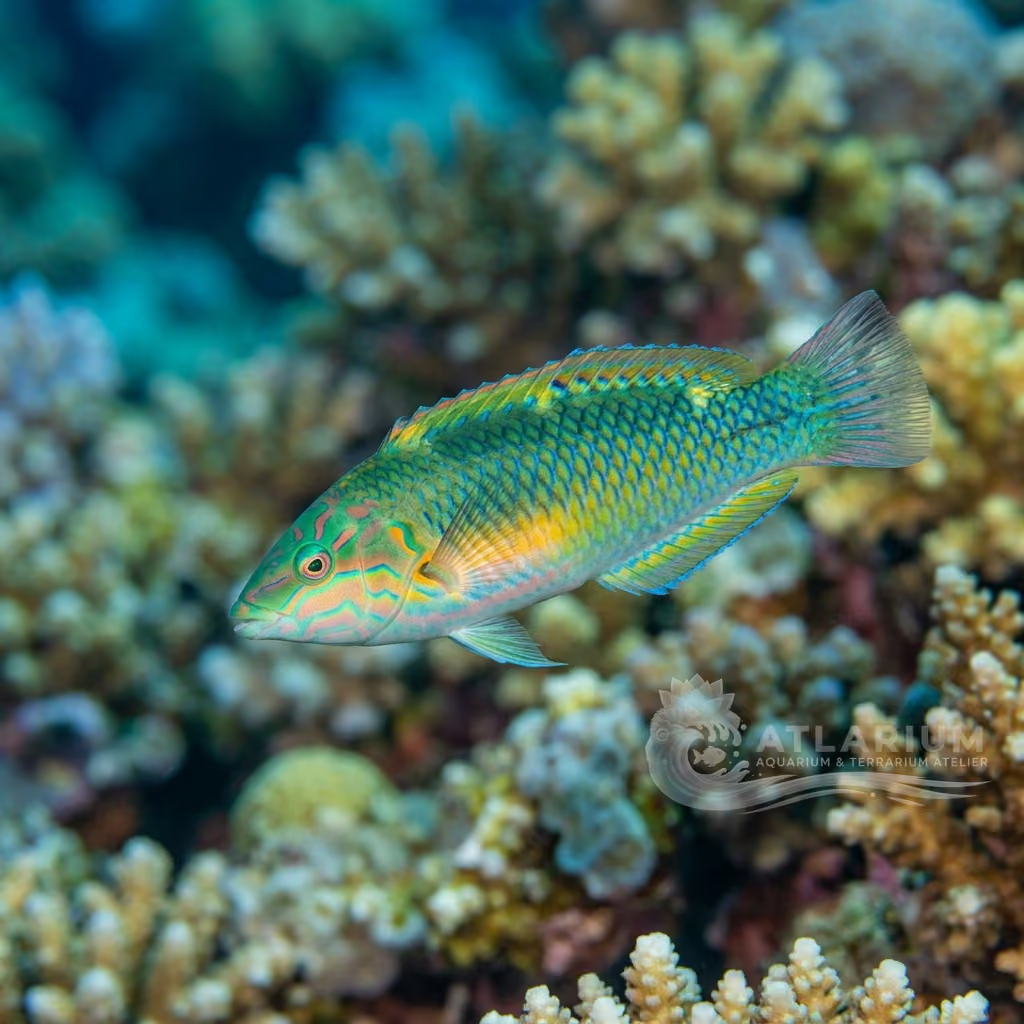
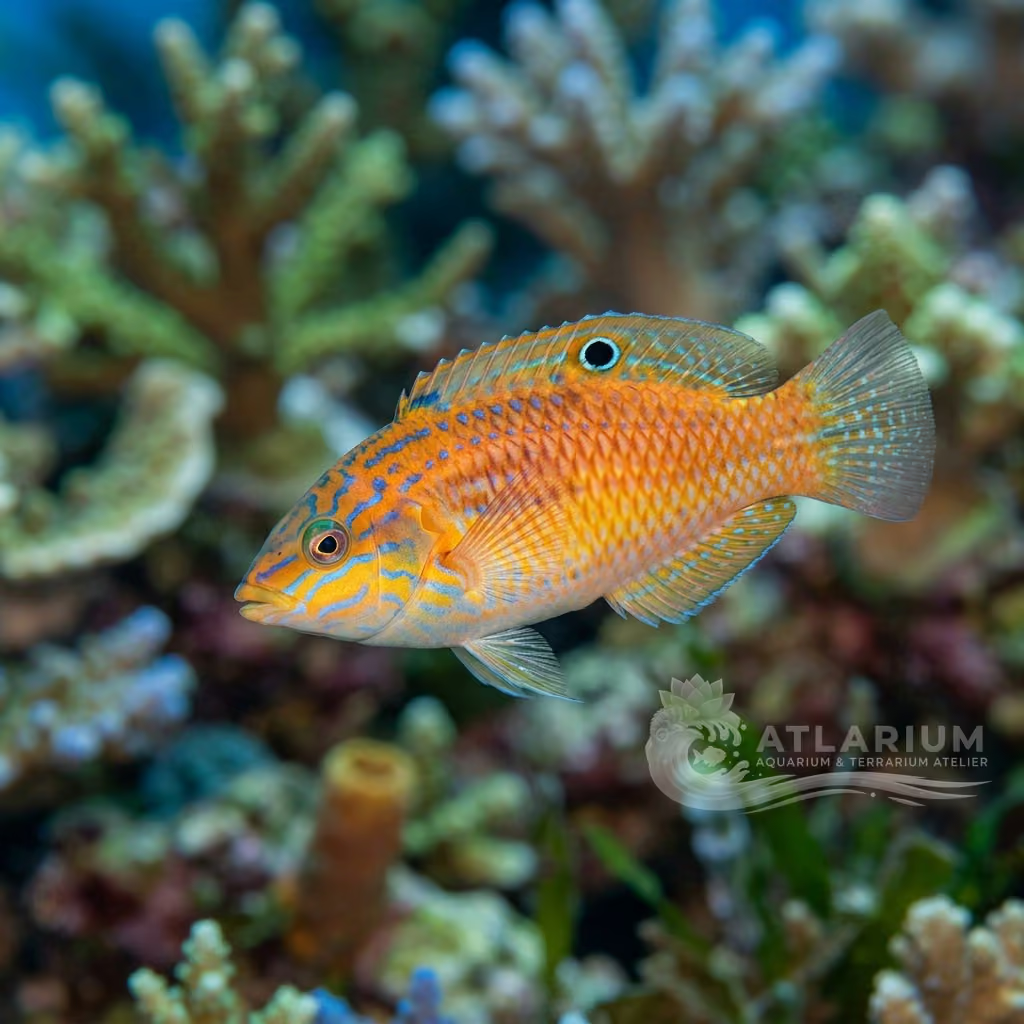
The Yellowhead Wrasse is an active Western Atlantic marine fish, famous for its dramatic color transformation from bright yellow juvenile to dark adult.
Wassertemperatur
22 - 27 °C
pH-Wert
8.1 - 8.4
Wassertyp
Meerwasser
Tankfüllstand
Unten und in der Mitte
Erwachsenengröße
18 cm
Mindesttankvolumen
>= 250 L
Mindestgruppe
>= 1

Artbeschreibung
Geographical Origin and Habitat: Halichoeres garnoti is native to the Western Atlantic Ocean, widely distributed from southern Florida and the Gulf of Mexico, throughout the Caribbean Sea, down to Brazil. It inhabits seaward coral reefs, rocky flats, and sandy transition zones, typically found at depths ranging from 2 to 80 meters where currents are moderate.
Taxonomy and Morphology: Belongs to the family Labridae and the genus Halichoeres. It features a slender, elongated body, slightly compressed laterally, with a terminal mouth housing small, protruding canine teeth specialized for capturing benthic prey. Adults reach a maximum length of about 19-20 cm.
Social Behavior: An exceptionally active, diurnal species that swims constantly during the day, scanning the substrate for food. It is peaceful toward unrelated fish, but displays strong territorial aggression toward members of its own genus. Like many wrasses, it buries itself in the sand at night to sleep.
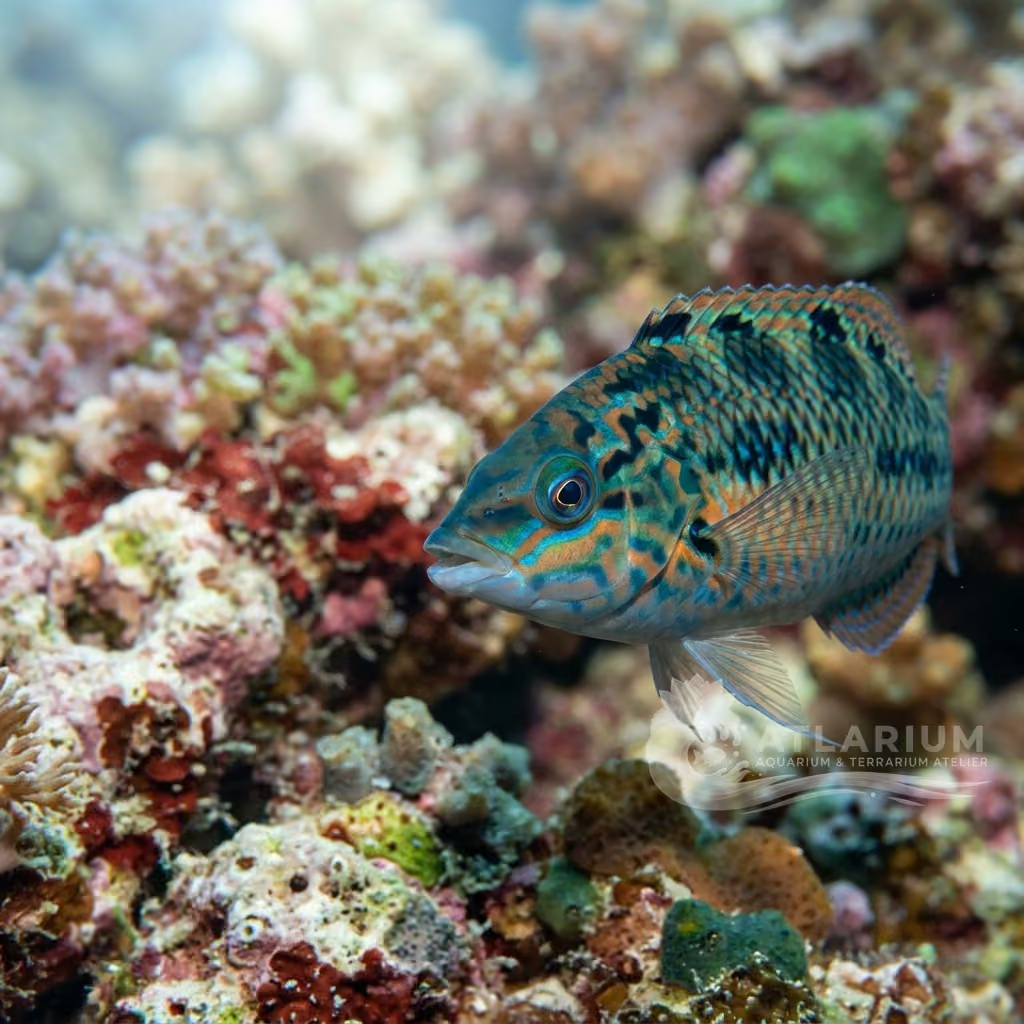
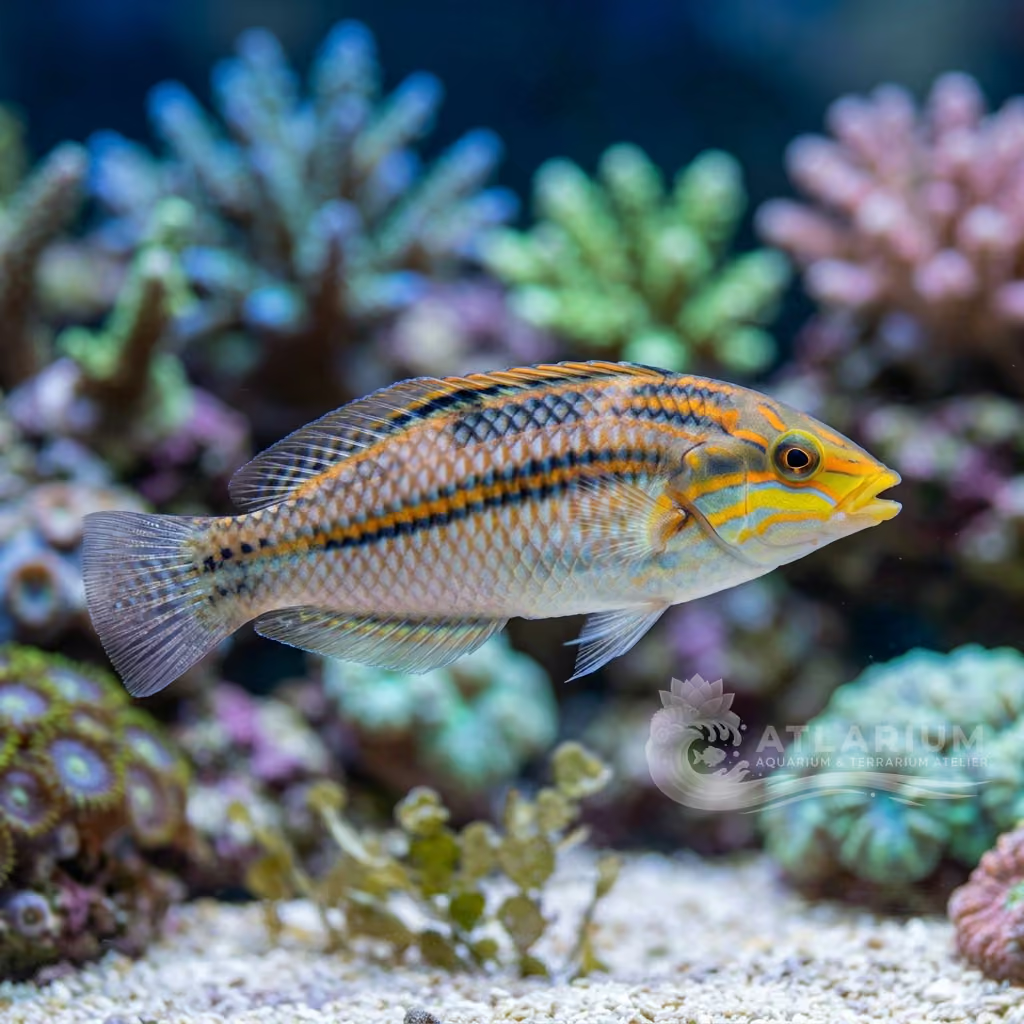
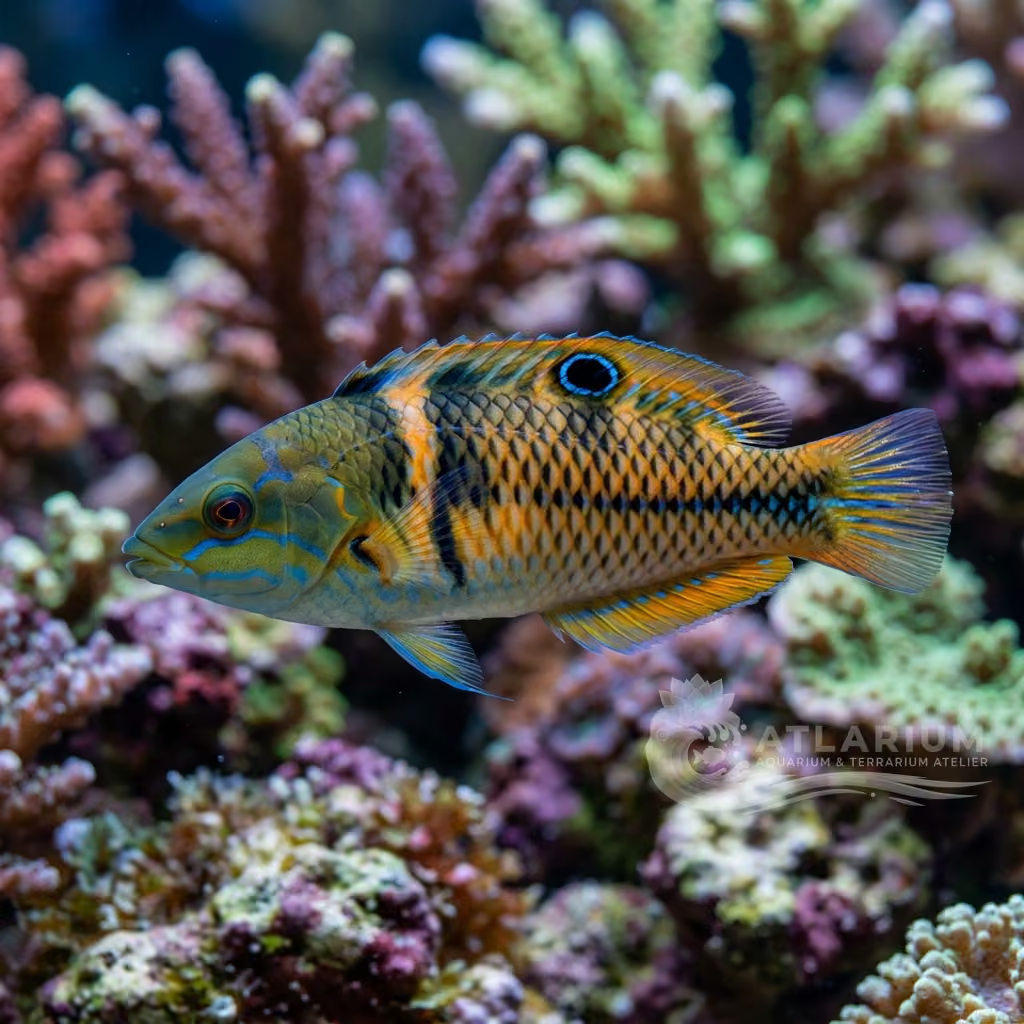
Coloration and Sexual Dimorphism: Exhibits an extraordinary color transition. Juveniles are bright yellow with a single electric-blue stripe running horizontally along the body. Adults possess a bright yellow head, a dark vertical band behind the head, and a bluish-green body. Dominant terminal males show the most intense coloration.

Pflege, Zucht und Mitbewohner
Aquarium Setup: A spacious marine tank of at least 300 liters is required. The most critical setup requirement is a fine sand bed (such as sugar-sized aragonite) at least 5-8 cm deep, allowing the fish to bury itself to sleep or hide. Decorate with live rock while leaving plenty of open water for active swimming.
Diet and Feeding: A voracious carnivore. In the wild, it feeds on crabs, hermit crabs, urchins, starfishes, and snails. In the aquarium, feed a varied diet of frozen foods like mysis, krill, brine shrimp, and chopped shellfish. They readily accept high-quality pellets and flakes. Feed 2-3 times daily.
Water Quality: Requires clean, stable water conditions. Maintain temperature at 24-27°C, pH between 8.1 and 8.4, salinity (SG) from 1.022 to 1.025, and nitrates below 20 mg/l. Strong water flow and efficient protein skimming are necessary to maintain high oxygen levels.
Compatibility and Cohabitation: Reef-safe with corals, but highly destructive to mobile invertebrates. It will consume small ornamental shrimp, crabs, snails, and feather dusters. It is compatible with active, robust tankmates like tangs, damselfishes, and large gobies. Avoid keeping with similar wrasses.
Aquarium Breeding: A protogynous hermaphrodite. In nature, they spawn in the water column, releasing pelagic eggs. No successful captive breeding or larval rearing has been documented in home aquariums due to the complex pelagic stage of the larvae.
Risks and Diseases: Hardy once settled, but vulnerable to stress during transport and skin abrasions from coarse substrate. Prone to marine ich. Since they are notorious jumpers when startled, a tight lid or mesh cover on the aquarium is absolutely mandatory.

Geografische Herkunft und Verbreitung
Halichoeres garnoti is native to the Western Atlantic Ocean, widely distributed from southern Florida and the Gulf of Mexico, throughout the Caribbean Sea, down to Brazil. It inhabits seaward coral reefs, rocky flats, and sandy transition zones, typically found at depths ranging from 2 to 80 meters where currents are moderate.
Ursprung
Tropische Ozeane und RiffeExtra-Amazonas-SüdamerikaMittelamerika und KaribikNordamerika

Fischprofil
- Temperament
- Semi-aggressive
- The Halichoeres garnoti exhibits a generally peaceful but incredibly active and curious temperament. They are constantly on the move, inspecting every crevice of the aquarium for potential food items. While they don't usually bother other fish, their active nature and potential to eat invertebrates should be carefully considered when choosing tank mates.
- Diät
- Carnivore
- The Halichoeres garnoti is a specialized benthic predator that constantly scours the live rock and substrate for food. Its natural diet consists of small crustaceans, mollusks, and various polychaete worms. In the home aquarium, they eagerly accept a wide variety of frozen meaty foods, high-quality pellets, and marine flakes.
- Lebenserwartung
- 3-5 years
- Erwachsenengröße
- 18 cm
- Geschlechterverhältnis
- Solitary
- Keeping the Halichoeres garnoti singly or as a male-female pair is typically the best approach in most home aquariums. While keeping a harem of one male and multiple females is possible, it requires a significantly large tank. Adding multiple males of the same species almost always leads to severe aggression and territorial disputes.
- Fütterungsfrequenz
- Twice daily
- To sustain its active foraging lifestyle, the Halichoeres garnoti requires regular feeding. Offering varied meals two to three times daily is considered optimal for their health and coloration. Ensuring they have a steady food supply also helps curb their appetite for beneficial invertebrates in the reef tank.
- Bioload
- Medium to High
- The Halichoeres garnoti contributes a moderate bioload to the marine aquarium system. They are active foragers with hearty appetites, which naturally results in a fair amount of waste production. Maintaining a robust filtration system, including a good protein skimmer, is necessary to handle their bioload.
- Fluss
- Strong
- The Halichoeres garnoti appreciates a moderate to strong water flow throughout the aquarium. This water movement helps to keep the environment oxygenated and mimics the dynamic conditions of their natural reef habitats. Good flow also aids in keeping detritus suspended for the filtration system to remove.
- Sprungrisiko
- Yes
- Similar to many other wrasses, the Halichoeres garnoti is a notorious jumper and poses a significant risk of escaping the tank. They can easily be spooked by tank maintenance or sudden shadows. A secure and completely enclosed canopy or a tight-fitting mesh lid is an absolute necessity when housing these active fish.
- Reproduktion
- Protogynous hermaphrodite
- The Halichoeres garnoti shares the trait of being a protogynous hermaphrodite, beginning its life as a female. The largest and most dominant female will transition into a male if one is not present. Captive breeding has proven to be extremely difficult due to their complex mating rituals and challenging larval development stages.
- Kompatibilität & Tankkameraden
- Verify
- While the Halichoeres garnoti is generally peaceful towards other fish, its compatibility with invertebrates is a mixed bag. They are excellent at pest control, readily consuming flatworms, pyramidellid snails, and bristle worms. However, as they grow larger, they may also start to view desirable ornamental shrimp, small snails, and feather dusters as a food source.
- Tankfüllstand
- Middle/Bottom
- The Halichoeres garnoti is highly active and utilizes all levels of the aquarium, from the bottom substrate to the mid-water column. They spend their days constantly swimming and hunting for prey among the rockwork and sandbed. Notably, they require a deep, fine sandbed, as they will bury themselves in the sand to sleep at night or when frightened.

Wissenschaftliche Modelle & Parameter
FishBase
Zugang zu den offiziellen wissenschaftlichen Daten der Art
FishBase v25.04Daten synchronisiert am: 15.06.2026
- Trophäenniveau
- 3,7 ± 0,2 se
- Belastbarkeit
- Hoch (weniger als 15 Monate)
- Phylogenetische Einzigartigkeit (PD50)
- 0.5
- Bayessche Längen-Gewichts-Beziehung
- a = 0.01, b = 3.14
- AnfälligkeitGeringe Anfälligkeit (10 / 100)

Verwandte Arten
Empfehlungen gruppiert nach nahen Verwandten, Auswahl von Begleitern und ähnlicher Betreuung.