Black-barred Tang
Acanthurus polyzona
The black-barred surgeonfish (Acanthurus polyzona) is an exceptionally rare herbivorous tang endemic to the Western Indian Ocean. Featuring a silvery-white body crossed by broad black vertical bands, it is often confused with the convict tang. It inhabits shallow reefs and tidal zones, using scalpel-like tail spines to defend its territory.
Wassertemperatur
23 - 27 °C
pH-Wert
8 - 8.4
Wassertyp
Meerwasser
Tankfüllstand
Mitte
Erwachsenengröße
20 cm
Mindesttankvolumen
>= 500 L
Mindestgruppe
>= 1
KH
8 - 12 dKH

Artbeschreibung
Geographical Origin and Habitat: Western Indian Ocean, endemic to Mauritius, Madagascar, Réunion, and the Comoro Islands. Inhabits current-swept rocky reef slopes. Extremely rare in the trade, this species is native to shallow reef flats and rocky shores swept by strong currents in the western Indian Ocean.
Taxonomy and Morphology: Acanthuridae family, genus Acanthurus. Reaches 20 cm (8 inches). Similar to A. triostegus, but distinguished by a grayish-white body with 9 prominent black vertical bars. A member of the Acanthuridae family, it shares the characteristic scalpel-like spine on the tail but features a unique vertical zebra striping.
Social Behavior: Highly active swimmer. Feeds by scraping benthic microalgae from rocks. Exhibits strong intraspecific aggression. Known to be territorial, it actively patrols its grazing area, defending valuable algal mats from other herbivorous fish species.
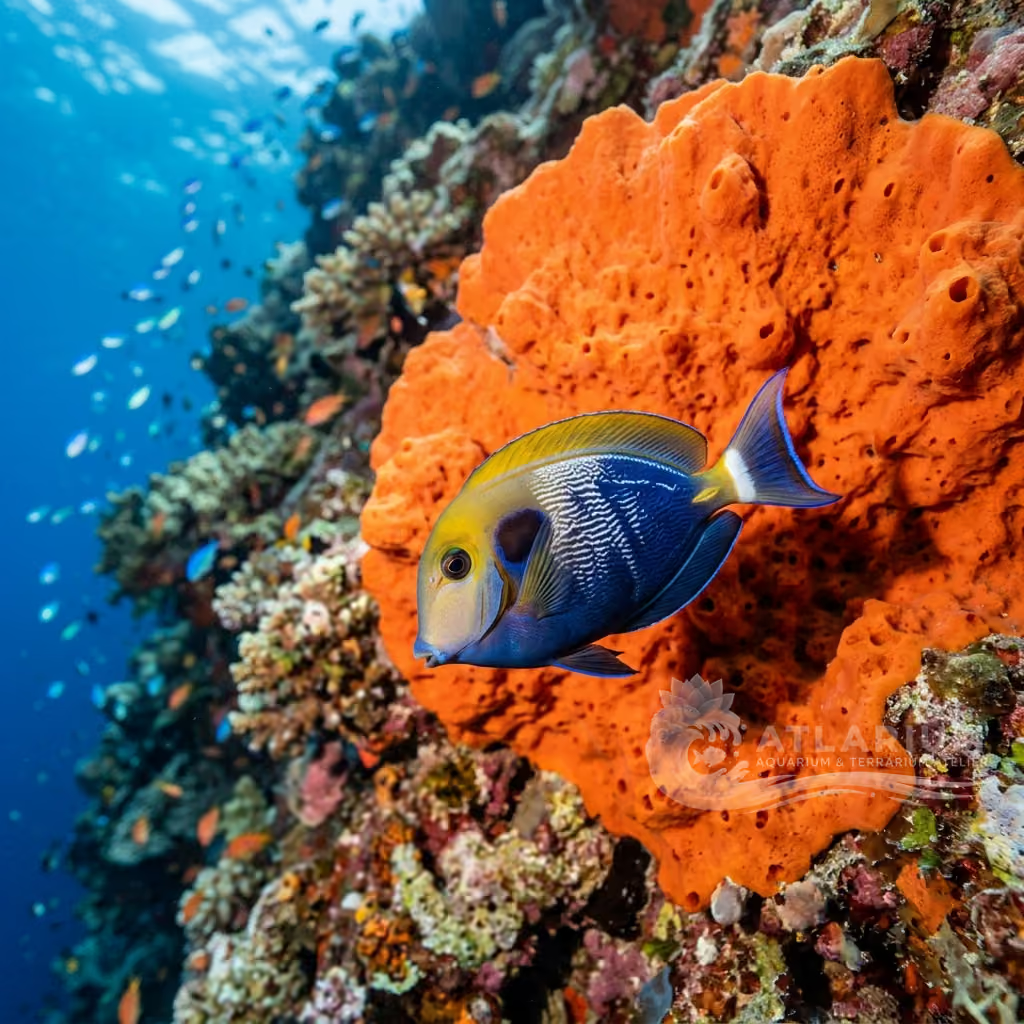
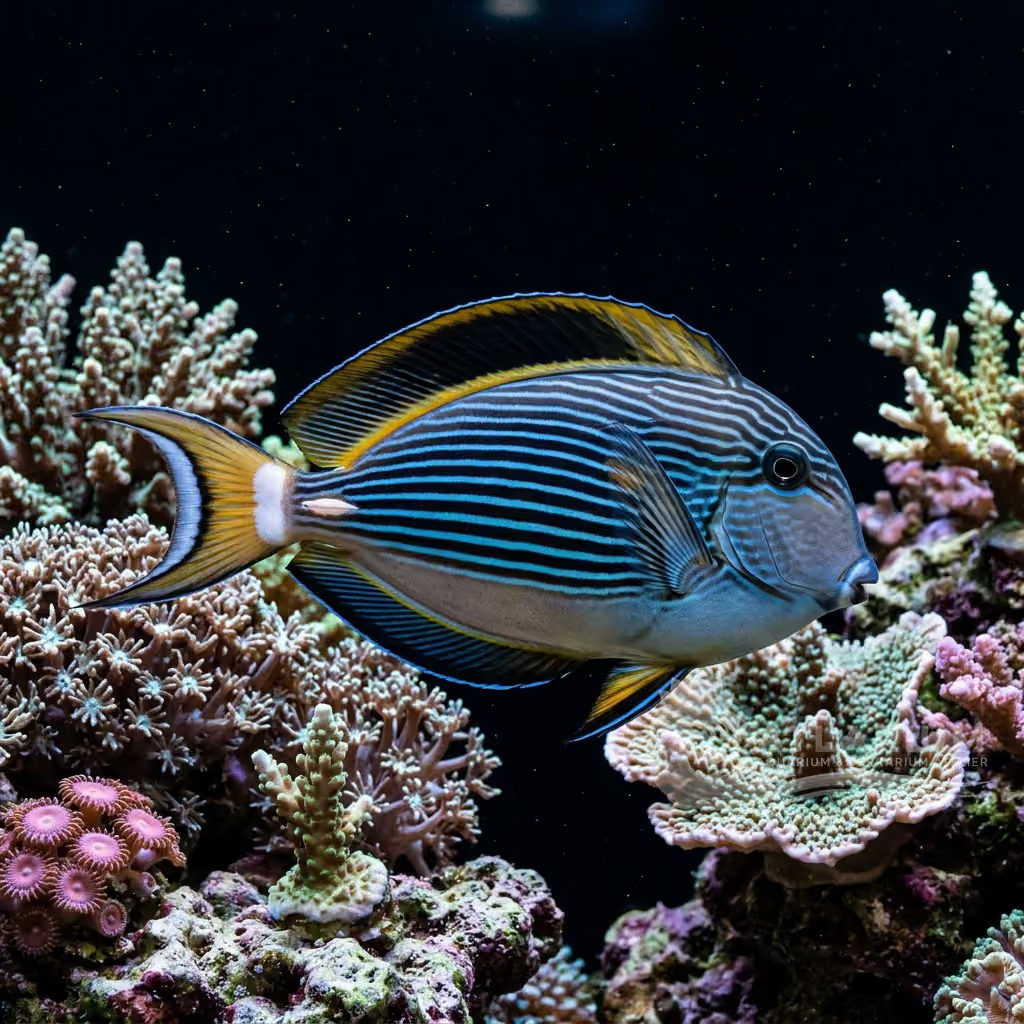
Coloration and Sexual Dimorphism: Silvery white or pale gray body with 9 wide vertical blackish-green bars extending down to the belly. No sexual dimorphism. Displays a silvery-white or greenish-gray base color marked by nine distinct vertical black bands that extend across the entire body.

Pflege, Zucht und Mitbewohner
Aquarium Setup: Requires an aquarium of at least 500 liters with plenty of open swimming space. Include mature live rock to support natural grazing behavior. A minimum tank volume of 500 liters with robust rockwork and substantial open swimming space is required for this highly active swimmer.
Diet and Feeding: Strictly herbivorous. Requires fresh marine algae like nori, spirulina, and vitamin-enriched veggie pellets. Avoid high-protein foods. Provide a continuous supply of dried seaweed (nori) and high-quality herbivore diets, as they have a rapid metabolism and graze constantly.
Water Quality: Temperature 23°C - 27°C, stable pH 8.0 - 8.4, salinity 1.020-1.025, KH 8-12, GH 15-25. Strong water flow and high water clarity are essential. Maintain pristine water quality: temperature 24-27 °C, pH 8.1-8.4, and strong water movement with high oxygen saturation levels.
Compatibility and Cohabitation: Semi-aggressive. Highly aggressive toward similarly shaped surgeonfish or relatives like A. triostegus. Compatible with other robust reef species. Shows high aggression toward similar-looking striped or vertical-shaped fish. Best housed with active, open-water schooling species.
Aquarium Breeding: Not reproduced in home aquariums. In the wild, they are broadcast spawners releasing pelagic eggs that drift in the current. Reproduction in captivity is virtually impossible due to the long, fragile planktonic larval stage which requires specific offshore conditions.
Risks and Diseases: Highly susceptible to skin parasites and stress in confined spaces. Requires a strict quarantine process and a UV sterilizer. Susceptible to marine ich and velvet under stress; ensure a peaceful environment and perform regular water parameter checks.

Geografische Herkunft und Verbreitung
Western Indian Ocean, endemic to Mauritius, Madagascar, Réunion, and the Comoro Islands. Inhabits current-swept rocky reef slopes. Extremely rare in the trade, this species is native to shallow reef flats and rocky shores swept by strong currents in the western Indian Ocean.
Ursprung
Tropische Ozeane und RiffeAfrika und MadagaskarSüd- und Südostasien

Fischprofil
- Temperament
- Semi-aggressive
- Acanthurus polyzona is a semi-aggressive and highly territorial species, particularly when it comes to defending its grazing areas. It will display moderate to intense aggression toward conspecifics and other surgeonfish with similar body shapes or feeding habits. Toward unrelated and peaceful tank mates, it is generally tolerant and ignores them as long as they do not compete for food. Establishing a clear territory with rocks and visual barriers is essential to keep its territorial instincts managed and prevent stress.
- Diät
- Herbivore
- As a specialized herbivore, the diet of Acanthurus polyzona must consist primarily of high-quality plant matter. In the aquarium, it should be offered daily sheets of dried seaweed (Nori), spirulina-based flakes or pellets, and specialized herbivore preparations. While it will accept meaty foods like mysis and brine shrimp, these should only be offered occasionally to prevent digestive issues. A mature aquarium with plenty of natural microalgae growing on the rocks will allow this species to graze continuously as it would in nature.
- Lebenserwartung
- 10-15 years
- Erwachsenengröße
- 20 cm
- Geschlechterverhältnis
- Group
- In the aquarium, it is highly recommended to keep Acanthurus polyzona as a solitary specimen due to its intense intraspecific aggression. Attempting to keep multiple individuals of this species or closely related tangs in the same tank requires an exceptionally large system with numerous visual barriers. In the wild, they may form small schools or groups, but the confined space of a home aquarium makes this very risky. For most hobbyists, stocking just one zebra tang per tank is the safest approach to prevent lethal territorial battles.
- Fütterungsfrequenz
- Twice daily
- Because of their high metabolic rate and active lifestyle, Acanthurus polyzona should be fed small amounts multiple times a day, ideally three or more times. Utilizing an algae clip to suspend dried seaweed in the tank allows them to graze continuously throughout the day. Frequent, small feedings are much better for their digestive system and mimic their natural feeding behavior on the reef. Regular feeding also helps lower territorial aggression by keeping the fish satisfied and occupied.
- Bioload
- Medium to High
- Acanthurus polyzona is an extremely active herbivore with a high metabolic rate, producing a substantial amount of biological waste. To handle this bioload, a large aquarium equipped with robust filtration, such as a high-capacity protein skimmer and efficient mechanical filtration, is absolutely essential. Regular water changes and siphon cleanings of the substrate are necessary to keep nitrate and phosphate levels low. A well-designed filtration system ensures the water remains pristine and highly oxygenated, which is vital for the long-term health of this surgeonfish.
- Fluss
- Strong
- Acanthurus polyzona inhabits high-energy reef zones and surge areas in the wild, which means it thrives in moderate to strong water flow. Strong currents in the aquarium are necessary to keep the water highly oxygenated, which supports its energetic swimming behavior. Wavemakers or powerheads should be placed to create turbulent currents that simulate the wave action of natural reefs. Proper water flow also keeps detritus suspended, ensuring it is processed by the filtration system and keeping the environment clean.
- Sprungrisiko
- No
- Reproduktion
- Rare / not documented
- Breeding Acanthurus polyzona in home aquariums is currently not documented due to the extreme difficulty of replicating their spawning conditions. In the wild, they are broadcast spawners that gather in large numbers to release eggs and sperm simultaneously into the water column. The fertilized eggs and subsequent larvae drift as planktonic organisms in open ocean currents for a long period before settling. Simulating these pelagic larval requirements and ocean currents is beyond the capabilities of standard aquarium setups.
- Kompatibilität & Tankkameraden
- Territorial
- Acanthurus polyzona is reef-safe and compatible with most peaceful community fish such as clownfish, wrasses, gobies, and cardinalfish. However, it can show strong territorial aggression toward other tangs, especially those in the same genus Acanthurus or with similar striping. If kept with other tangs, they should be housed in a very large tank and introduced simultaneously to minimize conflict. It will completely ignore corals and sessile invertebrates, making it an excellent addition to a reef aquarium if territorial behavior is monitored.
- Tankfüllstand
- Middle
- Acanthurus polyzona is a dynamic and energetic swimmer that primarily occupies the middle and bottom zones of the aquarium where it actively grazes on rockwork. It will occasionally venture to the upper levels during feeding times, but its primary activity revolves around patrolling the reef structures. Providing a vast amount of open horizontal swimming space is crucial to accommodate its active lifestyle. The aquascaping should feature plenty of live rock arranged with caves and swim-throughs, allowing the fish to swim naturally through all levels.

Wissenschaftliche Modelle & Parameter
FishBase
Zugang zu den offiziellen wissenschaftlichen Daten der Art
FishBase v25.04Daten synchronisiert am: 15.06.2026
- Trophäenniveau
- 2,5 ± 0,1 se
- Belastbarkeit
- Hoch (weniger als 15 Monate)
- Phylogenetische Einzigartigkeit (PD50)
- 0.5
- Bayessche Längen-Gewichts-Beziehung
- a = 0.02291, b = 2.96
- AnfälligkeitGeringe Anfälligkeit (10 / 100)

Verwandte Arten
Empfehlungen gruppiert nach nahen Verwandten, Auswahl von Begleitern und ähnlicher Betreuung.