Striated surgeonfish
Ctenochaetus striatus
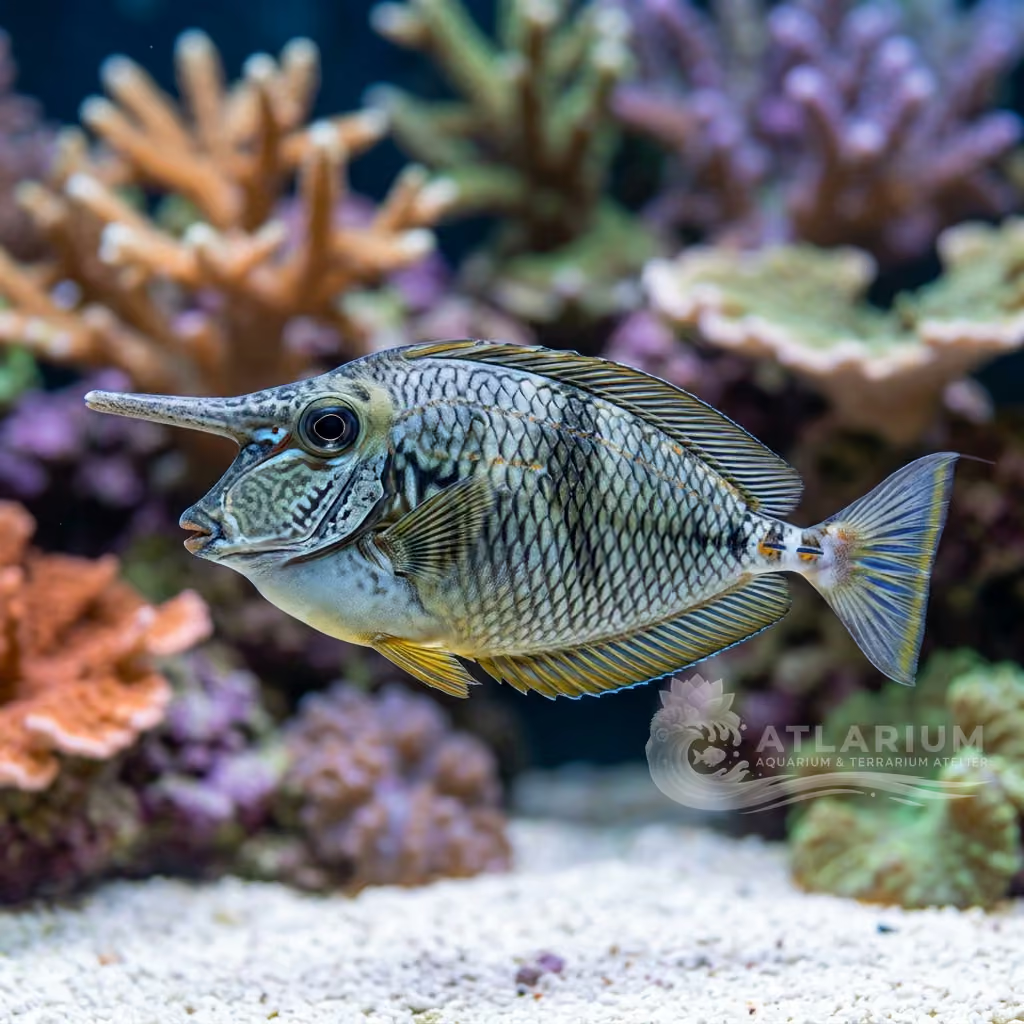
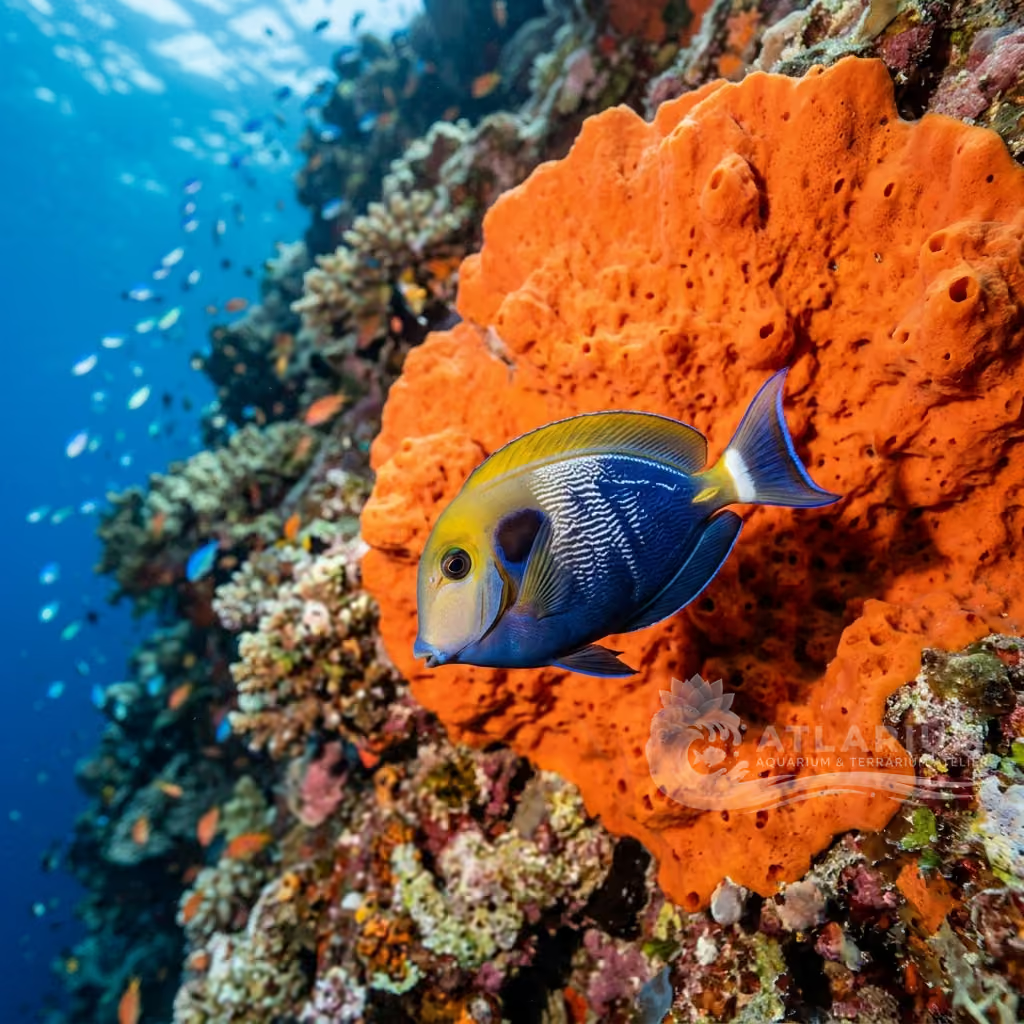
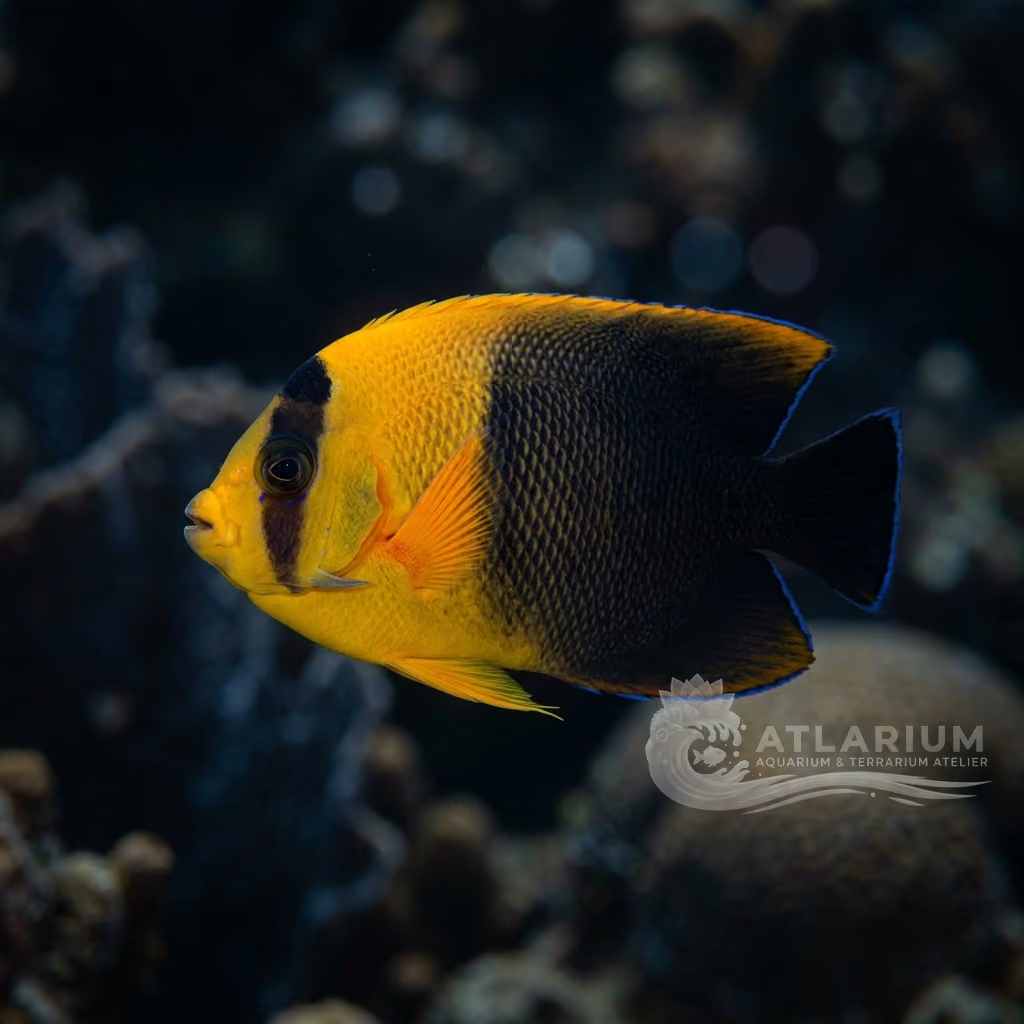
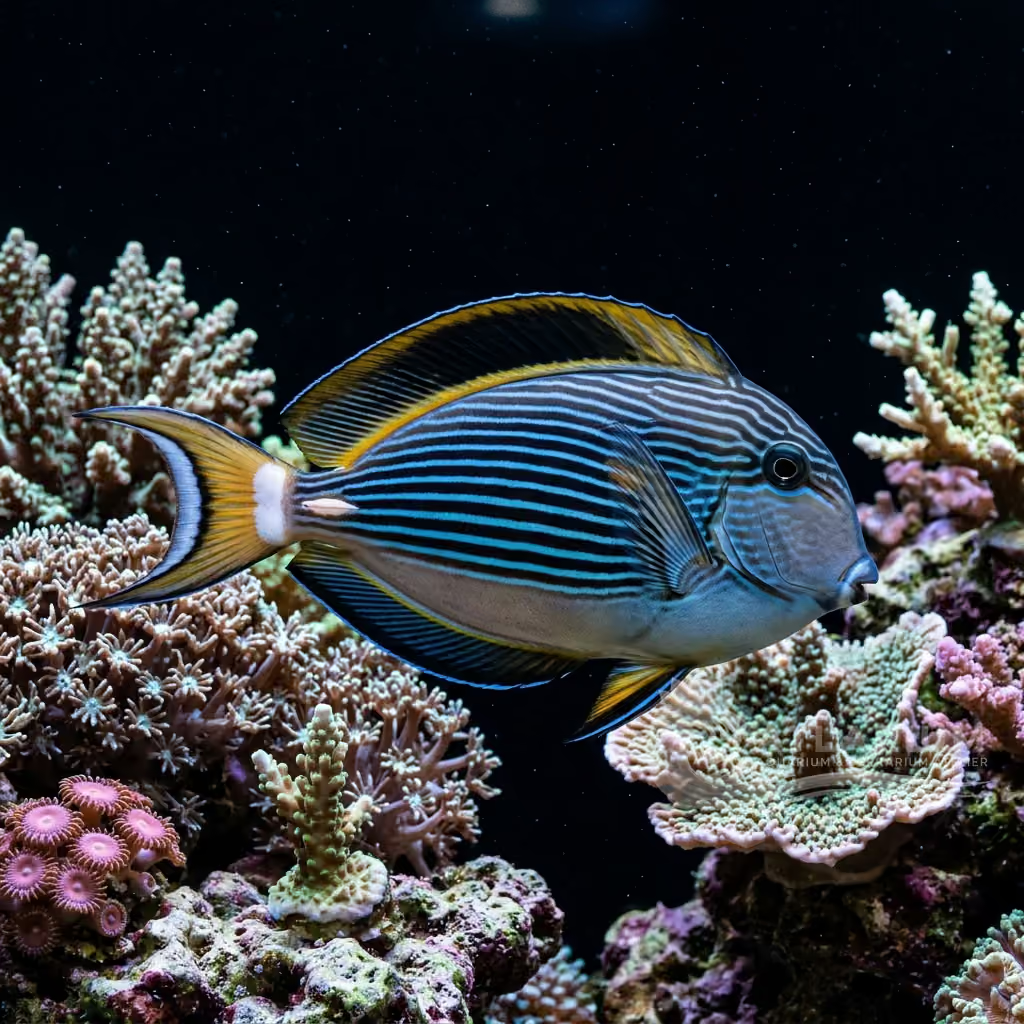
The Striated Surgeonfish showcases fine orange and blue lines. It provides invaluable algae control by continually scraping rocks, making it perfect for spacious, well-oxygenated marine tanks.
Wassertemperatur
24 - 28 °C
pH-Wert
8.1 - 8.4
Wassertyp
Meerwasser
Tankfüllstand
Alle Ebenen
Erwachsenengröße
26 cm
Mindesttankvolumen
>= 380 L
Mindestgruppe
>= 1
KH
8 - 12 dKH

Artbeschreibung
Geographical Origin and Habitat: Ctenochaetus striatus is widely distributed throughout the tropical Indo-Pacific, from the eastern coasts of Africa and the Red Sea to the Hawaiian Islands, Tuamotu Archipelago, and southern Japan. It inhabits a wide variety of marine environments, including sheltered lagoons, inner reef flats, and exposed outer reef slopes at depths ranging from 1 to 30 meters. This species is closely associated with the substrate, where it actively grazes.
Taxonomy and Morphology: Belonging to the family Acanthuridae (surgeonfish), it is characterized by a sharp, retractable scalpel-like spine on each side of the caudal peduncle, used for defense. The genus Ctenochaetus is distinguished by having flexible, bristle-like teeth and a disc-like mouth adapted for scraping unicellular algae, organic detritus, and associated blue-green algae from rock surfaces. It reaches an adult length of 24 cm.
Social Behavior: It is a highly active fish that swims constantly near the rockwork. In the wild, it is often found in small groups or in mixed schools with other surgeonfish. In captivity, it displays strong intraspecific aggression; it should not be housed with other members of the same species or similar Ctenochaetus species unless in a very large tank. It is generally peaceful toward non-surgeonfish tankmates.
Coloration and Sexual Dimorphism: The ground color of the body ranges from olive-brown to dark orange-brown, covered with numerous, fine longitudinal orange and blue-grey stripes along its sides. The head is decorated with tiny, bright orange or yellow spots, which are particularly prominent around the eyes. The caudal fin is dark and may have subtle blue margins along the edges.

Pflege, Zucht und Mitbewohner
Aquarium Setup: Requires a spacious aquarium of at least 250 liters with a large quantity of mature live rock. The rockwork should provide ample surface area for natural grazing as well as caves for hiding. Water movement must be strong and highly oxygenated, utilizing powerheads and a high-performance protein skimmer. A clear open swimming area in the front is necessary.
Diet and Feeding: The diet is primarily detritivorous and herbivorous. In captivity, it must be fed high-quality commercial pellets or flakes enriched with spirulina, dried nori sheets attached to a clip, and frozen foods like brine shrimp and mysis. Frozen foods should be fed as a supplement, not a replacement for its vegetative requirements. Feed several times daily in small quantities.
Water Quality: Maintain clean and stable water parameters: temperature 23-28 °C, pH 8.1-8.4, specific gravity 1.020-1.025, and KH 8-12. This surgeonfish is sensitive to high levels of nitrates and organic waste. Excellent gas exchange, regular water changes, and using activated carbon help maintain water clarity and prevent skin issues.
Compatibility and Cohabitation: It is 100% reef safe, as it does not harm corals or clams and is highly beneficial for controlling nuisance algae in the aquarium. It coexists peacefully with most reef fish. Avoid housing it with other Ctenochaetus or highly territorial Acanthurus species in smaller tanks to prevent aggressive encounters using their caudal spines.
Aquarium Breeding: Breeding in home aquariums is extremely unlikely and undocumented. In nature, they engage in mass group spawning, releasing eggs and sperm simultaneously into the water column, often timed with lunar cycles. The fertilized eggs are planktonic, and the larvae undergo a transparent acanthuriform stage before settling on the reef.
Risks and Diseases: This species is highly susceptible to marine ich (Cryptocaryon irritans) and marine velvet under stress or temperature fluctuations. Proper quarantine is strongly recommended. Providing a vitamin-rich diet is essential to prevent head and lateral line erosion (HLLE). Use caution during netting to prevent its caudal spine from getting tangled or causing cuts.

Geografische Herkunft und Verbreitung
Ctenochaetus striatus is widely distributed throughout the tropical Indo-Pacific, from the eastern coasts of Africa and the Red Sea to the Hawaiian Islands, Tuamotu Archipelago, and southern Japan. It inhabits a wide variety of marine environments, including sheltered lagoons, inner reef flats, and exposed outer reef slopes at depths ranging from 1 to 30 meters. This species is closely associated with the substrate, where it actively grazes.
Ursprung
Tropische Ozeane und RiffeAfrika und MadagaskarOstasienAustralien, Neuguinea und Ozeanien

Fischprofil
- Temperament
- Semi-aggressive
- The Striated Surgeonfish is considered semi-aggressive, particularly toward other tangs or fish with a similar body shape. It is typically very peaceful with unrelated, dissimilar species like clownfish, wrasses, and blennies. Providing adequate space and being the last tang added to the tank can help curb its territorial nature.
- Diät
- Herbivore
- It is primarily a detritivore and herbivore, constantly scraping algae and detritus from rocks and substrate. Its diet in captivity should include marine algae, spirulina, and high-quality vegetable-based flakes or pellets. Occasional offerings of meaty foods like mysis shrimp can provide balanced nutrition, though vegetable matter must remain the staple.
- Lebenserwartung
- 5-10 years
- Erwachsenengröße
- 26 cm
- Geschlechterverhältnis
- Solitary
- There are no obvious external differences between males and females of this species. They are generally kept singly in most home aquariums to prevent conspecific aggression. In very large public aquariums, they may be kept in groups, but the precise sex ratio is usually unknown and unimportant for general husbandry.
- Fütterungsfrequenz
- Twice daily
- Because they naturally graze throughout the day, they should be fed multiple small meals rather than one large one. Offering algae sheets on a clip daily will help mimic their natural feeding behavior. Two to three feedings of prepared foods per day are generally sufficient to keep them healthy.
- Bioload
- High
- The Striated Surgeonfish produces a moderate to high bioload due to its constant grazing and subsequent waste production. A well-established biological filter and strong protein skimmer are necessary to maintain high water quality. Regular water changes and careful monitoring of nitrate levels will help manage their impact on the system.
- Fluss
- Strong
- This species thrives in areas with moderate to strong water flow, which replicates its natural reef environment. Vigorous water movement helps keep oxygen levels high and suspends detritus for the filtration system to remove. Powerheads should be positioned to create varied flow patterns across the live rock.
- Sprungrisiko
- No
- Reproduktion
- Oviparous
- Breeding this species in a home aquarium is incredibly difficult and rarely documented. In the wild, they are pelagic spawners that release their eggs and sperm into the water column. The resulting larvae go through an extended planktonic phase, making captive rearing extremely challenging without specialized aquaculture setups.
- Kompatibilität & Tankkameraden
- Peaceful
- This tang is generally peaceful toward most non-competing tank mates but can be aggressive toward other surgeonfish, especially those of similar shape or dietary habits. It is reef-safe and typically ignores corals and most invertebrates. Providing plenty of swimming space and hiding spots minimizes territorial disputes with other fish.
- Tankfüllstand
- All levels
- This tang is highly active and will utilize all levels of the aquarium, from the bottom substrate to the upper water column. It spends the majority of its time darting among live rock structures while foraging for algae and detritus. Open swimming space in the middle to upper levels is also frequently used.

Wissenschaftliche Modelle & Parameter
FishBase
Zugang zu den offiziellen wissenschaftlichen Daten der Art
FishBase v25.04Daten synchronisiert am: 15.06.2026
- Trophäenniveau
- 2 ± 0 se
- Belastbarkeit
- Sehr niedrig (mehr als 14 Jahre)
- Generierungszeit
- 1,4 Jahre
- Phylogenetische Einzigartigkeit (PD50)
- 0.502
- Bayessche Längen-Gewichts-Beziehung
- a = 0.02291, b = 2.97
- AnfälligkeitGeringe Anfälligkeit (18 / 100)

Verwandte Arten
Empfehlungen gruppiert nach nahen Verwandten, Auswahl von Begleitern und ähnlicher Betreuung.