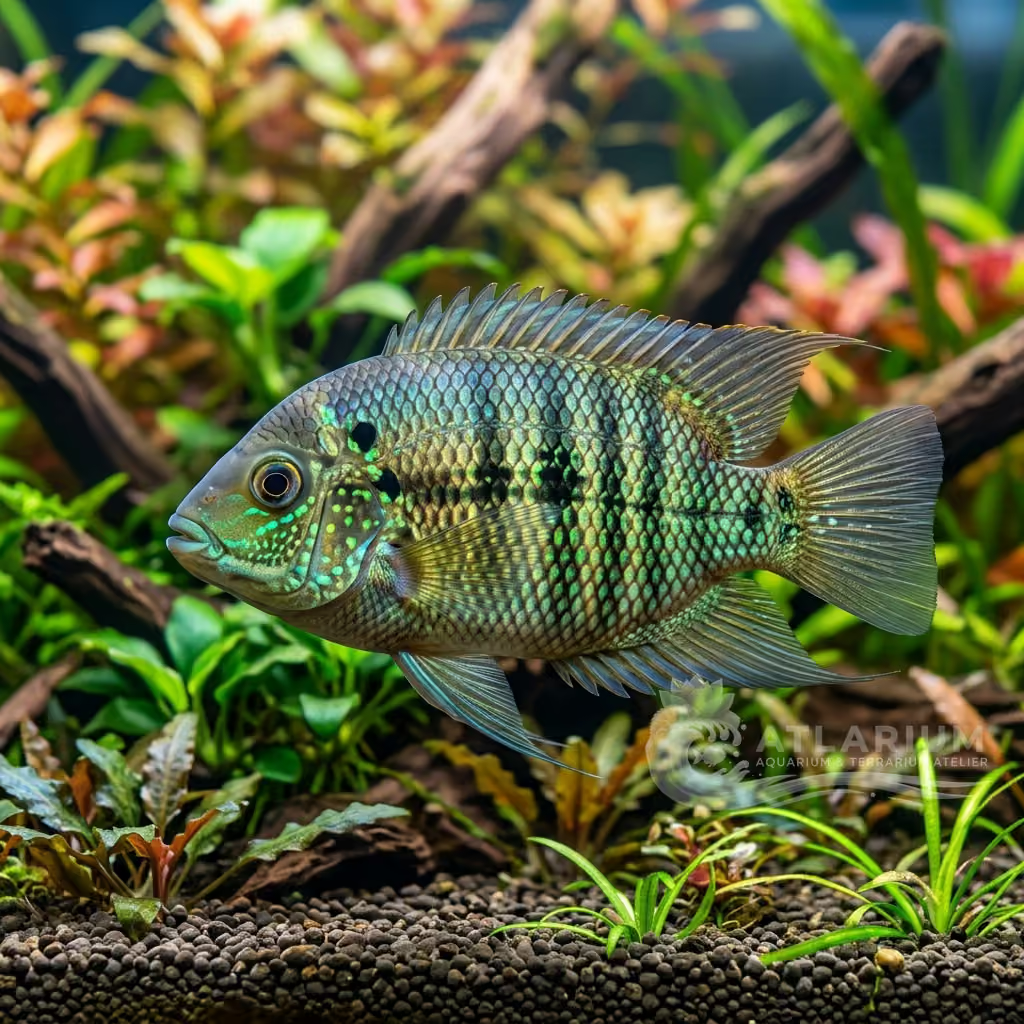
Dwarf Petricola
Synodontis lucipinnis
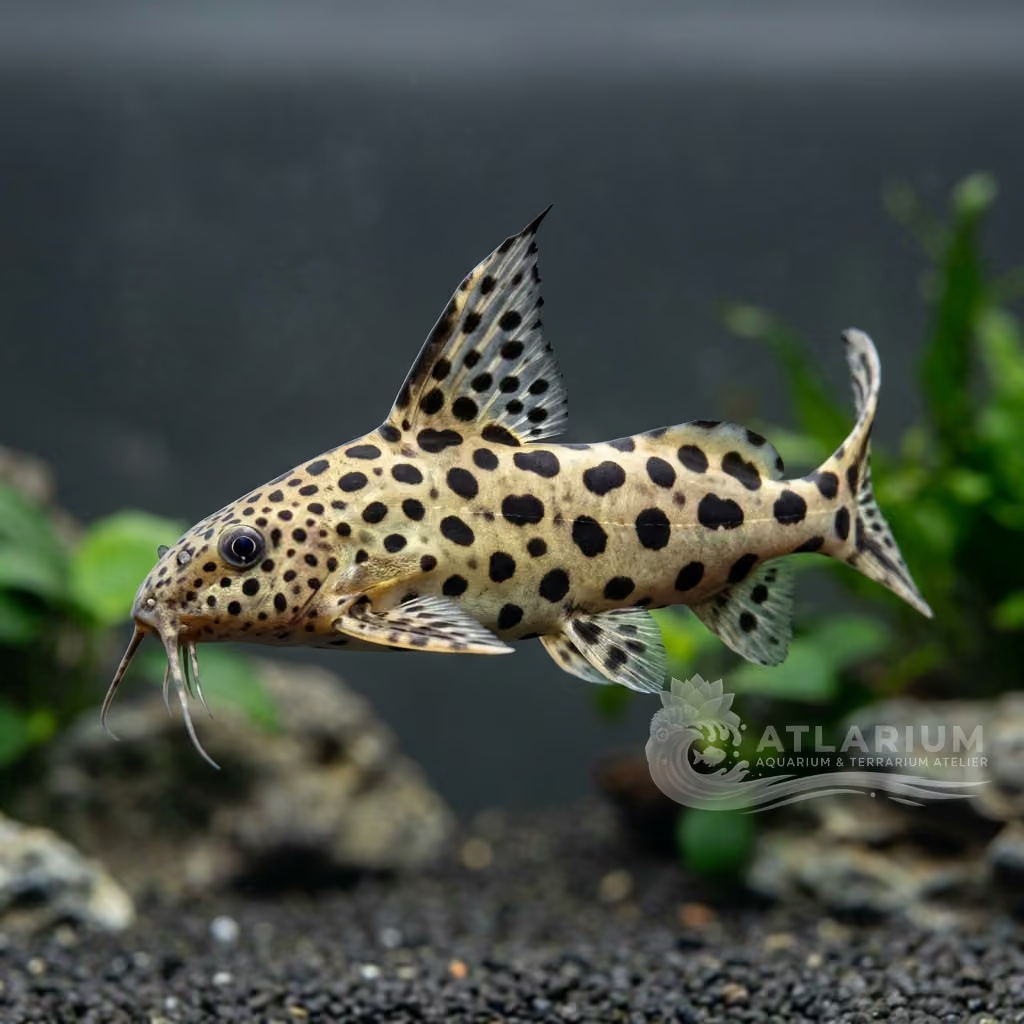
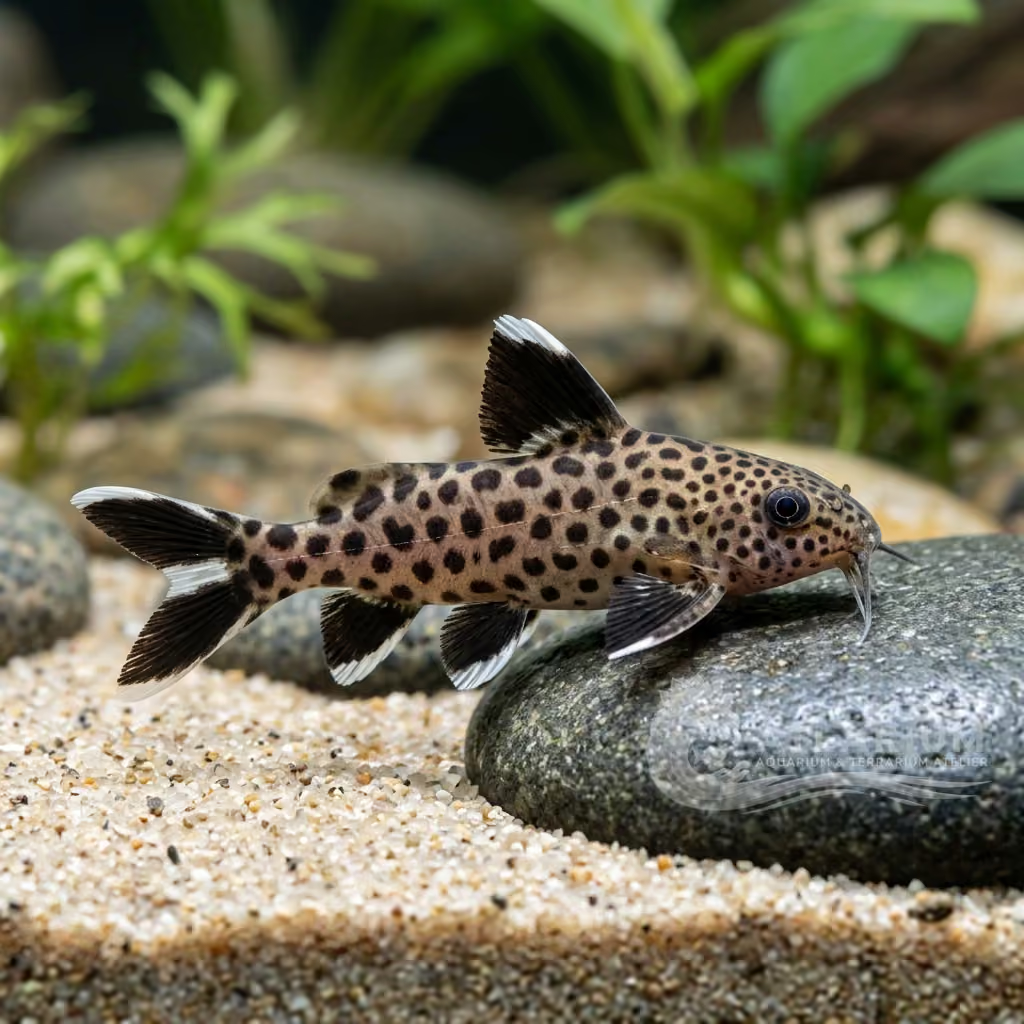
The most beloved siluriform from Tanganyika: tiny, very light with large dark spots and fins edged in dazzling white. Almost always confused with the larger S. petricola.
Temperatura da água
23 - 27 °C
Valor de pH
7.5 - 8.5
Tipo de água
Água doce
Nível do tanque
Parte inferior e intermediária
Tamanho adulto
10 cm
Volume mínimo do tanque
>= 100 L
Grupo mínimo
>= 1
GH
10 - 30 dGH
KH
10 - 20 dKH
TDS
250 - 650 ppm
Condutividade
391 - 1.016 uS/cm

Descrição da espécie
Geographical Origin and Habitat: Endemic to Lake Tanganyika. Inhabits rocky littoral zones, sneaking into submerged crevices and clefts dominated by large cichlids.
Taxonomy and Morphology: Dwarf Petricola (Synodontis lucipinnis). Often mistakenly sold as S. petricola. It is the "dwarf" version (10 cm / 4 inches against the 15 cm / 6 inches of the petricola). It features immaculate white barbels (not black) and light patches (little windows) at the base of the dark fins.
Social Behavior: Hyperactive and social. Must strictly live in groups of at least 5-6 specimens. Very bold, swims in the open exploring the bottom and loves to position itself vertically (or upside down) resting under rocky overhangs.
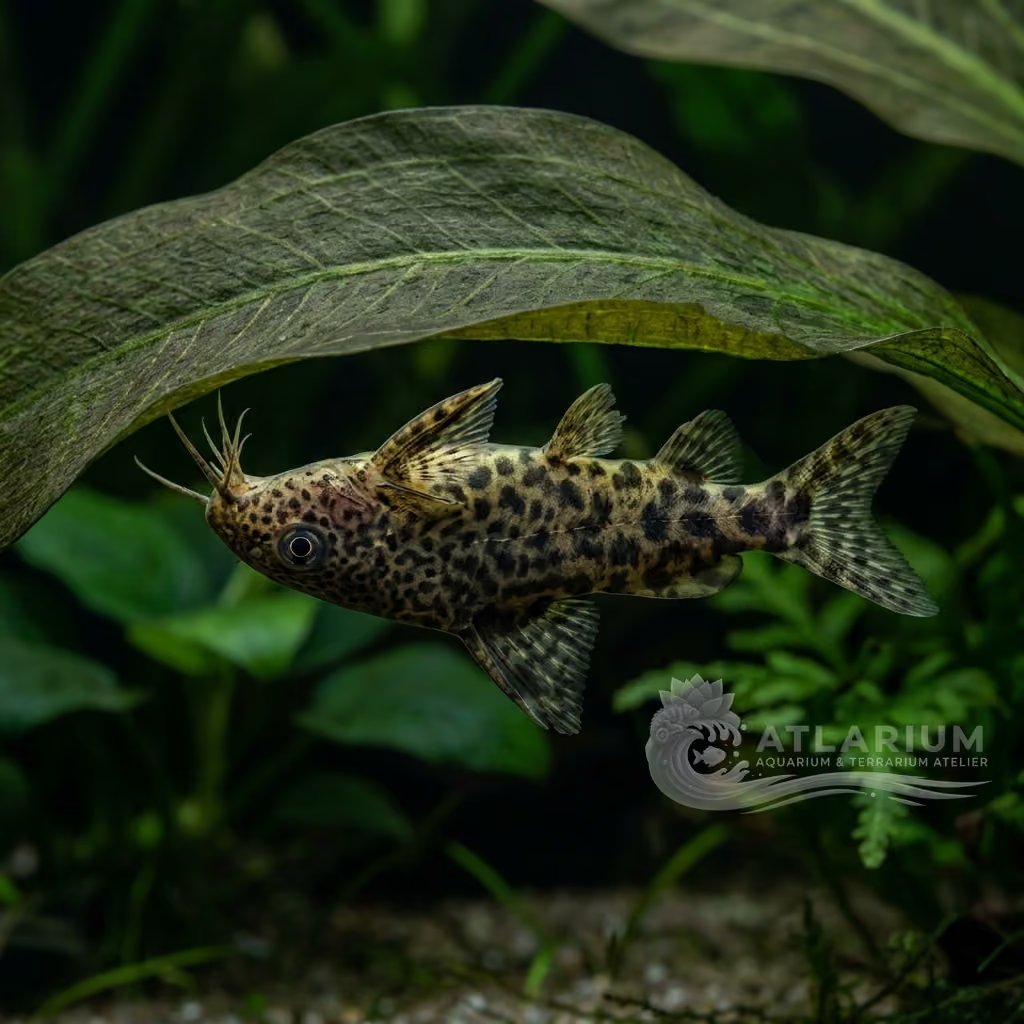
Coloration and Sexual Dimorphism: Beige/light copper background covered with circular black spots all over the body. The fins are striped or dotted, with chalk white margins. Females visibly more swollen and massive when viewed from above.

Cuidado, criação e companheiros de tanque
Aquarium Setup: Tanganyika Aquarium (80-100 cm / 32-40 inches). Fine sand to protect the long barbels. Mandatory the presence of stratified rocks stacked to form an intricate network of tunnels and dark caves, their primary refuge.
Diet and Feeding: Micro-predator and omnivorous scavenger. Eats any leftovers on the bottom (bloodworms, brine shrimp, sinking granules). They are ruthless egg eaters in nature, cleaning out the nests of distracted cichlids.
Water Quality: Hard and alkaline water (pH 8.0-8.5). Tanganyika waters are among the hardest and purest in the world; filters must be excellent to keep nitrates at zero. They suffer atrociously in acidic and soft waters.
Compatibility and Cohabitation: Excellent with Tanganyika and Malawi Cichlids. Unlike S. multipunctatus (the brood parasite), the lucipinnis does not entrust its eggs in the mouths of cichlids. It will eat cichlid fry (if free-swimming), but is tolerated by adults.
Aquarium Breeding: Hidden egg-scatterers. They reproduce by slipping into the darkest rocky crevices, throwing microscopic eggs by the hundreds among the pebbles (terracotta pots covered with glass marbles are often used in breeding to save the eggs from cannibalism).
Risks and Diseases: Death by Copper Intoxication. Like many catfish without bony scales (normal scales), they absorb medications very quickly. Ich treatments based on copper (Malachite Green, Formalin) often kill them or irreversibly burn their "antennas".

Origem e distribuição geográfica
Endemic to Lake Tanganyika. Inhabits rocky littoral zones, sneaking into submerged crevices and clefts dominated by large cichlids.
Origem
África e Madagascar

Perfil de peixe
- Temperamento
- Semi-aggressive
- This is one of the most outgoing and playful Synodontis species available in the hobby. When kept in a proper group, they are constantly active, chasing each other playfully around the rockwork. They are entirely peaceful towards other species and mostly ignore their tankmates. Their bold, diurnal nature makes them a highly entertaining and interactive fish to observe.
- Dieta
- Omnivore
- Synodontis lucipinnis is a micro-predator and scavenger that greedily accepts most offered foods. A staple diet of high-quality sinking carnivore pellets and granular foods is ideal. This should be supplemented with regular offerings of frozen or live foods like bloodworms, daphnia, and brine shrimp. They will also graze on small organisms living among the rocks and substrate.
- Expectativa de vida
- 5-10 years
- Tamanho adulto
- 10 cm
- Proporção sexual
- Harem
- They are highly gregarious and should absolutely be kept in groups of at least five or six individuals. A specific male-to-female ratio is not required, as they do not display harem-like behavior or severe intraspecific aggression. Keeping them in groups makes them significantly bolder and more active during the day. Solitary individuals will often hide constantly and pine away from stress.
- Frequência de alimentação
- Twice daily
- Feeding them small amounts once or twice a day is recommended. They are enthusiastic eaters that will boldly come out of hiding when they smell food in the water. Unlike many other catfish, they are often active during the day, making feeding easier to observe. Ensure food actually reaches the bottom before faster mid-water fish consume it all.
- Carga biológica
- Low to Medium
- This dwarf species produces a relatively low bioload compared to its larger Synodontis cousins. Despite their small size, they are active and have healthy metabolisms, so standard filtration is necessary. Maintaining pristine water quality with regular water changes is essential to emulate their natural Lake Tanganyika habitat. A well-oxygenated, clean environment prevents stress and disease.
- Fluxo
- Stagnant
- Originating from the rocky shores of Lake Tanganyika, they appreciate moderate to high water flow. Strong water movement ensures high dissolved oxygen levels, which they strictly require to thrive. Powerheads or strong filter return flows are highly recommended in their aquarium setup. However, they must always have access to calm, rocky crevices where they can rest out of the current.
- Risco de salto
- No
- Reprodução
- Oviparous
- Unlike the cuckoo catfish, S. lucipinnis are simple egg-scatterers and do not parasitize cichlid broods. They breed by scattering their eggs in tight rocky crevices or among marble substrates in breeding setups. The parents will eagerly eat their own eggs if given the chance, so separating them is crucial for a successful yield. Raising the fry requires excellent water quality and very small live foods.
- Compatibilidade e companheiros de tanque
- With caution
- They are extremely peaceful and make excellent tankmates for a variety of hard-water setups. They do perfectly well with Lake Tanganyika cichlids, such as Neolamprologus or Julidochromis species. Due to their small adult size, they should not be housed with very large or aggressive predatory fish. They are entirely safe with most robust invertebrates and similarly sized community fish.
- Nível do tanque
- Middle/Bottom
- They are strict bottom dwellers that rarely leave the lower third of the water column. Their behavior is intimately tied to rocky structures, where they spend their time exploring every nook and cranny. They are remarkably adept at navigating tight spaces and often rest completely upside down under rock ledges. An aquarium with a large footprint and complex rockwork is ideal.

Modelos e parâmetros científicos
FishBase
Acesso aos dados científicos oficiais da espécie
FishBase v25.04Dados sincronizados em: 15/06/2026
- Nível trófico
- 2,9 ± 0,4 se
- Resiliência
- Alta (menos de 15 meses)
- Unicidade filogenética (PD50)
- 0.5
- Relação bayesiana comprimento-peso
- a = 0.01445, b = 2.9
- VulnerabilidadeVulnerabilidade baixa (10 / 100)

Espécies relacionadas
Recomendações agrupadas por parentes próximos, escolhas de acompanhantes e cuidados semelhantes.