Upside-down catfish
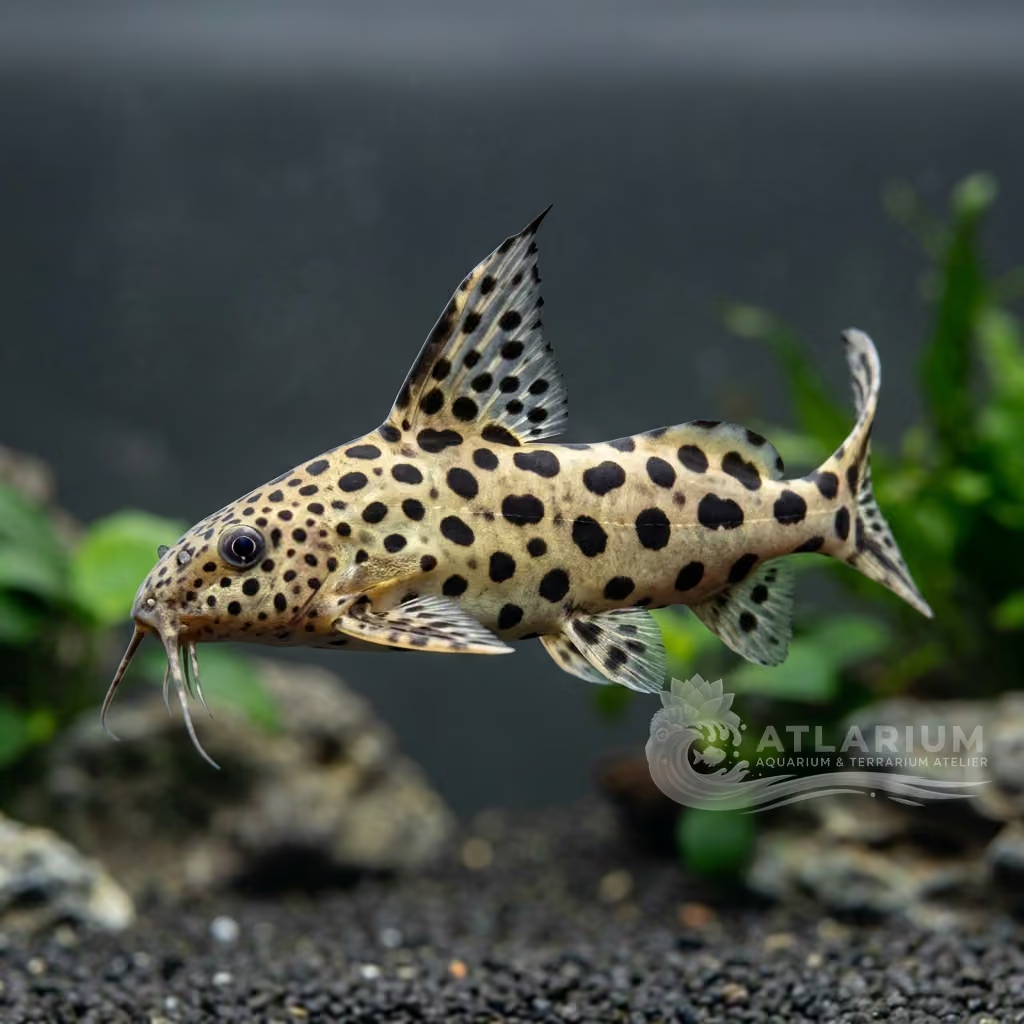
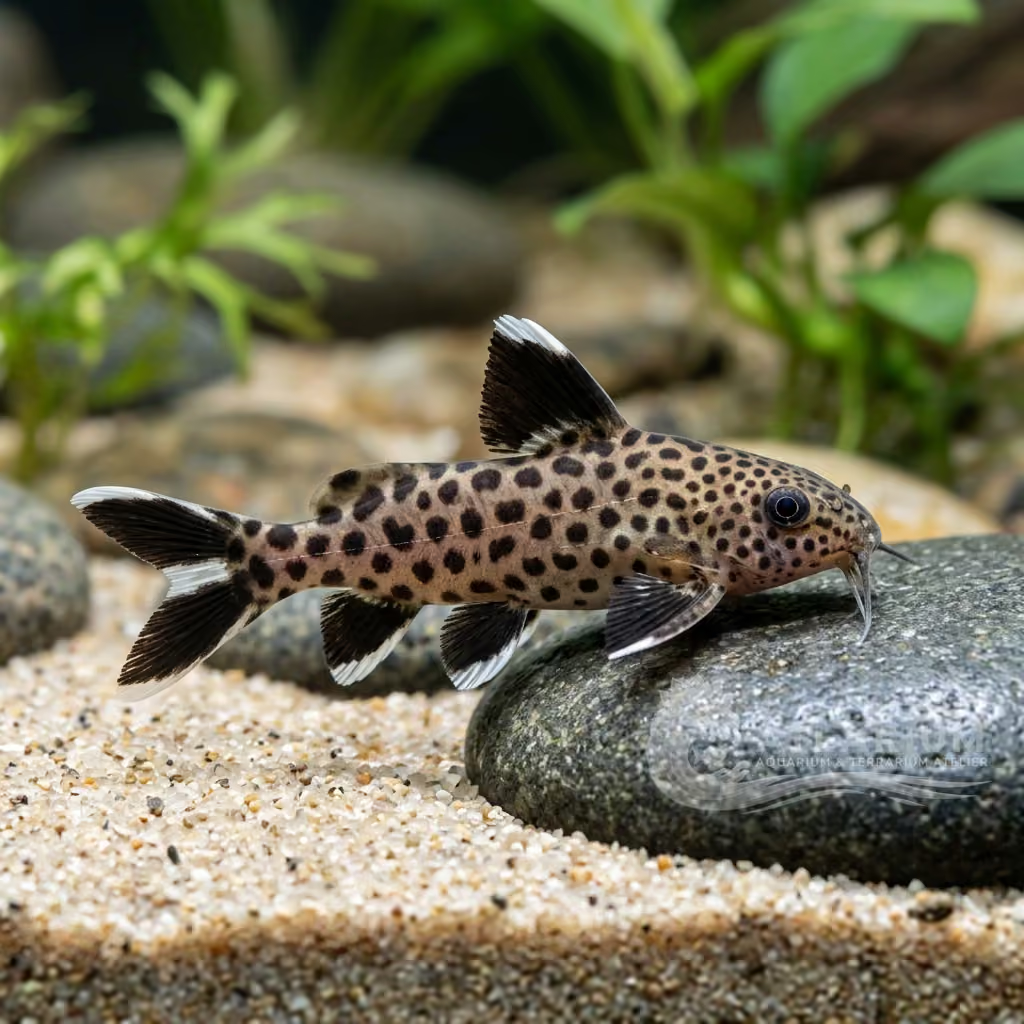
Synodontis nigriventris
The catfish that swims upside-down — a unique behavior in fishkeeping that defies gravity. Pigmentation is reversed from normal fish: the belly is darker than the back (counter-shading), an adaptation to inverted swimming for camouflage when seen from below. Native to the Congo basin. Gregarious and nocturnal: in groups of 3–6+ becomes more confident. Feeds on the underside of leaves and at the water surface. Excellent longevity: 10–15 years. Young swim normally and develop inverted behavior at ~7–8 weeks.
21 - 26 °C
6 - 8
Água doce
Superfície e meio
9,6 cm
>= 75 L
>= 3
7 - 14 dGH
3 - 7 dKH
135 - 280 ppm
211 - 438 uS/cm

Descrição da espécie

Cuidado, criação e companheiros de tanque

Origem e distribuição geográfica
Origem

Perfil de peixe
- Temperamento
- Peaceful
- They are shy, peaceful, and highly social creatures that derive confidence from being in a group. During the day, they will often wedge themselves together in tight crevices, completely upside down. They are completely non-aggressive and prefer to flee from conflict rather than fight. Once acclimated to a quiet tank, they exhibit fascinating grazing behaviors along the undersides of leaves.
- Dieta
- Omnivore
- They are omnivorous micro-predators that naturally feed on insects, small crustaceans, and plant matter at the water's surface or under leaves. In captivity, they readily accept high-quality flakes, micro-pellets, and freeze-dried foods that float or sink slowly. They particularly enjoy frozen bloodworms, daphnia, and brine shrimp. They are unique in their ability to feed comfortably from the water's surface while upside down.
- Expectativa de vida
- 10-15 years
- Tamanho adulto
- 9.6 cm
- Proporção sexual
- Harem
- They are highly gregarious and should always be kept in groups of at least five individuals. In these groups, a specific sex ratio is not important as they do not form pairs or harems. Females are generally plumper and slightly larger than males when mature. Keeping them in groups drastically reduces their shyness and encourages natural schooling behaviors.
- Frequência de alimentação
- Once daily
- Feeding them small amounts once or twice daily is the best practice. Since they are primarily nocturnal, at least one feeding should occur just as the tank lights go out. This ensures they can eat peacefully without aggressive daytime feeders stealing their food. They will often emerge during the day if they sense food in the water.
- Carga biológica
- Medium
- This small, peaceful catfish produces a relatively low bioload in the aquarium. They are manageable for appropriately sized community tanks equipped with standard filtration systems. Regular maintenance and partial water changes are still necessary to keep nitrates low and ensure their health. Due to their modest size, they do not overwhelm the biological filtration of a mature setup.
- Fluxo
- Strong
- Originating from heavily vegetated river basins in the Congo, they prefer a gentle to moderate water flow. Strong, torrential currents will stress them, as they prefer to rest quietly under broad leaves or driftwood. A spray bar is an excellent way to distribute flow evenly without creating harsh currents. Quiet, shaded areas are essential for their well-being.
- Risco de salto
- No
- Reprodução
- Rare / not documented
- Breeding in the home aquarium is possible but challenging, typically requiring a dedicated setup. They breed by scattering their eggs in dark caves or deep recesses, often preferring overturned flowerpots. Conditioning the parents with heavy feedings of live and frozen foods is necessary to induce spawning. The parents exhibit no parental care and should be removed after spawning to prevent them from eating the eggs.
- Compatibilidade e companheiros de tanque
- Peaceful
- Synodontis nigriventris is extremely peaceful and makes a phenomenal addition to community aquariums. They do well with a wide variety of gentle tankmates like tetras, rasboras, Corydoras, and dwarf cichlids. They possess no aggressive tendencies and will not bother small fish or invertebrates. However, they should not be kept with large or aggressive species that might bully or eat them.
- Nível do tanque
- Top/Middle
- They are unique in that they occupy the mid-water and upper levels, intimately tied to the undersides of structures. They famously spend almost their entire lives swimming and resting completely upside down under broad plant leaves or driftwood branches. They rarely rest on the bottom substrate like typical catfish. Providing broad-leaved plants like Anubias or large pieces of bogwood is absolutely mandatory.

Modelos e parâmetros científicos
Acesso aos dados científicos oficiais da espécie
- Nível trófico
- 2,9 ± 0,36 se
- Resiliência
- Alta (menos de 15 meses)
- Unicidade filogenética (PD50)
- 0.5
- Relação bayesiana comprimento-peso
- a = 0.01096, b = 3
- VulnerabilidadeVulnerabilidade baixa (10 / 100)

Galeria de imagens
Imagens licenciadas vinculadas à espécie ou, quando marcadas, ao táxon representativo mais próximo.

Espécies relacionadas
Recomendações agrupadas por parentes próximos, escolhas de acompanhantes e cuidados semelhantes.