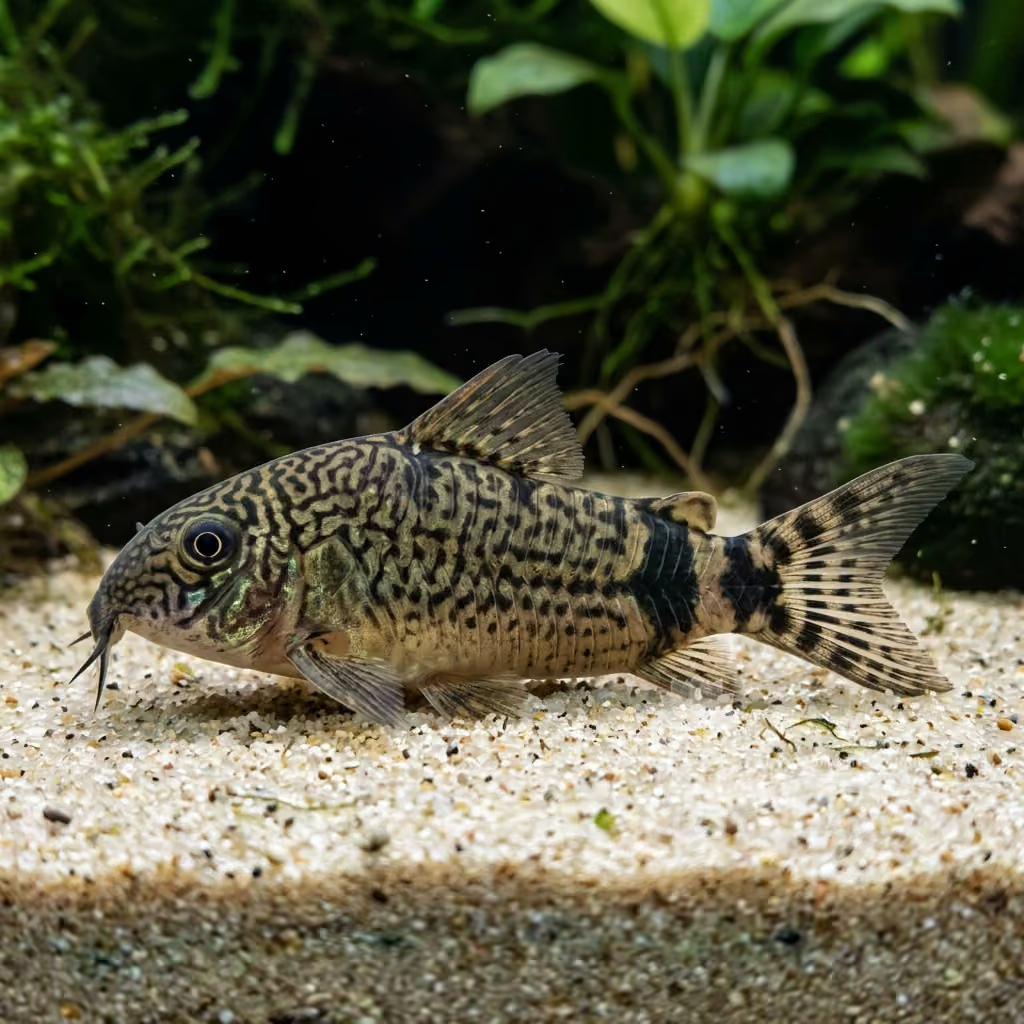
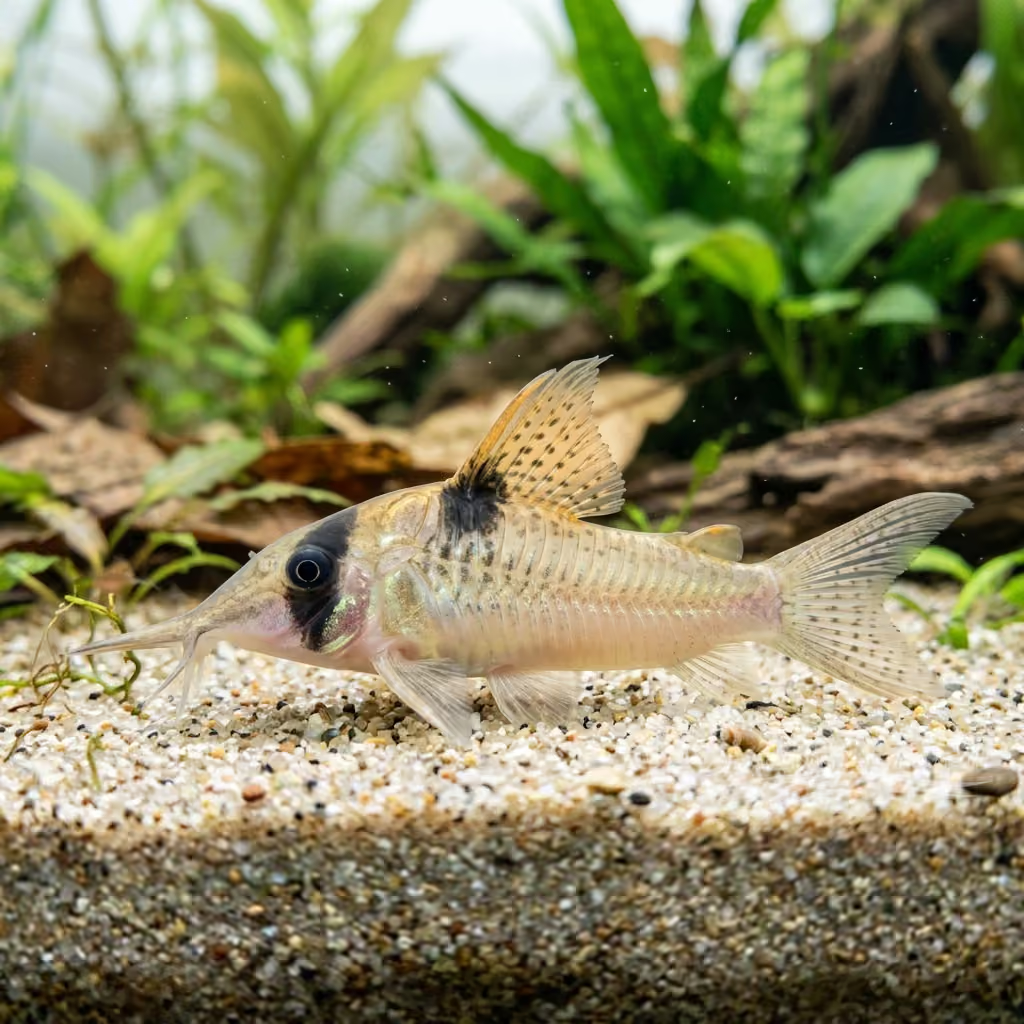
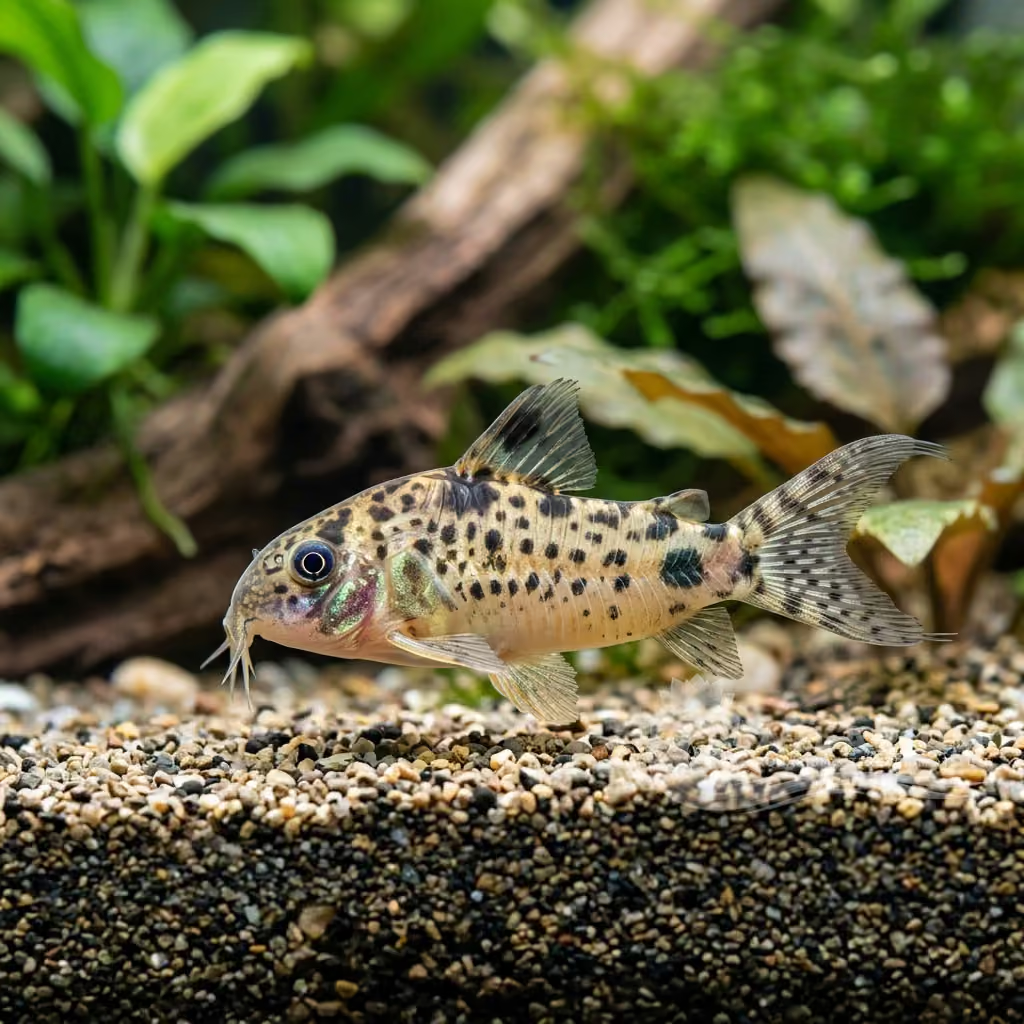
Panda Cory
Hoplisoma panda
Panda Cory (Hoplisoma panda) is a freshwater species with an adult-size reference of about 5 cm. It needs at least 60 litres and 6 individuals, with its social and territorial profile taken into account.
Temperatura da água
20 - 25 °C
Valor de pH
6 - 7.4
Tipo de água
Água doce
Nível do tanque
Parte inferior
Tamanho adulto
5 cm
Volume mínimo do tanque
>= 60 L
Grupo mínimo
>= 6
GH
2 - 12 dGH
KH
1 - 6 dKH
TDS
40 - 240 ppm
Condutividade
63 - 375 uS/cm

Descrição da espécie
Geographical Origin and Habitat: A freshwater species; the enclosure should provide stability, oxygenation, space and shelter consistent with its behaviour without turning one habitat description into a mandatory recipe.
Taxonomy and Morphology: The accepted scientific name is Hoplisoma panda; the verified classification records genus Hoplisoma, family Callichthyidae, subfamily Corydoradinae, order Siluriformes. Historical names remain searchable as synonyms rather than separate species.
Social Behavior: Panda Cory is social and should be kept in a group. The minimum reference is 6 individuals; sex, maturity and available space can require a more conservative composition. Observe access to food, resting behaviour, chasing and use of shelter. Isolation, persistent competition or aggression means the number, composition or environment needs to be corrected.
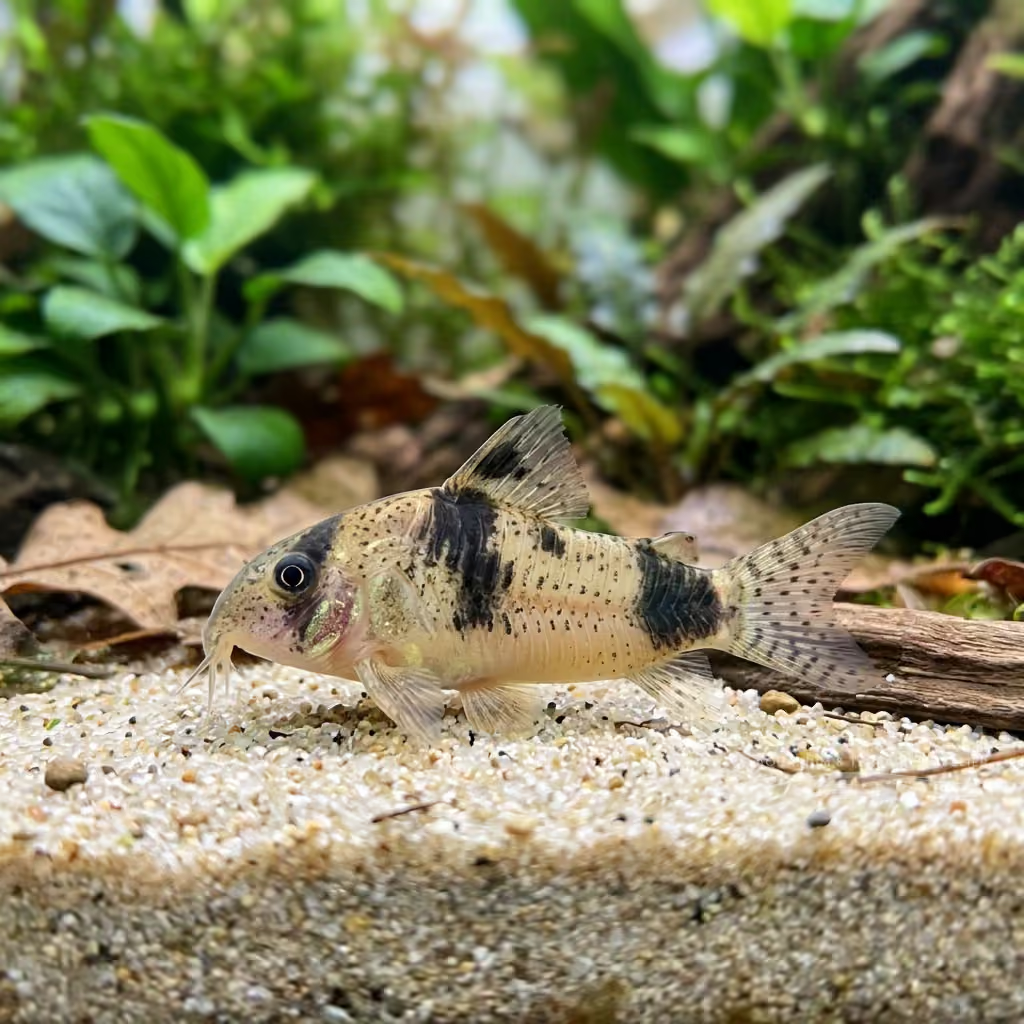
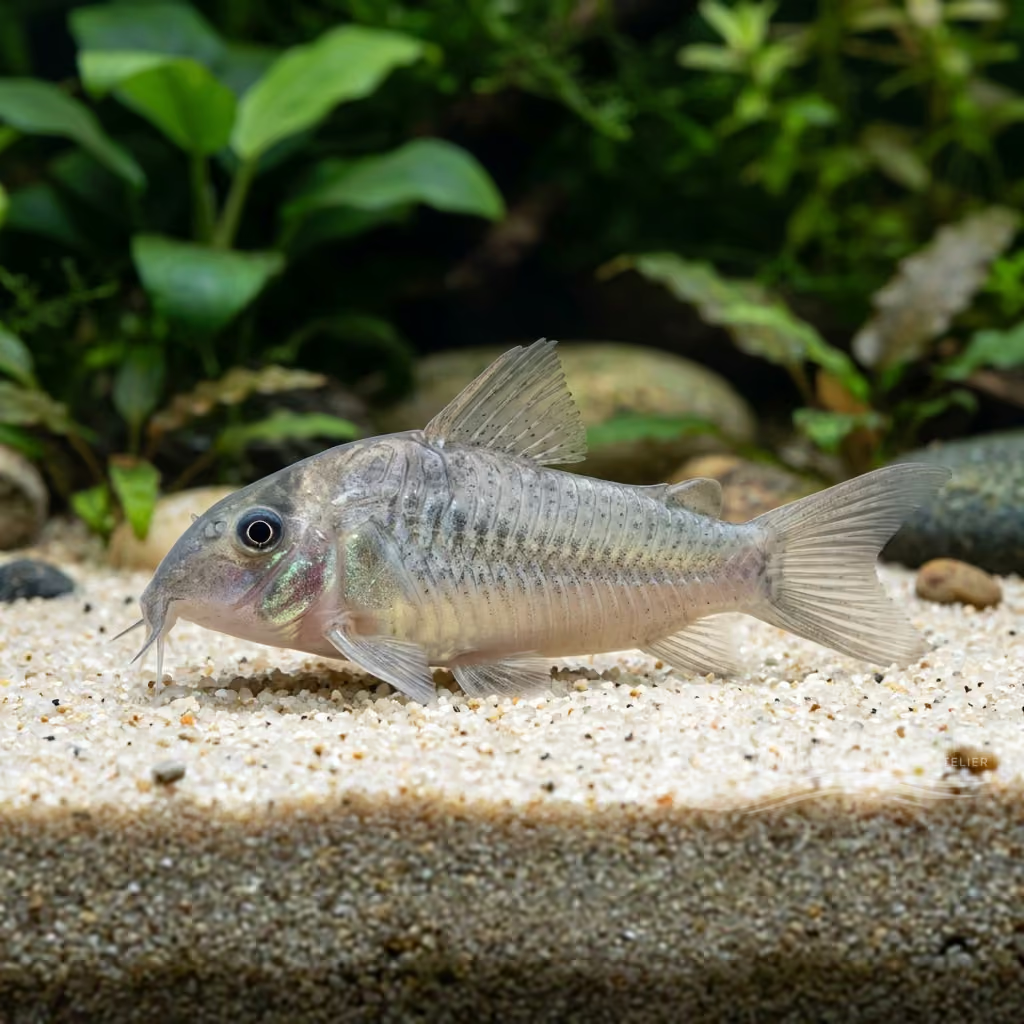
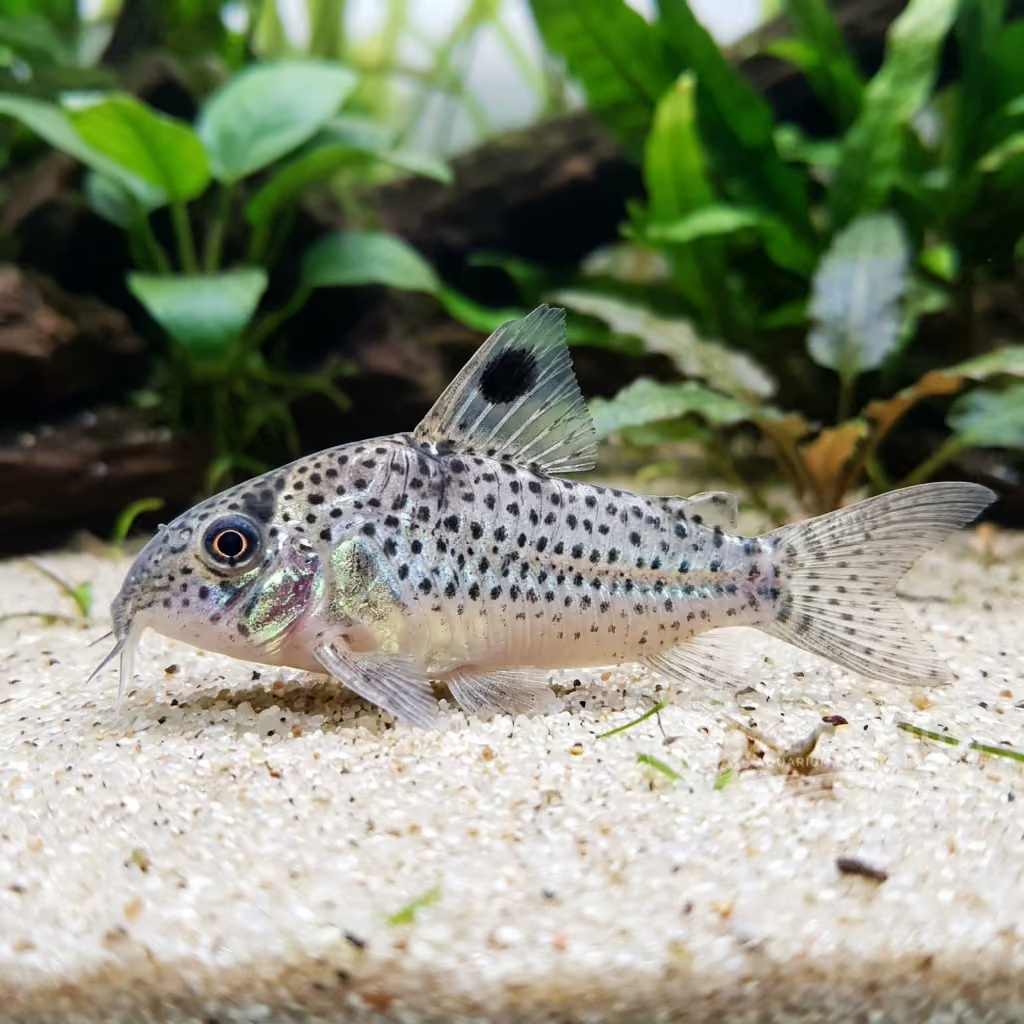
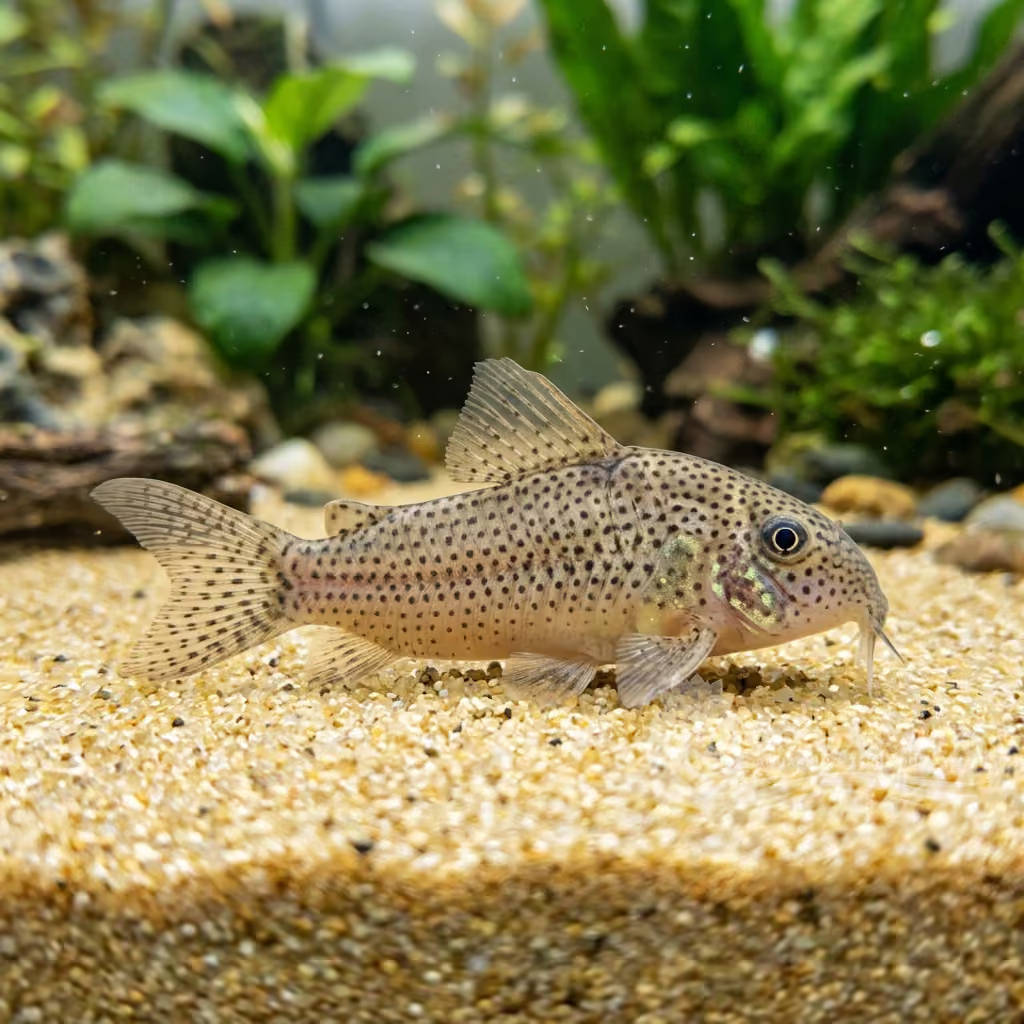
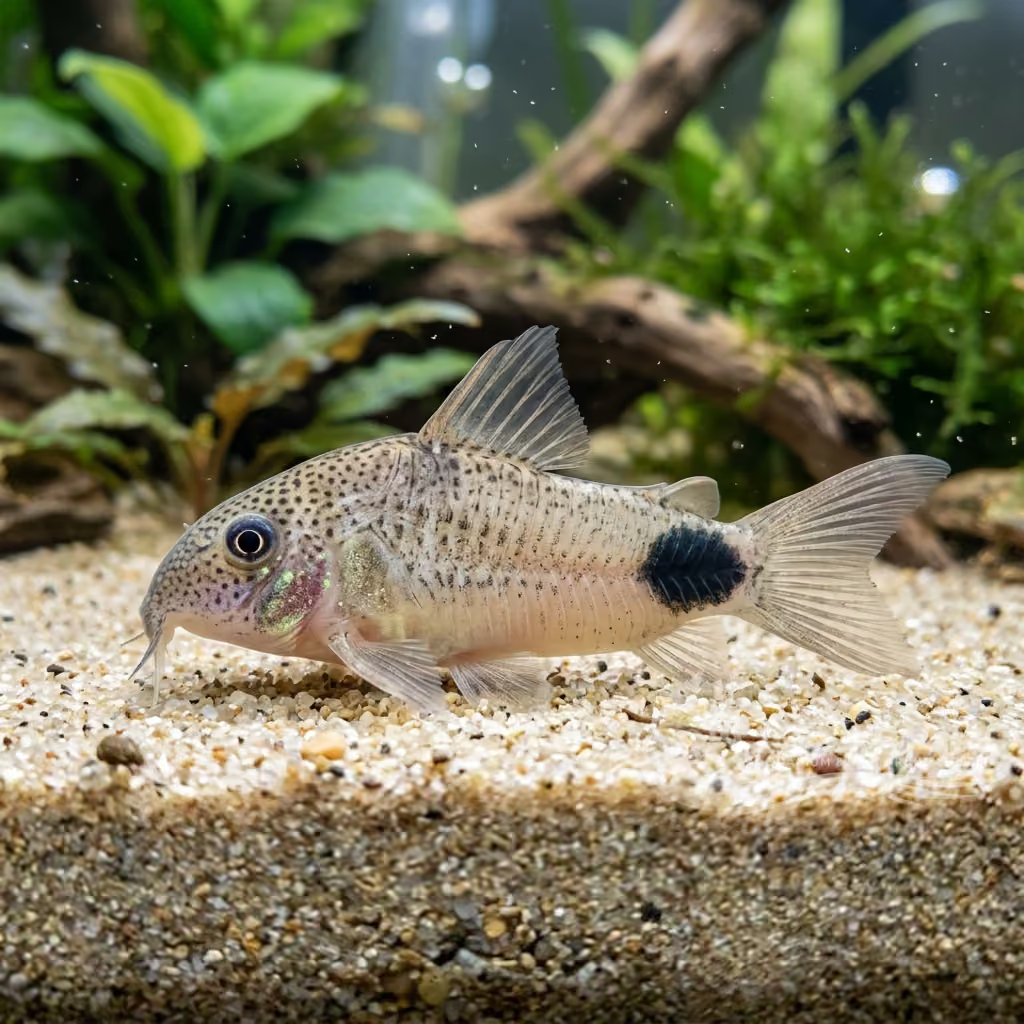
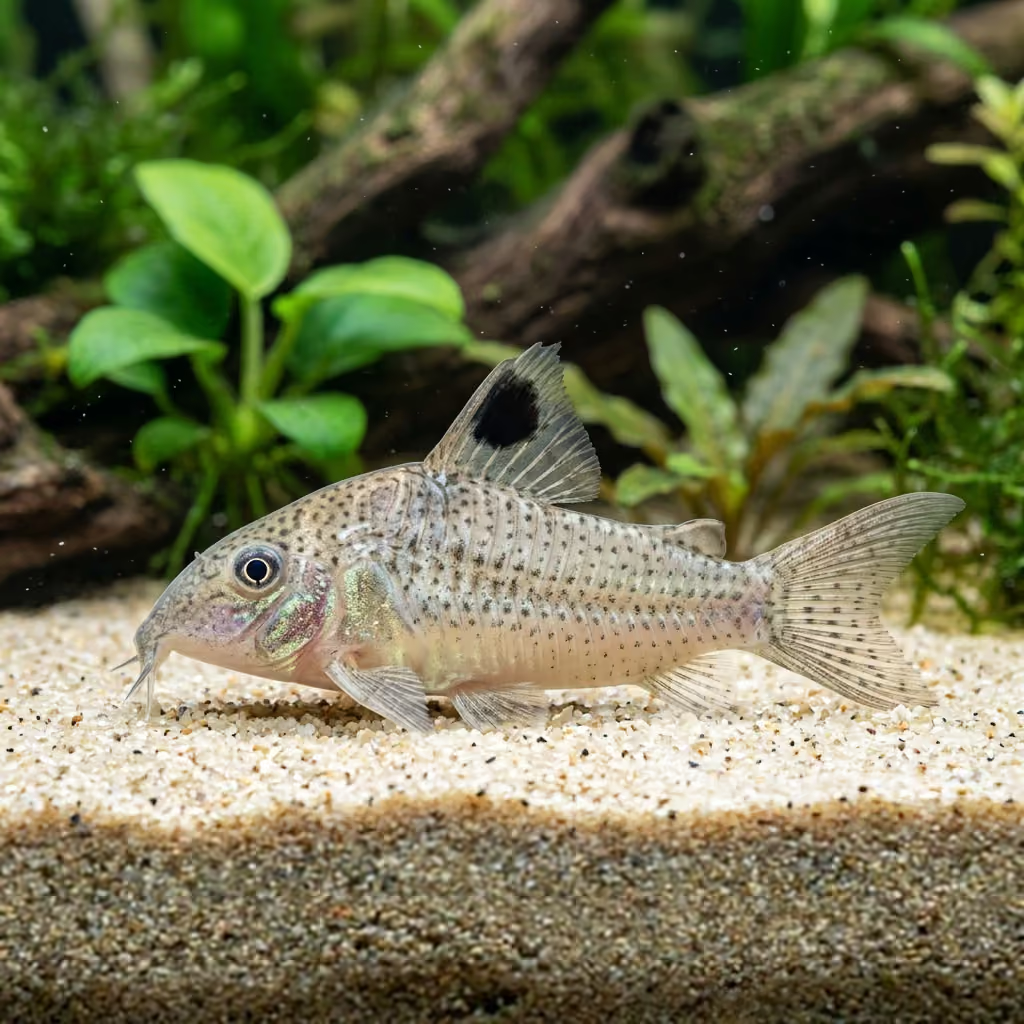
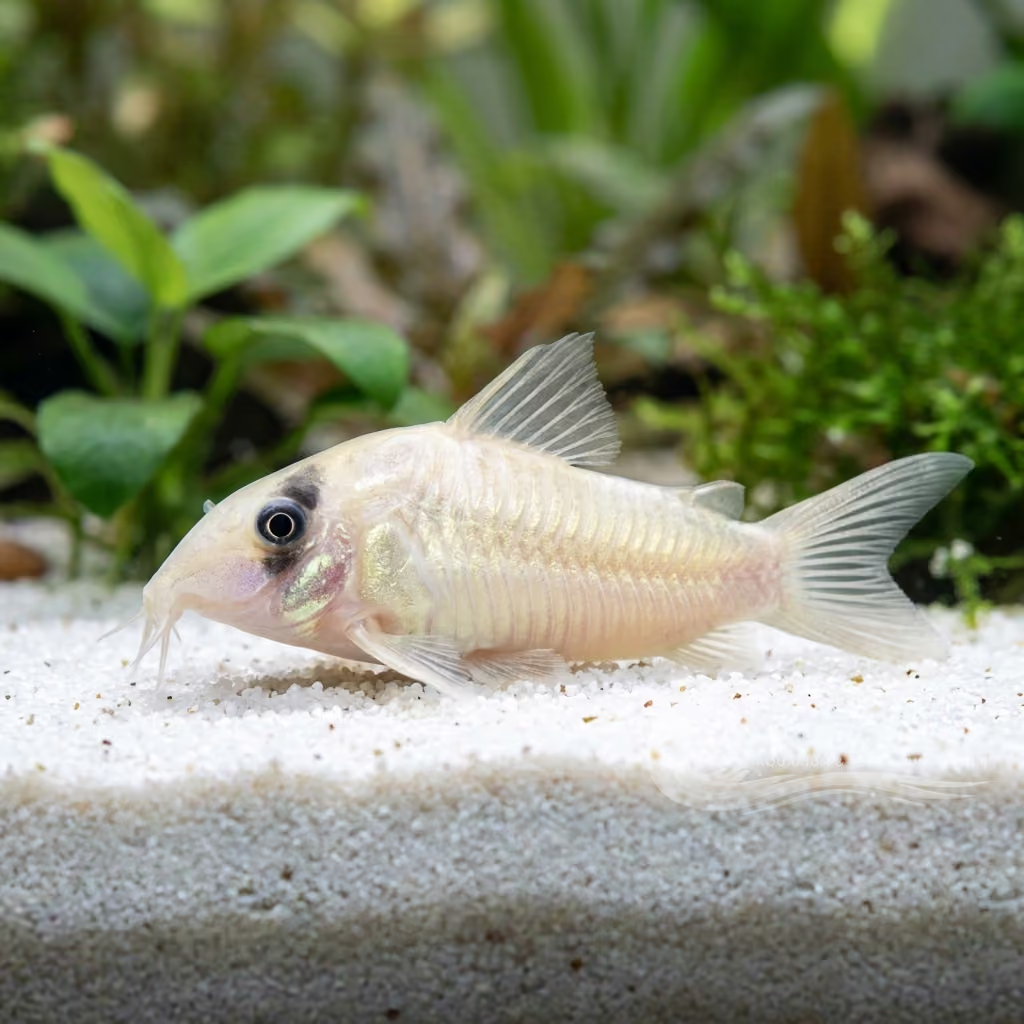
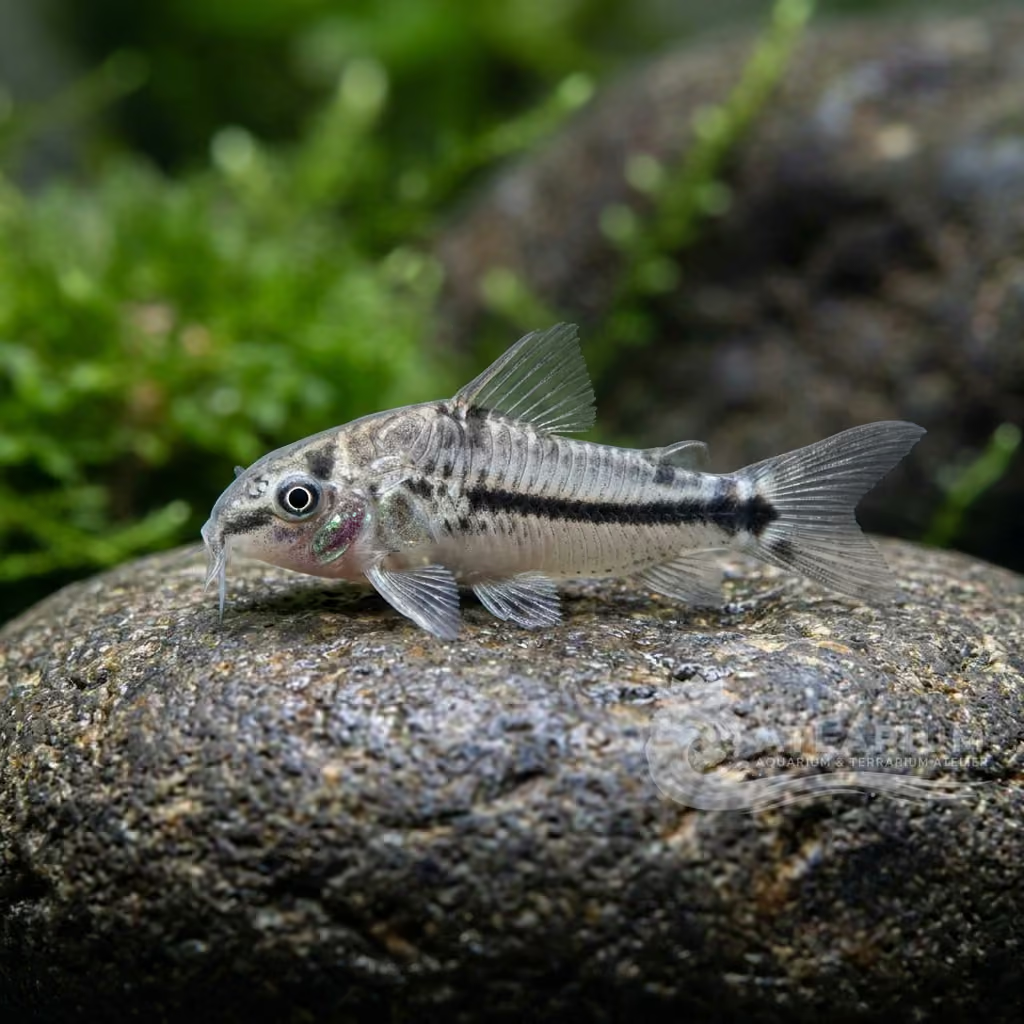
Coloration and Sexual Dimorphism: Colour and shape can vary with age, sex, physiological state and environmental conditions. Identification and sexing require recognized species-level characters; one appearance or photograph is not enough.

Cuidado, criação e companheiros de tanque
Aquarium Setup: Panda Cory needs an aquarium of at least 60 litres, sized for adult body size and a minimum group of 6 individuals. Filtration, shelter and swimming room must match the species and the actual number kept. Volume alone does not make an enclosure suitable: tank shape and length, usable area, oxygenation and the ability to separate territories must reflect adult behaviour.
Diet and Feeding: The recorded diet is omnivorous. Offer appropriately sized foods varied within that category, and adjust quantity and frequency from actual intake, body condition and leftovers. One food or a fixed schedule is not suitable for every age and situation.
Water Quality: Maintain stable, well-oxygenated water appropriate to a freshwater species; the card's reference values are 20–25 °C, pH 6–7.4. Verify conditions with reliable tests and size maintenance and filtration to the actual load. Ranges are not automatic thresholds for treatment or rapid chemical correction.
Compatibility and Cohabitation: The cohabitation profile is suitable for a compatible community, with a generally peaceful temperament. Keep at least 6 individuals; tankmates, stocking density and decor must allow escape, rest and feeding without excessive competition. Watch interactions especially during feeding, maturity and breeding. Persistent chasing, injury or exclusion from food requires a change in stocking or layout, or separation of the animals.
Aquarium Breeding: The recorded reproductive profile is “oviparity”. Breeding should be attempted only with healthy adults, separation capacity and a plan for eggs or young. Do not treat unverified triggers, sex ratios or hatch times as universal for this species.
Risks and Diseases: Prevent problems through quarantine of new arrivals, stable water, appropriate feeding and daily observation. Similar signs can have different causes, so check parameters, history and diagnosis before medication. Follow the product label and qualified aquatic-veterinary advice; there is no universal reduced dose for a species or family.

Origem e distribuição geográfica
A freshwater species; the enclosure should provide stability, oxygenation, space and shelter consistent with its behaviour without turning one habitat description into a mandatory recipe.
Origem
Amazônia, Orinoco e Guianas

Perfil de peixe
- Temperamento
- Peaceful
- Panda Cory has a generally peaceful temperament. Insufficient space, an unsuitable social ratio or incompatible tankmates can substantially change observed behaviour.
- Dieta
- Omnivore
- Hoplisoma panda are omnivorous bottom feeders that require a varied diet to thrive in captivity. A high-quality sinking pellet or wafer specifically formulated for bottom dwellers should form the staple of their daily meals. They also greatly benefit from regular offerings of live or frozen foods such as bloodworms, daphnia, and brine shrimp. It is important to ensure that food reaches the bottom before being consumed by mid-water fish so they do not go hungry.
- Expectativa de vida
- 5-10 years
- Tamanho adulto
- 5 cm
- Proporção sexual
- Group
- Panda Cory is social and should be kept in a group. The reference minimum is 6 individuals and must not be read as permission to overcrowd the aquarium.
- Frequência de alimentação
- Twice daily
- Feeding Hoplisoma panda one or two times a day is generally sufficient to maintain their health and vitality. Care should be taken to provide only what they can actively consume within three to five minutes to prevent water fouling. If kept in a community setup with aggressive surface feeders, it may be beneficial to feed them after lights out. Observing their belly fullness can help determine if the feeding frequency and amounts are appropriate.
- Carga biológica
- Low
- Hoplisoma panda produces a moderate bioload, making them excellent candidates for community tanks. Their efficient scavenging habits actually help maintain water quality by consuming uneaten food that would otherwise decay. Despite their modest size, a school of six or more does contribute somewhat to the tank's waste output. Regular water changes and adequate filtration are still necessary to keep the bioload manageable and nitrate levels low.
- Fluxo
- Strong
- This species prefers gentle to moderate water flow that mimics the slow-moving streams and tributaries of various South American river basins. Excessive flow can cause unnecessary stress and fatigue, as they are not built for constant swimming against strong currents. A well-placed sponge filter or a canister filter with a spray bar can provide the ideal balance of filtration and gentle water movement. Oxygenation remains important, so ensuring surface agitation without overpowering the bottom areas is key.
- Risco de salto
- No
- Reprodução
- Oviparous
- Breeding Hoplisoma panda can be achieved in a dedicated breeding setup with cool water changes used to trigger spawning behavior. The females are typically larger and more robust, scattering adhesive eggs onto broad-leaved plants, aquarium glass, or spawning mops. Once spawning is complete, the adult fish should be removed to prevent them from eating the eggs. The fry hatch after a few days and require very small live foods like microworms or freshly hatched brine shrimp.
- Compatibilidade e companheiros de tanque
- Community
- The cohabitation profile is suitable for a compatible community, with a generally peaceful temperament. Keep at least 6 individuals; tankmates, stocking density and decor must allow escape, rest and feeding without excessive competition. Watch interactions especially during feeding, maturity and breeding. Persistent chasing, injury or exclusion from food requires a change in stocking or layout, or separation of the animals.
- Nível do tanque
- Bottom
- Hoplisoma panda are strictly bottom dwellers, spending almost the entirety of their day sifting through the substrate in search of food. They require a soft, sandy substrate to prevent damage to their delicate barbels, which are essential for sensing their environment. While they occasionally dart to the surface to take in a breath of atmospheric air, they immediately return to the bottom. Decor elements like caves, driftwood, and low-lying plants provide them with much-needed resting spots.

Modelos e parâmetros científicos
FishBase
Acesso aos dados científicos oficiais da espécie
FishBase v25.04Dados sincronizados em: 15/06/2026
- Nível trófico
- 3 ± 0,4 se
- Resiliência
- Alta (menos de 15 meses)
- Unicidade filogenética (PD50)
- 0.5
- Relação bayesiana comprimento-peso
- a = 0.00741, b = 3.14
- VulnerabilidadeVulnerabilidade baixa (10 / 100)

Galeria de imagens
Imagens licenciadas vinculadas à espécie ou, quando marcadas, ao táxon representativo mais próximo.

Espécies relacionadas
Recomendações agrupadas por parentes próximos, escolhas de acompanhantes e cuidados semelhantes.