Uaru (Triangle Cichlid)
Uaru amphiacanthoides
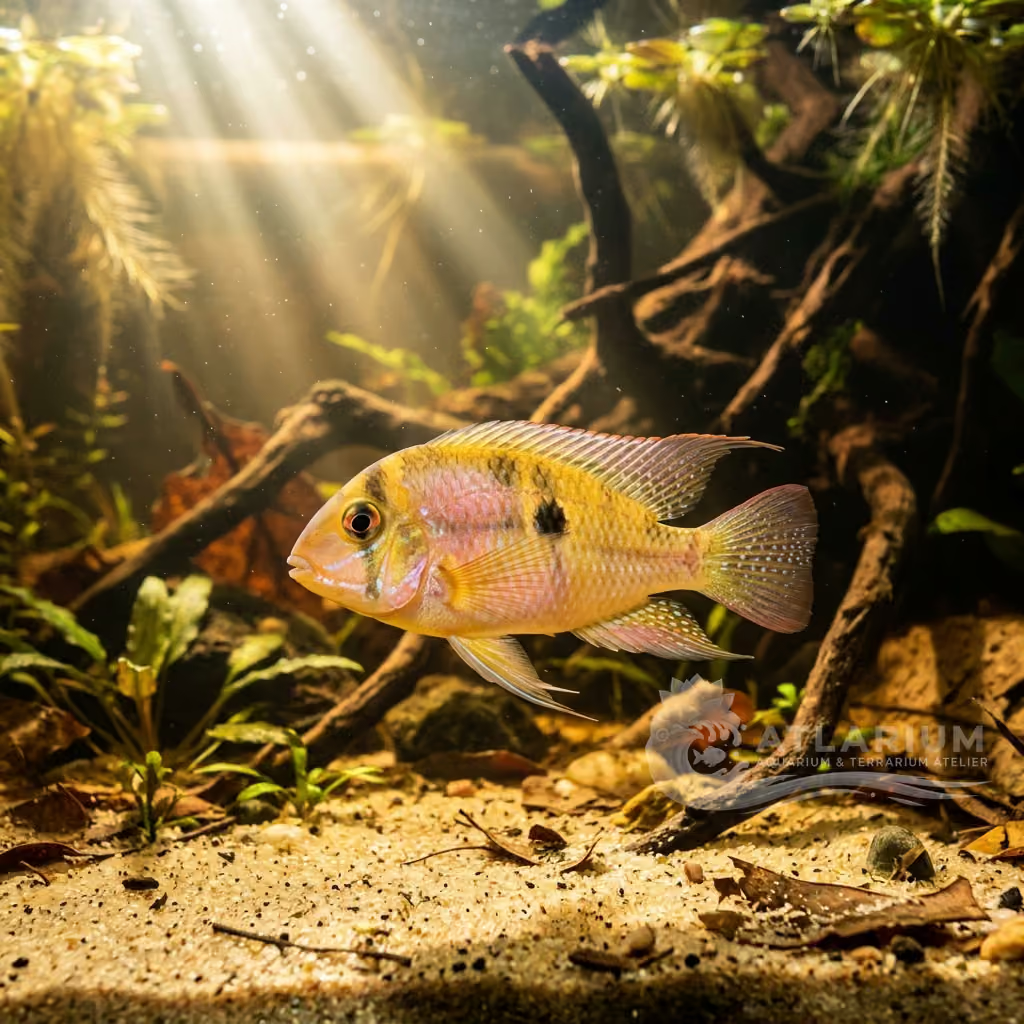
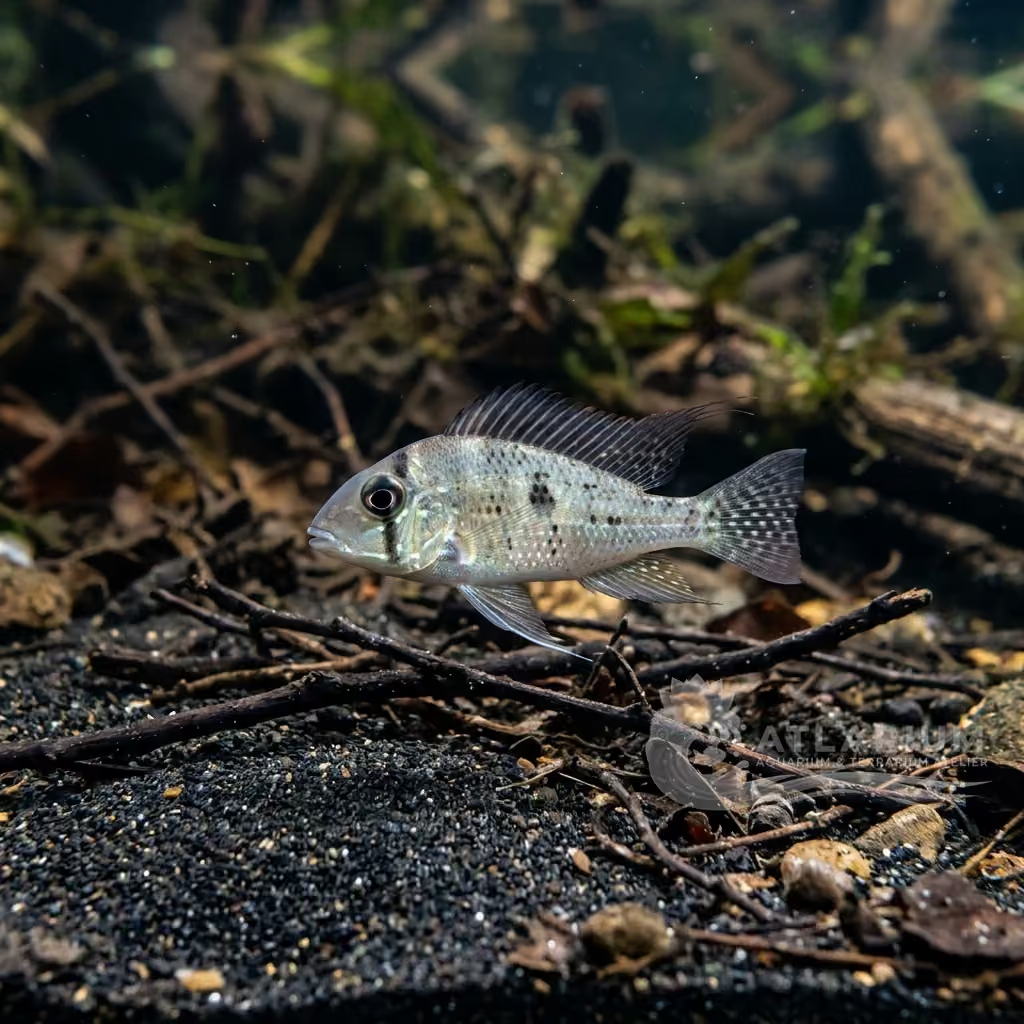
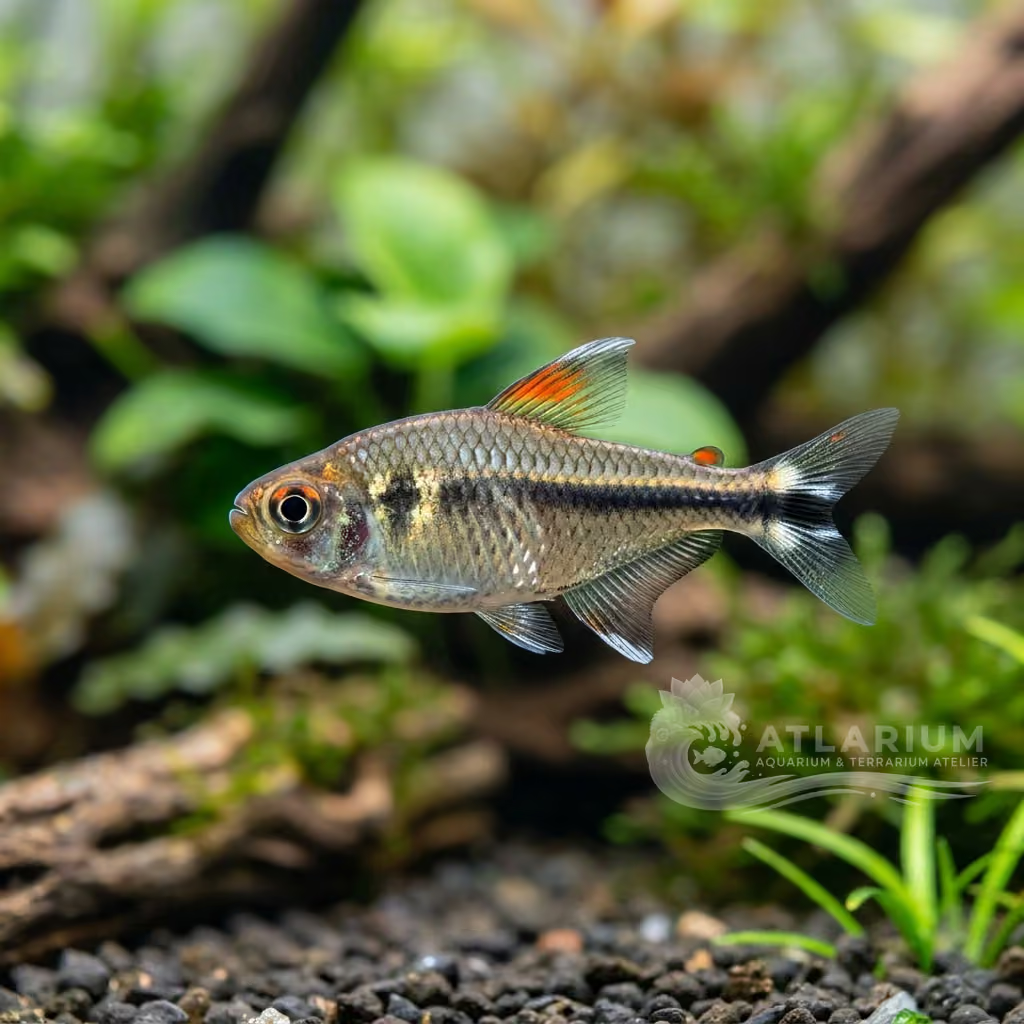
The Uaru amphiacanthoides is one of the most iconic and unusual South American cichlids, celebrated by connoisseurs and often avoided by beginners due to its unconventional appearance and specialized care. It possesses a massive oval body (up to 25-30 cm / 10-12 inches) of a sand or umber brown color, furrowed in the center by a gigantic and unique ink-black wedge-shaped spot, with piercing orange-gold eyes. Considered one of the most 'intelligent' cichlids ever (second only to the Oscar), the Uaru is famous for its melancholy gaze and surprisingly peaceful and shy temperament, combined with a strictly herbivorous biology.
27 - 30 °C
5 - 7
Eau douce
Fond et milieu
25 cm
>= 400 L
>= 4
1 - 8 dGH
1 - 4 dKH
25 - 160 ppm
39 - 250 uS/cm

Description de l'espèce

Soins, reproduction et cohabitation

Origine et répartition géographiques
Origine

Profil de poisson
- Tempérament
- Peaceful
- They are quite intelligent, relatively peaceful, and can become very responsive to their owners. While mildly territorial during breeding, they lack the extreme aggression seen in many other large cichlids. They form strong bonds with their mates and exhibit highly social behavior when kept in groups.
- Régime alimentaire
- Herbivore
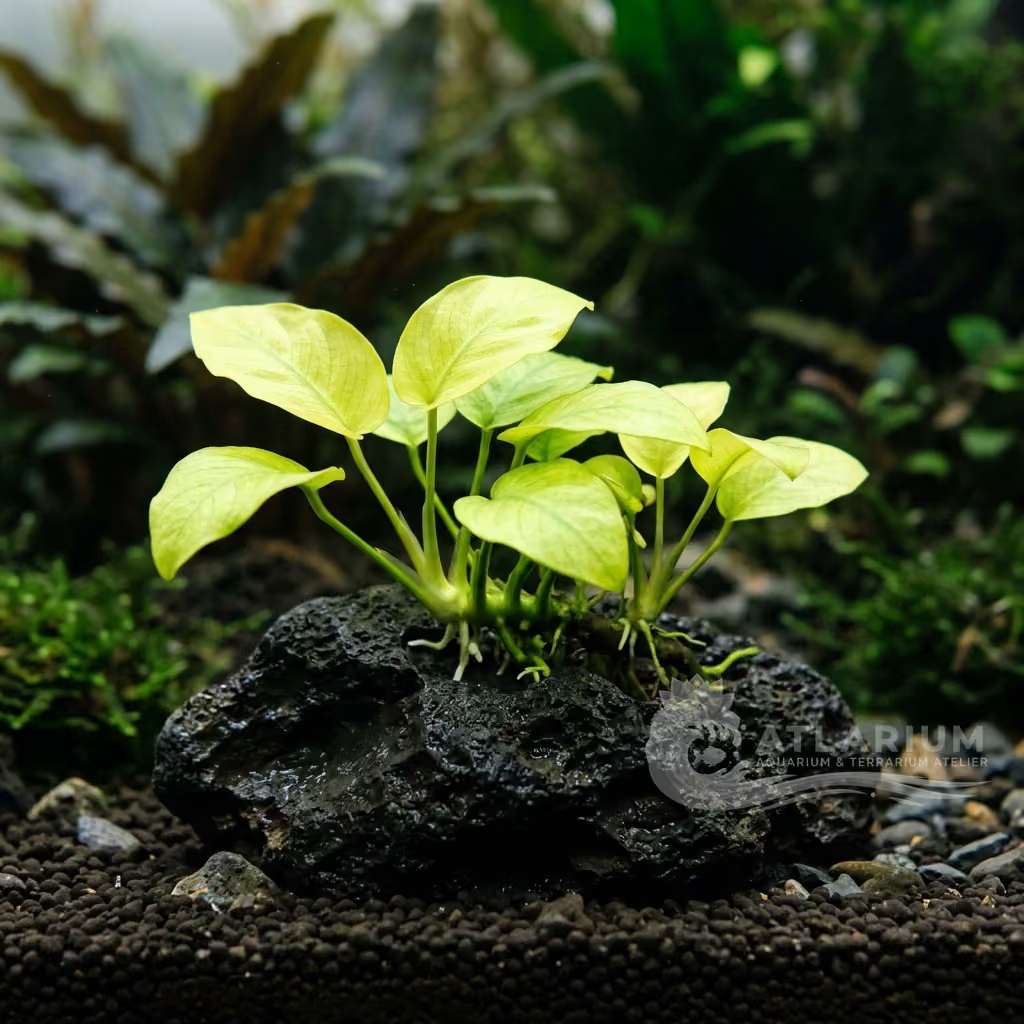
- They are largely herbivorous in the wild, favoring aquatic plants, fruits, and soft wood. In the aquarium, they will rapidly consume any live plants, making planted tanks nearly impossible. Their diet should consist of high-quality cichlid pellets, blanched vegetables, and occasional protein treats like bloodworms or shrimp.
- Espérance de vie
- 8-15 years
- Taille adulte
- 25 cm
- Ratio des sexes
- School
- They are nearly impossible to sex outside of spawning behavior. Purchasing a group of juveniles and allowing them to pair off naturally is the most reliable method for obtaining a breeding pair. Unpaired adults can usually be kept together without severe aggression, provided the tank is sufficiently large.
- Fréquence d'alimentation
- Continuous
- Adult Uaru should be fed once or twice a day with large, sinking pellets and vegetable matter. Providing romaine lettuce, zucchini, or cucumber provides excellent enrichment and aids their digestion. Young Uaru require more frequent feedings of higher protein foods to support their rapid growth phase.
- Charge biologique
- High
- These large, heavy-bodied cichlids produce a massive bioload that requires excellent filtration. As messy eaters and large waste producers, they demand rigorous maintenance routines. Frequent large water changes and powerful canister filters or sumps are essential to keep nitrates in check.
- Courant
- Stagnant
- They originate from the slow-moving blackwater rivers and flooded forests of South America. They prefer a moderate flow that keeps the water clean without creating a raging torrent. Providing areas of calmer water behind large pieces of driftwood allows them to rest comfortably.
- Risque de saut
- No
- Reproduction
- Oviparous
- Breeding is notoriously difficult, requiring extremely soft, highly acidic water. They are biparental substrate spawners that display a remarkable breeding adaptation where fry feed on their parents' body mucus. This unique behavior mimics Discus and makes raising the fry without the parents exceedingly difficult.
- Compatibilité et compagnons
- Aggressive
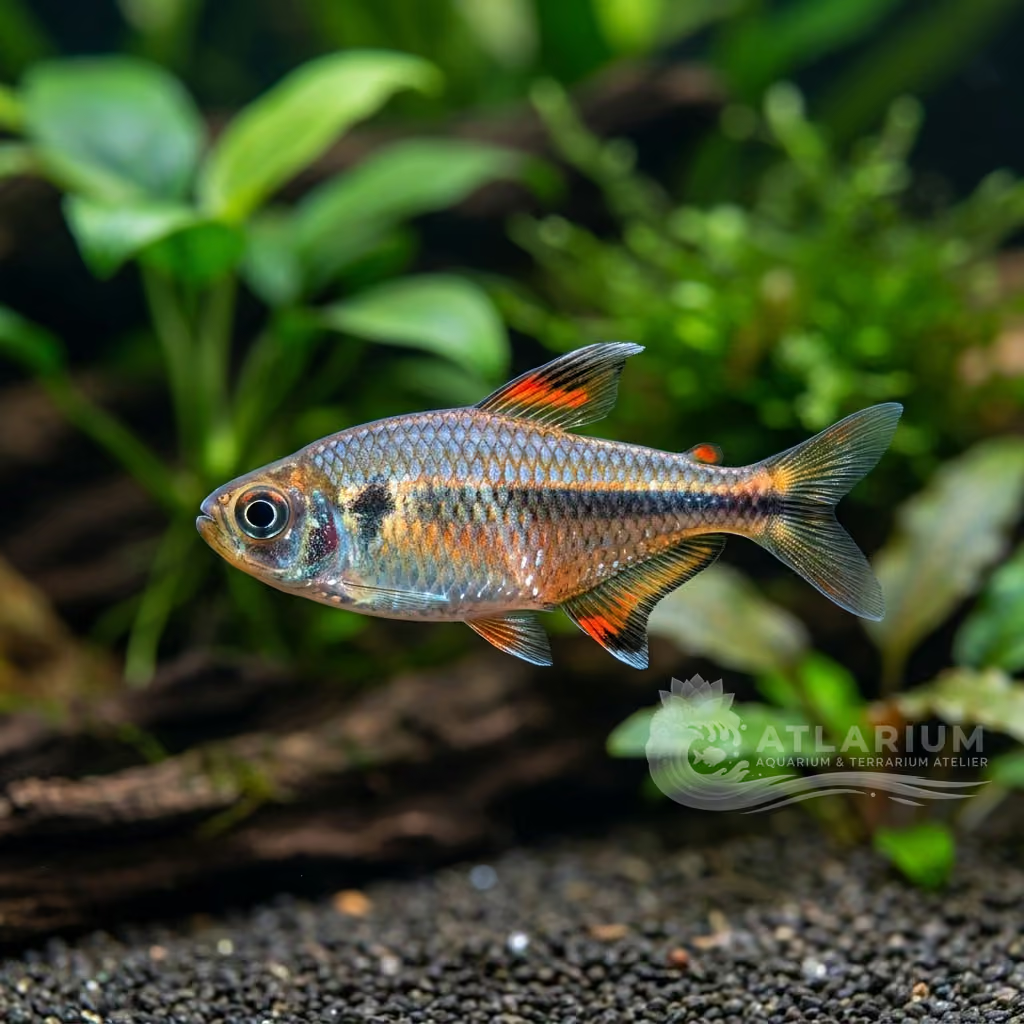
- They are generally peaceful for a large cichlid, especially when kept with similarly sized, robust companions. They should be housed with peaceful South American cichlids, large characins, or plecos. They will, however, readily consume any fish small enough to fit into their mouths.
- Niveau dans le bac
- Middle/Bottom
- They generally inhabit the middle and lower levels of the aquarium. They enjoy picking at driftwood and foraging along the substrate for fallen food. A tall tank with plenty of vertical swimming space accommodates their deep-bodied profile nicely.

Modèles et paramètres scientifiques
Fenêtre sur les données scientifiques officielles de l’espèce
- Niveau trophique
- 2,8 ± 0,26 se
- Résilience
- Moyenne (1,4 - 4,4 ans)
- Singularité phylogénétique (PD50)
- 0.75
- Relation bayésienne longueur-poids
- a = 0.03467, b = 3.05
- VulnérabilitéVulnérabilité faible (21 / 100)

Espèces associées
Recommandations regroupées par proches parents, compagnons et soins similaires.