Threadfin Acara
Acarichthys heckelii
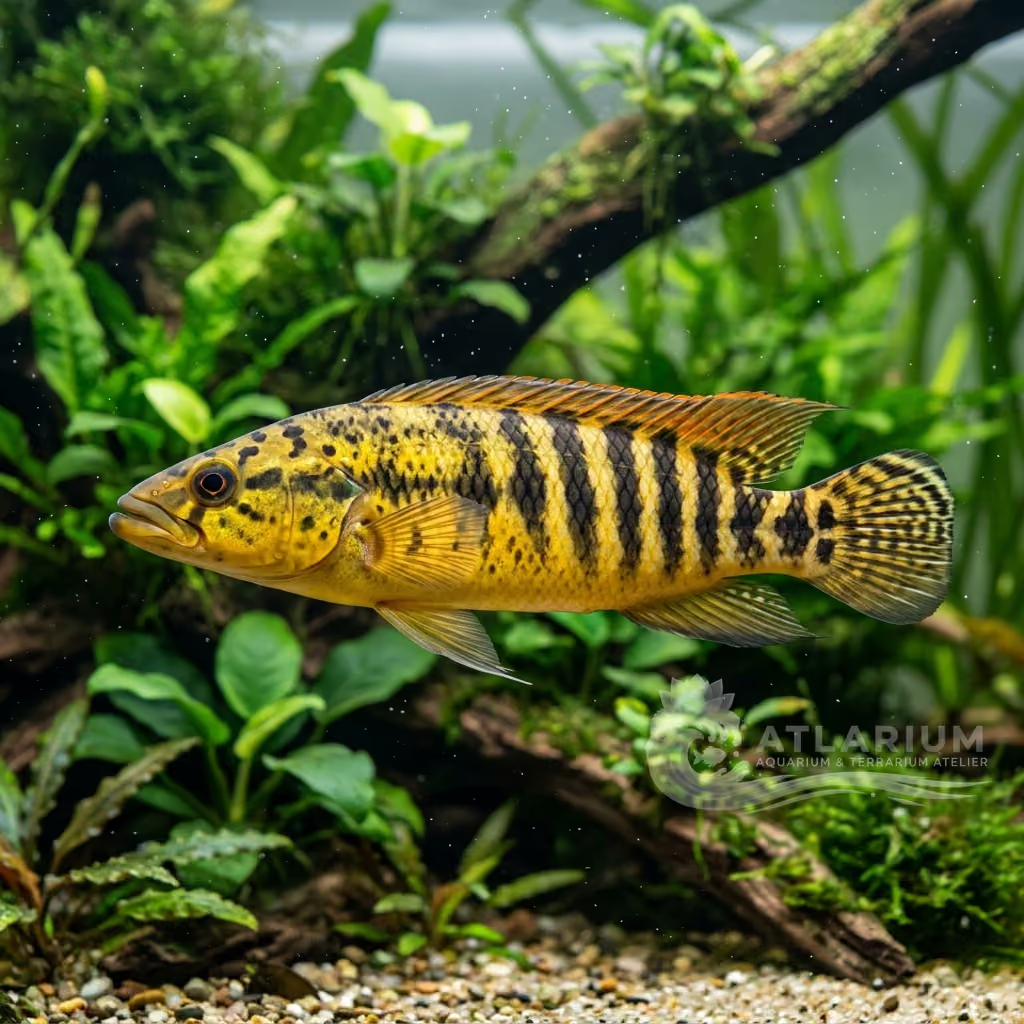
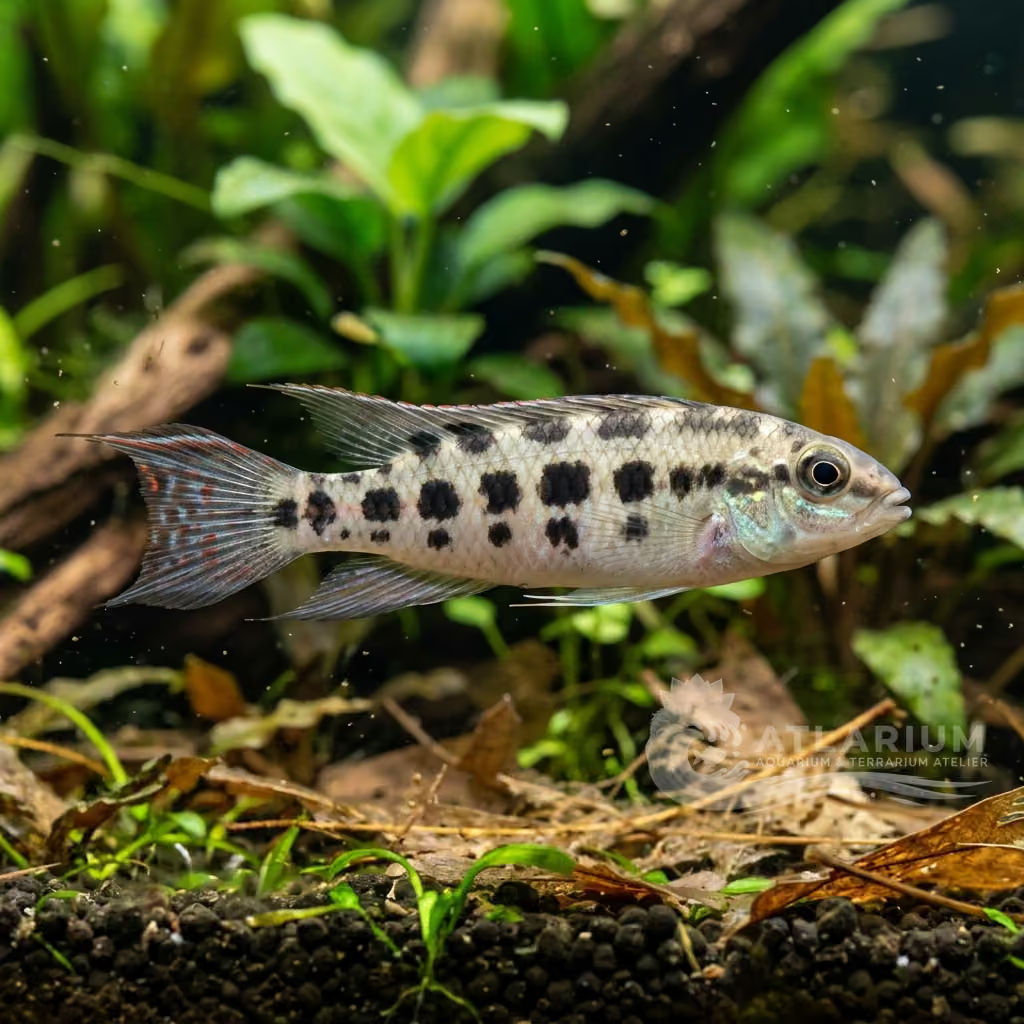
The magnificent 'Threadfin Acara' (20 cm). A peaceful and aristocratically elegant rooting cichlid. Its crown is the dorsal fin: it produces exceptionally long bright red and black filaments that wave like silk ribbons.
Température de l’eau
25 - 30 °C
Valeur du pH
6 - 7.2
Type d'eau
Eau douce
Niveau dans le bac
Fond et milieu
Taille adulte
20 cm
Volume minimal du bac
>= 30 L
Groupe minimal
>= 1
GH
2 - 10 dGH
KH
1 - 5 dKH
TDS
40 - 200 ppm
Conductivité
63 - 313 uS/cm

Description de l'espèce
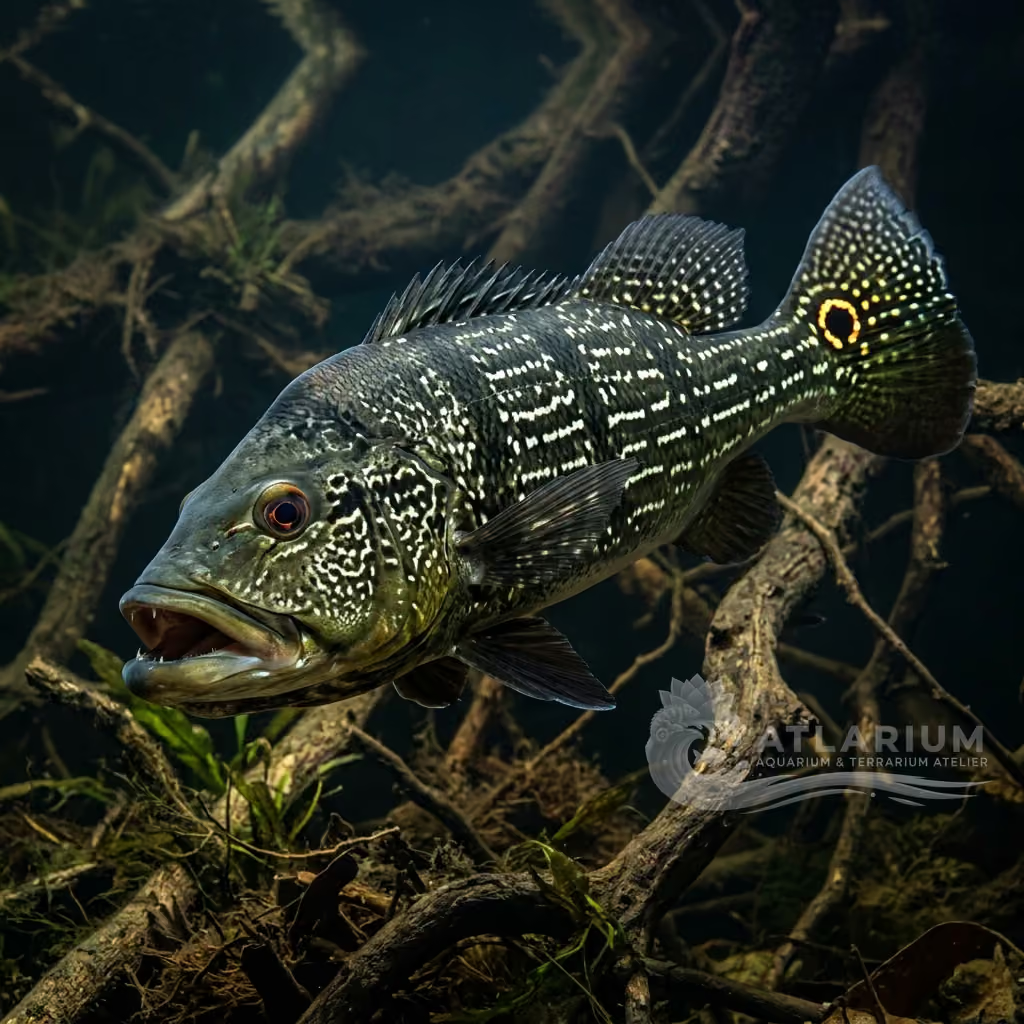
Geographical Origin and Habitat: South America (Amazon River basin, Essequibo and Trombetas). Prefers calm and muddy/sandy banks covered with sunken foliage and branches ("blackwater" and slow rivers), where the water is warm and oxygen is stable.
Taxonomy and Morphology: Thread-finned Acara (Acarichthys heckelii). A very particular Cichlid, a taxonomic bridge between Geophagus and Acara. Laterally compressed body. The dorsal and caudal fins possess extraordinarily long filamentous extensions ("Thread-finned").
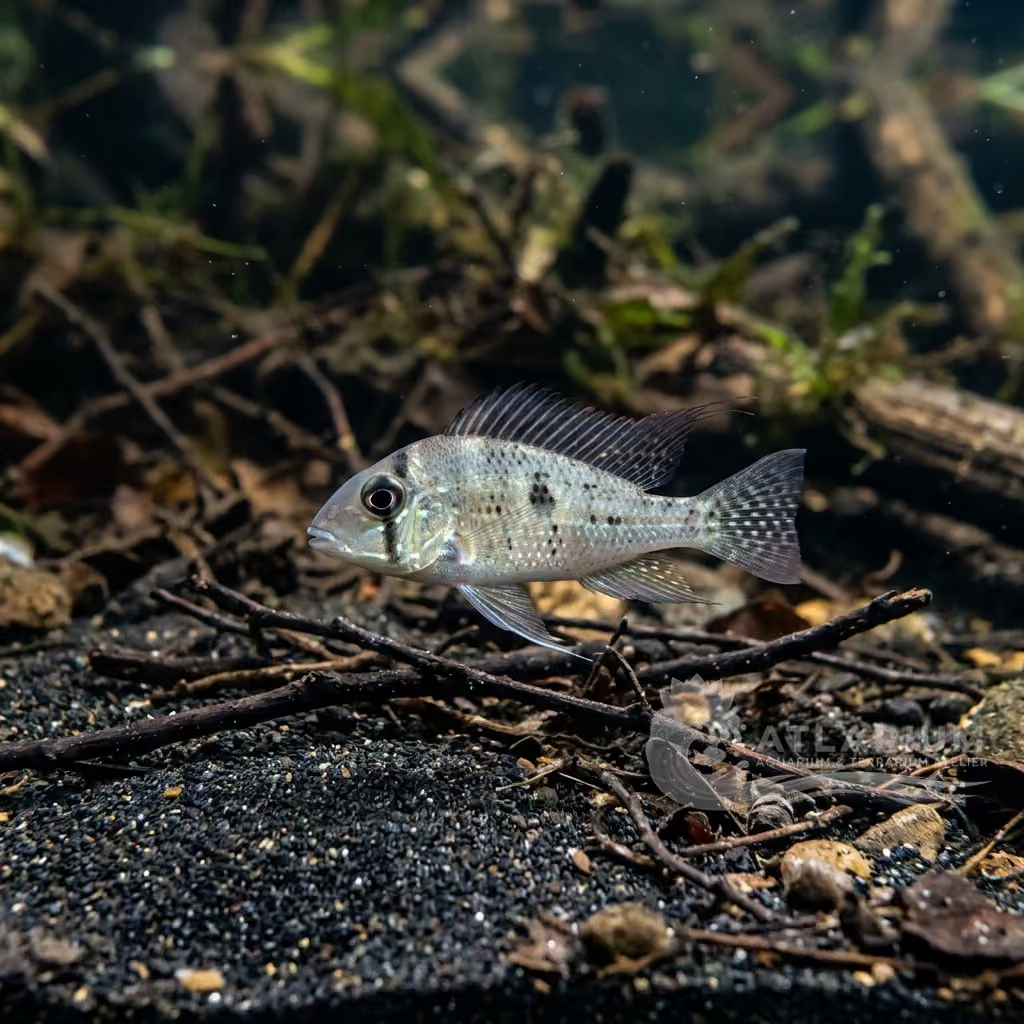
Social Behavior: Peculiar peaceful but gregarious nature when young, becomes territorial in adulthood (especially during reproduction). It is an atypical "Earth-eater": it chews the bottom expelling the sand from its gills to sift for food.
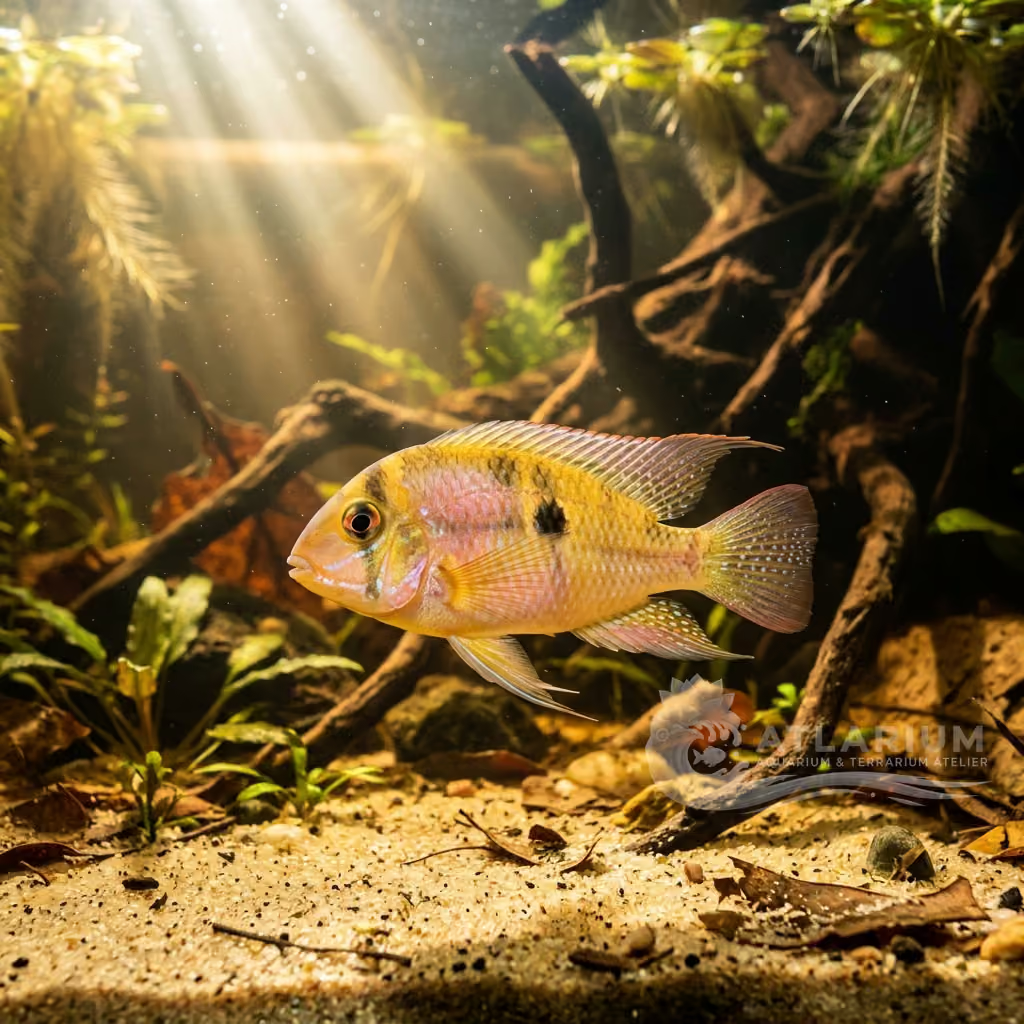
Coloration and Sexual Dimorphism: Incredibly reflective: blue-gray / golden base, sprinkled with iridescent red, blue and green scales. A showy vertical black stripe or spot crosses the flank and the eye. Males slightly larger with more extensive red and blue filaments on the fins.

Soins, reproduction et cohabitation
Aquarium Setup: Minimum 120 cm (48 inches) for a small group. STRICTLY a 5-8 cm (2-3 inches) thick layer of very fine sand (not sharp quartz or gravel) to allow oro-branchial filtration ("sifting"). Large roots and foliage complete the layout. Will uproot delicate plants.
Diet and Feeding: Omnivorous detritivore. In nature it sifts micro-crustaceans from the bottom. Feed with balanced sinking pellets for Cichlids, frozen bloodworms, brine shrimp, daphnia and occasional pieces of zucchini and spirulina.
Water Quality: Requires very warm tropical waters (25-30°C / 77-86°F), soft and with a slightly acidic or neutral pH (6.0-7.2). The continuous stirring of the sand requires an excellent pre-filter or fine-mesh sponges to safeguard the external filter impeller.
Compatibility and Cohabitation: Relatively calm for a medium South American cichlid. Excellent with large Tetras (Neons, Bleeding Heart), Severums, peaceful Corydoras. Avoid large or brutal Cichlids (Oscars, Red Terror) that would tear its fragile fins.
Aquarium Breeding: Complex but fascinating. In nature they dig tunnels or holes under the sand up to half a meter long! In the tank, by providing semi-buried terracotta pots (tunnels), the pair will lay eggs hanging from the ceiling ("cave-spawner"), tenaciously protecting them.
Risks and Diseases: The extensive filamentous fins are magnets for the biting of other fish (fin nipping). Sharp sand will irremediably devastate the mouthparts and gills, leading to fatal necrosis.

Origine et répartition géographiques
South America (Amazon River basin, Essequibo and Trombetas). Prefers calm and muddy/sandy banks covered with sunken foliage and branches ("blackwater" and slow rivers), where the water is warm and oxygen is stable.
Origine
Amazonie, Orénoque et Guyanes

Profil de poisson
- Tempérament
- Semi-aggressive
- Overall, the Threadfin Acara is a relatively peaceful cichlid that behaves well toward unrelated fish species that are too large to be considered food. However, they can exhibit unpredictable and severe intraspecific aggression toward members of their own kind, particularly if space is limited. Dominant males are known to chase and harass submissive individuals, making tank size and group size crucial factors for success. During spawning, pairs will defend their chosen nesting cave vigorously, though they remain generally tolerant of other community members.
- Régime alimentaire
- Omnivore
- This species is an omnivore that feeds on small invertebrates, organic detritus, and plant matter in its natural habitat. In the home aquarium, they should be offered a diverse diet that includes high-quality sinking pellets, supplemented with live or frozen foods such as bloodworms, brine shrimp, and Mysis shrimp. Including some vegetable matter, like Spirulina-infused foods or blanched spinach, is also important to support their digestive health and bring out their colors. Since they feed primarily in the midwater column, they prefer slow-sinking foods rather than floating flakes or fast-sinking bottom wafers.
- Espérance de vie
- 8-10 years
- Taille adulte
- 20 cm
- Ratio des sexes
- Group
- While a compatible, bonded pair can be kept in a very large aquarium, it is highly recommended to stock this species in groups of five or more to disperse intraspecific aggression. In small groups or cramped tanks, dominant individuals can become extremely territorial and relentlessly bully weaker fish, sometimes leading to fatalities. A spacious setup with plenty of visual barriers helps reduce these disputes by allowing each fish to establish its own territory. Maintaining a harem with a single male and multiple females is also a successful strategy to prevent aggressive male-to-male interactions.
- Fréquence d'alimentation
- Twice daily
- To support their active metabolism and encourage healthy growth, juvenile Threadfin Acaras should be fed two to three times a day in small, manageable portions. For adult specimens, feeding once or twice daily is sufficient to keep them in excellent condition. It is important to feed only the amount they can fully consume within a few minutes to avoid excess food decaying on the substrate and polluting the water. Rotating different types of food throughout the week will ensure they receive a balanced range of nutrients.
- Charge biologique
- Medium to High
- Acarichthys heckelii is a medium-to-large cichlid that produces a significant amount of biological waste, requiring robust and high-capacity filtration. This species is highly sensitive to the accumulation of organic compounds and sudden shifts in water chemistry, meaning that high-performance canister filters or sump systems are essential. Weekly water changes of 50% to 70% are strongly recommended to keep nitrate levels at an absolute minimum. Mechanical filtration must be carefully configured to capture fine sand particles kicked up by their constant digging, preventing damage to the filter impeller.
- Courant
- Moderate
- This species is native to slow-moving river channels, quiet tributaries, and flooded savanna plains in the Amazon basin, meaning they prefer weak to moderate water currents in the aquarium. Strong, turbulent water flow should be avoided, as it can stress the fish and disrupt their natural swimming and digging behaviors. While high-volume filtration is necessary to keep the water clean, the filter outflows should be positioned to minimize direct currents. A gentle, steady circulation is ideal for distributing oxygen and heat evenly without exhaustively forcing the fish to struggle.
- Risque de saut
- Yes
- The Threadfin Acara is a powerful and agile swimmer that can easily leap out of the aquarium if startled, stressed, or chased by tankmates. Sudden territorial disputes or quick changes in room lighting can trigger panic flights, resulting in accidental jumps. For this reason, a tight-fitting, heavy lid is absolutely essential to prevent escapes and secure the enclosure. Incorporating floating plants and providing a gradual dimming system for the lights can also help reassure the fish and minimize jumping behavior.
- Reproduction
- Cave spawner
- Breeding the Threadfin Acara in captivity is considered a challenging task due to their complex spawning habits and aggressive nature. In their wild habitats, females excavate intricate burrows with multiple entrances and a main chamber where the eggs are deposited and guarded. In the aquarium, this unique behavior can be simulated by providing a large, upturned ceramic flowerpot with a small entry hole chipped into the side. To trigger courtship, hobbyists often perform large water changes and adjust temperatures slightly to mimic the onset of the natural rainy season.
- Compatibilité et compagnons
- Peaceful
- The Threadfin Acara is highly compatible with other large, peaceful fish species that thrive in similar warm, soft water conditions. Ideal tankmates include various Geophagus species, larger tetras, peaceful cichlids like Severums, and armored catfishes from the Doradidae and Loricariid families. Extremely aggressive or fin-nipping tankmates should be avoided, as they may damage the acara's delicate, trailing dorsal filaments. Small fish, tiny shrimp, and other bite-sized organisms should not be housed with them, as they will likely be treated as prey.
- Niveau dans le bac
- Middle/Bottom
- Unlike other Geophagine cichlids that spend nearly all of their time sifting sand directly on the substrate, the Threadfin Acara spends a significant portion of its day swimming in the middle water column. However, they still maintain a strong bond with the bottom of the tank, where they display their natural digging behavior and search for food. During the breeding season, their activity shifts almost entirely to the lower level of the aquarium, where they excavate complex nesting tunnels. Therefore, the ideal aquarium setup should provide ample open swimming space in the middle zones along with a soft, sandy substrate on the bottom.

Modèles et paramètres scientifiques
FishBase
Fenêtre sur les données scientifiques officielles de l’espèce
FishBase v25.04Données synchronisées le : 15/06/2026
- Niveau trophique
- 2,7 ± 0,28 se
- Résilience
- Élevée (moins de 15 mois)
- Singularité phylogénétique (PD50)
- 1
- Relation bayésienne longueur-poids
- a = 0.02951, b = 2.97
- VulnérabilitéVulnérabilité faible (14 / 100)

Espèces associées
Recommandations regroupées par proches parents, compagnons et soins similaires.