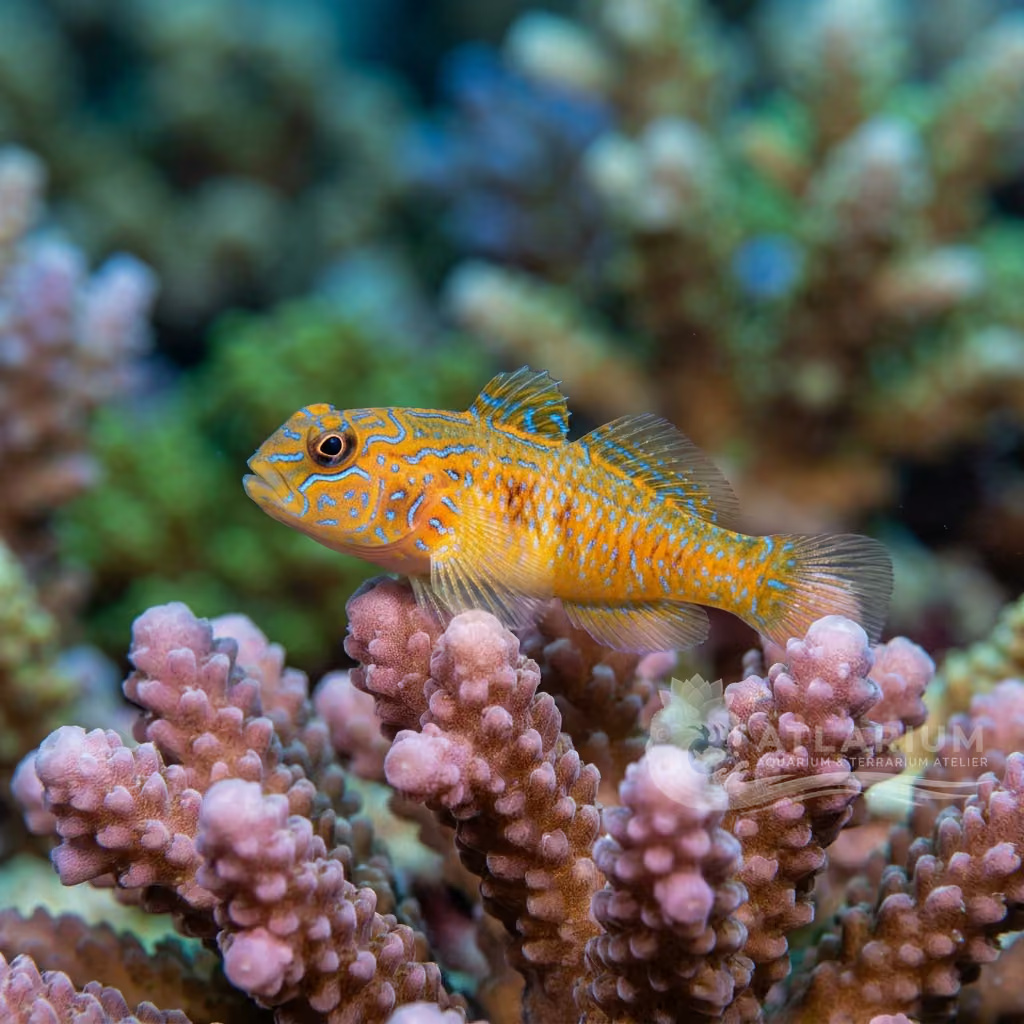
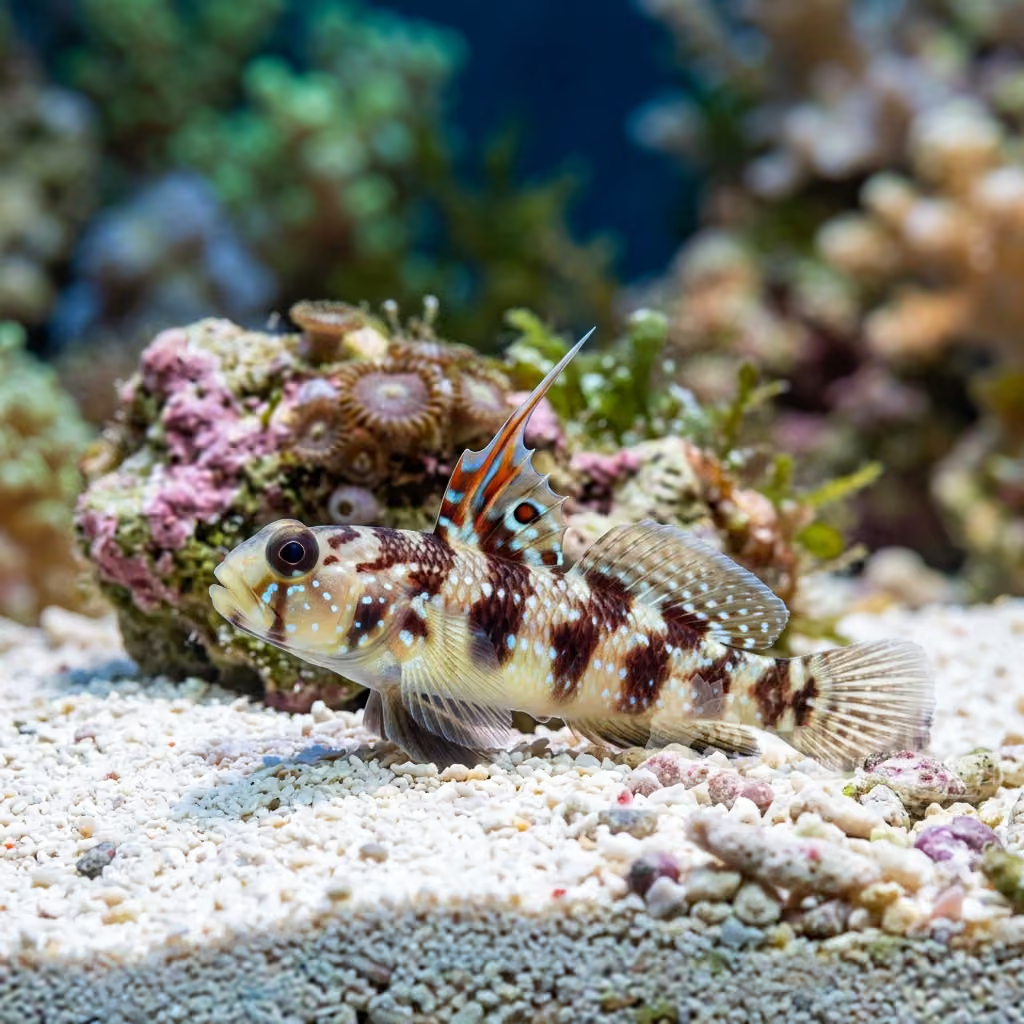
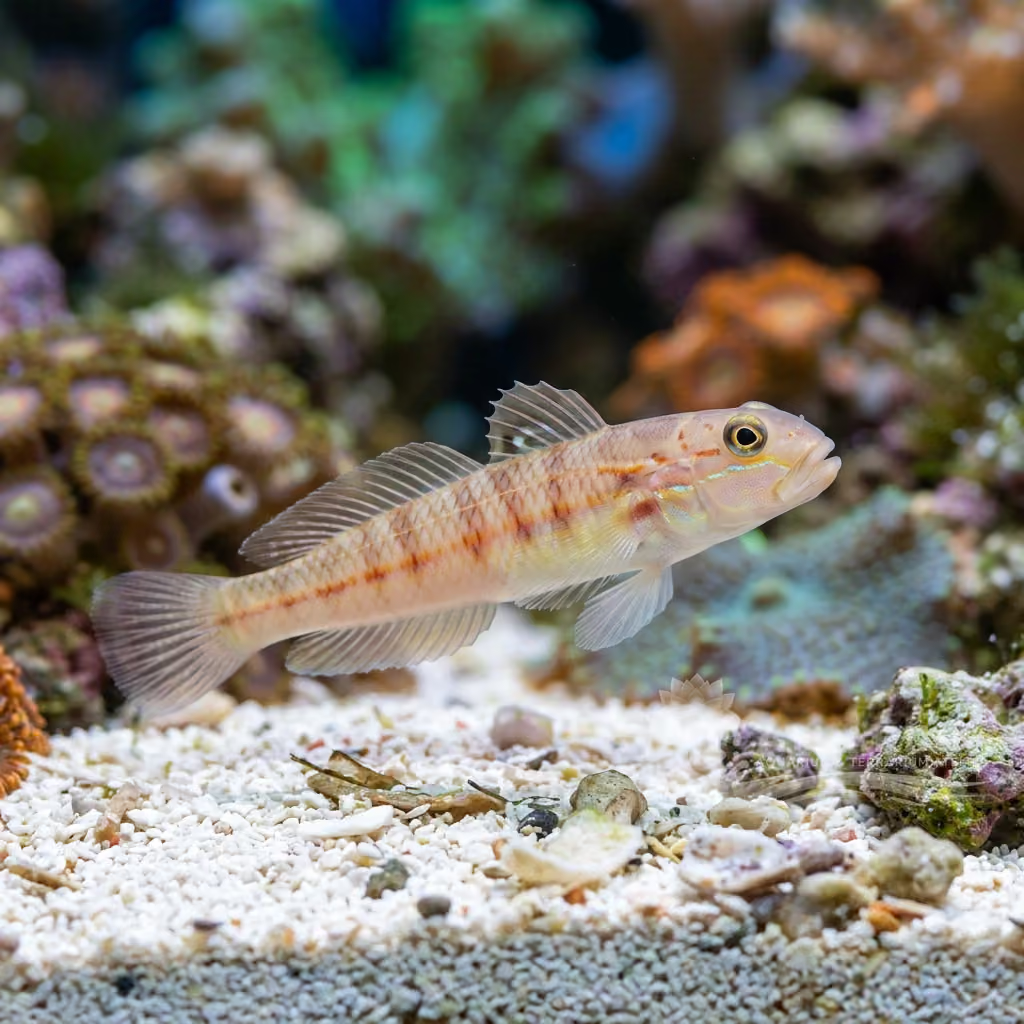
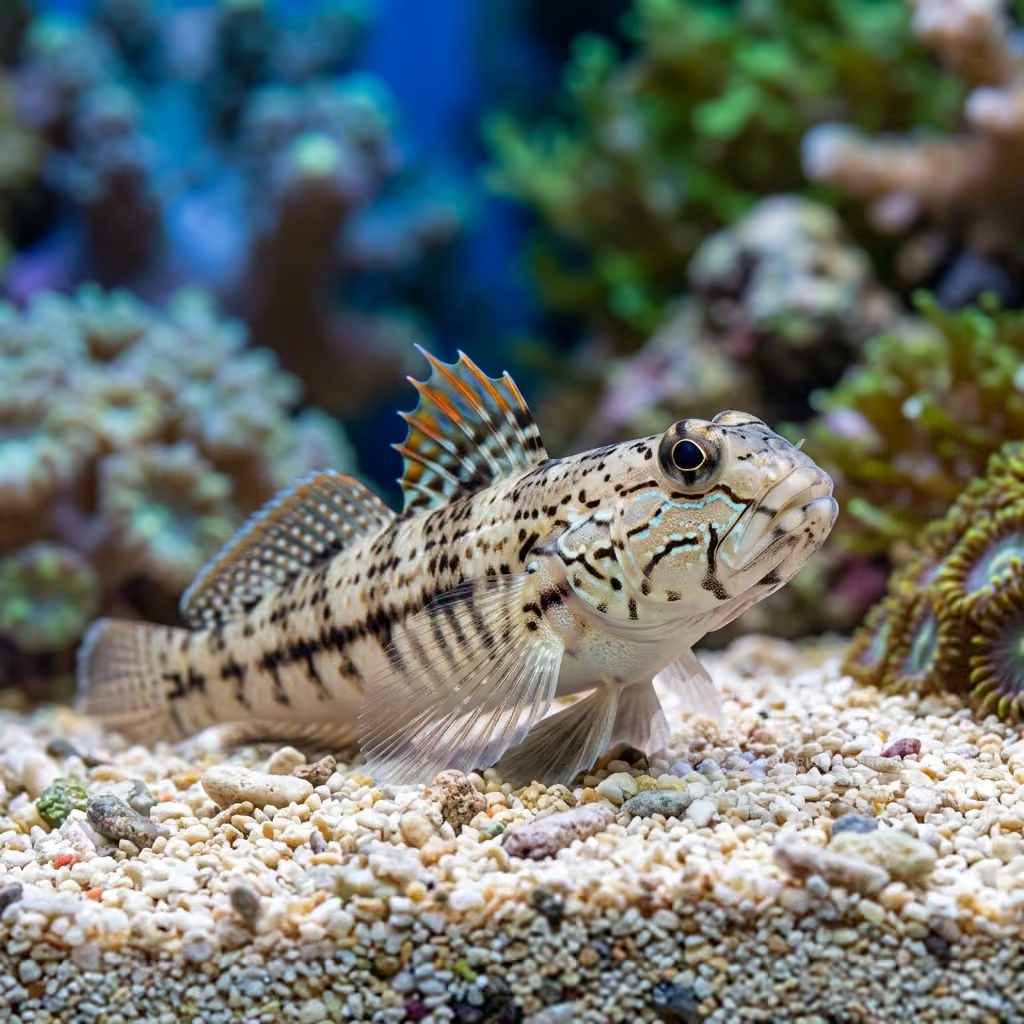
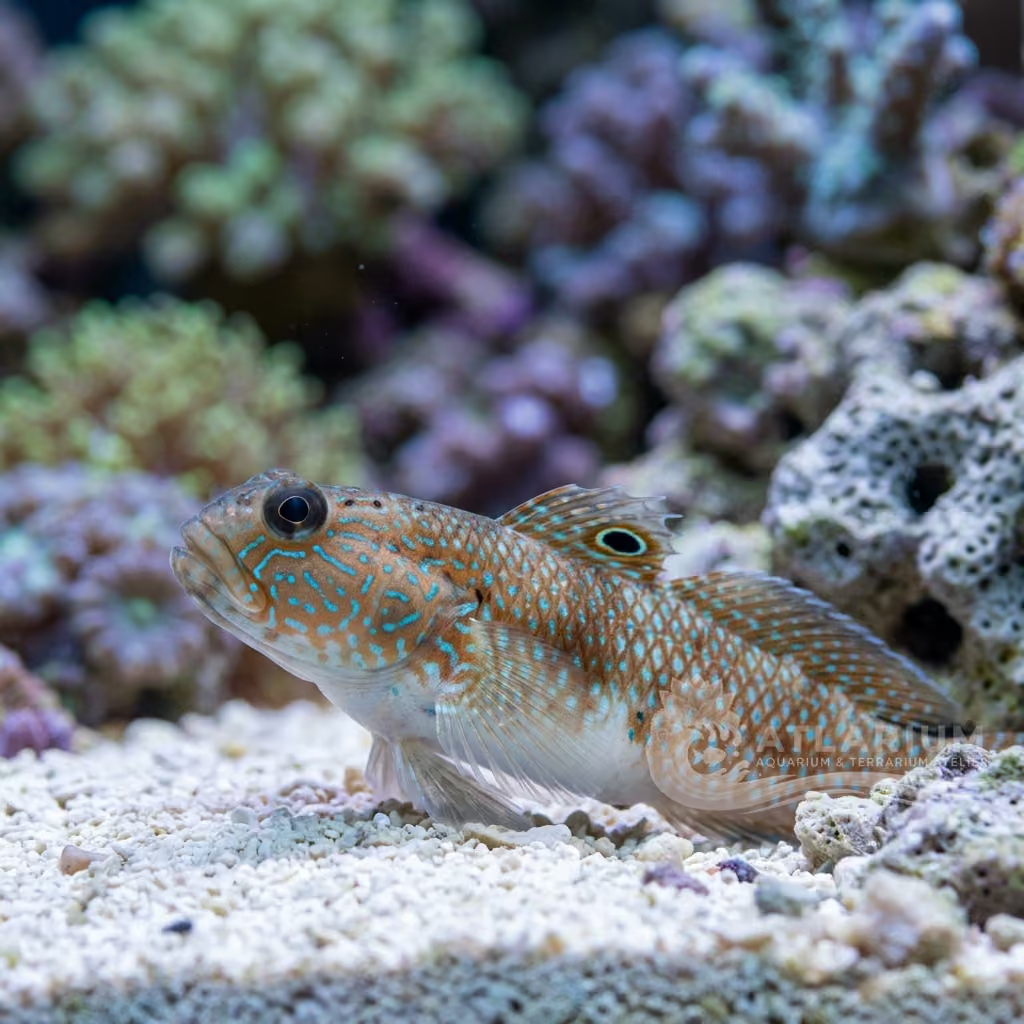
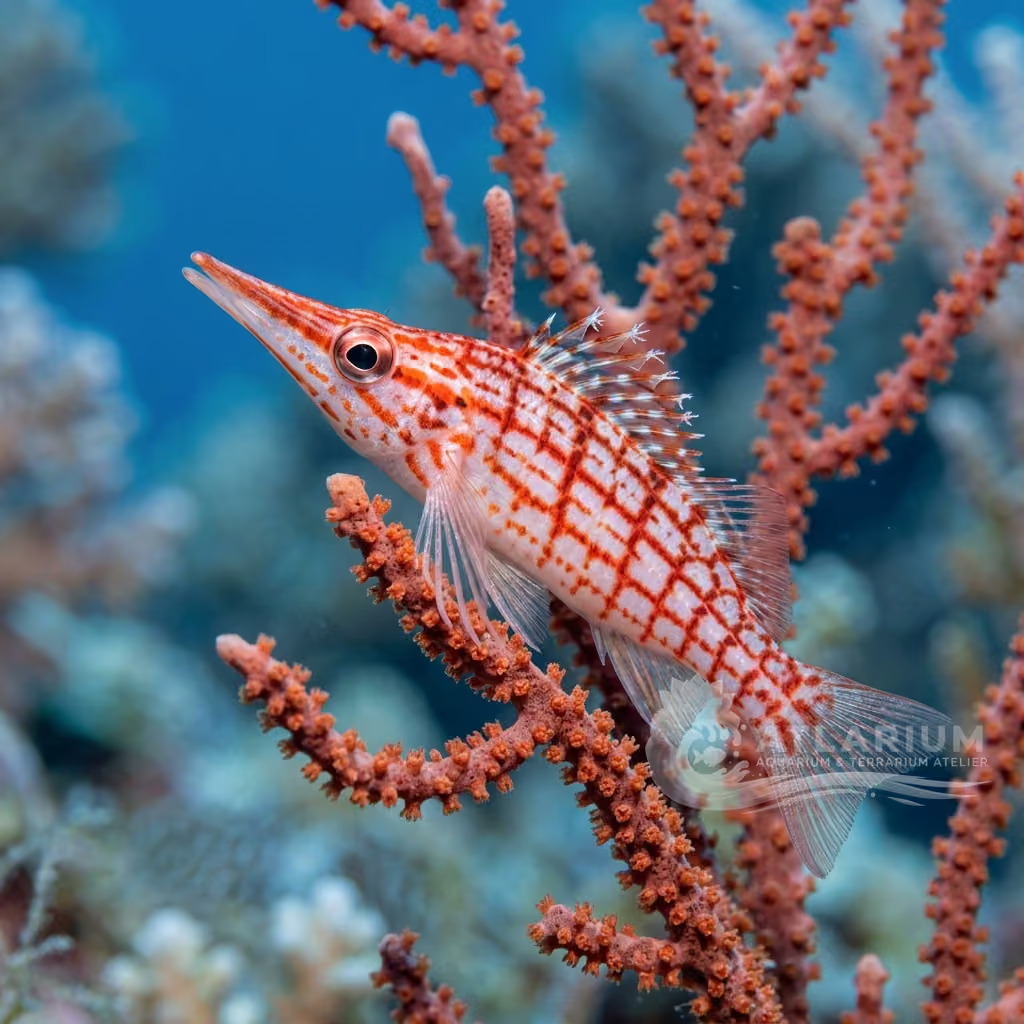
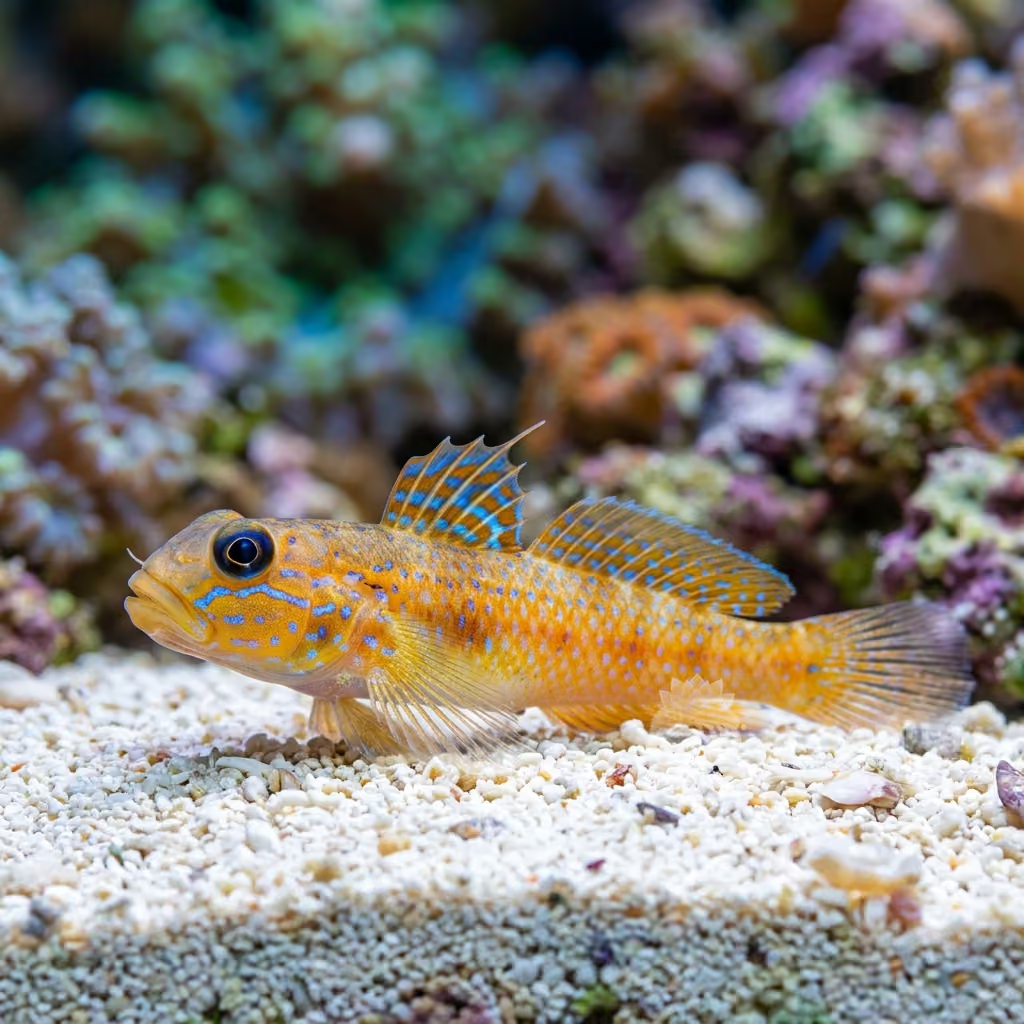
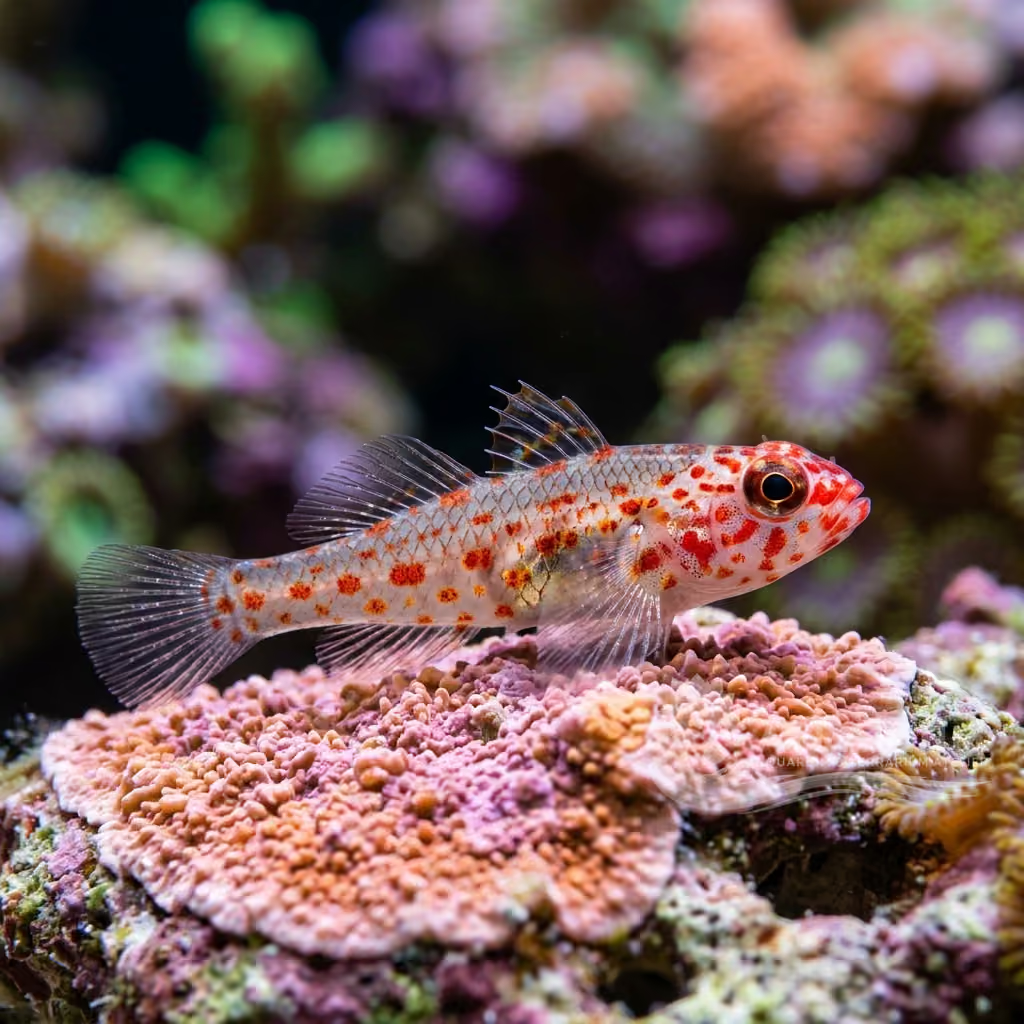
Yellow clown goby
Gobiodon okinawae
The Yellow Clown Goby is a tiny, bright yellow marine fish that lives exclusively among Acropora coral branches in nano-reefs. It requires a micro-carnivore diet and excellent water quality.
Température de l’eau
24 - 27 °C
Valeur du pH
8.1 - 8.4
Type d'eau
Marin
Niveau dans le bac
Surface et milieu
Taille adulte
4 cm
Volume minimal du bac
>= 60 L
Groupe minimal
>= 1

Description de l'espèce
Geographical Origin and Habitat: Widespread in the western Indo-Pacific, from southern Japan down to the Australian Great Barrier Reef. It is an obligate inhabitant of hard coral colonies (especially Acropora), where it lives permanently wedged between the branches.
Taxonomy and Morphology: Yellow Clown Goby. Tiny (max 4 cm / 1.5 inches) and compact, devoid of visible scales. It is equipped with pelvic fins fused to form a small sucker, which allows it to "sit" firmly on corals even in the presence of strong currents.
Social Behavior: Funny, static and. It almost never "swims" in the classic sense of the term, but hops from branch to branch within its host coral. Very territorial towards conspecifics (it is recommended to introduce only one specimen or an established pair).
Coloration and Sexual Dimorphism: Entirely and brilliantly uniform lemon yellow (sometimes with a very slight white tinge on the cheek). This gaudy (aposematic) coloration warns predators of the toxicity of its skin mucus. Sexual dimorphism visually absent.

Soins, reproduction et cohabitation
Aquarium Setup: Perfect for nano-reefs (even 30 liters / 8 gallons). ABSOLUTE REQUIREMENT: presence of branching SPS corals (Acropora, Montipora digitata, Pocillopora) or, failing that, soft tree corals (Sinularia, Kenya Tree) which it will use as its exclusive home.
Diet and Feeding: Micro-carnivore. Despite being tiny, it is voracious. Often ignores dry food; requires live brine shrimp nauplii, lobster eggs, cyclops and finely chopped mysis, administered in suspension near its coral.
Water Quality: Standard marine parameters: salinity 1.023-1.025, temperature 24-27°C (75-81°F). Being obliged to live in contact with demanding corals (SPS), the water quality must be excellent, with nitrates and phosphates close to zero.
Compatibility and Cohabitation: Reef Caution: to clean an area to lay eggs or simply annoyed, it will bite and strip the tissue of Acropora branches, killing small portions. Ignored by large fish thanks to toxic mucus, but perfect with peaceful tankmates.
Aquarium Breeding: Possible in captivity. They are bi-directional protogynous hermaphrodites (they can change sex in both directions depending on the needs of the pair). They lay circular bands of eggs on coral branches (after having grazed away the polyps).
Risks and Diseases: Extreme sensitivity to copper-based drugs (not having protective scales). The main risk is wasting from starvation in overcrowded tanks with fast eaters who steal their food from the water column.

Origine et répartition géographiques
Widespread in the western Indo-Pacific, from southern Japan down to the Australian Great Barrier Reef. It is an obligate inhabitant of hard coral colonies (especially Acropora), where it lives permanently wedged between the branches.
Origine
Océans tropicaux et récifsAsie de l'EstAustralie, Nouvelle-Guinée et Océanie

Profil de poisson
- Tempérament
- Peaceful
- They are famously peaceful and inquisitive. They will closely watch their owners from outside the glass. They only quarrel with other yellow clown gobies.
- Régime alimentaire
- Omnivore
- Their diet should consist mainly of small meaty items. Frozen mysis, brine shrimp, and copepods are their favorites. Some individuals will learn to eat dry micro-foods over time.
- Espérance de vie
- 2-5 years
- Taille adulte
- 4 cm
- Ratio des sexes
- Group
- They adapt their gender to form male-female pairs. Adding two juveniles is the best approach to pairing. Males are typically slightly larger and more robust.
- Fréquence d'alimentation
- Twice daily
- Feed them 2 to 3 times per day. Small, frequent feedings mirror their natural plankton-picking habits. Turn off flow pumps briefly to help them catch food.
- Charge biologique
- Medium
- Their bioload is incredibly minimal. They are a staple choice for nano and pico reefs. Standard biological filtration easily neutralizes their waste.
- Courant
- Strong
- They need moderate but not overwhelming flow. They are not strong swimmers and prefer to stay anchored. Ensure there are low-flow pockets where they can rest.
- Risque de saut
- No
- Reproduction
- Oviparous
- They are one of the easier marine fish to pair. They will spawn on a designated branch of coral. The fry stage is very tricky to raise successfully.
- Compatibilité et compagnons
- Territorial
- A completely peaceful fish ideal for quiet communities. They get along famously with shrimp and peaceful nano fish. They may cause minor tissue damage to SPS corals when nesting.
- Niveau dans le bac
- Top/Middle
- They hang out in the mid to top sections. They love perching in plain sight on the highest rockwork. They utilize their fused pelvic fins as suction cups.

Modèles et paramètres scientifiques
FishBase
Fenêtre sur les données scientifiques officielles de l’espèce
FishBase Catalog curation 2026-05-09Données synchronisées le : 15/06/2026
- Niveau trophique
- 3,2 ± 0,4 se
- Résilience
- Élevée (moins de 15 mois)
- Singularité phylogénétique (PD50)
- 0.5
- Relation bayésienne longueur-poids
- a = 0.01995, b = 3.01
- VulnérabilitéVulnérabilité faible (10 / 100)

Galerie d'images
Images sous licence liées à l'espèce ou, lorsqu'elles sont indiquées, au taxon représentatif le plus proche.

Espèces associées
Recommandations regroupées par proches parents, compagnons et soins similaires.