Fiveband Barb
Desmopuntius pentazona
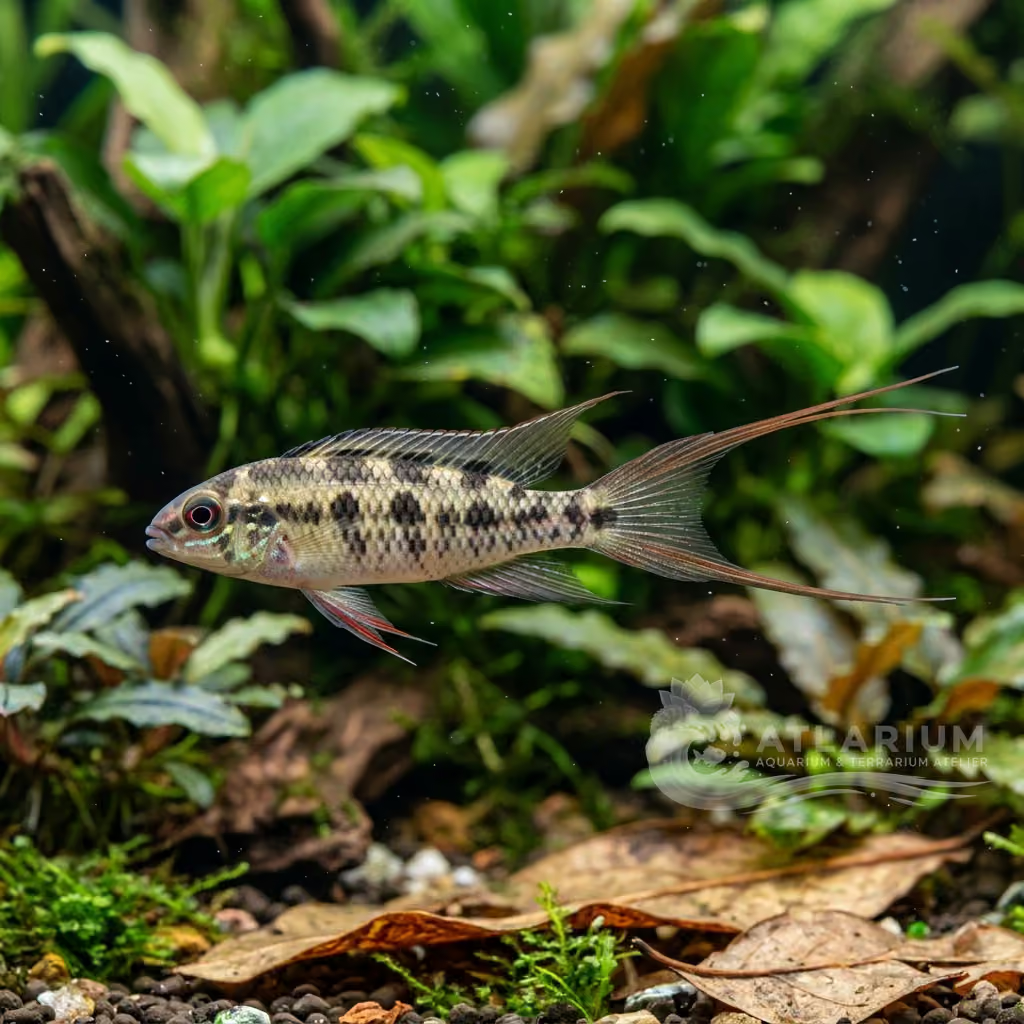
The Fiveband Barb (Desmopuntius pentazona) is the good and peaceful alter-ego of the notorious Tiger Barb. At first glance it is very similar to its Sumatran cousin (gold/copper body with vertical stripes), but possesses 5 black bands instead of 4, a significantly more elongated and slender body, and a warmer rust-red coloring. The monumental difference between the two fish is character: the Pentazona is extremely quiet, shy and will never nip the fins of any fish, making it the perfect option for those who love the look of the Tiger Barb but own a quiet South American or Asian community aquarium.
22 - 26 °C
4.5 - 6.5
Eau douce
Fond
5 cm
>= 80 L
>= 8
1 - 8 dGH
1 - 4 dKH
25 - 160 ppm
39 - 250 uS/cm

Description de l'espèce

Soins, reproduction et cohabitation

Origine et répartition géographiques
Origine

Profil de poisson
- Tempérament
- Peaceful
- The Fiveband barb is a somewhat shy, peaceful schooling fish that absolutely must be kept in groups of at least six, preferably more. When kept in insufficient numbers, they can become very withdrawn, skittish, and may lose their vivid coloration due to stress. In a suitably large school within a well-planted tank, they are active, confident, and provide a beautiful, peaceful display.
- Régime alimentaire
- Omnivore
- They are unfussy omnivores that will readily accept a wide variety of prepared, live, and frozen foods in the aquarium. A high-quality micro-pellet or flake food should form the staple of their diet, supplemented regularly to ensure vibrant coloration. Offering live or frozen bloodworms, Daphnia, and Artemia will encourage optimal health and can help bring them into breeding condition.
- Espérance de vie
- 4-8 years
- Taille adulte
- 5 cm
- Ratio des sexes
- Group
- Keeping a mixed-sex group is perfectly fine, and having both males and females will encourage the males to display their most vibrant, fiery red coloration as they compete for attention. Males are generally slimmer and more intensely colored than the rounder, slightly duller females. Maintaining them in a large group of 8 to 10 or more individuals allows for natural schooling behavior and disperses any mild chasing among males.
- Fréquence d'alimentation
- Twice daily
- Feeding them two to three small meals a day is ideal to match their active metabolism and natural foraging behaviors. Only offer an amount of food that the school can completely consume within two to three minutes to prevent overfeeding. This frequent, modest feeding schedule helps reduce aggression during feeding times and maintains optimal water quality.
- Charge biologique
- Low to Medium
- The Fiveband barb produces a moderate bioload that is easily managed in a well-maintained, mature aquarium. Due to their schooling nature, keeping them in appropriate numbers will increase the overall waste production, necessitating a robust biological filter. Weekly water changes of around 20-30% are highly recommended to maintain the pristine water conditions they need to show their best colors.
- Courant
- Strong
- They naturally inhabit slow-moving streams, peat swamps, and calm forest pools, so they prefer gentle to moderate water flow. While they enjoy exploring the tank, excessively strong currents from powerful powerheads can stress them and force them to hide. A moderate output from a standard canister or hang-on-back filter is usually sufficient to keep the water oxygenated without overwhelming them.
- Risque de saut
- No
- Reproduction
- Egg scatterer
- They are egg-scattering spawners that offer no parental care, and adults will readily eat their own eggs if given the chance. To successfully breed them, a separate dimly lit spawning tank with a mesh bottom or dense clumps of fine-leaved plants like Java moss should be set up. Once spawning has occurred, the adults must be promptly removed, and the fry fed infusoria once they are free-swimming.
- Compatibilité et compagnons
- Peaceful
- These barbs are excellent community fish and are significantly more peaceful than their similarly patterned cousin, the Tiger Barb. They rarely engage in fin-nipping and can be safely housed with slow-moving or long-finned species like gouramis or angelfish. Ideal tankmates include other peaceful Southeast Asian species such as rasboras, small loaches, and peaceful bottom-dwellers like Corydoras catfish.
- Niveau dans le bac
- Bottom
- They are active mid-to-bottom dwellers, spending most of their time exploring the lower regions of the aquarium among plants and driftwood. They appreciate a tank with plenty of cover, such as dense aquatic vegetation and botanical litter, which mimics their natural environment. While they will come up for food, they generally stay in the lower half of the water column where they feel most secure.

Modèles et paramètres scientifiques
Fenêtre sur les données scientifiques officielles de l’espèce
- Niveau trophique
- 2,9 ± 0,3 se
- Résilience
- Élevée (moins de 15 mois)
- Singularité phylogénétique (PD50)
- 0.5039
- Relation bayésienne longueur-poids
- a = 0.01072, b = 3.02
- VulnérabilitéVulnérabilité faible (10 / 100)

Galerie d'images
Images sous licence liées à l'espèce ou, lorsqu'elles sont indiquées, au taxon représentatif le plus proche.

Espèces associées
Recommandations regroupées par proches parents, compagnons et soins similaires.