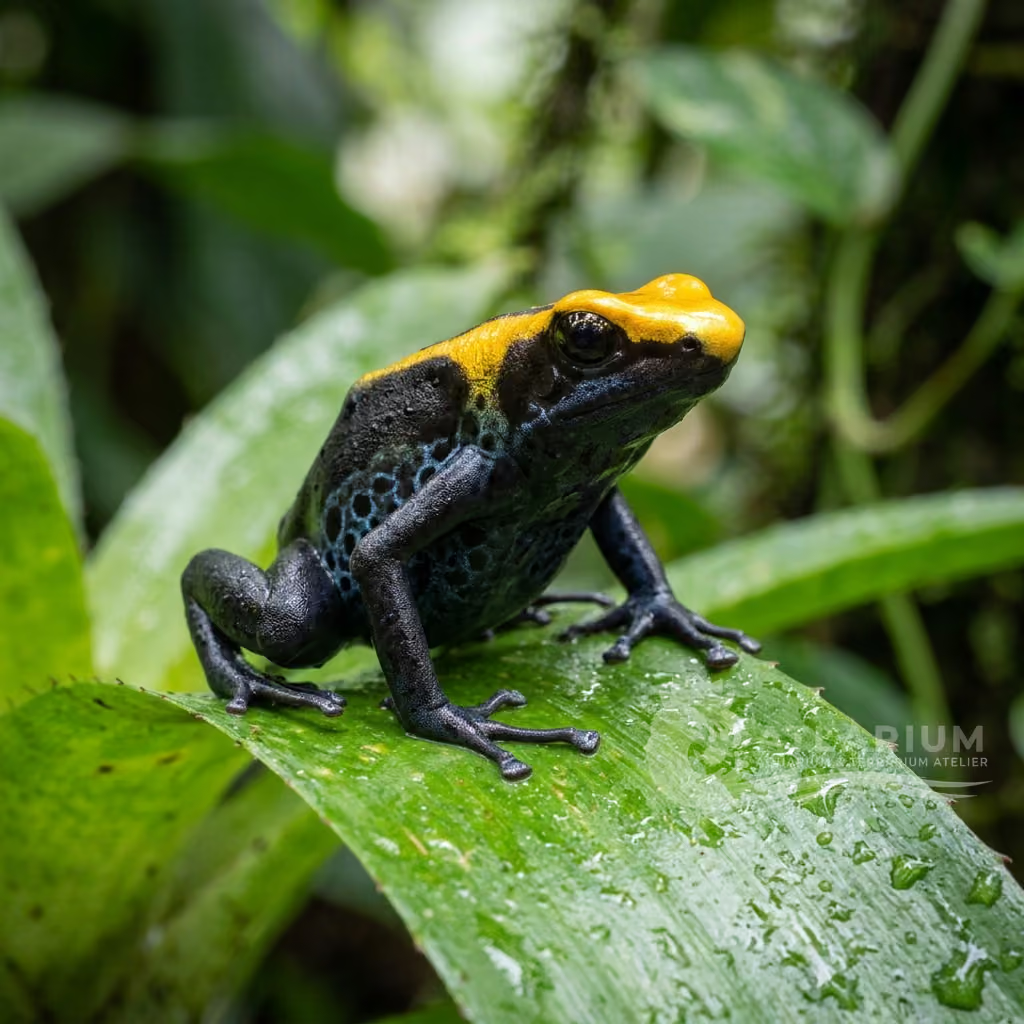
Hahnel's poison frog
Ameerega hahneli
A small diurnal dart frog from the Amazon basin, recognized by its dark back, yellow lateral stripes, and complex parental care.
Environnement
Terrestre
Humidité
75 - 90 %
Température diurne
25 °C
Température nocturne
21 °C
Température ambiante
25 °C
Enclos minimal
>= 45 L

Description de l'espèce
Geographical Origin and Habitat: This species is widely distributed in the upper Amazon basin of South America, occurring in Peru, Ecuador, Colombia, Bolivia, and western Brazil. It inhabits the leaf litter of primary and secondary tropical rainforests at low elevations, preferring flat terrain near small streams, swamps, and forest clearings where the wet leaf litter layer is thick and ground humidity is high.
Taxonomy and Genetics: Ameerega hahneli belongs to the family Dendrobatidae. Previously classified within the genus Epipedobates, it was later relocated to the genus Ameerega. Phylogenetic studies indicate that it belongs to a species complex with significant genetic variation among geographically isolated populations, which also exhibit distinct courtship calls.
Behavior and Habits: It is a diurnal and terrestrial frog that spends the day actively foraging for prey in the leaf litter. It exhibits pronounced territorial behavior, especially among males, which defend their calling sites from intruders. Parental care is complex: the male carries the tadpoles on his back to suitable water bodies (temporary pools or slow-moving streams) where they complete metamorphosis.
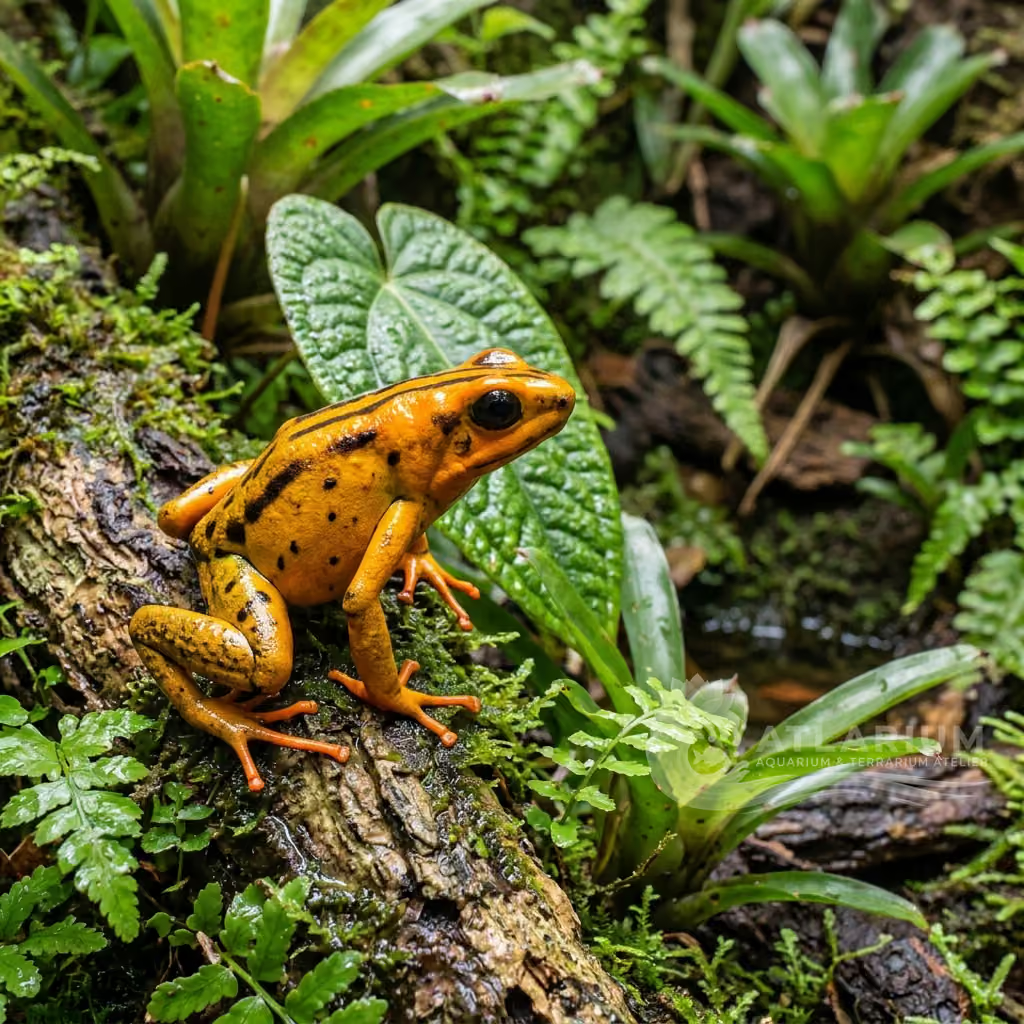
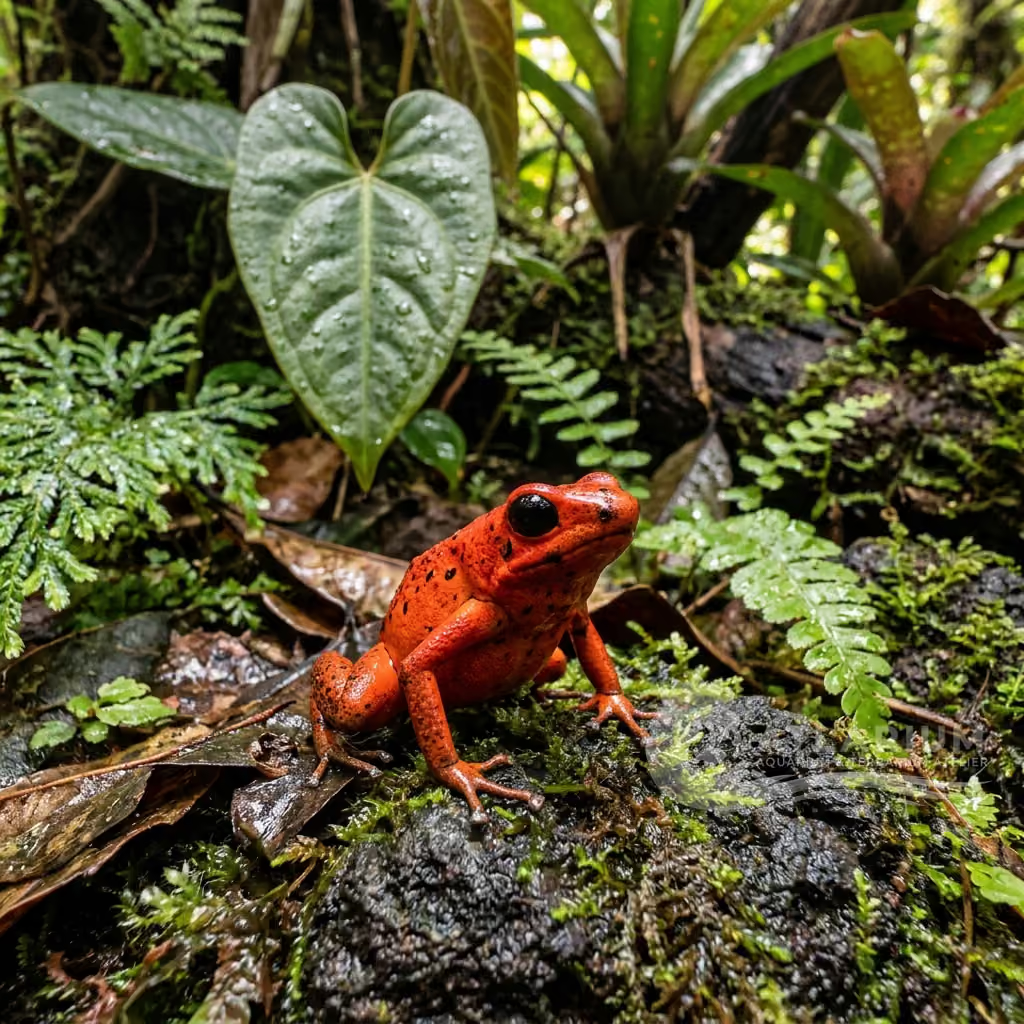
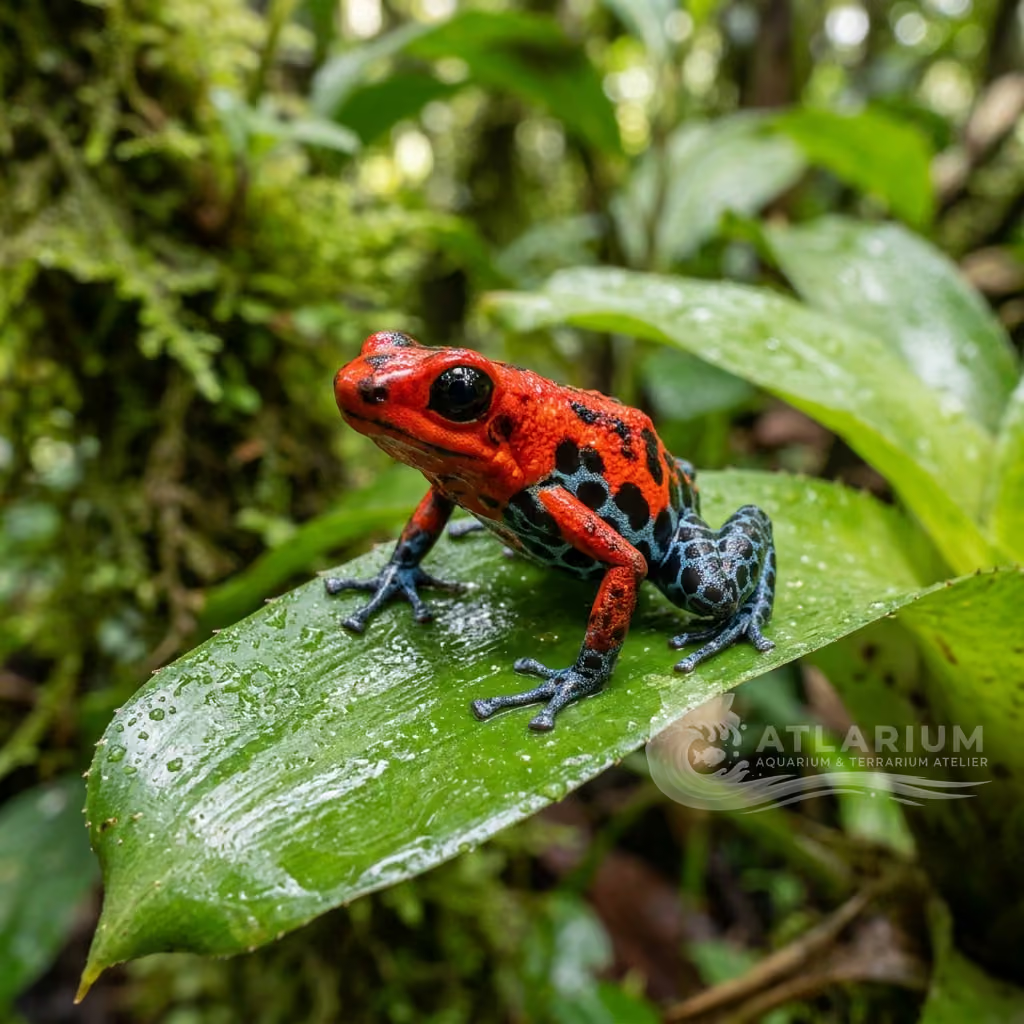
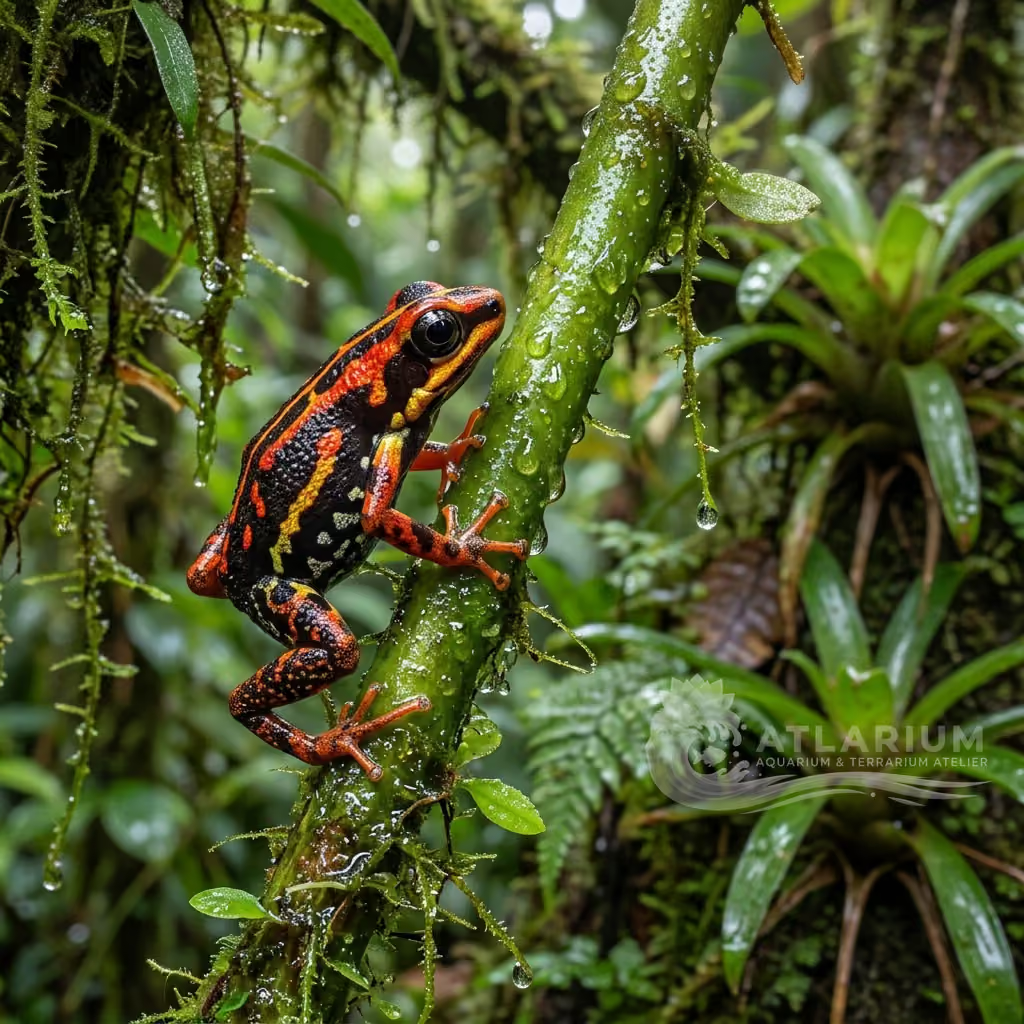
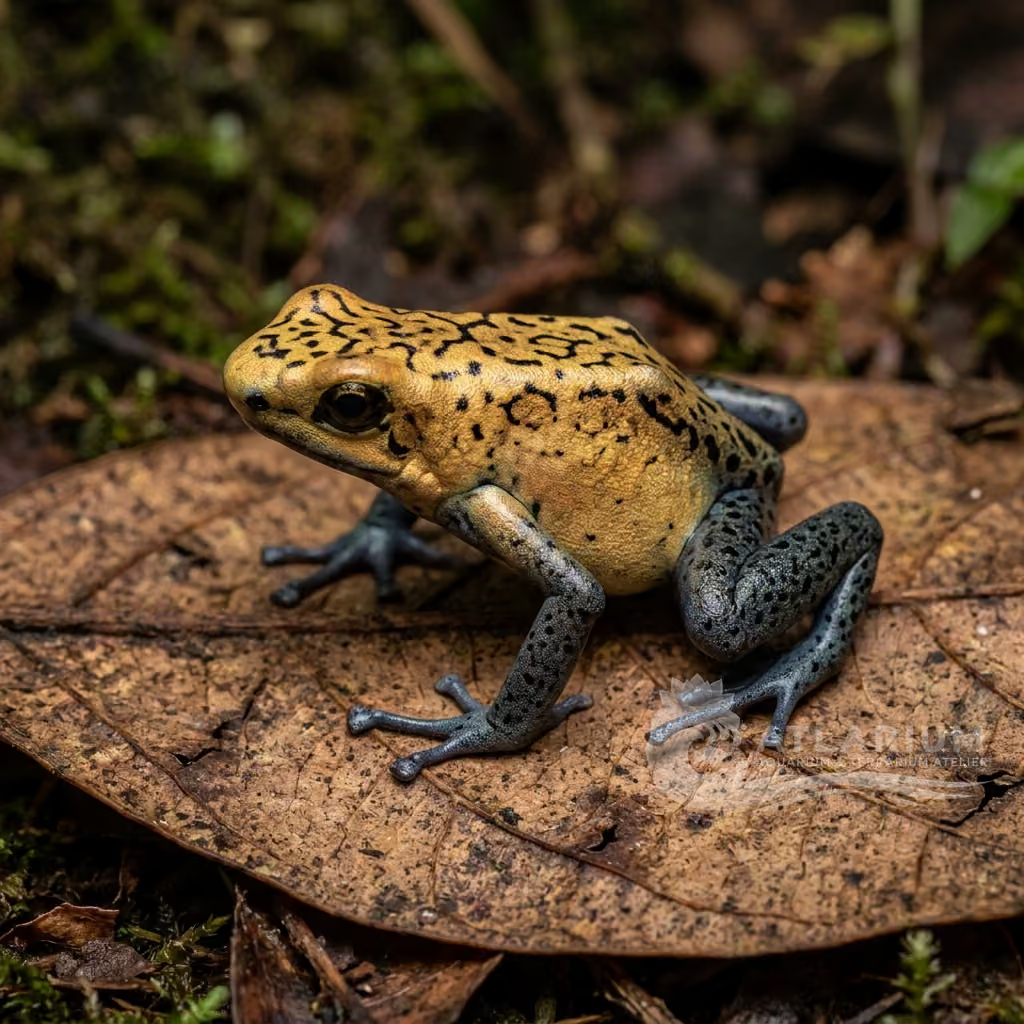
Morphology: It is a small species, with adults reaching a total length of 2 to 2.8 cm. It features a slender body with smooth skin. The dorsal color is dark brown or blackish, with a bright yellow or cream longitudinal stripe running along each flank. Bright orange-yellow or red spots are present on the axillae and the base of the hind limbs, serving as an aposematic warning to predators.

Soins, reproduction et cohabitation
Terrarium Setup: It requires a horizontally oriented terrarium (minimum 50x40x40 cm for a small group). The terrarium should be set up as a bioactive Amazonian forest floor, with moisture-loving live plants (such as Fittonias, ferns, and small philodendrons), hides made of halved coconut shells, and a thick layer of sterilized oak or Indian almond leaves. The ideal substrate is acidic peat moss covered with sphagnum.
Lighting and Heating: Moderate daytime lighting is required to support live plant growth and the frogs' circadian rhythms; a low-intensity UVB light (2.0 or a shaded 5%) is highly recommended for overall health. Optimal daytime temperatures should range between 24°C and 26°C, with a nighttime drop to 20°C-22°C. Avoid temperatures exceeding 28°C to prevent heat stress.
Humidity and Hydration: Humidity must be kept very high, constantly fluctuating between 80% and 90%. To maintain this, mist the enclosure with dechlorinated or RO water twice a day, or install an automatic misting system. A shallow pool of water (about 1-2 cm deep) must be present on the bottom of the enclosure to support hydration and allow tadpole transport.
Feeding and Supplementation: They feed exclusively on live micro-insects due to their small size. Their diet should consist of fruit flies (Drosophila melanogaster and Drosophila hydei), springtails, plant aphids, and pinhead crickets. It is vital to dust the prey at every feeding with pure calcium and an amphibian-specific vitamin supplement containing vitamin A and D3 to prevent Metabolic Bone Disease.
Compatibility: They can be kept in small mixed groups (e.g., 2 males and 3 females) in spacious terrararia, provided there are enough visual barriers to minimize male territorial behavior. Due to their size and skin secretions, they should never be housed with frogs of other species. Cohabitation with springtails and isopods is excellent as they help maintain the substrate.
Health and Common Diseases: In captivity, they lose their native skin toxicity because they do not consume the wild insects from which they synthesize toxic alkaloids. The main health risks stem from poor substrate hygiene, which causes bacterial skin infections, stress from overcrowding or handling, and nutritional deficiencies from non-supplemented food. Regularly monitor weight and activity levels.

Origine et répartition géographiques
This species is widely distributed in the upper Amazon basin of South America, occurring in Peru, Ecuador, Colombia, Bolivia, and western Brazil. It inhabits the leaf litter of primary and secondary tropical rainforests at low elevations, preferring flat terrain near small streams, swamps, and forest clearings where the wet leaf litter layer is thick and ground humidity is high.
Origine
Amazonie, Orénoque et Guyanes

Profil d'amphibien
- Régime alimentaire
- Insectivore
- This species is primarily insectivorous, consuming a wide variety of small invertebrates like crickets, flies, and roaches in the wild. In captivity, a similar varied diet should be provided, dusted regularly with calcium and multivitamin supplements. Appropriately sized live food is essential to trigger their natural feeding response.
- Espérance de vie
- 6-8 years
- Taille adulte
- 2.2 cm
- Mode de vie/microhabitat
- Terrestrial
- Depending on their morphology, they may live exclusively in trees, on the forest floor, or near bodies of water. A properly designed vivarium must provide the correct balance of humidity, temperature, and specific microhabitats. Ample vertical climbing space or deep substrate should be provided accordingly.
- Cycle d'activité
- Diurnal
- Most are strictly nocturnal, becoming active at dusk to hunt and vocalize under the cover of darkness. This pattern helps them avoid diurnal predators and prevents desiccation from the heat of the sun. During daylight hours, they remain motionless in hidden spots to conserve energy and retain moisture.
- Sociabilité
- Solitary
- They exhibit fascinating behaviors that vary depending on their exact habitat, often relying on camouflage to avoid predators. Many display remarkable agility and jumping prowess when startled or while hunting. Social interactions are generally limited to breeding seasons when males become highly territorial.
- Reproduction
- Oviparous
- Breeding typically occurs following heavy rainfall or during the wet season. Males attract females with distinctive vocalizations from specific calling sites near water. Depending on the exact species, eggs may be laid in water, on foliage overhanging water, or in specialized foam nests.
- Toxicité
- Toxic
- In its native Amazonian habitat, Hahnel's poison frog uses dietary alkaloids to secrete mild, yet effective, toxins from its skin glands. These toxins can cause significant distaste or illness in predators that attempt to consume them. Captive-bred specimens lack access to this specialized toxic diet and are therefore completely non-toxic and harmless to humans.
- Stade de vie
- Neotenic
- Beginning life as terrestrially laid eggs, the embryos quickly develop into tadpoles that require temporary aquatic environments to grow. The tadpoles feed on detritus and algae before undergoing metamorphosis into miniature versions of the adults. The resulting adults are relatively small dart frogs, fully adapted to an active, terrestrial existence in the dense tropical undergrowth.
- Tolérance aux manipulations
- Display only
- Best kept as a display-only species. Handling causes significant physiological stress and compromises their delicate, moisture-dependent skin.
- Brumation
- Non requise
- No brumation period is needed. A stable, warm, and humid terrarium environment is required throughout the entire year.
- Mue
- Periodic
- Shedding requires extremely high ambient humidity. They perform a characteristic stretching routine to loosen the skin before eating it to recycle nutrients.

Espèces associées
Recommandations regroupées par proches parents, compagnons et soins similaires.