

Chytrid Fungus
Batrachochytrium dendrobatidis
Pathophysiological Overview
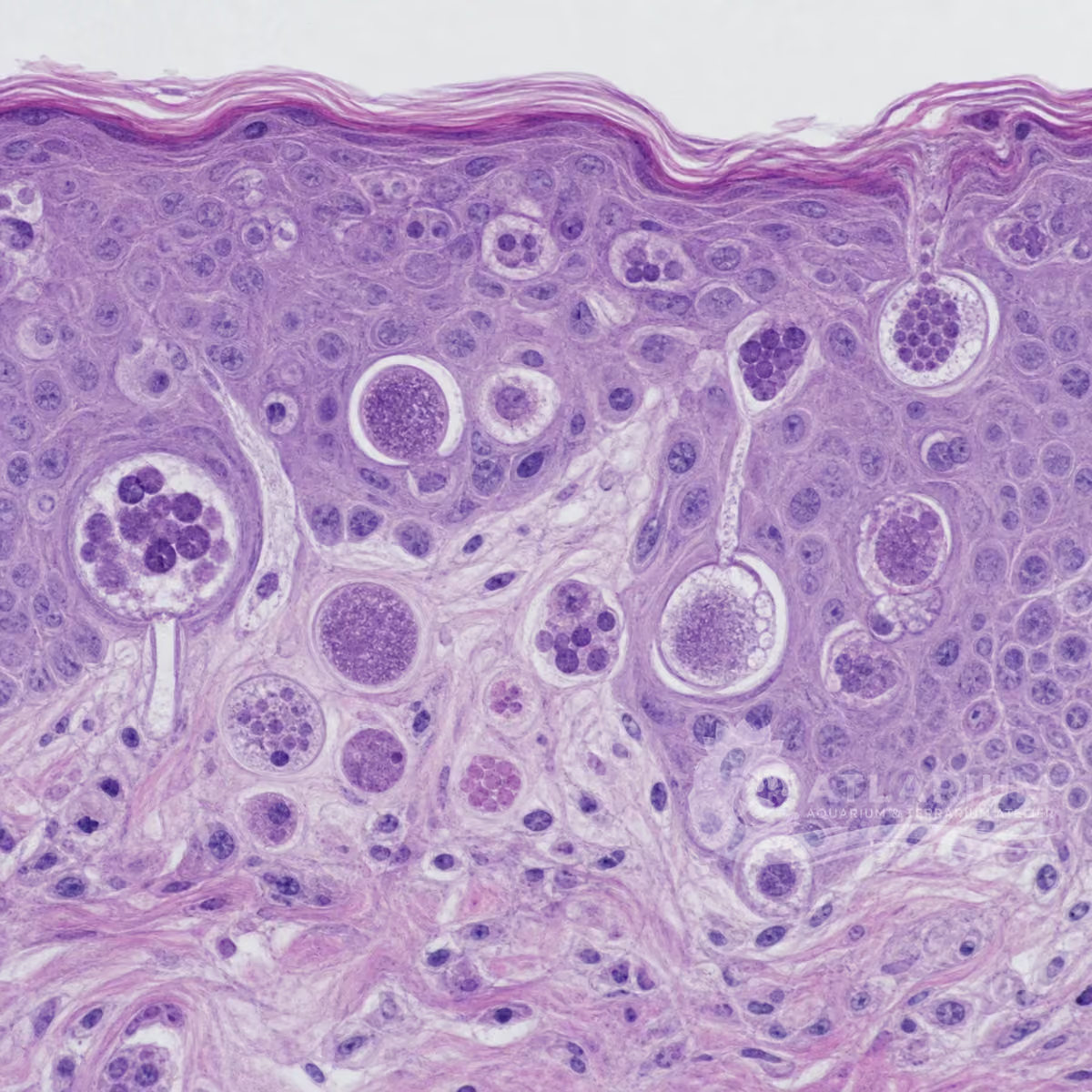
This condition represents a highly virulent, systemic pathology deeply rooted in acute immunological distress. Microscopic analysis typically reveals profound tissue necrosis and cellular degradation at the epithelial level.
Epidemiological Factors
Transmission is significantly enhanced in closed-system aquatic or terrarium environments with elevated bioloads. Pathogenic proliferation is logarithmic once the primary host defenses are breached.
Lifecycle & Virulence
The disease progression is characterized by a rapid onset, leveraging host stress pathways to bypass primary mucus or epidermal barriers.
Diagnostic profile
Contagious
Observe and distinguish
Identification and context
Immediate triage
For Chytrid Fungus, stabilize oxygenation and water quality, document signs and isolate only when safe for the host. Do not start medication blindly.
Hosts and context
Pathophysiological Overview
This condition represents a highly virulent, systemic pathology deeply rooted in acute immunological distress. Microscopic analysis typically reveals profound tissue necrosis and cellular degradation at the epithelial level.
Epidemiological Factors
Transmission is significantly enhanced in closed-system aquatic or terrarium environments with elevated bioloads. Pathogenic proliferation is logarithmic once the primary host defenses are breached.
Lifecycle & Virulence
The disease progression is characterized by a rapid onset, leveraging host stress pathways to bypass primary mucus or epidermal barriers.
Signs and progression
Clinical Manifestations
- Primary Signs: Lethargy, localized or systemic hemorrhaging, pronounced anorexia, and erratic locomotion.
- Advanced Stages: Deep ulcerative lesions, osmotic dysregulation, and secondary microbial opportunistic infections.
- Behavioral Shifts: Photophobia, erratic rubbing against substrates (flashing), and dyspnea. The host may isolate itself in low-flow or dark areas.
Verify before intervening
Confirmation and decisions
Differential diagnosis
Main differentials: other causes of amphibian skin sloughing, bacterial disease and husbandry injury. Priority changes with host, site and progression.
Agent, mechanism and cycle
Etiological Drivers
- Immunosuppression: Chronic stress induced by fluctuating parameters (e.g., salinity, humidity, or thermoregulation issues).
- Pathogen Introduction: Lack of strict quarantine protocols allowing naive populations to encounter heavy pathogenic loads.
- Environmental Degradation: High organic carbon levels, accumulated detritus, and un-ionized ammonia spikes.
Transmission and contagion
Etiological Drivers
- Immunosuppression: Chronic stress induced by fluctuating parameters (e.g., salinity, humidity, or thermoregulation issues).
- Pathogen Introduction: Lack of strict quarantine protocols allowing naive populations to encounter heavy pathogenic loads.
- Environmental Degradation: High organic carbon levels, accumulated detritus, and un-ionized ammonia spikes.
Sampling and confirmation
Confirm with a skin swab and validated PCR/qPCR interpreted with host species and clinical signs.
Proportionate actions
Management and monitoring
Host support
For Chytrid Fungus, stabilize oxygenation and water quality, document signs and isolate only when safe for the host. Do not start medication blindly.
Documented treatment options
Documented options to verify for Chytrid Fungus: immediate environmental support and any medicine only through an evidence-based recommendation, official label and host assessment.
Contextual prognosis
Seek veterinary help for Chytrid Fungus with respiratory distress, hemorrhage, loss of balance, failure to feed, rapid progression or mortality.
Biosecurity
Prevent Chytrid Fungus with proportionate quarantine, separate tools, daily observation and stable parameters; avoid routine drug prophylaxis without an indication.
When to seek veterinary help
Seek veterinary help for Chytrid Fungus with respiratory distress, hemorrhage, loss of balance, failure to feed, rapid progression or mortality.
Biological identity
Linked organisms in the Micro World
Learn how to recognize them and what role they may play in the aquarium.
Academic and scientific references
- Merck Veterinary Manual: Infectious Diseases of Amphibiansmerckvetmanual.comProfessional manualEvidence: MediumSupports: overview, differential diagnosis, management contextLimits: General guidance must be interpreted for the host, aquarium system and local regulation.Accessed: August 20, 2026
- Amphibian chytridiomycosis: a review with focus on fungus-host interactionspmc.ncbi.nlm.nih.govSystematic reviewEvidence: HighSupports: overview, evidence contextLimits: Review findings may include non-aquarium systems and must not be converted into universal thresholds.Accessed: August 20, 2026
- Prevalence of Batrachochytrium dendrobatidis in amphibianspmc.ncbi.nlm.nih.govPrimary researchEvidence: MediumSupports: evidence contextLimits: Study findings apply to the reported taxa, methods and conditions; transfer to other aquaria is an inference.Accessed: August 20, 2026
- Widespread occurrence of the amphibian chytrid fungus Batrachochytrium dendrobatidis in the southeastern USApubs.usgs.govPrimary researchEvidence: MediumSupports: evidence contextLimits: Study findings apply to the reported taxa, methods and conditions; transfer to other aquaria is an inference.Accessed: August 20, 2026