Mexican Primrose-willow
Ludwigia octovalvis
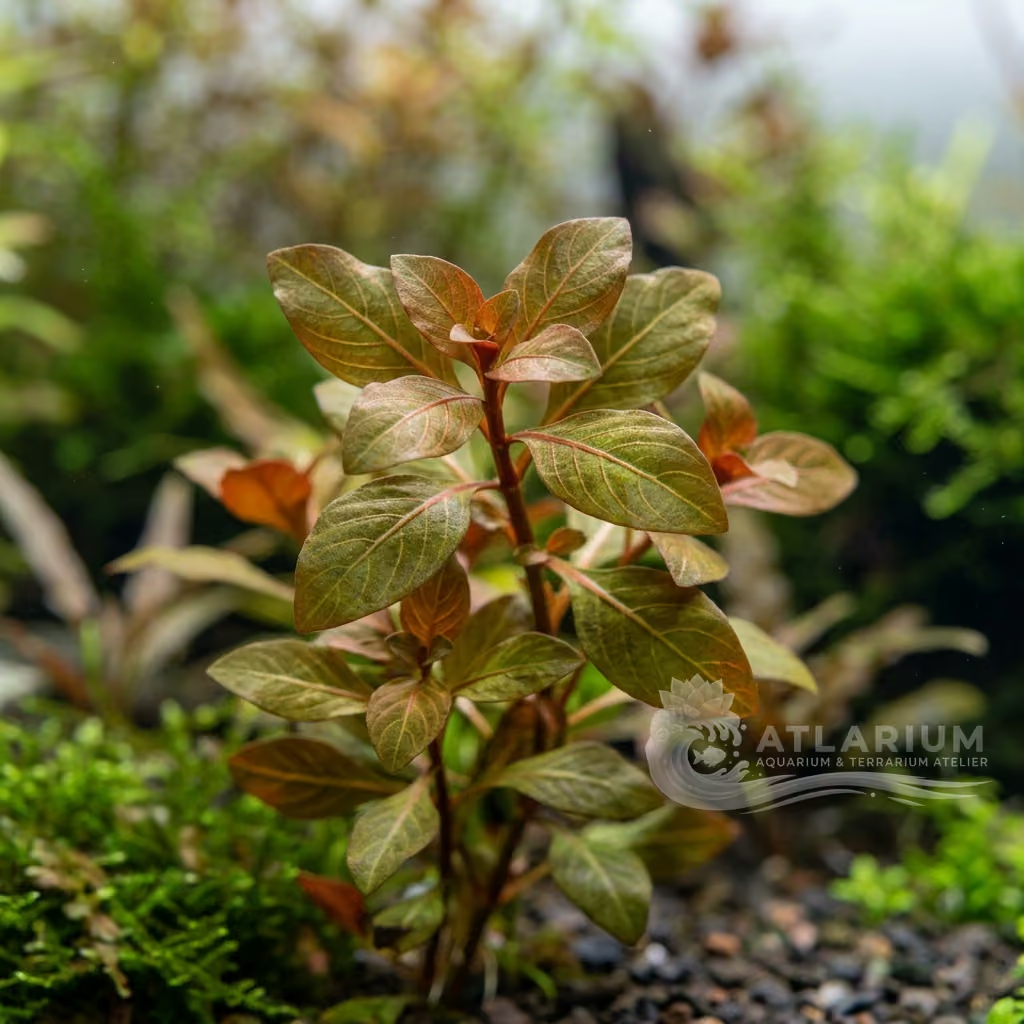
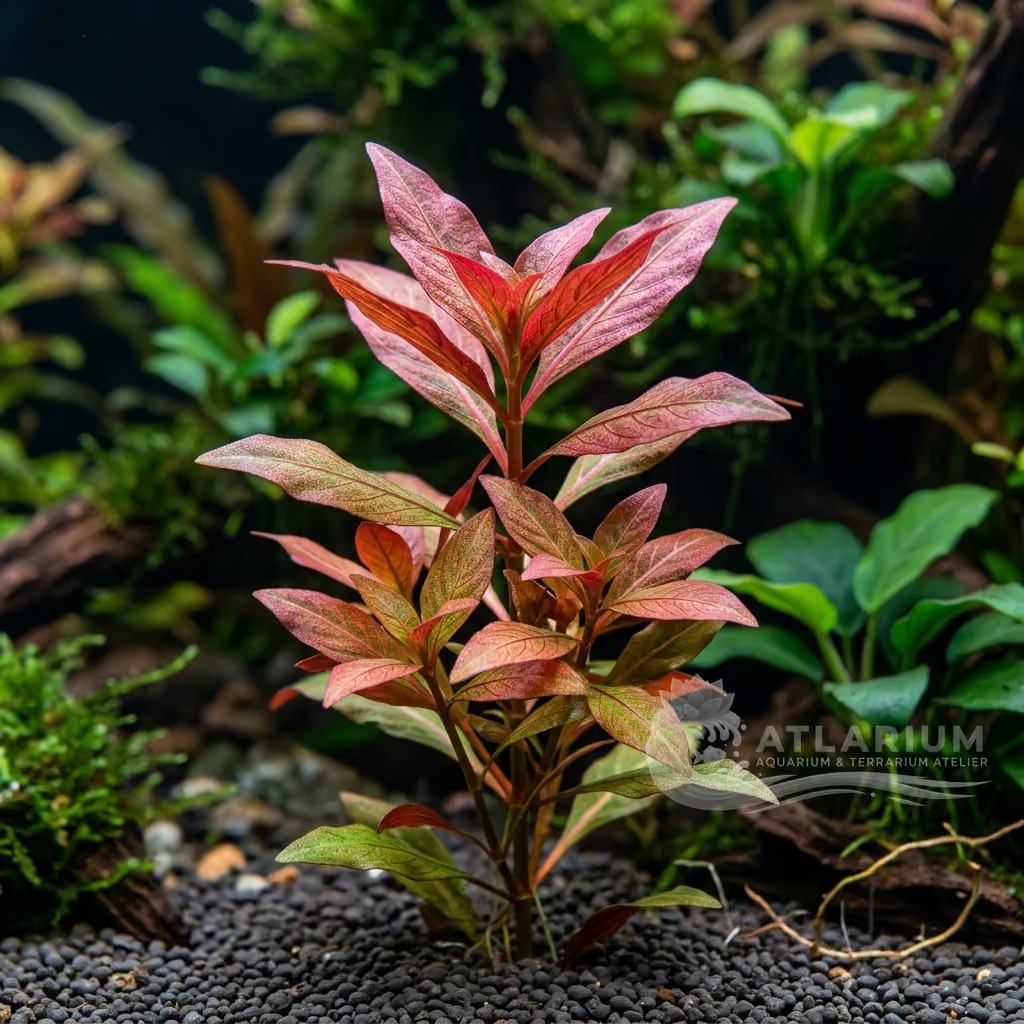
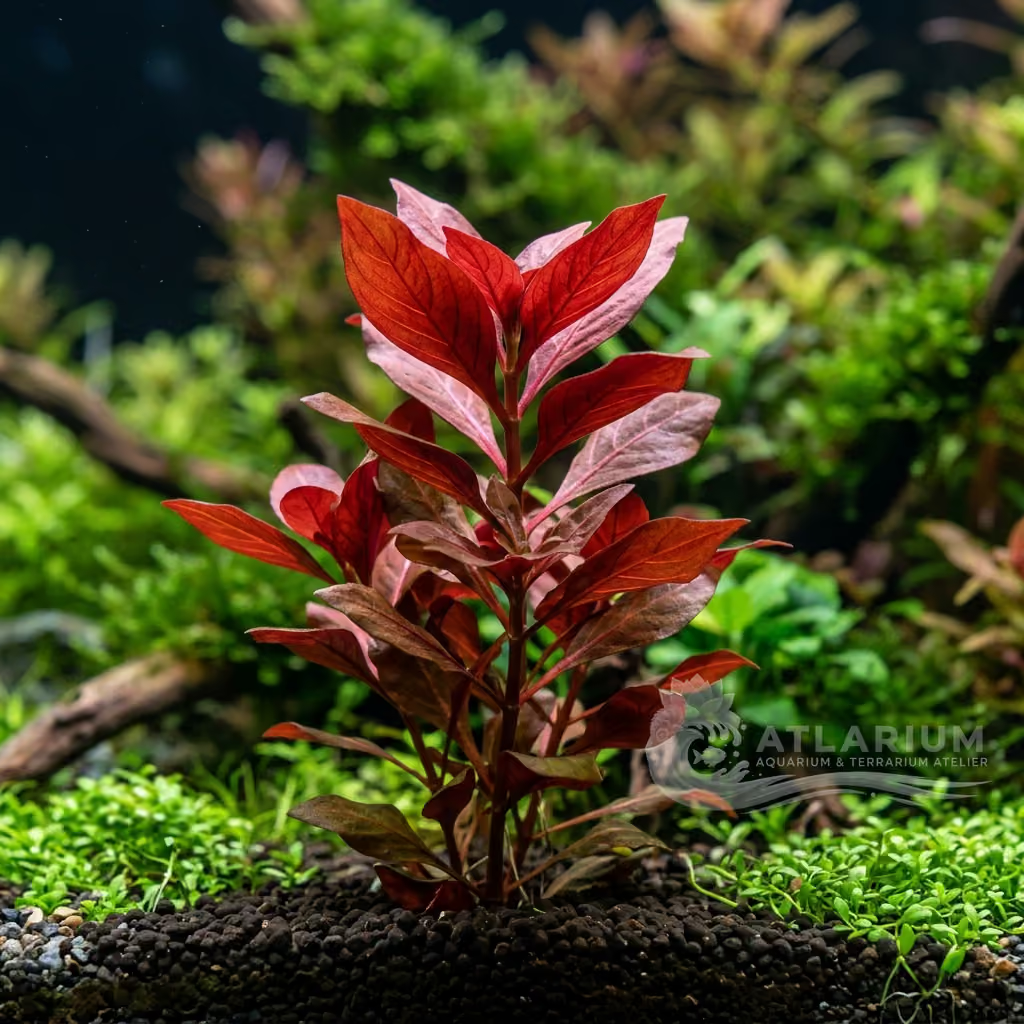
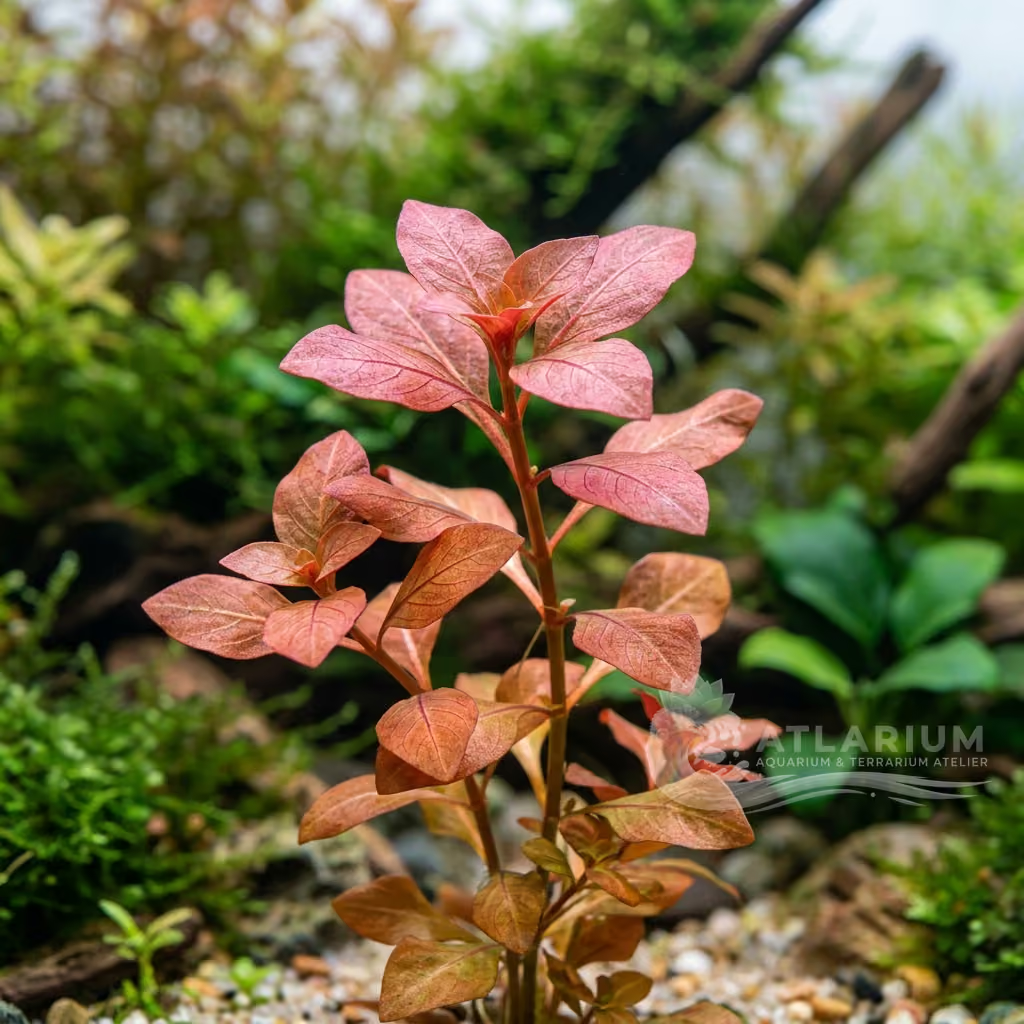
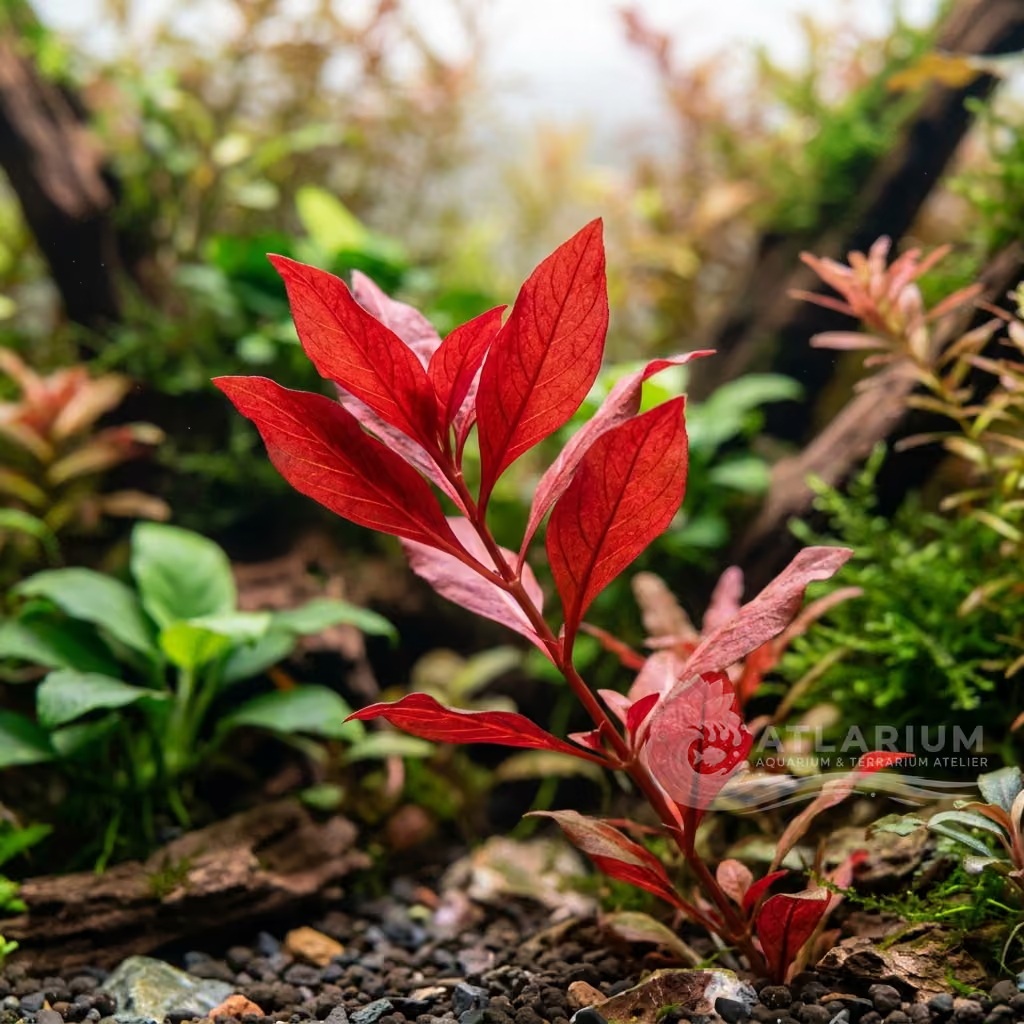
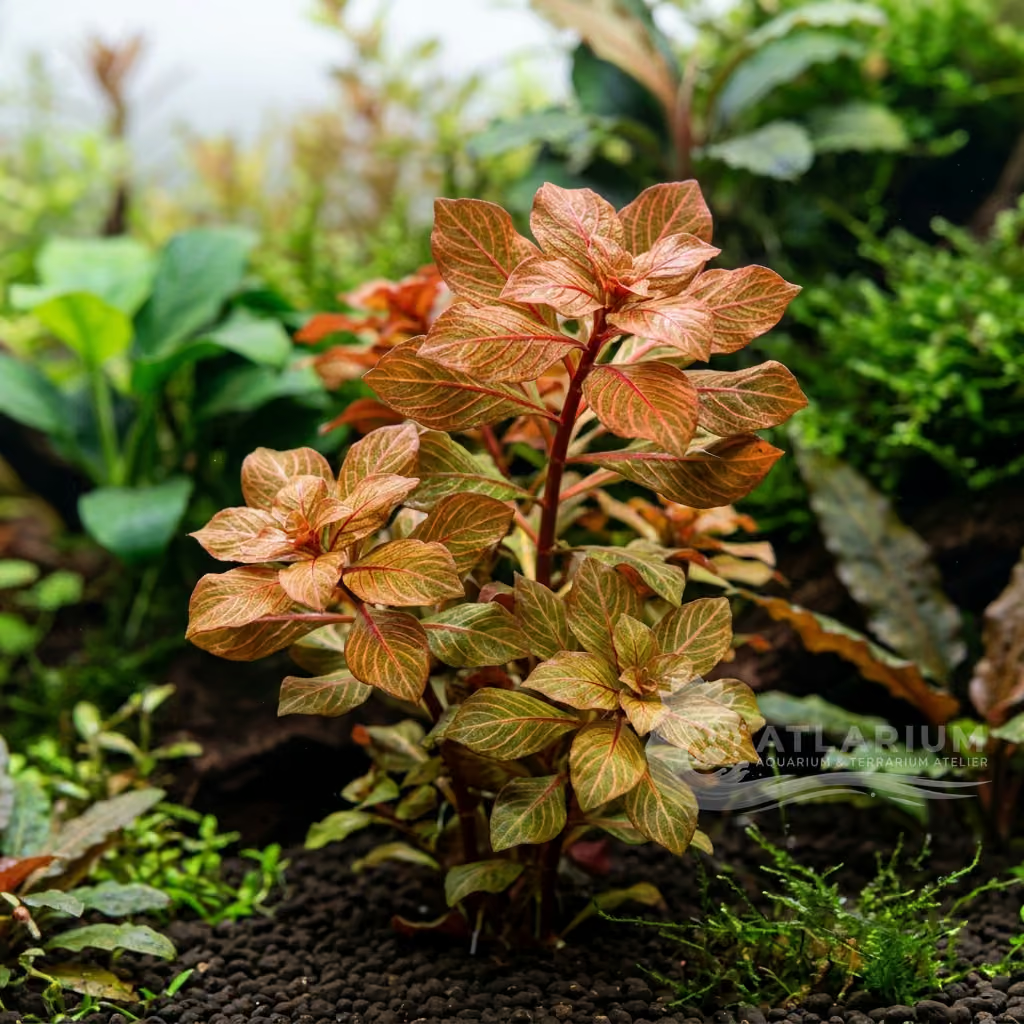
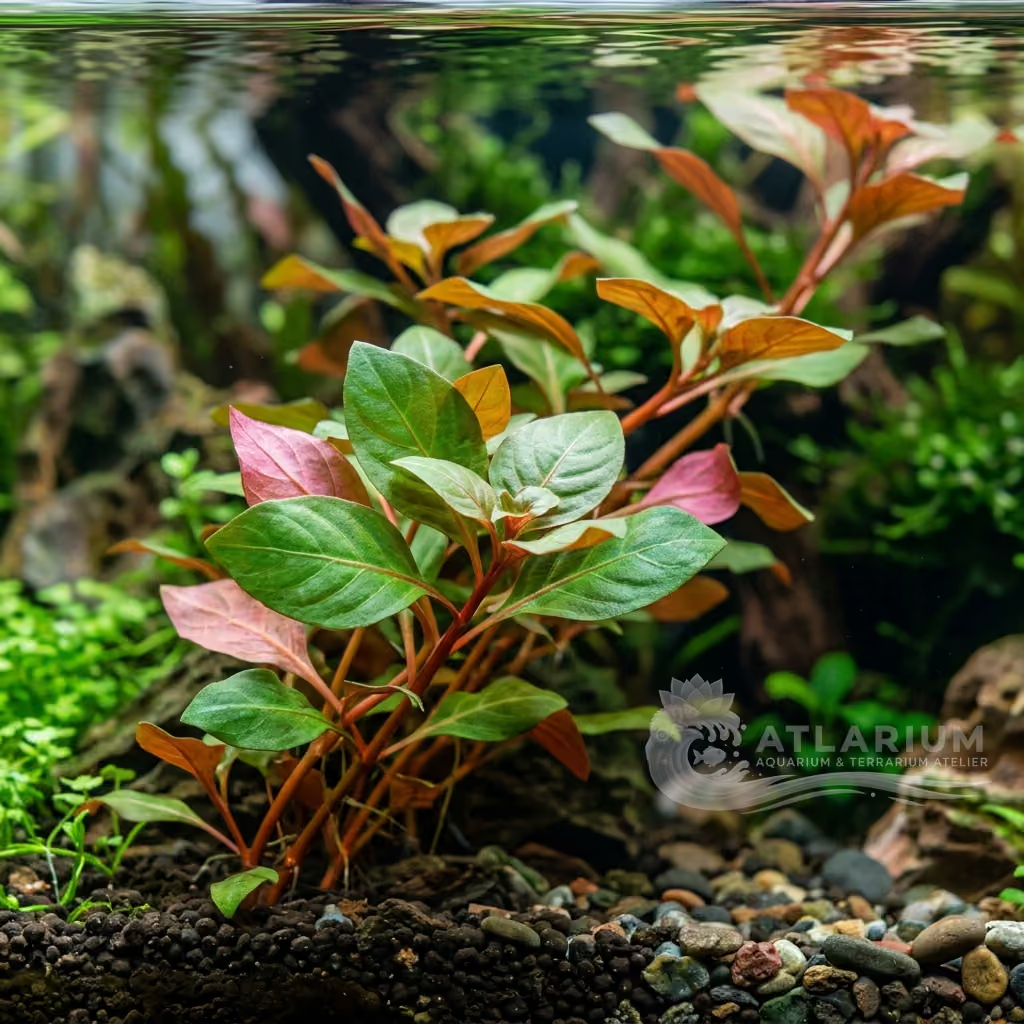
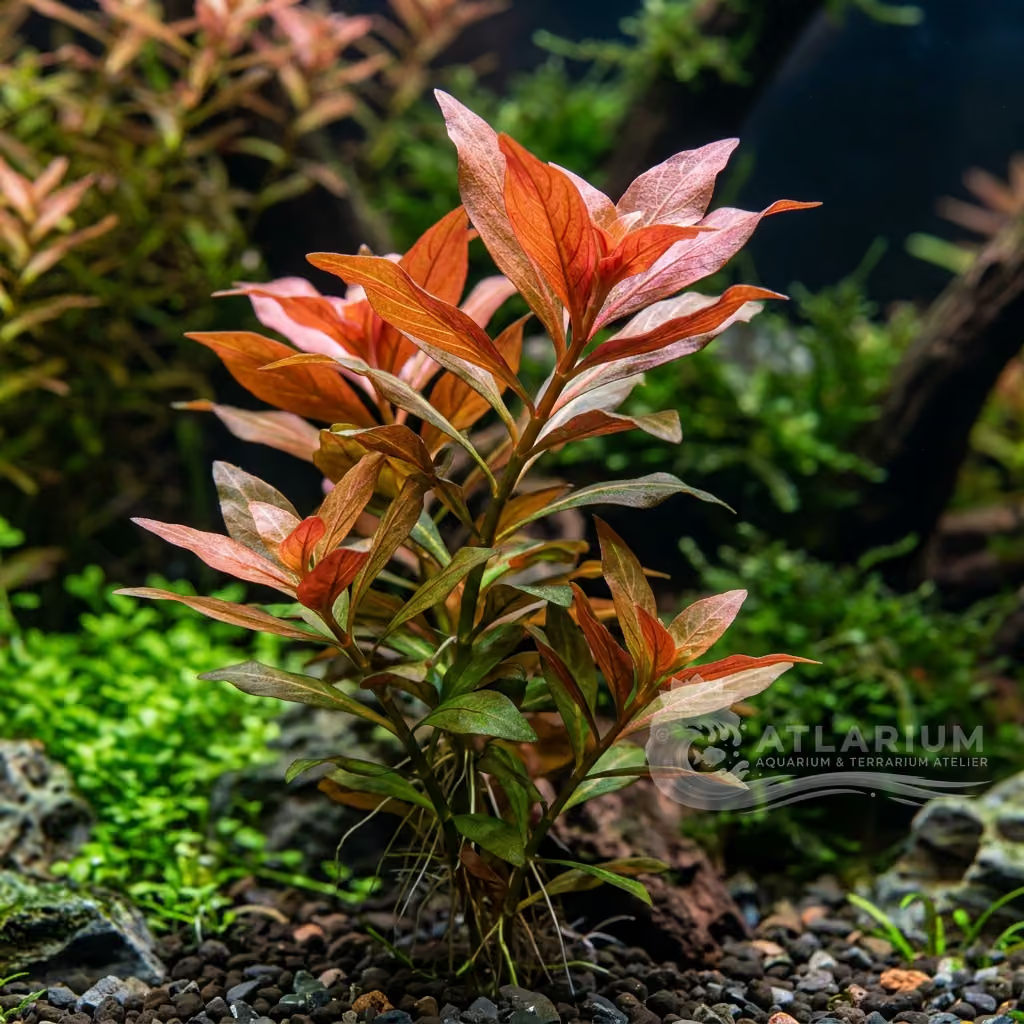
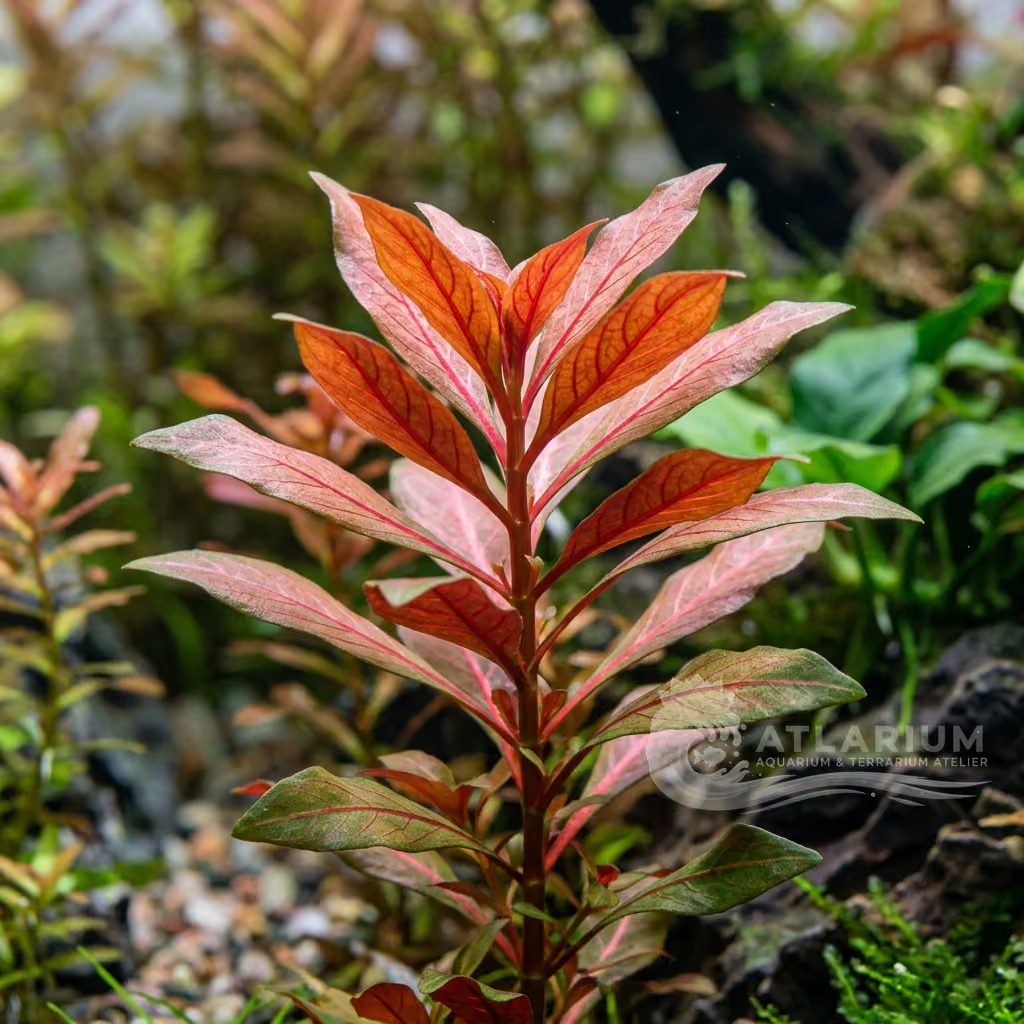
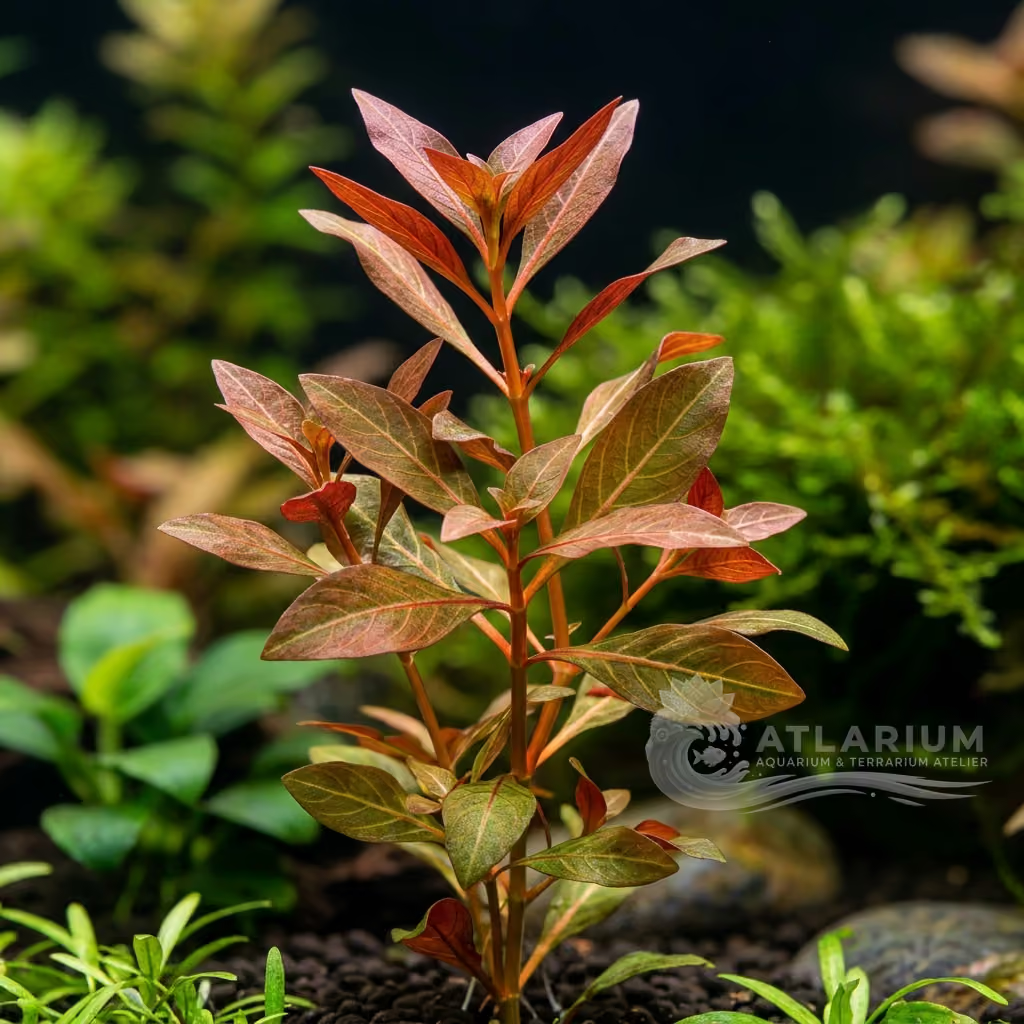
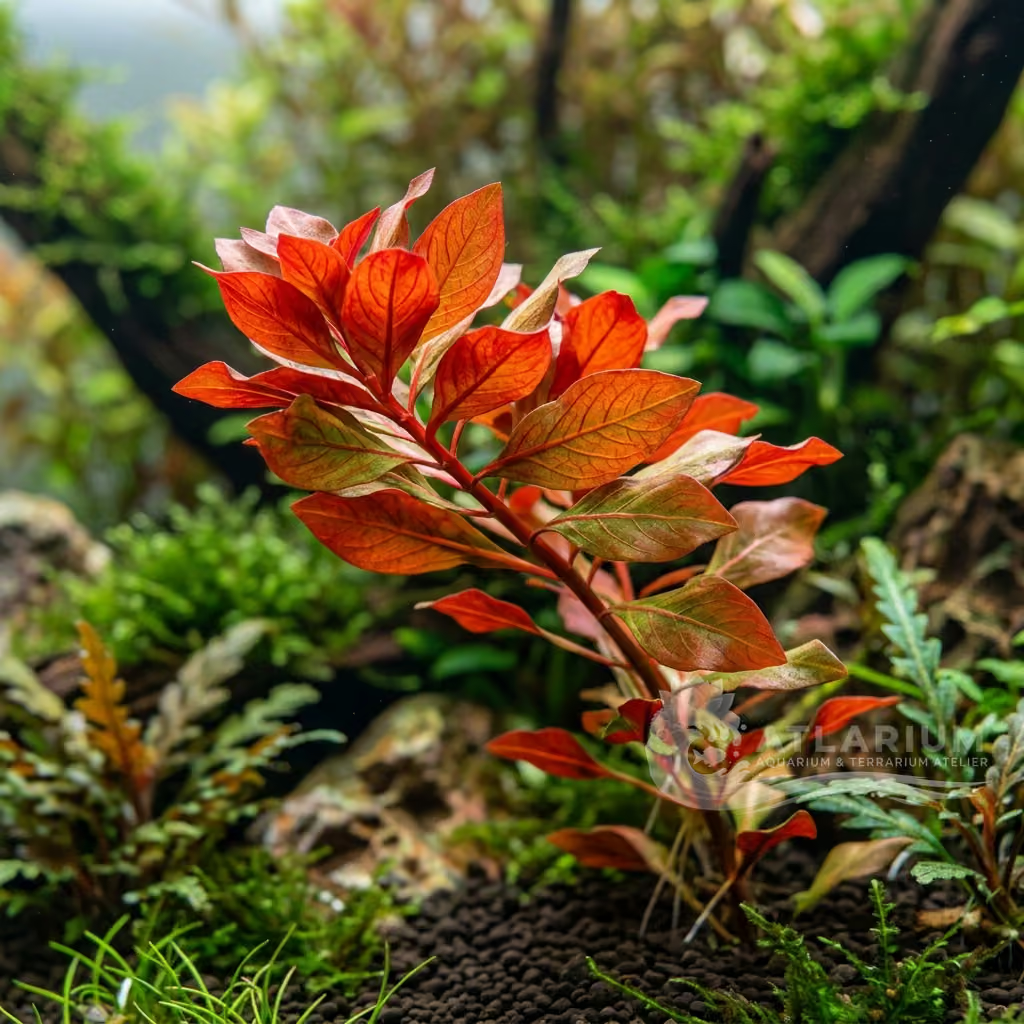
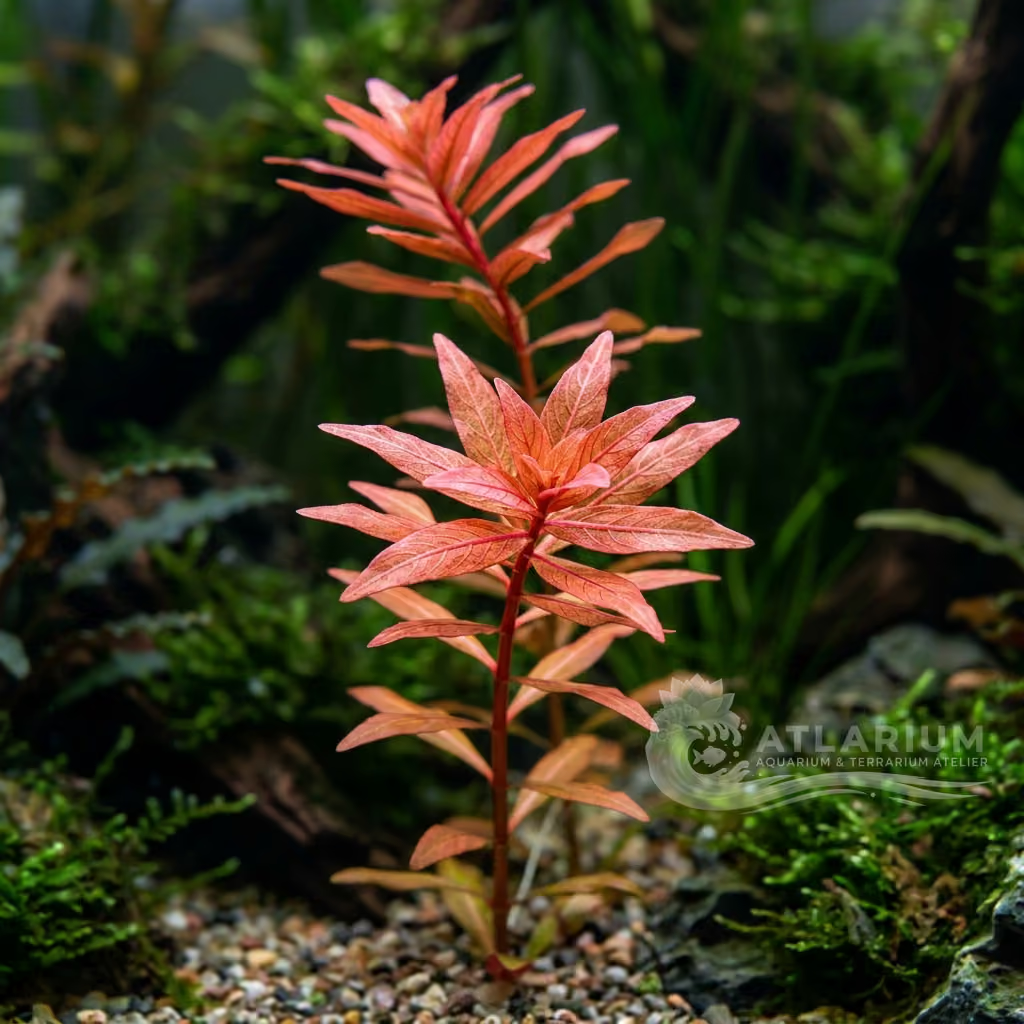
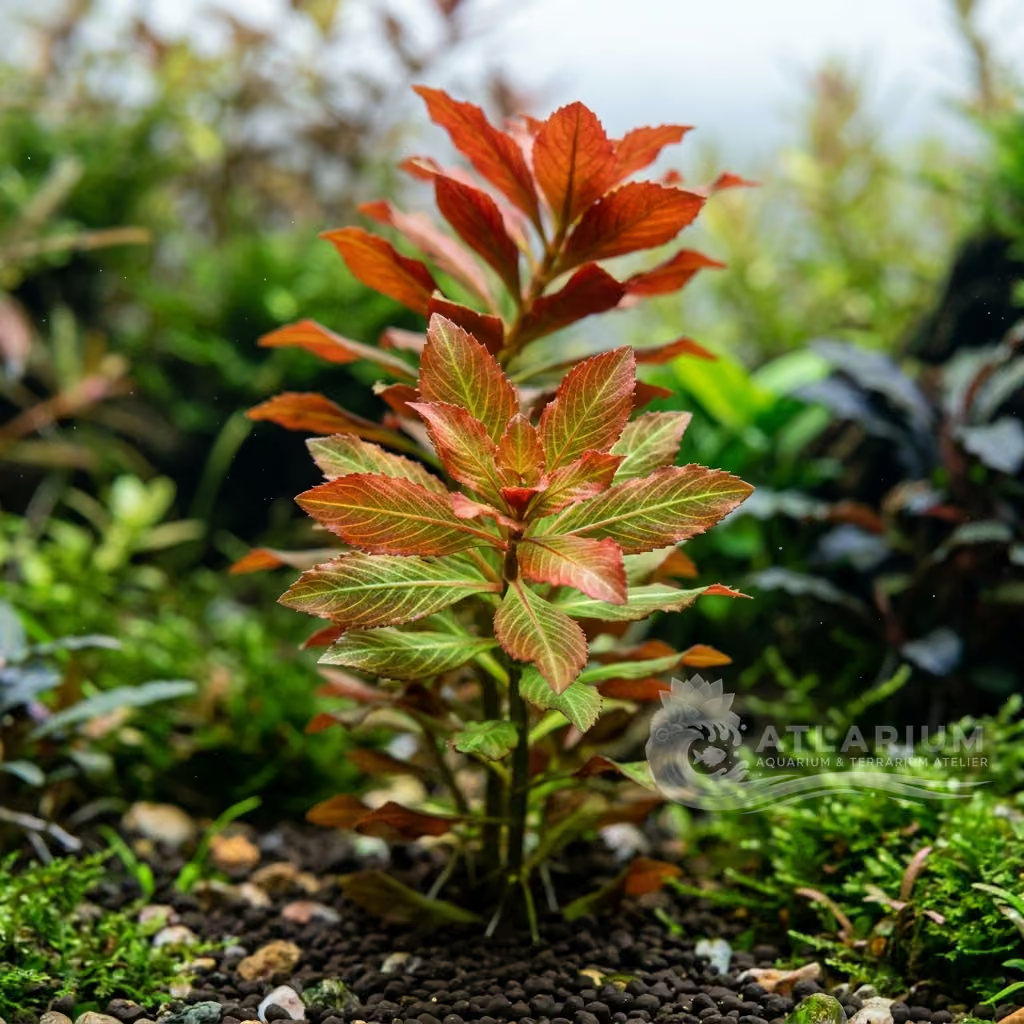
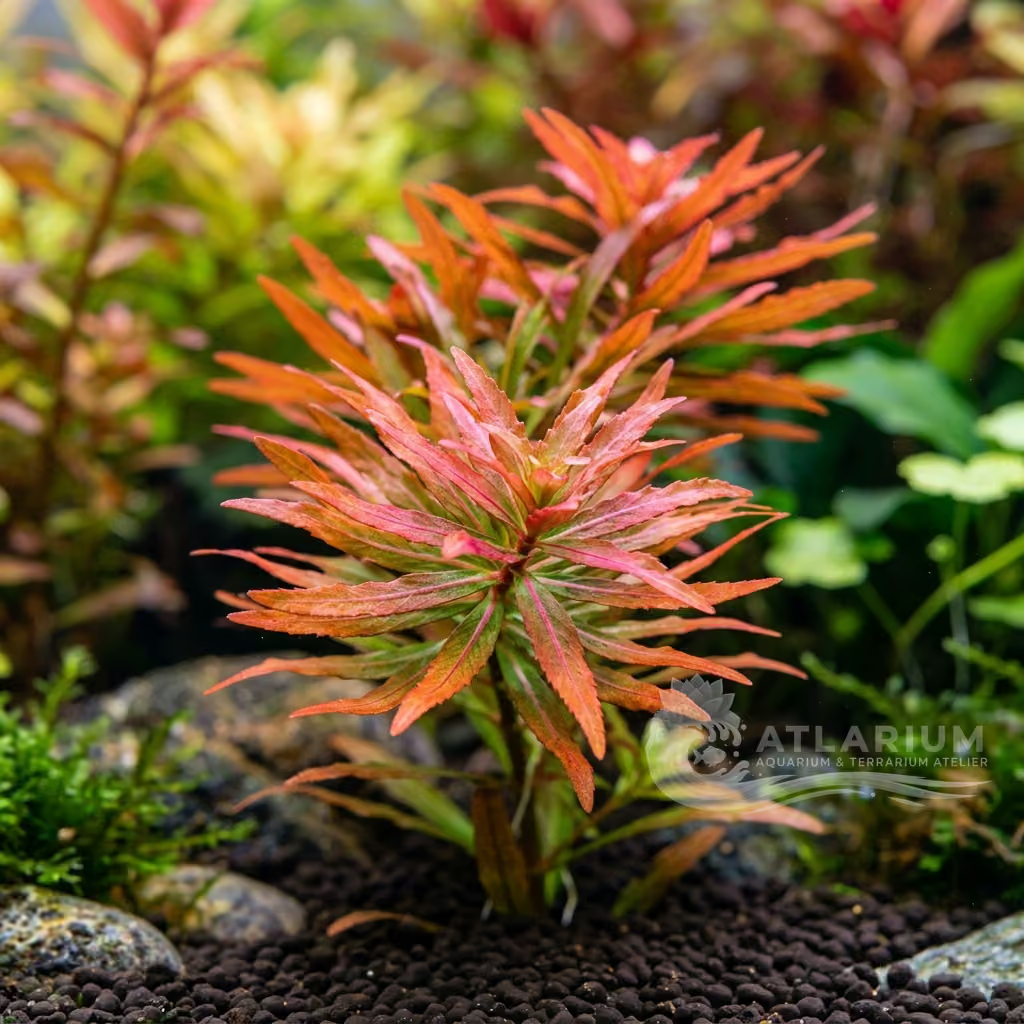
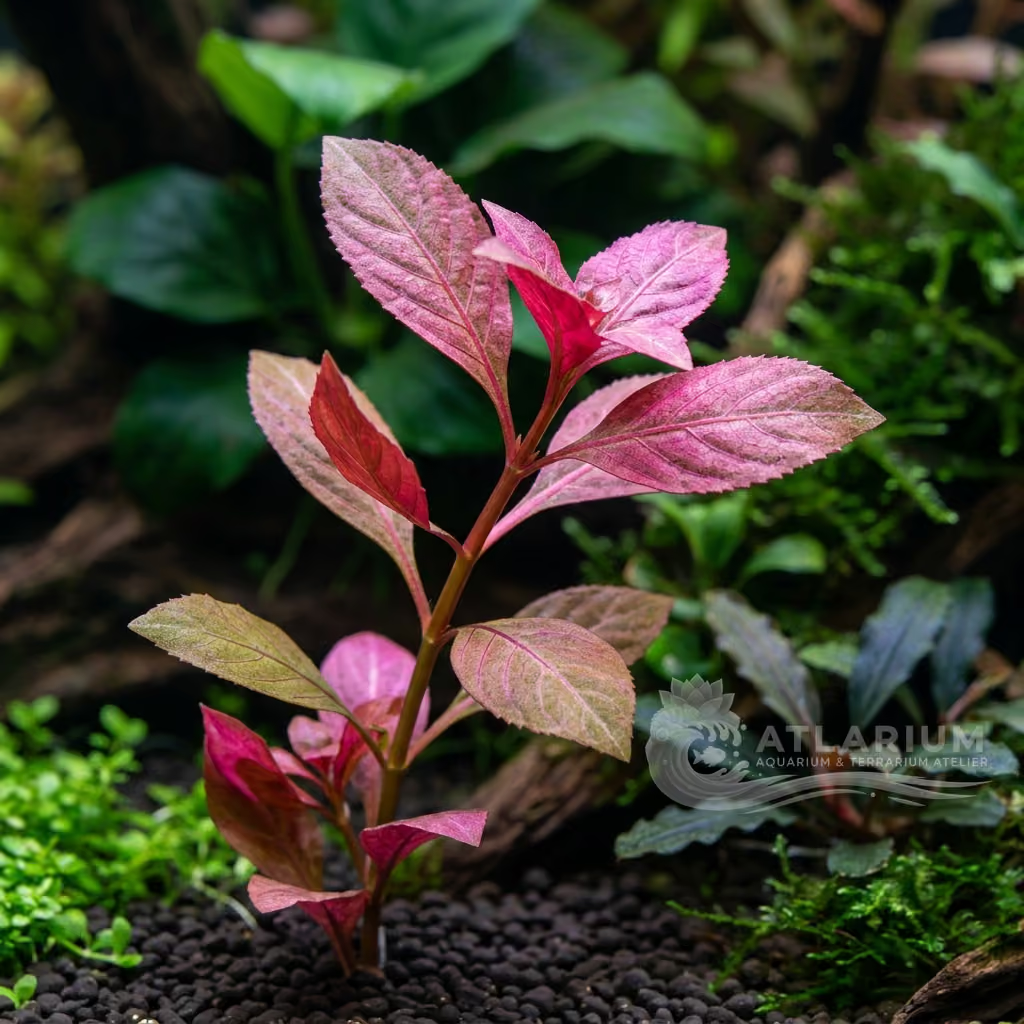
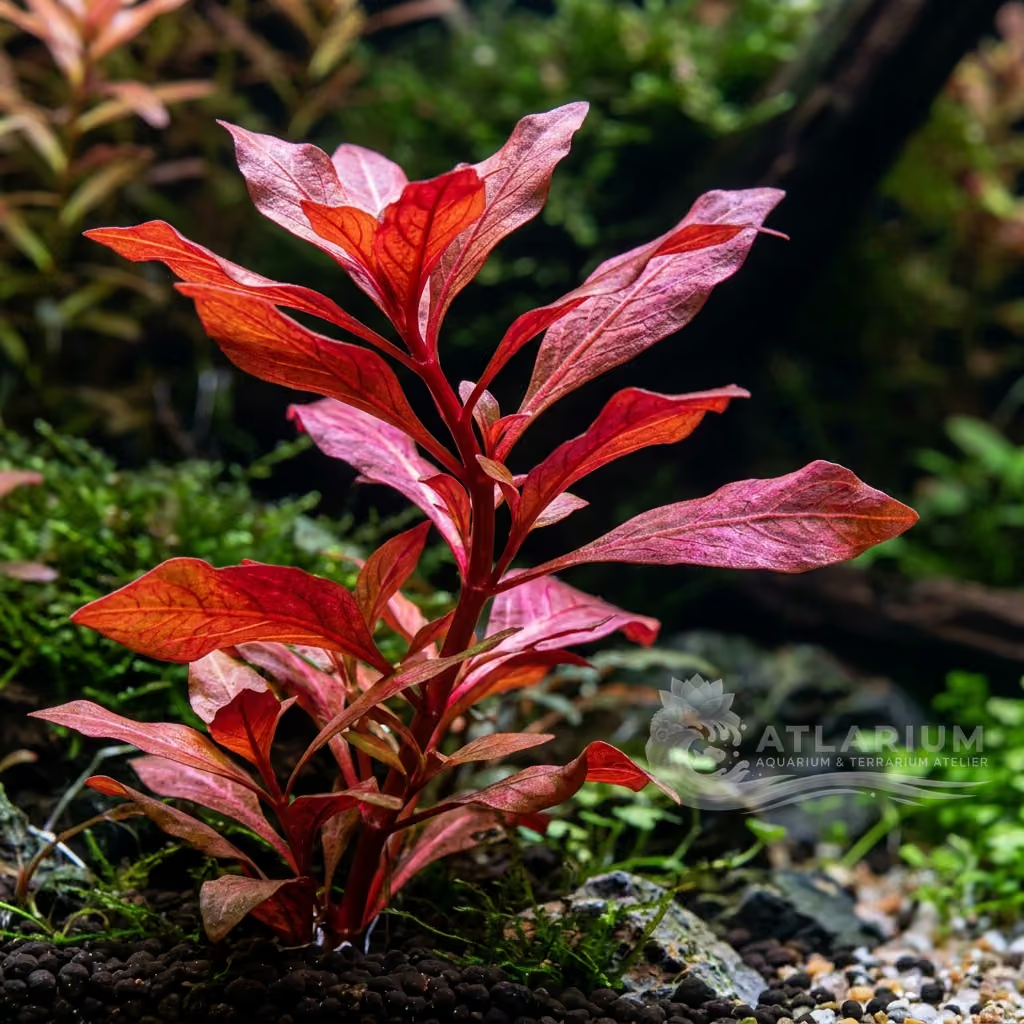
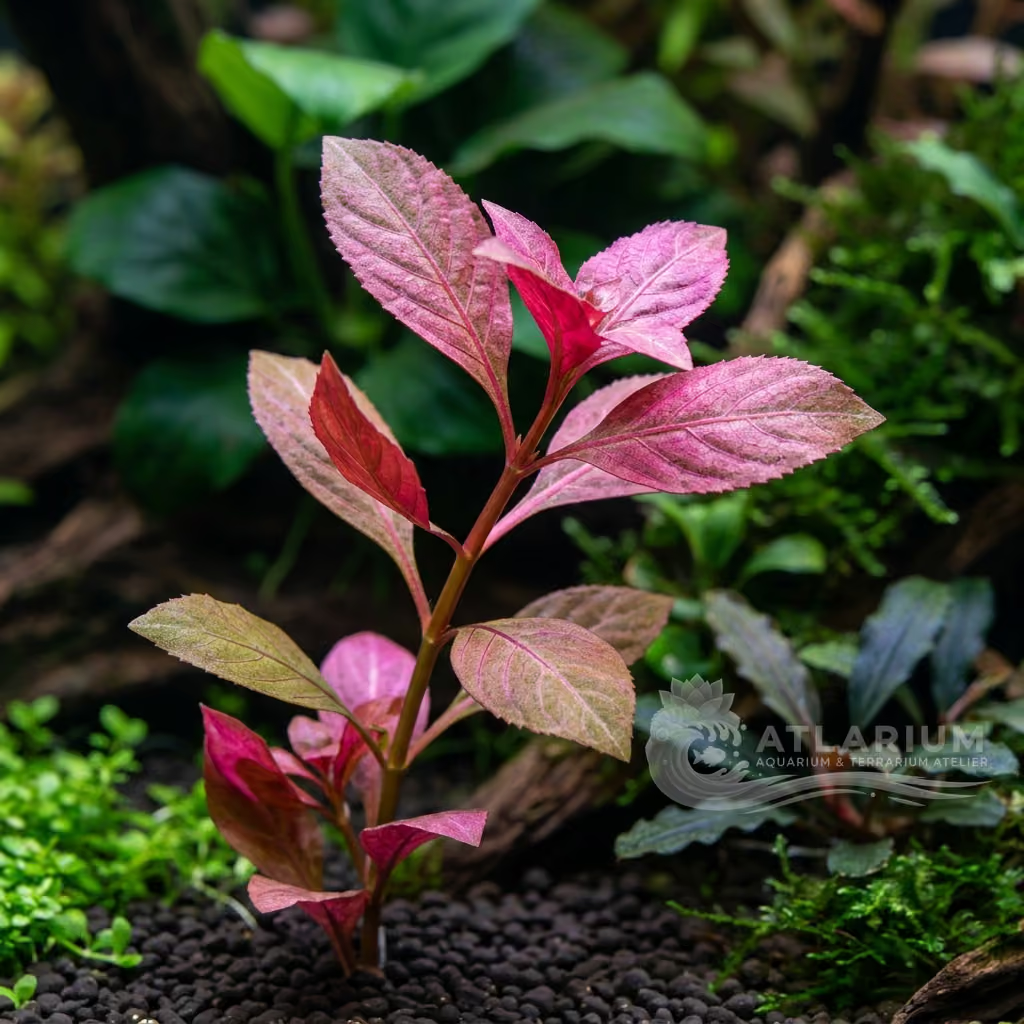
Ludwigia octovalvis has a broad circumtropical range. It features bronze-tinged leaves and demands high-intensity lighting to prevent the lower stems from shedding.
Wassertemperatur
15 - 30 °C
pH-Wert
5 - 7.5
Wassertyp
Süßwasser
Licht
Hoch
CO2
Niedrig
Erwartete Höhe
150 cm
Erwartete Breite
40 cm
GH
4 - 20 dGH
KH
2 - 15 dKH

Artbeschreibung
Geographical Origin and Habitat: Ludwigia octovalvis has a vast circumtropical distribution, native to wetlands, riverbanks, marshes, and lake margins across the Americas, Africa, Asia, and Australia. It thrives in wet mud or shallow, slow-moving waters in warm climates.
Taxonomy & Genetics: Belonging to the family Onagraceae and the genus Ludwigia, this species is part of a complex polyploid species group. Its complex genetics allow it to adapt to variable soil types, water chemistries, and moisture levels in wild and captive habitats.
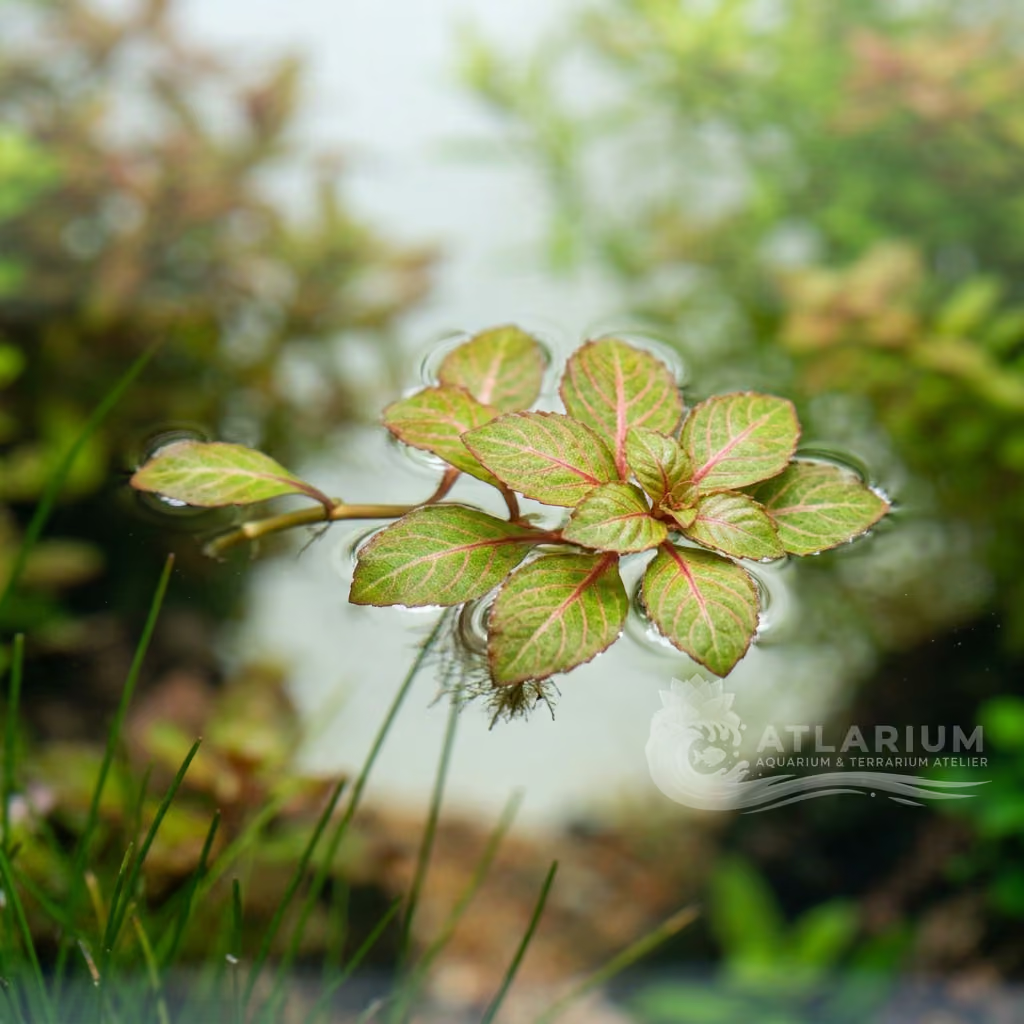
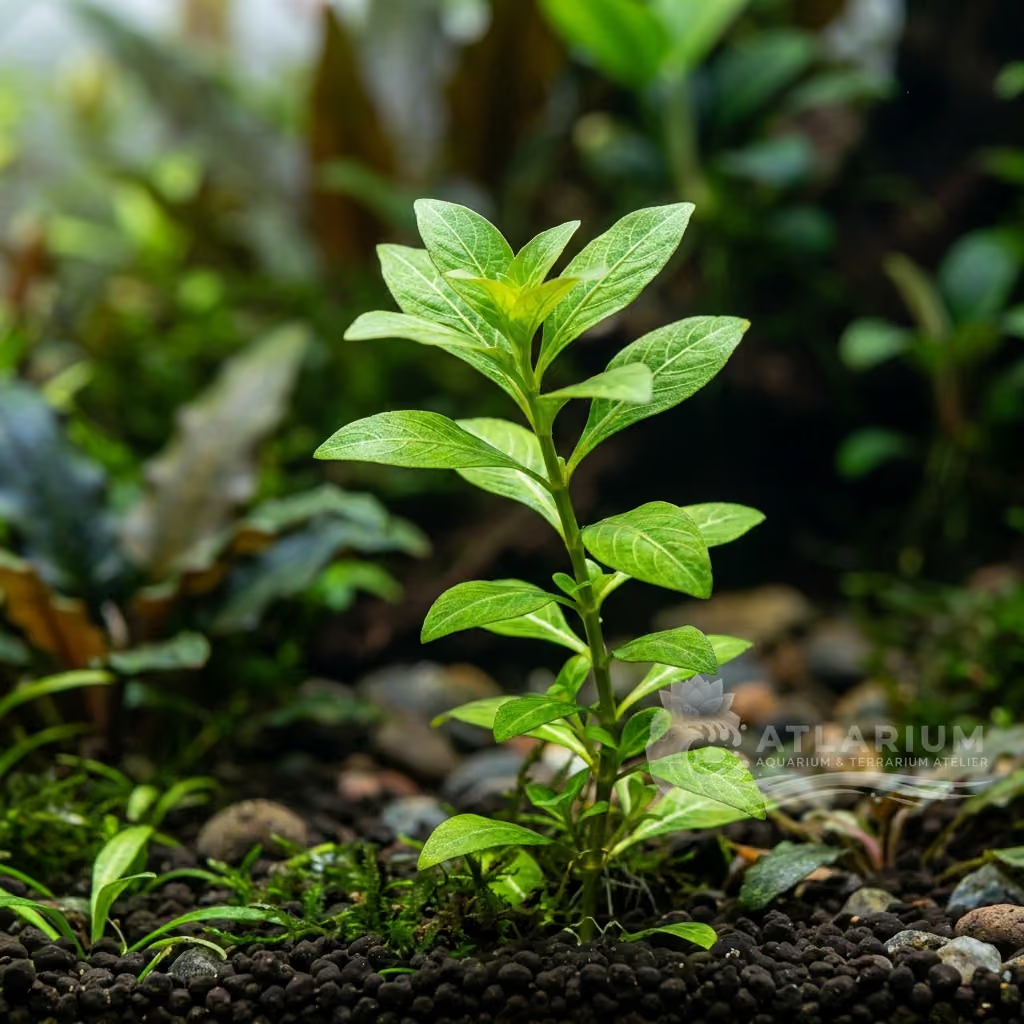
Physical Structure: An erect or decumbent herbaceous plant that can grow up to 150 cm tall in its natural habitat. In aquariums, it maintains a branching stem habit, producing lanceolate, alternate leaves along woody stems that develop robust root systems.
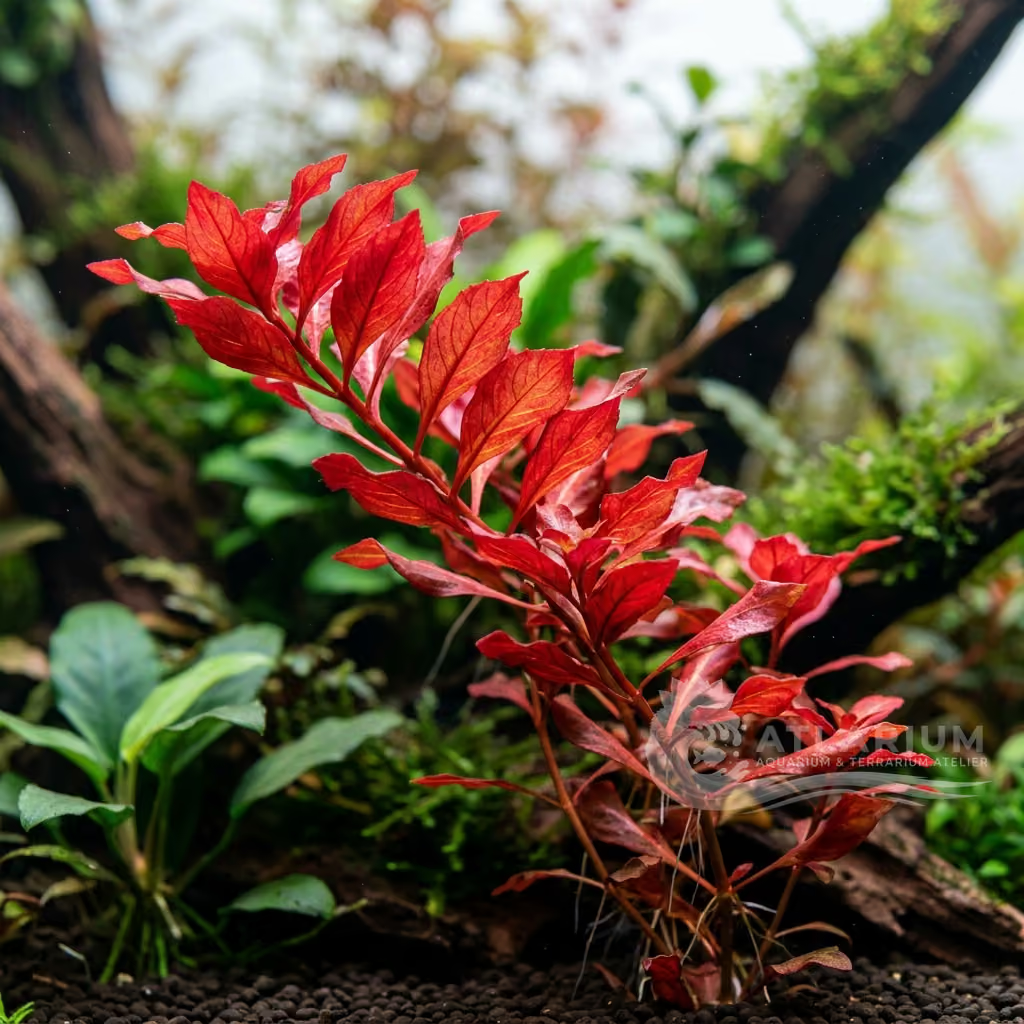
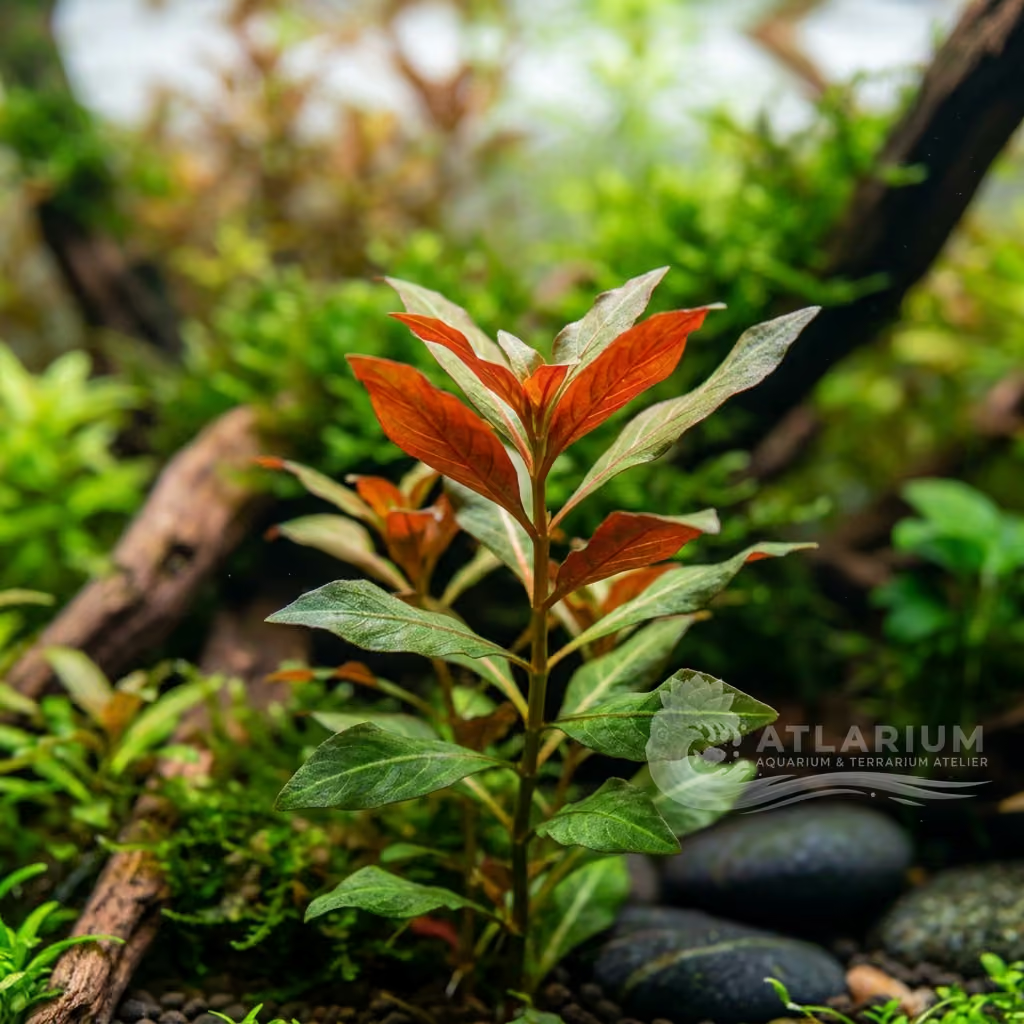
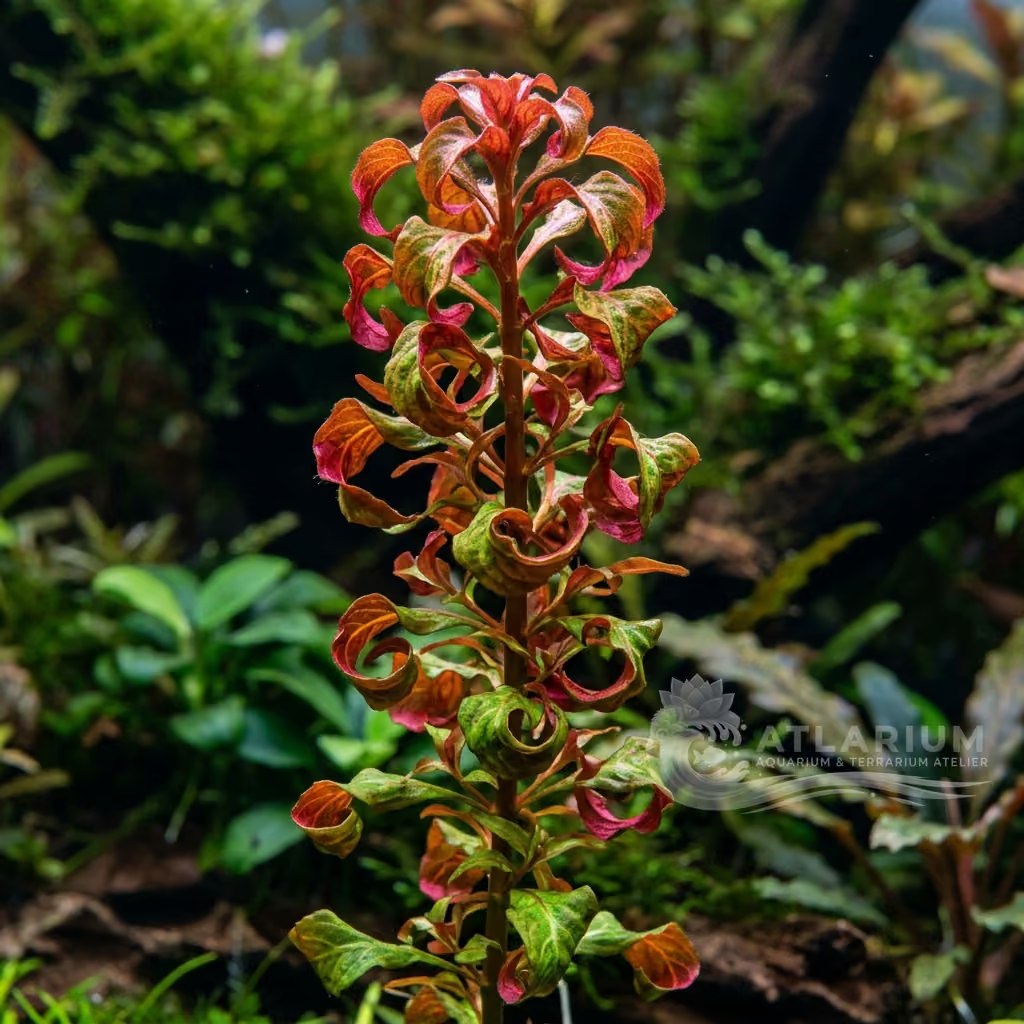
Color & Texture: Features bright green foliage that can develop beautiful reddish-bronze hues under high light and optimal nutrient levels. The leaf texture is smooth and matte, with distinct pinnate veins providing a structured look to the overall plant.

Pflege, Zucht und Mitbewohner
Lighting & CO2: Requires high-intensity lighting to maintain compact growth and induce the bronze coloration. Without sufficient light, lower leaves will quickly drop. While it can survive without CO2, supplementation is highly recommended for robust growth.
Nutrition & Substrate: Although it can absorb nutrients from the water column, a nutrient-rich substrate or root tabs will greatly enhance growth. Regular dosing of liquid iron and micro-nutrients is essential to prevent pale leaves and promote reddish tones.
Water Chemistry: Prefers temperatures between 15°C and 30°C, a pH range of 5.0 to 7.5, and soft to medium water hardness. Excellent water filtration and regular water changes are recommended to maintain clear water and keep algae from coating the leaves.
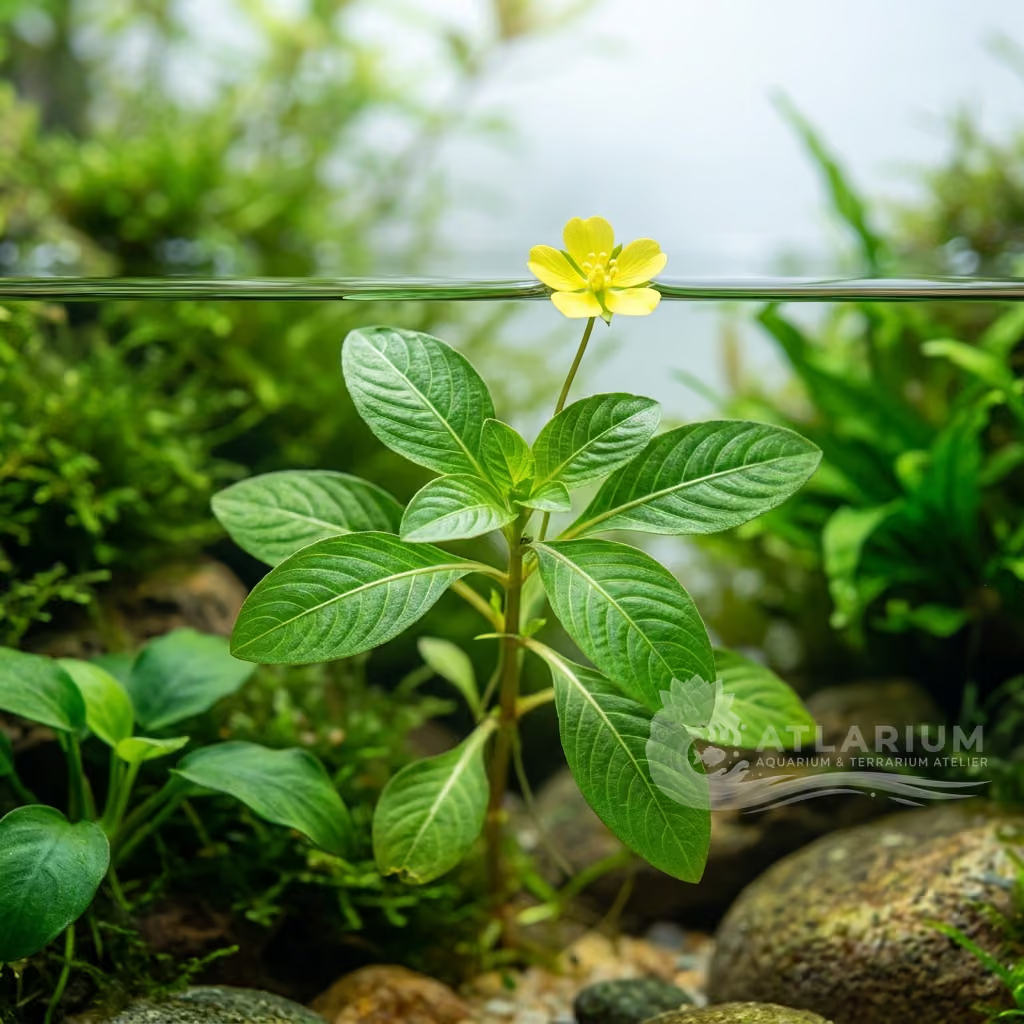
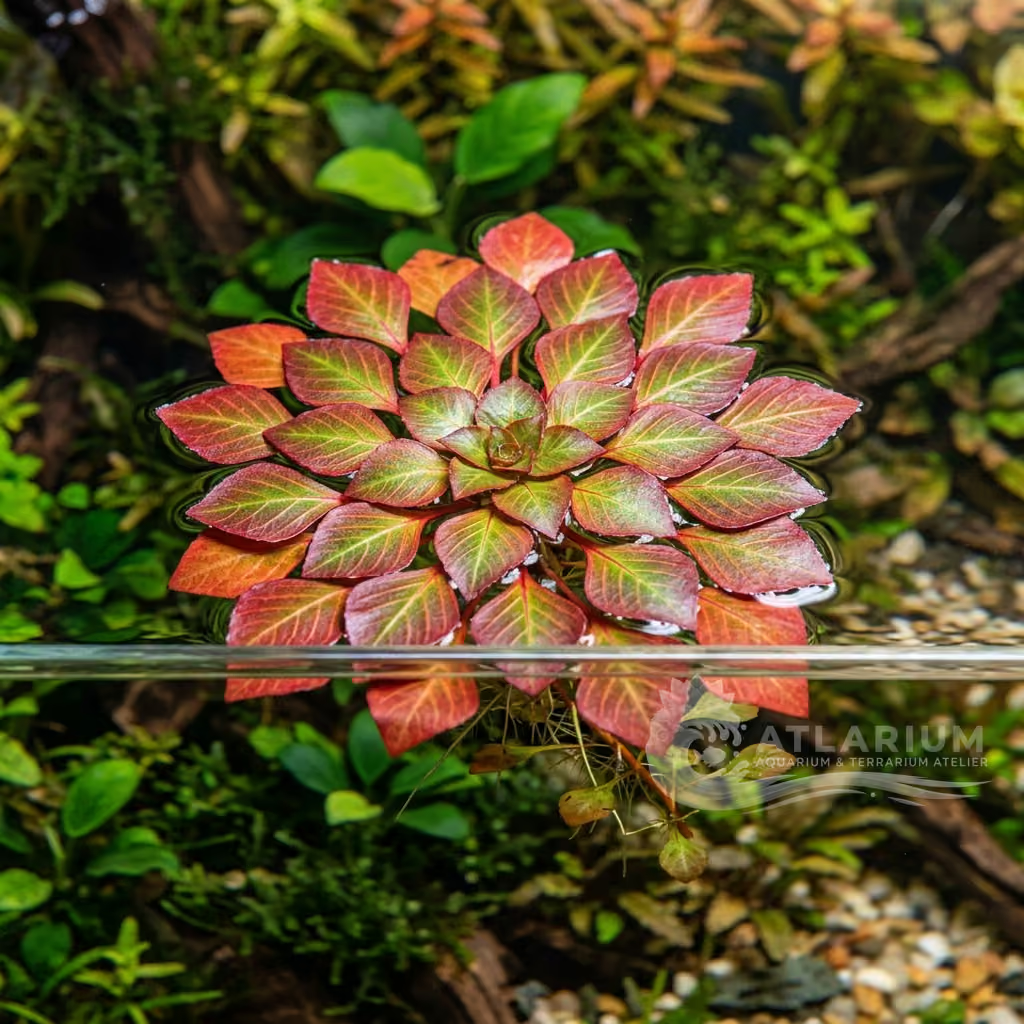
Space Management & Placement: Due to its rapid growth rate and potential height, it is best placed in the background of the tank. It is also an exceptional candidate for open-topped tanks, paludariums, or ripariums, where it can grow emerged and flower.
Pruning: Regular trimming is necessary to prevent it from reaching the surface too quickly and blocking light. Propagation is easily achieved by cutting the top 10-15 cm of the stems and replanting them into the substrate where they will quickly root.
Risks & Diseases: The primary risk is bottom-leaf rot caused by self-shading if the plant is allowed to grow too dense. It is also susceptible to iron deficiency, leading to yellowing leaves, and can suffer from hair algae infestations under high lighting.

Geografische Herkunft und Verbreitung
Ludwigia octovalvis has a vast circumtropical distribution, native to wetlands, riverbanks, marshes, and lake margins across the Americas, Africa, Asia, and Australia. It thrives in wet mud or shallow, slow-moving waters in warm climates.
Ursprung
NordamerikaAmazonas, Orinoco und GuayanaExtra-Amazonas-SüdamerikaMittelamerika und KaribikAfrika und MadagaskarSüd- und SüdostasienOstasienAustralien, Neuguinea und Ozeanien

Pflanzenprofil
- Platzierung
- Hintergrund
- Given its potential to grow quite tall and wide, it is best placed in the background of large aquariums. In smaller tanks, it can quickly overpower the aquascape if not managed properly. Placing it as a solitary specimen or in a small group can create a strong, structural focal point.
- Botanische Form
- Stängel
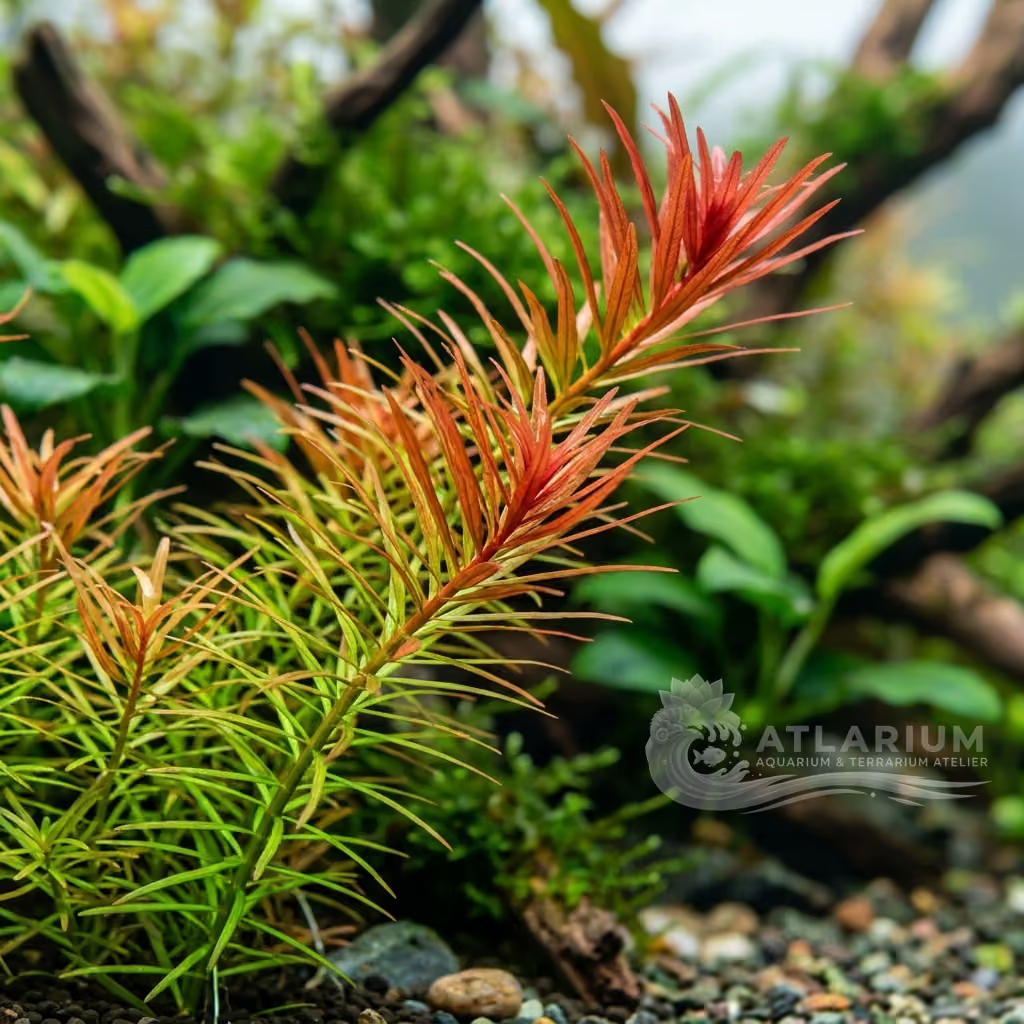
- This plant is characterized by its long, lanceolate leaves that grow oppositely along a thick, woody stem. The foliage is typically a vibrant, light green, though it can develop subtle yellowish or reddish tinges under intense illumination. When grown emersed, it produces distinct, four-petaled yellow flowers.
- Wachstum
- Schnell
- Under favorable conditions, this species exhibits a fast to very fast growth rate. It requires frequent pruning to keep its size in check and prevent it from shading out smaller foreground plants. Its rapid growth makes it an excellent candidate for helping to balance new aquarium setups.
- Substrat
- Keiner
- Highly adaptable and does not strictly require a specialized or nutrient-rich substrate to survive. It can be grown in basic sand or gravel, as it relies heavily on the water column for its nutrient intake. A simple substrate depth of 1 to 2 inches is primarily needed to anchor the stems and keep the plant in place.
- Säulendüngung
- Empfohlen
- Liquid fertilization is effective for delivering essential micronutrients directly to the leaves. Regular dosing helps maintain its bright green coloration and prevents the lower leaves from deteriorating. Potassium deficiencies may present as pinholes in the older foliage.
- Wurzeldüngung
- Keine
- A nutrient-rich substrate is highly recommended to support its extensive and vigorous root system. Root tabs placed deeply into the substrate will provide a long-lasting source of essential macronutrients. Strong root fertilization helps anchor the plant and encourages thick, sturdy stem growth.
- Trimmen
- Regelmäßig
- Pruning is straightforward: simply cut the stem at the desired height just above a node. The remaining lower portion will often sprout multiple side shoots, creating a bushier plant over time. The cut tops can be replanted to easily expand the group or replace older, woody stems.
- Ausbreitung
- Stecklinge
- Propagation is easily achieved through simple stem cuttings. Any cut portion of the stem, when replanted into the substrate, will quickly develop roots and resume growth. It is an extremely easy plant to multiply in the home aquarium.
- Empfindlichkeit
- Mäßig
- It is a very adaptable species that tolerates a wide range of temperatures and water hardness levels. It is generally not sensitive to minor fluctuations in water chemistry. However, prolonged periods of low light will result in leggy growth and the loss of its lower leaves.
- Layoutrolle
- Hintergrund
- Ludwigia octovalvis serves as an excellent background filler or structural element in large aquascapes. Its bright green, lance-like leaves provide a nice textural contrast to both fine-leaved and broad-leaved plants. It is particularly effective in nature-style aquariums where a wild, bushy look is desired.

Verwandte Arten
Empfehlungen gruppiert nach nahen Verwandten, Auswahl von Begleitern und ähnlicher Betreuung.