Marsh Ludwigia
Ludwigia palustris
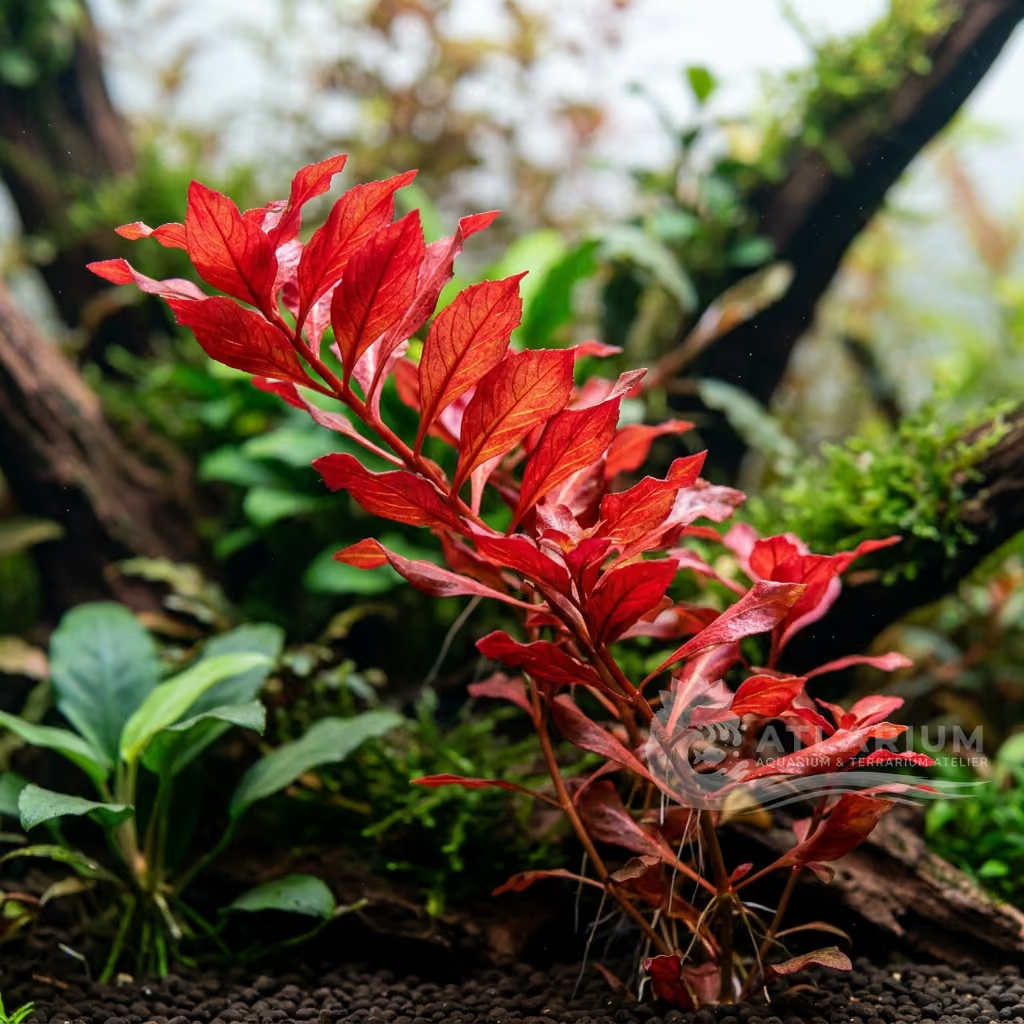
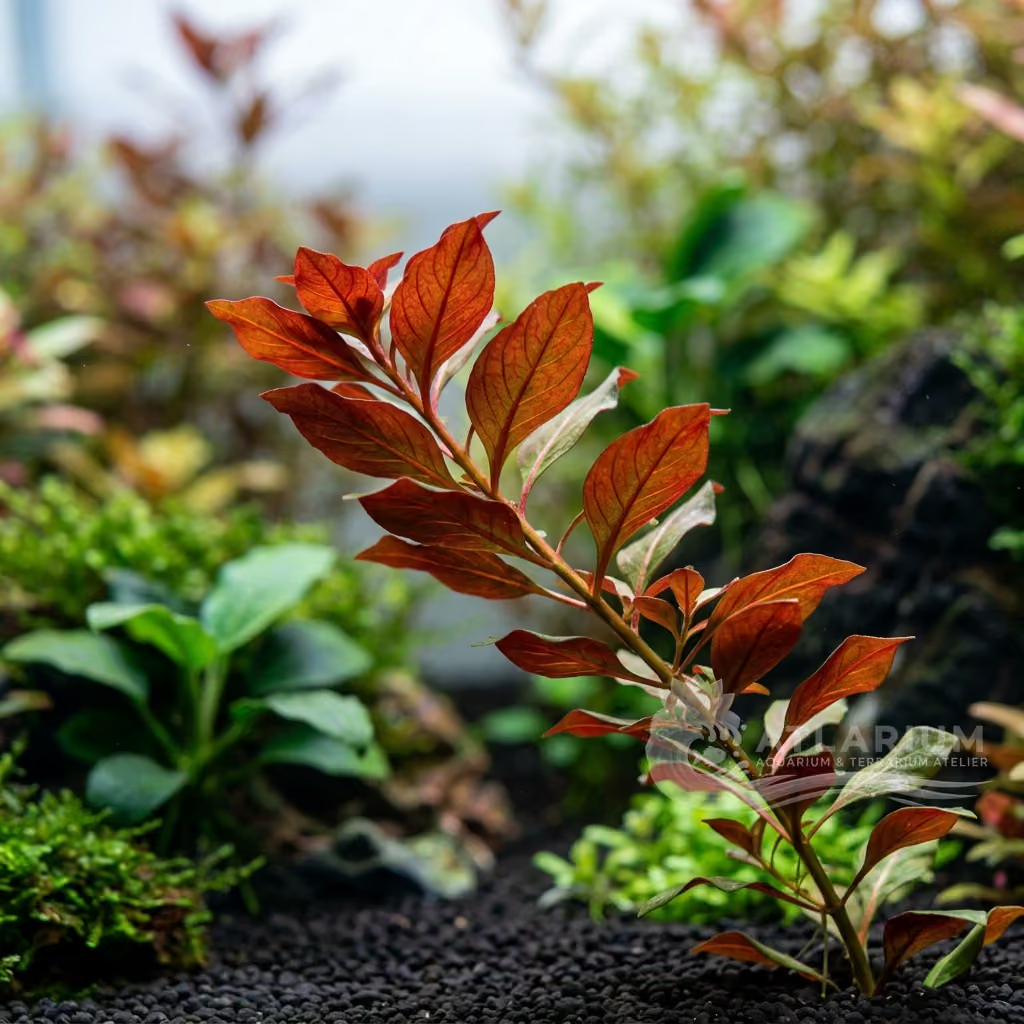
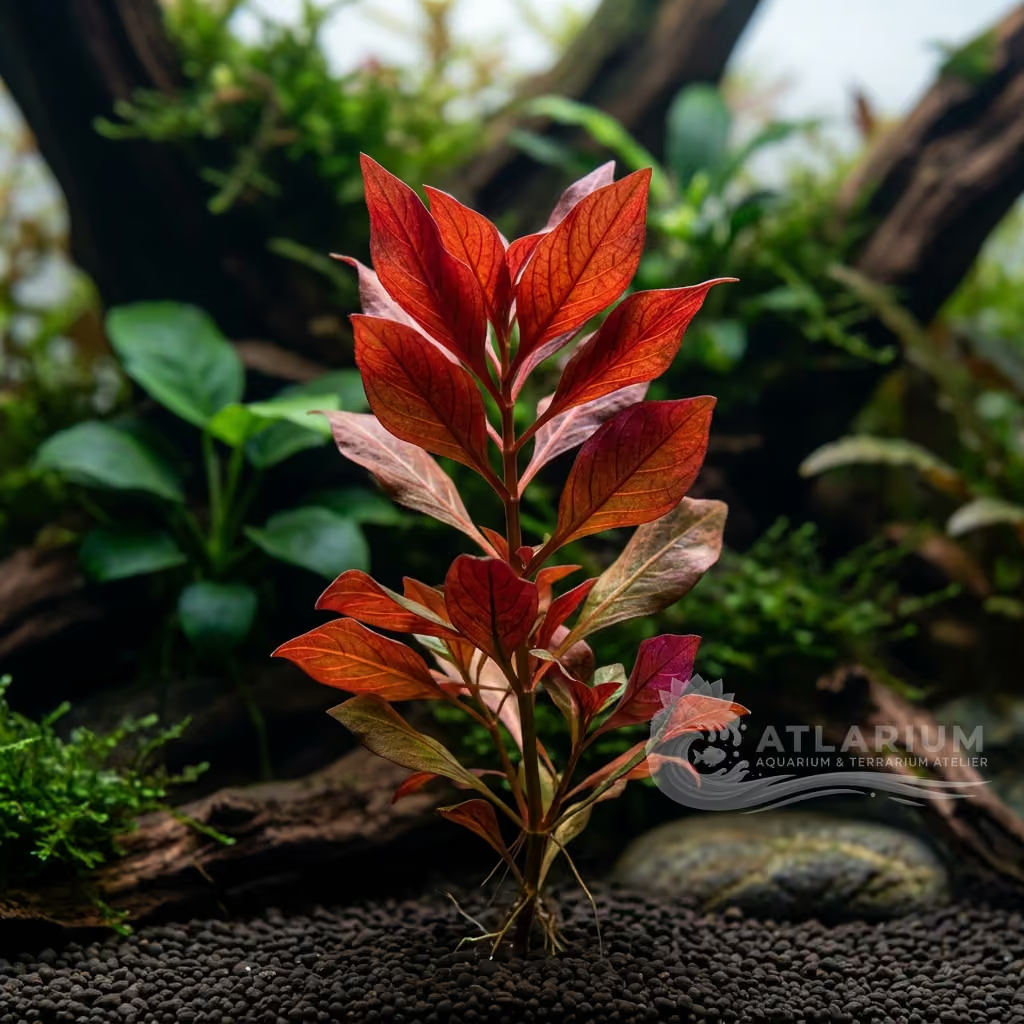
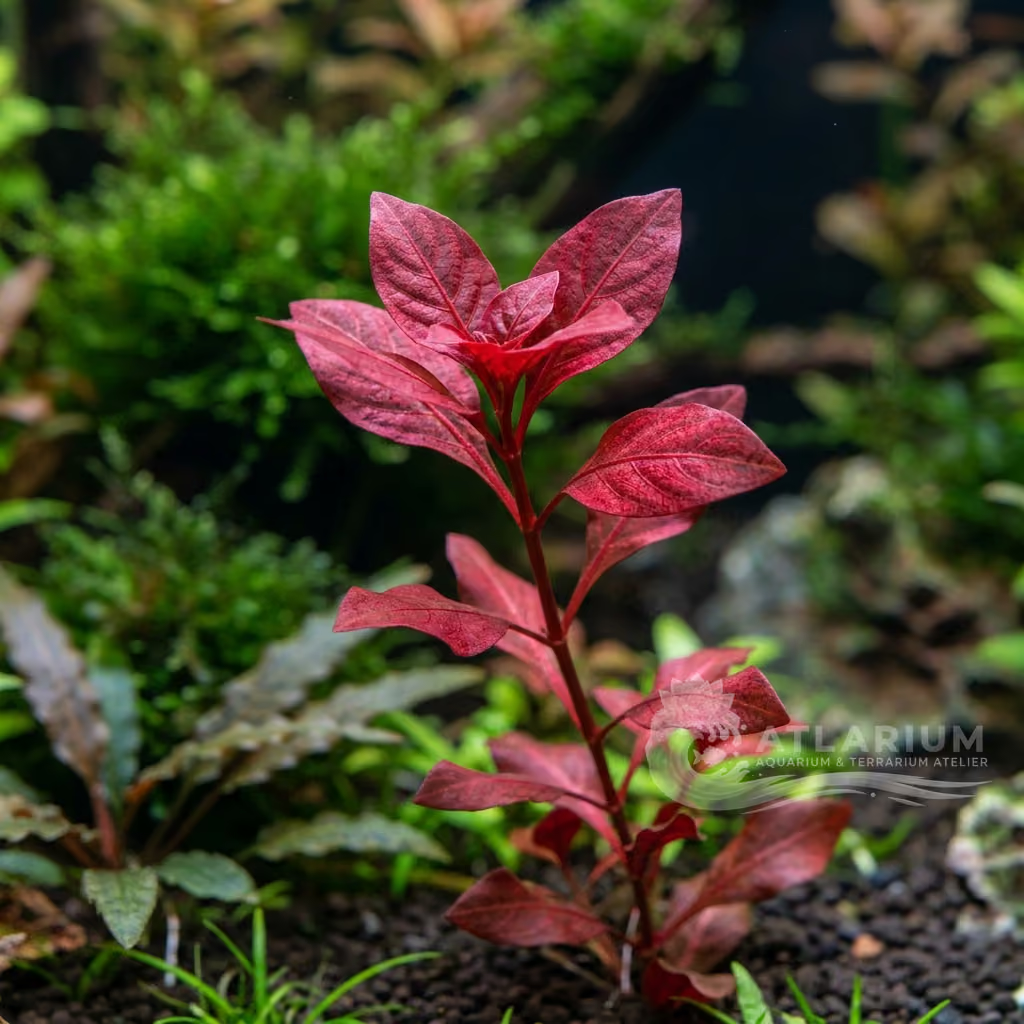
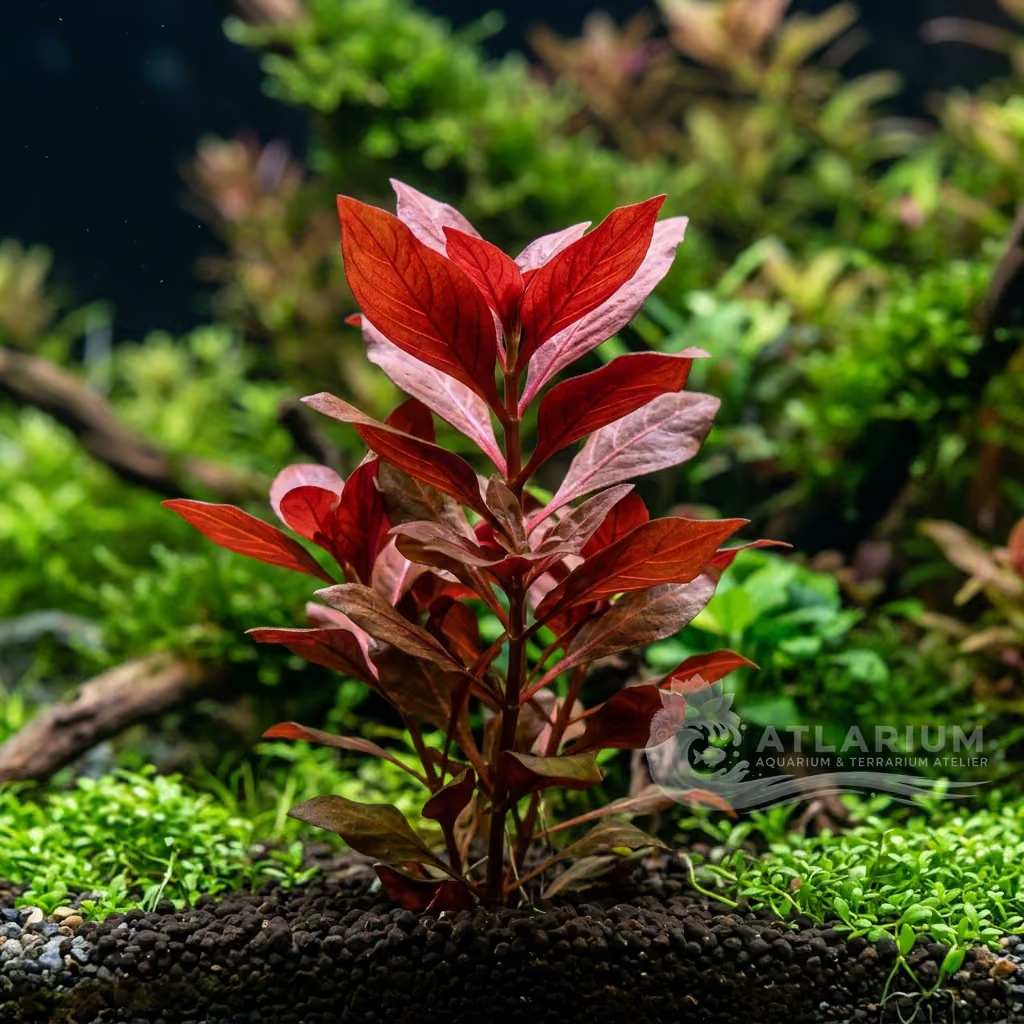
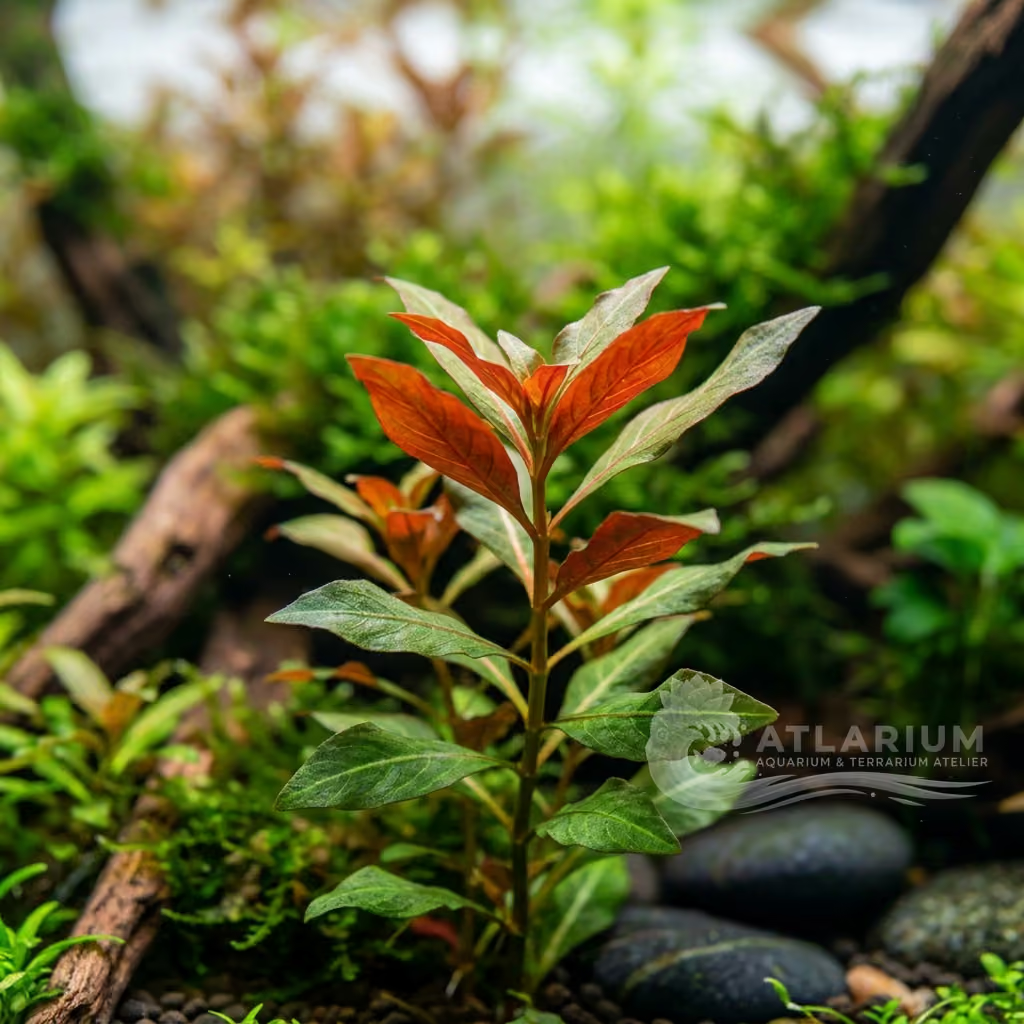
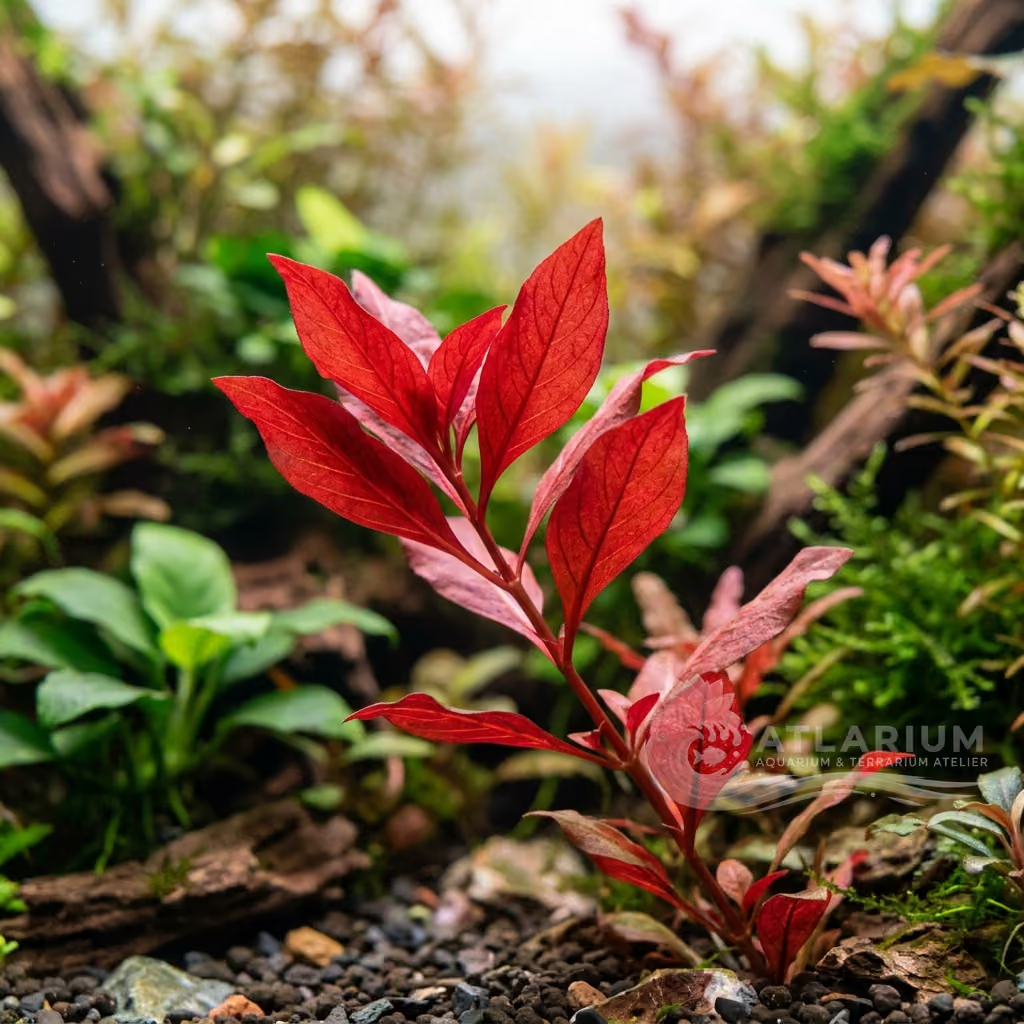
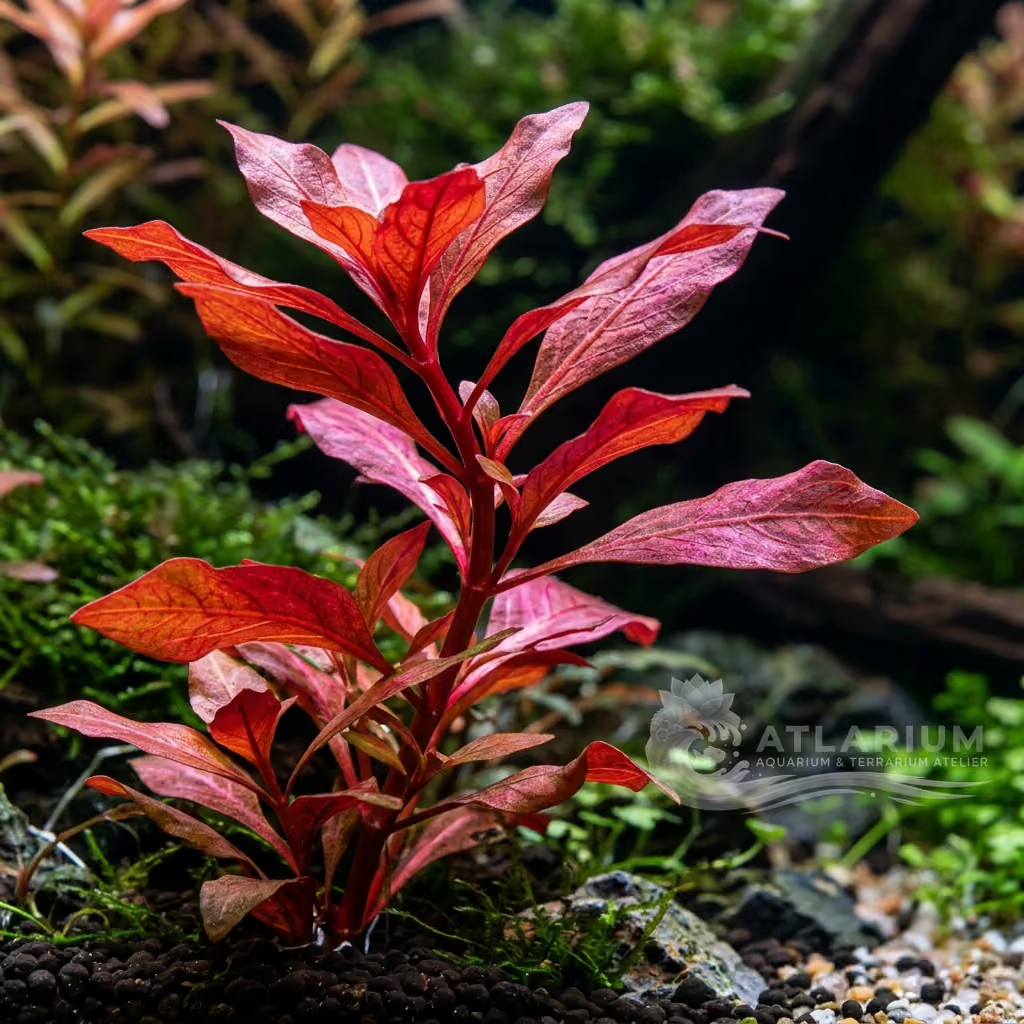
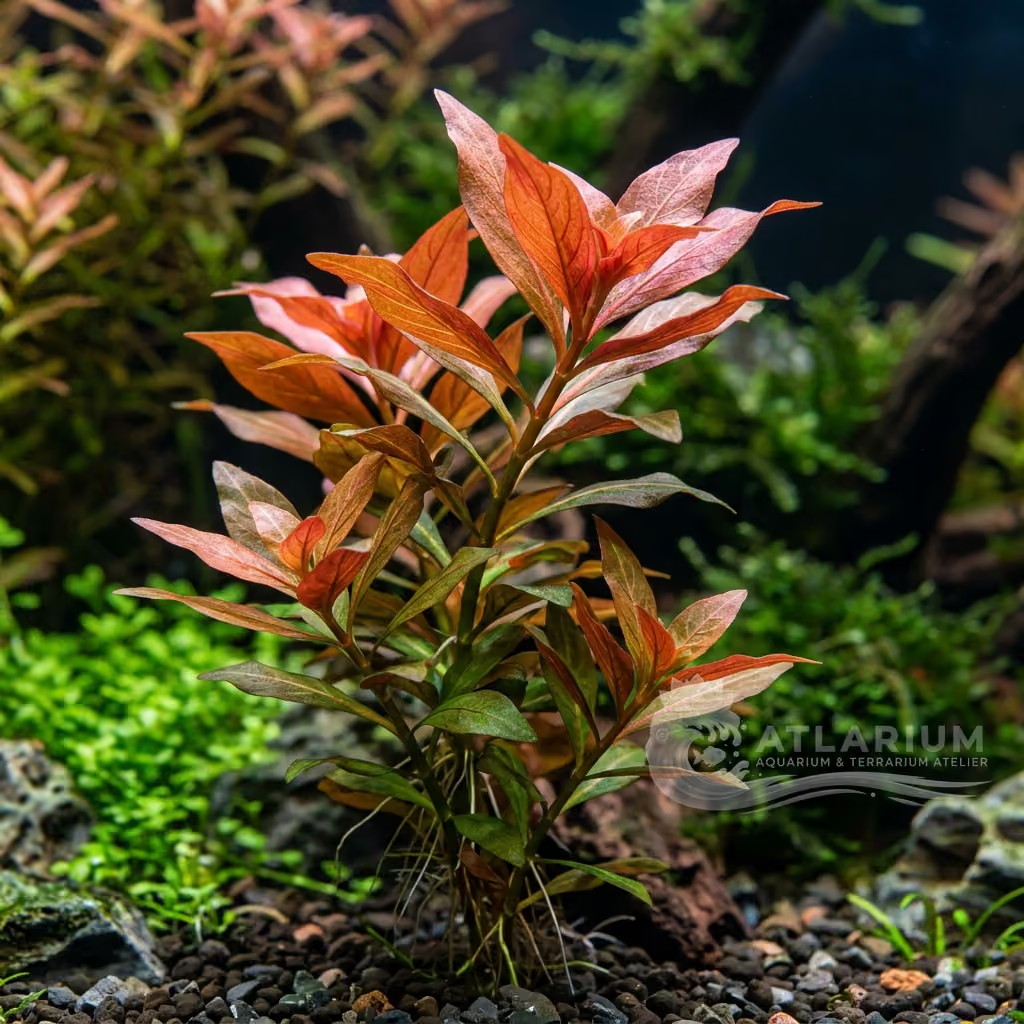
Ludwigia palustris is a cosmopolitan species that turns intensely red under bright light. It prefers high lighting to fully showcase its stunning aquatic coloration.
Wassertemperatur
15 - 26 °C
pH-Wert
6 - 7.5
Wassertyp
Süßwasser
Licht
Mittel
CO2
Niedrig
Erwartete Höhe
40 cm
Erwartete Breite
15 cm
GH
4 - 20 dGH
KH
2 - 15 dKH

Artbeschreibung
Geographical Origin and Habitat: This species has a cosmopolitan distribution, native to North America, Europe, Asia, and North Africa. It thrives in muddy marshlands, shallow ponds, ditches, and along the banks of slow-moving rivers, demonstrating high adaptability to both fully submerged and emersed life forms.
Taxonomy & Genetics: Belonging to the family Onagraceae and the genus Ludwigia, it is commonly known as Marsh Ludwigia or Water Purslane. It is genetically plastic, allowing it to rapidly transition between aquatic and terrestrial forms by changing leaf thickness and cuticle structure depending on moisture availability.
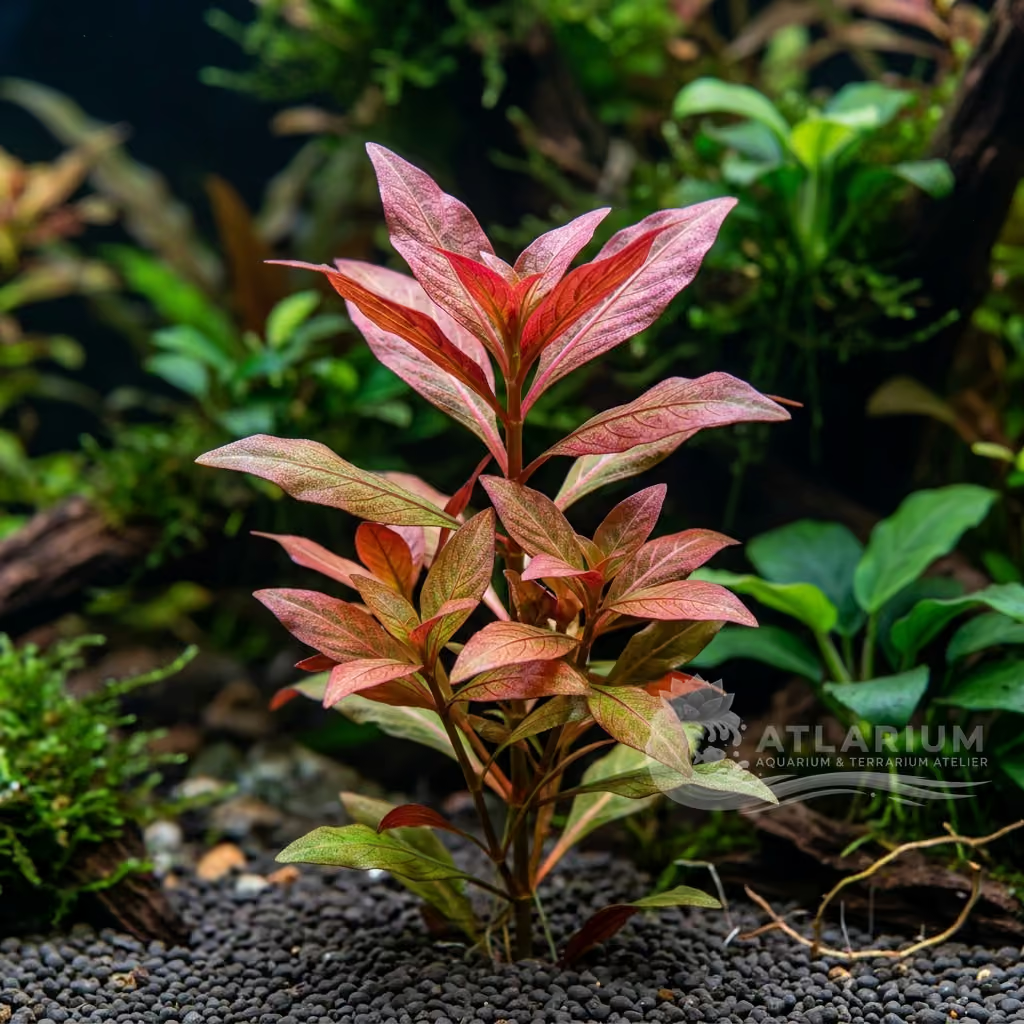
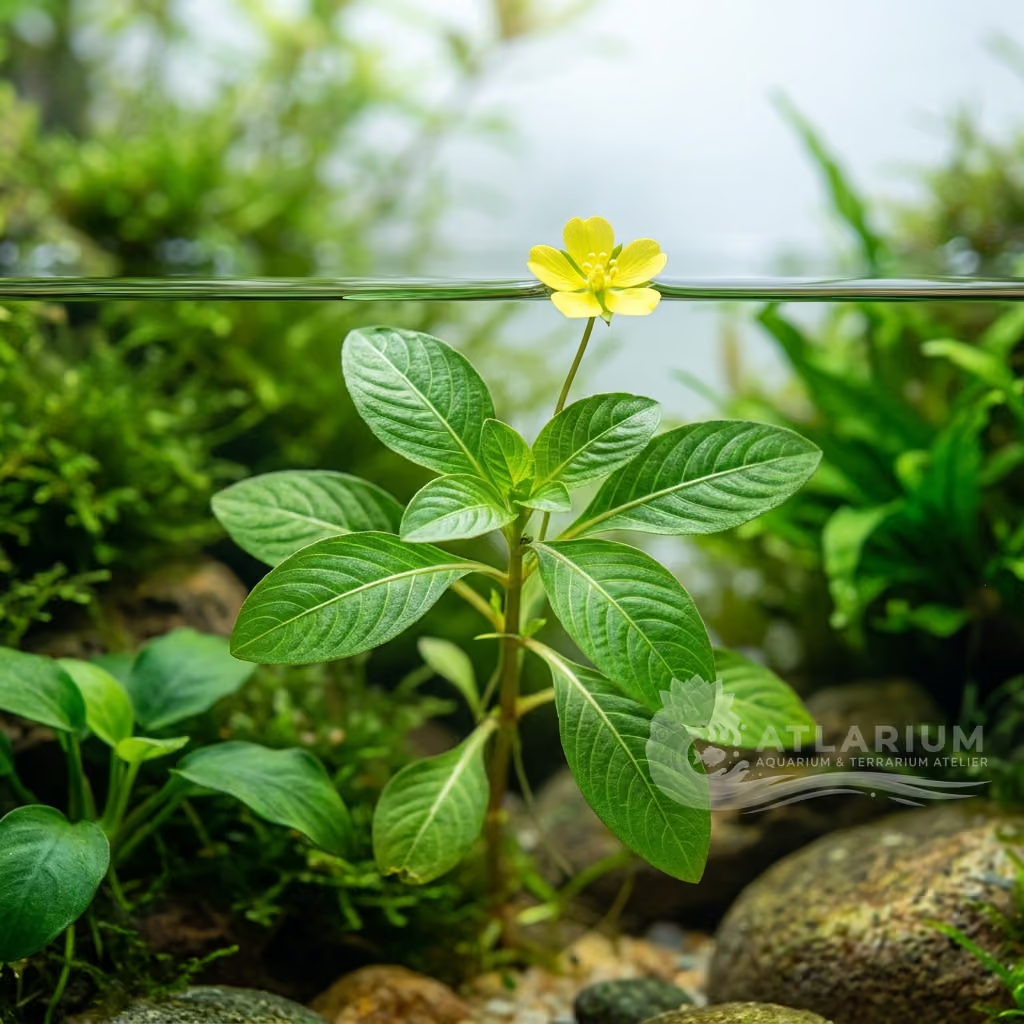
Physical Structure: It features a highly branched stem that grows up to 30-40 cm in length. The leaves are ovate to lanceolate, arranged in opposite pairs along the stem. The plant produces a delicate but extensive root system within the substrate and frequently develops adventitious roots from stem nodes.
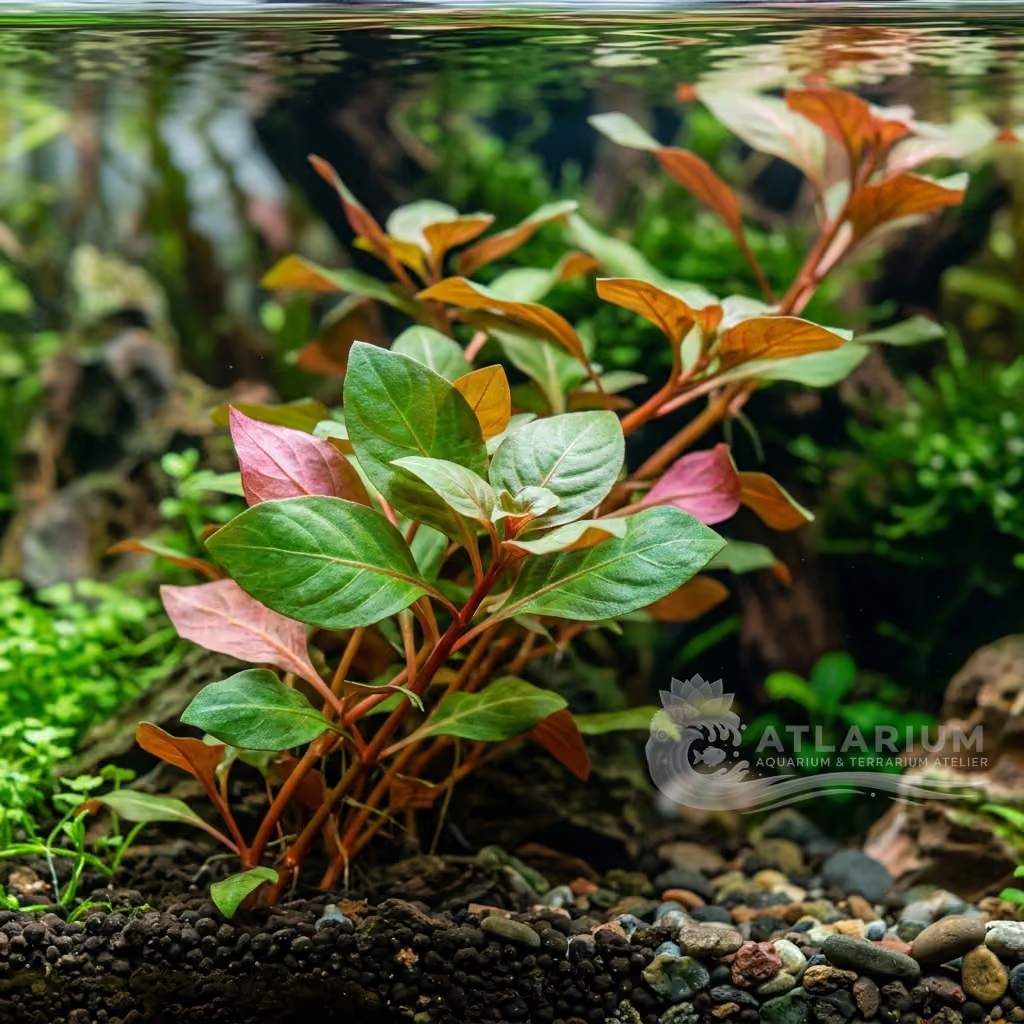
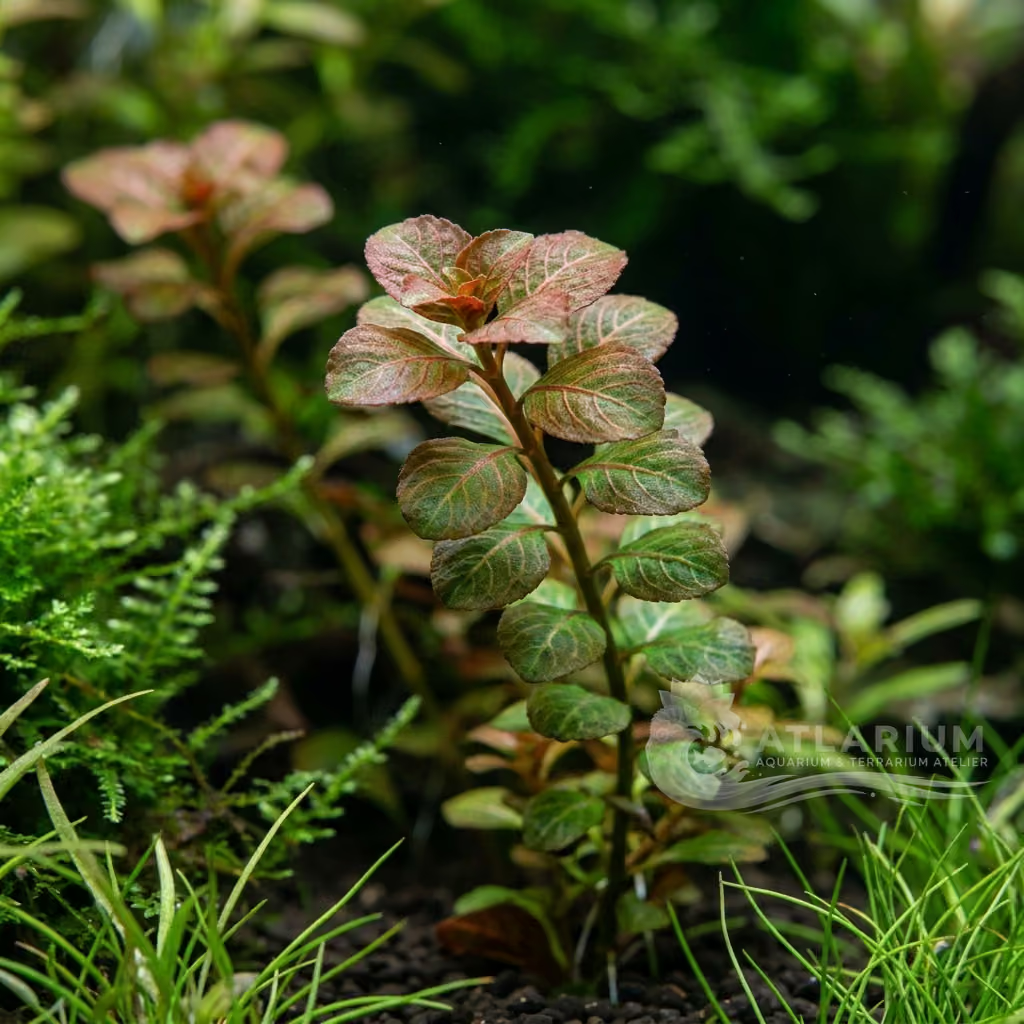
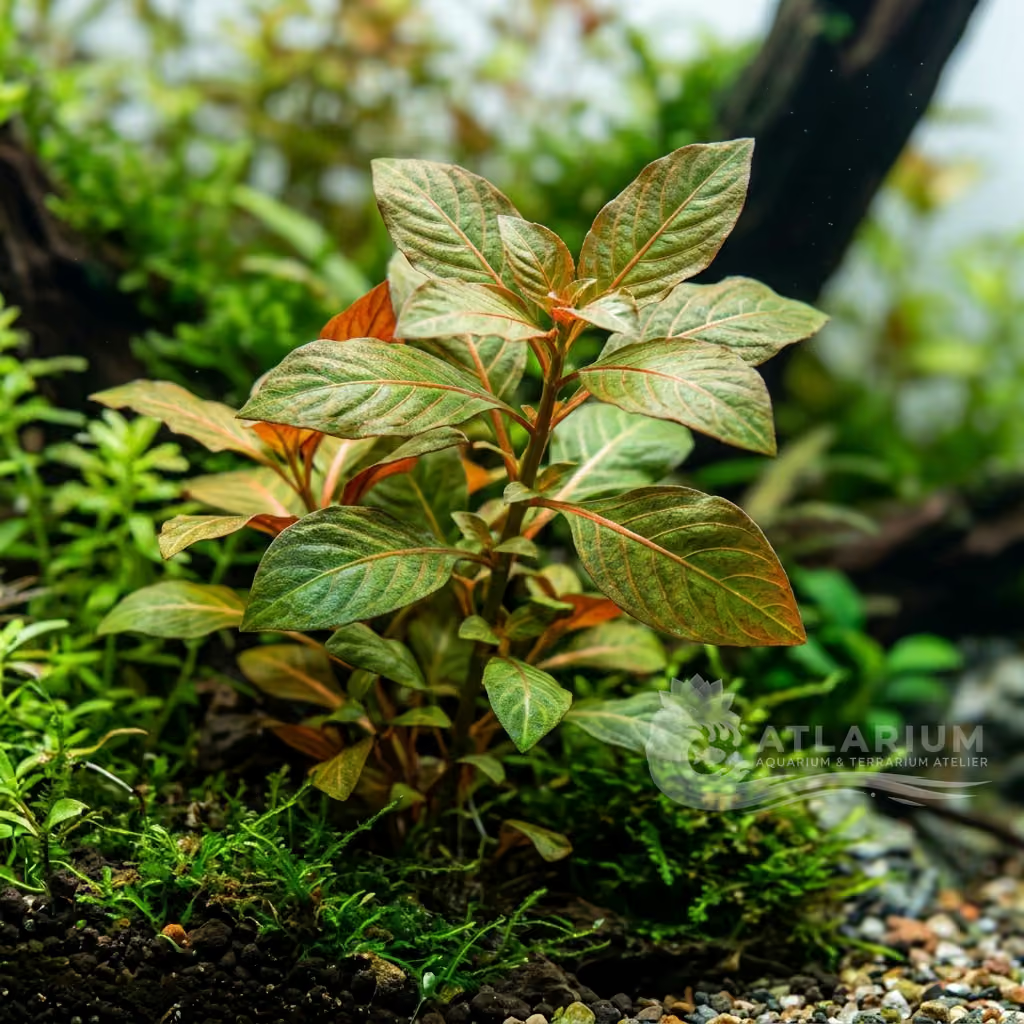
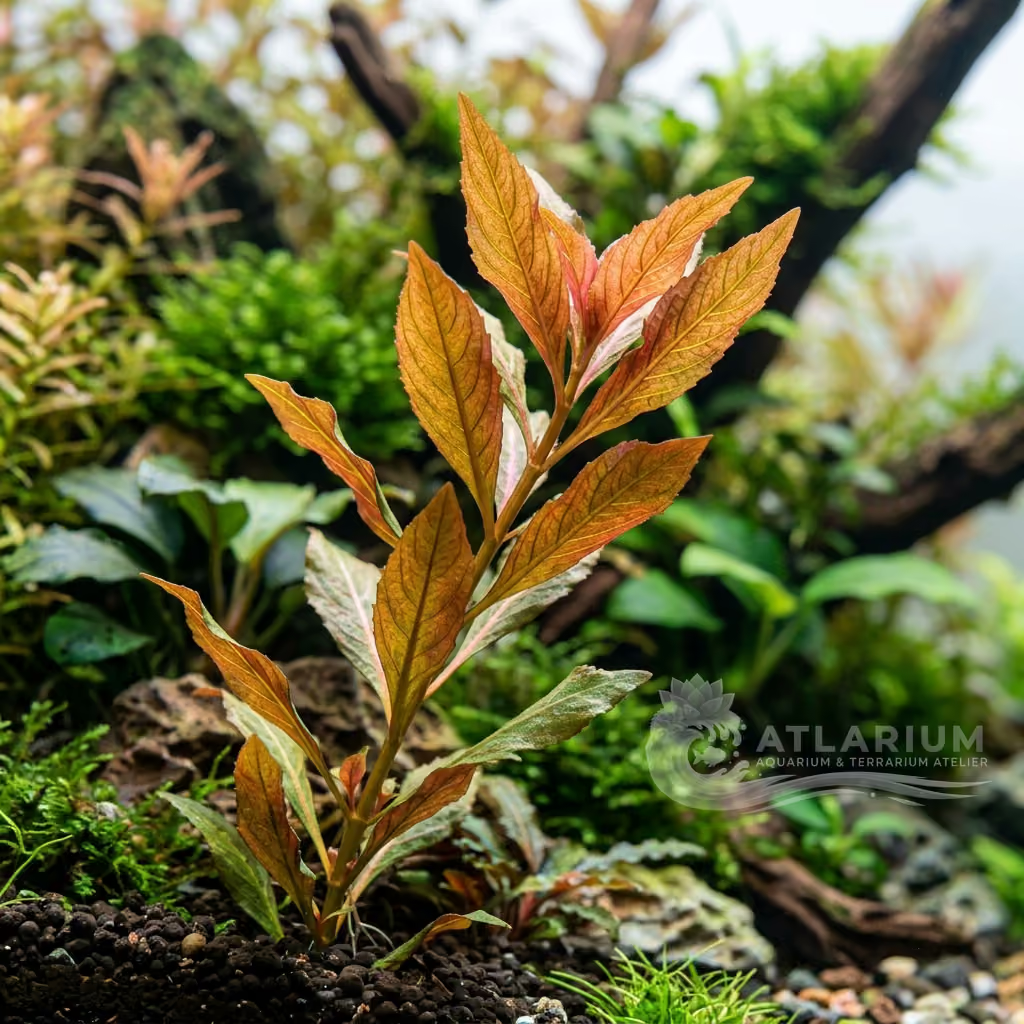
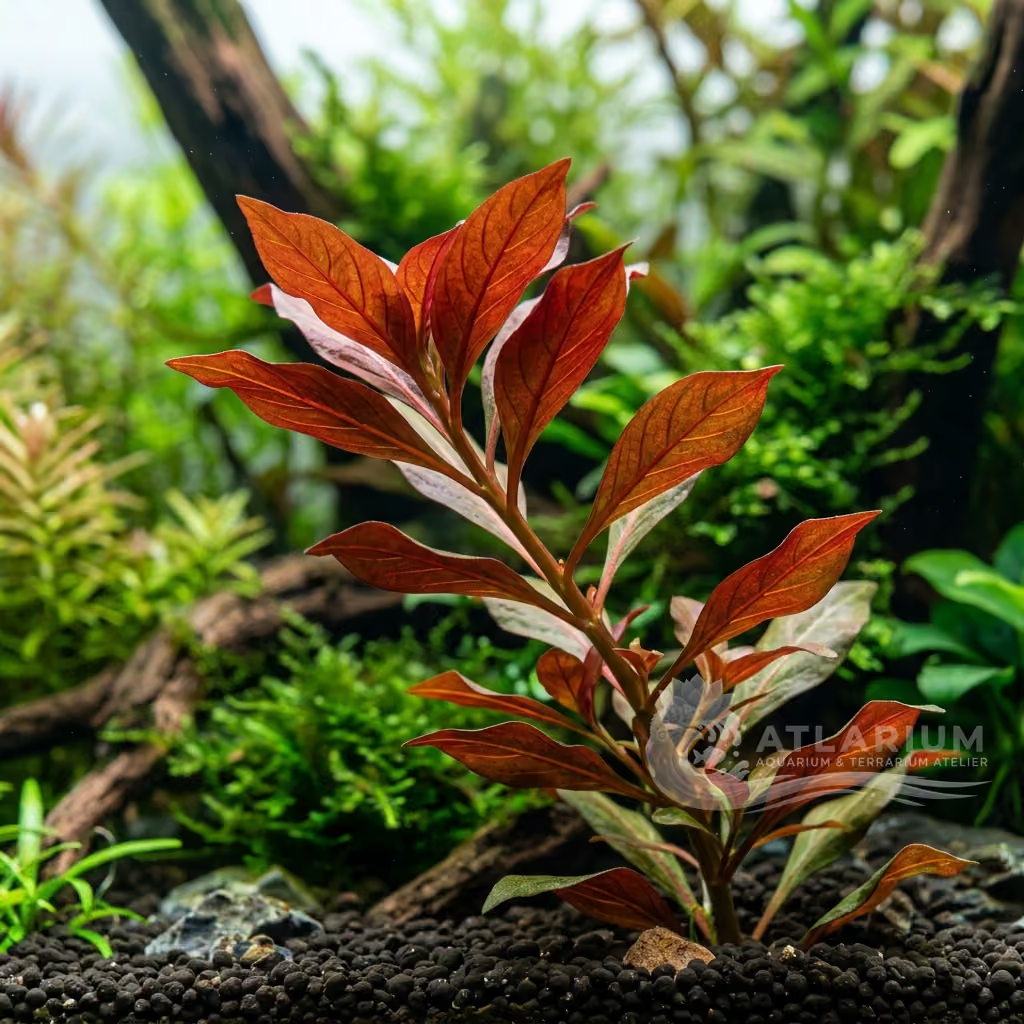
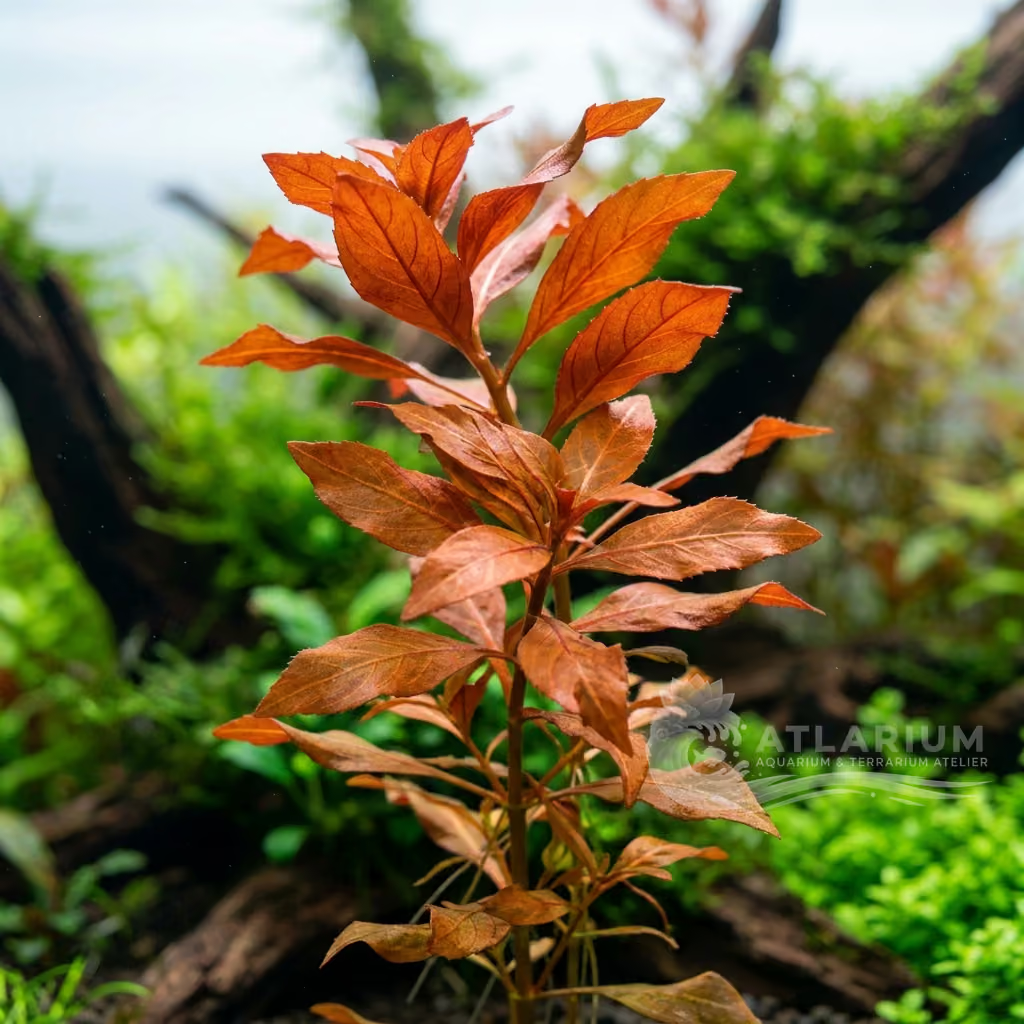
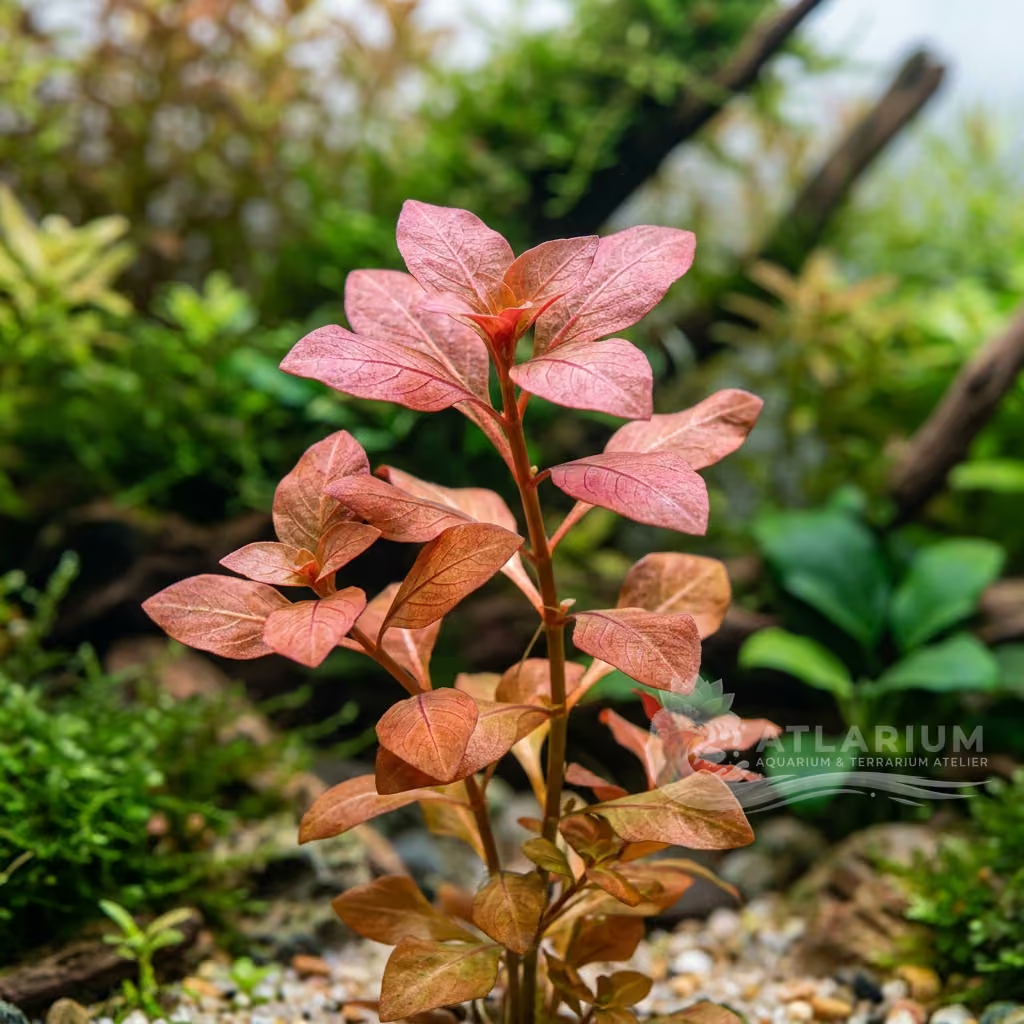
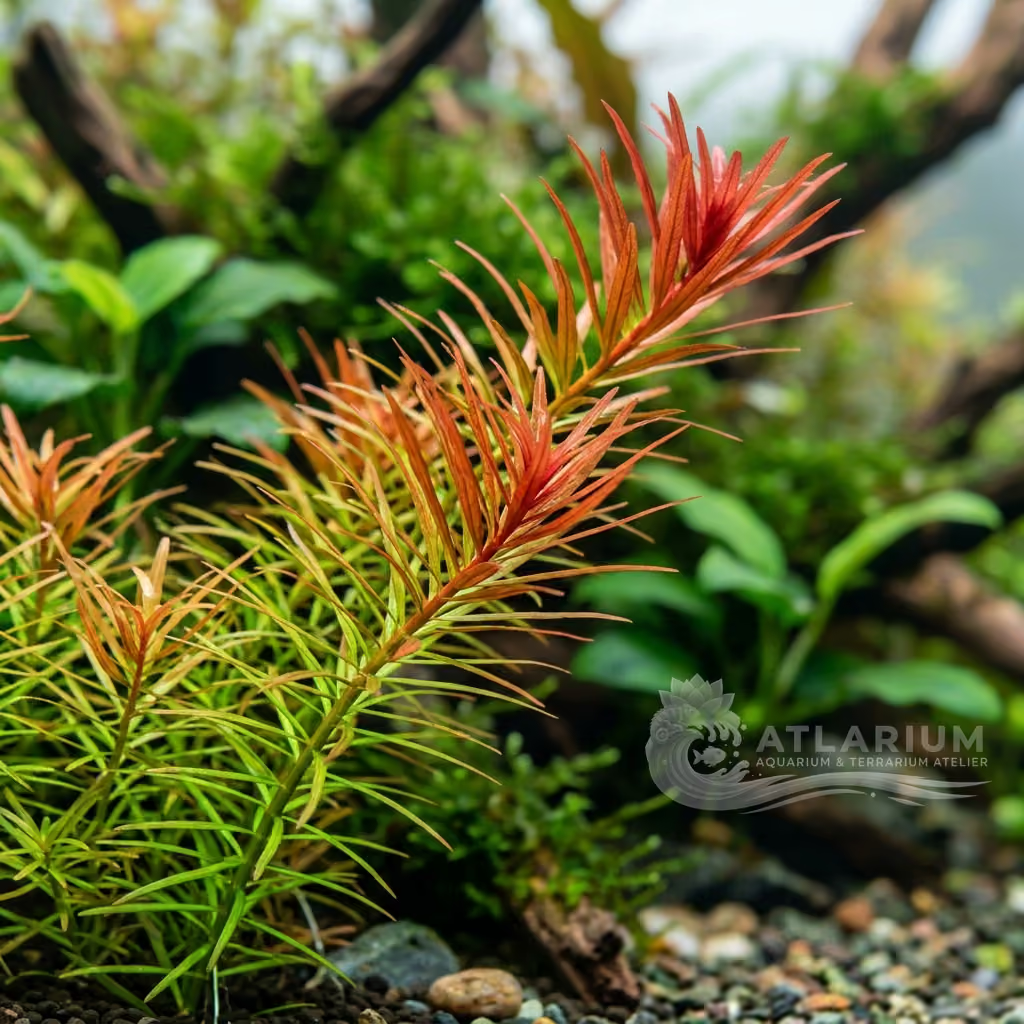
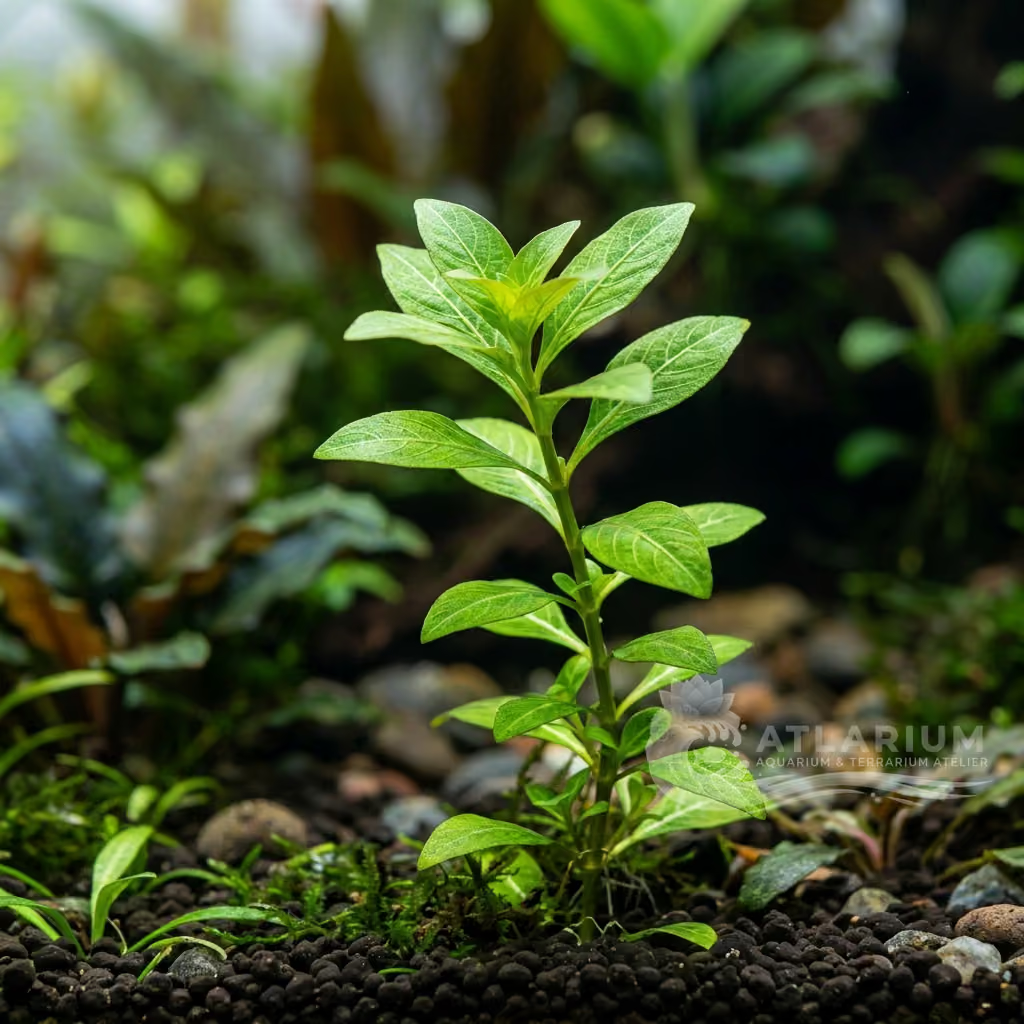
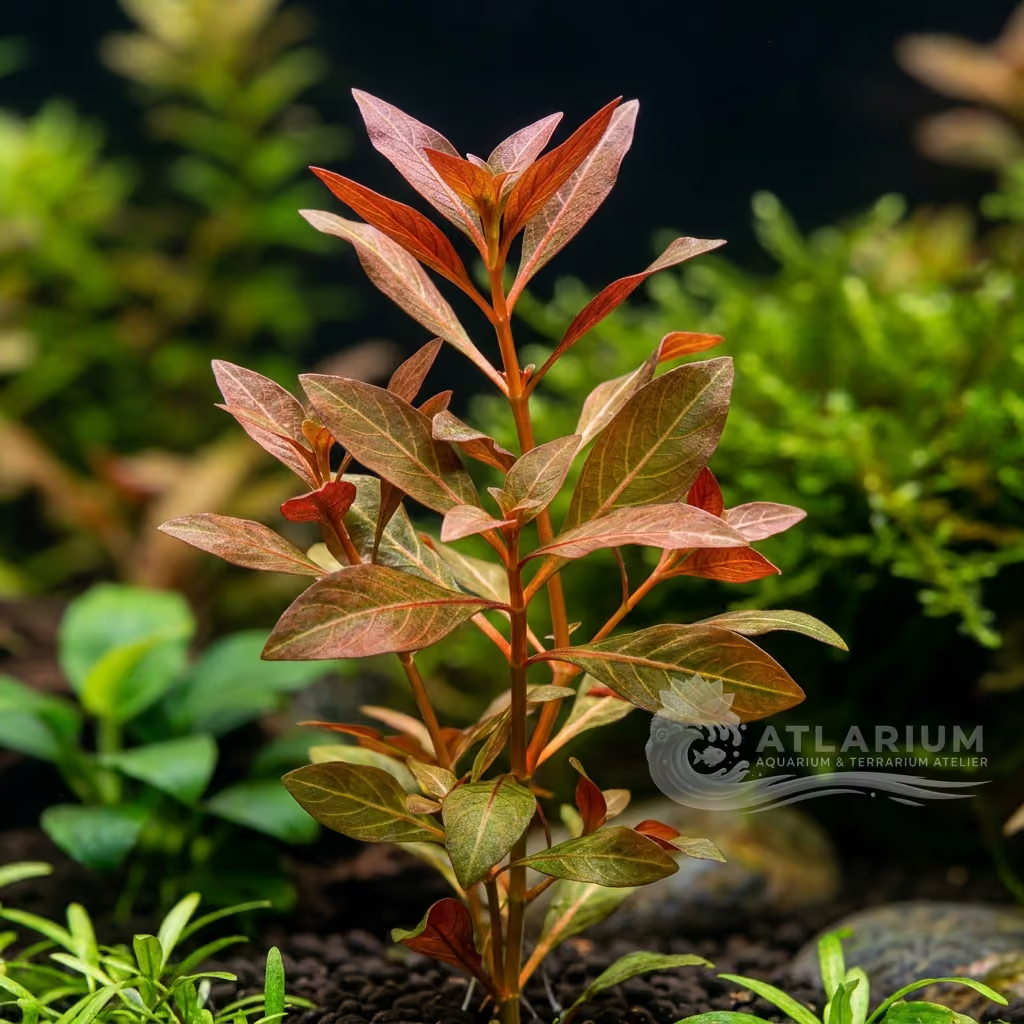
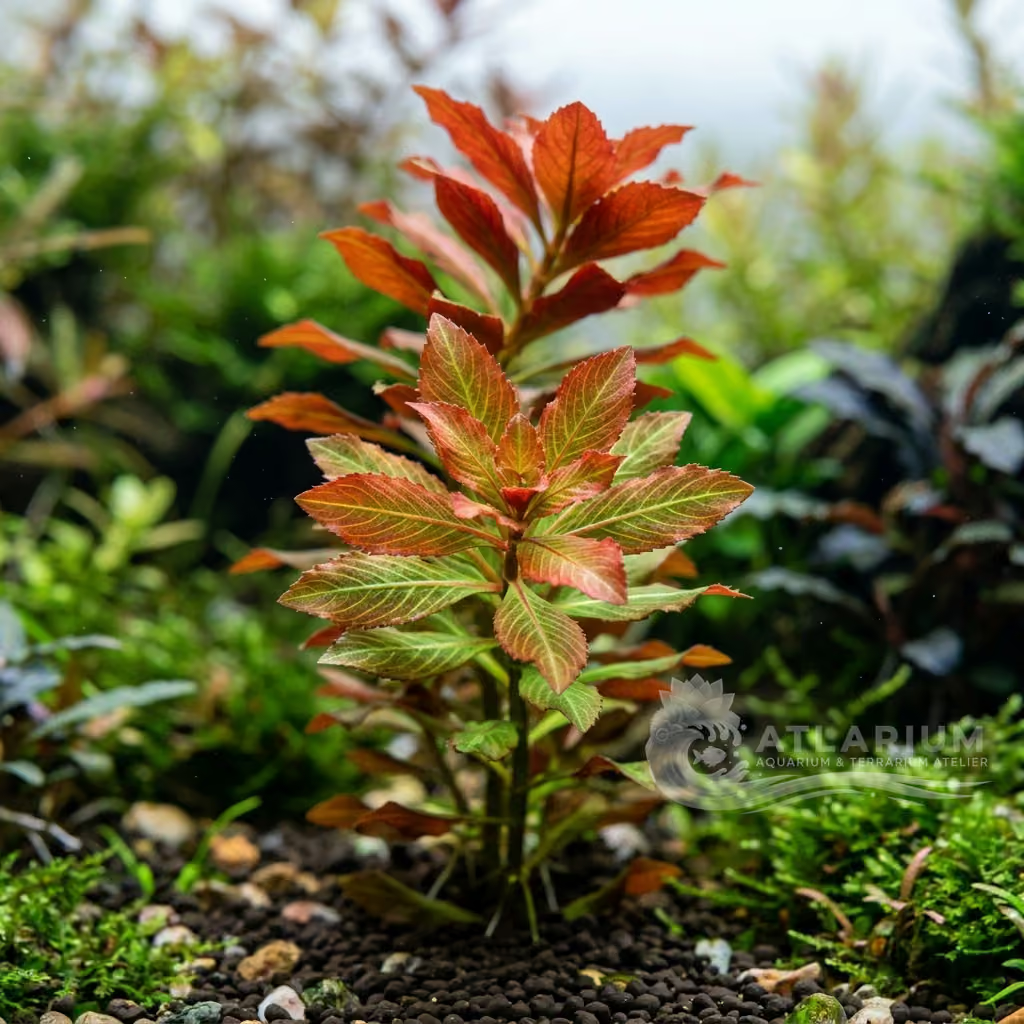
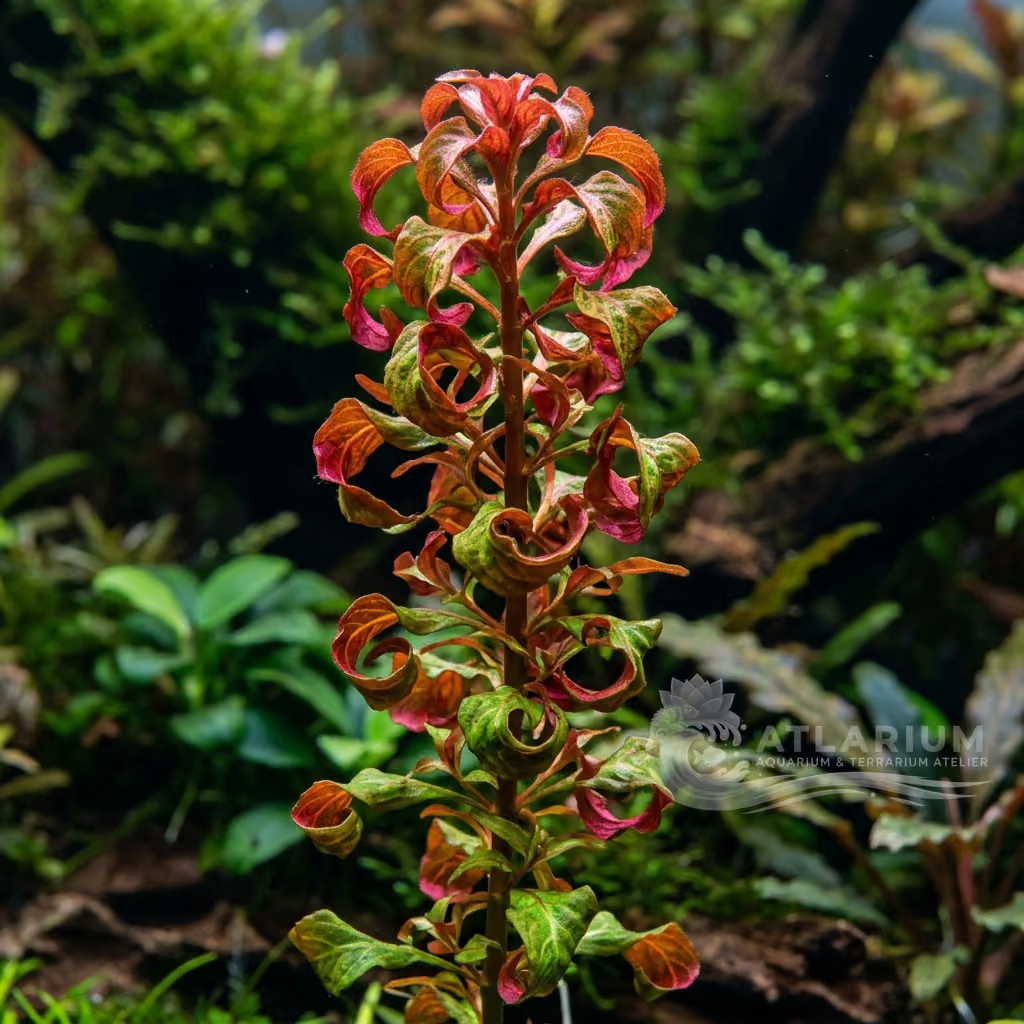
Color & Texture: Leaf color is highly variable and depends on environmental cues. Under moderate light, the leaves remain olive-green to bronze. Under high-intensity lighting combined with adequate iron and nutrient levels, the foliage develops a striking, deep reddish-orange coloration with glossy textures.

Pflege, Zucht und Mitbewohner
Lighting & CO2: Prefers moderate to high lighting. While it can grow under low light, high intensity is necessary to achieve intense red pigmentation. CO2 injection is not strictly required but greatly enhances growth rates, leaf size, and overall compactness of the stem clusters.
Nutrition & Substrate: Although it absorbs nutrients directly from the water column, it benefits significantly from a nutrient-rich substrate. Regular dosing of iron and potassium is critical to prevent chlorosis (leaf yellowing) and to encourage vibrant red and orange colors in new growth.
Water Chemistry: Extremely hardy and adaptable to various water parameters. It prefers a pH range of 6.0 to 7.5 and can tolerate water from soft to hard. It thrives in a wide temperature range of 15-26°C (59-79°F), making it suitable for temperate and tropical setups alike.
Space Management & Placement: Due to its rapid growth rate, it is best utilized in the midground or background of medium to large aquariums. Plant individual stems about 2-3 cm apart to ensure that light reaches the lower leaves, preventing premature leaf loss.
Pruning: Regular trimming is required to maintain a bushy shape and control height. Cut the stems using sharp aquascaping scissors just above a leaf node. The severed top cuttings can be replanted into the substrate, where they will quickly establish roots and form new plants.
Risks & Diseases: The most common issue is the shedding of lower leaves, which occurs when the plant stems are packed too tightly and block light. In nutrient-deficient tanks, the plant will show stunted growth, pale green leaves, and fragile stems that easily break.

Geografische Herkunft und Verbreitung
This species has a cosmopolitan distribution, native to North America, Europe, Asia, and North Africa. It thrives in muddy marshlands, shallow ponds, ditches, and along the banks of slow-moving rivers, demonstrating high adaptability to both fully submerged and emersed life forms.
Ursprung
Kosmopolitisch oder eingeführtExtra-Amazonas-SüdamerikaMittelamerika und KaribikNordamerikaAfrika und MadagaskarEuropa, Mittelmeerraum und Westasien

Pflanzenprofil
- Platzierung
- Hintergrund
- This plant is incredibly versatile and can be placed in the midground or background, depending on how often it is trimmed. It looks best when planted in dense groups of several stems, creating a solid block of color. It can also be grown emersed on the edges of paludariums where it forms creeping mats.
- Botanische Form
- Stängel
- This species features oppositely arranged, slightly rounded to oval leaves along a somewhat delicate stem. Under intense lighting, the entire plant—from the leaves to the stem—can turn a striking blood red. When grown emersed, the leaves remain green and the plant often produces small, inconspicuous flowers in the leaf axils.
- Wachstum
- Schnell
- It exhibits a fast growth rate, quickly reaching the surface if left unpruned. In setups with high light and CO2, its growth can be explosive, requiring weekly maintenance. Even in lower light conditions, it maintains a steady, though greener, upward progression.
- Substrat
- Mittel
- Prefers a fertile, moderately rich substrate to support its creeping growth habit and extensive root network. A substrate depth of 1.5 to 2 inches, preferably composed of aqua soil or enriched sand, is recommended for strong root establishment. The addition of root tabs can significantly boost its growth rate and enhance the deep red coloration of its foliage.
- Säulendüngung
- Optional
- Liquid fertilization is beneficial but not strictly required if the tank has a healthy fish population. Regular dosing of a comprehensive fertilizer ensures the leaves remain large and brightly colored. Iron supplements are the most reliable way to force the plant to express its deepest red pigments.
- Wurzeldüngung
- Optional
- While it draws many nutrients from the water, it also develops a strong root system. A nutrient-rich substrate or the addition of root tabs will promote thicker, more robust stems that are less prone to breakage. Good substrate nutrition also helps the plant recover faster after heavy pruning.
- Trimmen
- Gelegentlich
- Frequent trimming is essential to prevent it from overshadowing its own lower sections, which will drop leaves if shaded. Topping and replanting is the standard method for maintaining a dense, colorful bush. The remaining lower stems will quickly sprout new shoots, filling out the group.
- Ausbreitung
- Stecklinge
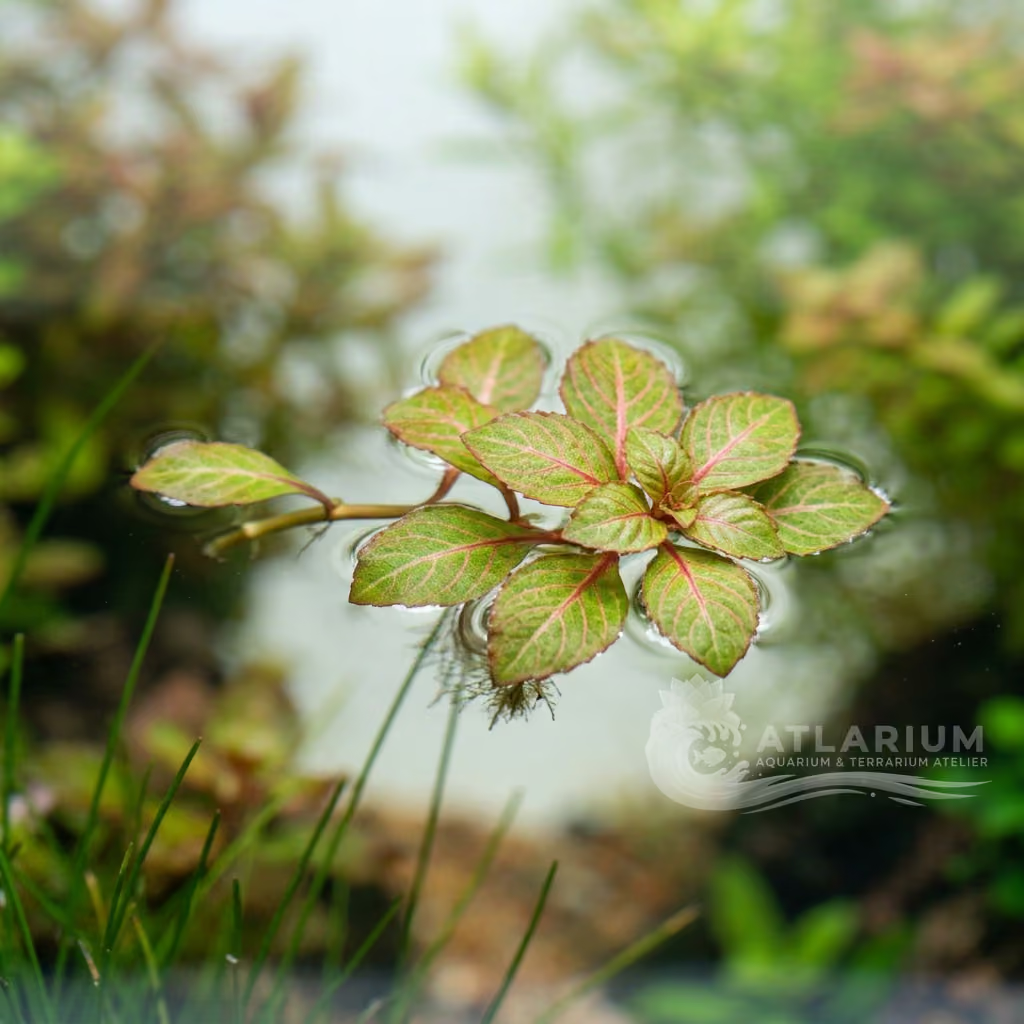
- Propagation is incredibly simple via stem cuttings. Any portion of the stem, whether a top cutting or a middle section with a node, will root when planted in the substrate. It can also be allowed to float, where it will rapidly sprout roots and side shoots.
- Empfindlichkeit
- Mäßig
- Ludwigia palustris is notoriously hardy and forgiving of fluctuating water parameters. It tolerates both soft and hard water, as well as a wide range of temperatures. Its only real sensitivity is to extreme shading, which causes it to shed leaves and lose its red coloration entirely.
- Layoutrolle
- Hintergrund
- It is widely used as a reliable, bright red background or midground filler in Dutch and nature-style aquariums. Its intense color provides a stunning contrast against green carpeting plants or grey rocks. Because of its ease of care, it is one of the most accessible red plants for aquascapers of all skill levels.

Verwandte Arten
Empfehlungen gruppiert nach nahen Verwandten, Auswahl von Begleitern und ähnlicher Betreuung.