Ludwigia brevipes
Ludwigia brevipes
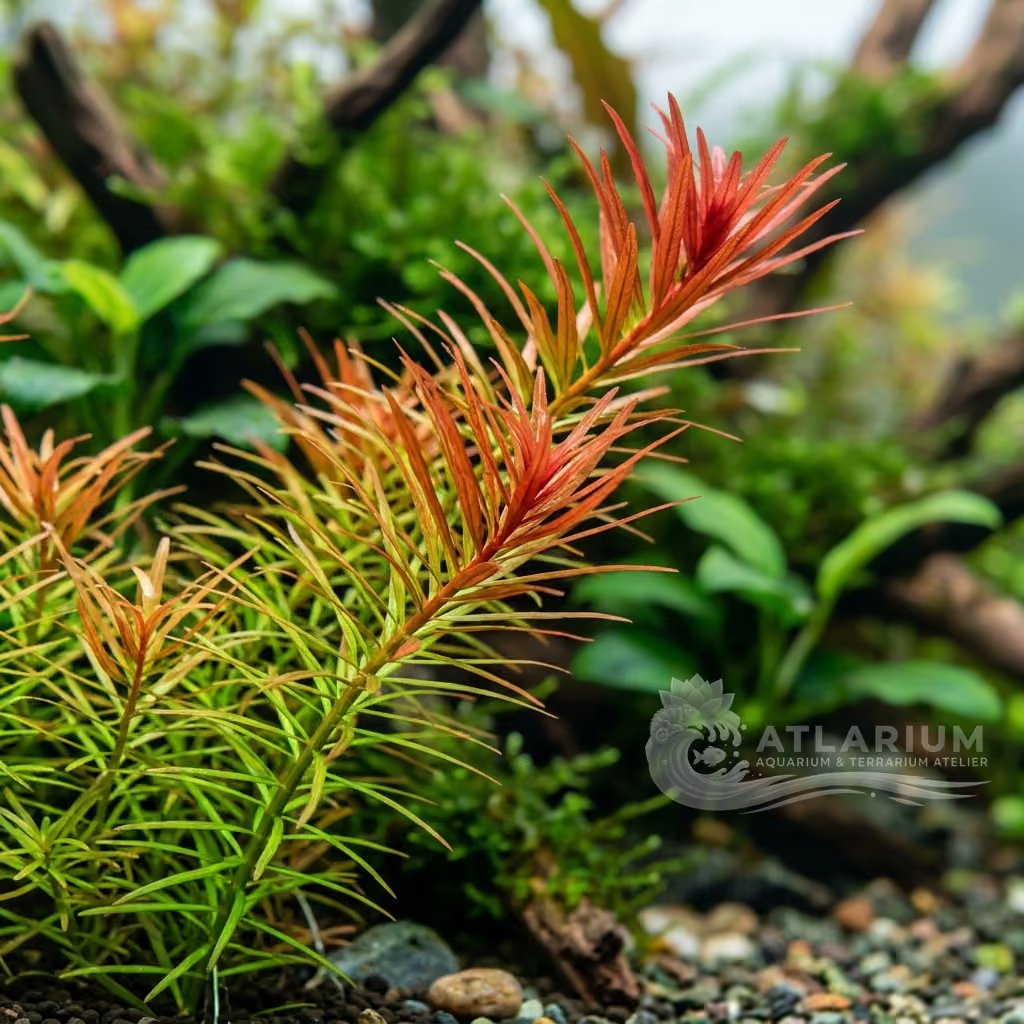
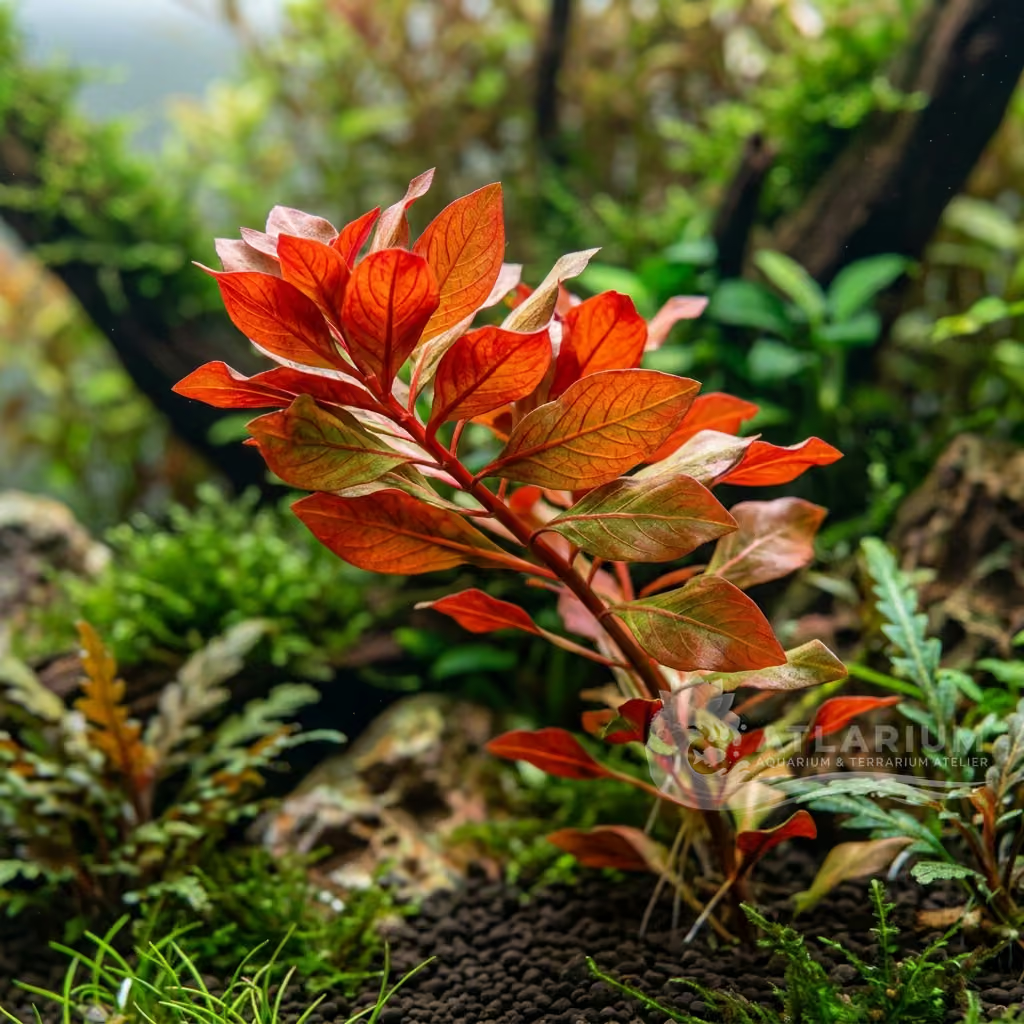
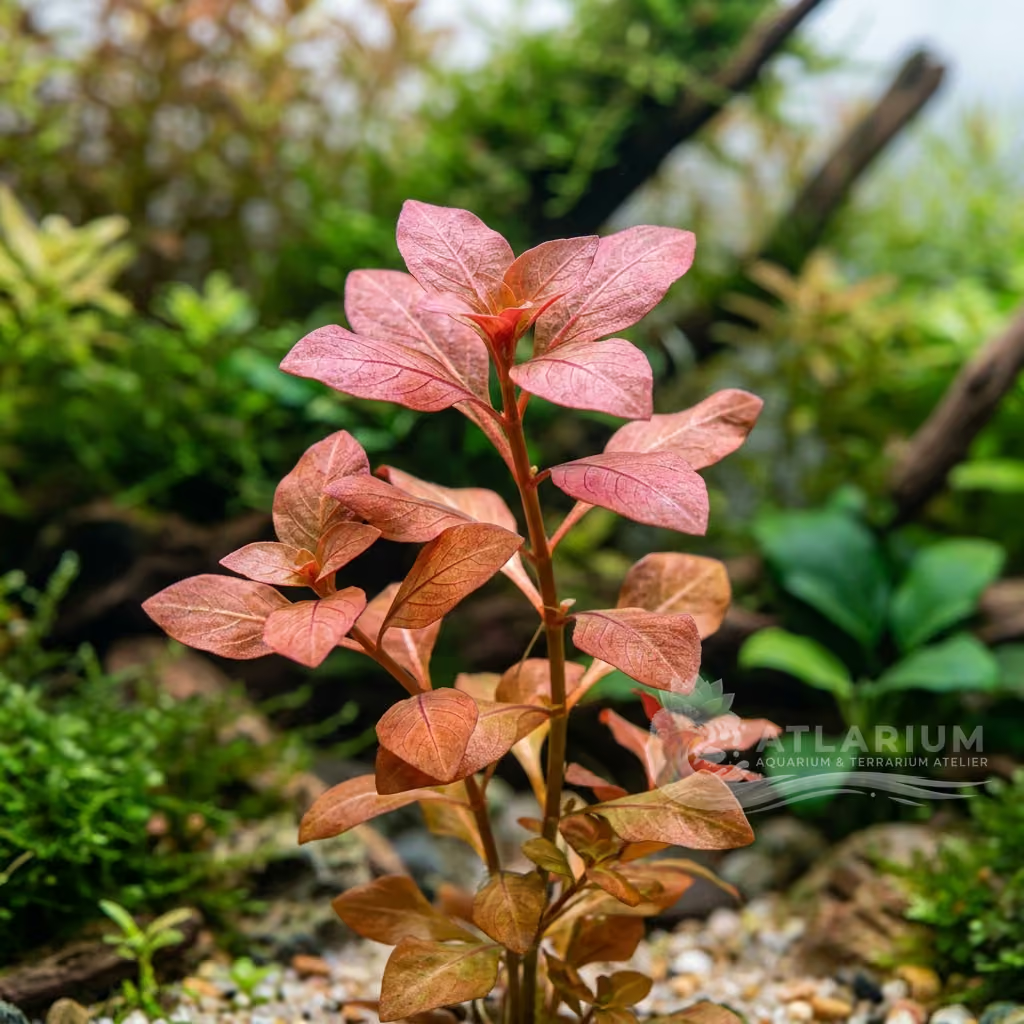
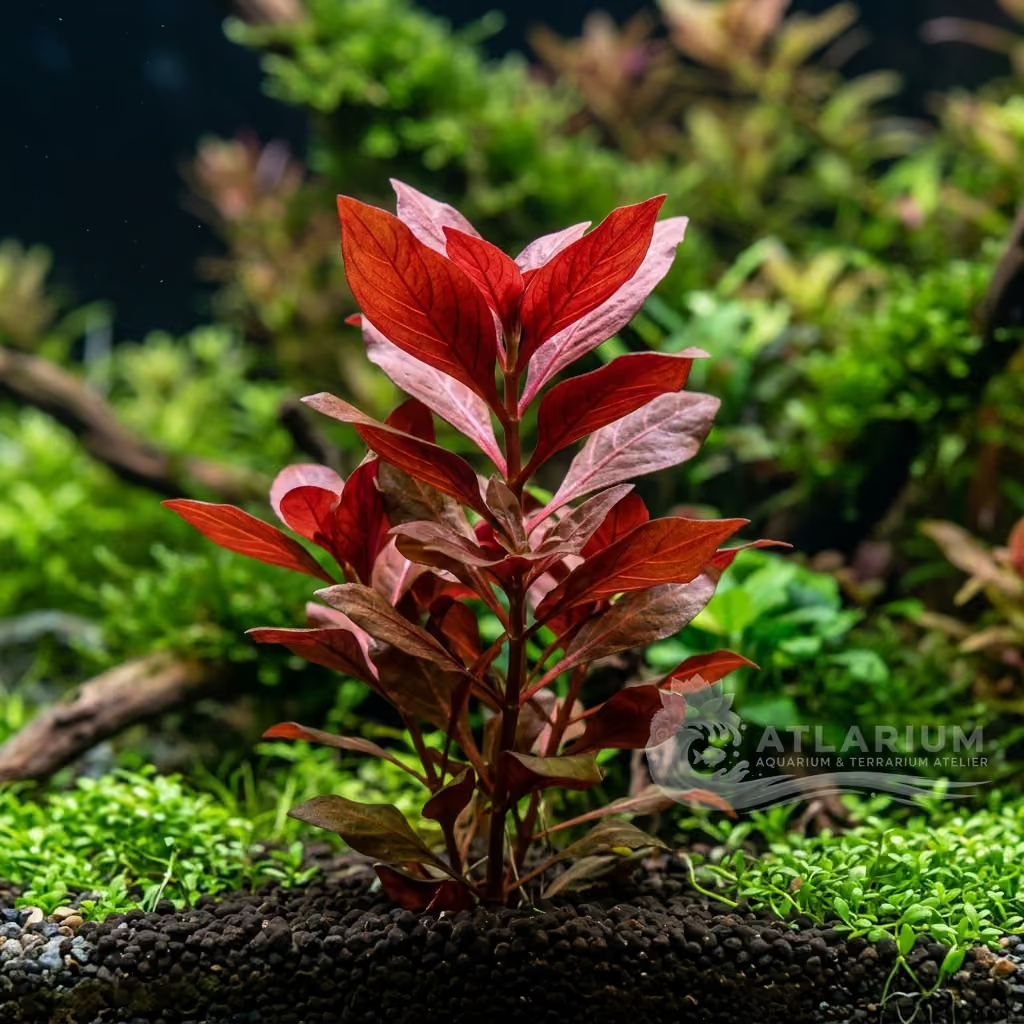
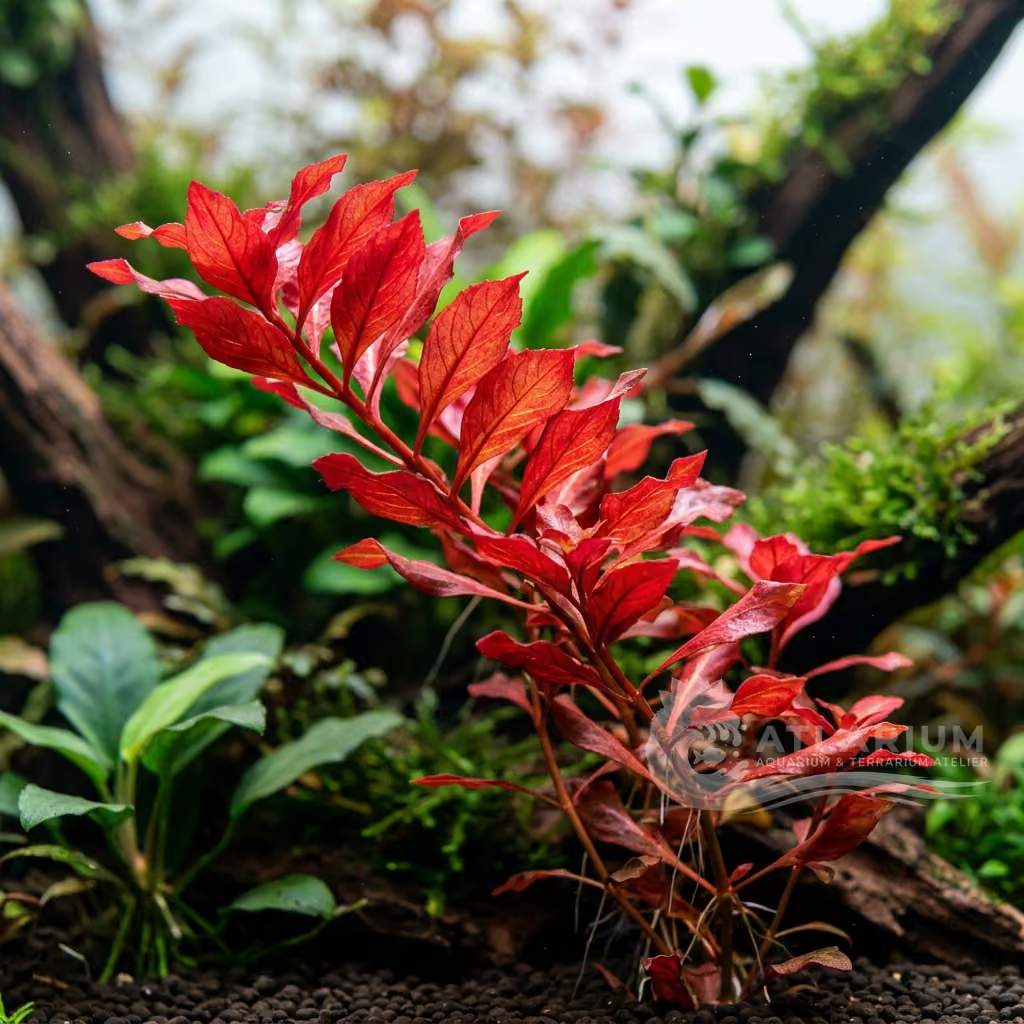
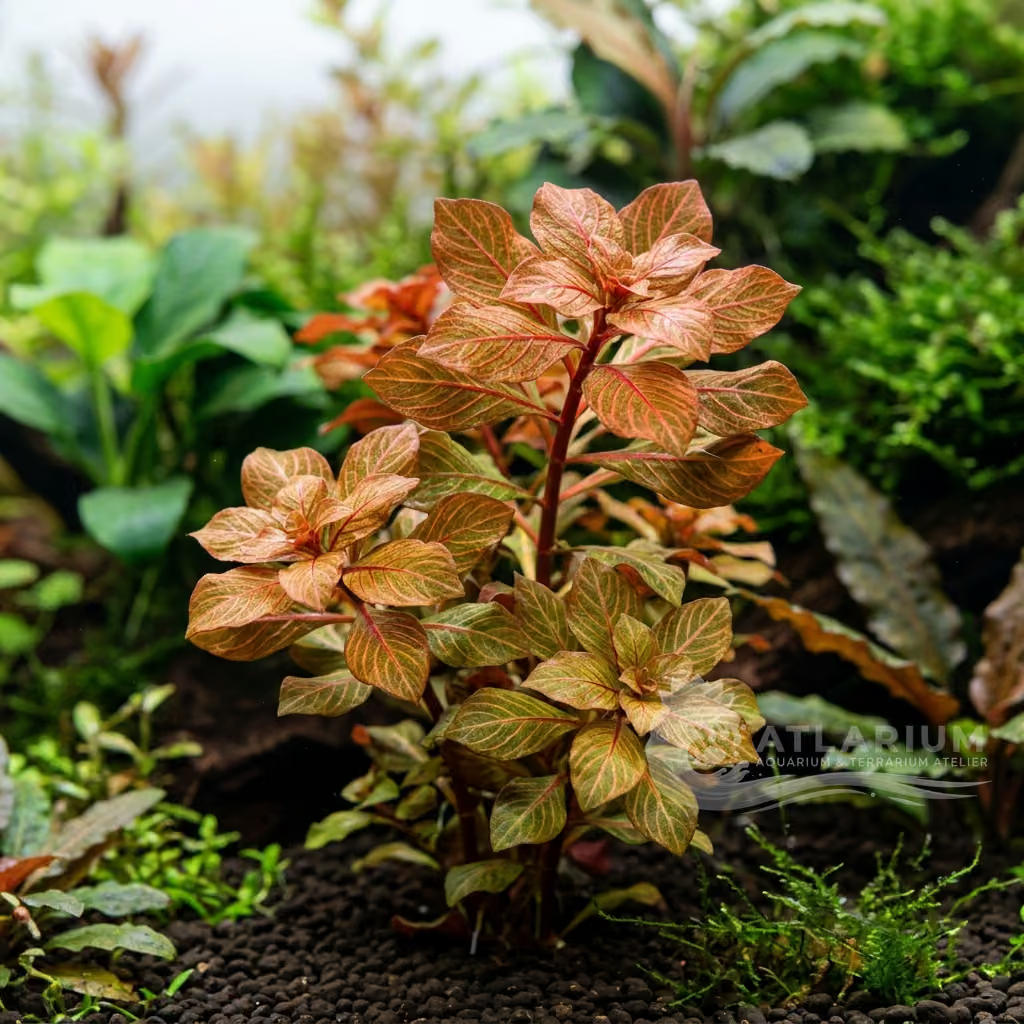
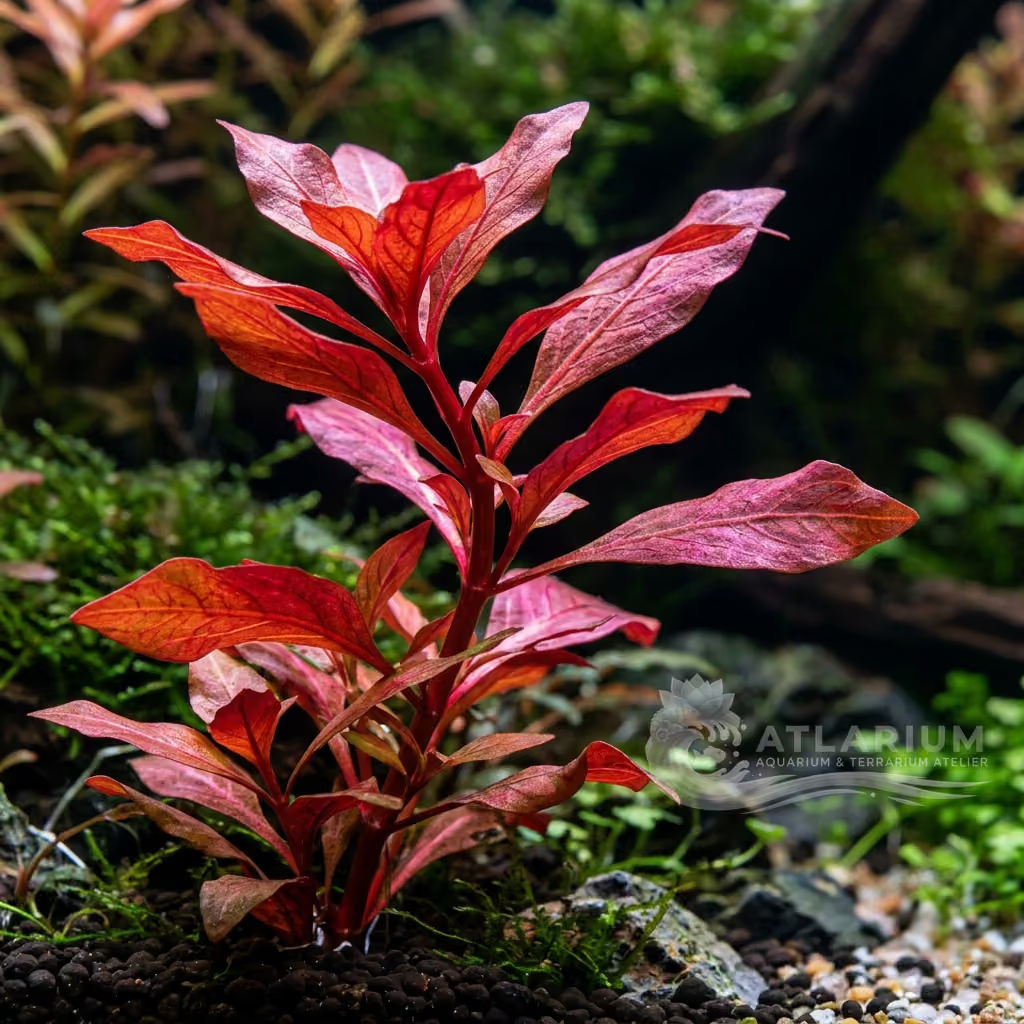
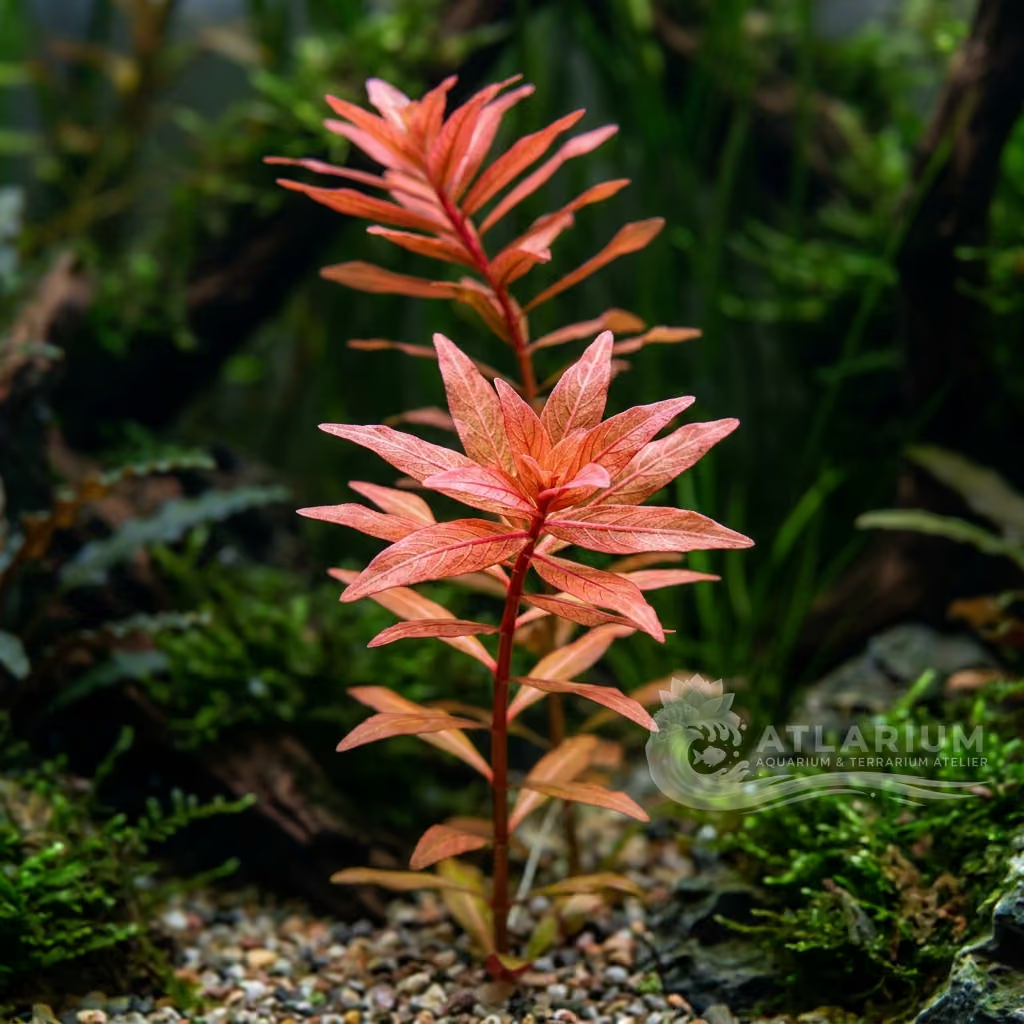
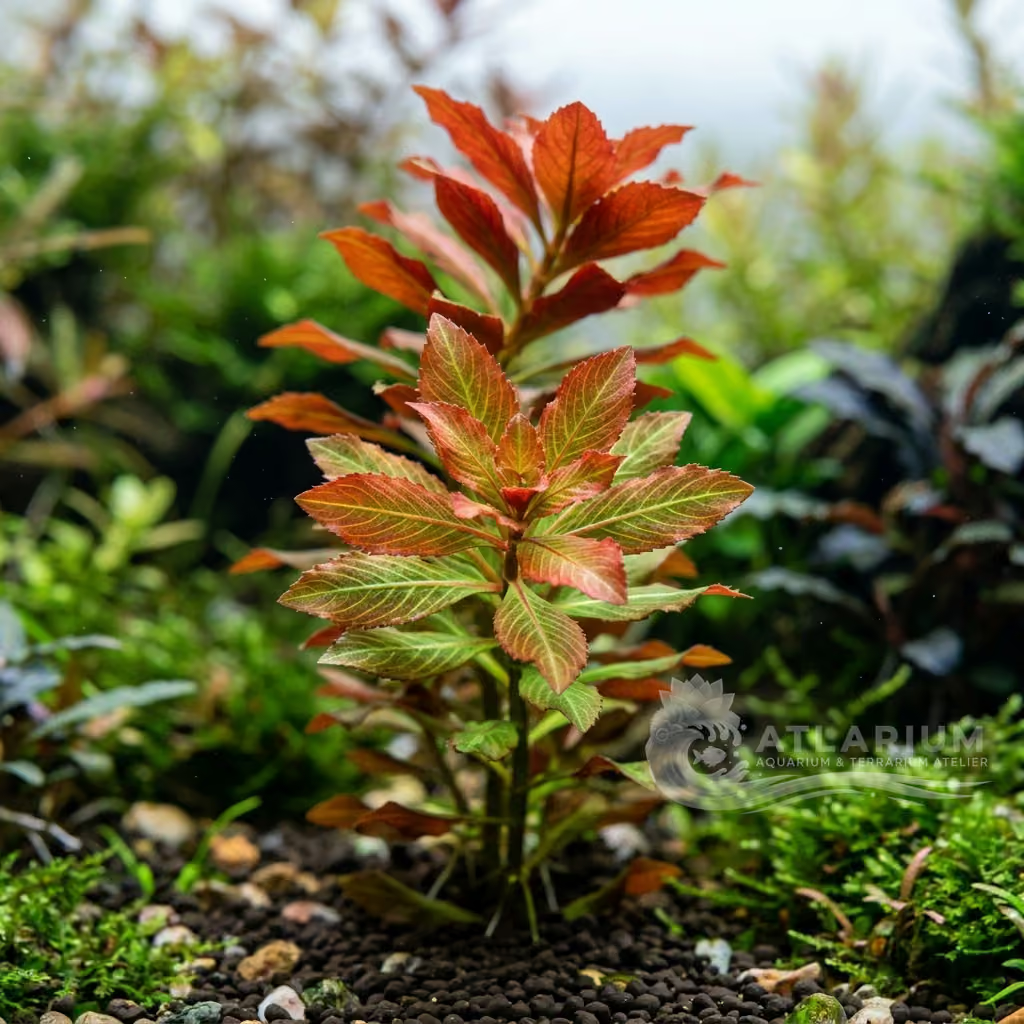
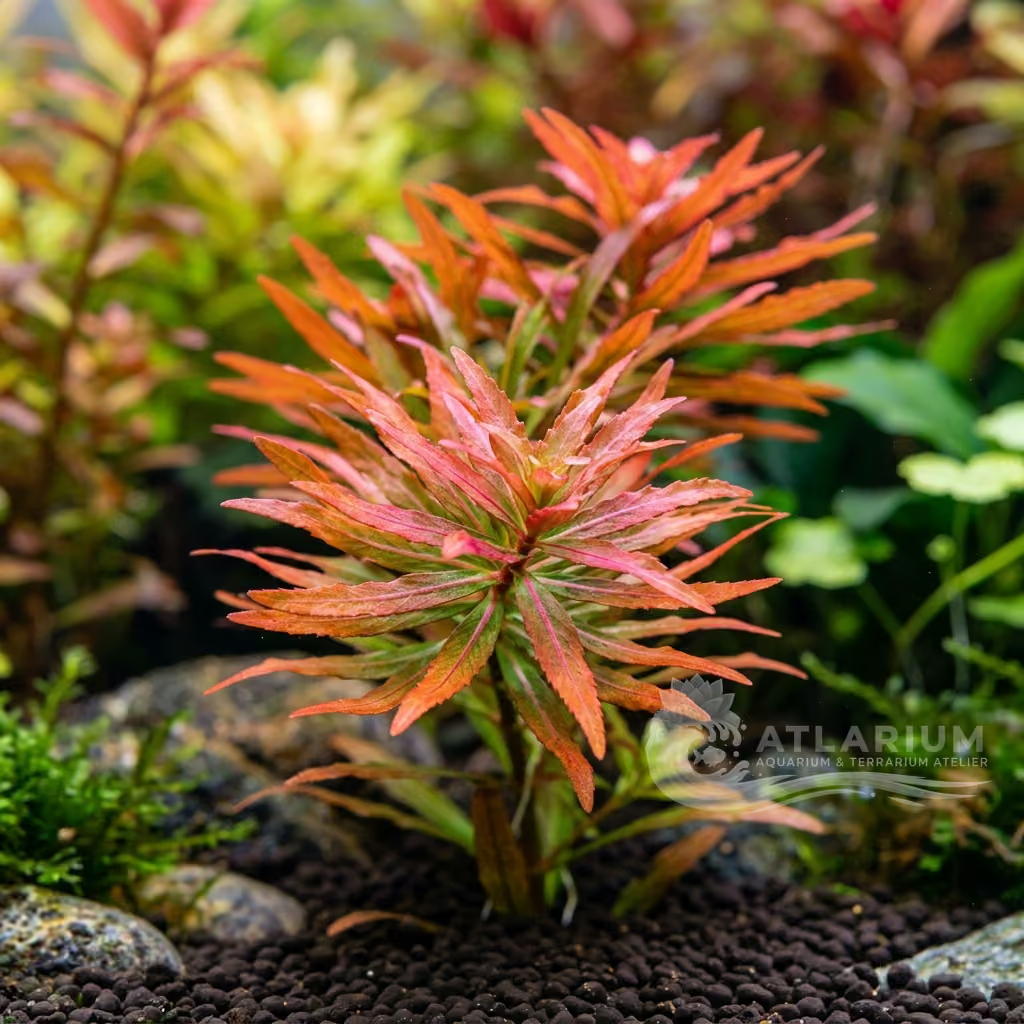
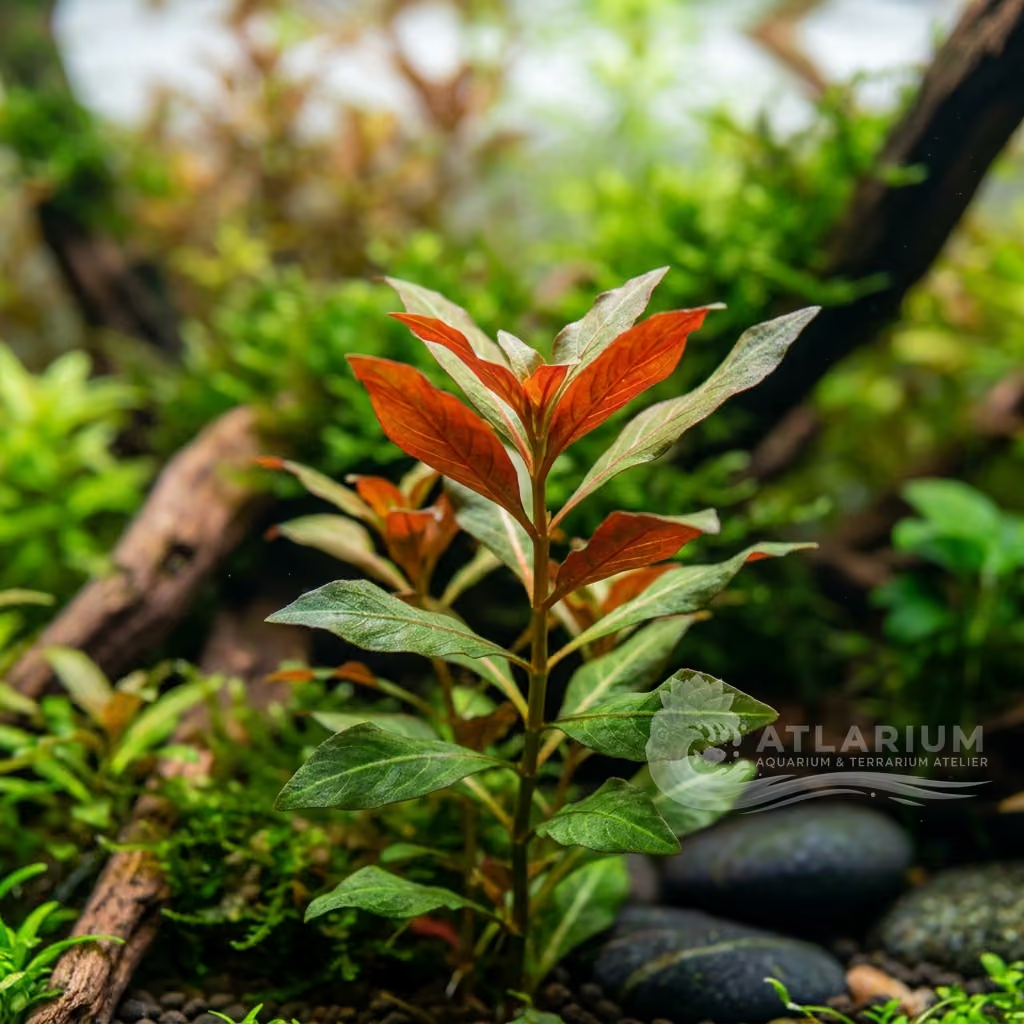
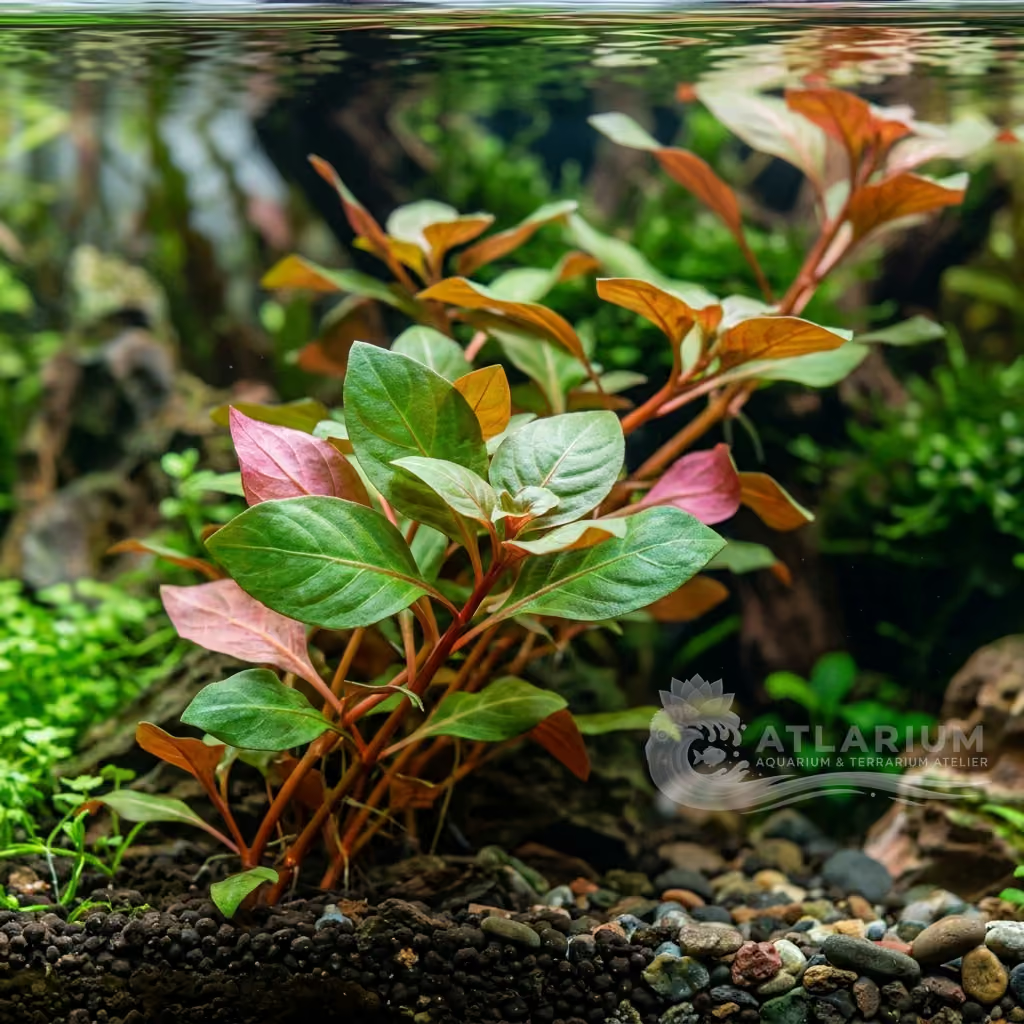
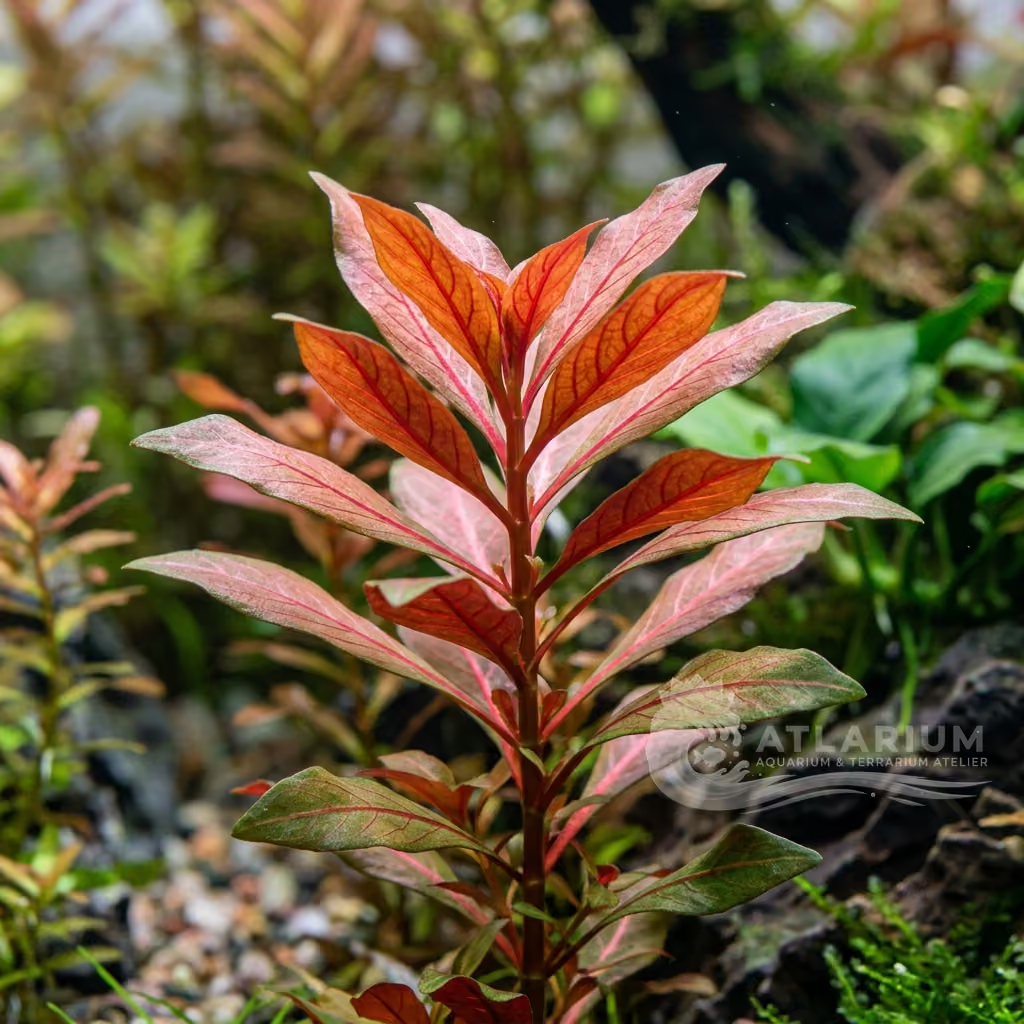
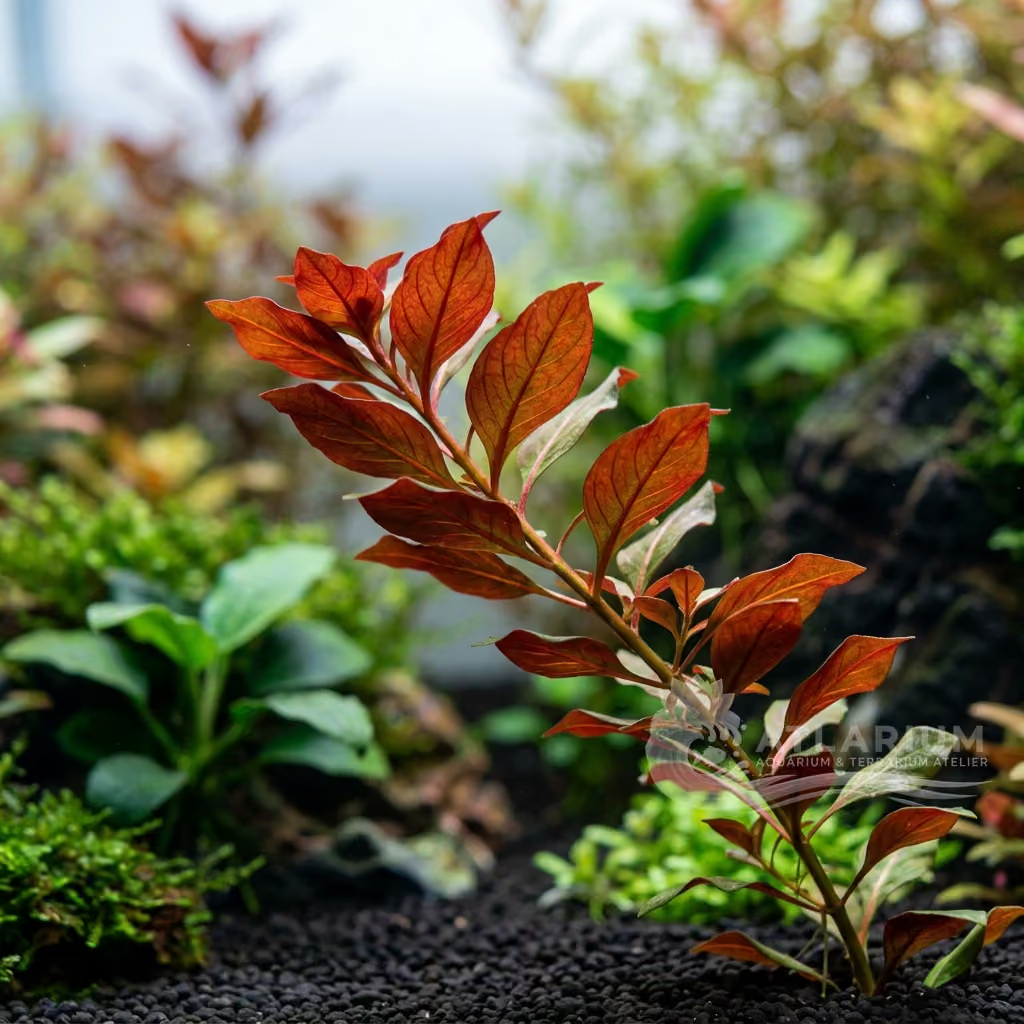
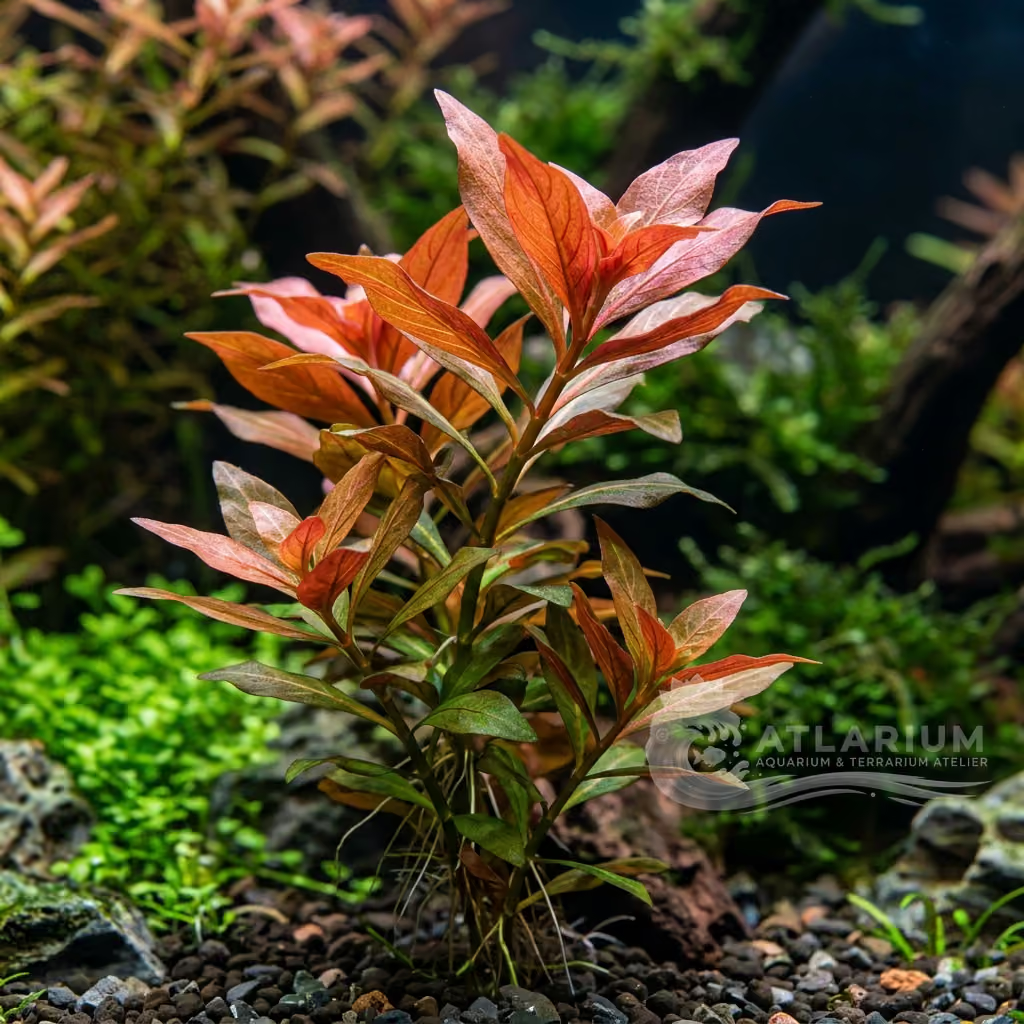
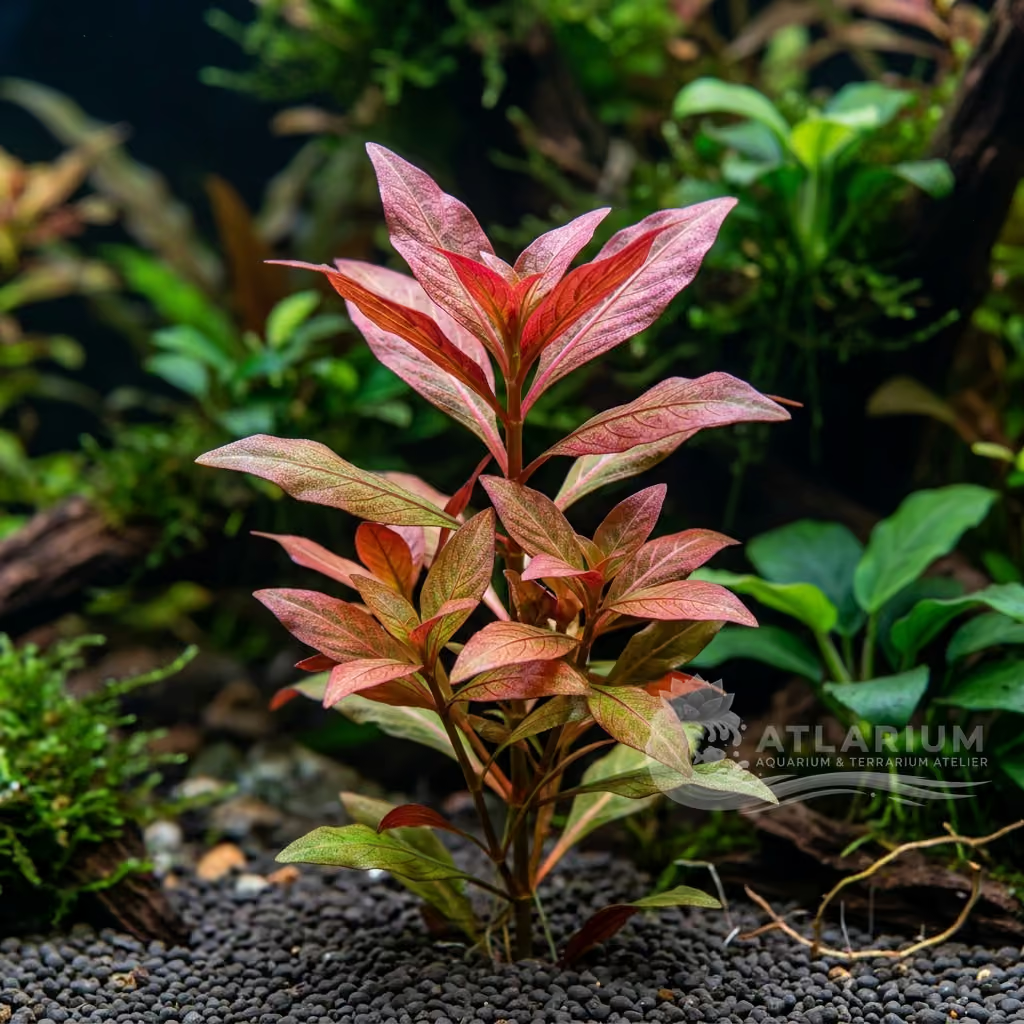
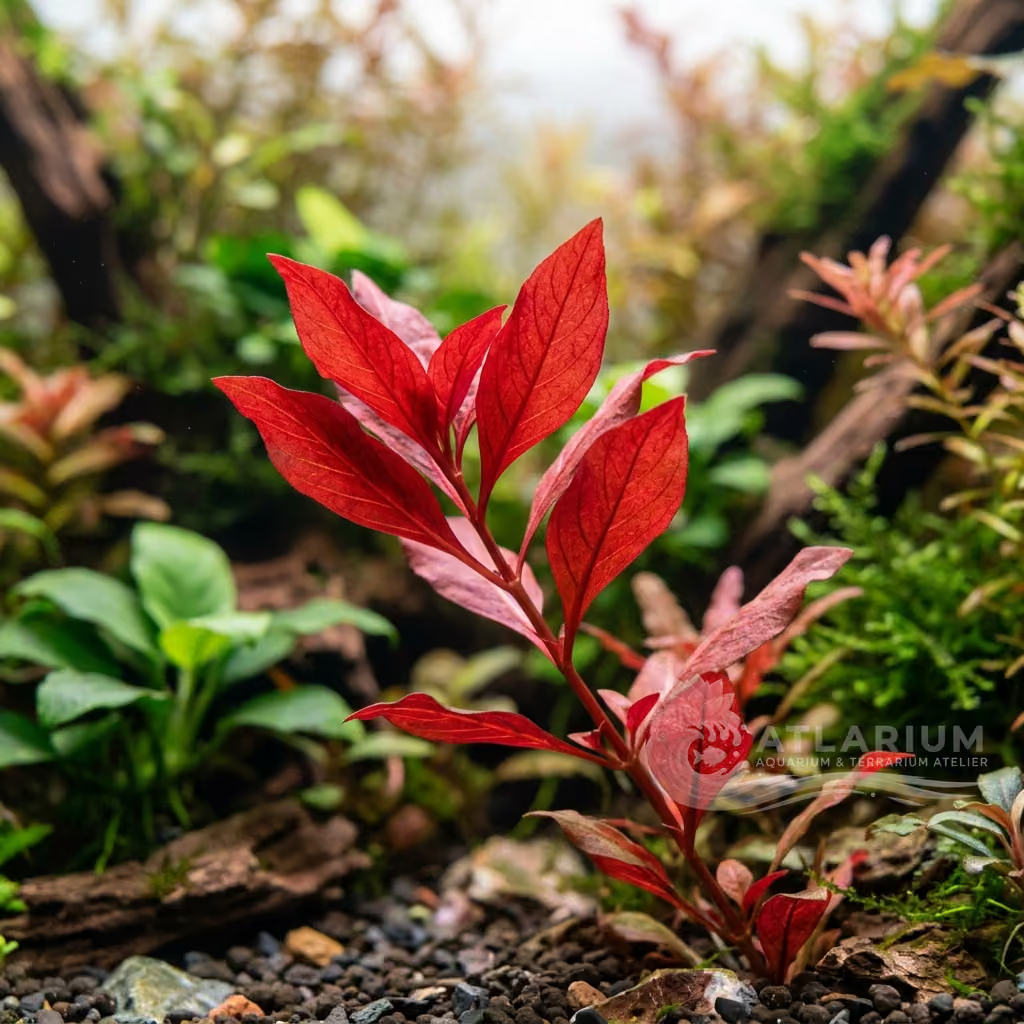
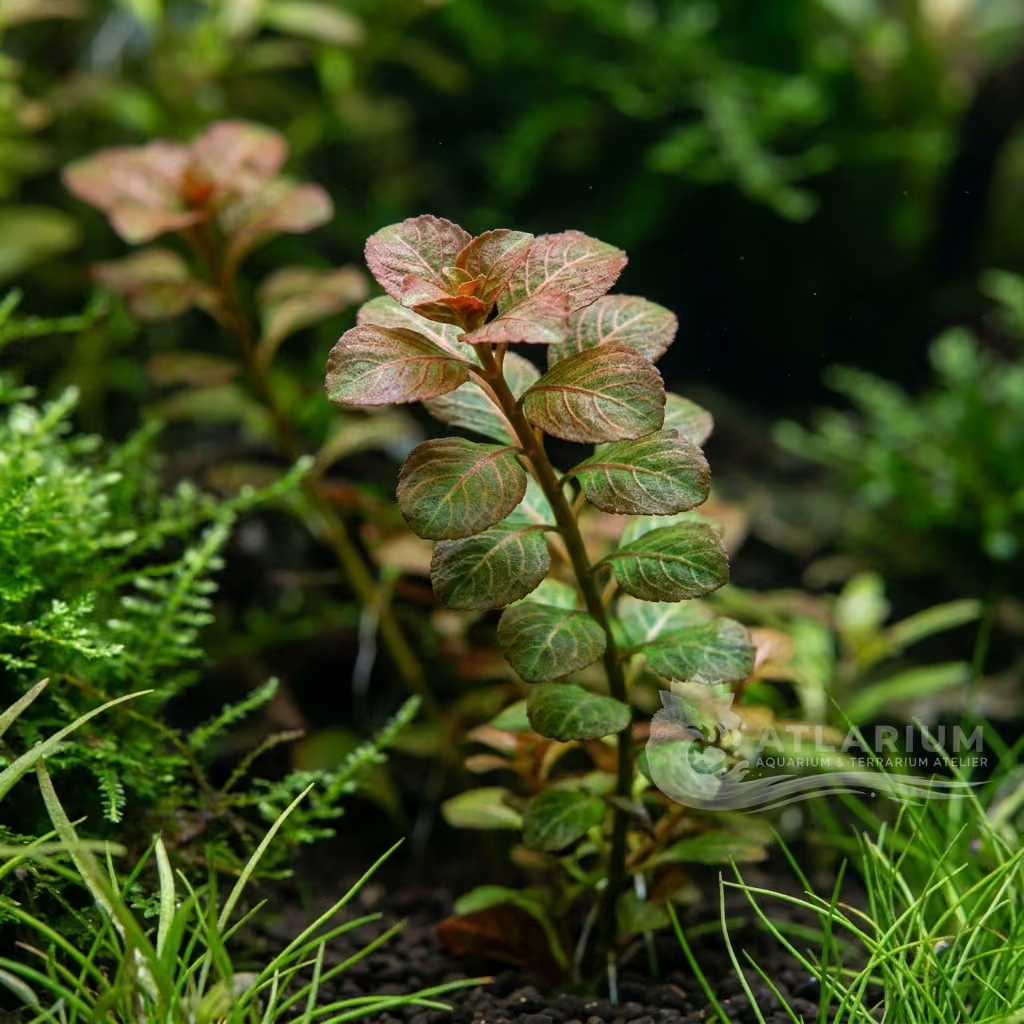
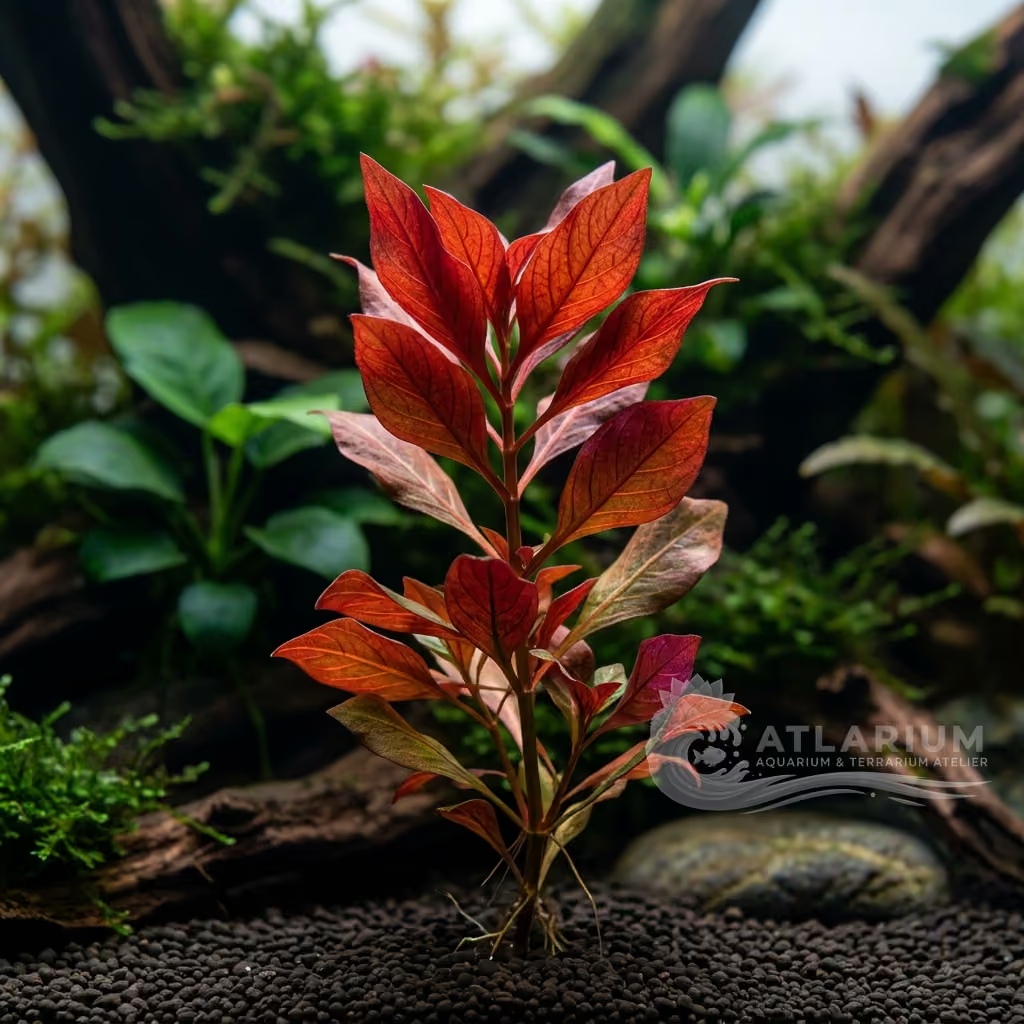
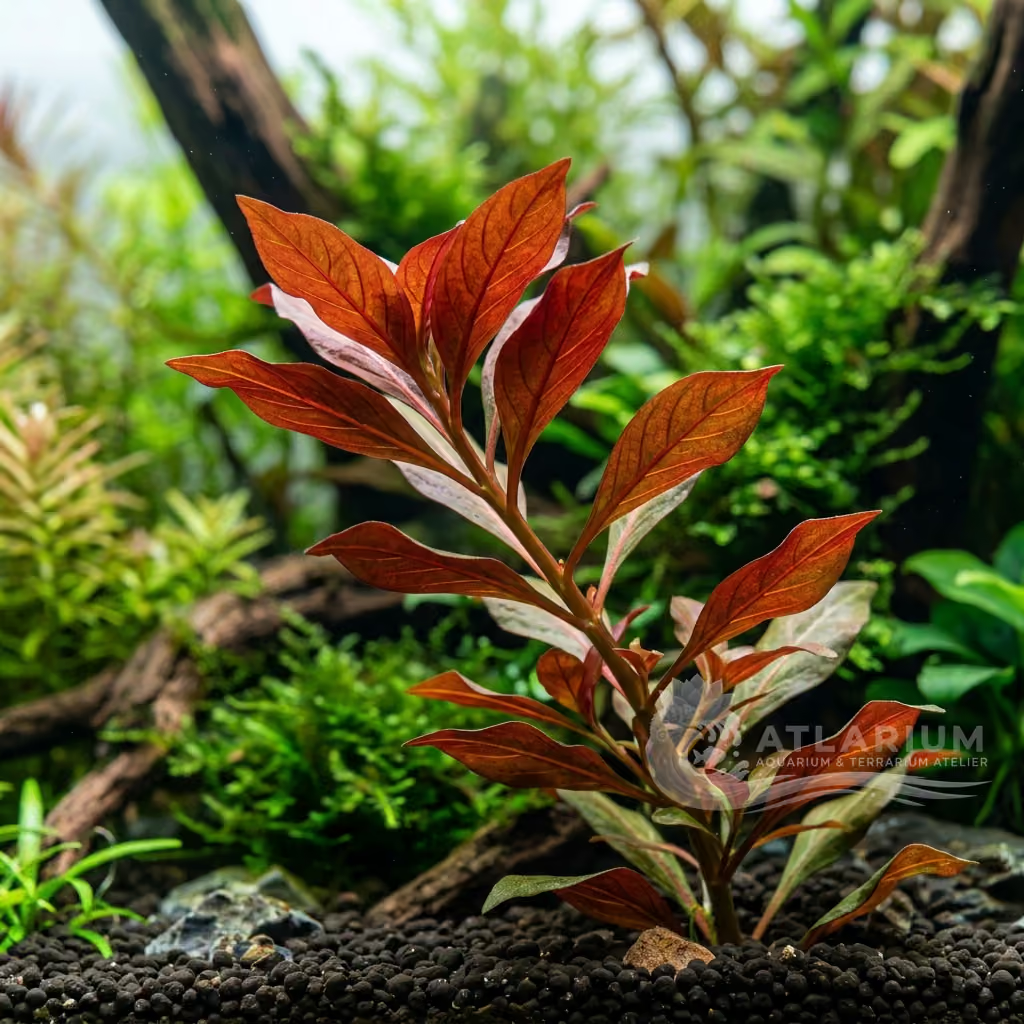
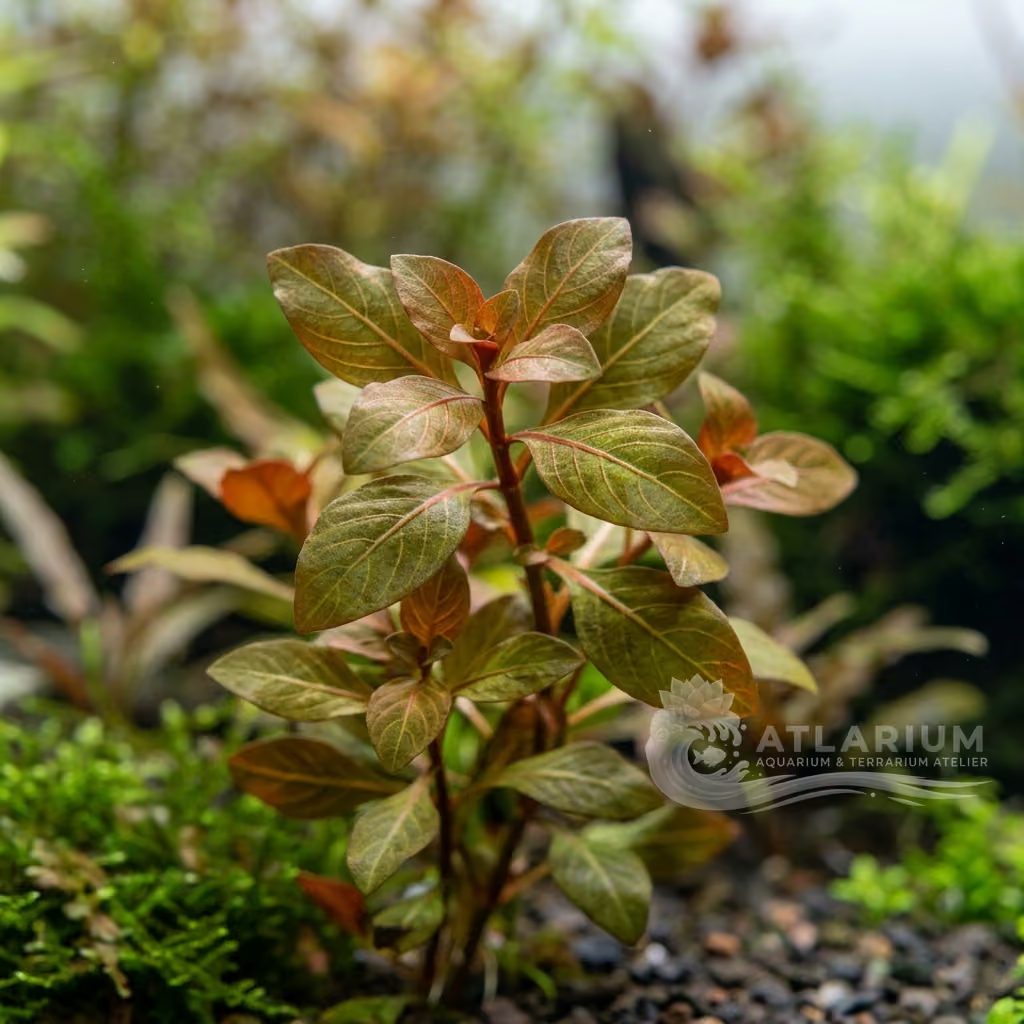
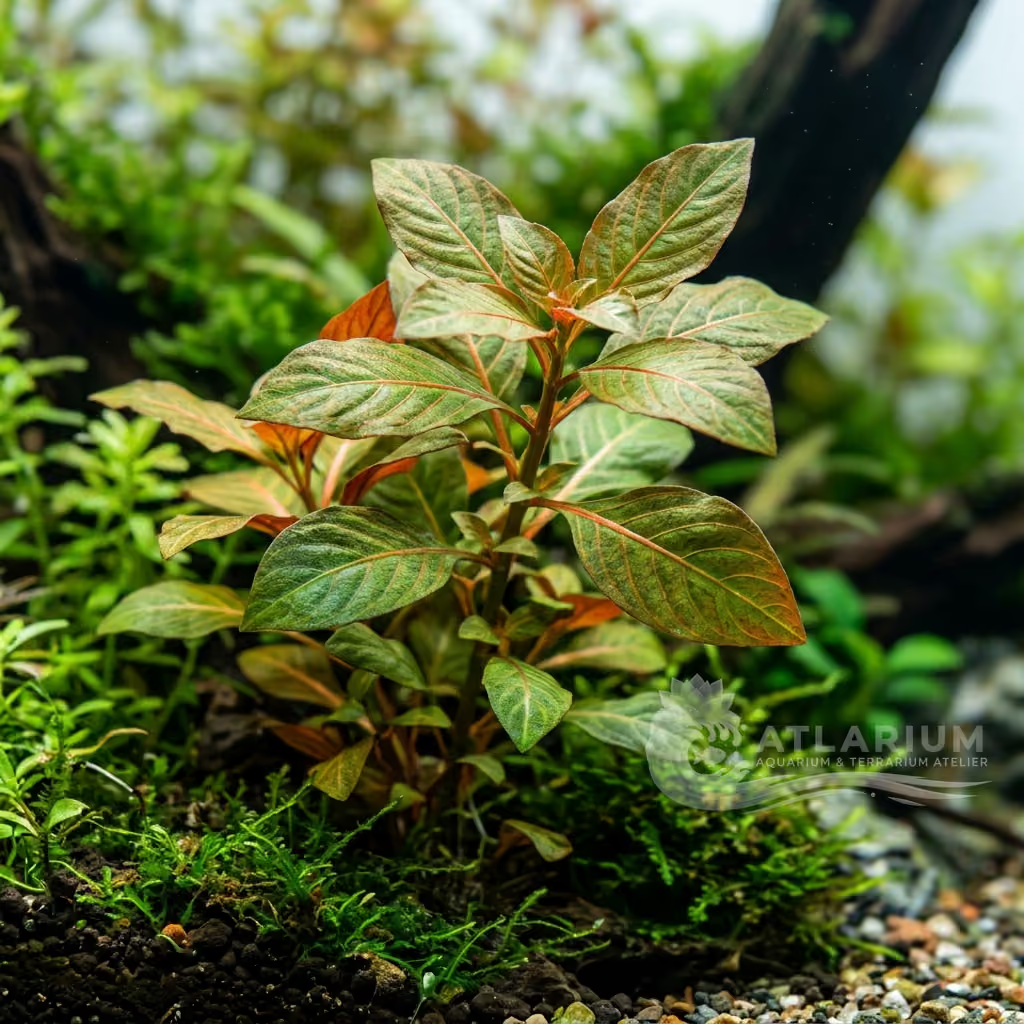
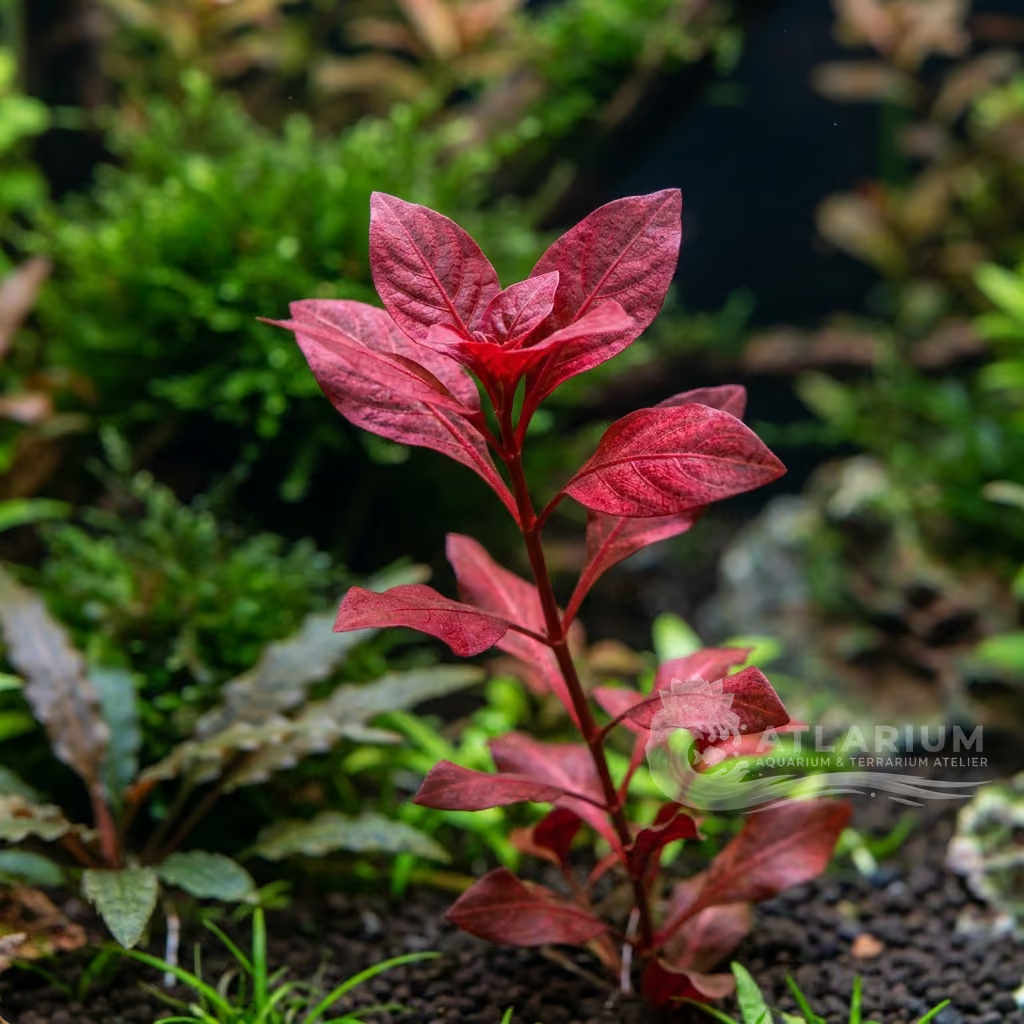
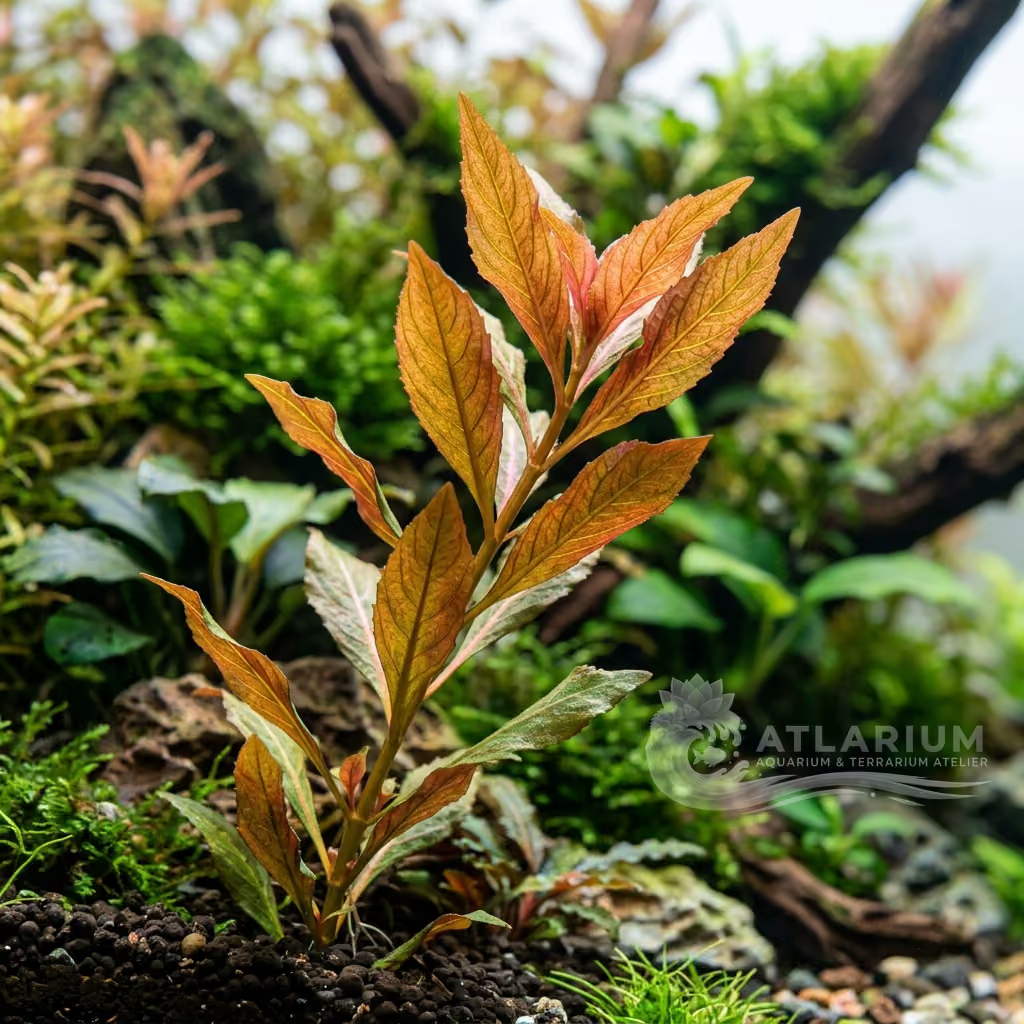
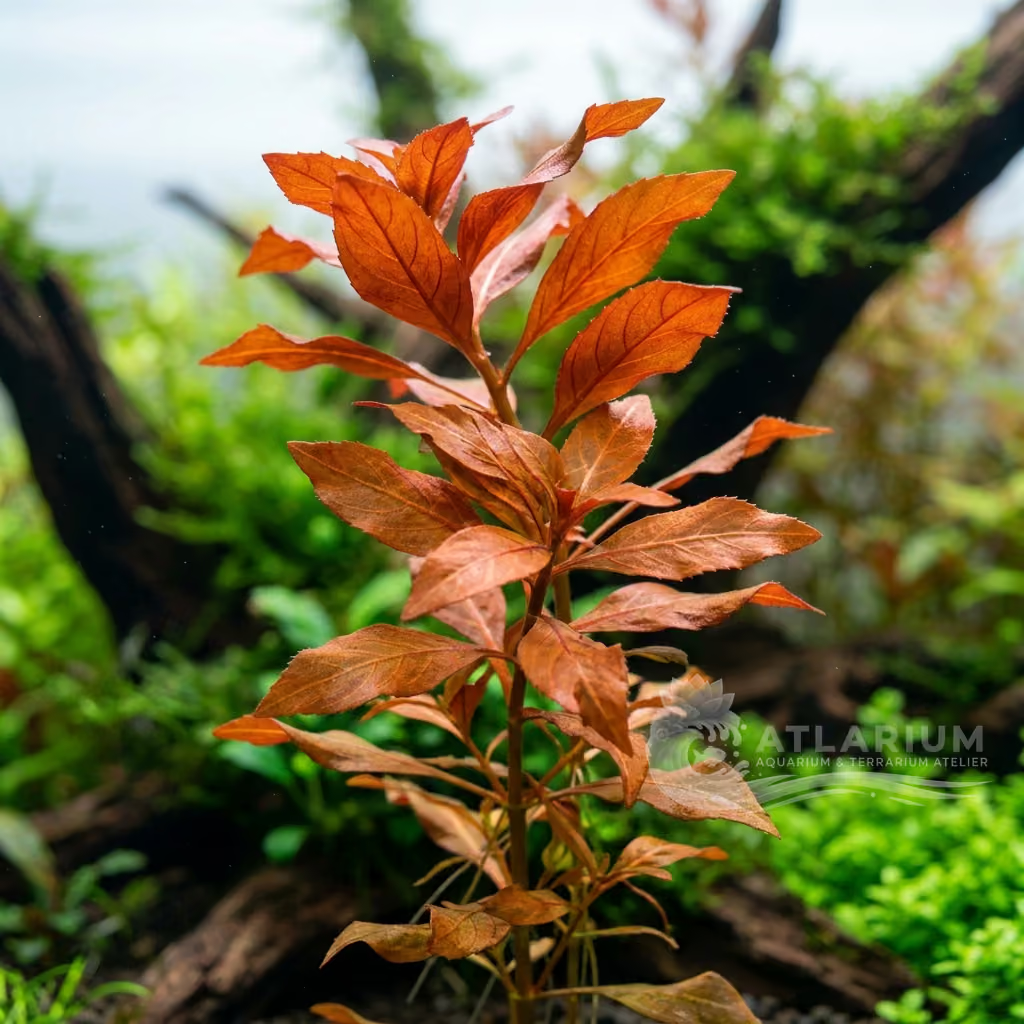
Ludwigia brevipes forms bushy clusters with lovely orange-red hues. Endemic to the southeastern US, it demands moderate-high light to stimulate lateral branching.
Wassertemperatur
12 - 28 °C
pH-Wert
4.5 - 7
Wassertyp
Süßwasser
Licht
Medium to High
CO2
Hoch
Erwartete Höhe
25 cm
Erwartete Breite
12 cm
KH
2 - 10 dKH

Artbeschreibung
Geographical Origin and Habitat: Ludwigia brevipes is native to the southeastern Atlantic coast of the United States, distributed primarily within freshwater environments in North Carolina, South Carolina, and Virginia. It inhabits coastal swamps, shallow peat ponds, wet ditches, and the sandy banks of slow-moving rivers. In these environments, it grows both in its emersed form on wet soils and submerged in soft, acidic waters, exposed to direct sunlight for most of the day.
Taxonomy & Genetics: It belongs to the Onagraceae family, genus Ludwigia. Genetically, it is closely related to Ludwigia arcuata, sharing much of its natural range and hybridizing with it spontaneously in nature, generating intermediate forms that are difficult to distinguish. Populations of L. brevipes show a pronounced genetic adaptability to cold winter temperatures and rapid nutrient fluctuations.
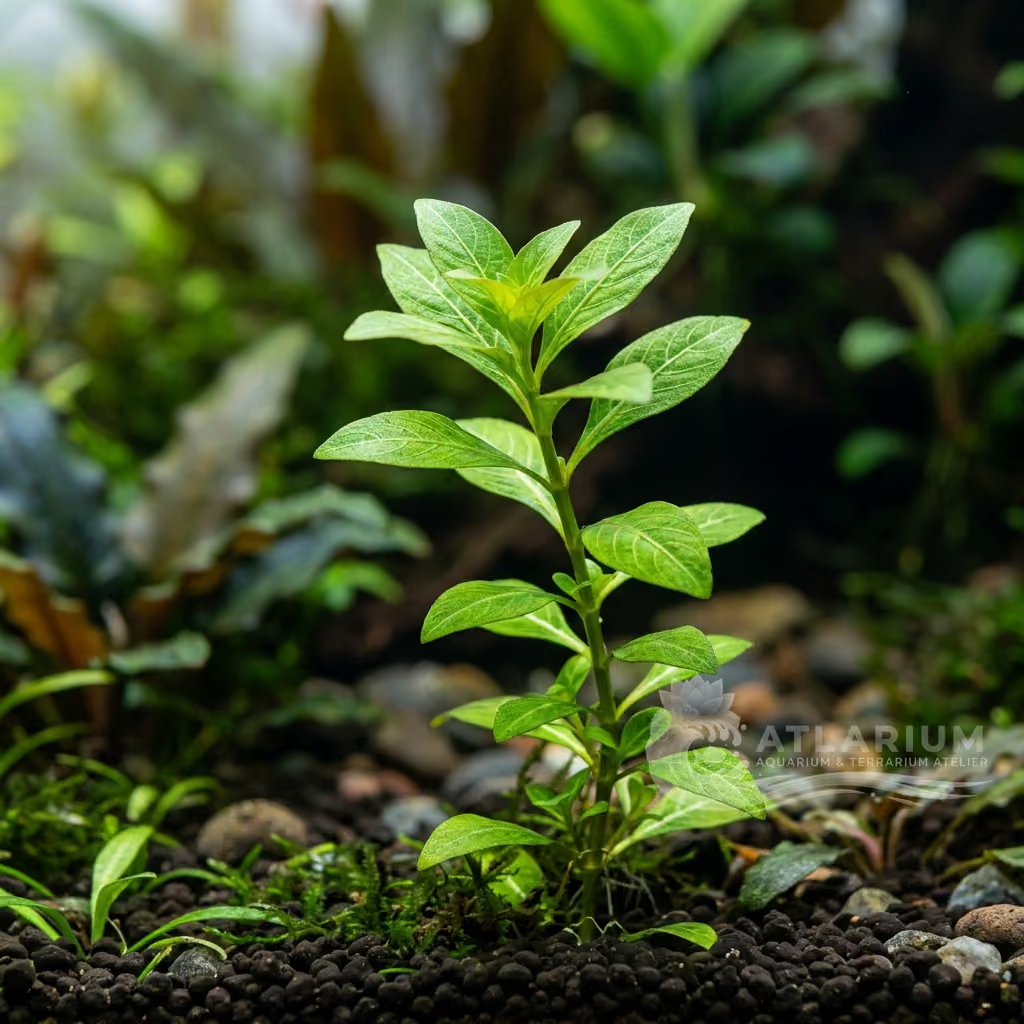
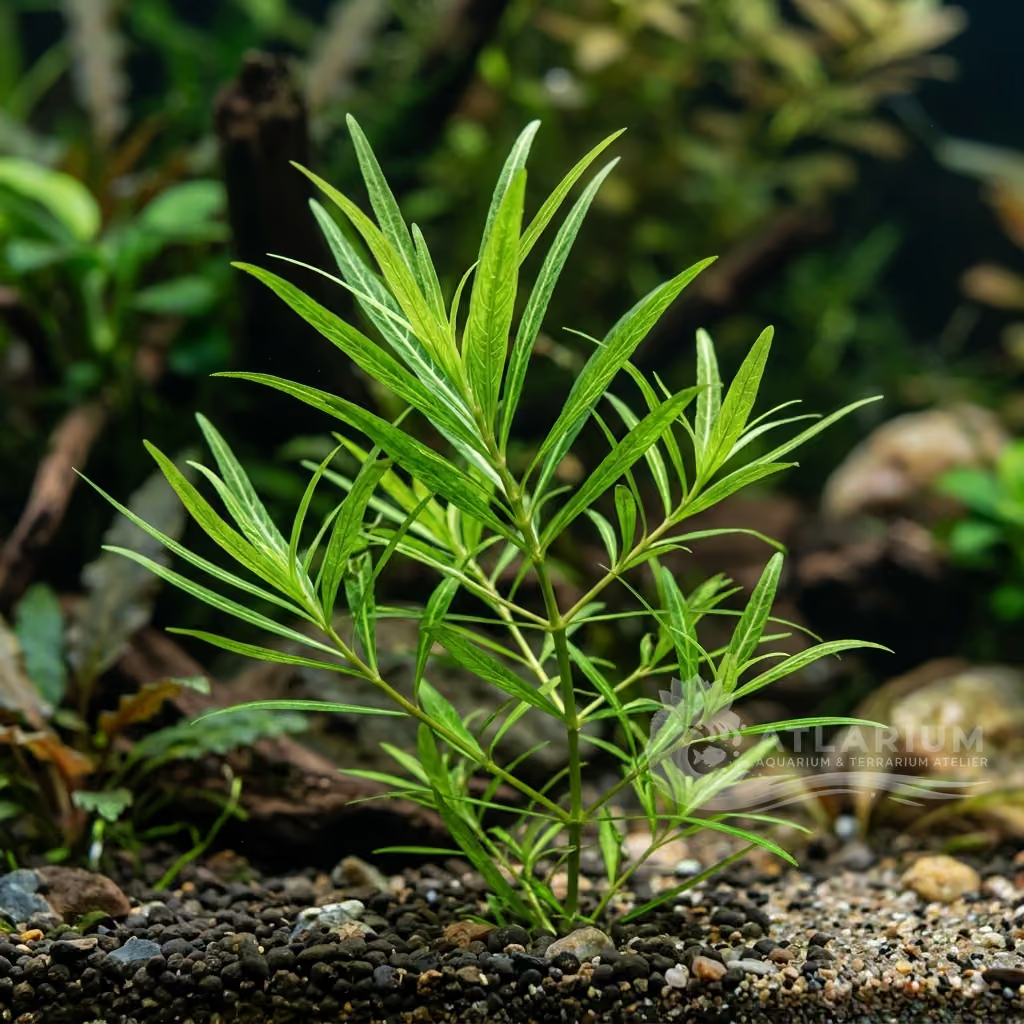
Physical Structure: It develops sturdy, erect stems that branch easily even without trimming, reaching a height of 20-30 cm in the aquarium with a group width of about 10-15 cm. Submerged leaves are sessile, opposite, and narrowly lanceolate in shape, slightly shorter and wider than those of L. arcuata (width about 3-4 mm, length 2-3 cm). It develops a well-structured root system beneath the substrate.
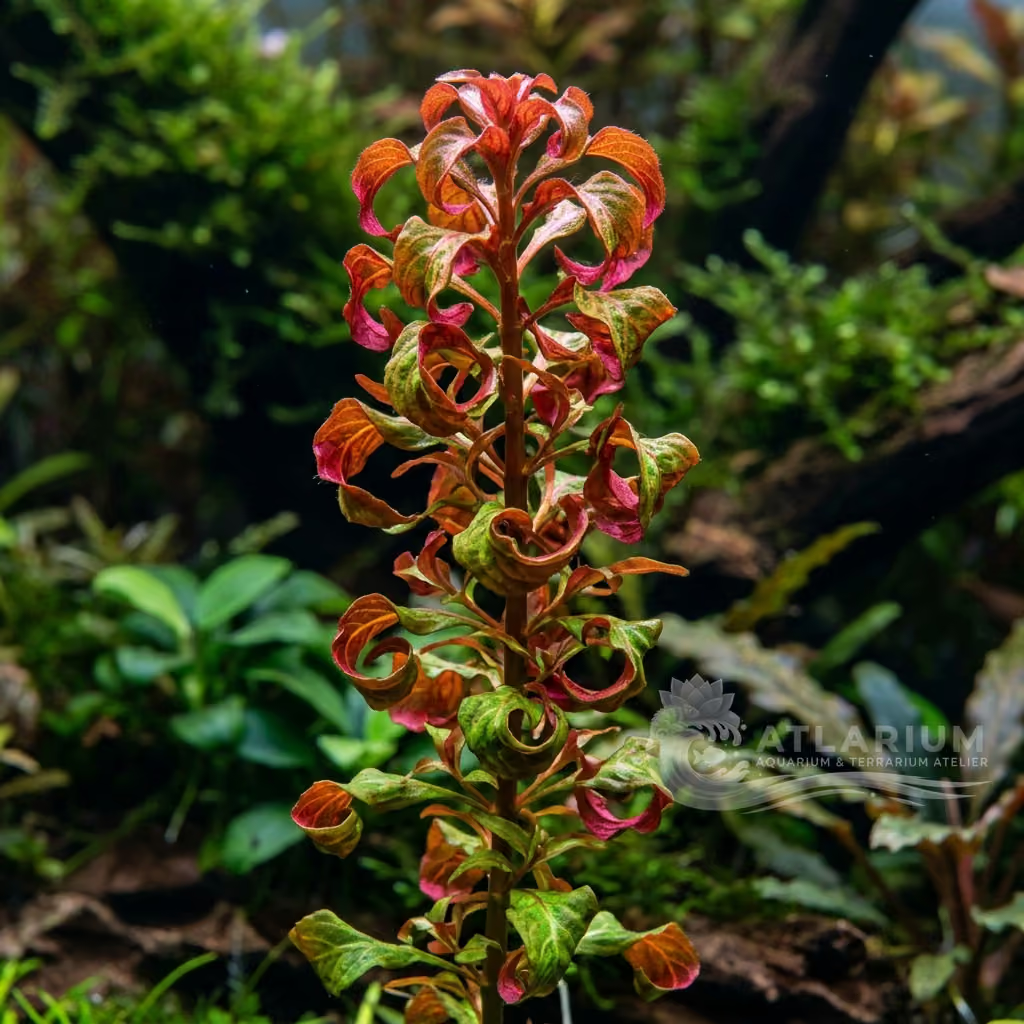
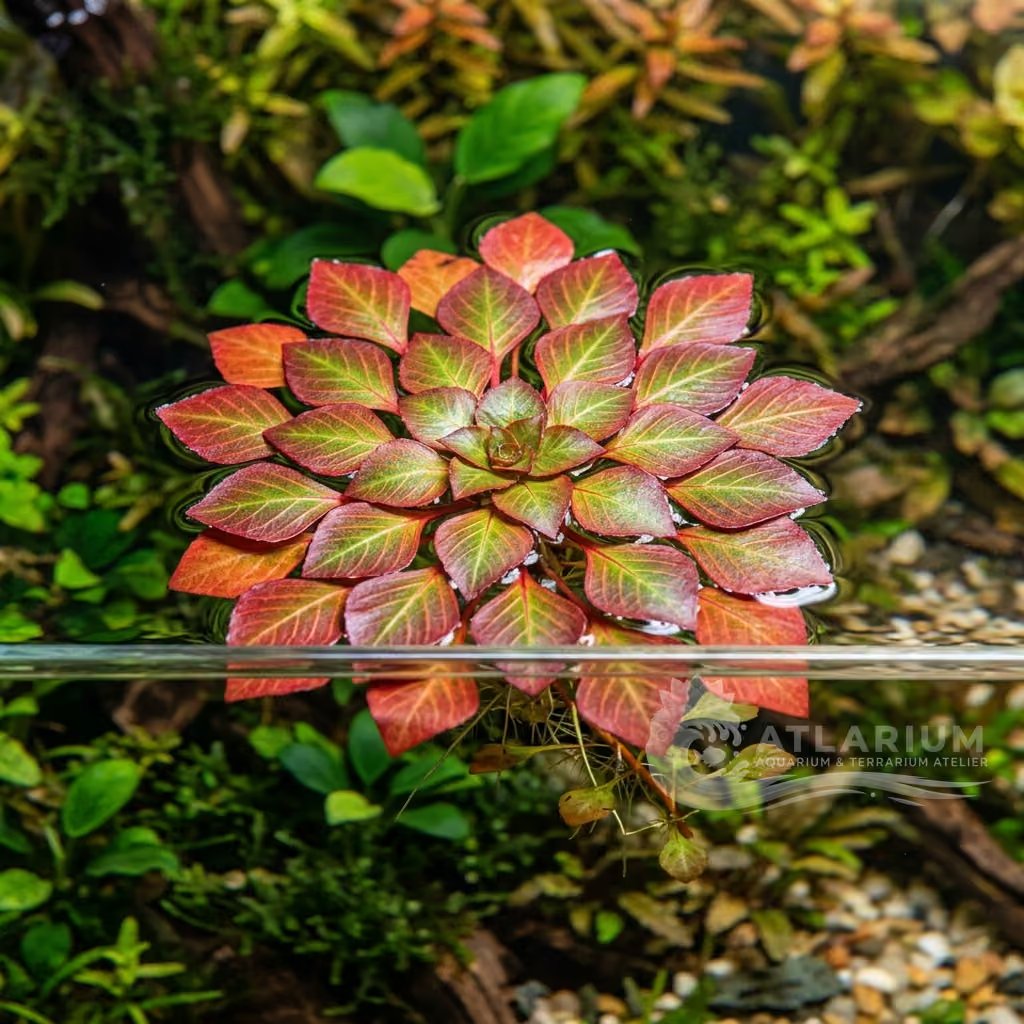
Color & Texture: It exhibits a highly decorative iridescent coloration: submerged leaves fade from light green or olive-green to yellow-orange, bronze, and sometimes red-orange near the growth tips under intense light. The leaf texture is smooth, soft, and flexible, giving the bushes a dense yet soft and airy appearance that creates excellent structural contrasts with round-leaved plants.

Pflege, Zucht und Mitbewohner
Lighting & CO2: Requires moderate-high to intense lighting to stimulate lateral branching and the development of orange tones. Stable CO2 injection (15-20 mg/L) is not strictly mandatory but speeds up submerged growth and encourages short, compact internodes.
Nutrition & Substrate: A fertile substrate enriched with iron and phosphates accelerates growth and improves general plant health. Liquid fertilization should be regular, providing potassium, chelated iron, and micronutrients in the column. Micronutrient deficiencies can cause tip distortion.
Water Chemistry: Prefers soft and slightly acidic water (pH 4.5-7.0, KH 2-10 dKH), although it tolerates moderately hard water better than L. arcuata. The optimal temperature ranges from 12°C to 28°C; it tolerates cool winter temperatures very well.
Space Management & Placement: Its ideal placement is in the midground of the aquarium, or in the background of nano tanks. Individual stems should be planted leaving a distance of at least 1.5-2 cm between them to prevent the base from being shaded and losing leaves.
Pruning: Pruning is done by trimming the stems with sharp scissors. This induces the plant to develop numerous lateral shoots from the lower nodes, densifying the bush. Removed tops root quickly in the substrate and can be replanted directly.
Risks & Diseases: Under insufficient light, the plant tends to lose its orange coloration and shed leaves on the lower parts of the stems. It is moderately susceptible to black brush algae or green hair algae if the system is unbalanced or if organic waste accumulates.

Geografische Herkunft und Verbreitung
Ludwigia brevipes is native to the southeastern Atlantic coast of the United States, distributed primarily within freshwater environments in North Carolina, South Carolina, and Virginia. It inhabits coastal swamps, shallow peat ponds, wet ditches, and the sandy banks of slow-moving rivers. In these environments, it grows both in its emersed form on wet soils and submerged in soft, acidic waters, exposed to direct sunlight for most of the day.
Ursprung
Nordamerika

Pflanzenprofil
- Platzierung
- Mittelgrund
- Optimal placement for Ludwigia brevipes is as a midground to background. Careful positioning allows it to receive adequate light and flow. This strategic placement ensures it does not overshadow smaller plants while exhibiting its best form.
- Botanische Form
- Stängel
- Botanically, Ludwigia brevipes is characterized as a stem plant. Its unique physiological traits make it a fascinating addition to the ecosystem. The leaf structure and overall form adapt closely to its submerged environment.
- Wachstum
- Schnell
- The growth rate of Ludwigia brevipes is generally considered moderate to fast. This steady development necessitates a well-planned maintenance schedule. Adjusting environmental factors can slightly speed up or slow down this rate.
- Substrat
- Mittel
- Ludwigia brevipes performs best when rooted in a fertile, nutrient-enriched substrate, which provides a steady supply of essential minerals for sustained growth. A substrate depth of roughly 5 centimeters provides adequate room for its moderately vigorous root system to anchor the stems securely. While it also absorbs nutrients through the water column, an aquasoil rich in iron significantly enhances the intense reddish-orange hues of its narrow leaves. A fine-grained substrate texture is ideal to prevent damage to the fine root hairs during planting and to promote healthy underground spreading.
- Säulendüngung
- Empfohlen
- For column fertilization, Ludwigia brevipes prefers a rich dosing regimen. Liquid fertilizers are efficiently absorbed through its submerged surfaces. Consistent daily or weekly dosing ensures steady nutrient availability.
- Wurzeldüngung
- Keine
- Regarding root fertilization, it is absolutely true that Ludwigia brevipes requires a nutrient-rich substrate. A quality aquasoil or root tabs can significantly boost its long-term health. The root system plays an active role in stabilizing the plant and absorbing minerals.
- Trimmen
- Gelegentlich
- Maintenance for Ludwigia brevipes primarily involves frequent pruning. Using sharp aquascaping scissors ensures clean cuts that heal quickly. Regular pruning encourages a more compact and aesthetically pleasing form.
- Ausbreitung
- Stecklinge
- Propagation of Ludwigia brevipes is typically achieved through cuttings. This method is straightforward and yields a high success rate. Newly propagated sections should be planted with sufficient space to establish themselves.
- Empfindlichkeit
- Mäßig
- Ludwigia brevipes is particularly sensitive to inadequate iron causing pale leaves. Sudden changes in water chemistry can trigger negative reactions or melting. Maintaining a stable environment is the best preventative measure against these issues.
- Layoutrolle
- Mittelgrund, accent, Nano
- In an aquascape, Ludwigia brevipes serves excellently as a orange-red accent. Its visual characteristics draw the eye and create depth within the layout. It pairs well with contrasting textures to enhance the overall composition.

Verwandte Arten
Empfehlungen gruppiert nach nahen Verwandten, Auswahl von Begleitern und ähnlicher Betreuung.