Ruby tetra
Axelrodia riesei
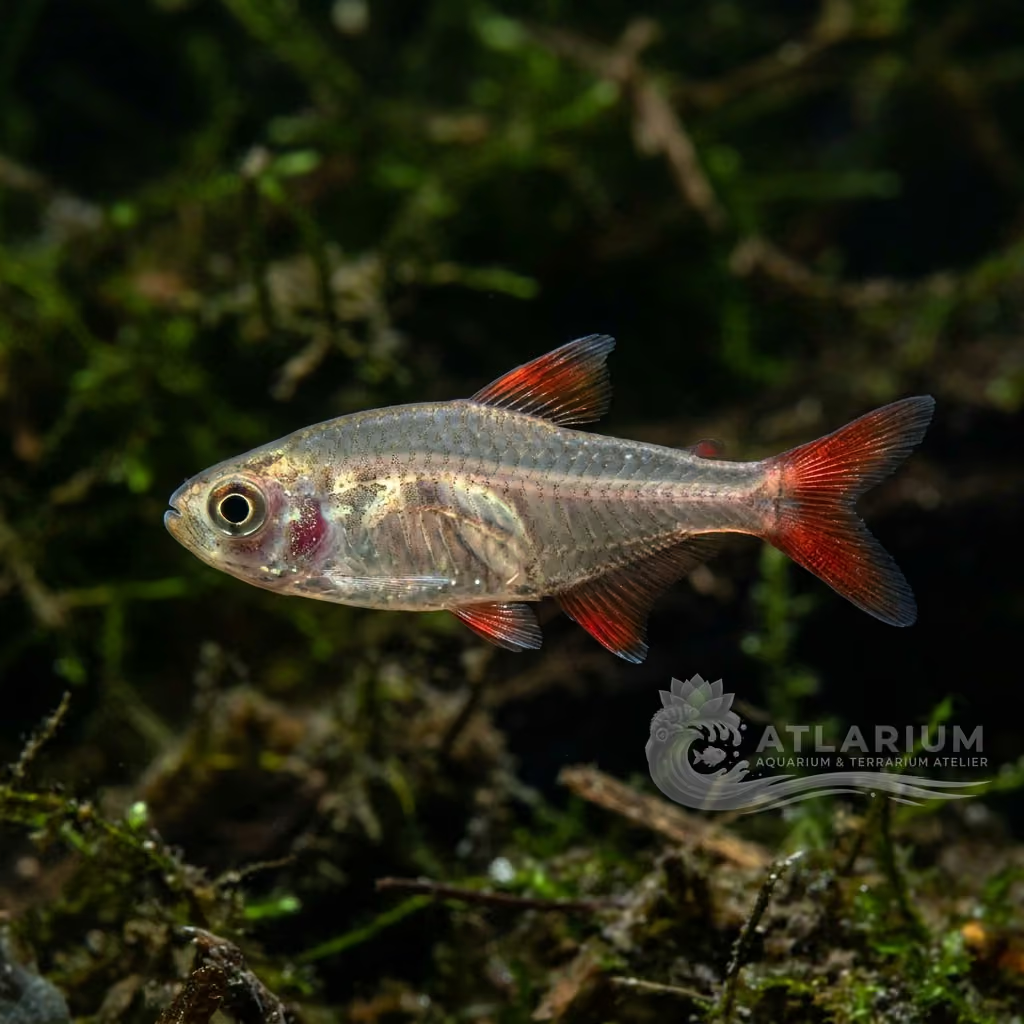
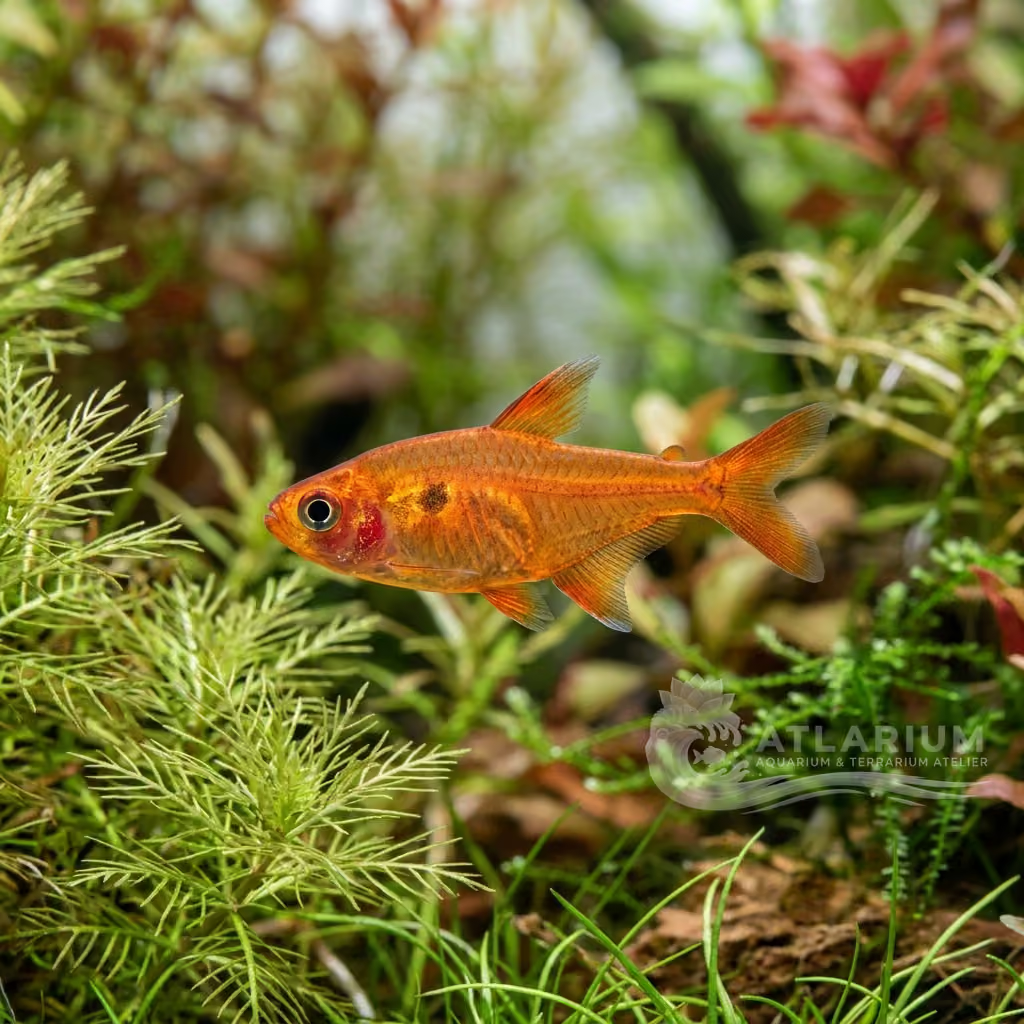
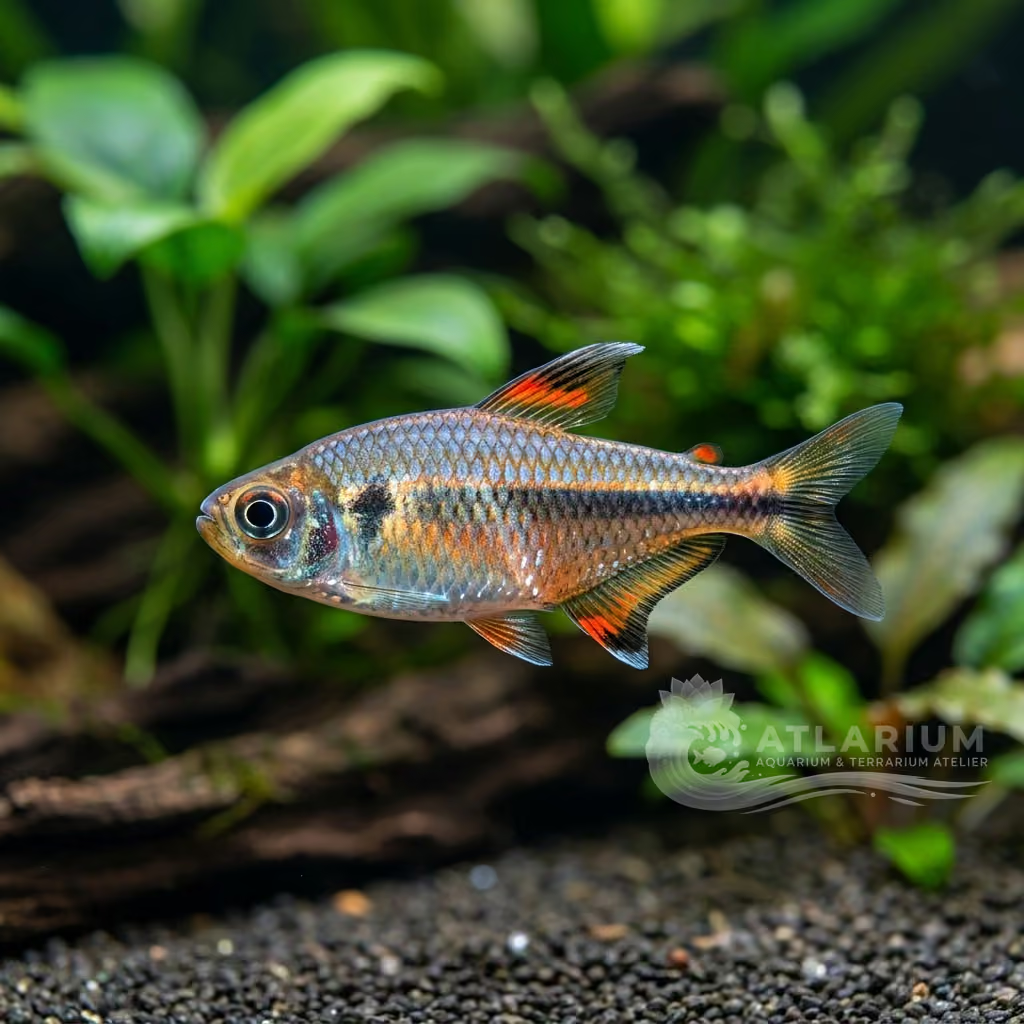
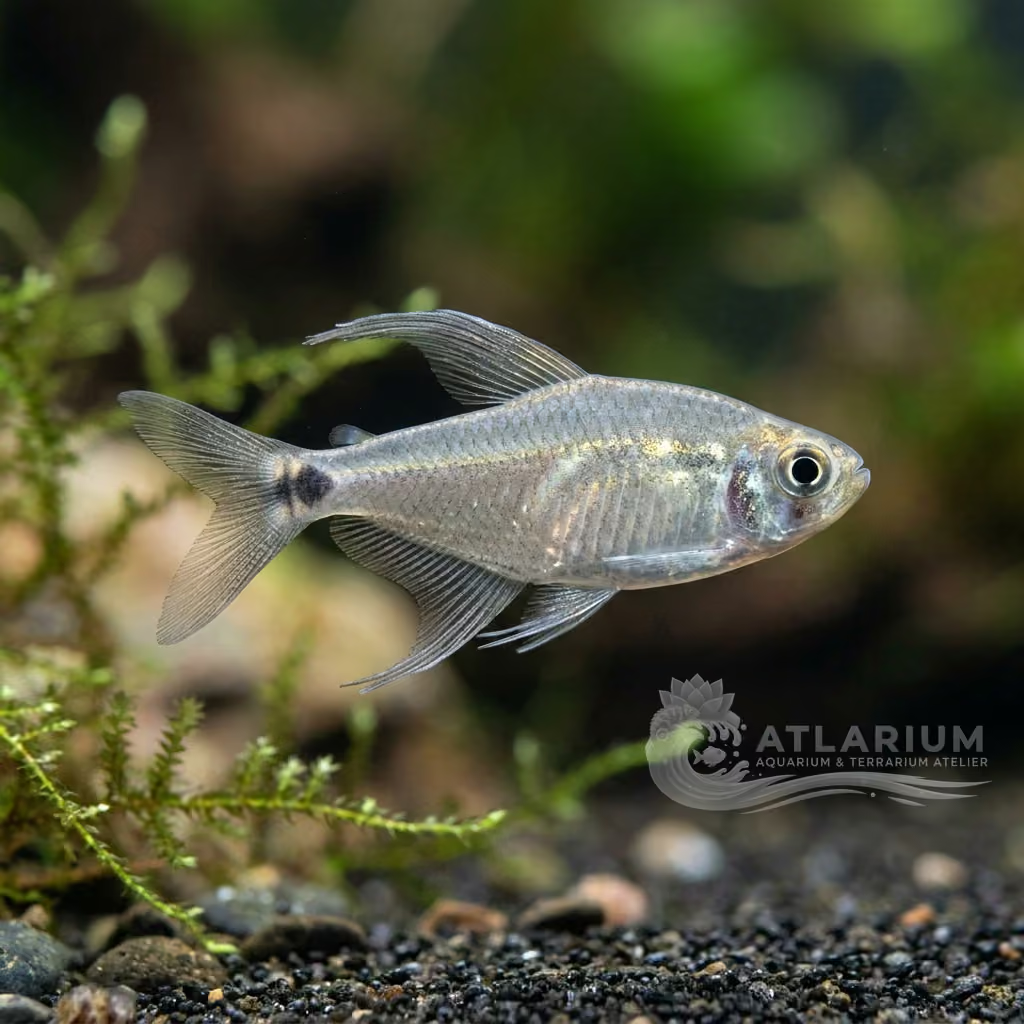
A micro-characin of translucent ruby color that seems to glow from within under the right lighting. At 1.5–3 cm adult size, native to Colombia's upper Río Meta basin, it is one of the world's smallest aquarium fish. In schools of 10 or more in a mature tank with amber water and dark substrate, the visual effect is extraordinary — a shimmer of living gems. More sensitive than the average tetra: it requires soft, stable water free of nitrogenous compounds. Lives up to 3 years with proper care.
22 - 28 °C
5 - 6.5
Süßwasser
Unten und in der Mitte
2 cm
>= 40 L
>= 10
1 - 5 dGH
1 - 2 dKH
25 - 95 ppm
39 - 148 uS/cm

Artbeschreibung

Pflege, Zucht und Mitbewohner

Geografische Herkunft und Verbreitung
Ursprung

Fischprofil
- Temperament
- Territorial
- Axelrodia riesei is a peaceful, active, and somewhat shy nano fish that exhibits typical shoaling behavior. In a community aquarium, they are completely non-aggressive and will not bother other tank mates, though males may engage in harmless territorial sparring with rival males. If kept in groups that are too small or alongside large, boisterous species, they will easily become stressed and remain hidden. Providing a quiet environment with dim lighting and plenty of shelter allows them to build confidence and show their vibrant coloration.
- Diät
- Omnivore
- In their natural habitat, ruby tetras are micro-predators feeding on tiny invertebrates, zooplankton, and insect larvae. In the home aquarium, they are not overly picky but require foods small enough to fit in their tiny mouths, such as micro-granules, high-quality crushed flakes, and powdered foods. A diet enriched with live or frozen foods like Artemia nauplii, Daphnia, and Cyclops is highly beneficial for their health. Feeding these varied, color-enhancing foods is essential to maintain their intense, natural ruby-red pigmentation.
- Lebenserwartung
- 3-5 years
- Erwachsenengröße
- 2 cm
- Geschlechterverhältnis
- Group
- Axelrodia riesei is a highly social shoaling species that must be kept in a group of at least 6 to 10 individuals, though 15 or more is preferred to promote natural behavior and lessen shyness. While they do not pair off in strict male-to-female ratios, a mixed-sex group with a higher proportion of females is recommended. Males will establish small temporary territories and display to each other, but this minor sparring is harmless if there are enough hiding spots and visual barriers. Stocking them as a group also distributes any territorial behavior and prevents any single individual from being bullied.
- Fütterungsfrequenz
- 2-3 times daily
- Due to their small size and high metabolism, ruby tetras should be fed small portions two to three times a day. It is important to ensure that the food is consumed within a couple of minutes to prevent water quality deterioration. Since they have tiny stomachs, overfeeding should be strictly avoided, as uneaten food will quickly rot and cause harmful spikes in ammonia and nitrite. Offering smaller, frequent feedings also mimics their natural foraging behavior in the wild.
- Bioload
- Low
- Due to their diminutive size (typically not exceeding 2 to 3 cm), individual ruby tetras have an extremely low biological waste footprint. However, since they must be kept in groups, the collective waste output should still be managed with efficient filtration, preferably using a gentle sponge or air-driven filter that won't suck in these tiny fish. Regular small water changes are essential to keep nitrate levels low, as they are sensitive to accumulated organic waste. A well-established nitrogen cycle and botanical filtration are highly recommended to replicate their natural soft, acidic water conditions.
- Fluss
- Strong
- Ruby tetras originate from slow-moving or stagnant blackwater streams, so they strongly prefer weak to moderate water currents in the aquarium. High-flow filtration systems can easily exhaust these tiny fish, leading to stress, fatigue, and potential health issues. The use of sponge filters, air-stones, or adjustable filter outlets with spray bars is ideal for distributing the flow gently. Providing areas of calm water, particularly around dense plant clusters, allows them to rest comfortably.
- Sprungrisiko
- Yes
- Although they are not known as notorious jumpers, ruby tetras are active and can easily leap out of an open aquarium if they are startled or stressed. Their skittish nature, especially during maintenance, water changes, or when lights are suddenly turned on, increases the risk of accidental escapes. It is highly recommended to use a tight-fitting lid or cover slides on the tank to ensure their safety. Additionally, floating plants and dense vegetation near the surface can provide a natural barrier that helps prevent jumping.
- Reproduktion
- Oviparous
- Breeding Axelrodia riesei in captivity is considered challenging and requires a dedicated spawning setup. They are egg-scatterers that provide no parental care, meaning they will readily consume their own eggs if not separated immediately after spawning. The breeding tank must feature extremely soft, acidic water (pH below 5.5) and plenty of fine-leaved plants or spawning mops to catch the eggs. Once spawned, the parents must be removed, and the tiny fry should be fed infusoria and rotifers until they are large enough to accept baby brine shrimp.
- Kompatibilität & Tankkameraden
- Peaceful
- Due to their extremely small size and timid nature, ruby tetras are best kept in a species-only tank or with other peaceful nano fish. Suitable tank mates include small Corydoras species, Otocinclus, dwarf rasboras, and other small, non-aggressive tetras. They are also highly compatible with dwarf shrimp, though they may occasionally predate on newly hatched shrimplets. Larger, hyperactive, or predatory fish should be avoided entirely, as they will easily intimidate or consume these delicate tetras.
- Tankfüllstand
- Middle/Bottom
- Ruby tetras primarily occupy the bottom-middle and middle zones of the aquarium water column. They feel most secure when swimming among dense vegetation, driftwood roots, and leaf litter, which mimic their natural forest stream environments. While they may occasionally venture to the surface during feeding times, they generally prefer to stay in shaded, lower-light areas of the tank. To encourage them to utilize the entire middle section, the addition of floating plants is recommended to diffuse the light and reduce shadow stress.

Wissenschaftliche Modelle & Parameter
Zugang zu den offiziellen wissenschaftlichen Daten der Art
- Trophäenniveau
- 3 ± 0,4 se
- Belastbarkeit
- Hoch (weniger als 15 Monate)
- Phylogenetische Einzigartigkeit (PD50)
- 0.75
- Bayessche Längen-Gewichts-Beziehung
- a = 0.01122, b = 3.07
- AnfälligkeitGeringe Anfälligkeit (10 / 100)

Bildergalerie
Lizenzierte Bilder, die mit der Art oder, wenn markiert, mit dem nächstgelegenen repräsentativen Taxon verknüpft sind.

Verwandte Arten
Empfehlungen gruppiert nach nahen Verwandten, Auswahl von Begleitern und ähnlicher Betreuung.