White star tetra
Axelrodia stigmatias
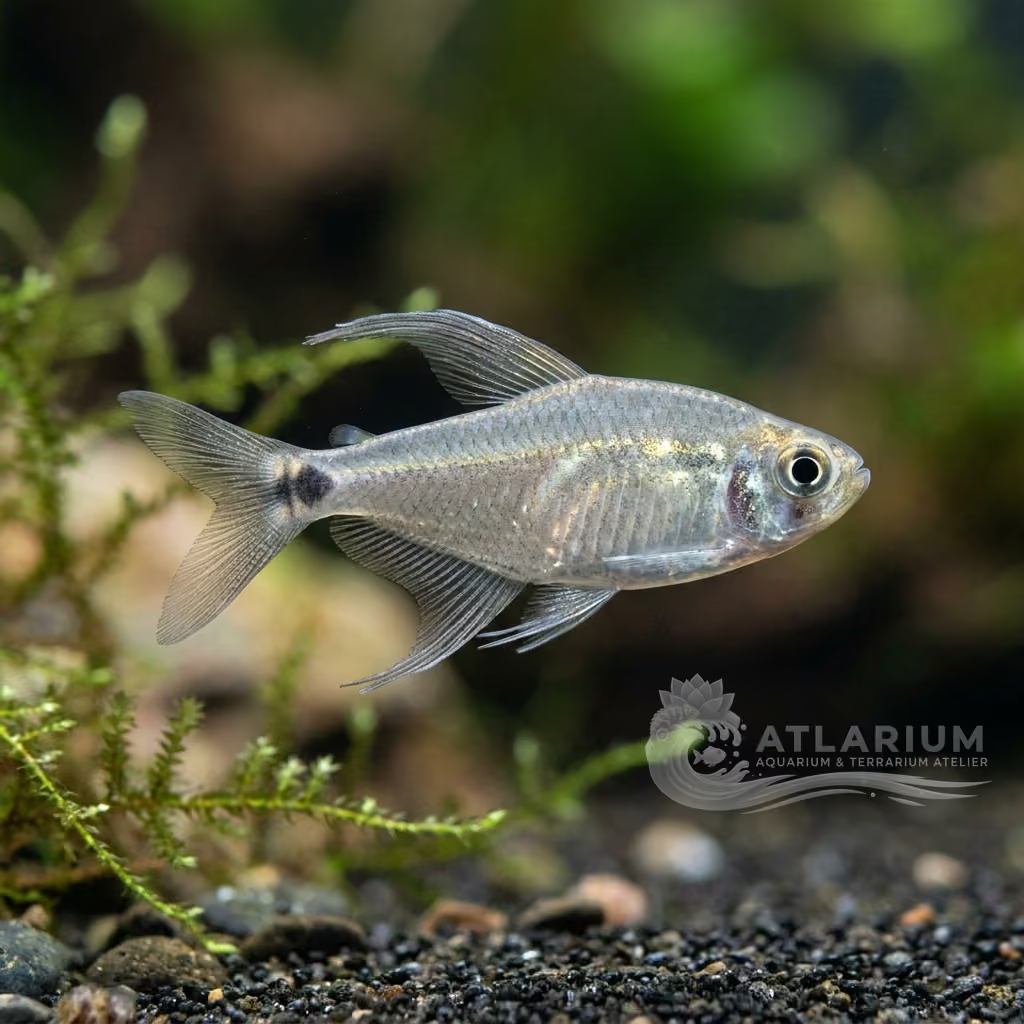
An extremely rare nano-tetra from the western Amazon with a translucent body and a bright white spot at the tail base — like a star. One of the smallest fish in the trade (1.5–2 cm). Requires blackwater conditions with very soft, acidic water — loses color in hard water. Shy shoaler: in groups of 8–10+ becomes more confident. Micropredator with tiny mouth. Mature, stable tank with dried leaves. Breeding possible in specific setups.
Wassertemperatur
22 - 27 °C
pH-Wert
5 - 6.8
Wassertyp
Süßwasser
Tankfüllstand
Unten und in der Mitte
Erwachsenengröße
2 cm
Mindesttankvolumen
>= 40 L
Mindestgruppe
>= 8
GH
1 - 6 dGH
KH
1 - 3 dKH
TDS
25 - 120 ppm
Leitfähigkeit
39 - 188 uS/cm

Artbeschreibung
Geographical Origin and Habitat: Endemic to the Amazon River basin (Brazil and Peru). Shares the same dark and slow-flowing biotopes of small characins: secondary tributaries and flooded areas filled with foliage, with almost absent solar lighting.
Taxonomy and Morphology: Pepper Tetra (Axelrodia stigmatias). Direct cousin of the Ruby Tetra. Shares the elongated body conformation, the lack of adipose fin and the miniaturized proportions, but differs in the "colder" chromatic pattern.
Social Behavior: Peaceful but darting schooling fish. Spends most of the time suspended in mid-water in the shade of plants or woods, "quivering" the fins waiting for food particles. Requires a large group (12+ individuals) to feel safe.
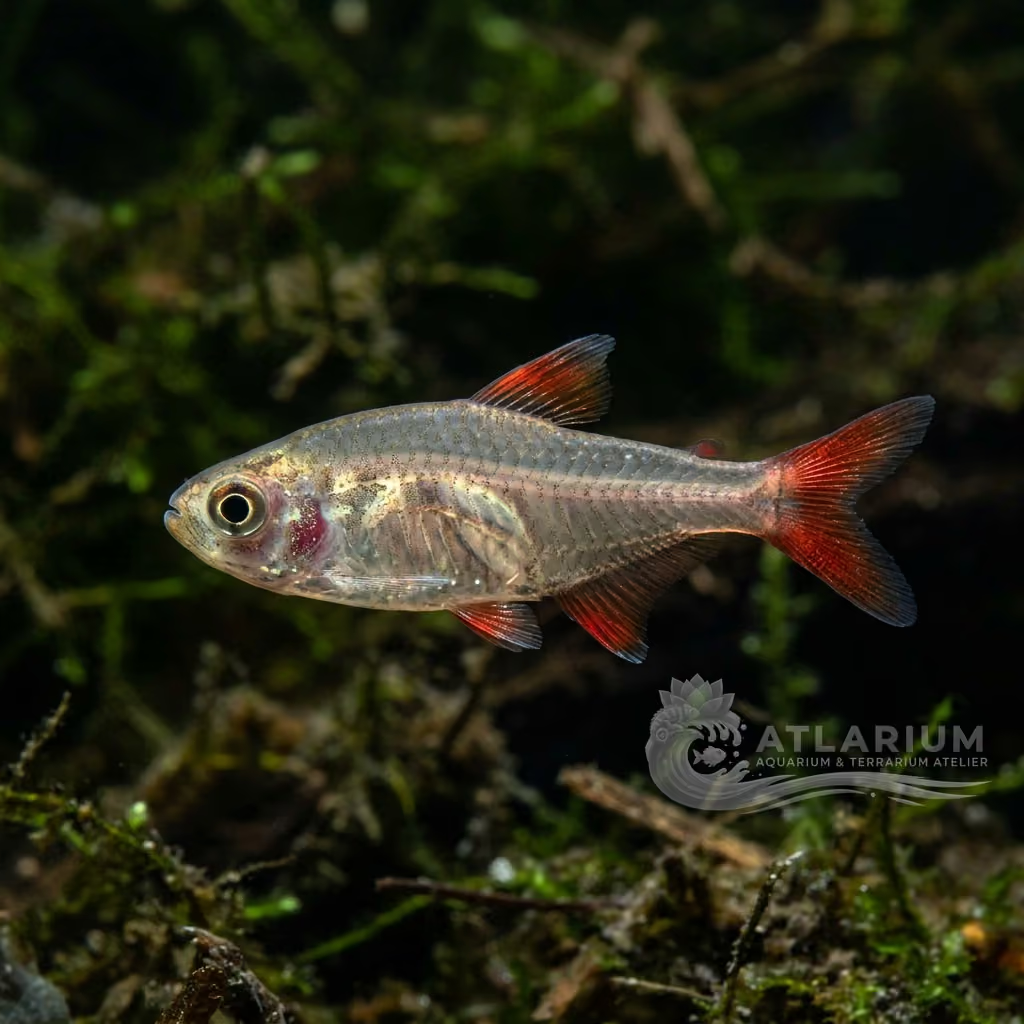
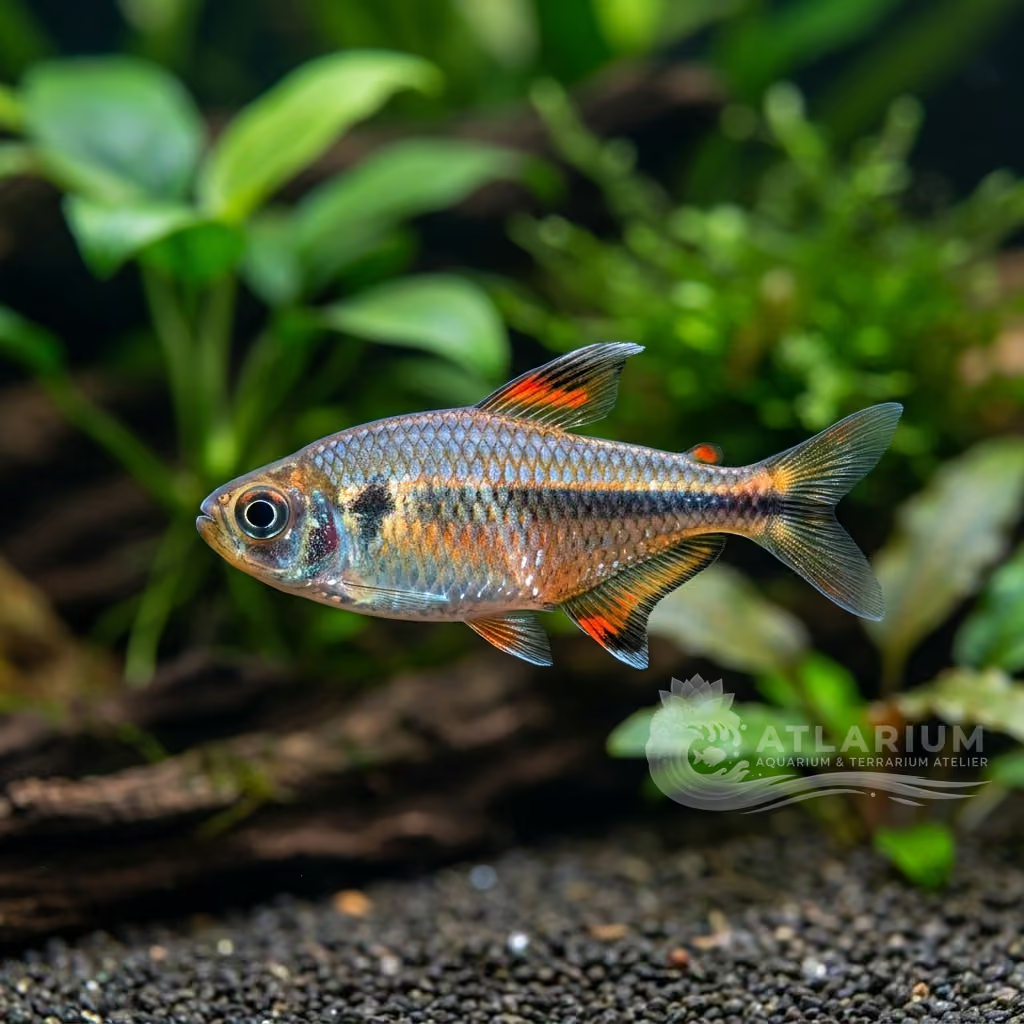
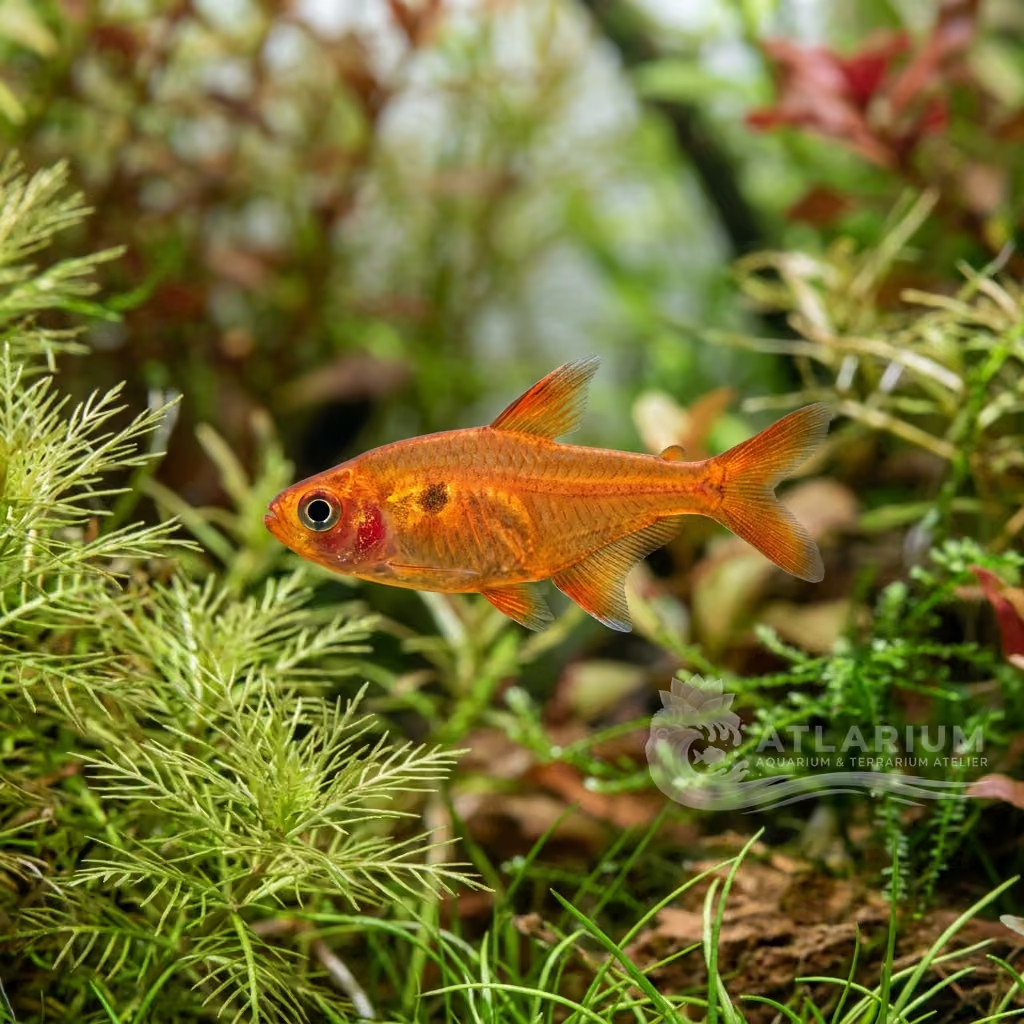
Coloration and Sexual Dimorphism: Translucent silver-gray body with subtle greenish reflections. The name "Pepper" derives from countless tiny dark dots scattered on the body. The dark red or black spot at the base of the tail stands out, bordered at the top by a bright white.

Pflege, Zucht und Mitbewohner
Aquarium Setup: The perfect setup requires weakly filtered water (no powerhead currents). Dark substrate, a tangle of branched roots and a layer of oak or catappa leaves. Floating plants are a must to dim the light.
Diet and Feeding: Micro-predator. The mouth opening is extremely restrictive. Accepts pulverized dry food but wastes away in the long run if not supported with live microworms, vinegar eels and freshly hatched brine shrimp nauplii.
Water Quality: Very restricted tolerance to impurities. Optimal parameters include soft water (very low GH and KH) and acidic. An accumulation of inappropriate DOC (Dissolved Organic Carbon) or nitrates over 10 mg/L compromises its immune system.
Compatibility and Cohabitation: Extremely peaceful and vulnerable. Recommended for tanks dedicated to microrasboras (Boraras), peaceful ornamental shrimp (Neocaridina) and small Loricariids. Absolutely unsuitable for classic "community" tanks with Angelfish, Gouramis or large livebearers.
Aquarium Breeding: Incidental and infrequent. If kept in perfect waters and fed with live food, they scatter a few eggs in the morning among fine mosses (Taxiphyllum). No parental care; infusoria is indispensable for the very first days of the fry.
Risks and Diseases: Vulnerable to gill parasitosis if water quality drops or oxygen level is poor. Overcrowding of the tank leads the fish to fade and hide permanently.

Geografische Herkunft und Verbreitung
Endemic to the Amazon River basin (Brazil and Peru). Shares the same dark and slow-flowing biotopes of small characins: secondary tributaries and flooded areas filled with foliage, with almost absent solar lighting.
Ursprung
Tropische Ozeane und RiffeAmazonas, Orinoco und Guayana

Fischprofil
- Temperament
- Peaceful
- Axelrodia stigmatias is an extremely peaceful, active, yet naturally shy species that exhibits shoaling behavior. They show no aggression toward other fish species and will only engage in harmless sparring matches among conspecific males. Due to their timid nature, they can easily become intimidated by larger or hyperactive tank mates, which will cause them to remain hidden. Providing a heavily planted environment helps build their confidence, allowing them to exhibit their charming, hovering swimming style.
- Diät
- Micro-predator
- As micro-predators in the wild, these fish require a varied diet consisting of very small foods that fit their tiny mouths. They should be fed small live or frozen foods such as baby brine shrimp, Cyclops, micro-worms, and daphnia. High-quality crushed flakes, freeze-dried foods, and micro-pellets are also readily accepted once they are acclimated. Feeding a diet rich in carotenoids is particularly beneficial for enhancing their natural coloration and general vigor.
- Lebenserwartung
- 2-3 years
- Erwachsenengröße
- 2 cm
- Geschlechterverhältnis
- Group
- These schooling fish do not require a specific male-to-female ratio and are best kept in a mixed-sex group of at least 8 to 10 individuals. Keeping them in larger groups distributes any minor competitive behavior among males, who may display to one another but rarely cause harm. A larger shoal also helps reduce their natural shyness, making them more active and visible in the aquarium. When purchasing, acquiring a random mix from a local breeder or retailer is usually sufficient for a healthy dynamic.
- Fütterungsfrequenz
- 2-3 times daily
- Given their small size and fast metabolism, Axelrodia stigmatias thrives when fed small portions two to three times a day. Only offer an amount that they can fully consume within two minutes, as excess food will quickly spoil the water quality. Overfeeding should be avoided to prevent digestive issues and maintain low nitrate levels in the nano setup. Providing a varied feeding schedule with live foods a few times a week helps replicate their natural foraging patterns.
- Bioload
- Low
- Due to their diminutive size of under an inch, Axelrodia stigmatias has an exceptionally low individual biological footprint. However, because they must be kept in groups of at least 10 individuals to feel secure, their collective bioload should be factored into aquarium filtration. A standard gentle sponge filter or a low-flow hang-on-back filter is generally sufficient to manage waste without creating strong currents. Regular weekly water changes are crucial to prevent the accumulation of nitrates, as these nano fish are highly sensitive to poor water quality.
- Fluss
- Strong
- This species is native to slow-moving forest streams and backwaters, meaning they prefer gentle, low-flow water currents in the aquarium. High-powered filters or strong powerheads should be avoided, as they can easily exhaust these delicate nano fish. A gentle air-powered sponge filter or a heavily baffled canister filter is ideal for providing filtration without creating disruptive current. Incorporating driftwood and dense plant barriers can also create slow-flow sanctuaries within the tank.
- Sprungrisiko
- Yes
- Although they are bottom-to-midwater dwellers, these small tetras are agile swimmers and can easily jump out of the water when startled. A tight-fitting lid or cover slides are strongly recommended to prevent accidental escapes. Incorporating floating plants like Salvinia or frogbit can help diffuse light and provide cover, significantly reducing their startle response. Care should also be taken during maintenance, as quick movements near the glass can cause them to leap in panic.
- Reproduktion
- Oviparous
- Breeding Axelrodia stigmatias is a challenging task that requires a dedicated, mature breeding tank with extremely soft and acidic water. They are egg-scatterers, depositing their eggs among fine-leaved plants like Java moss or spawning mops, and they provide no parental care. Adults will eagerly consume their own eggs and fry, so they must be removed immediately after spawning has occurred. The tiny fry must be fed microscopic foods such as infusoria, paramecium, or liquid fry food until they are large enough for baby brine shrimp.
- Kompatibilität & Tankkameraden
- Species only
- Due to their diminutive size and shy disposition, they are only compatible with other small, peaceful, and non-threatening tank mates. Excellent companions include dwarf corydoras, small rasboras, neon tetras, and peaceful freshwater shrimp. They should never be housed with large, aggressive, or predatory species that could view them as prey or outcompete them for food. Keeping them in a species-only aquarium is often the best approach to appreciate their unique behaviors and ensure their long-term well-being.
- Tankfüllstand
- Middle/Bottom
- Axelrodia stigmatias primarily occupies the middle and lower zones of the water column, frequently foraging among plants and substrate. They are particularly fond of hovering under floating plants or near driftwood structures, utilizing these as shelter. In a well-planted aquarium, they will navigate through dense vegetation and leaf litter, occasionally venturing towards the upper levels during feeding. Providing appropriate vertical cover ensures they feel secure enough to occupy all areas within their preferred middle-bottom range.

Wissenschaftliche Modelle & Parameter
FishBase
Zugang zu den offiziellen wissenschaftlichen Daten der Art
FishBase v25.04Daten synchronisiert am: 15.06.2026
- Trophäenniveau
- 3,1 ± 0,4 se
- Belastbarkeit
- Hoch (weniger als 15 Monate)
- Phylogenetische Einzigartigkeit (PD50)
- 0.75
- Bayessche Längen-Gewichts-Beziehung
- a = 0.01122, b = 3.07
- AnfälligkeitGeringe Anfälligkeit (10 / 100)

Verwandte Arten
Empfehlungen gruppiert nach nahen Verwandten, Auswahl von Begleitern und ähnlicher Betreuung.