Orange Skunk Clownfish
Amphiprion sandaracinos
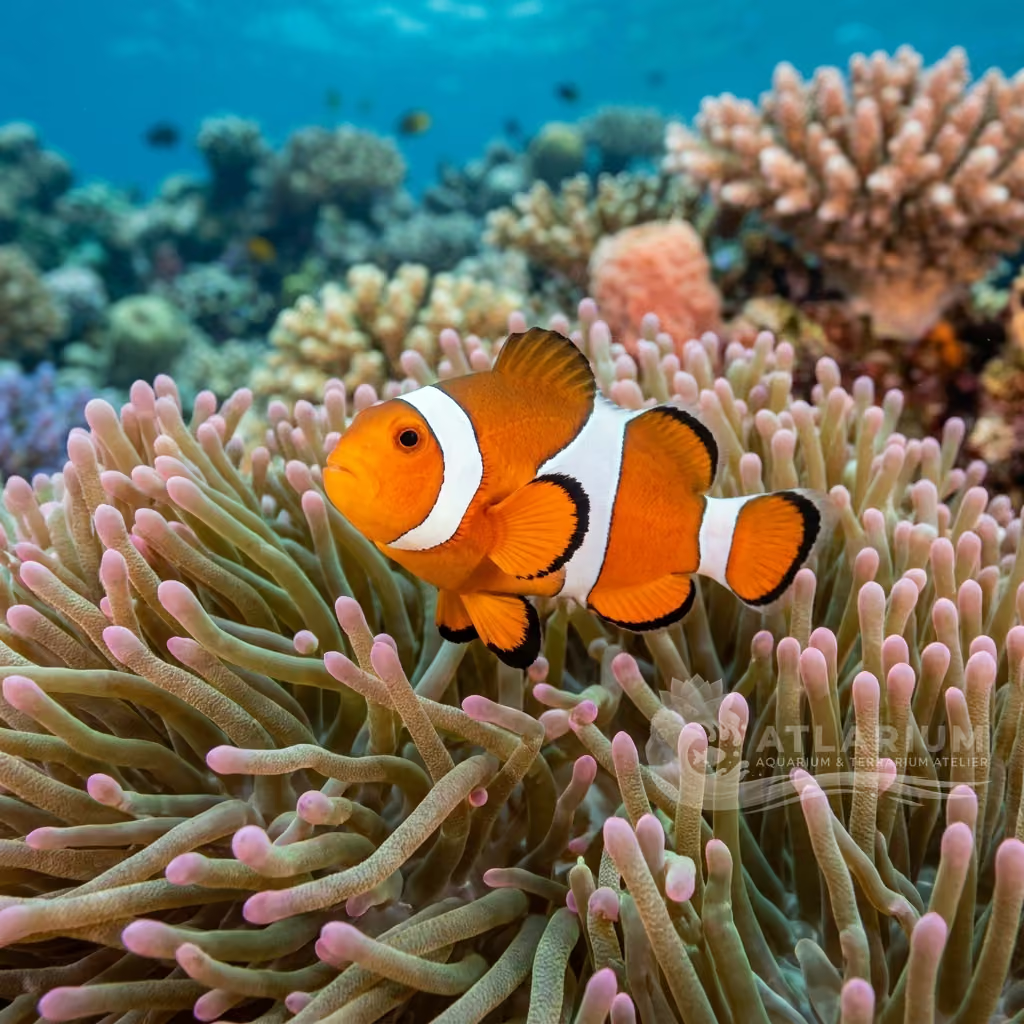
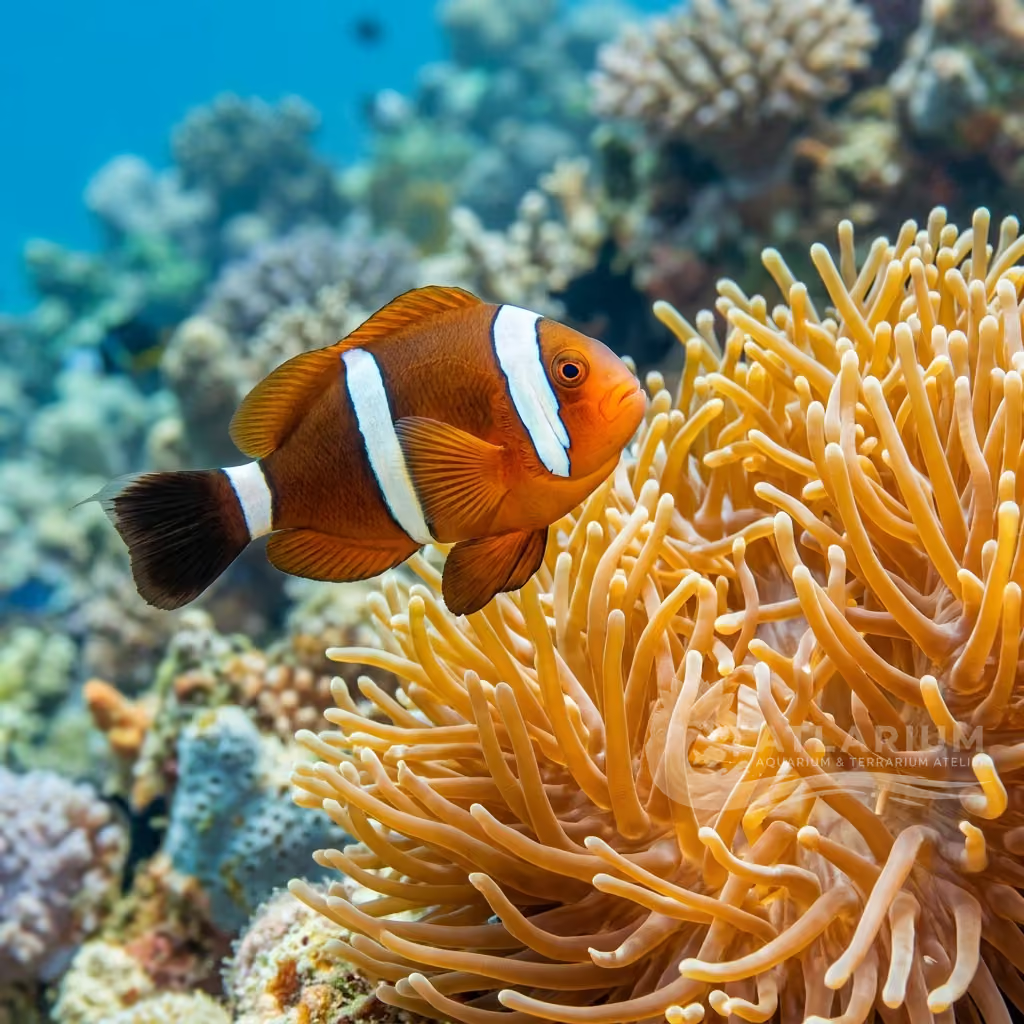
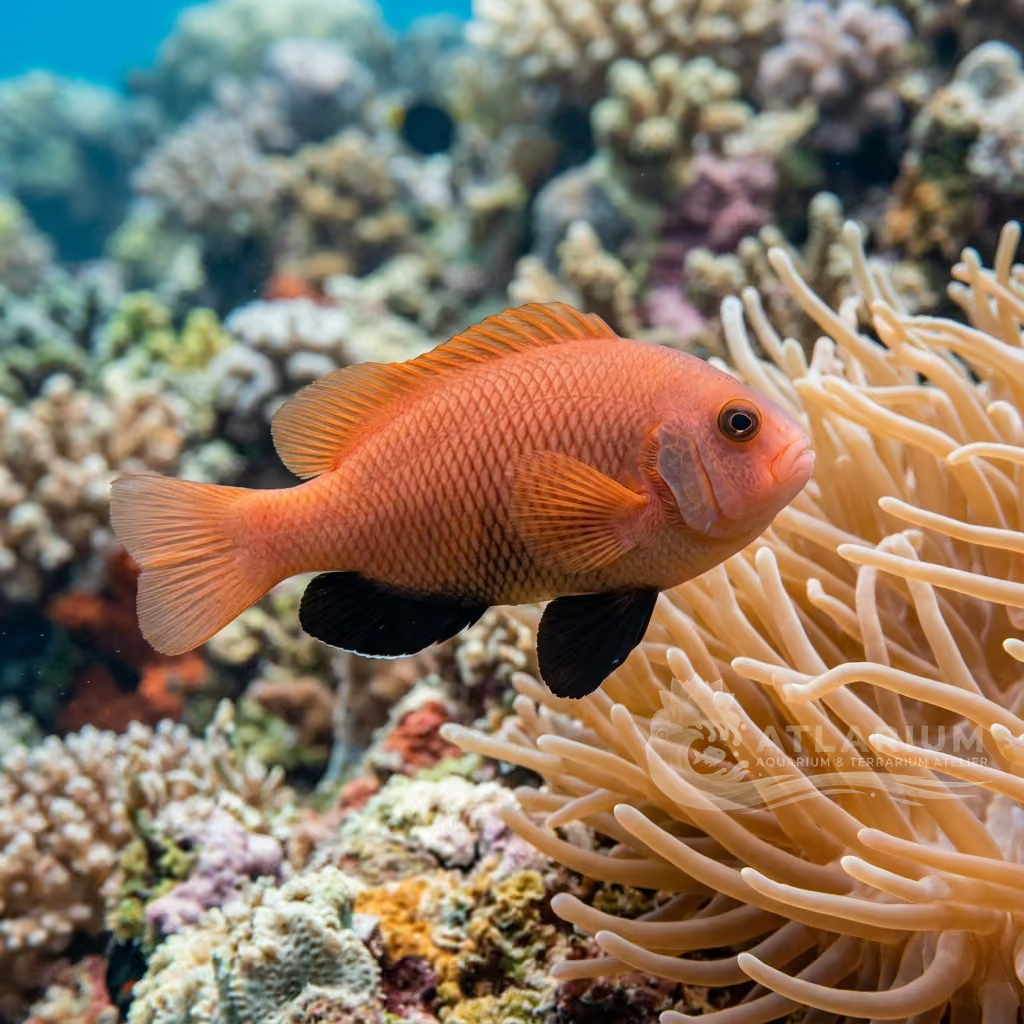
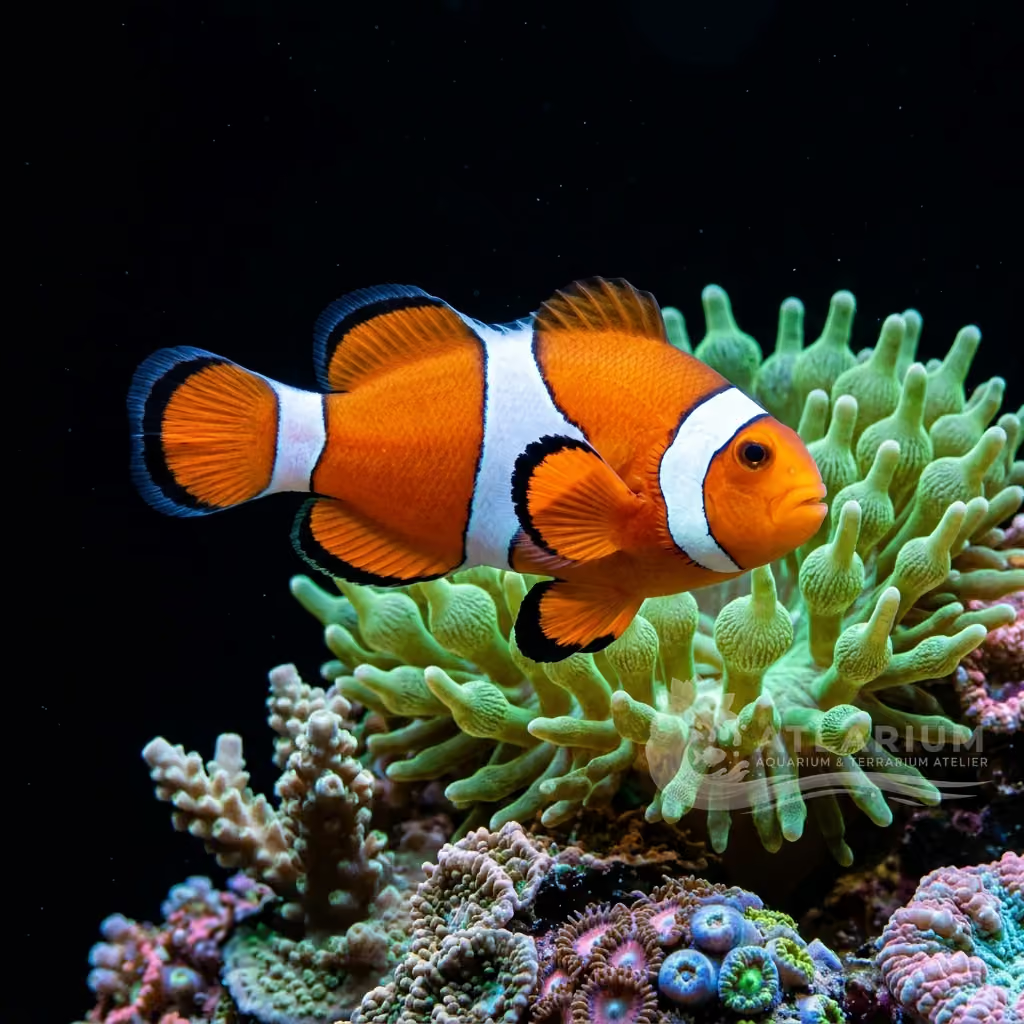
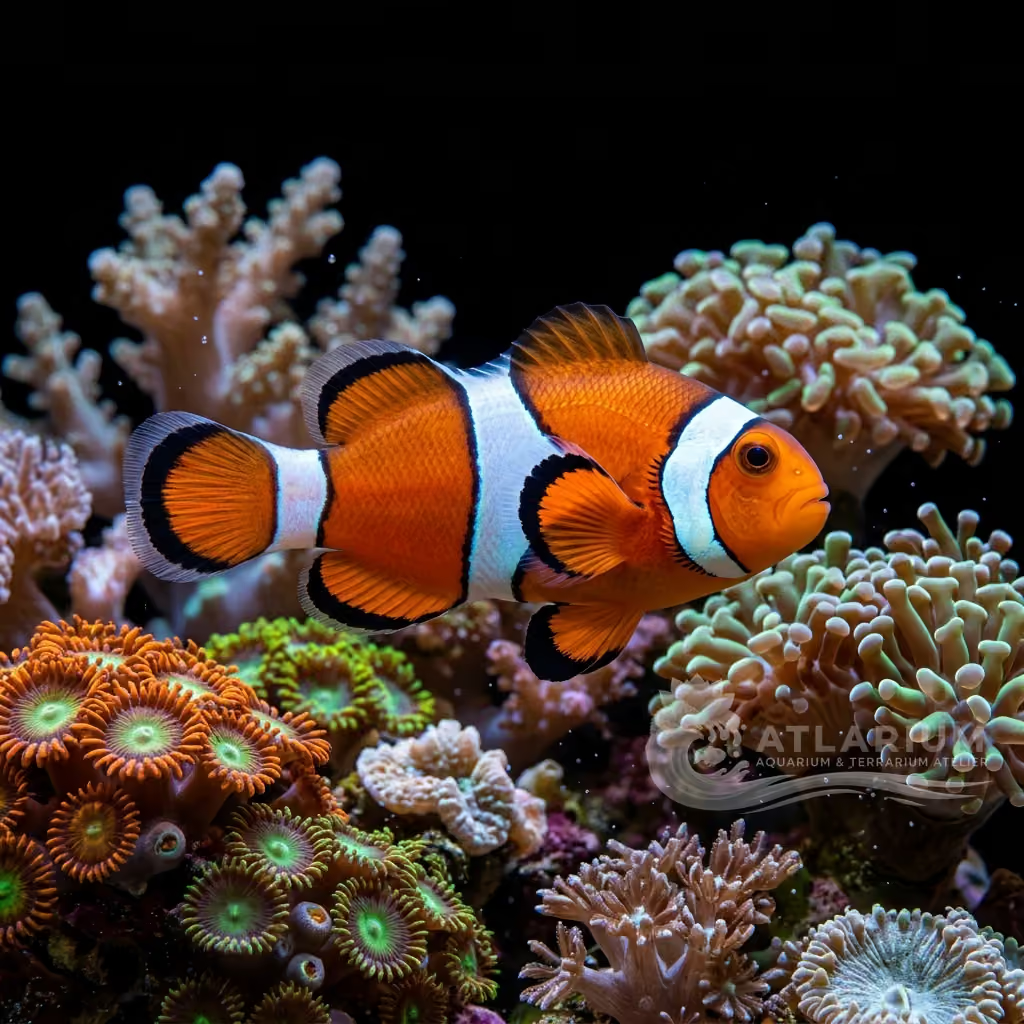
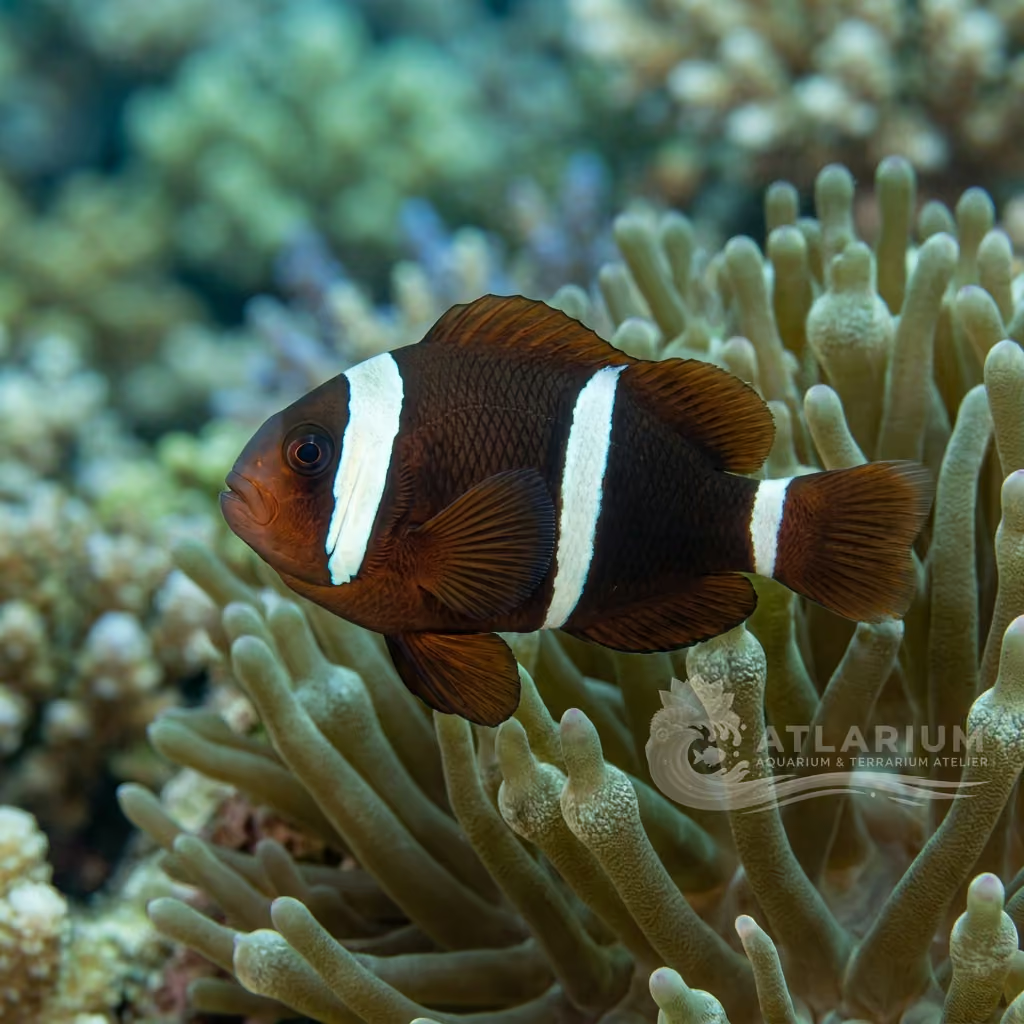
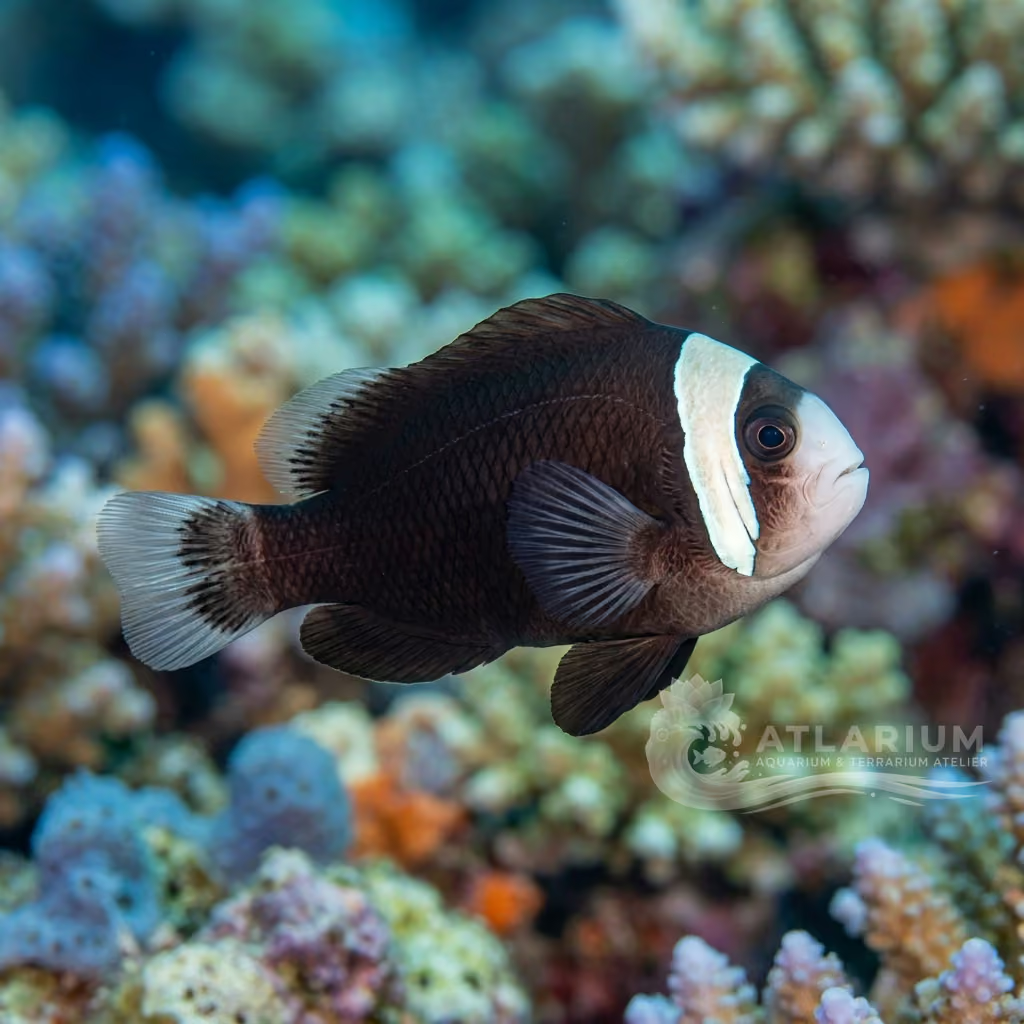
The Orange Skunk Clownfish is a striking reef fish with a vibrant orange body and a solid white dorsal stripe. It is generally peaceful and relies on its host anemone for shelter.
Wassertemperatur
24 - 27 °C
pH-Wert
8.1 - 8.4
Wassertyp
Meerwasser
Tankfüllstand
Unten und in der Mitte
Erwachsenengröße
11 cm
Mindesttankvolumen
>= 100 L
Mindestgruppe
>= 1
KH
8 - 12 dKH

Artbeschreibung
Geographical Origin and Habitat: Amphiprion sandaracinos is native to the Western Indo-Pacific, widely found around Indonesia, the Philippines, New Guinea, the Solomon Islands, northern Australia, and northwards to the Ryukyu Islands of Japan. It inhabits sheltered coastal lagoons and shallow outer reef slopes, typically at depths of up to 20 meters, always in association with host anemones.
Taxonomy and Morphology: Belonging to the family Pomacentridae and the subfamily Amphiprioninae, it is commonly known as the Orange Skunk Clownfish. It features a laterally compressed, oval body with a rounded head. Females are significantly larger than males, reaching an adult length of 11-13 cm. It has soft, rounded fins suited for hovering.
Social Behavior: Forms an obligate symbiotic partnership with host sea anemones, primarily Stichodactyla mertensii and Heteractis aurora. It lives in small groups structured by a strict size-based hierarchy, headed by a dominant breeding female and a smaller breeding male. They are territorial and defend their anemone home from competitors.
Coloration and Sexual Dimorphism: The body is a uniform, vibrant orange or yellow-orange. Its defining marking is a single, narrow white stripe running from the tip of the snout, over the head, and along the base of the dorsal fin to the tail. They are protandrous hermaphrodites: all start as males, and the largest individual in a group transitions to female.

Pflege, Zucht und Mitbewohner
Aquarium Setup: An aquarium of at least 100 liters is recommended for a pair. While a host anemone is not strictly required for their survival (as they may adopt corals like Euphyllia or Sarcophyton as hosts), providing a compatible anemone like Stichodactyla mertensii allows for natural behaviors. Provide stable live rock for shelter.
Diet and Feeding: Omnivorous. In the aquarium, they are easy to feed, accepting a wide variety of live, frozen, and dry foods. Offer frozen mysis shrimp, brine shrimp, and high-quality flake or pellet foods. Include spirulina and vegetable-based foods in their diet to maintain the intensity of their bright orange coloration.
Water Quality: Maintain stable marine conditions: temperature 24°C to 27°C (75-80°F), specific gravity 1.020 to 1.025, and pH 8.1 to 8.4. Perform regular water changes of 10-15% every two weeks. Keep ammonia and nitrites at zero. Excellent water filtration is required, especially if keeping a delicate host anemone in the system.
Compatibility and Cohabitation: One of the more peaceful clownfish species, making it an excellent candidate for community reef tanks. Compatible with other small, peaceful reef fish like gobies, firefish, cardinalfish, and wrasses. Avoid housing with larger predatory fish or with other clownfish species in smaller tanks to prevent aggressive conflicts.
Aquarium Breeding: Regularly bred in captivity. The pair will clean a flat rock surface near the base of their anemone to deposit adhesive eggs. The male diligently guards and fans the eggs for 7 to 9 days until hatching. Rearing the larvae requires a separate tank and a steady supply of live rotifers and microalgae.
Risks and Diseases: Susceptible to Brooklynella hostilis (commonly known as clownfish disease), a parasitic infestation that can be fatal if not treated quickly with formalin baths. They are also prone to marine ich. Quarantining new specimens and maintaining high water quality are key preventative measures.

Geografische Herkunft und Verbreitung
Amphiprion sandaracinos is native to the Western Indo-Pacific, widely found around Indonesia, the Philippines, New Guinea, the Solomon Islands, northern Australia, and northwards to the Ryukyu Islands of Japan. It inhabits sheltered coastal lagoons and shallow outer reef slopes, typically at depths of up to 20 meters, always in association with host anemones.
Ursprung
Tropische Ozeane und RiffeAfrika und MadagaskarSüd- und SüdostasienOstasienAustralien, Neuguinea und Ozeanien

Fischprofil
- Temperament
- Aggressive
- The Orange Skunk Clownfish is generally considered one of the more peaceful and timid members of the clownfish family. However, they will display territorial behavior, particularly in the immediate vicinity of their host anemone or chosen nesting site. They can become aggressive towards other clownfish species, especially in smaller aquariums where space is limited. To maintain harmony, they should be kept with other peaceful community fish and provided with adequate space to establish their territory.
- Diät
- Omnivore
- As omnivores, Orange Skunk Clownfish require a varied diet consisting of both meaty foods and plant matter. In the wild, they feed on zooplankton, copepods, and benthic algae. In captivity, they should be offered high-quality marine flakes, pellets, frozen mysis shrimp, brine shrimp, and preparations containing spirulina or marine algae. Providing a diverse diet is essential for maintaining their bright orange coloration and boosting their immune system.
- Lebenserwartung
- 6-10 years
- Erwachsenengröße
- 11 cm
- Geschlechterverhältnis
- 1:1 ratio
- In the aquarium, it is best to keep these fish singly or in established mated pairs to avoid territorial conflicts. They are protandrous sequential hermaphrodites, meaning all individuals develop first as males, and the largest, most dominant individual in a group transitions into a female. If introducing a group, a strict hierarchy will form where only the dominant pair will breed, while the others remain subdominant males. Stocking them as a male-female pair is the most successful approach for standard home aquariums.
- Fütterungsfrequenz
- Twice daily
- It is recommended to feed the Orange Skunk Clownfish small portions once or twice daily. Younger, growing individuals may benefit from being fed three times a day in smaller amounts to support their development. Providing only what they can consume within a few minutes helps prevent uneaten food from decaying and degrading the water quality. A consistent feeding schedule will help keep them active, healthy, and reduce any food-related aggression.
- Bioload
- Low to Medium
- The Orange Skunk Clownfish has a relatively low to moderate biological load due to its small size, typically reaching up to 4-5 inches. However, their association with host anemones can increase the overall waste in the aquarium, as anemones themselves require regular feeding and produce substantial waste. A robust filtration system, including a protein skimmer and regular water changes, is highly recommended to maintain pristine water quality. Proper mechanical and biological filtration will ensure that ammonia and nitrate levels remain negligible for this species' long-term health.
- Fluss
- Moderate
- The Orange Skunk Clownfish prefers moderate water flow within the aquarium. Because they are not exceptionally strong swimmers, excessive currents can exhaust them, while too little flow can lead to stagnant zones. If they are hosted by an anemone, the water flow should also satisfy the anemone's specific needs, which often involve moderate to strong, turbulent flow. Placing the host anemone in an area with indirect, moderate current allows the clownfish to swim comfortably while ensuring the health of the host.
- Sprungrisiko
- Yes
- Although they are not known as notorious jumpers compared to other marine species like wrasses, the Orange Skunk Clownfish can still leap out of the tank if startled, chased by aggressive tankmates, or during nighttime disturbances. To prevent tragic accidents, a tight-fitting mesh lid or glass canopy is highly recommended. Ensuring there are plenty of hiding places among the live rock helps the fish feel secure and reduces the likelihood of panic-induced jumping. A dim nightlight can also help minimize nocturnal startle responses.
- Reproduktion
- Oviparous
- Breeding the Orange Skunk Clownfish is moderately difficult but highly achievable for dedicated aquarists. They lay adhesive eggs on a flat surface, usually a rock clean-swept by the parents near their host anemone. The male diligently guards and fans the eggs for 6 to 8 days until they hatch, usually shortly after the lights go out. Successfully rearing the fry requires a separate larval tank and a steady supply of live rotifers followed by baby brine shrimp as they develop.
- Kompatibilität & Tankkameraden
- Peaceful
- This species is highly compatible with other peaceful reef-safe fish, such as gobies, dartfish, firefish, and peaceful wrasses. They should not be housed with aggressive tankmates, large predators, or other clownfish species, as this can trigger intense territorial disputes. A symbiotic relationship with an anemone like Heteractis crispa or Stichodactyla mertensii will help them feel secure and protect them from potential harassers. They are completely reef-safe and will not harm corals or mobile invertebrates.
- Tankfüllstand
- Middle/Bottom
- The Orange Skunk Clownfish primarily occupies the bottom to middle zones of the aquarium, especially in areas where its host anemone or preferred coral is located. They rarely venture into the upper water column or near the surface unless feeding or if their host is situated high up on the rockwork. In the absence of a host, they will establish a small home territory around a specific rock structure and stay close to it. Their swimming behavior is typically hovering and wiggling rather than active open-water cruising.

Wissenschaftliche Modelle & Parameter
FishBase
Zugang zu den offiziellen wissenschaftlichen Daten der Art
FishBase v25.04Daten synchronisiert am: 15.06.2026
- Trophäenniveau
- 2,7 ± 0,3 se
- Belastbarkeit
- Hoch (weniger als 15 Monate)
- Phylogenetische Einzigartigkeit (PD50)
- 0.5
- Bayessche Längen-Gewichts-Beziehung
- a = 0.01445, b = 3
- AnfälligkeitGeringe Anfälligkeit (10 / 100)

Verwandte Arten
Empfehlungen gruppiert nach nahen Verwandten, Auswahl von Begleitern und ähnlicher Betreuung.