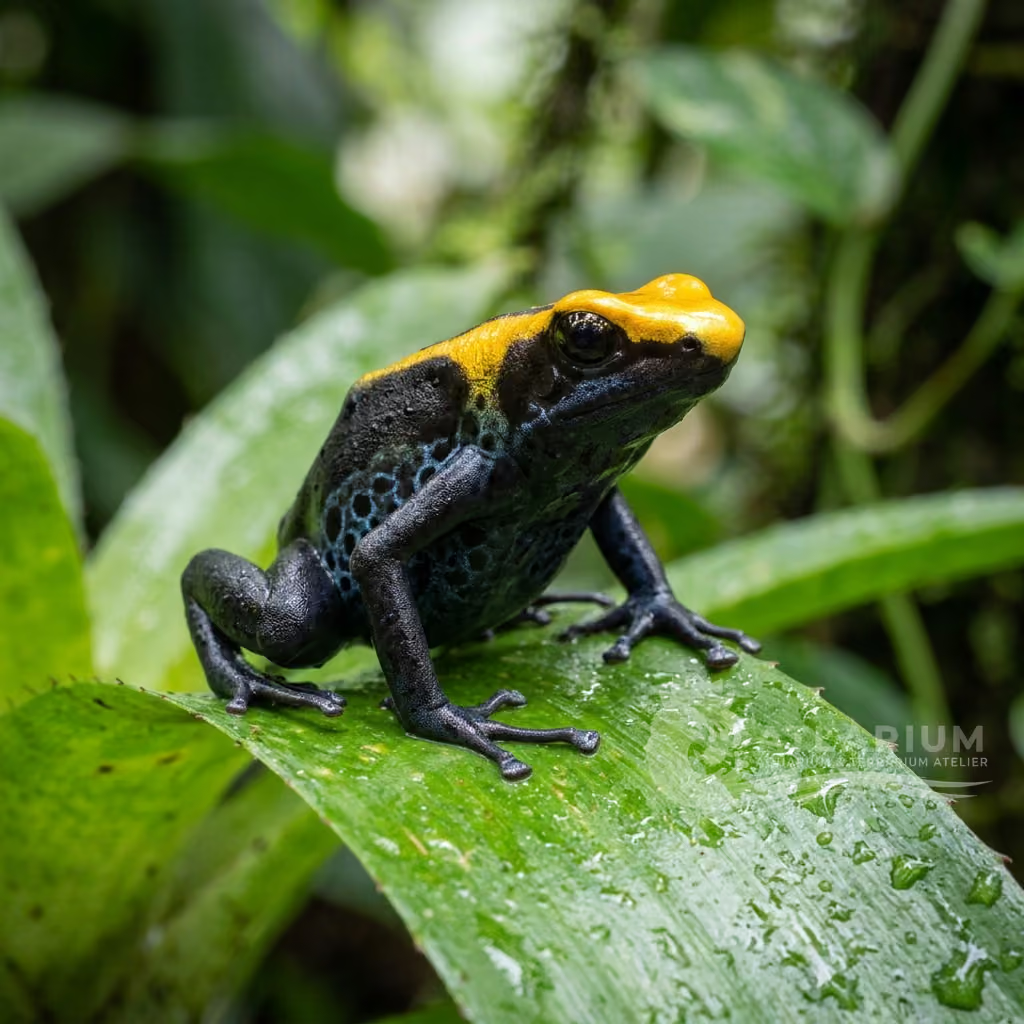
Imitator Poison Dart Frog (Chazuta)
Ranitomeya imitator
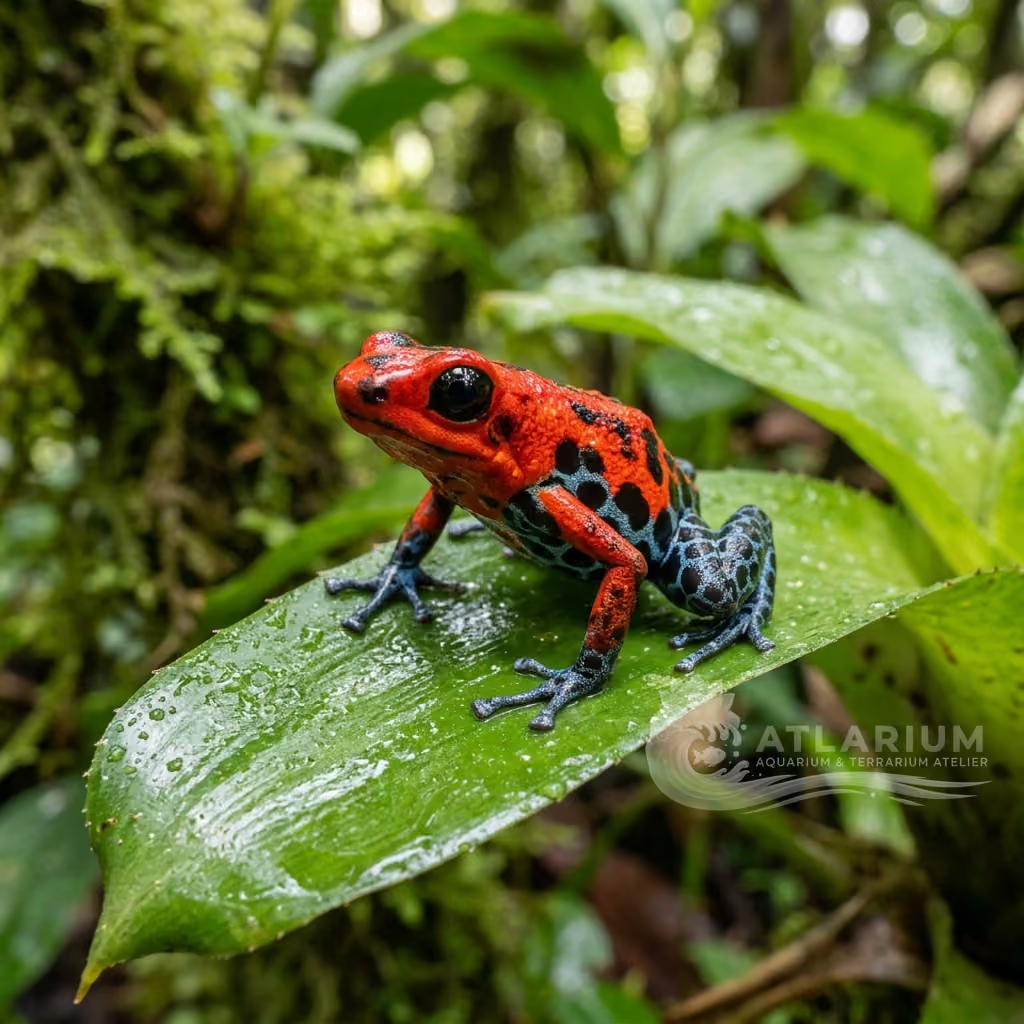
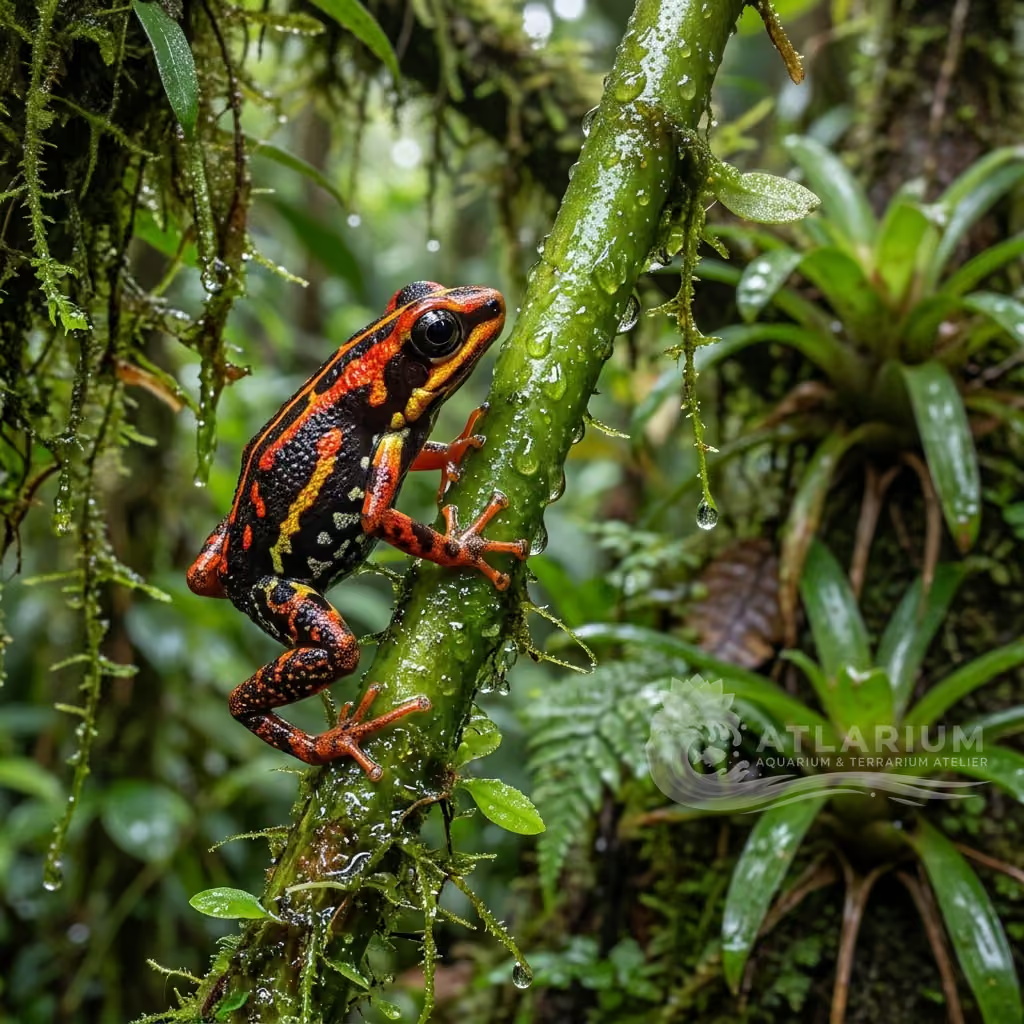
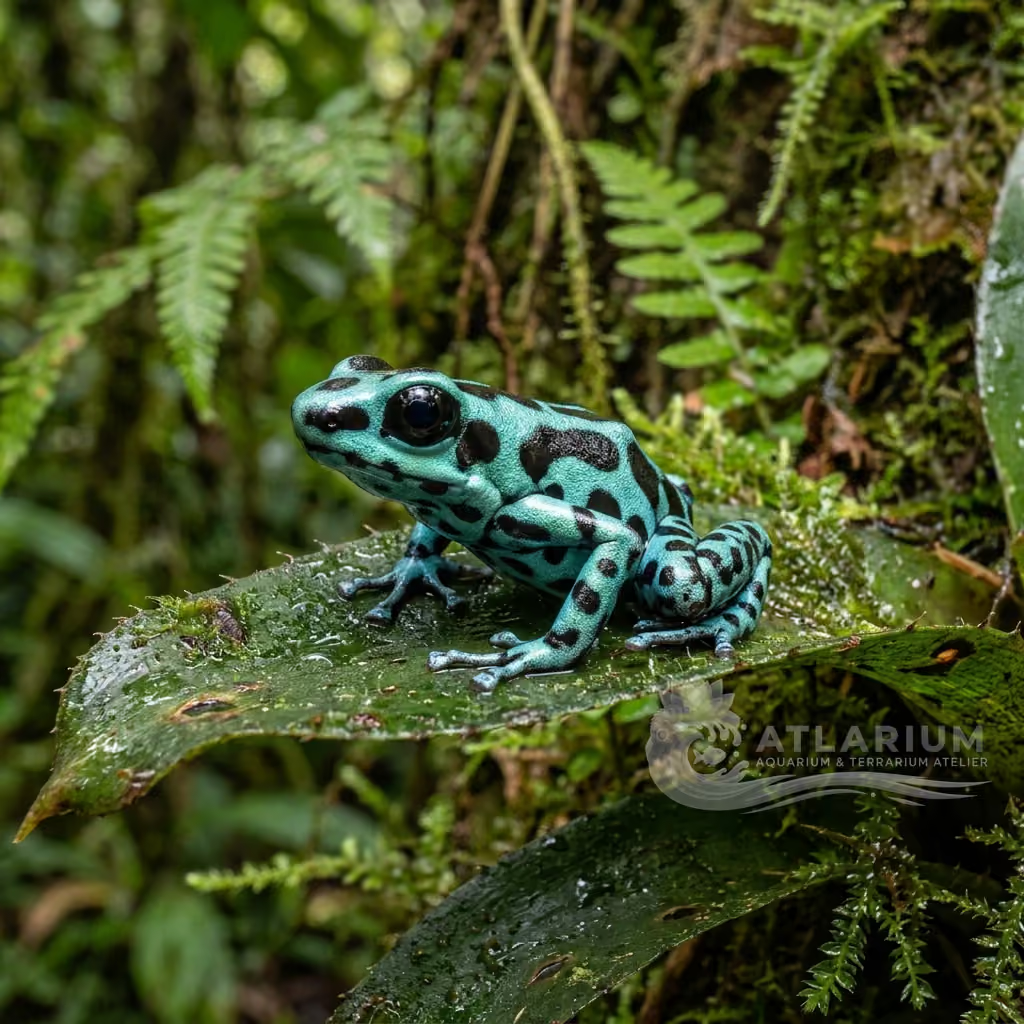
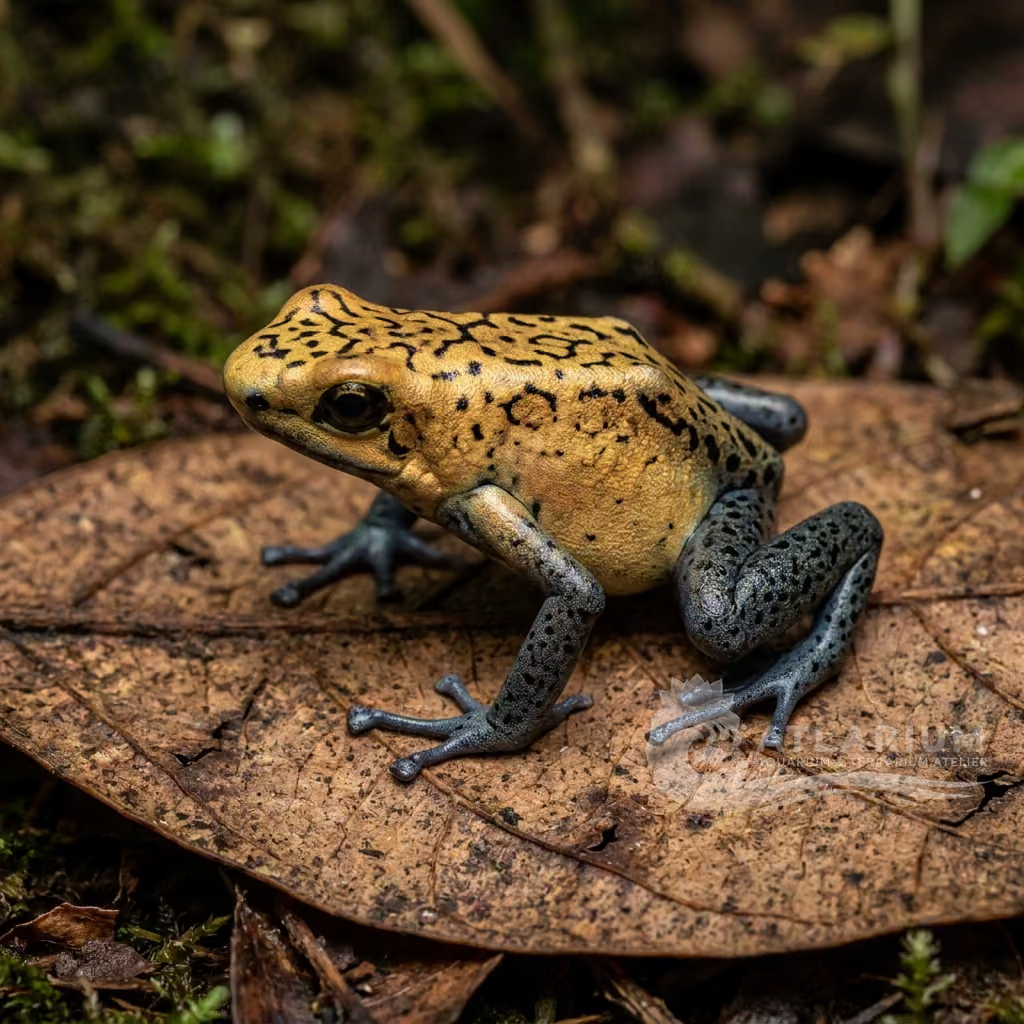
The 'Chazuta' morph of the Imitator Poison Frog. This stunning variant features a black reticulation over a bright yellow and turquoise-blue background.
Umgebung
Terrestrisch
Luftfeuchtigkeit
70 - 100 %
Tagestemperatur
22 - 26 °C
Nachttemperatur
20 - 22 °C

Artbeschreibung
Geographical Origin and Habitat: Endemic to the tropical forests of north-central Peru, specifically around Tarapoto in the San Martín region. This arboreal species spends its life in the canopy and understory, heavily relying on water-filled leaf axils of epiphytic bromeliads and heliconias for shelter and reproduction.
Taxonomy and Genetics: A tiny frog, with adults reaching a length of 1.5–2.0 cm. The 'Chazuta' morph displays a unique color pattern of bold black reticulation over a base color of vibrant turquoise-blue on the limbs and lower body, blending into bright yellow on the head and shoulders.
Behavior and Habits: Highly active and diurnal. They exhibit complex parental care: they are monogamous, and after laying eggs on leaves, the parents transport the tadpoles to individual water-filled plant axils. The female feeds the developing tadpoles with unfertilized, nutritive eggs.
Morphology: Males are generally smaller and more slender than females. Females are slightly larger and appear visibly rounded when carrying eggs, while males possess a dark vocal sac on their throat used to produce their characteristic buzzing advertisement call.

Pflege, Zucht und Mitbewohner
Terrarium Setup: Needs a vertically oriented terrarium (minimum 30x30x40 cm) heavily decorated with epiphytic bromeliads (*Neoregelia*), cork bark branch networks, and climbing vines. Provide a thick layer of leaf litter over a drainage layer. The terrarium should be kept clean and bioactive with springtails.
Lighting and Heating: Temperatures should be maintained between 24°C and 26°C during the day, with a night drop to 20–22°C. High temperatures above 28°C can be fatal. Moderate lighting (using 2–5% UVB) is beneficial for both the frogs and the growth of live terrarium plants.
Humidity and Hydration: Humidity must be kept high, between 80% and 90%, via daily spraying with declorinated or reverse osmosis water. Good ventilation is vital to prevent stagnant air, which can cause respiratory or skin infections like red-leg syndrome.
Feeding and Supplementation: Requires tiny live prey, such as flightless fruit flies (*Drosophila melanogaster*), springtails, and dwarf isopods. Supplement all food items with a high-quality calcium and vitamin D3 powder, along with vitamin A, at least three times a week.
Compatibility: Best kept in pairs (one male and one female). Females are highly territorial and can show aggression towards other females, which may lead to egg destruction or chronic stress. Do not mix with other Ranitomeya species.
Health and Common Diseases: Dehydration is a rapid killer if humidity drops. Do not handle these frogs with bare hands; their skin is extremely permeable and sensitive to oils and temperature. Maintain strict hygiene to prevent fungal and bacterial infections.

Geografische Herkunft und Verbreitung
Endemic to the tropical forests of north-central Peru, specifically around Tarapoto in the San Martín region. This arboreal species spends its life in the canopy and understory, heavily relying on water-filled leaf axils of epiphytic bromeliads and heliconias for shelter and reproduction.
Ursprung
Selektive Züchtung und SortenAmazonas, Orinoco und GuayanaNordamerikaOstasien

Amphibienprofil
- Diät
- Insectivore
- As microphagous predators, their diet consists entirely of tiny invertebrates such as springtails, fruit flies, and aphids. In captivity, they should be fed daily with vitamin and calcium-dusted Drosophila melanogaster or similar small prey. Their fast metabolism requires frequent feeding.
- Lebenserwartung
- 10-15 years
- Erwachsenengröße
- 2 cm
- Lebensstil/Mikrohabitat
- Arboreal
- Arboreal and semi-arboreal, they thrive in densely planted, vertically oriented terrariums with high humidity. Bromeliads are crucial for their lifecycle, providing hiding spots and rearing pools for tadpoles. They do best in groups or pairs with plenty of visual barriers.
- Aktivitätszyklus
- Diurnal
- Strictly diurnal, they are most active during the morning and late afternoon. They spend their day foraging for food, socializing, and defending territories. A proper photoperiod of 12 hours of light and 12 hours of darkness is essential.
- Sozialität
- Gregarious
- These dart frogs are bold, diurnal, and very active, constantly exploring their environment. Males are highly territorial and will call frequently to defend their space and attract mates. Despite their toxic wild counterparts, captive-bred individuals are harmless but should still be treated as display animals.
- Reproduktion
- Oviparous
- They are known for their complex reproductive behavior, including courtship displays and biparental care. Females lay small clutches of eggs on broad leaves or inside film canisters. Once hatched, the male transports the tadpoles to individual water pools, and the female returns to feed them unfertilized trophic eggs.
- Toxizität
- Harmless
- In their native Peruvian rainforest habitats, they accumulate powerful alkaloid toxins by consuming a specialized diet of certain mites and ants. However, captive-bred individuals are raised on a diet of harmless domestic insects and are completely unable to produce or store these toxic compounds. Consequently, they are entirely non-toxic and present zero danger to keepers or other pets in the household.
- Lebensphase
- Metamorphosis
- Tadpoles are aquatic and require meticulous parental care, often being fed unfertilized eggs by the female in small phytotelmata. Newly metamorphosed froglets are incredibly small, terrestrial, and require an abundance of tiny prey like springtails to survive their critical early weeks. Adult frogs, while remaining very small (thumbnail size), are brightly colored, highly active, and occupy the upper levels of the terrarium.
- Handhabungstoleranz
- Display only
- Direct handling is extremely discouraged due to their tiny size, fragility, and highly sensitive, permeable skin. Oils, salts, and chemical residues from human skin can be rapidly absorbed, causing severe distress, toxicity, or fatal physiological imbalances. When capture or movement is absolutely necessary, it should be done by gently coaxing the frog into a clean plastic cup or using wet, powder-free gloves.
- Brumation
- Nicht erforderlich
- Originating from the stable, warm climates of the Peruvian Amazon, this species does not experience a cold season and does not brumate. They require a consistently warm and highly humid environment year-round, typically with temperatures ranging between 72°F and 80°F. Exposure to temperatures outside this range can quickly lead to metabolic stress, compromised immunity, and death.
- Häutung
- Periodic
- Like all dart frogs, they shed their skin frequently to remove pathogens, accommodate growth, and maintain crucial skin permeability for respiration. The molting process is rapid and discreet, involving the frog using its limbs to stretch and break the old skin, which it then consumes. Adequate humidity is essential; a dry environment can cause the shed skin to stick, creating constricting bands around the toes and limbs.

Verwandte Arten
Empfehlungen gruppiert nach nahen Verwandten, Auswahl von Begleitern und ähnlicher Betreuung.