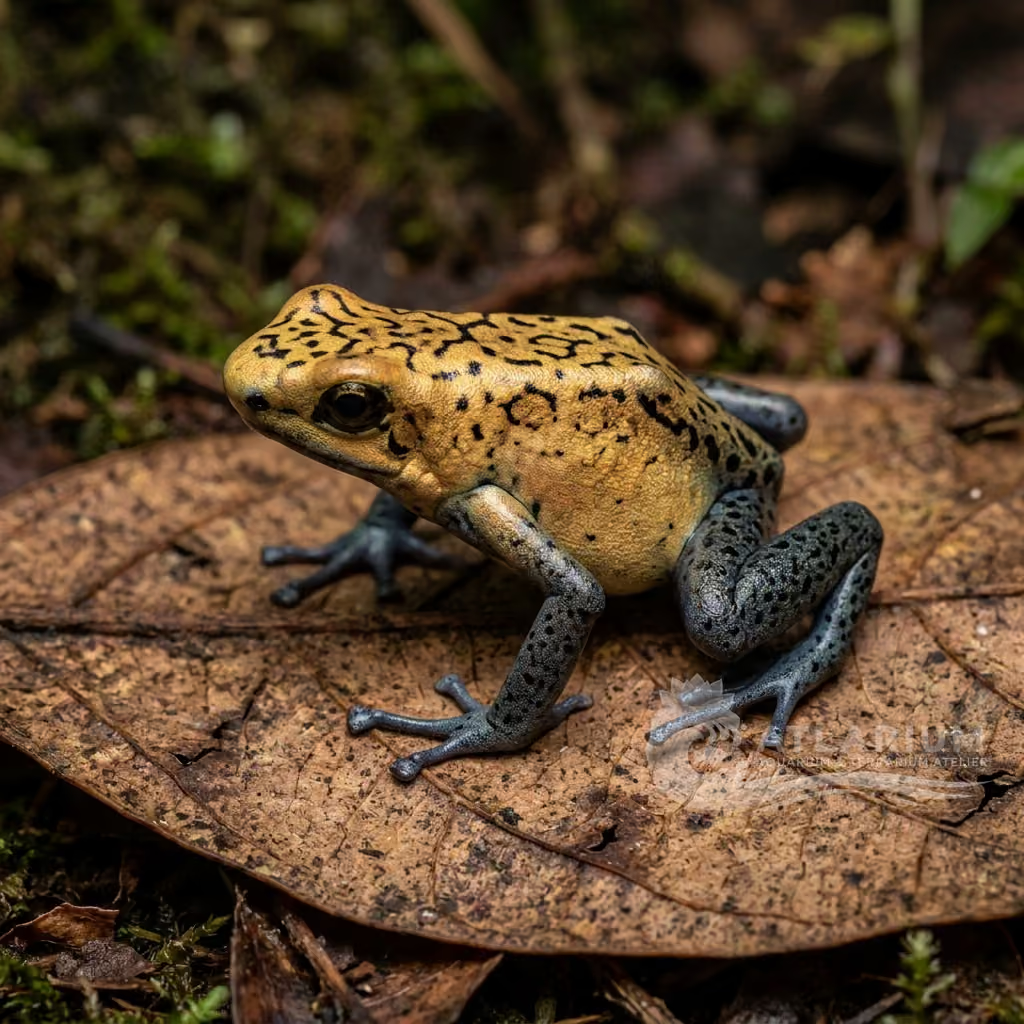
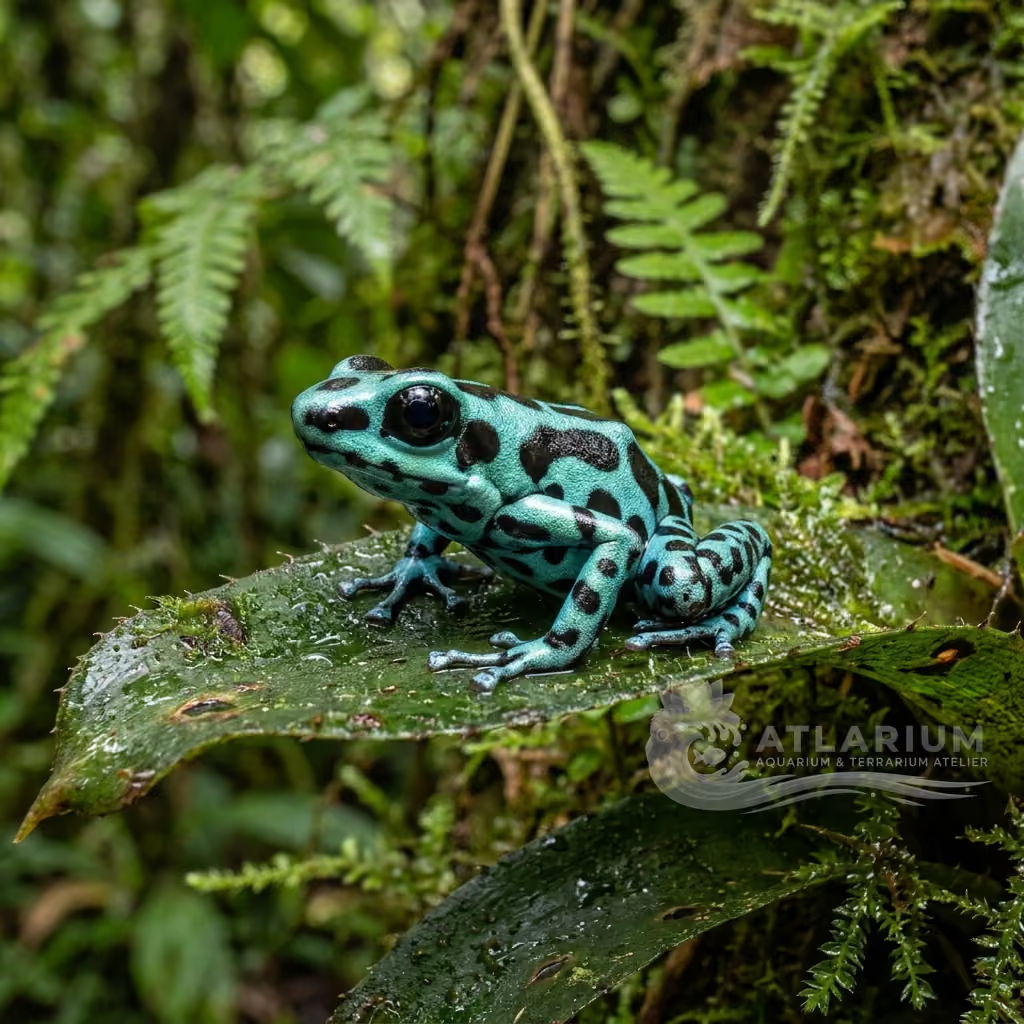
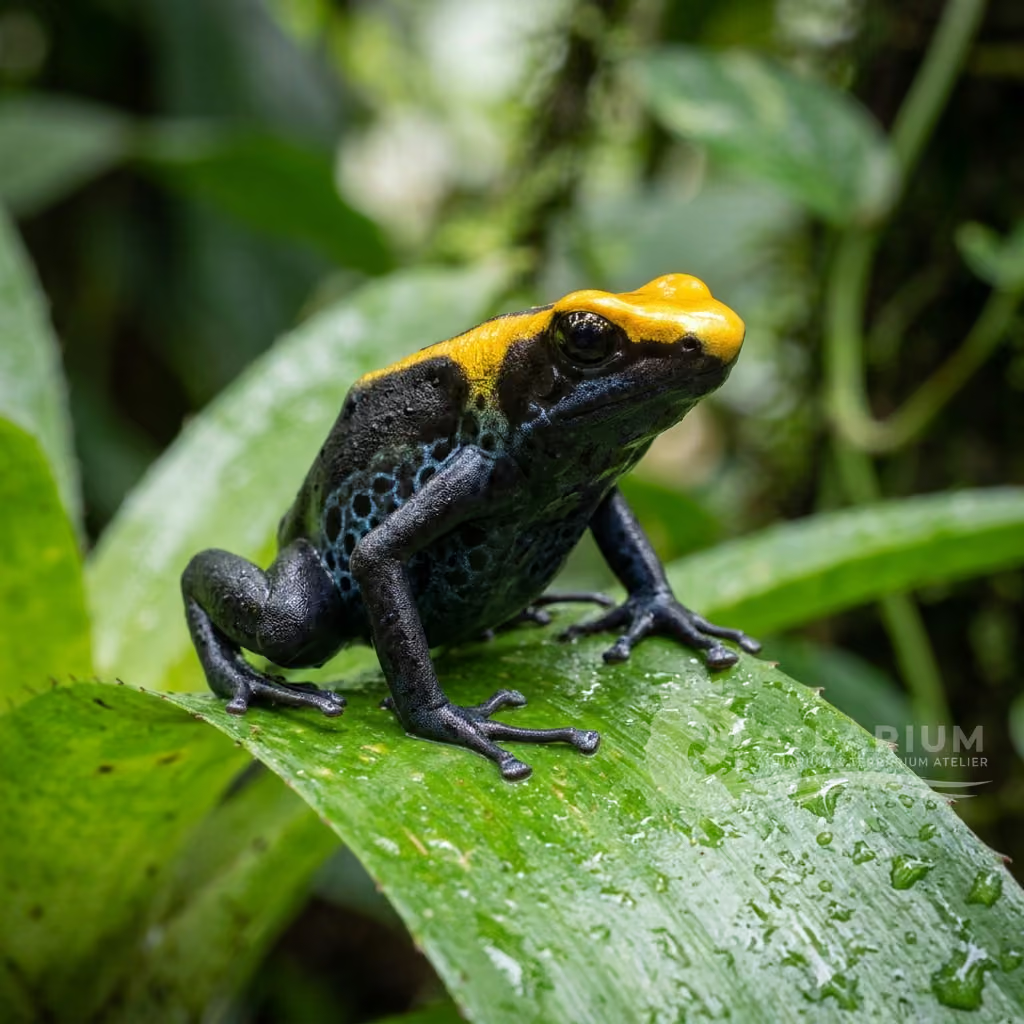
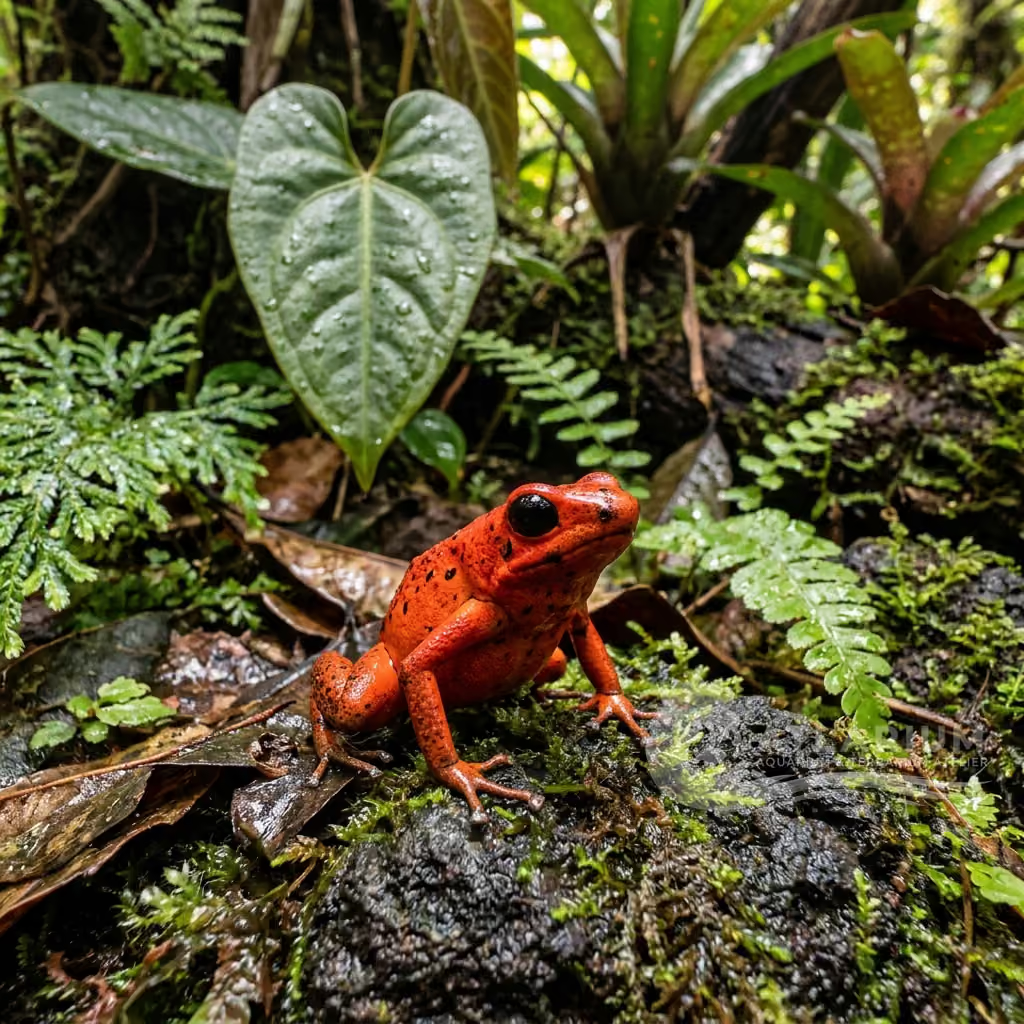
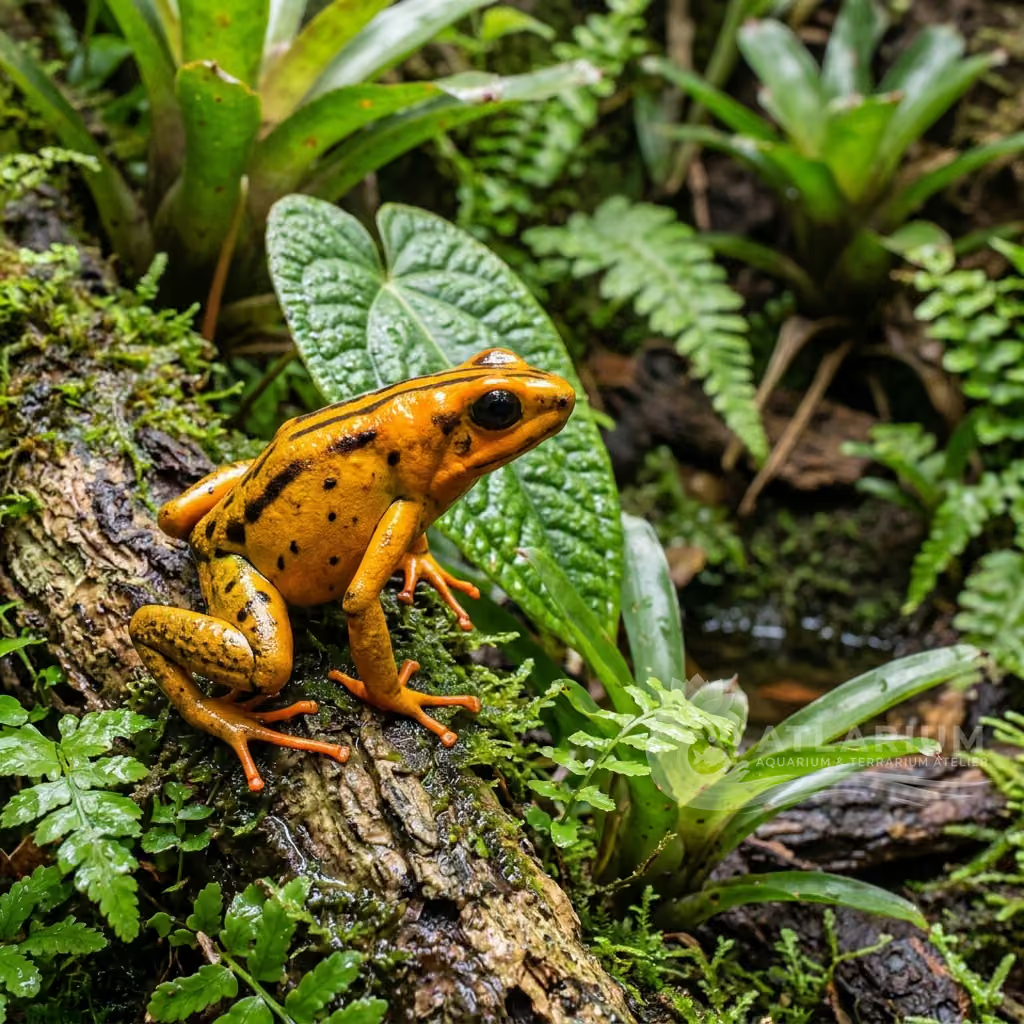
Green and Black Poison Dart Frog 'Bronzewood'
Dendrobates auratus
A selectively bred tropical poison dart frog morph with warm bronze coloration and metallic green-blue markings. Perfect for planted terrariums.
Umgebung
Terrestrisch
Luftfeuchtigkeit
70 - 100 %
Tagestemperatur
22 - 26 °C
Nachttemperatur
18 - 20 °C
UVB
Ferguson 1-2
UVI
0 - 1 UVI

Artbeschreibung
Geographical Origin and Habitat: Dendrobates auratus is native to Central and northwestern South America, ranging from Nicaragua, Costa Rica, and Panama to northwestern Colombia. It inhabits the leaf litter, tree roots, and epiphytic vegetation (like bromeliads) of tropical lowland rainforests. The "Bronzewood" morph is a unique captive-bred variety.
Taxonomy and Genetics: Belongs to the family Dendrobatidae, genus Dendrobates. In the wild, this species displays high genetic and chromatic variation across isolated populations. The "Bronzewood" morph has been selectively bred for its deep, warm bronze metallic base combined with contrasting green or blue stripes or blotches.
Behavior and Habits: Diurnal and highly active. It spends most of its time on the forest floor foraging for micro-insects, but is also an excellent climber, scaling trees and bromeliads to deposit eggs or seek shelter. Males are territorial and engage in upright wrestling matches during the breeding season.
Morphology: Compact body ranging from 3 to 4.5 cm (1.2-1.8 inches) in length, with females being slightly larger and rounder than males. Skin is smooth and secretes toxic alkaloids in the wild (toxicity is lost in captivity due to a diet devoid of specific wild prey). Toes end in expanded adhesive pads for climbing.

Pflege, Zucht und Mitbewohner
Terrarium Setup: Requires a bioactive, humid tropical terrarium (planted vivarium) of at least 50x50x50 cm (20x20x20 inches) for a pair or small group. Provide a drainage layer, substrate covered in oak or Catappa leaf litter, smooth rocks, driftwood, and dense tropical plants, especially bromeliads (crucial for tadpoles).
Lighting and Heating: Requires LED lighting for live plant growth and a low-output UVB source (2.0 or 5.0) active for 12 hours daily to aid D3 synthesis. Keep the temperature between 24°C and 26°C (75°F - 79°F) during the day, with a night drop to 20-21°C (68°F - 70°F). Avoid temperatures above 28°C (82°F) as they can be fatal.
Humidity and Hydration: Humidity must be kept high, between 80% and 95%. This is achieved by misting 2-3 times daily with reverse osmosis water (to avoid mineral deposits on leaves and glass) or using automatic misting systems. Do not use deep water dishes (drowning risk); small puddles in bromeliad leaf axils are sufficient.
Feeding and Supplementation: Feeds exclusively on live micro-insects. Staple foods are fruit flies (Drosophila melanogaster and D. hydei), springtails, aphids, and pinhead crickets. Feed daily. Prey must be dusted with calcium and D3 at every meal, and with a multivitamin (including Vitamin A) once a week.
Compatibility: Can be kept in pairs or small groups if space is sufficient. Avoid keeping multiple males in small enclosures to prevent territorial stress. Never house with other Dendrobatidae species to prevent hybridization and food competition, nor with other reptiles or amphibians.
Health and Common Diseases: Highly sensitive to dehydration and overheating stress. Key health issues include fungal skin infections (chytridiomycosis) and intestinal parasites. Spindly leg syndrome (SLS) can affect tadpoles if parental nutrition is poor or water quality is low.

Geografische Herkunft und Verbreitung
Dendrobates auratus is native to Central and northwestern South America, ranging from Nicaragua, Costa Rica, and Panama to northwestern Colombia. It inhabits the leaf litter, tree roots, and epiphytic vegetation (like bromeliads) of tropical lowland rainforests. The "Bronzewood" morph is a unique captive-bred variety.
Ursprung
Selektive Züchtung und SortenExtra-Amazonas-SüdamerikaMittelamerika und KaribikNordamerika

Amphibienprofil
- Diät
- Insectivore
- The Bronzewood Green and Black Poison Dart Frog is a specialized micro-insectivore. In captivity, their diet consists almost entirely of cultured flightless fruit flies (Drosophila melanogaster and D. hydei) and springtails. Due to their fast metabolism, they require daily feeding, especially as juveniles. It is absolutely essential to dust their feeder insects with a high-quality calcium and vitamin supplement, particularly one containing Vitamin A, to prevent severe nutritional deficiencies like Short Tongue Syndrome. Offering a variety of tiny insects, including dwarf white isopods and pinhead crickets, can provide excellent behavioral enrichment and nutritional variety.
- Lebenserwartung
- 10-15 years
- Erwachsenengröße
- 4 cm
- Lebensstil/Mikrohabitat
- Terrestrial
- The Bronzewood Dart Frog thrives in a highly humid, bioactive rainforest vivarium. They are primarily terrestrial but are excellent climbers and will utilize the vertical space of the terrarium if provided with secure bromeliads, vines, and cork bark backgrounds. Their enclosure must have a dense layer of leaf litter over a well-draining substrate, which provides hiding spots and supports the microfauna (springtails and isopods) that act as a secondary food source. Humidity must be kept consistently high (80-100%) through automated misting systems or daily manual spraying. Stagnant air and wet, soggy soil should be avoided by ensuring proper ventilation and a false bottom drainage layer.
- Aktivitätszyklus
- Diurnal
- This species is strictly diurnal, meaning the Bronzewood Dart Frog is fully active during the day and sleeps at night. Their activity levels peak in the morning and late afternoon when humidity is highest and temperatures are moderate. They require a bright, regular light cycle, ideally provided by full-spectrum LED lighting that also supports the growth of live plants in their vivarium. At night, they seek out sheltered spots within bromeliads, under leaf litter, or inside cork bark tubes to sleep securely. Maintaining this natural circadian rhythm is vital for their immune system and reproductive success.
- Sozialität
- Gregarious
- The Bronzewood Green and Black Poison Dart Frog is an active, diurnal species that spends its day foraging for food and exploring its environment. Unlike many shy frog species, they are quite bold and will readily stay out in the open in a well-planted terrarium. They are social but establish hierarchies; males can occasionally wrestle for territory, though serious injury is rare if adequate space is provided. They interact frequently with their environment, climbing over leaf litter, logs, and low plants. Their bold behavior and stunning daytime visibility make them phenomenal display animals.
- Reproduktion
- Oviparous
- Breeding the Bronzewood Dendrobates auratus is fascinating and highly rewarding for dedicated keepers. Males will call with a quiet, buzzing trill to attract females to a suitable egg-laying site, often a smooth leaf or a plastic petri dish hidden under half a coconut shell. The female lays a small clutch of 4 to 10 eggs, which the male fertilizes and then aggressively guards, keeping them moist. Once the tadpoles hatch, the male transports them on his back to small bodies of water. In captivity, keepers often pull the eggs and rear the tadpoles individually to prevent cannibalism and ensure higher survival rates.
- Toxizität
- Harmless
- While highly toxic in the wild, the captive-bred Bronzewood Dendrobates auratus is entirely harmless and non-toxic. Their natural toxicity is derived from their wild diet of specific alkaloid-rich ants, mites, and millipedes found in their native rainforests. Because captive diets consist of commercially cultured insects that lack these alkaloids, the frogs are unable to synthesize their defensive toxins. Despite being non-toxic in captivity, their bright warning colors (aposematism) remain vibrant. Keepers should still wash hands to protect the frog's sensitive, permeable skin from human oils and chemicals.
- Lebensphase
- Metamorphosis
- The life cycle begins with eggs laid on damp leaves, which hatch into tadpoles that are traditionally carried by the male to small pools of water (such as bromeliad axils). After a few months, the tadpoles undergo metamorphosis to become tiny, fully terrestrial froglets. The Bronzewood juveniles grow steadily and reach sexual maturity at around 10 to 14 months of age. As adults, they are small but robust, generally measuring between 1 to 1.5 inches in length. With excellent care, stable temperatures, and high humidity, they are known to have remarkably long lifespans in captivity, often exceeding 10 to 15 years.
- Handhabungstoleranz
- Display only
- Handling the Bronzewood Dendrobates auratus is strongly discouraged. They are extremely small, fast, and fragile, making them prone to injury if they attempt to leap out of a keeper's hands. Furthermore, their highly permeable skin absorbs toxins, oils, and salts from human skin instantly, which can be fatal to the frog. If a frog needs to be moved for enclosure maintenance or medical reasons, it should be corralled into a clean plastic cup or container without being touched directly. They are strictly display animals intended for observation rather than physical interaction.
- Brumation
- Nicht erforderlich
- Dendrobates auratus originates from tropical rainforests in Central and South America and does not brumate. The Bronzewood morph requires consistent tropical conditions year-round, with daytime temperatures between 70°F and 80°F (21°C - 26°C) and a slight drop at night. Allowing the enclosure to become too cold or too dry can rapidly lead to stress, illness, and death. There is no need to simulate a winter cooling period. Slight variations in misting frequency can be used to simulate a dry and wet season for breeding purposes, but temperature parameters should remain stable.
- Häutung
- Periodic
- Like all dart frogs, the Bronzewood Dendrobates auratus sheds its skin frequently, often every few days. The shedding process is quick and subtle; the frog will hunch over, make wiping motions with its legs, and stretch its mouth to pull the old skin forward. It then consumes the shed skin entirely, recycling the nutrients. Keepers rarely witness this rapid event. If a dart frog is seen struggling to shed, or if patches of skin remain stuck to its body, it is a critical warning sign of severely low humidity or a vitamin deficiency requiring immediate correction.

Verwandte Arten
Empfehlungen gruppiert nach nahen Verwandten, Auswahl von Begleitern und ähnlicher Betreuung.