Dunn's Hognose Viper
Porthidium dunni
This venomous pit viper from southern Mexico blends perfectly into dry tropical forest leaf litter. It needs a secure enclosure with a dry substrate and warm temperatures.
Ambiente
Terrestre
Umidade
45 - 60 %
Temperatura diurna
22 - 32 °C
Temperatura ambiente
22 - 32 °C
Temperatura noturna
22 - 24 °C
Local para se aquecer
32 - 33 °C
Tamanho adulto
45 cm
Gabinete mínimo
>= 80 L

Descrição da espécie
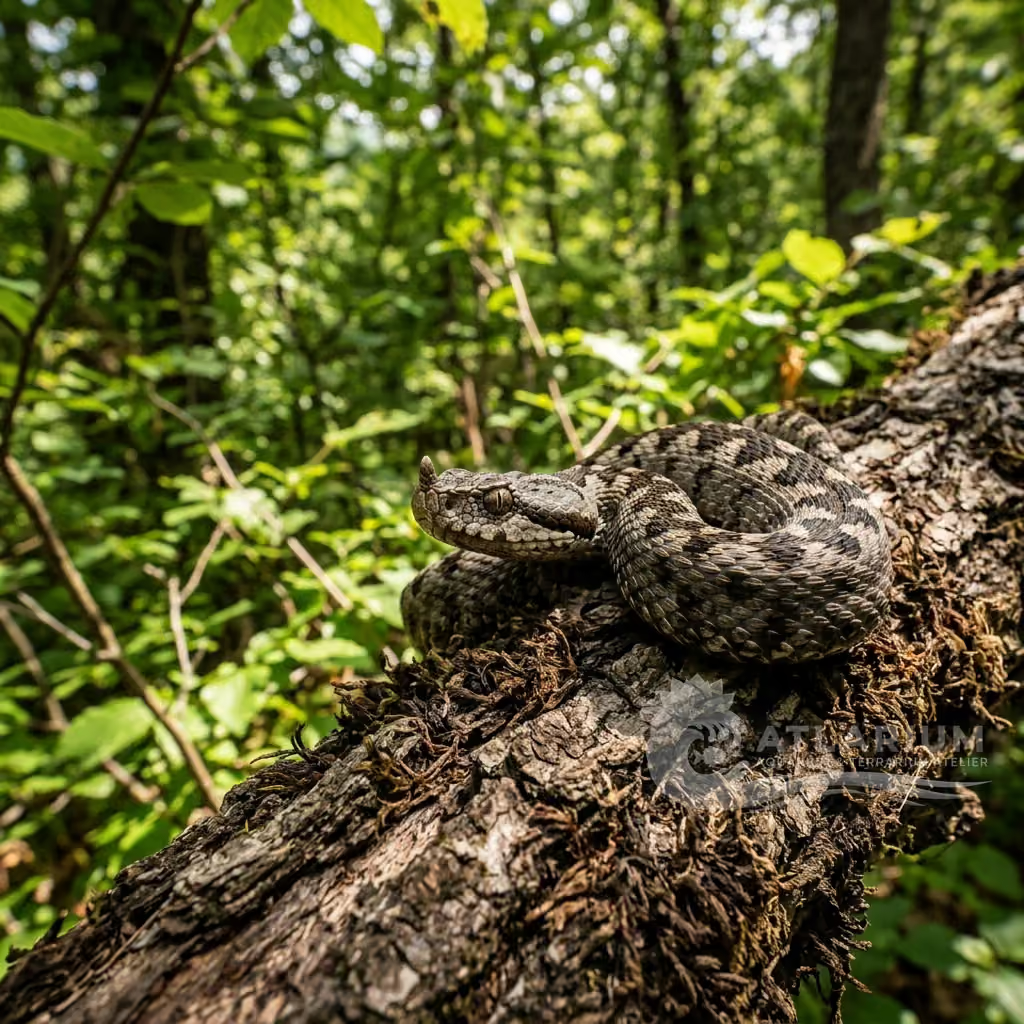
Geographical Origin and Habitat: Porthidium dunni is a venomous pit viper endemic to southern Mexico, primarily found along the Pacific coast of the state of Oaxaca and parts of western Chiapas. It inhabits dry tropical deciduous forests, arid plains, and semi-arid thorn scrublands. It is strictly terrestrial, spending its life among the leaf litter on the forest floor where it blends in seamlessly.
Taxonomy and Genetics: Belonging to the family Viperidae, subfamily Crotalinae (pit vipers), and the genus Porthidium, which contains the hognose pit vipers of the New World. No subspecies are recognized. It is a subject of scientific interest due to the specific enzymatic composition of its venom and its evolutionary adaptations to arid, seasonal climates.
Behavior and Habits: Exhibits terrestrial, solitary, and primarily crepuscular or nocturnal behaviors. During the day, it remains coiled and highly camouflaged under dry leaves, fallen logs, or rocks. It is an ambush predator, relying on its crypsis to remain undetected by both prey and predators, using its heat-sensing pits to target warm-blooded prey at night.
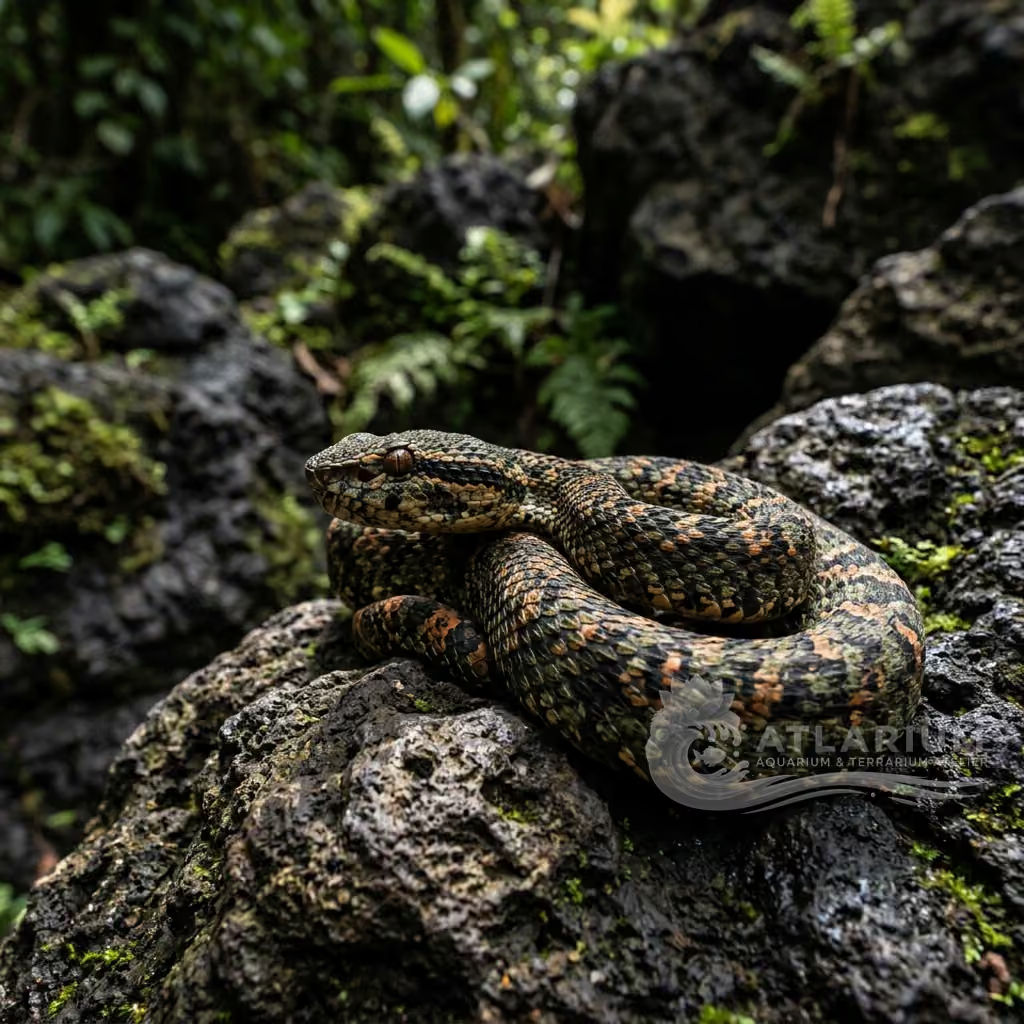
Morphology: A relatively small snake, reaching an average adult length of 35 to 45 centimeters. It has a stout, heavy body and a distinctly upturned snout created by a raised rostral scale. Coloration is highly cryptic, featuring shades of brown, grey, or tan with a series of dark, square dorsal blotches arranged in an alternating pattern along a thin, light vertebral line.

Cuidado, criação e companheiros de tanque
Terrarium Setup: Requires a secure, escape-proof enclosure (lock and key is mandatory) of at least 70x40x40 cm for a single adult. Use a dry substrate such as cypress mulch or a soil-sand mix, topped with sterile dry leaves to allow natural hiding and camouflage. Provide several low, sturdy hiding spots on both the warm and cool sides.
Lighting and Heating: Establish a clear temperature gradient. The cool side should be kept at 25-26 °C, the warm side at 30-31 °C, and a basking area at 32-33 °C using an overhead, wire-shielded heat source. Maintain nighttime temperatures at 22-23 °C. Low-level UVB (5.0) lighting is recommended to regulate photoperiod and activity.
Humidity and Hydration: Prefers dry to moderate humidity levels of 45-55%. High humidity combined with stagnant air will lead to respiratory issues. Provide a stable, shallow water dish. Lightly mist the enclosure once a week, particularly when the snake shows signs of going into shed (cloudy eyes) to assist in clean skin shedding.
Feeding and Supplementation: Feeds on lizards, small rodents, and frogs in the wild. Captive specimens accept frozen-thawed mice of appropriate size, offered only with long feeding tongs to prevent accidental bites. Feed young snakes every 7-10 days, and adults every 15-20 days. No supplements are needed if feeding high-quality mice.
Compatibility: Must be kept individually. As a dangerously venomous reptile (DANGEROUS VENOMOUS), it cannot be housed with other animals. Handling must be minimized and performed only by experienced keepers using specialized snake hooks, tongs, and secure transport boxes for cage cleaning and maintenance.
Health and Common Diseases: Vulnerable to respiratory infections if exposed to damp, cold conditions. Scale rot or dermatitis can occur if the substrate remains wet or soiled. Pay close attention to the upturned snout and eyes during sheds, as retained skin in these areas (dysecdysis) is common if humidity drops too low during the cycle.

Origem e distribuição geográfica
Porthidium dunni is a venomous pit viper endemic to southern Mexico, primarily found along the Pacific coast of the state of Oaxaca and parts of western Chiapas. It inhabits dry tropical deciduous forests, arid plains, and semi-arid thorn scrublands. It is strictly terrestrial, spending its life among the leaf litter on the forest floor where it blends in seamlessly.
Origem
América Central e Caribe

Perfil de réptil
- Dieta
- Carnivore
- Dunn's Hognose Viper has a specialized diet tailored to its terrestrial, scrubland habitat in southern Mexico. It mostly preys on small mammals, particularly local rodent species, as well as ground-dwelling lizards. Sit-and-wait ambush tactics are employed, leveraging its cryptic coloration to surprise passing prey. Juvenile individuals tend to consume an increased proportion of small reptiles and orthopterans.
- Tamanho adulto
- 45 cm
- Estilo de vida/Microhabitat
- Terrestrial
- Terrestrial by nature, it dwells within dry forests, thorn scrub, and rocky terrains where its earthen tones provide excellent camouflage against the dusty ground and dry vegetation.
- Ciclo de atividades
- Nocturnal
- This snake operates mostly under the cover of darkness, utilizing its heat-sensing pits at night to hunt small vertebrates while remaining thoroughly concealed in brush during the day.
- Socialidade
- Solitary
- This viper is highly cryptic and generally avoids open areas, preferring the cover of dry tropical scrub and rocky outcrops. It exhibits nocturnal to crepuscular activity patterns, hiding under debris or in crevices during the hottest parts of the day. Unlike some more aggressive vipers, it relies heavily on its camouflage as a primary defense mechanism. It will typically only strike when directly threatened or when escape is impossible.
- Reprodução
- Viviparous
- Reproduction in Dunn's Hognose Viper follows a viviparous strategy, with live young born typically in the late summer or early autumn. Female vipers provide no maternal care, leaving the neonates to fend for themselves immediately. The litters are relatively small, usually consisting of fewer than ten offspring. Each newborn is equipped with venom and hunting instincts from the moment of birth.
- Tolerância de tratamento
- Expert only
- This is a venomous species that should never be free-handled. For the safety of both the keeper and the snake, strict no-contact protocols and specialized handling tools are an absolute necessity.
- Brumação
- Não obrigatório
- While it may experience periods of decreased activity during the dry season, a true cold-weather brumation is not required, as it hails from relatively warm, sub-tropical regions.
- Muda
- Regular
- Normal shedding requires a moderate ambient humidity, with a localized damp hide provided when the snake goes into the 'blue' phase to ensure a seamless molting process.

Espécies relacionadas
Recomendações agrupadas por parentes próximos, escolhas de acompanhantes e cuidados semelhantes.