Convict Temple Viper
Ovophis convictus
A highly dangerous and venomous terrestrial pit viper thriving in the moist, dense mountain forests of Peninsular Malaysia, Thailand, and Sumatra.
Ambiente
Terrestre
Umidade
60 - 80 %
Temperatura diurna
25 - 29 °C
Temperatura noturna
21 - 24 °C
Tamanho adulto
55 cm

Descrição da espécie
Geographical Origin and Habitat: The convict temple viper, Ovophis convictus, is a venomous snake species native to Southeast Asia, particularly throughout Peninsular Malaysia, southern Thailand, Sumatra (Indonesia), and parts of Vietnam. It is a montane species, inhabiting moist, high-altitude tropical forests at elevations ranging from 400 to over 2,000 meters. It is frequently associated with primary montane rainforests, highland tea plantations, and the humid margins of mountain streams and waterfalls.
Taxonomy and Genetics: It belongs to the class Reptilia, order Squamata, family Viperidae, subfamily Crotalinae, and the genus Ovophis. Also referred to as the Indo-Malayan mountain pit viper, genetic studies reveal adaptations typical of high-elevation crotalines. Proteomic analyses of its venom show a high concentration of snake venom serine proteases (SVSP), which exhibit potent coagulopathic and procoagulant activities distinct from other viperids.
Behavior and Habits: This species is primarily terrestrial and nocturnal. During the daylight hours, it remains concealed under thick forest vegetation, wet leaf litter, or rotting logs, though it may occasionally engage in diurnal basking during cool or rainy periods. At night, it becomes an active ambush hunter, positioning itself near rodent runways or stream banks to prey on frogs, lizards, and small mammals.
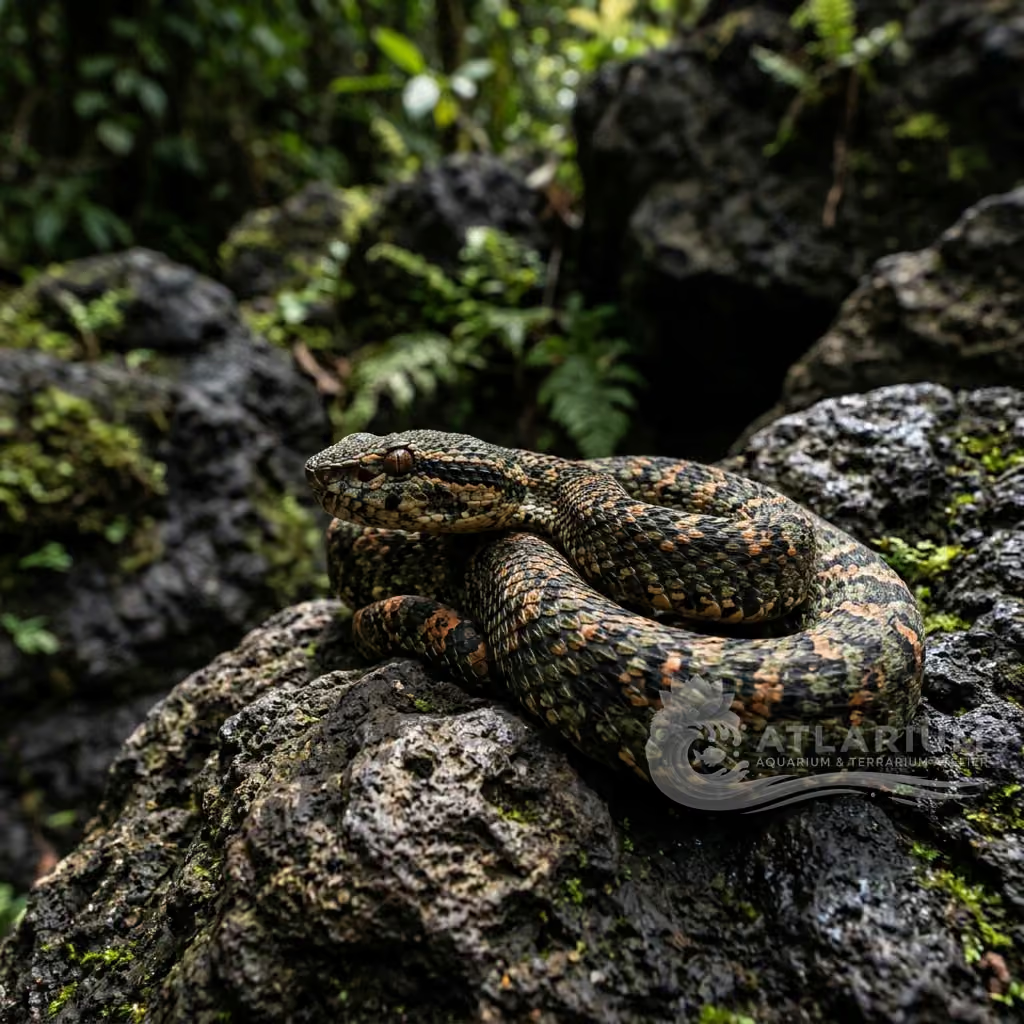
Morphology: Ovophis convictus exhibits a heavy-bodied and stocky build, with adults typically reaching lengths between 50 and 80 cm. The head is broad and triangular, distinctly wider than the neck, and covered with small scales. The dorsal coloration ranges from dark brown to greyish-chocolate, featuring a pattern of dark, irregular crossbands or blotches bordered with lighter scales. The eyes have vertical pupils, and heat-sensing pits are prominent.

Cuidado, criação e companheiros de tanque
Terrarium Setup: An adult requires a highly secure, lockable terrarium measuring at least 90x50x50 cm to prevent escape. The substrate should replicate the forest floor using a base of peat moss or coco coir topped with a generous layer of damp sphagnum moss and oak leaves. Provide numerous ground-level hides, such as hollow cork bark tubes, and dense live or artificial foliage to offer the snake a sense of security.
Lighting and Heating: As a mountain-dwelling viper, it requires cool to moderate temperatures and is sensitive to heat. Daytime temperatures should be kept between 21°C and 24°C, with a hot spot not exceeding 26°C. A nighttime temperature drop to 15°C - 17°C is highly critical. Provide a 12-hour light cycle using low-intensity LEDs. While UVB is not strictly required, a low-output 2% UVB lamp can improve long-term health.
Humidity and Hydration: Maintain high relative humidity levels between 75% and 90%. Mist the enclosure daily with lukewarm water, ensuring the substrate remains damp but never soggy to prevent bacterial growth. A large, heavy water bowl must be placed in the cool area of the terrarium, enabling the snake to soak if desired, and the water must be kept fresh and clean at all times.
Feeding and Supplementation: Feed the snake thawed, pre-killed mice or small rats using long feeding tongs. Because of their slow metabolism at lower ambient temperatures, adults should only be fed once every 12 to 14 days. Dietary supplementation with calcium and multivitamin powders is generally not required for adults but can be applied once a month to prey for rapidly growing juveniles.
Compatibility: Given its highly venomous nature and risk to human health, this species must be housed individually. Sharing an enclosure with other snakes is not recommended except for controlled breeding purposes managed by professionals. Keep the terrarium isolated from other household pets, and do not introduce any tankmates to the enclosure.
Health and Common Diseases: Overheating is a critical hazard, as prolonged exposure to temperatures above 28°C can result in thermal stress, neurological damage, and death. Poor ventilation in high-humidity setups can trigger respiratory infections, while overly wet substrates cause scale rot. Bites from this species can cause severe systemic coagulopathy in humans, requiring extreme caution and the use of hooks during maintenance.

Origem e distribuição geográfica
The convict temple viper, Ovophis convictus, is a venomous snake species native to Southeast Asia, particularly throughout Peninsular Malaysia, southern Thailand, Sumatra (Indonesia), and parts of Vietnam. It is a montane species, inhabiting moist, high-altitude tropical forests at elevations ranging from 400 to over 2,000 meters. It is frequently associated with primary montane rainforests, highland tea plantations, and the humid margins of mountain streams and waterfalls.
Origem
Sul e Sudeste Asiático

Perfil de réptil
- Dieta
- Carnivore
- Ovophis convictus primarily feeds on a diet of small mammals, amphibians, and occasionally birds in its natural habitat. In a captive environment, they can typically be transitioned to pre-killed rodents of appropriate size. It is important to offer varied prey items to ensure a complete nutritional profile. Feeding frequency should be adjusted based on the individual's age, size, and metabolic rate, generally ranging from every one to two weeks.
- Tamanho adulto
- 55 cm
- Estilo de vida/Microhabitat
- Terrestrial
- In its natural habitat, Ovophis convictus generally adopts a terrestrial lifestyle, although some climbing behavior may occasionally be observed. They rely heavily on ground cover, such as dense vegetation, rocks, and fallen logs, to navigate their environment safely. The enclosure design must incorporate ample horizontal space with a deep, naturalistic substrate to allow for burrowing and hiding. Providing multiple terrestrial hides across a temperature gradient is crucial for their well-being. Ensuring a secure and complex ground-level environment will encourage natural exploration and security.
- Ciclo de atividades
- Nocturnal
- The activity pattern of Ovophis convictus is largely dictated by environmental temperatures and prey availability. They are predominantly crepuscular or nocturnal, becoming most active during the cooler evening and nighttime hours. During the heat of the day, they prefer to remain hidden in burrows, under leaf litter, or within crevices to thermoregulate. Keepers should align feeding and maintenance schedules with these natural active periods to reduce stress. A properly controlled photoperiod with distinct day and night cycles will help maintain their natural rhythms.
- Socialidade
- Solitary
- Ovophis convictus exhibits a range of fascinating behaviors that are characteristic of its genus. They are generally solitary creatures, relying on camouflage and stealth to avoid predators and ambush prey. When threatened, they may display defensive postures, such as coiling tightly or producing warning sounds, before striking. In captivity, observing these natural behaviors requires providing a spacious and enriched environment that mimics their natural habitat. Regular monitoring is essential to ensure they remain unstressed and behave naturally.
- Reprodução
- Oviparous
- The reproductive strategy of Ovophis convictus is well-adapted to its natural environment, ensuring the survival of the next generation. Depending on the specific lineage, this species may exhibit viviparous or oviparous reproductive behaviors, requiring specific conditions for successful breeding. Careful temperature cycling and environmental conditioning are often necessary to stimulate reproductive activity. Providing adequate nesting sites or safe birthing enclosures is critical to prevent stress and ensure the health of both the mother and offspring.
- Tolerância de tratamento
- Display only
- Handling Ovophis convictus should only be attempted by experienced professionals due to their highly venomous nature and potential for rapid strikes. Direct physical contact must be strictly avoided to prevent life-threatening envenomation incidents. Specialized tools, such as snake hooks and secure transport tubes, are absolutely necessary for any necessary movement or husbandry tasks. Always maintain a clear understanding of the animal's behavior and strike range during maintenance. A comprehensive safety protocol and access to appropriate antivenom should be established before acquiring this species.
- Brumação
- Não obrigatório
- To mimic seasonal changes, Ovophis convictus may require a period of brumation, especially if breeding is intended. This involves a gradual reduction in temperature and light hours over several weeks, leading into a sustained cooler period. During brumation, feeding should cease completely, but fresh water must always remain available. The animals should be closely monitored for any signs of weight loss or respiratory distress during this vulnerable time. After the cooling period, temperatures and feeding are slowly brought back to normal active levels to simulate the onset of spring.
- Muda
- Regular
- The molting process, or ecdysis, is a critical period for Ovophis convictus that requires optimal environmental conditions. Proper humidity levels must be maintained to ensure the skin is shed entirely in one piece, preventing retained sheds that can cause infections. As a shed approaches, the snake's eyes will turn a cloudy blue, and they may refuse food and become more reclusive. Providing a humid hide box can significantly aid the shedding process and ease any associated stress. Keepers should inspect the shed skin to confirm that the eye caps and tail tip have been successfully removed.

Espécies relacionadas
Recomendações agrupadas por parentes próximos, escolhas de acompanhantes e cuidados semelhantes.