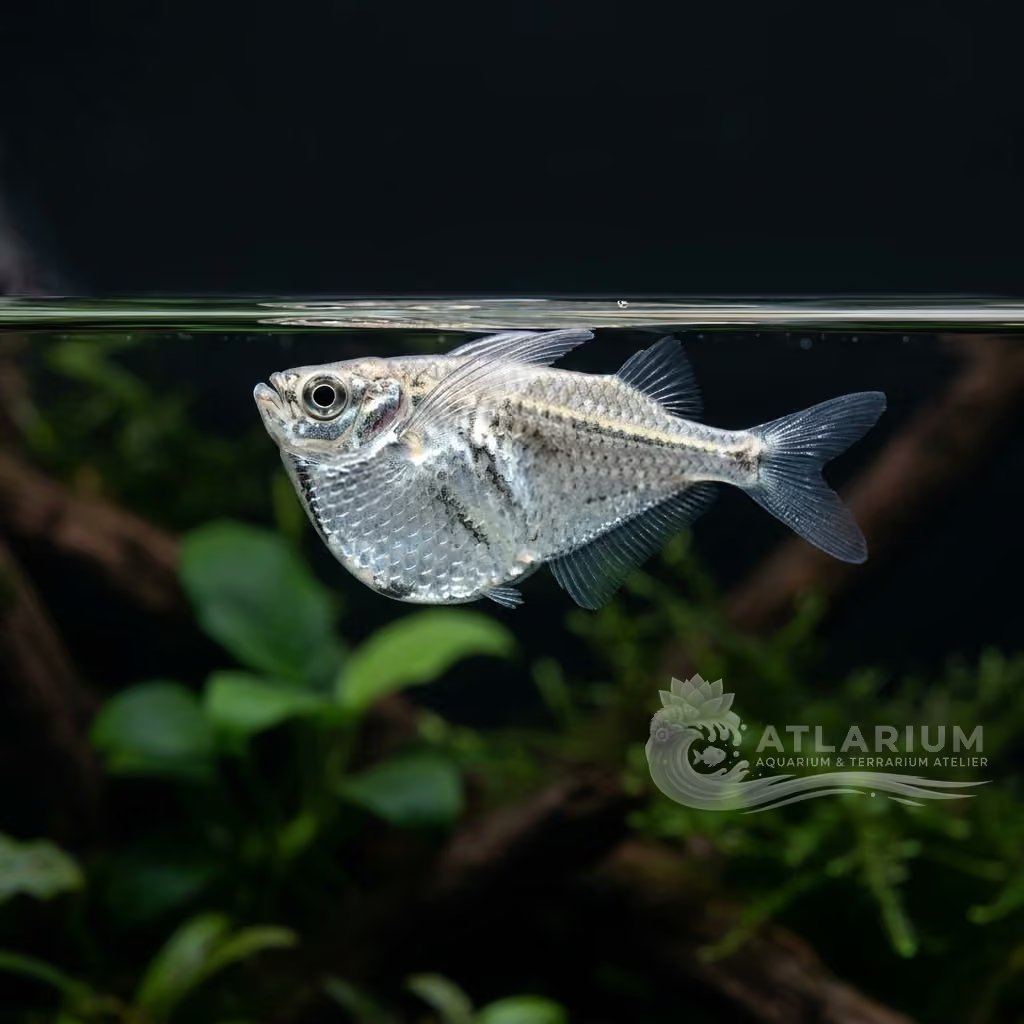
Scheel's killifish
Fundulopanchax scheeli
A non-annual West African killifish native to the lower Cross River basin in Nigeria and the Ndian River area in southwestern Cameroon. Hardy and suitable for those approaching the killifish world, with an emerald and red livery in males that intensifies with good diet. Critical detail: it is classified as Critically Endangered in the wild due to habitat loss and agricultural pollution — aquarium specimens represent an important genetic reservoir. Longevity 3–5 years, longer than many killifish. Lid essential.
22 - 26 °C
6 - 7.2
Água doce
Todos os níveis
6 cm
>= 40 L
>= 2
4 - 10 dGH
2 - 5 dKH
80 - 200 ppm
125 - 313 uS/cm

Descrição da espécie

Cuidado, criação e companheiros de tanque

Origem e distribuição geográfica
Origem

Perfil de peixe
- Temperamento
- Semi-aggressive
- They are generally peaceful, somewhat timid fish that appreciate a quiet environment. Males will occasionally flare their fins at one another in harmless displays of dominance. A well-structured tank with plenty of hiding spots ensures they remain calm and visible.
- Dieta
- Carnivore
- As natural micro-predators, they require a diet heavily based on small invertebrates. Frozen bloodworms, white worms, and live brine shrimp are eagerly devoured. High-quality dry foods are usually accepted over time to supplement their meaty diet.
- Expectativa de vida
- 2-3 years
- Tamanho adulto
- 6 cm
- Proporção sexual
- Harem
- Males are larger and distinctly more colorful than the relatively plain females. Maintaining a harem of one male to two or three females prevents exhaustion of the females. Multiple males can coexist peacefully only if the aquarium provides abundant hiding places.
- Frequência de alimentação
- Twice daily
- Offering small, measured meals once or twice a day keeps adults in excellent condition. To promote spawning, increase feeding frequency and incorporate more live foods. Avoid overfeeding, as uneaten meaty foods quickly degrade aquarium water quality.
- Carga biológica
- Low
- This beautiful species has a low bioload footprint, perfectly suited for modest aquariums. Biological filtration using a gentle sponge filter manages their waste perfectly. Consistent weekly water maintenance guarantees they remain healthy and vibrant.
- Fluxo
- Strong
- Originating from calm coastal rainforest streams, they demand gentle, low-flow conditions. High-output filters or powerheads will exhaust these fish and suppress their natural behaviors. Simple air-driven filtration creates the ideal, tranquil environment.
- Risco de salto
- Yes
- They are exceptional jumpers, capable of propelling themselves out of even tiny openings. Securing the aquarium with a custom-fit glass or acrylic canopy is absolutely critical. Dense mats of floating plants also discourage them from approaching the water's surface too aggressively.
- Reprodução
- Oviparous
- They are switch-spawners that can lay eggs on aquatic moss or directly on a peat substrate. The eggs typically incubate in water for a few weeks before hatching. The fry are quite resilient and can be raised on infusoria followed by baby brine shrimp.
- Compatibilidade e companheiros de tanque
- Peaceful
- They are an excellent, peaceful addition to community tanks with appropriately sized nano fish. Fast-swimming or aggressive tank mates will easily outcompete them for food and cause them to hide. They shine best in a dedicated species setup or paired with peaceful bottom-dwellers like Corydoras.
- Nível do tanque
- All levels
- They are most commonly found exploring the middle to upper zones of the aquarium. They feel most secure in tanks heavily planted with stem plants and broad-leaved species. Floating vegetation provides essential shade that encourages them to swim freely in the open.

Modelos e parâmetros científicos
Acesso aos dados científicos oficiais da espécie
- Nível trófico
- 3,2 ± 0,5 se
- Unicidade filogenética (PD50)
- 0.5
- Relação bayesiana comprimento-peso
- a = 0.00603, b = 3.13
- VulnerabilidadeVulnerabilidade baixa (10 / 100)

Espécies relacionadas
Recomendações agrupadas por parentes próximos, escolhas de acompanhantes e cuidados semelhantes.