Goldencrown tetra
Aphyocharax alburnus
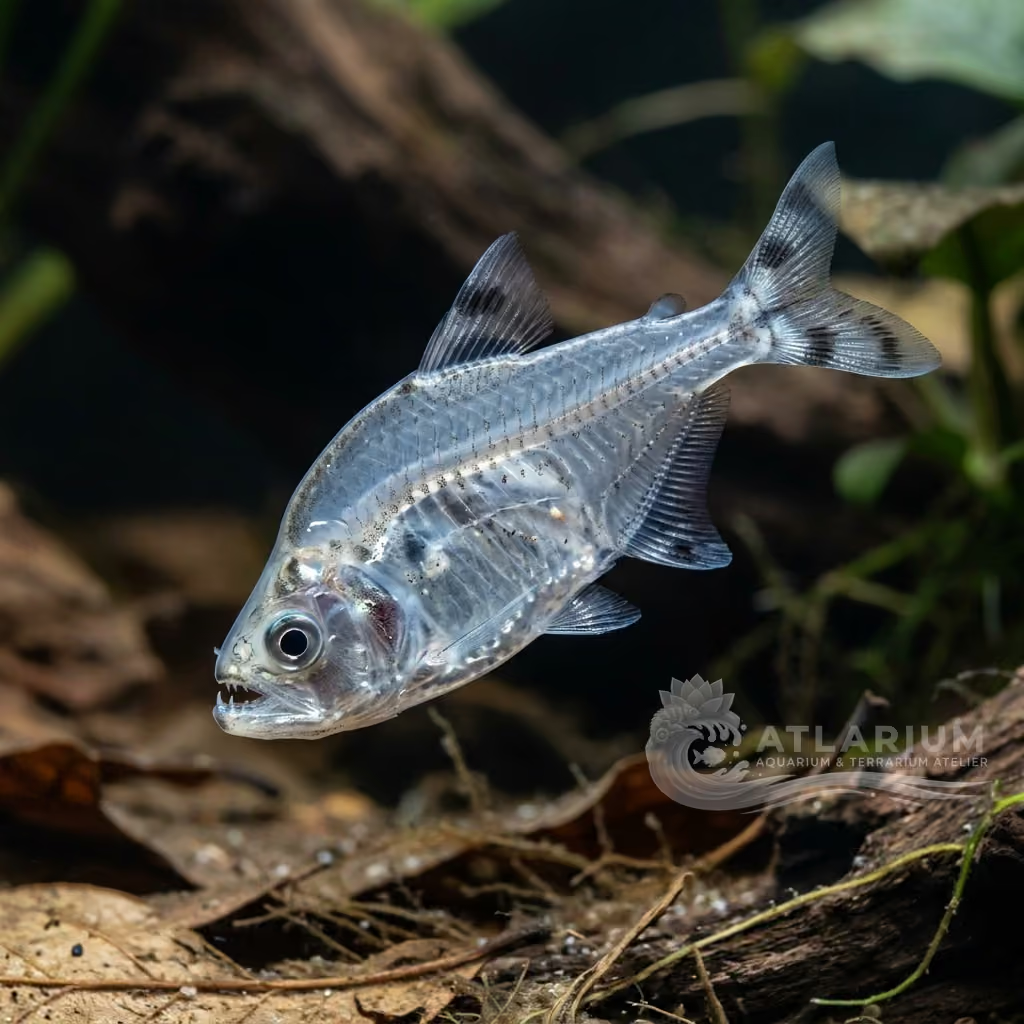
A slender and active South American schooling tetra with a silvery body and a pinkish tail. It is a peaceful, undemanding species perfect for densely planted community aquariums.
Temperatura da água
22 - 27 °C
Valor de pH
6 - 7.5
Tipo de água
Água doce
Nível do tanque
Parte inferior e intermediária
Tamanho adulto
6 cm
Volume mínimo do tanque
>= 60 L
Grupo mínimo
>= 6
GH
5 - 20 dGH
KH
3 - 12 dKH
TDS
105 - 420 ppm
Condutividade
164 - 656 uS/cm

Descrição da espécie
Geographical Origin and Habitat: This species is native to South America, widely distributed throughout the Amazon River basin. It inhabits slow-flowing rivers, secondary creeks, floodplain lakes, and channels rich in riparian and submerged vegetation, where the water is typically clear or slightly tea-colored.
Taxonomy and Morphology: Belongs to the Characidae family, subfamily Aphyocharacinae. It is a small fish with a slender and elongated body, reaching a maximum length of about 8 cm. It features a well-defined adipose fin and a jaw equipped with tiny conical teeth arranged in a single row.
Social Behavior: A highly gregarious and peaceful species. It must be kept in schools of at least 8-10 individuals to allow natural social behaviors to develop and reduce stress. It swims actively in the middle and upper water column without bothering other tank occupants.
Coloration and Sexual Dimorphism: Displays a bright silvery body with golden highlights on the head, a bluish longitudinal line along the sides, and a caudal fin that shows light reddish or pinkish hues. Mature males are more slender than females and develop tiny hooks on their anal fin.

Cuidado, criação e companheiros de tanque
Aquarium Setup: Requires a tank of at least 80-100 liters with sufficient front length to ensure space for open swimming. The aquarium should be densely planted along the sides and back, leaving the center clear. A dark substrate and floating plants to diffuse light are highly recommended.
Diet and Feeding: An undemanding omnivorous species. It readily accepts high-quality dry flakes or micro-granules. The diet should be enriched regularly with small live or frozen foods such as daphnia, brine shrimp, bloodworms, and copepods to promote natural colors and vitality.
Water Quality: A tolerant and adaptable species, but prefers clean, well-filtered water. Optimal parameters are: temperature between 22 and 26 °C, pH range from 5.5 to 7.5, general hardness GH between 5 and 15 dGH. Regular water changes are important to prevent nitrate buildup.
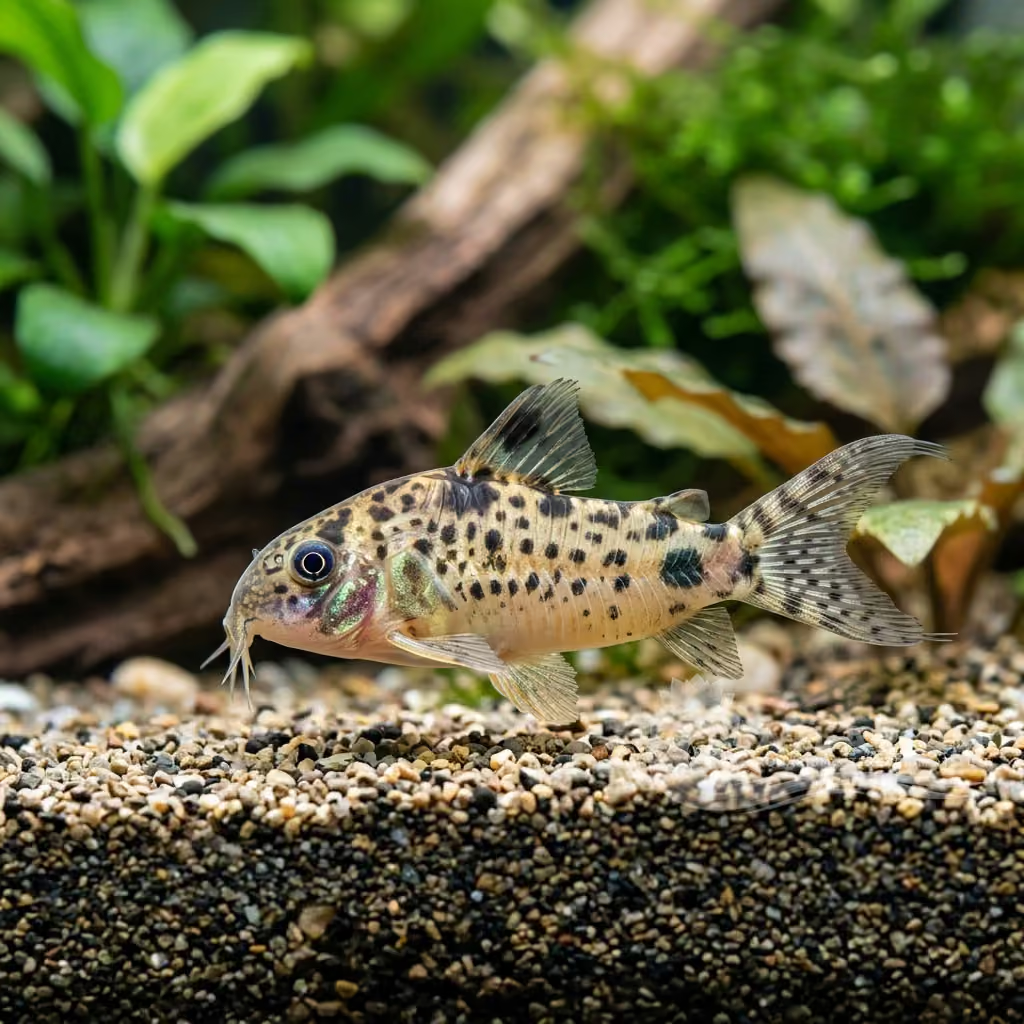
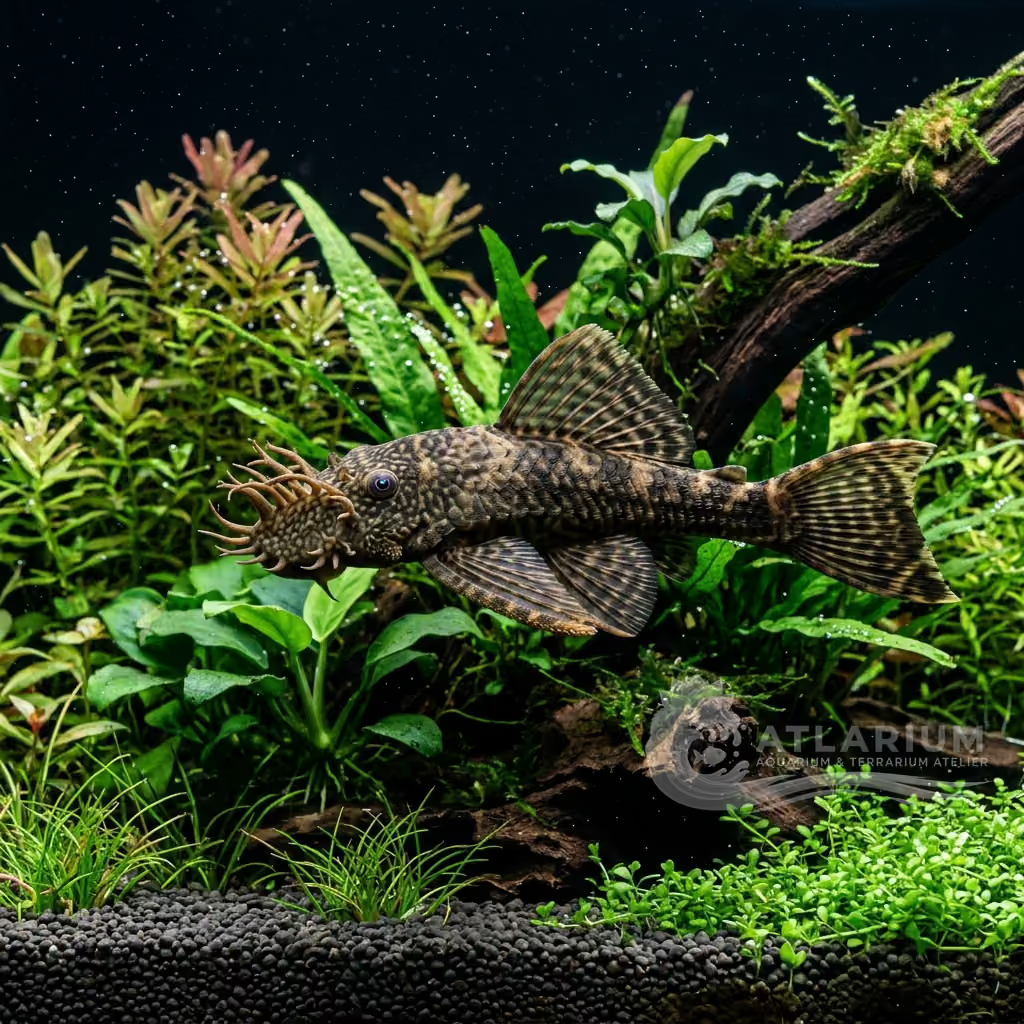
Compatibility and Cohabitation: Perfect companion for community aquariums. It lives peacefully with other calm characins, pencilfish, small dwarf cichlids, corydoras, and loricariid catfish. Avoid housing with very large or predatory fish that could view the tetras as prey.
Aquarium Breeding: Egg-scatterer. Spawning requires a separate breeding tank with soft, acidic water, dim lighting, and fine-leaved plants (like Java moss). Parents must be removed after spawning to prevent egg consumption. Fry should be fed infusoria and rotifers.
Risks and Diseases: Generally robust fish that does not present specific sensitivities if kept in appropriate conditions. It can be susceptible to ich (white spot disease) in the event of sudden temperature drops. Ensure that stable water chemistry parameters are maintained.

Origem e distribuição geográfica
This species is native to South America, widely distributed throughout the Amazon River basin. It inhabits slow-flowing rivers, secondary creeks, floodplain lakes, and channels rich in riparian and submerged vegetation, where the water is typically clear or slightly tea-colored.
Origem
Amazônia, Orinoco e Guianas

Perfil de peixe
- Temperamento
- Aggressive
- The Goldencrown Tetra is a peaceful, active, and somewhat timid schooling fish. They absolutely must be kept in groups of at least six to feel secure and display natural behaviors. When kept properly, they are energetic and inquisitive additions to a planted aquarium.
- Dieta
- Omnivore
- In the wild, they are micropredators that hunt for tiny insects and zooplankton near the surface. In the aquarium, they easily transition to high-quality dry flakes and micro-pellets. They greatly appreciate regular feedings of live or frozen daphnia, brine shrimp, and bloodworms.
- Expectativa de vida
- 3-5 years
- Tamanho adulto
- 6 cm
- Proporção sexual
- Solitary
- A mixed-sex group is perfectly acceptable, as they are not prone to significant intraspecific aggression. Males may occasionally display and chase each other, but injuries are extremely rare. A larger school size naturally dilutes any minor squabbles and promotes a cohesive group dynamic.
- Frequência de alimentação
- Twice daily
- They should be fed two small meals a day to match their fast metabolism and active nature. Offering small amounts ensures they consume all the food quickly without leaving debris to spoil. This frequent, light feeding closely mimics their natural foraging behavior.
- Carga biológica
- Low
- The Goldencrown Tetra is a small, slender characin that produces a very light bioload. Their waste output is easily managed by standard filtration when maintained in appropriate schooling numbers. Regular tank maintenance is still required to ensure optimal water quality and prevent any gradual deterioration.
- Fluxo
- Moderate
- They prefer a gentle to moderate water flow, reflecting their natural habitat in slow-moving streams. High-velocity currents can exhaust them and lead to severe long-term stress. Utilizing a sponge filter or adjusting the outflow of a power filter provides an ideal environment.
- Risco de salto
- Yes
- Like many streamlined, active tetras, they have a moderate risk of jumping, especially when startled. A secure, tight-fitting aquarium lid is strongly recommended to prevent accidental escapes. Providing floating plants helps them feel secure from above and reduces flighty behavior.
- Reprodução
- Oviparous
- They are typical egg-scatterers that deposit their eggs among fine-leaved plants and offer no parental care. Breeding is best achieved in a separate tank with soft, slightly acidic water and dim lighting. The adults must be removed immediately after spawning to prevent them from eating the eggs.
- Compatibilidade e companheiros de tanque
- Peaceful
- They are exceptionally peaceful and make wonderful additions to community aquariums. Ideal companions include other small tetras, dwarf cichlids, Corydoras, and small rasboras. They are defenseless against aggressive species, which should be completely avoided as tank mates.
- Nível do tanque
- Middle/Bottom
- They are primarily mid-to-top dwelling fish that appreciate open swimming space. They frequently hover near the surface looking for food but will readily retreat into mid-water plant thickets if threatened. They rarely venture to the extreme bottom of the tank.

Modelos e parâmetros científicos
FishBase
Acesso aos dados científicos oficiais da espécie
Dados sincronizados em: 15/06/2026
- Nível trófico
- 3,4 ± 0,4 se
- Unicidade filogenética (PD50)
- 0.5005
- Relação bayesiana comprimento-peso
- a = 0.00692, b = 3.09
- VulnerabilidadeVulnerabilidade baixa (10 / 100)

Espécies relacionadas
Recomendações agrupadas por parentes próximos, escolhas de acompanhantes e cuidados semelhantes.