Amoman Choerophryne
Choerophryne amomani
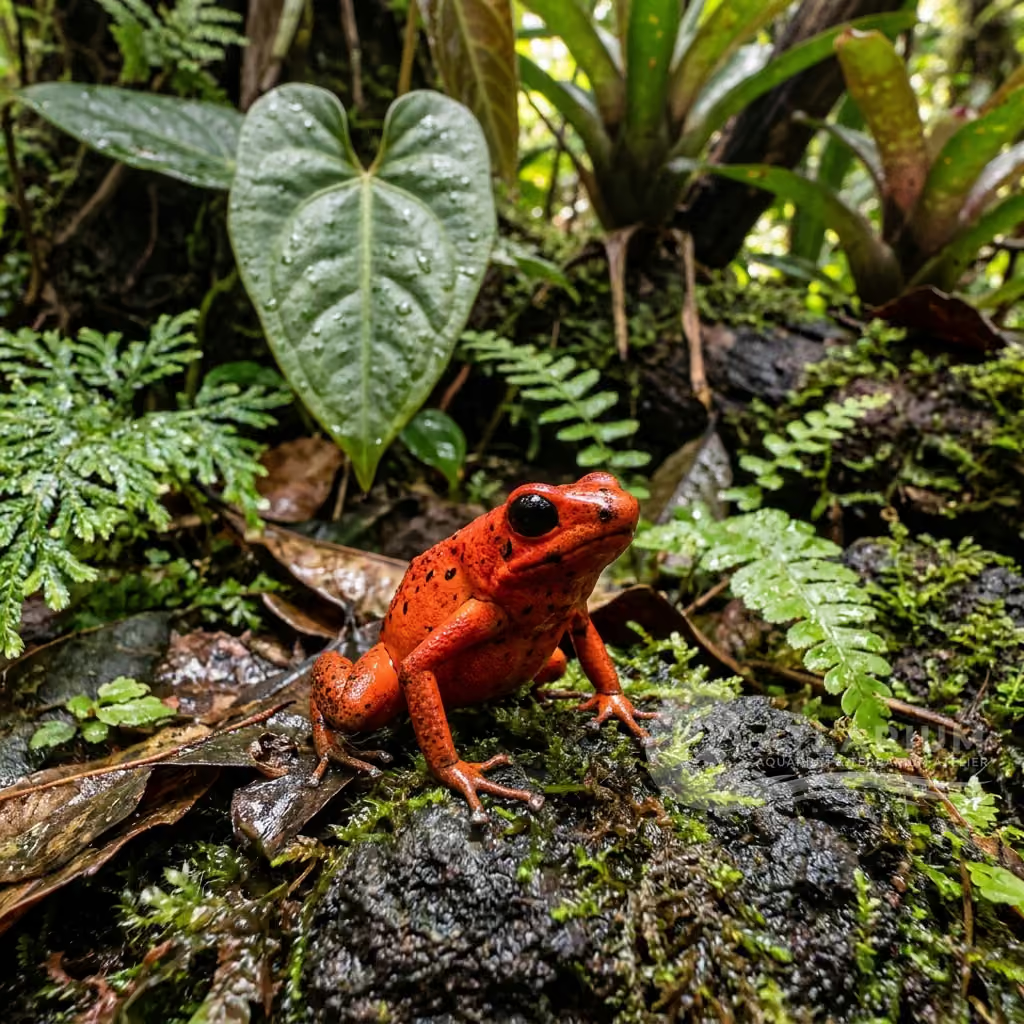
A specialized microhylid frog (1.9 cm) native to New Guinea (Mount Amoman, western Papua). Characterized by its elongated snout and a slightly laterally compressed body and fossorial, leaf-litter dwelling habits.
Ambiente
Terrestre
Umidade
80 - 95 %
Temperatura diurna
20 °C
Temperatura noturna
16 °C
Temperatura ambiente
20 °C
Gabinete mínimo
>= 45 L

Descrição da espécie
Geographical Origin and Habitat: Native to New Guinea (Mount Amoman, western Papua). It primarily occurs in the wet leaf litter of montane forests on Mount Amoman. It lives mostly concealed within leaf litter or burrowed inside moist soils.
Taxonomy and Genetics: Belongs to the Microhylidae family, genus Choerophryne. This group consists of narrow-mouthed frogs highly adapted to specific fossorial or semi-arboreal microhabitats.
Behavior and Habits: Primarily nocturnal and secretive. It spends the daytime hours buried under the substrate or hidden beneath leaf litter, emerging to forage and breed during heavy seasonal rains.
Morphology: Features a plump, rounded body reaching about 1.9 cm. Skin texture ranges from smooth to warty with cryptic colors. Males are smaller than females and exhibit distinct vocal sacs during the breeding season.

Cuidado, criação e companheiros de tanque
Terrarium Setup: Provide a horizontal terrarium with a deep (10-15 cm) layer of loose, damp substrate such as coconut fiber and sterile peat moss. Add cork bark hides, dry leaves, and flat shelters to create shaded spots.
Lighting and Heating: Maintain daytime temperatures around 20.0°C and night temperatures at 16.0°C. Provide a 12-hour light cycle; a low-intensity UVB source is recommended to support general health.
Humidity and Hydration: Maintain relative humidity between 80.0% and 95.0%. Mist regularly with dechlorinated water and supply a very shallow water dish to prevent drowning risks.
Feeding and Supplementation: Strictly insectivorous. Offer gutloaded crickets, roaches, fruit flies, and small worms. Dust prey with high-quality calcium and vitamin D3 twice a week to support skeletal structure.
Compatibility: Best kept in a species-specific setup. Small groups of similar size can cohabitate, avoiding competition or accidental cannibalism.
Health and Common Diseases: Highly susceptible to bacterial skin infections (red leg disease) if ventilation is poor or the substrate is soiled. Regularly check skin condition and hydration levels.

Origem e distribuição geográfica
Native to New Guinea (Mount Amoman, western Papua). It primarily occurs in the wet leaf litter of montane forests on Mount Amoman. It lives mostly concealed within leaf litter or burrowed inside moist soils.
Origem
África e MadagascarAustrália, Nova Guiné e Oceania

Perfil anfíbio
- Dieta
- Insectivore
- This frog survives on a diet consisting of microscopic invertebrates found in the humid leaf litter. Small ants, mites, and tiny beetles form the bulk of its daily nutritional intake. It relies on a fast, sticky tongue to catch elusive prey as they pass by.
- Expectativa de vida
- 5-8 years
- Tamanho adulto
- 1.5 cm
- Estilo de vida/Microhabitat
- Terrestrial
- They are predominantly terrestrial, living on the forest floor and navigating through dense leaf litter and ground vegetation.
- Ciclo de atividades
- Nocturnal
- This species is primarily nocturnal, remaining hidden during the day in leaf litter or burrows and emerging at night to forage for food.
- Socialidade
- Solitary
- Known for its reclusive nature, it remains tucked away in deep forest cover during daylight hours. Under the cover of darkness, males vocalize with sharp, repetitive chirps from concealed perches. It moves cautiously to avoid attracting the attention of visual hunters.
- Reprodução
- Oviparous
- The life cycle features direct development, an adaptation common to many microhylids. Eggs are laid in very moist, terrestrial environments such as rotten logs or dense moss. Fully developed miniatures hatch out directly, bypassing the need for standing water.
- Toxicidade
- Toxic
- It does not possess any toxic skin secretions and is perfectly safe to handle. To avoid being eaten, the frog simply disappears into the complex textures of the rainforest floor. It lacks any warning colors or chemical defenses.
- Estágio de vida
- Adult only
- It hatches directly as a fully formed froglet, immediately ready to navigate the terrestrial environment. It grows minimally over its lifespan. Even as a mature adult, it maintains a very small body size.
- Tolerância de tratamento
- Display only
- Due to their sensitive skin and potential stress from handling, they should be considered a display-only species.
- Brumação
- Não obrigatório
- They do not require a brumation period, maintaining a steady metabolic rate year-round in their native tropical habitats.
- Muda
- Periodic
- Shedding occurs periodically and is facilitated by high environmental humidity; the shed skin is typically consumed immediately by the animal.

Espécies relacionadas
Recomendações agrupadas por parentes próximos, escolhas de acompanhantes e cuidados semelhantes.