Kidako moray
Gymnothorax kidako
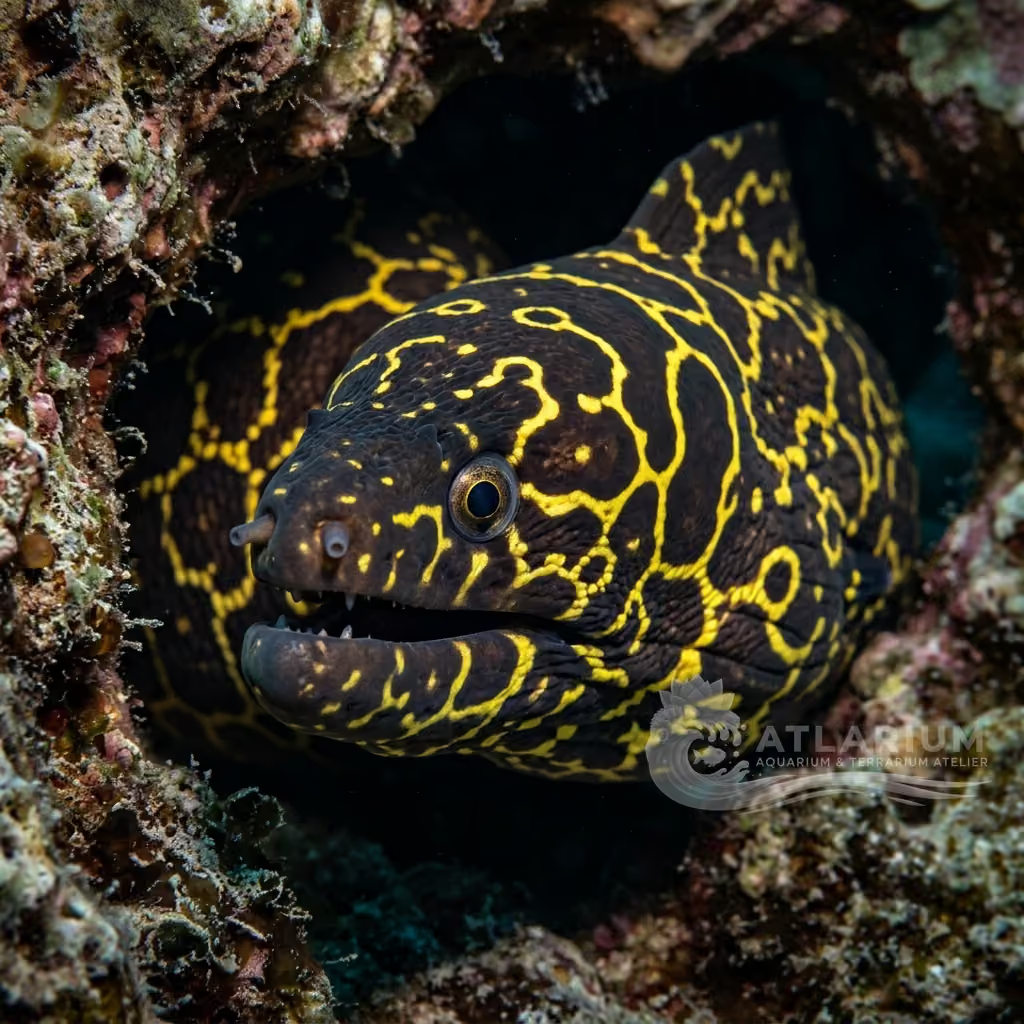
A robust marine moray eel native to the western Pacific Ocean, featuring a dark brown body decorated with yellowish-cream spots and a solitary predatory lifestyle.
Température de l’eau
20 - 25 °C
Valeur du pH
8.1 - 8.4
Type d'eau
Marin
Niveau dans le bac
Fond
Taille adulte
90 cm
Volume minimal du bac
>= 500 L
Groupe minimal
>= 1
KH
8 - 12 dKH

Description de l'espèce
Geographical Origin and Habitat: Widely distributed in the subtropical and temperate waters of the western Pacific Ocean, particularly around the coasts of Japan, Korea, Taiwan, and eastern Australia. It inhabits coastal rocky reefs, coral reefs, and crevice-rich zones at depths ranging from 2 to 350 meters, where it occupies permanent shelter holes.
Taxonomy and Morphology: Member of the Muraenidae family and the genus Gymnothorax. It features a highly elongated, muscular body that is laterally compressed towards the tail. The skin is scaleless and coated with a thick protective mucus layer. It possesses strong jaws lined with sharp, backward-curving teeth to secure slippery prey. Adults reach a maximum length of 80 to 90 cm.
Social Behavior: A solitary, territorial, and primarily nocturnal fish. During the day, it remains hidden inside rock fissures, with only its head protruding to breathe and observe the surroundings. It does not show unprovoked aggression towards fish that are too large to be swallowed, but it will aggressively defend its cave from intruders.
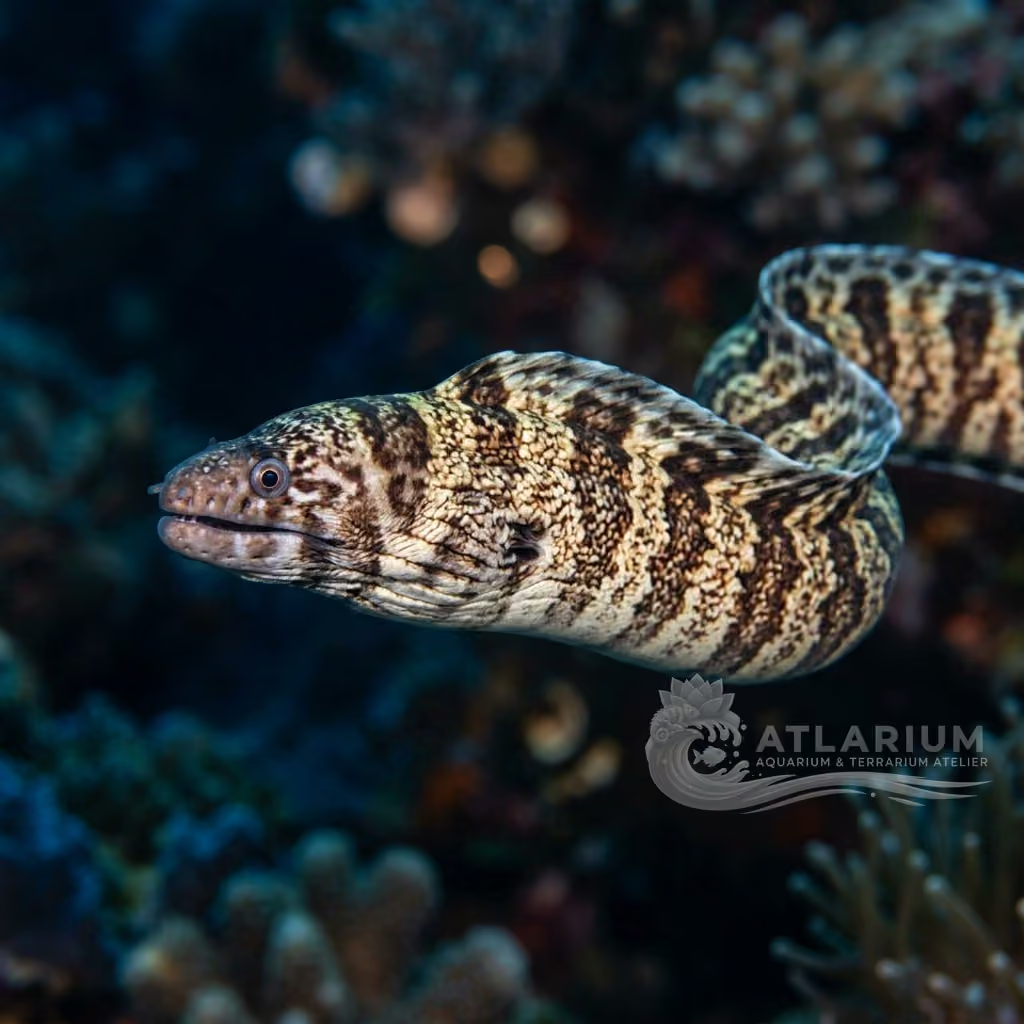
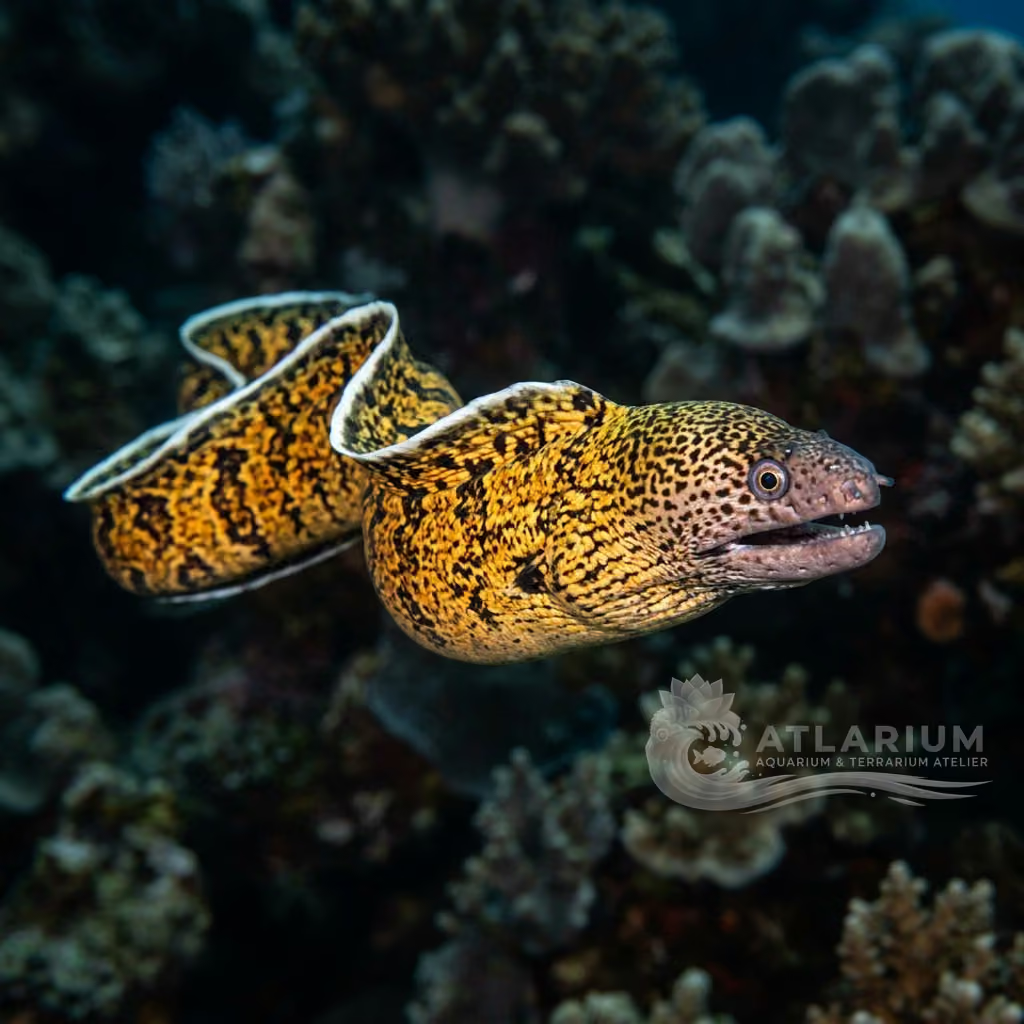
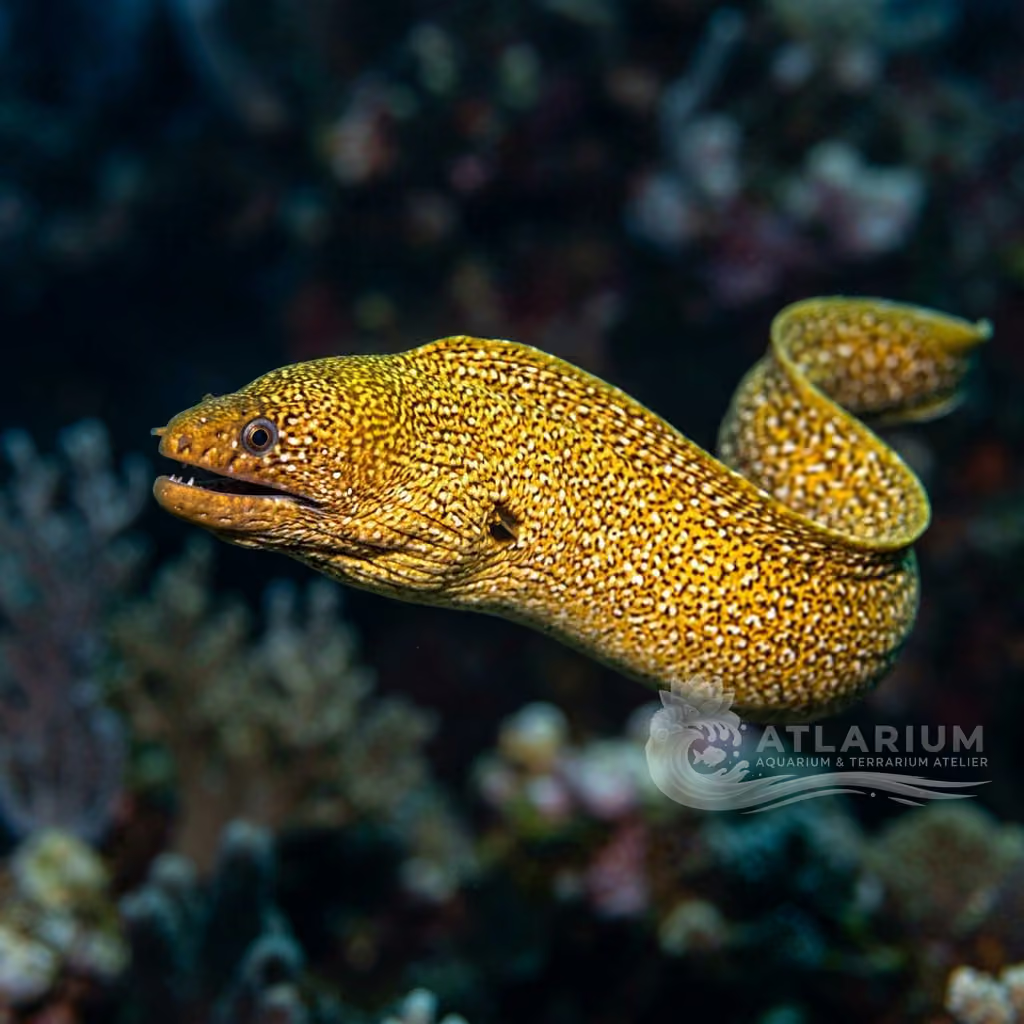
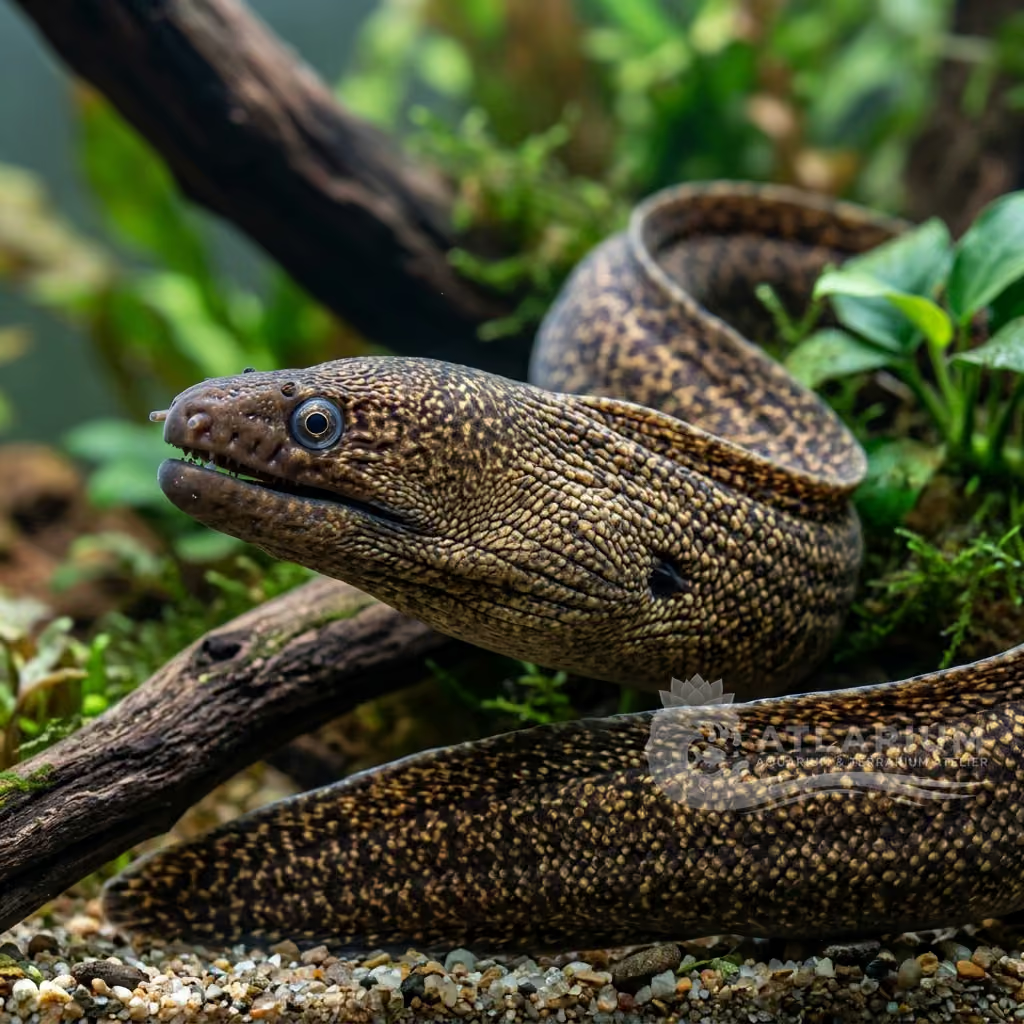
Coloration and Sexual Dimorphism: The coloration consists of a dark brown or blackish base body covered with an intricate, dense network of yellowish-cream or golden spots, blotches, and vermiculations, providing excellent camouflage against rocky backgrounds. There is no visible sexual dimorphism; males and females appear identical.

Soins, reproduction et cohabitation
Aquarium Setup: Requires a very large marine aquarium, with a minimum volume of 500 to 600 liters (approx. 130-160 gallons) for a single adult. The aquarium must feature heavy, stable live rock structures that form deep, secure caves and tunnels to accommodate the eel's entire body length. A tightly fitting, heavy, or weighted canopy is mandatory, as morays are notorious escape artists.
Diet and Feeding: Carnivorous predator. Its diet should consist of fresh or frozen marine foods such as whole shrimp, squid, octopus, clams, and chunks of fish fillet. Feed juveniles 2 to 3 times a week, and adults once a week or biweekly, using long feeding tongs. Do not hand-feed, as they have poor eyesight and may bite accidentally. They will not accept dry food.
Water Quality: Due to their large size and high protein diet, they produce significant organic waste. A robust filtration system and a high-performance protein skimmer are essential. Keep water parameters stable: temperature 20-25°C (68-77°F, preferring slightly cooler water than tropical morays), pH 8.1-8.4, specific gravity 1.021-1.025, and KH 8-12.
Compatibility and Cohabitation: Can be kept with large, active, non-aggressive species such as tangs, large angelfish, groupers, and mild-mannered triggerfish. Small fish, crabs, and ornamental shrimp will quickly become nocturnal prey. Avoid species that are notorious for picking at slow-moving tankmates, such as pufferfish, puffers, or highly aggressive triggerfish species.
Aquarium Breeding: Breeding in captivity is not documented and is virtually impossible in home aquaria. In their natural habitat, moray eels are pelagic spawners that release eggs into the water column. The hatched larvae, known as leptocephali, drift in open ocean currents for several months before settling on reefs as juveniles.
Risks and Diseases: Exceptionally hardy and highly resistant to common marine parasites like Ich, thanks to their scaleless, mucus-covered skin. The greatest risk is escape through small gaps in the lid, leading to death by desiccation. Caution is required during maintenance, as their bites are painful and can become infected due to bacteria in their mouth.

Origine et répartition géographiques
Widely distributed in the subtropical and temperate waters of the western Pacific Ocean, particularly around the coasts of Japan, Korea, Taiwan, and eastern Australia. It inhabits coastal rocky reefs, coral reefs, and crevice-rich zones at depths ranging from 2 to 350 meters, where it occupies permanent shelter holes.
Origine
Océans tropicaux et récifsAsie de l'EstAustralie, Nouvelle-Guinée et Océanie

Profil de poisson
- Tempérament
- Semi-aggressive
- It is an apex predator with a bold, aggressive temperament towards any appropriately sized prey. While it largely ignores fish too large to eat, its unpredictable feeding strikes demand immense respect. Proper tank management requires a hands-off approach to safely mitigate its aggressive nature.
- Régime alimentaire
- Omnivore
- Its diet must consist of large, meaty chunks of marine flesh like squid, silversides, and clam meat. Never feed them freshwater feeder fish, as this can cause long-term health and liver problems. Using feeding tongs is essential to prevent accidental bites during feeding time.
- Espérance de vie
- 30-34 years
- Taille adulte
- 90 cm
- Ratio des sexes
- Solitary
- Distinguishing males from females visually is virtually impossible for the average aquarist. Because they show extreme conspecific aggression, keeping multiple individuals together is a recipe for disaster. It is universally recommended to keep only a single specimen per aquarium.
- Fréquence d'alimentation
- Twice daily
- This predator has a slow metabolism and only requires feeding once or twice a week. Offering them large, substantial meals mimics their natural gorging behavior in the wild. Overfeeding them can lead to dangerous regurgitation and severe water quality issues.
- Charge biologique
- Extreme
- This species generates an exceptionally heavy bioload, rapidly accumulating waste in the system. An oversized filtration setup with a powerful protein skimmer is the absolute minimum requirement. Without diligent and massive water changes, nutrient levels can quickly become toxic to the tank inhabitants.
- Courant
- Moderate
- Gymnothorax kidako needs steady, moderate circulation distributed across the aquarium rather than a narrow, forceful jet. Requires a very large marine aquarium, with a minimum volume of 500 to 600 liters (approx. 130-160 gallons) for a single adult. This preserves useful water exchange while retaining calmer shelter for rest and feeding.
- Risque de saut
- Yes
- Renowned as escape artists, these animals will find even the smallest gap to slide out of the aquarium. They can apply significant force to push up loose lids or glass canopies. The tank must be hermetically sealed with heavy lids or meticulously secured screens to prevent fatal escapes.
- Reproduction
- Oviparous
- Reproduction in this species involves the release of massive amounts of gametes into the pelagic zone. Their complex lifecycle involves an extended leptocephalus larval stage that drifts in the ocean for months. Because of this monumental biological hurdle, captive breeding has never been successfully documented.
- Compatibilité et compagnons
- With caution
- As a highly effective ambush predator, this fish will eagerly consume any tank mate small enough to fit in its mouth. It is strictly compatible only with large, robust fish that cannot be swallowed. Great care must be taken when introducing new fish, as they may be seen as a sudden meal.
- Niveau dans le bac
- Bottom
- This secretive creature spends almost all of its daylight hours completely concealed within the bottom rockwork. Only its head is typically visible as it cautiously surveys the passing environment. It requires structurally stable, intricate caves to feel truly secure in a captive environment.

Modèles et paramètres scientifiques
FishBase
Fenêtre sur les données scientifiques officielles de l’espèce
FishBase v25.04Données synchronisées le : 15/06/2026
- Niveau trophique
- 3,5

Espèces associées
Recommandations regroupées par proches parents, compagnons et soins similaires.