Painted moray
Gymnothorax pictus
The peppered moray is an adaptable shallow-water predator showcasing stunning speckled camouflage. It demands a spacious aquarium with heavy, foundational rockwork to accommodate its impressive length.
Température de l’eau
22 - 28 °C
Valeur du pH
8.1 - 8.4
Type d'eau
Marin
Niveau dans le bac
Fond
Taille adulte
140 cm
Volume minimal du bac
400 L
Groupe minimal
>= 1

Description de l'espèce
Geographical Origin and Habitat: Gymnothorax pictus is widely distributed throughout the tropical waters of the Indo-Pacific, ranging from the eastern coast of Africa to the Hawaiian Islands, the Galapagos, and the Gulf of California. It inhabits intertidal zones, shallow coral reefs, lagoons, and reef flats at depths of 5 to 30 meters. This moray eel is frequently observed in extremely shallow water, and has been reported hunting crabs out of water on reef flats during low tides.
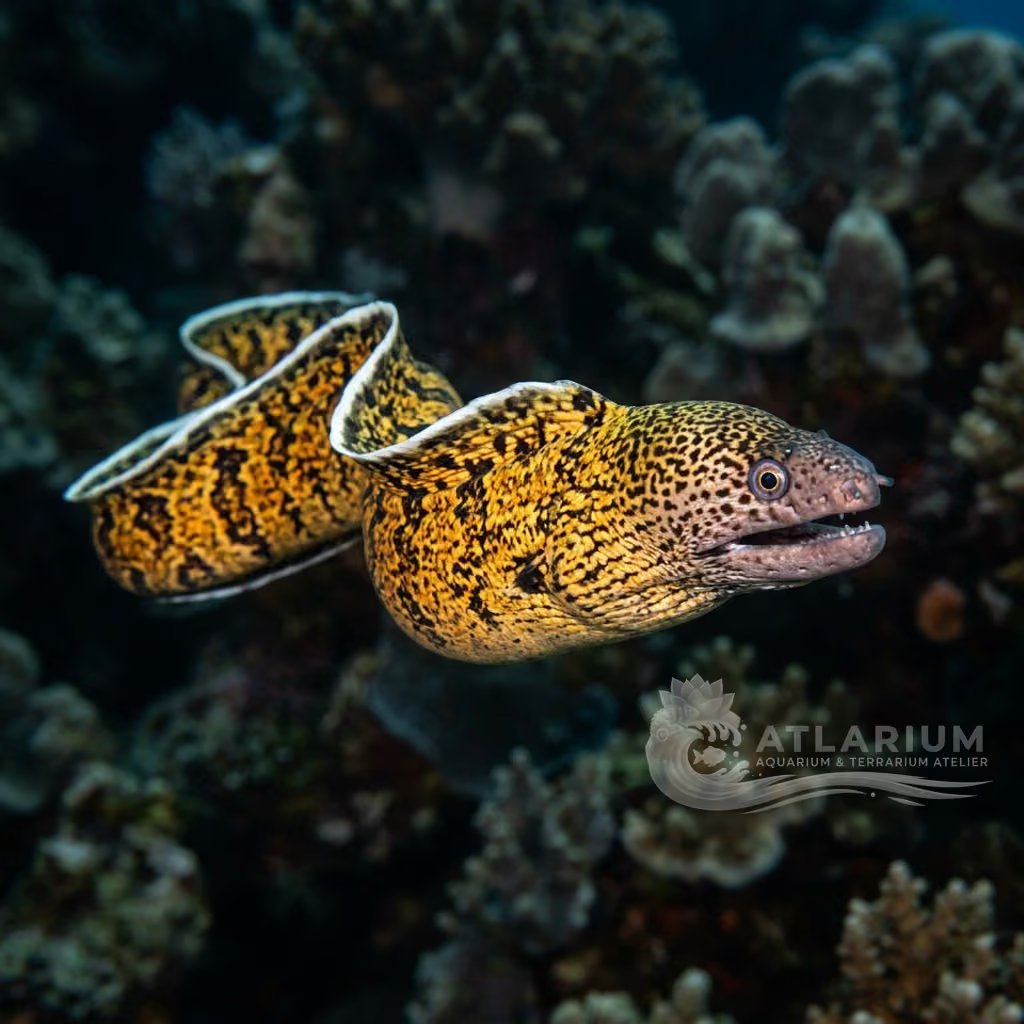
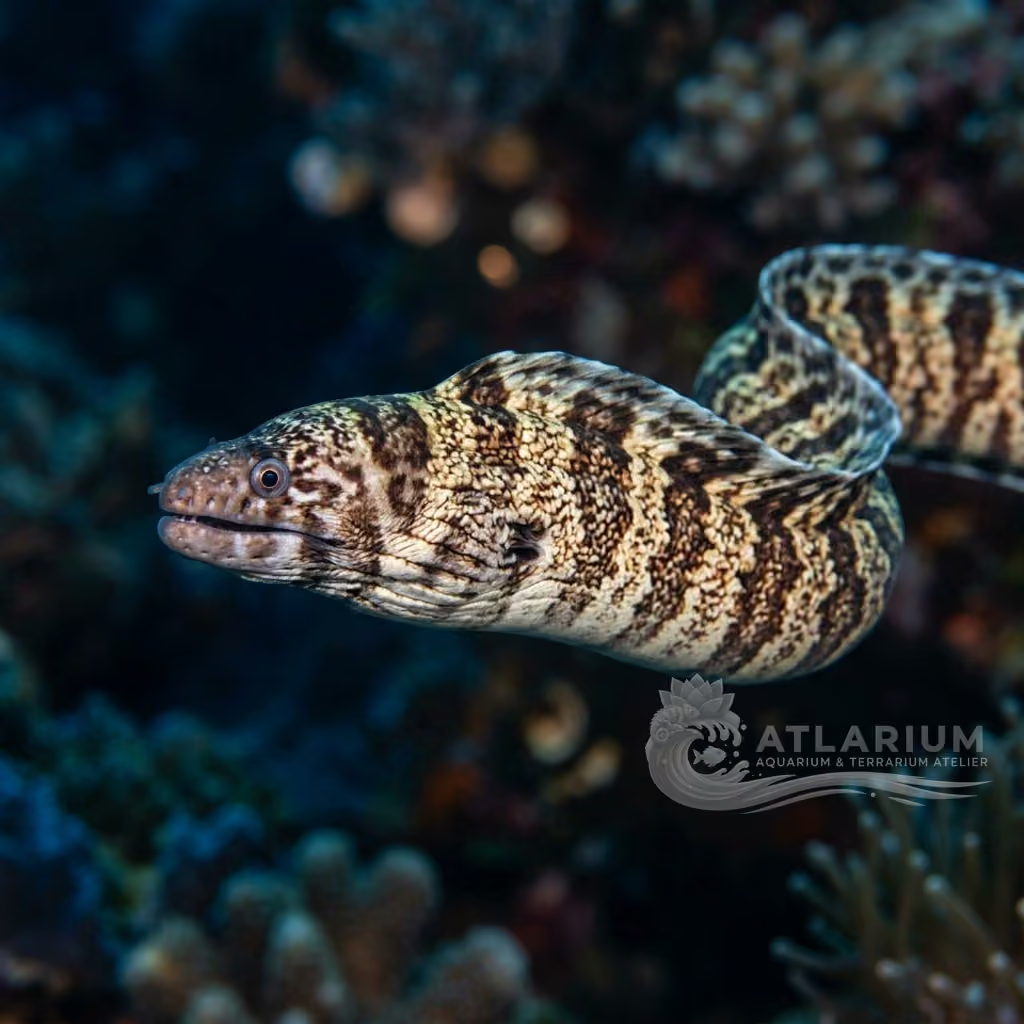
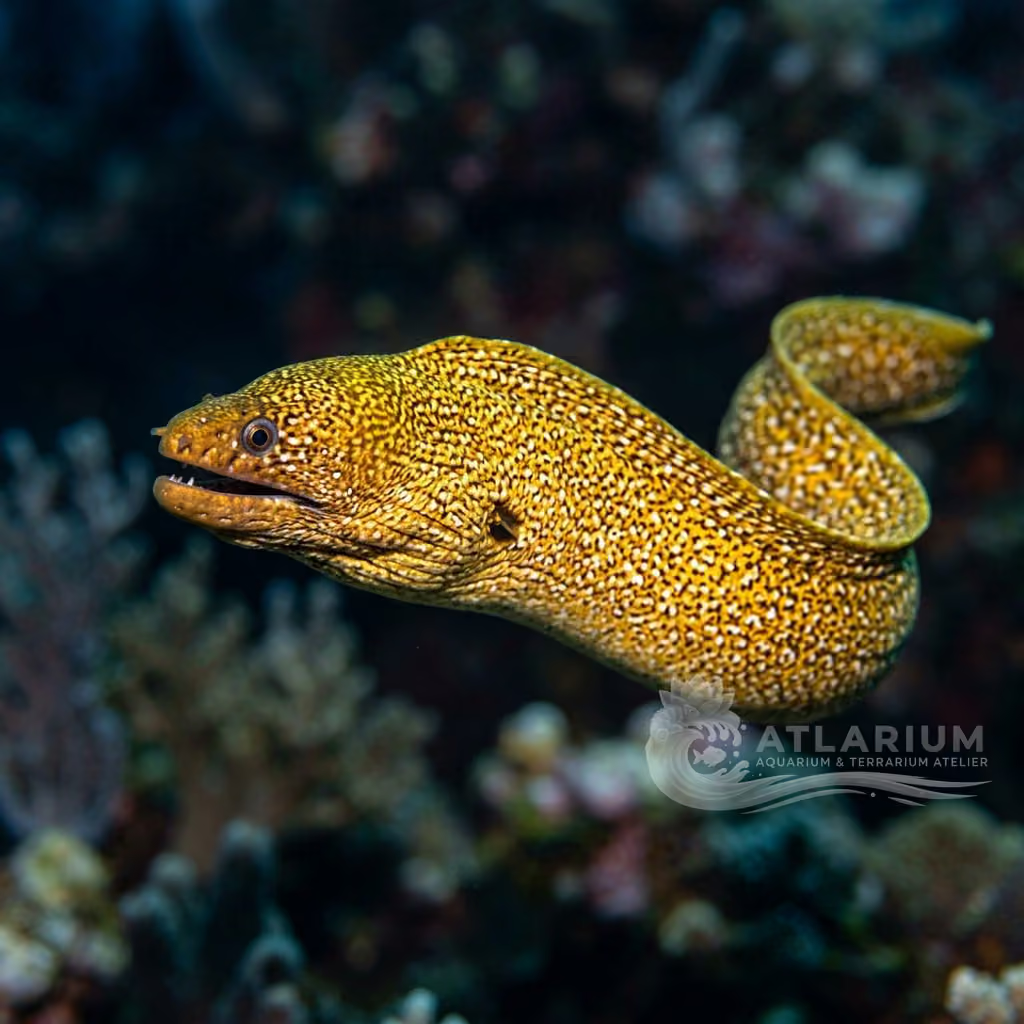
Taxonomy and Morphology: Belonging to the family Muraenidae, subfamily Muraeninae, and genus Gymnothorax. It features a highly elongated, snake-like, and muscular body that lacks pectoral and pelvic fins. The skin is thick, scaleless, and covered in a protective layer of mucus. It possesses strong jaws armed with sharp, conical teeth curved backward to grip slippery prey. It reaches a maximum length of 70 to 80 centimeters in adulthood.
Social Behavior: It is a solitary and primarily nocturnal or crepuscular predator. During the day, it remains hidden within rock crevices or buried in sand, exposing only its head. It exhibits territorial behavior toward other eels or fish attempting to enter its cave. Although generally considered less aggressive than larger moray species, it remains an opportunistic predator that will strike at any suitable prey.
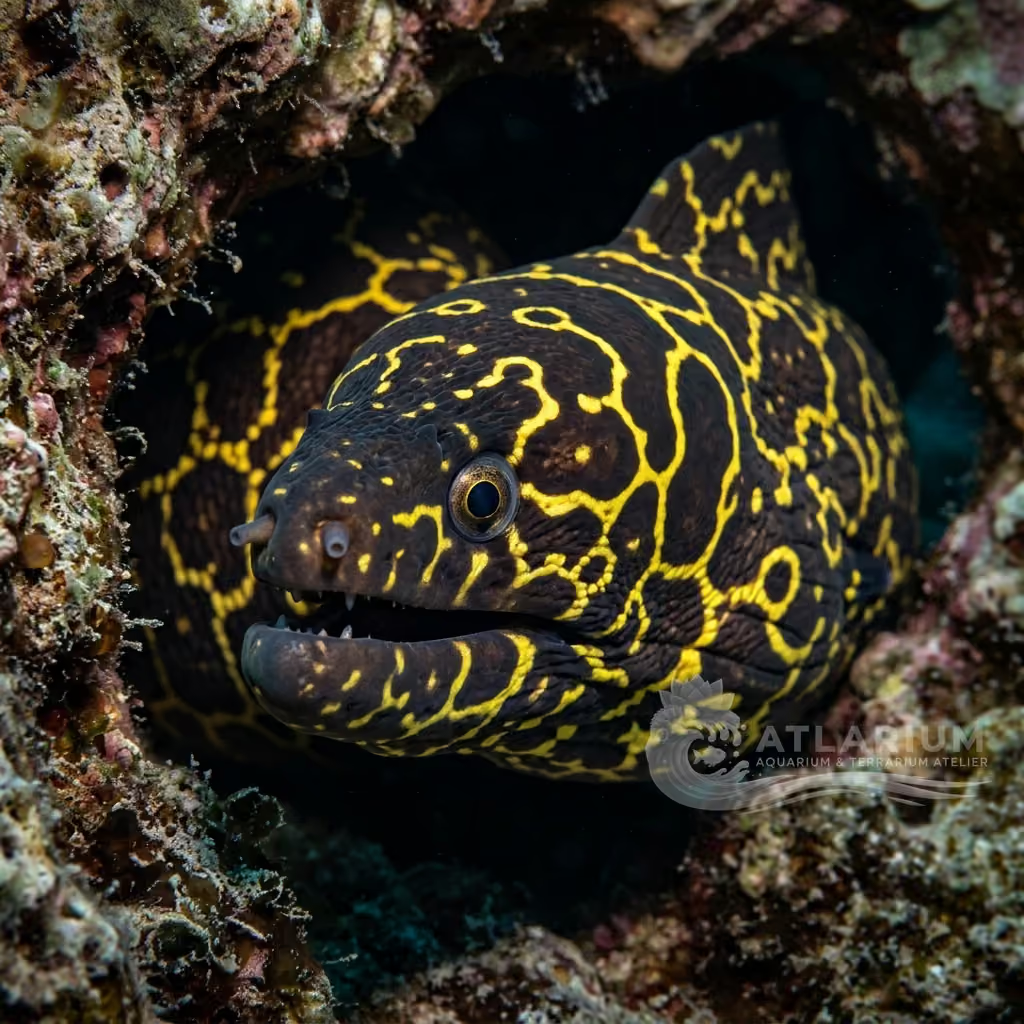
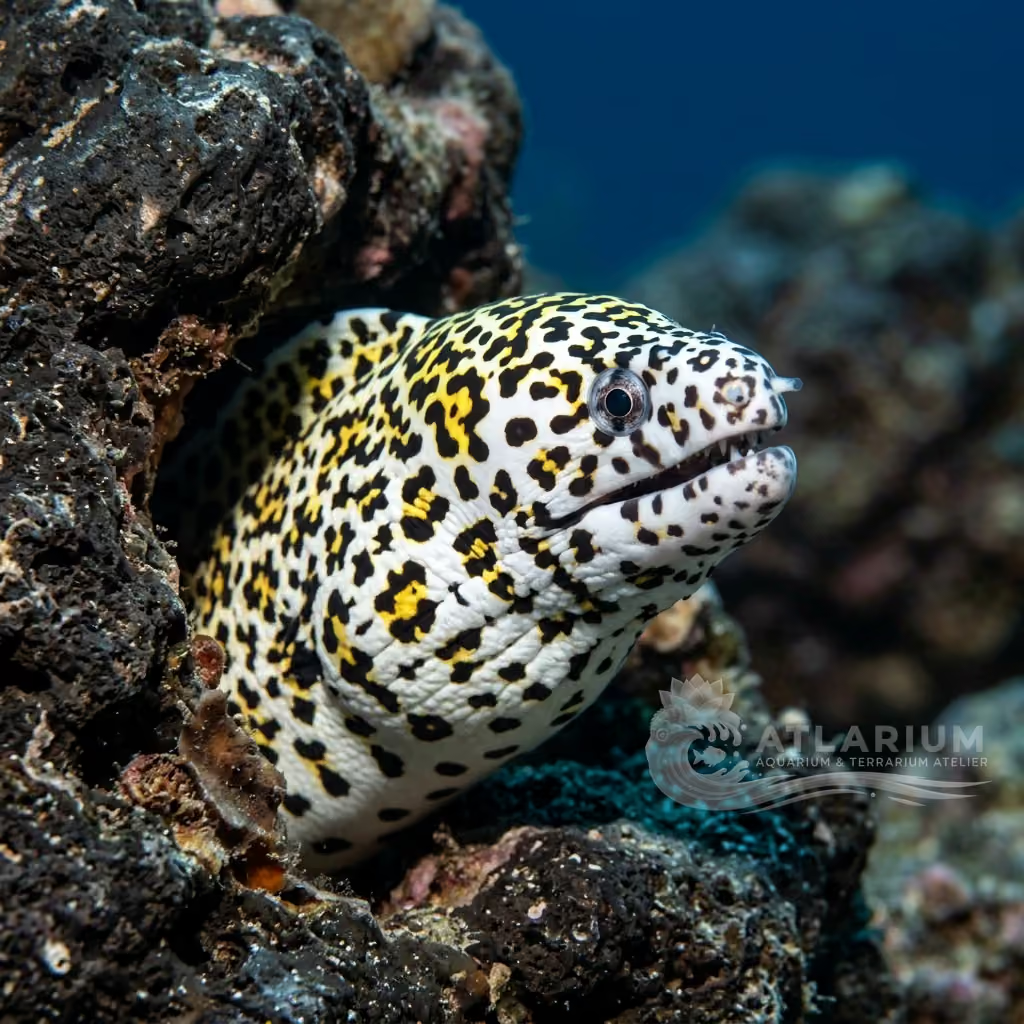
Coloration and Sexual Dimorphism: The base coloration is whitish, light grey, or yellow, covered with a dense patterning of small dark brown or black spots that form complex, unique designs on each individual. As the eel matures, the speckles become denser and may merge. There is no visible external sexual dimorphism; males and females are morphologically identical and can only be differentiated via lab analysis.

Soins, reproduction et cohabitation
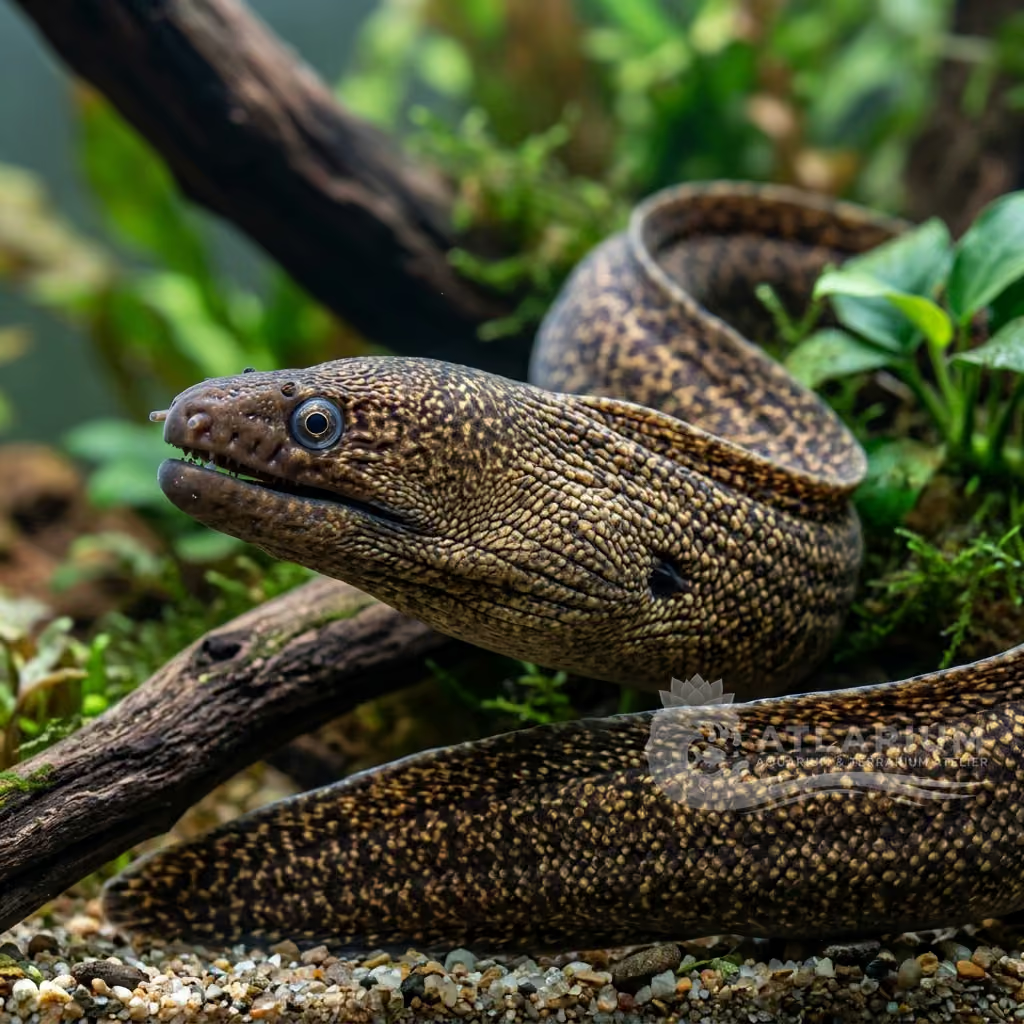
Aquarium Setup: An adult specimen requires a spacious aquarium of at least 400 liters. The aquascape must feature heavy rockwork placed directly on the glass bottom to prevent the eel from undermining the structure and causing collapses. Rock structures should form large caves and tunnels where the eel can hide completely. A heavy, securely locked lid is critical, as moray eels are famous escape artists capable of pushing open loose lids.
Diet and Feeding: A strict carnivore that feeds on crustaceans and small fish in the wild. In captivity, it must be fed a variety of fresh or frozen foods such as whole shrimp with shells, octopus, squid, mussels, and fish fillets. Never hand-feed this fish to prevent accidental bites; always use long metal feeding tongs. Juveniles can be fed 2-3 times a week, while adults only require one large feeding per week.
Water Quality: Tolerates a temperature range of 24°C to 28°C, pH of 8.1 to 8.4, and specific gravity of 1.020 to 1.025. Due to its high-protein diet, it produces a significant amount of organic waste. A powerful protein skimmer, efficient biological and mechanical filtration, and regular monthly water changes of 20% are essential to manage nitrate and phosphate levels.
Compatibility and Cohabitation: Can be housed with large, fast-swimming fish that cannot be swallowed, such as tangs, triggerfish, large angelfish, or groupers. Any small to medium-sized fish or invertebrates (including ornamental shrimp and crabs) will be viewed as prey and consumed. Do not house with other moray eels unless the enclosure is exceptionally large with distinct rock piles.
Aquarium Breeding: Spawning in home aquaria is extremely difficult and there are no documented cases of successful captive breeding. In nature, morays release pelagic eggs that float in open ocean currents, and the larvae (leptocephali) undergo a prolonged planctonic phase before settling as juvenile eels. Replicating these oceanic conditions in closed aquarium systems is currently not possible.
Risks and Diseases: This species is exceptionally resistant to common marine fish diseases, as its thick mucus layer protects it from external parasites like marine ich. The primary risk is dehydration resulting from escape. Physical wounds to the skin usually heal quickly if water quality is pristine; avoid using copper-based medications, as moray eels are sensitive to chemical treatments.

Origine et répartition géographiques
Gymnothorax pictus is widely distributed throughout the tropical waters of the Indo-Pacific, ranging from the eastern coast of Africa to the Hawaiian Islands, the Galapagos, and the Gulf of California. It inhabits intertidal zones, shallow coral reefs, lagoons, and reef flats at depths of 5 to 30 meters. This moray eel is frequently observed in extremely shallow water, and has been reported hunting crabs out of water on reef flats during low tides.
Origine
Océans tropicaux et récifsAmérique du NordAfrique et Madagascar

Profil de poisson
- Tempérament
- Semi-aggressive
- Possessing an aggressively opportunistic temperament, it constantly hunts the rockwork for hidden crabs and shrimp. While less likely to hunt healthy fish, it remains a dangerous predator that commands caution. It often becomes very bold during feeding times, actively coming out of its cave to beg for food.
- Régime alimentaire
- Omnivore
- This predator specializes in crunching through crustaceans, demanding a diet of whole shrimp, crabs, and krill. Supplementing their diet with fresh fish pieces and squid will provide necessary variety. Feeding with long tongs is highly advised to keep hands completely out of striking distance.
- Espérance de vie
- 15-20 years
- Taille adulte
- 140 cm
- Ratio des sexes
- Solitary
- Distinguishing males from females visually is virtually impossible for the average aquarist. Because they show extreme conspecific aggression, keeping multiple individuals together is a recipe for disaster. It is universally recommended to keep only a single specimen per aquarium.
- Fréquence d'alimentation
- Twice daily
- This predator has a slow metabolism and only requires feeding once or twice a week. Offering them large, substantial meals mimics their natural gorging behavior in the wild. Overfeeding them can lead to dangerous regurgitation and severe water quality issues.
- Charge biologique
- Extreme
- This species generates an exceptionally heavy bioload, rapidly accumulating waste in the system. An oversized filtration setup with a powerful protein skimmer is the absolute minimum requirement. Without diligent and massive water changes, nutrient levels can quickly become toxic to the tank inhabitants.
- Courant
- Moderate
- Gymnothorax pictus needs steady, moderate circulation distributed across the aquarium rather than a narrow, forceful jet. An adult specimen requires a spacious aquarium of at least 400 liters. The aquascape must feature heavy rockwork placed directly on the glass bottom to prevent the eel from undermining the structure and causing collapses. This preserves useful water exchange while retaining calmer shelter for rest and feeding.
- Risque de saut
- Yes
- Renowned as escape artists, these animals will find even the smallest gap to slide out of the aquarium. They can apply significant force to push up loose lids or glass canopies. The tank must be hermetically sealed with heavy lids or meticulously secured screens to prevent fatal escapes.
- Reproduction
- Oviparous
- Reproduction in this species involves the release of massive amounts of gametes into the pelagic zone. Their complex lifecycle involves an extended leptocephalus larval stage that drifts in the ocean for months. Because of this monumental biological hurdle, captive breeding has never been successfully documented.
- Compatibilité et compagnons
- With caution
- While it may ignore larger fish, it is a specialized predator of crabs, shrimp, and other crustaceans. It can be kept in a community tank with medium-sized fish, provided there are no small crustaceans present. Very small fish might still be occasionally targeted if the predator is extremely hungry.
- Niveau dans le bac
- Bottom
- This secretive creature spends almost all of its daylight hours completely concealed within the bottom rockwork. Only its head is typically visible as it cautiously surveys the passing environment. It requires structurally stable, intricate caves to feel truly secure in a captive environment.

Modèles et paramètres scientifiques
FishBase
Fenêtre sur les données scientifiques officielles de l’espèce
FishBase v25.04Données synchronisées le : 15/06/2026
- Niveau trophique
- 3,5

Espèces associées
Recommandations regroupées par proches parents, compagnons et soins similaires.