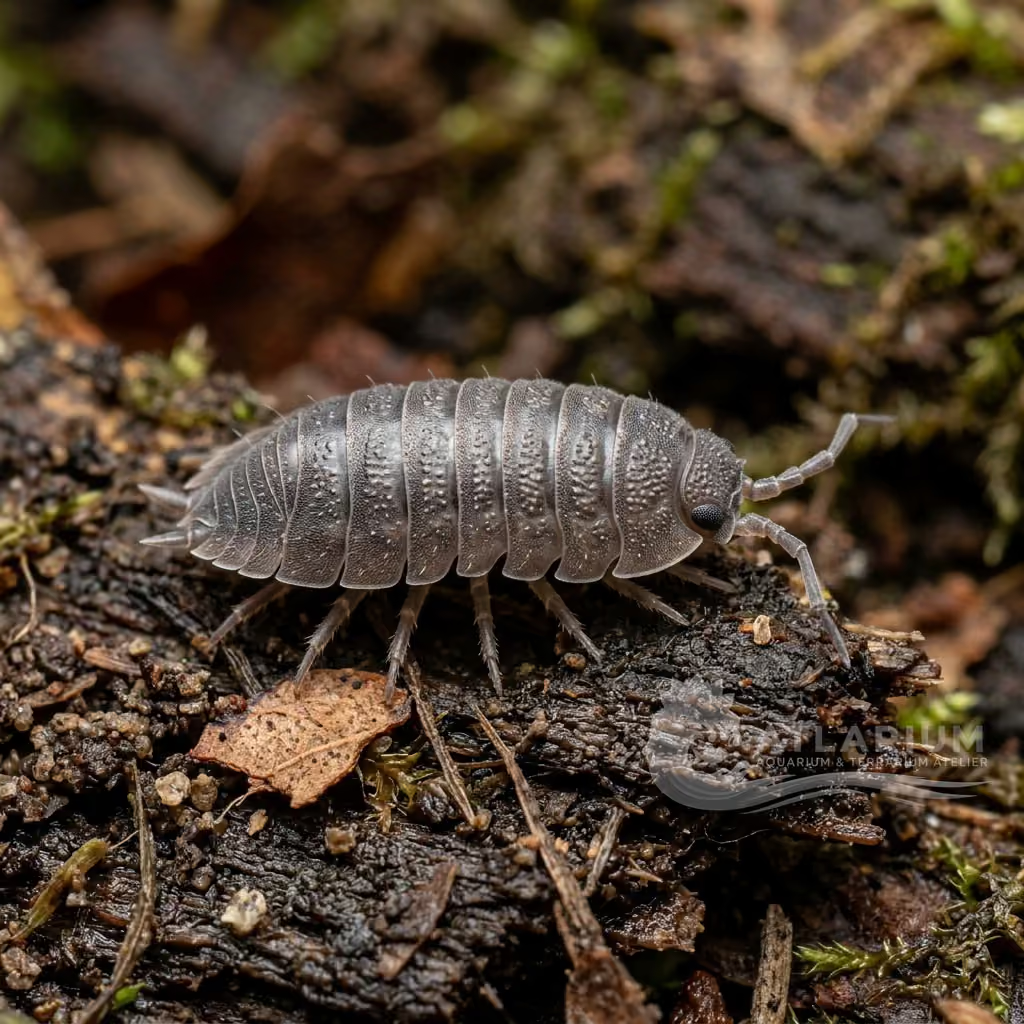
Smooth Knob-Tailed Gecko
Nephrurus levis levis
A highly prized, famous Australian desert gecko. It boasts massive alien eyes, smooth velvety skin, and a ridiculous, tiny button-shaped tail (the 'Knob').
Environment
Terrestrial
Humidity
30 - 40 %
Day temperature
28 - 32 °C
Ambient temperature
26 °C
Night temperature
20 °C
Basking spot
31 - 33 °C
Adult size
10 cm
Minimum enclosure
>= 40 L

Species description
Geographical Origin and Habitat: An iconic species endemic to the vast, arid sandy deserts (Outback) of central and western Australia. To survive extreme daytime heat, they are highly fossorial: they spend the day buried in deep subterranean sand tunnels, sealing the entrance to trap essential humidity, and emerge onto the red sand surface only at night to hunt.
Taxonomy and Genetics: Belonging to the family Carphodactylidae and the genus *Nephrurus* (Knob-tailed geckos). The species features a large, broad head with prominent, lidless eyes, a stout body with smooth skin, and thin, clawed limbs for digging. Its most distinctive feature is a very short, constricted tail ending in a small spherical knob. Coloration ranges from brick-red to pinkish-lilac, patterned with numerous pale yellow or white spots.
Behavior and Habits: Strictly nocturnal and terrestrial diggers. They have a shy temperament but will perform a defensive display if threatened: standing high on their legs, puffing their bodies with air, emitting high-pitched barking squeaks, and waving their knobbed tail as a decoy before striking with an open mouth. They stress easily and handling should be kept to a minimum.
Morphology: Females are significantly larger, heavier, and stockier than males. Males are smaller, more slender, and possess visible hemipenal bulges at the base of the tail.

Care, breeding and tankmates
Terrarium Setup: Requires a terrestrial terrarium (minimum 60x45x45 cm). The substrate is critical: use fine play sand or Australian red desert sand (at least 10 cm deep). The bottom layers of the sand must be kept damp to allow the gecko to dig stable tunnels that will not collapse and suffocate the animal, while the top surface layer remains dry.
Lighting and Heating: Requires a hot basking spot of 31-33°C on the sand surface, provided by an overhead heat lamp or under-tank heating cable controlled by a thermostat. The cool side of the enclosure should remain at 24-25°C, with a night drop to 20°C. A low-intensity 5-7% UVB light source is highly recommended to support bone structure and prevent metabolic bone disease.
Humidity and Hydration: Surface air humidity should be kept dry (30-50%). However, subterranean micro-humidity within their burrows is essential. Dampen the lower layers of sand in the corners of the enclosure without wetting the surface, or provide a buried humid hide. A small, shallow water dish should be provided and cleaned daily, as they often kick sand into it.
Feeding and Supplementation: Active insectivores. Feed on gut-loaded crickets, roaches (Dubia or Red Runners), and small locusts proportional to their head size. Food must be dusted with calcium and vitamin D3. Proper belly heat is essential to facilitate digestion and help pass any accidentally ingested sand, avoiding intestinal impaction.
Compatibility: Should be housed individually to prevent territorial stress or fighting. Pairs can be introduced during the breeding season under close supervision. Do not house males together. Females lay thin, soft-shelled eggs that dry out or dent easily if not excavated and incubated promptly.
Health and Common Diseases: Prone to metabolic bone disease (MBD) if calcium and UVB are lacking, and intestinal impaction from dry sand ingestion without heat. Skin infections can occur in overly wet surfaces, and respiratory infections if humidity is too high. Never handle with bare hands to avoid stress and skin irritation. Egg-binding (dystocia) is a risk in breeding females.

Geographic origin and distribution
An iconic species endemic to the vast, arid sandy deserts (Outback) of central and western Australia. To survive extreme daytime heat, they are highly fossorial: they spend the day buried in deep subterranean sand tunnels, sealing the entrance to trap essential humidity, and emerge onto the red sand surface only at night to hunt.
Origin
Selective breeding and cultivarsNorth AmericaAustralia, New Guinea, and Oceania

Reptile profile
- Diet
- Insectivore
- Nephrurus levis levis is primarily insectivorous, requiring a varied diet of live insects. Feeder insects should be appropriately sized, typically no larger than the space between the reptile's eyes. It is essential to dust the food items with calcium and vitamin supplements regularly. Providing gut-loaded insects ensures maximum nutritional value for the animal.
- Adult size
- 10 cm
- Lifestyle/Microhabitat
- Terrestrial
- In the wild, Nephrurus levis levis thrives in specific microclimates that provide the necessary warmth, humidity, and cover. Terrestrial species require ample floor space, while arboreal ones need vertical climbing opportunities. Maintaining an enclosure that closely mimics these natural conditions is vital for their well-being. A proper lifestyle setup reduces stress and allows the reptile to exhibit natural foraging and resting behaviors.
- Activity cycle
- Nocturnal
- The activity pattern of Nephrurus levis levis is largely dictated by its natural habitat and evolutionary adaptations. As a crepuscular or nocturnal species, it is most active during dawn, dusk, or nighttime hours. During the day, it prefers to rest in secure, dark retreats to avoid predators and extreme temperatures. Adjusting lighting and feeding schedules to match this pattern promotes a healthy and active lifestyle.
- Sociality
- Solitary
- Nephrurus levis levis exhibits unique behaviors that are fascinating to observe in captivity. They may use body language, such as tail waving or vocalizations, to communicate with their environment or other individuals. Providing adequate hiding spots helps them feel secure and encourages natural behaviors. Careful observation can reveal a lot about their health and stress levels.
- Reproduction
- Oviparous
- Reproduction in Nephrurus levis levis typically occurs after a cooling period or changes in environmental cues. Females will lay clutches of eggs, which need to be carefully incubated at specific temperatures and humidity levels. The sex of the offspring can sometimes be determined by the incubation temperature. Proper calcium supplementation is critical for breeding females to ensure healthy egg development.
- Handling tolerance
- Display only
- Handling Nephrurus levis levis should be done with care and patience to avoid causing undue stress or injury. It is best to allow the reptile to walk onto your hands rather than grabbing it directly. Short, positive handling sessions can help acclimate the animal to human interaction over time. Always wash your hands before and after handling to prevent the spread of bacteria and ensure both human and reptile safety.
- Brumation
- Brumation is a natural cycle for Nephrurus levis levis, often triggered by seasonal drops in temperature and daylight hours. During this time, the reptile will significantly decrease its activity and appetite, resting for weeks or months. It is crucial to monitor their weight and ensure they have access to fresh water throughout this period. Only healthy adults should be allowed to brumate, as it can be taxing on young or sick individuals.
- Molting
- Regular
- Regular shedding, or molting, is a sign of growth and good health in Nephrurus levis levis. To facilitate a smooth shed, it is important to provide a humid hide or lightly mist the enclosure when signs of shedding appear. Retained shed, especially around the toes or tail, can cause serious circulation issues and should be gently removed. Ensuring adequate humidity and rough surfaces in the enclosure helps the reptile remove old skin effectively.

Related species
Recommendations grouped by close relatives, companion choices, and similar care.