Bandit Cory
Scleromystax barbatus
One of the largest and most striking armored catfish from South America, displaying marked sexual dimorphism and preferring cooler waters.
Wassertemperatur
18 - 24 °C
pH-Wert
6 - 7.5
Wassertyp
Süßwasser
Tankfüllstand
Unten
Erwachsenengröße
10 cm
Mindesttankvolumen
>= 100 L
Mindestgruppe
>= 6
GH
2 - 15 dGH
KH
1 - 7 dKH
TDS
40 - 295 ppm
Leitfähigkeit
63 - 461 uS/cm

Artbeschreibung
Geographical Origin and Habitat: Scleromystax barbatus is endemic to the coastal rivers and forest streams of southeastern Brazil, specifically from the states of Rio de Janeiro to Santa Catarina. These waters are characterized by moderate to fast currents, cool temperatures, high oxygen levels, sandy bottoms, and accumulated leaf litter.
Taxonomy and Morphology: Formerly classified under the genus Corydoras, it is now placed in the genus Scleromystax within the family Callichthyidae. Like its relatives, it possesses two rows of overlapping bony plates instead of scales. It is one of the largest species in its subfamily, reaching lengths of up to 10-12 cm.
Social Behavior: Peaceful and highly gregarious, it should be kept in schools of at least 5-6 individuals. Unlike most Corydoras, adult males of Scleromystax barbatus are territorial and will engage in ritualized, non-harmful displays and fights over territory, especially during spawning periods.
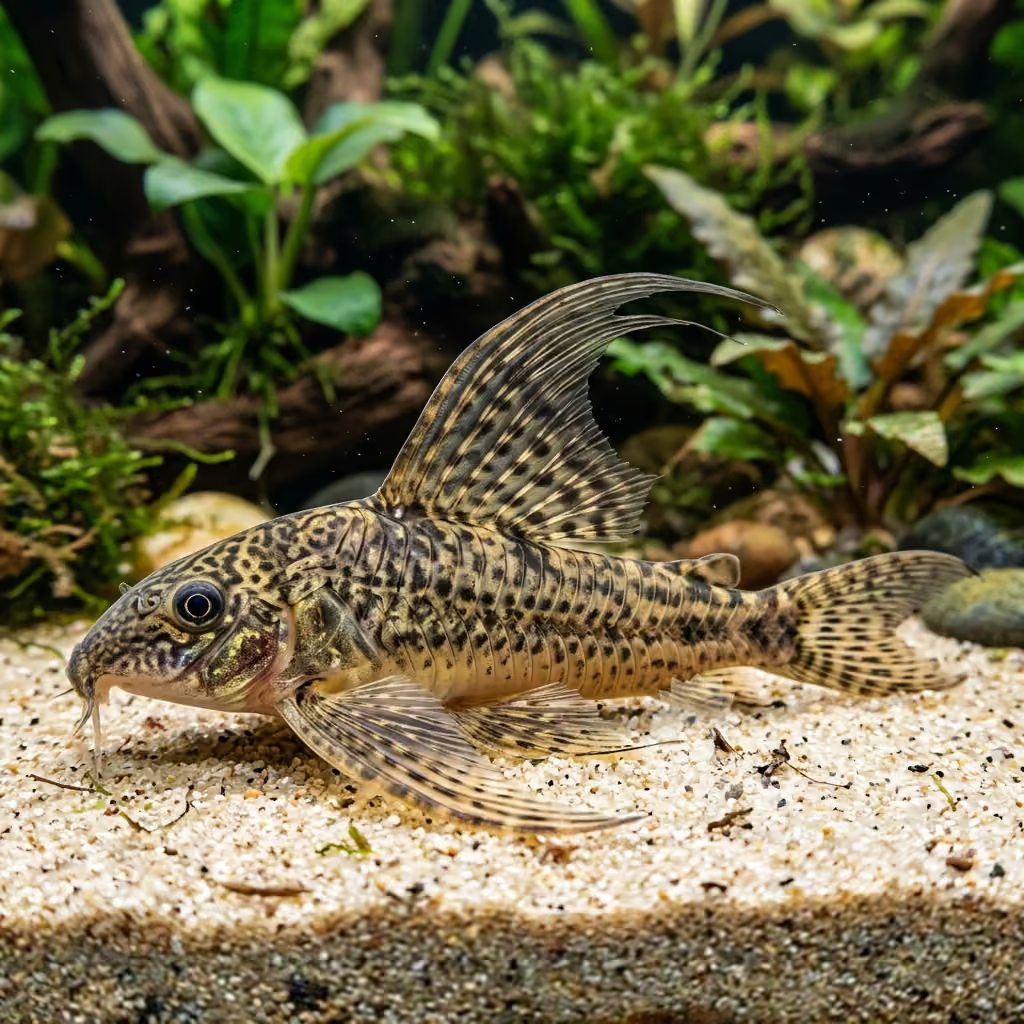
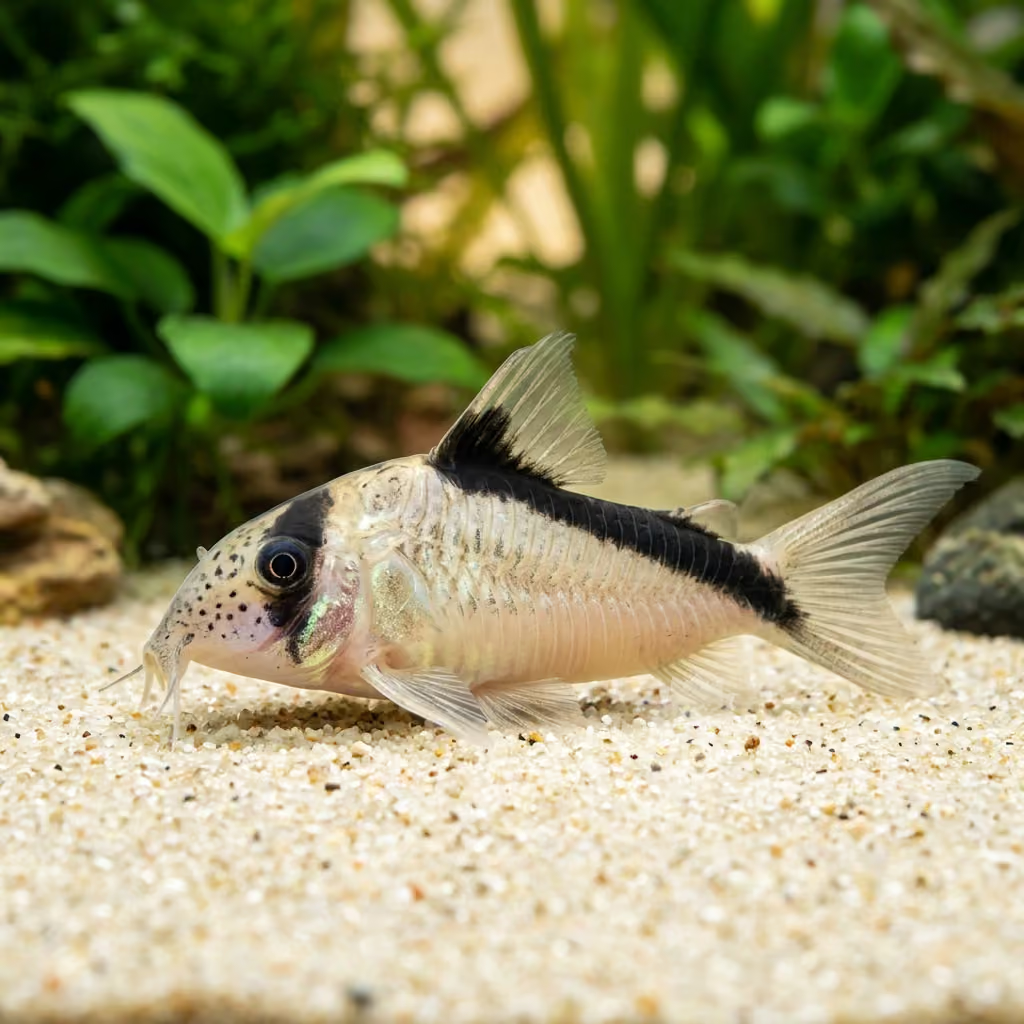
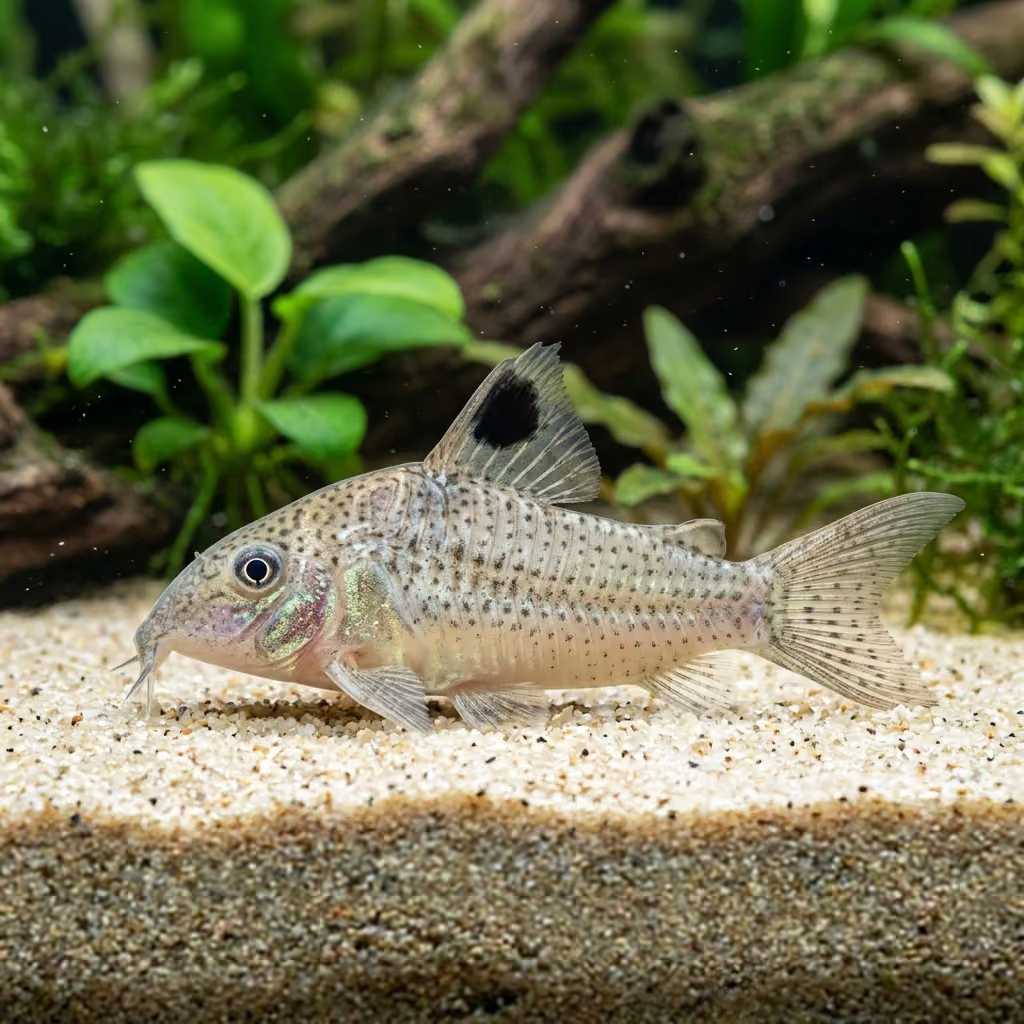
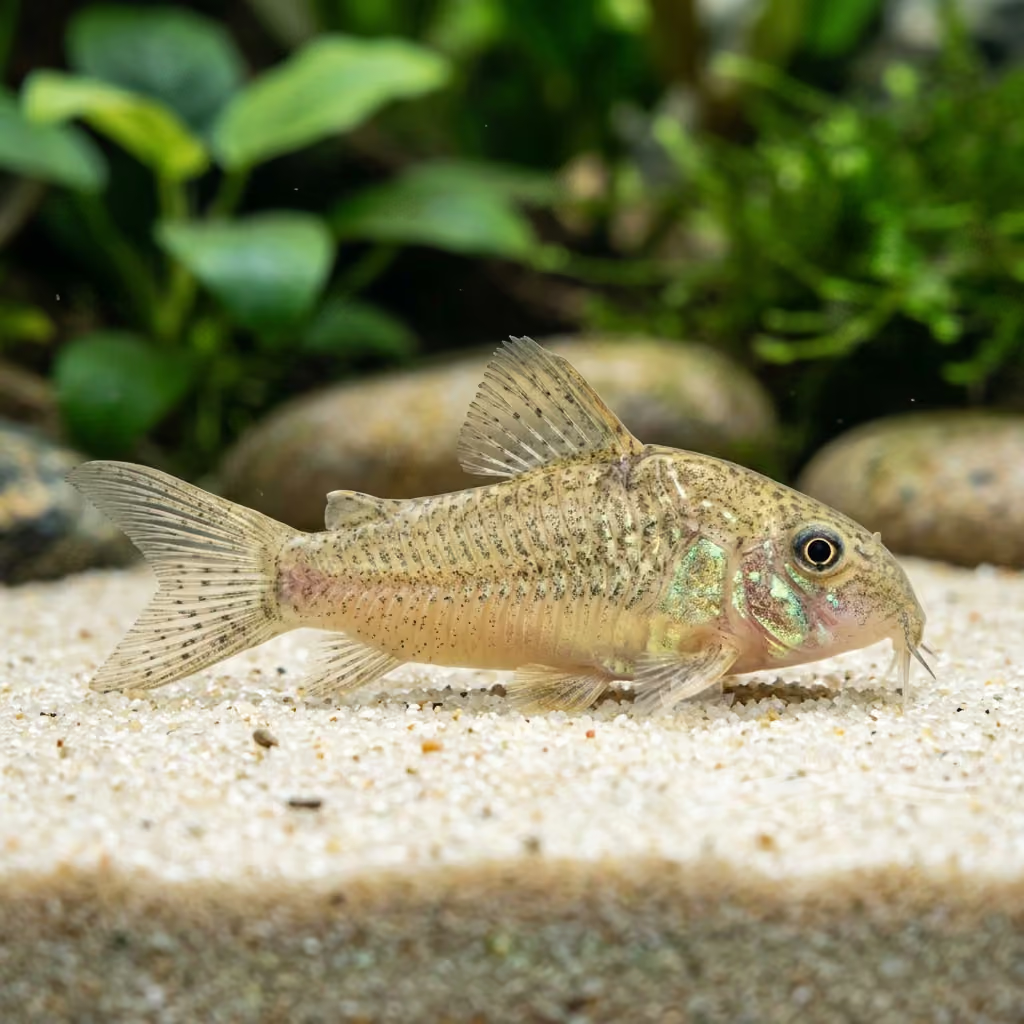
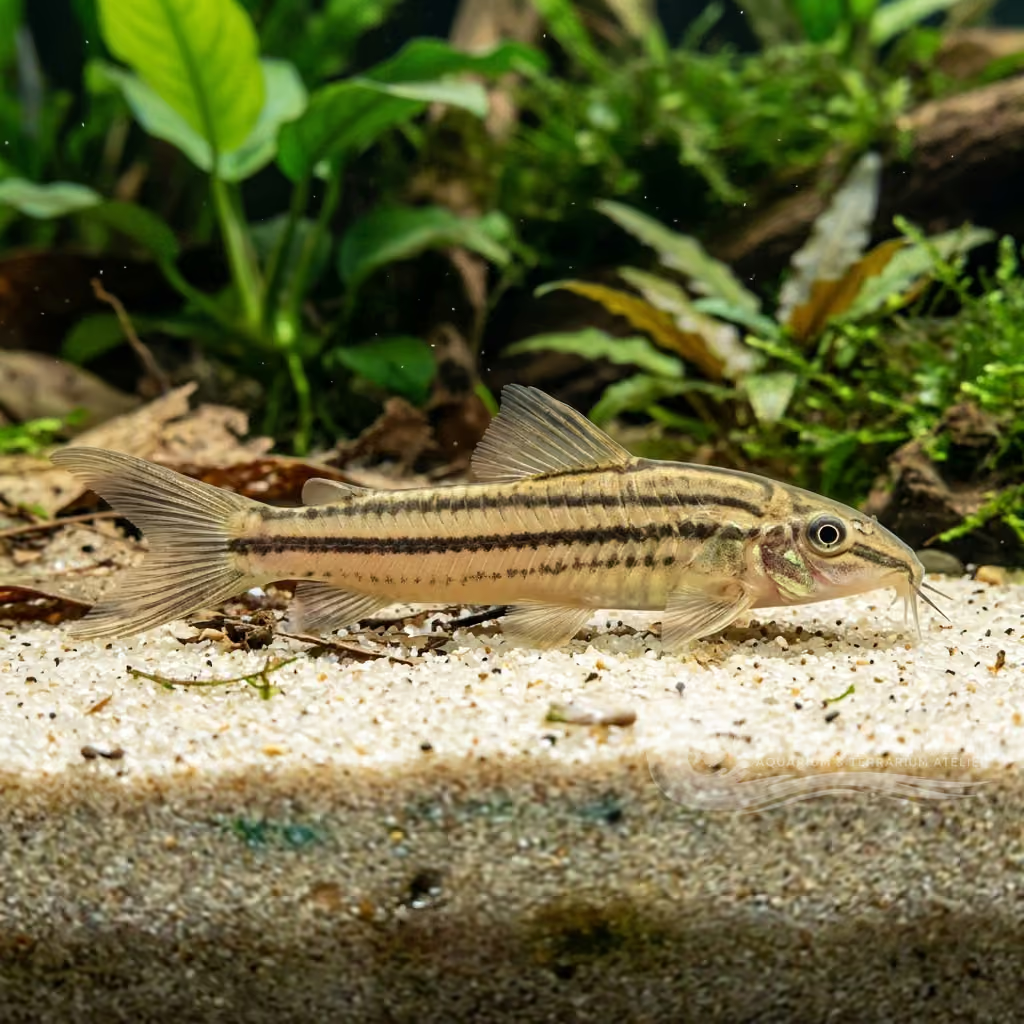
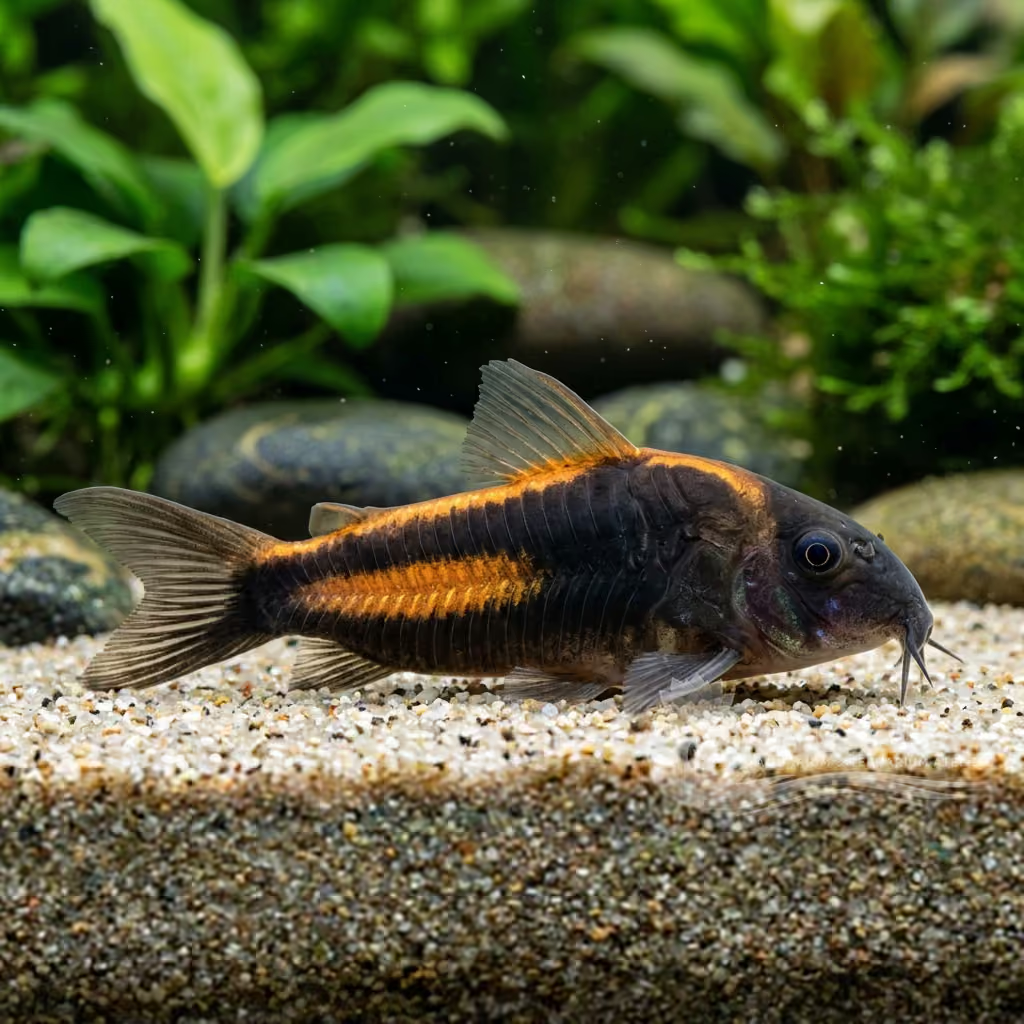
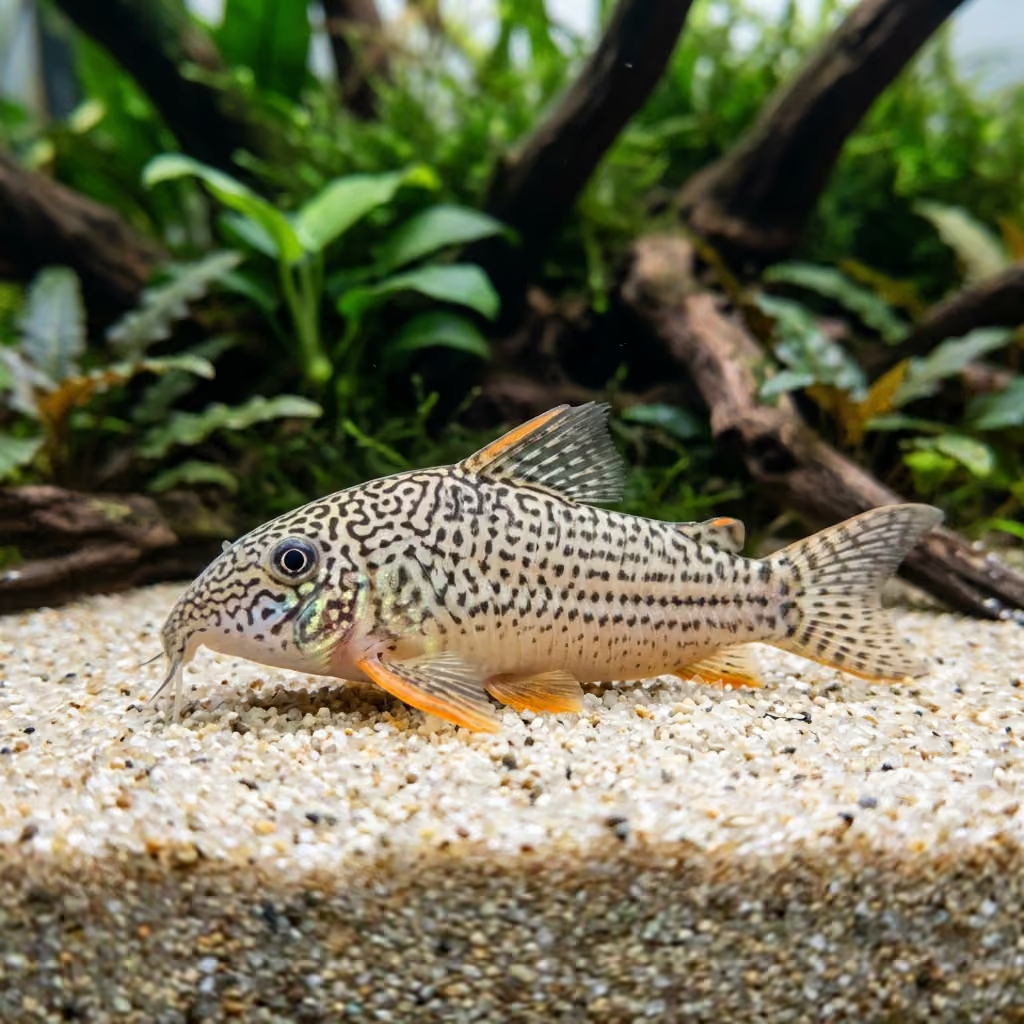
Coloration and Sexual Dimorphism: Sexual dimorphism is highly pronounced. Mature males are larger, have longer pectoral and dorsal fins, and develop a dense growth of bristles (odontodes) on the sides of their cheeks. They display a dark, gold-flecked checkerboard pattern. Females are smaller, less intensely colored, and lack cheek bristles.

Pflege, Zucht und Mitbewohner
Aquarium Setup: An aquarium of at least 100-120 liters with a large footprint is necessary. The substrate must consist of fine, rounded sand to prevent damage to their sensitive sensory barbels. Provide plenty of hiding spaces using driftwood, smooth rocks, and dense plantings. Adequate water flow and oxygenation are essential.
Diet and Feeding: Omnivorous and opportunistic bottom feeder. It will readily accept high-quality sinking pellets and tablets. Its diet should be supplemented with live or frozen foods such as bloodworms, tubifex, and brine shrimp. Feed them near dusk or when lights are off to ensure they get food before midwater fish.
Water Quality: Requires cooler, sub-tropical conditions. The ideal temperature range is 18-22°C (64-72°F); prolonged exposure to temperatures above 24°C (75°F) is detrimental to their health. Keep pH between 6.0 and 7.2, and GH between 2-12. Regular water changes are vital to keep nitrates below 20 ppm.
Compatibility and Cohabitation: Excellent choice for a sub-tropical community tank. Compatible with other cool-water species such as neon tetras, danios, and small plecos. Avoid housing them with warm-water tropical species, as the temperature requirements are incompatible. Do not keep with aggressive tankmates.
Aquarium Breeding: Spawning is triggered by heavy water changes using cooler, soft water. The male courts the female, forming a 'T-position' where eggs are fertilized. The female deposits adhesive eggs on glass surfaces or plant leaves. Parents should be removed immediately after spawning to protect the eggs.
Risks and Diseases: Highly susceptible to barbel erosion and subsequent bacterial infections if kept on sharp gravel or in poor water conditions. They are sensitive to copper medications, formalin, and elevated salt levels. Maintain excellent filtration and clean substrate to prevent infections.

Geografische Herkunft und Verbreitung
Scleromystax barbatus is endemic to the coastal rivers and forest streams of southeastern Brazil, specifically from the states of Rio de Janeiro to Santa Catarina. These waters are characterized by moderate to fast currents, cool temperatures, high oxygen levels, sandy bottoms, and accumulated leaf litter.
Ursprung
Selektive Züchtung und SortenExtra-Amazonas-Südamerika

Fischprofil
- Temperament
- Semi-aggressive
- They exhibit a peaceful and sociable temperament, making them ideal for community aquariums. They enjoy the company of their own kind and should be kept in small groups. They are generally shy and appreciate plenty of hiding spaces among plants and driftwood.
- Diät
- Omnivore
- They are omnivorous and primarily feed on small benthic invertebrates and detritus in the wild. In the aquarium, they will readily accept high-quality sinking pellets, wafers, and frozen foods like bloodworms or brine shrimp. A varied diet ensures optimal health and vibrant coloration.
- Lebenserwartung
- 5-15 years
- Erwachsenengröße
- 10 cm
- Geschlechterverhältnis
- Group
- It is best to keep them in groups with a ratio of one male to two or three females. Males can sometimes be territorial towards each other during breeding. Providing ample hiding spots helps reduce any potential aggression.
- Fütterungsfrequenz
- Twice daily
- Adults should be fed once or twice a day in small portions. It is important to ensure food reaches the bottom of the tank so they can graze naturally. Avoid overfeeding, as uneaten food can quickly foul the water quality.
- Bioload
- Medium
- This species has a moderate bioload that is manageable with regular maintenance. They produce a steady amount of waste typical for bottom-dwelling catfish of their size. Excellent filtration and regular water changes are required to keep nitrate levels low.
- Fluss
- Stagnant
- They prefer moderate water flow that simulates their natural riverine habitats in South America. A steady current helps maintain high oxygen levels, which these fish require. Powerheads or strong filter returns can provide the necessary circulation.
- Sprungrisiko
- No
- Reproduktion
- Oviparous
- Breeding can be achieved in captivity by providing a varied diet and performing cool water changes. Females will deposit adhesive eggs on broad leaves or the aquarium glass. The parents should be removed after spawning, as they may eat their own eggs.
- Kompatibilität & Tankkameraden
- Community
- They are generally peaceful and make excellent additions to a community tank of similar sized fish. It is best to avoid keeping them with very aggressive or large species that might outcompete them for food. They do particularly well when kept with calm, mid-water schooling fish.
- Tankfüllstand
- Bottom
- They are exclusively bottom dwellers that spend their time foraging along the substrate. A soft, sandy substrate is essential to protect their delicate barbels from damage. They rarely venture into the middle or upper levels of the water column.

Wissenschaftliche Modelle & Parameter
FishBase
Zugang zu den offiziellen wissenschaftlichen Daten der Art
FishBase v25.04Daten synchronisiert am: 15.06.2026
- Trophäenniveau
- 2,9 ± 0,3 se
- Belastbarkeit
- Hoch (weniger als 15 Monate)
- Phylogenetische Einzigartigkeit (PD50)
- 0.5078
- Bayessche Längen-Gewichts-Beziehung
- a = 0.01622, b = 2.96
- AnfälligkeitGeringe Anfälligkeit (10 / 100)

Verwandte Arten
Empfehlungen gruppiert nach nahen Verwandten, Auswahl von Begleitern und ähnlicher Betreuung.