Goldentail Moray
Gymnothorax miliaris
The Goldentail Moray is a solitary eel adorned with golden-yellow spots and a bright tail. It requires a tightly sealed, large aquarium with heavy rockwork and a meaty diet fed safely using tongs.
Wassertemperatur
22 - 27 °C
pH-Wert
8 - 8.5
Wassertyp
Meerwasser
Tankfüllstand
Unten
Erwachsenengröße
70 cm
Mindesttankvolumen
>= 380 L
Mindestgruppe
>= 1
KH
8 - 12 dKH

Artbeschreibung
Geographical Origin and Habitat: Western Atlantic, from Florida and Bermuda to southeastern Brazil, including the Caribbean Sea. Associated with shallow coral reefs and rocky drop-offs down to 35 meters.
Taxonomy and Morphology: Belongs to the family Muraenidae. Reaches 40-50 cm in captivity, up to 70 cm in the wild. Typified by an elongated eel-like body lacking pectoral and pelvic fins, with scaleless skin protected by thick mucus.
Social Behavior: Solitary and nocturnal. Spends daylight hours hidden in crevices with only its head protruding. While less aggressive than larger morays, it remains a stealthy hunter driven by scent.
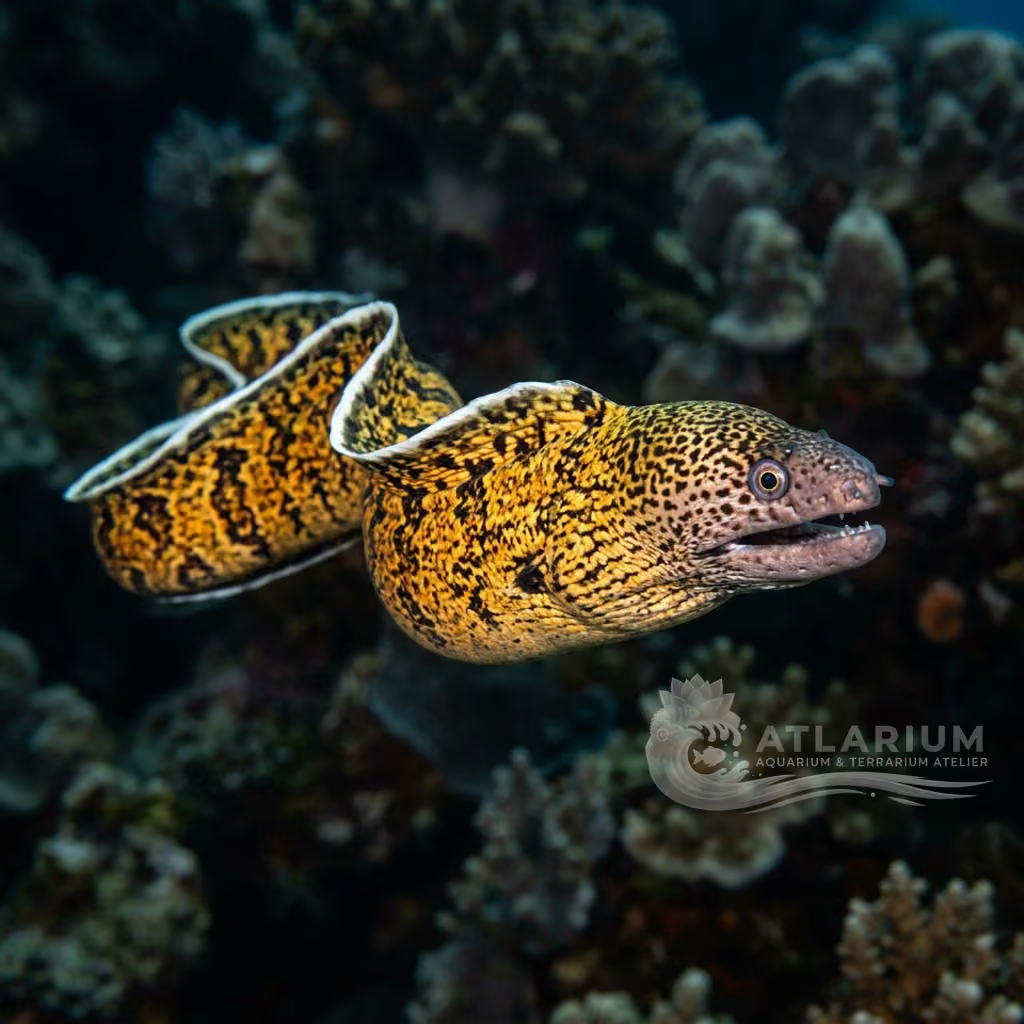
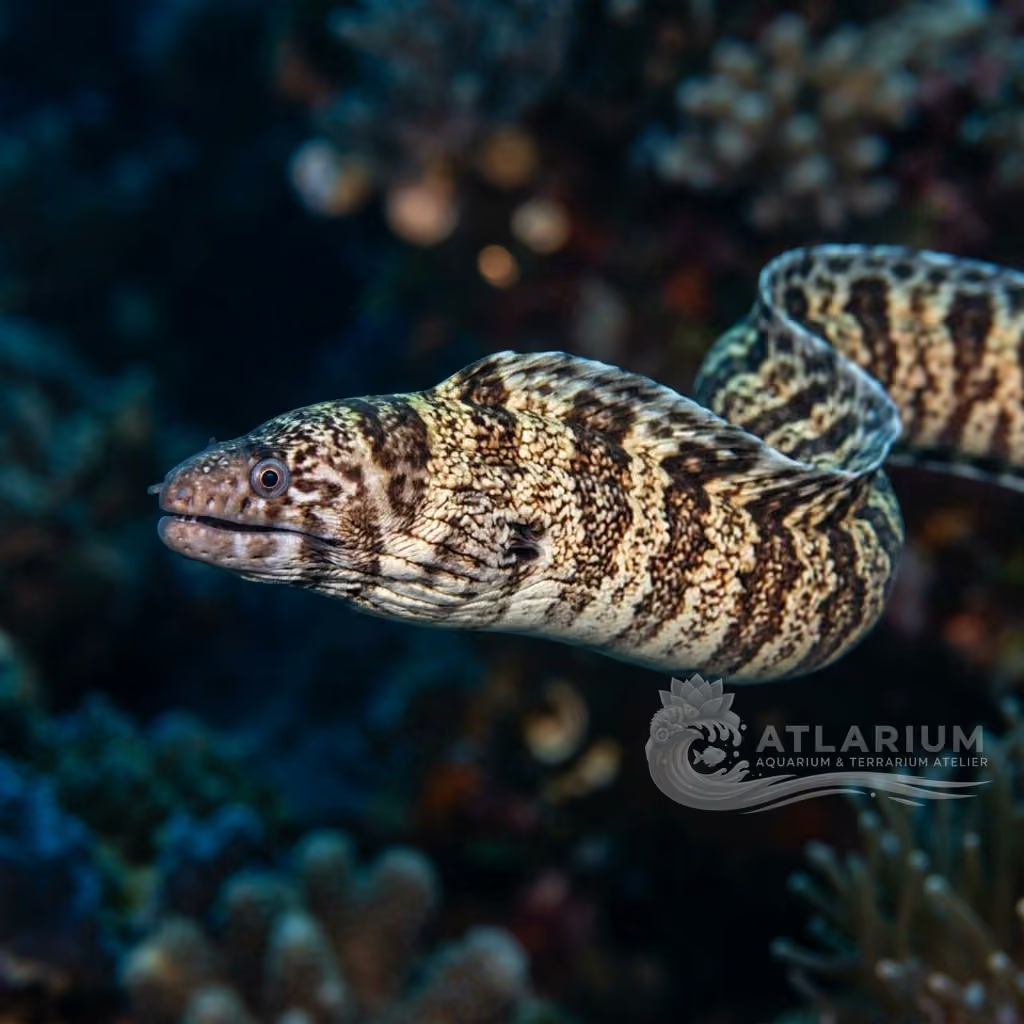
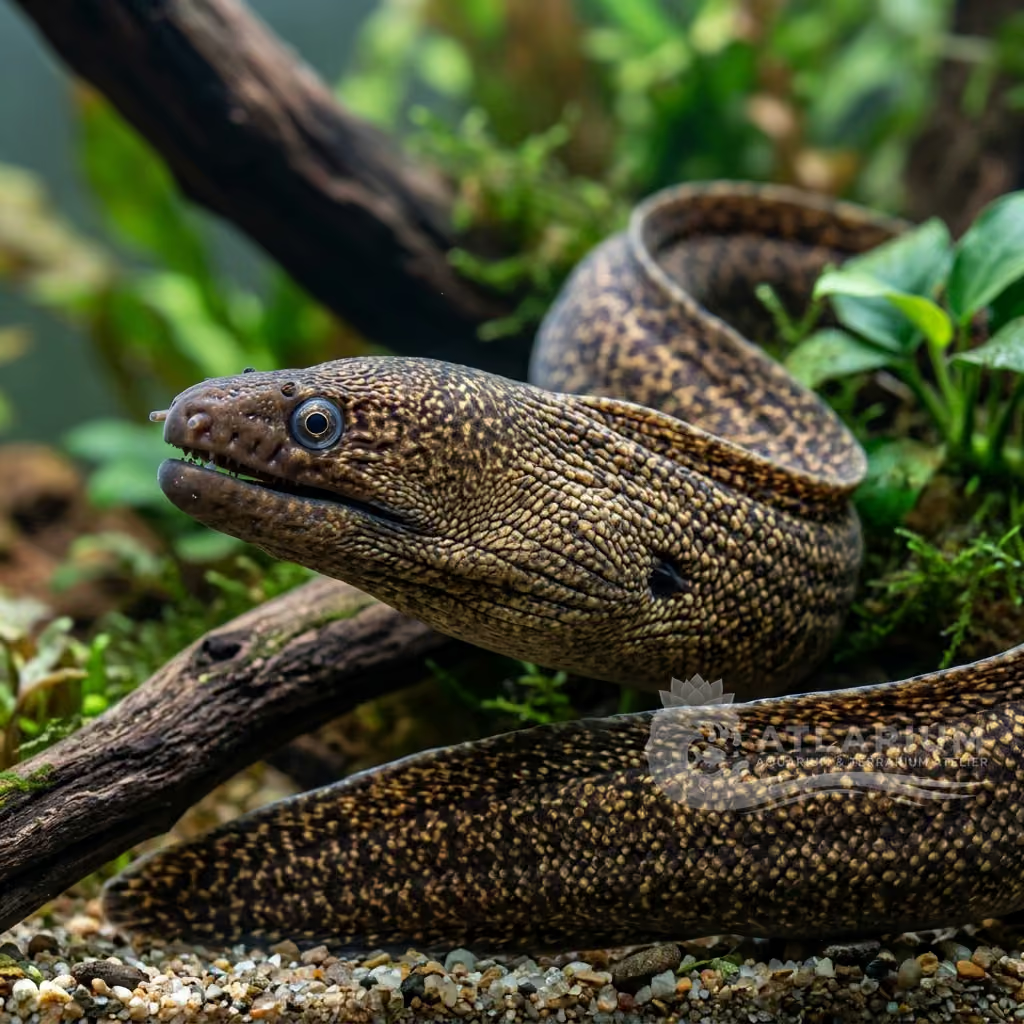
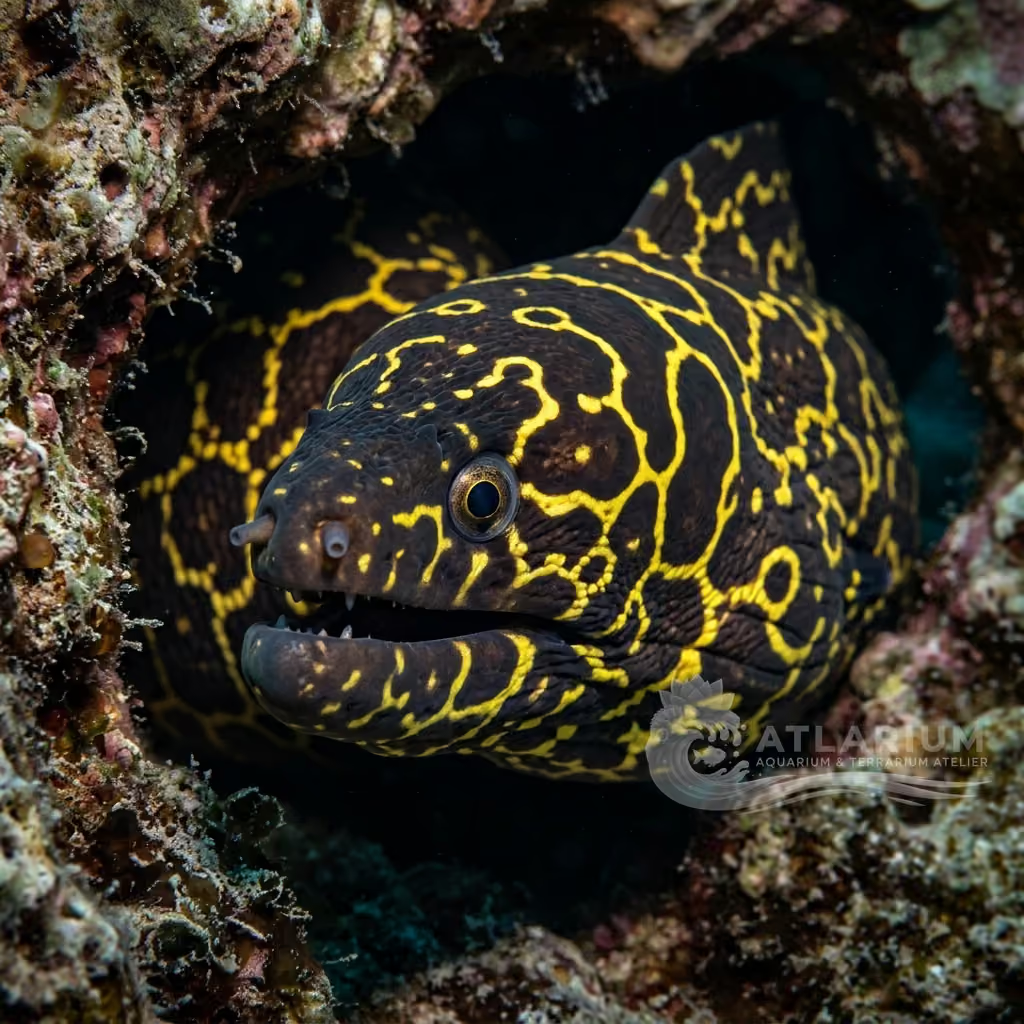
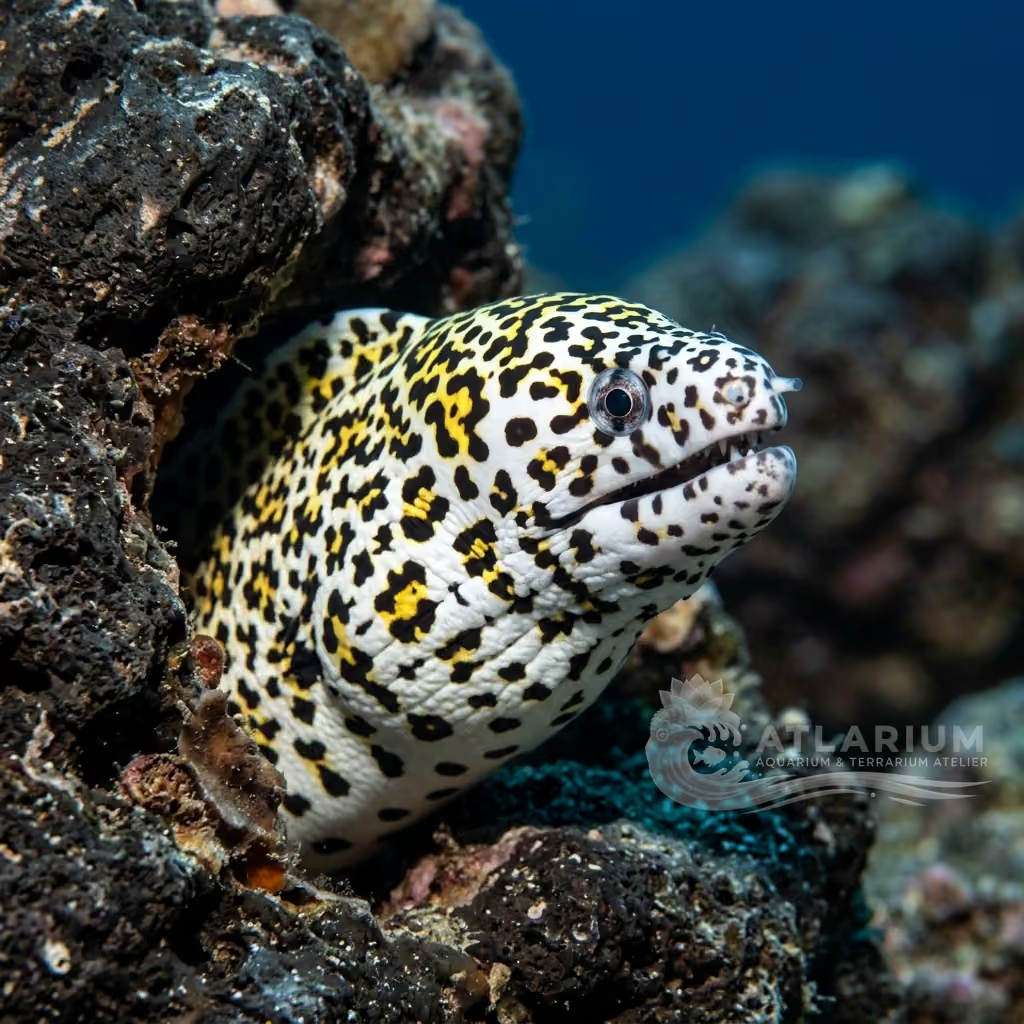
Coloration and Sexual Dimorphism: Dark brown or purple body densely speckled with small golden-yellow spots. The tip of the tail is a solid bright gold, giving it its common name. No external sexual dimorphism.

Pflege, Zucht und Mitbewohner
Aquarium Setup: Requires a tank of at least 380 liters (100 gallons). Secure rockwork is critical, as morays can easily dislodge unstable structures while digging.
Diet and Feeding: Exclusively carnivorous predator. Feed 1-2 times weekly using plastic tongs to offer chunks of fish, shelled shrimp, squid, or octopus. Never hand-feed.
Water Quality: Demands heavy filtration and an oversized skimmer to handle nitrogenous waste from meals. pH 8.0-8.5, specific gravity 1.020-1.026, temperature 22-27°C (72-80°F).
Compatibility and Cohabitation: Reef-safe with corals. Not compatible with small fish or ornamental crustaceans (like cleaner shrimp) which will be consumed. Good tankmates include tangs and large angels.
Aquarium Breeding: Breeding is impossible in aquariums. Pelagic eggs and the subsequent leptocephalus larval stage require open-ocean conditions.
Risks and Diseases: Extreme escape risk: capable of squeezing through incredibly small gaps. A tightly sealed lid with no open ports is mandatory. Painful bites if feeding response is triggered.

Geografische Herkunft und Verbreitung
Western Atlantic, from Florida and Bermuda to southeastern Brazil, including the Caribbean Sea. Associated with shallow coral reefs and rocky drop-offs down to 35 meters.
Ursprung
Tropische Ozeane und RiffeExtra-Amazonas-SüdamerikaMittelamerika und KaribikNordamerika

Fischprofil
- Temperament
- Territorial
- The Goldentail Moray is known for its striking appearance and generally bold, yet predatory temperament. While they are a threat to small fish and crustaceans, they are often surprisingly docile toward the aquarist and large tank mates. They spend most of their time observing the tank from their favorite cave, rhythmically breathing with their mouths open—a behavior often mistaken for aggression. Once acclimated, they can become quite interactive during feeding times, readily taking food from tongs. Despite their 'friendly' behavior, they are powerful predators that must always be respected and never hand-fed.
- Diät
- Carnivore
- They are obligate carnivores that require a varied diet of fresh and frozen meaty seafoods to maintain their vibrant coloration and health. An ideal diet includes pieces of raw shrimp, squid, clam, scallops, and appropriately sized silversides. It is strongly advised to use long feeding tongs to offer them food, as their eyesight is poor and their bite is incredibly strong. They can be trained to accept prepared frozen foods, which is much safer and more nutritious than offering live feeder fish. Soaking their food in vitamin supplements periodically will help prevent nutritional deficiencies.
- Lebenserwartung
- 10-15 years
- Erwachsenengröße
- 70 cm
- Geschlechterverhältnis
- Solitary
- There is no observable sexual dimorphism in this species, meaning males and females cannot be distinguished by external appearance. In the home aquarium, sex ratios are irrelevant as they should almost always be kept as single, solitary specimens. Attempting to house a male and female together, or multiple individuals of the same sex, typically results in extreme aggression. They are solitary hunters in the wild and do not form pairs or social groups outside of spawning events. A single Goldentail Moray makes a stunning and long-lived centerpiece for a large predator tank.
- Fütterungsfrequenz
- Weekly
- Adult Goldentail Morays have a slow metabolism and only require feeding once or twice a week to remain healthy and satiated. Overfeeding is a common mistake that can lead to rapid fat accumulation, fatty liver disease, and severe water quality issues. Offer them several appropriately sized pieces of food per meal until they lose interest and retreat into their rockwork. Juvenile specimens can be fed slightly more often, up to three times a week, to support their growth. It is completely normal for them to occasionally fast for several weeks without any ill effects.
- Bioload
- High
- The Goldentail Moray generates a very heavy bioload due to its carnivorous diet and moderately large size. They consume significant quantities of high-protein foods, which leads to large amounts of nitrogenous and physical waste in the aquarium. An oversized, robust filtration system and a highly efficient protein skimmer are absolutely mandatory to keep the water pristine. Regular, large-volume water changes must be strictly adhered to in order to prevent nitrate and phosphate accumulation. Failing to manage their waste output will rapidly degrade water quality and compromise the health of all tank inhabitants.
- Fluss
- Strong
- They thrive in environments with moderate to strong water flow, which helps simulate the dynamic ocean currents of their natural reef habitats. High flow rates are also crucial for keeping detritus suspended so it can be effectively removed by the filtration system before decaying. Powerheads should be positioned to ensure thorough circulation throughout the tank, eliminating any stagnant areas. However, it is essential that their rockwork provides deep, sheltered caves where they can rest completely shielded from the current. Good surface agitation is necessary to maintain the high oxygen levels they require.
- Sprungrisiko
- Yes
- Like all morays, the Goldentail is a notorious and persistent escape artist with a very high risk of jumping or slithering out of the aquarium. A completely sealed, heavy-duty lid is an absolute necessity to keep them safely contained. They will actively probe the surface for any weaknesses or small gaps around equipment, plumbing, or cords. Even a slightly unweighted glass canopy can be easily pushed open by their muscular bodies. Ensuring the tank is perfectly escape-proof is the most important step before introducing one of these eels.
- Reproduktion
- Oviparous
- Captive breeding of the Goldentail Moray has never been successfully accomplished in the home aquarium. In their natural habitat, they are broadcast spawners that release their gametes into the pelagic zone to be dispersed by ocean currents. The eggs hatch into transparent, ribbon-like leptocephali larvae that drift with the plankton for an extended period. The immense water volume, specific dietary needs, and environmental cues required for larval survival make captive breeding practically impossible. Therefore, all specimens encountered in the hobby are responsibly wild-caught.
- Kompatibilität & Tankkameraden
- Semi-aggressive
- While they are less aggressive than some larger morays, they are still formidable predators that will consume any fish or crustacean small enough to swallow. They should only be kept with robust, large-bodied fish such as tangs, large angels, groupers, and triggers. Avoid housing them with small or slow-moving species that could easily become a midnight snack. Keeping multiple Goldentail Morays or mixing them with other eel species can be very risky and often results in severe territorial fighting. They are generally best kept as the solitary eel in a large, aggressive community setup.
- Tankfüllstand
- Bottom
- They are strictly benthic animals that spend their lives intricately intertwined within the lower levels of the reef structure. A highly complex aquascape featuring copious amounts of sturdy, porous live rock is absolutely essential for their well-being. They need multiple deep caves and crevices where they can completely hide their long bodies, leaving only their heads exposed. They rarely swim out into the open water column unless it is feeding time or they are actively hunting in the dark. It is vital to ensure the rockwork is firmly secured, as their powerful movements can easily cause rock slides.

Wissenschaftliche Modelle & Parameter
FishBase
Zugang zu den offiziellen wissenschaftlichen Daten der Art
FishBase v25.04Daten synchronisiert am: 15.06.2026
- Trophäenniveau
- 3,9 ± 0,63 se
- Belastbarkeit
- Mittel (1,4 - 4,4 Jahre)
- Phylogenetische Einzigartigkeit (PD50)
- 0.5
- Bayessche Längen-Gewichts-Beziehung
- a = 0.00098, b = 3.24
- AnfälligkeitMäßige bis hohe Anfälligkeit (48 / 100)

Verwandte Arten
Empfehlungen gruppiert nach nahen Verwandten, Auswahl von Begleitern und ähnlicher Betreuung.