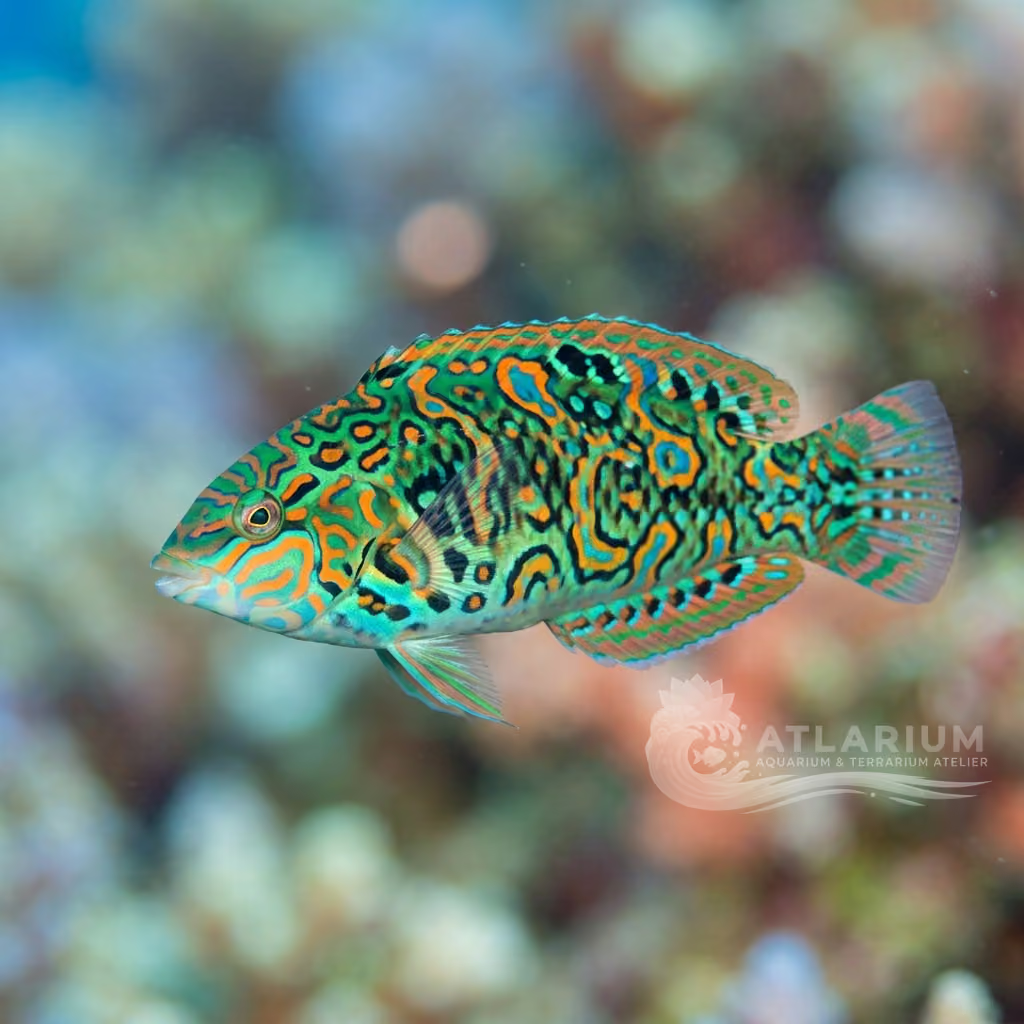
Redtail wrasse
Anampses chrysocephalus
The Red-tail Wrasse is a stunning, deep-water marine fish endemic to Hawaii. It is an active swimmer that requires a large aquarium with a deep, fine sand bed for nocturnal burrowing.
Wassertemperatur
22 - 28 °C
pH-Wert
8 - 8.5
Wassertyp
Meerwasser
Tankfüllstand
Unten und in der Mitte
Erwachsenengröße
17 cm
Mindesttankvolumen
>= 280 L
Mindestgruppe
>= 1
KH
8 - 12 dKH

Artbeschreibung
Geographical Origin and Habitat: Anampses chrysocephalus is strictly endemic to the Hawaiian Islands and Johnston Atoll in the Central Pacific. It inhabits seaward reefs, rocky shores, and coral-rich slopes exposed to moderate surge, at depths ranging from 10 to 50 meters. It frequents environments featuring a mix of vertical rock faces, rich coral growth, and wide sand patches on the reef floor. Juveniles tend to remain in shallower, more sheltered coastal zones.
Taxonomy and Morphology: It belongs to the family Labridae and the genus Anampses. It features an elongated, laterally compressed body with a terminal mouth equipped with two distinct, forward-projecting teeth used to pluck small invertebrates from rock crevices. Like other members of its genus, it has large scales and swims with a characteristic undulating, flapping motion of its pectoral fins. It reaches a length of 15-18 cm.
Social Behavior: Wrasses of this species are active diurnal swimmers and are highly peaceful toward other fish. They are protogynous hermaphrodites: all specimens are born female, and dominant individuals can transition into males. In the wild, they live in small, loose harems consisting of a single dominant male and several females. They have the critical habit of burrowing completely into fine sand at night to sleep or when threatened.
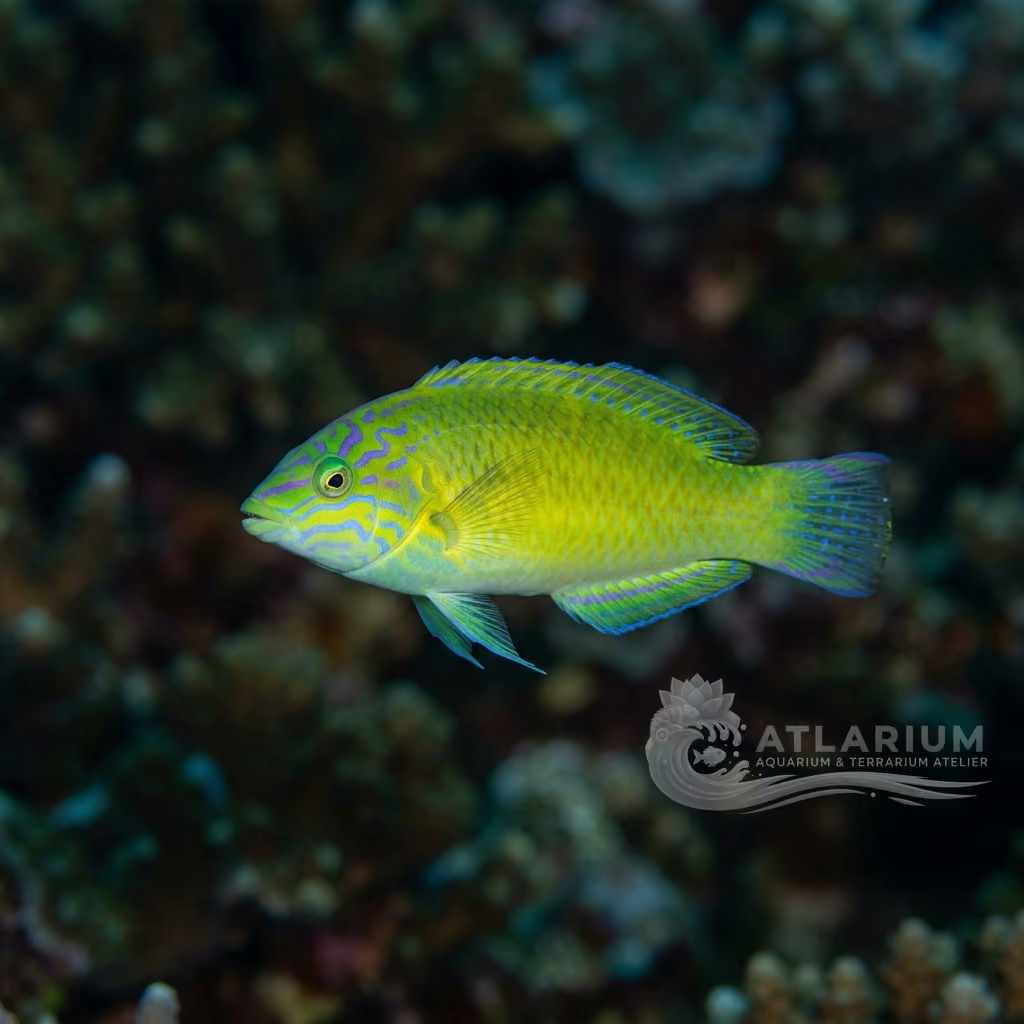
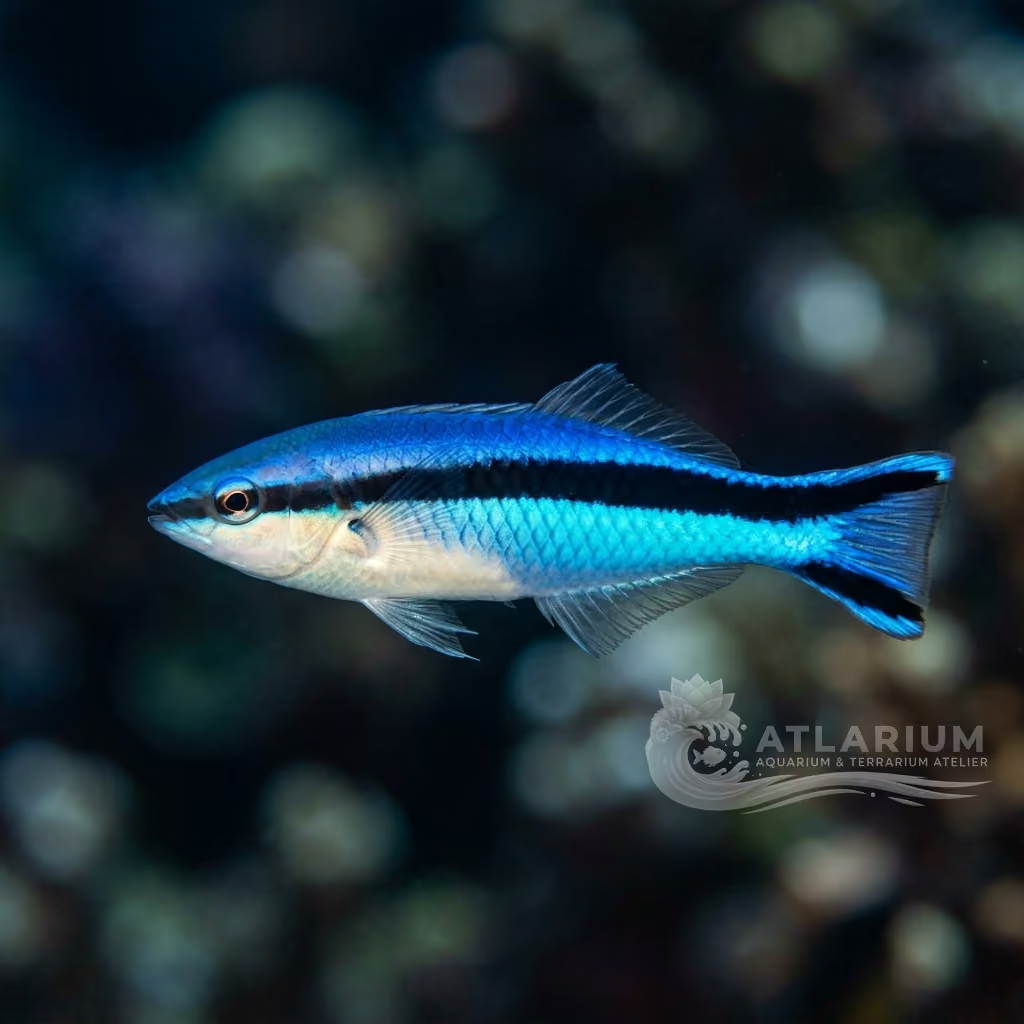
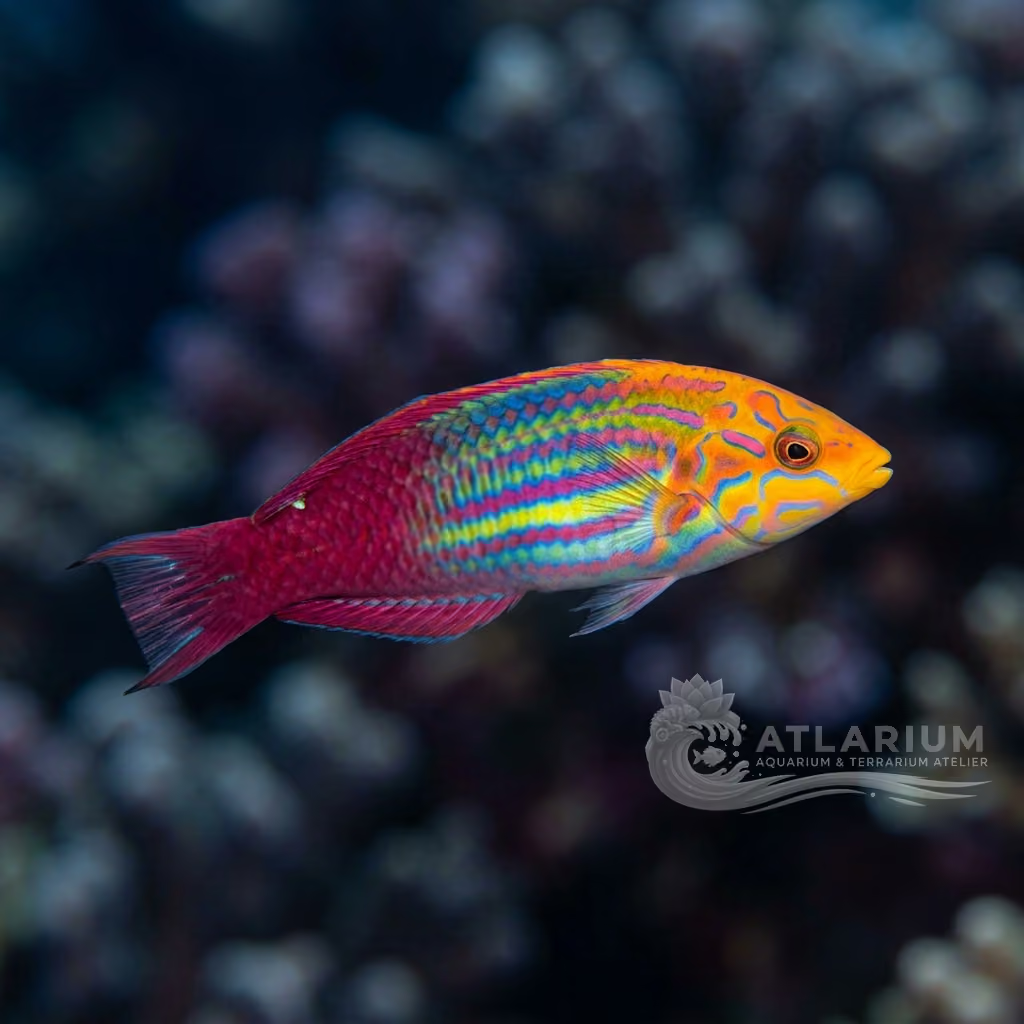
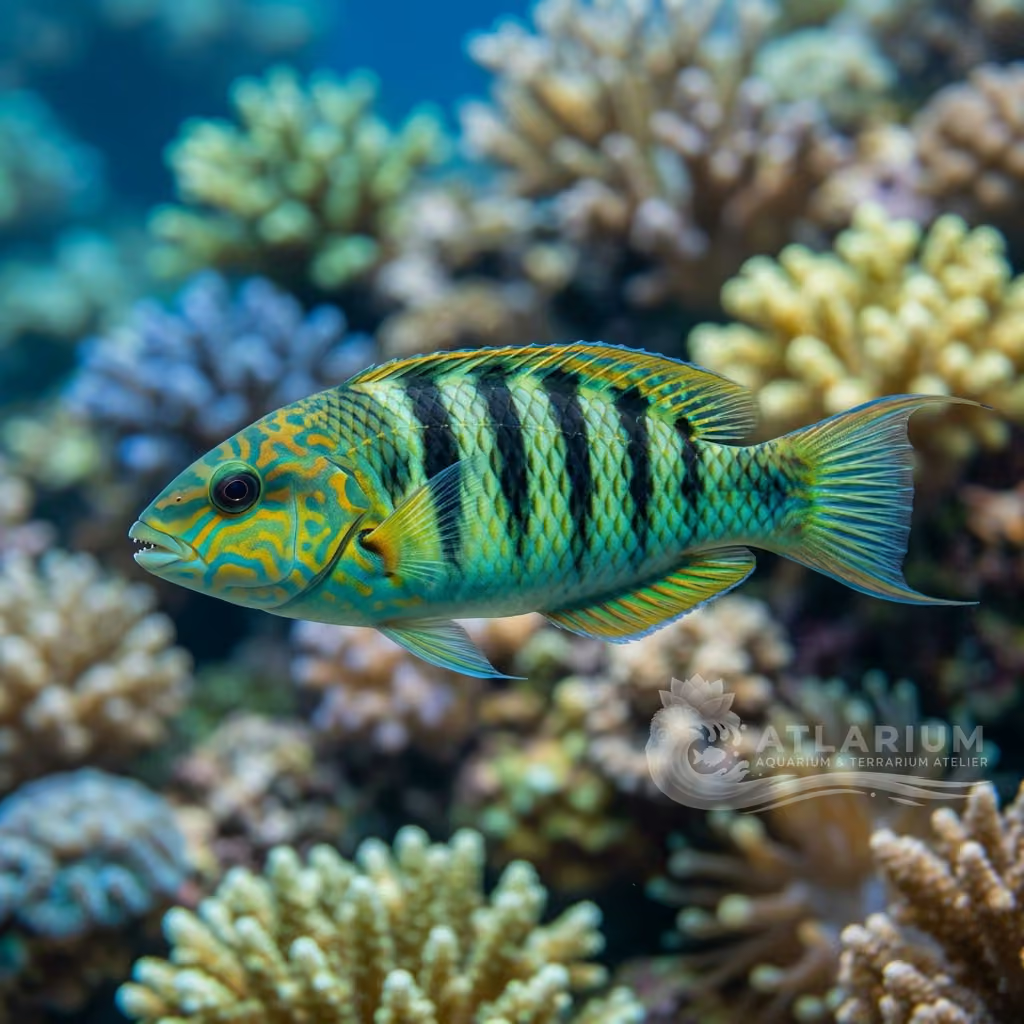
Coloration and Sexual Dimorphism: This species exhibits striking and extreme sexual dimorphism. The female features a velvety dark brown to black body covered with tiny white spots on each scale, and a bright, solid red caudal fin. The male (terminal phase) displays an orange-brown body with blue spots, a vibrant blue head decorated with yellow-orange lines, and a red caudal fin bordered by a bright neon blue margin.

Pflege, Zucht und Mitbewohner
Aquarium Setup: Requires a mature and spacious marine aquarium of at least 300 liters. The most critical and non-negotiable setup requirement is a deep sand bed (at least 5-8 cm) composed of very fine, non-sharp sand (avoid coarse gravel, crushed coral, or shell fragments). Without an appropriate sand substrate for nocturnal burrowing, the fish will suffer fatal stress or severe mechanical damage to its mouth trying to dig.
Diet and Feeding: It is a specialized micro-predator that is exceptionally difficult to feed in captivity. Wrasses of this species require frequent feedings (at least 3-4 times a day) of high-quality small frozen foods like copepods, mysis shrimp, brine shrimp, and lobster eggs. A well-established tank with a high natural population of copepods on the live rock is highly beneficial. They usually refuse dry foods initially.
Water Quality: Demands pristine and highly stable water parameters: temperature 23-26 °C, pH 8.1-8.4, specific gravity 1.020-1.025, and KH 8-12. They are highly sensitive to nitrate accumulation and salinity drops. An efficient filtration system with an oversized protein skimmer is necessary to handle organic waste while keeping the water crystal clear.
Compatibility and Cohabitation: It is 100% reef-safe and will not harm corals or clams, though it may consume very small ornamental shrimp. It is a peaceful, timid fish that should not be housed with aggressive, fast-moving, or highly territorial tankmates (such as large tangs or triggerfish) that could intimidate it and prevent it from emerging from the sand to feed.
Aquarium Breeding: Captive breeding is currently considered unfeasible in home aquariums, and no successful spawnings have been reported. Mating rituals involve intense color changes by the male. Spawning is pelagic in the open water column. The larvae undergo a complex planktonic phase, requiring microscopic live feeds that are difficult to cultivate.
Risks and Diseases: Wrasses of this species have an extremely high mortality rate during shipping and acclimation. Primary risks include mouth injuries from digging in coarse substrates, starvation from inadequate feeding frequency, and shipping stress. They are highly susceptible to common marine parasites if their immune system is compromised.

Geografische Herkunft und Verbreitung
Anampses chrysocephalus is strictly endemic to the Hawaiian Islands and Johnston Atoll in the Central Pacific. It inhabits seaward reefs, rocky shores, and coral-rich slopes exposed to moderate surge, at depths ranging from 10 to 50 meters. It frequents environments featuring a mix of vertical rock faces, rich coral growth, and wide sand patches on the reef floor. Juveniles tend to remain in shallower, more sheltered coastal zones.
Ursprung
Tropische Ozeane und Riffe

Fischprofil
- Temperament
- Territorial
- This wrasse exhibits a generally peaceful temperament towards other fish species, making them suitable for reef communities. However, they can be highly territorial and aggressive towards members of their own genus or other closely related wrasses. They are active, constant hunters that will spend their day inspectively picking at rocks for microfauna. While non-aggressive to most tankmates, their active nature may stress very shy or passive species.
- Diät
- Carnivore
- The Redtail Wrasse is a strict carnivore that naturally preys on a wide variety of small benthic invertebrates, copepods, and small crustaceans. In the home aquarium, they can be extremely difficult to feed initially, often requiring live food such as copepods, brine shrimp, or blackworms to trigger a feeding response. Once acclimated, they should be offered a variety of high-quality frozen meaty foods like mysis shrimp, krill, and enriched Artemia. Having a mature aquarium with a self-sustaining copepod population is highly beneficial to prevent starvation.
- Lebenserwartung
- 5-7 years
- Erwachsenengröße
- 17 cm
- Geschlechterverhältnis
- Harem
- In their natural habitat, these wrasses are protogynous hermaphrodites that form small groups composed of one dominant male and a harem of females. In captivity, it is recommended to house them either singly or as a harem of one male and multiple females introduced simultaneously. Keeping multiple males in the same tank is not advised, as they will fight aggressively for dominance. If starting with a group of immature females, the largest and most dominant individual will eventually transition into a terminal-phase male.
- Fütterungsfrequenz
- Twice daily
- Because of their rapid metabolism and high activity levels, Anampses chrysocephalus must be fed multiple times a day. It is highly recommended to feed them at least three times daily in small portions to ensure they receive adequate nutrition. If a mature aquarium has a thriving population of copepods and amphipods, it will provide constant foraging opportunities between feedings. Neglecting their frequent nutritional requirements can quickly lead to wasting and health decline.
- Bioload
- Medium
- Anampses chrysocephalus is an active swimmer with a fast metabolism, resulting in a medium biological load. They require frequent feedings of high-protein meaty foods, which can quickly degrade water quality if not managed properly. A highly efficient filtration system, including a powerful protein skimmer, is essential to keep nutrient levels low. Regular water changes and a well-established nitrogen cycle are also critical to ensure a stable environment.
- Fluss
- Strong
- This species is native to reef slopes and surge zones, meaning they thrive in moderate to strong water flow. Vigorous circulation helps keep the water well-oxygenated and replicates their natural marine environment. Strong flow also helps suspended food particles move, encouraging their natural hunting behaviors. However, there should also be calmer zones near the sand bed where they can rest and burrow without fighting heavy currents.
- Sprungrisiko
- Yes
- Anampses chrysocephalus carries a very high risk of jumping, especially when startled, stressed, or during their acclimation phase. They can easily propel themselves out of the water, making a tight-fitting, secure lid or screen cover an absolute necessity. Even minor disturbances, such as turning on the lights or sudden movements near the tank, can trigger this flight response. A thick cover of mesh or glass is the best way to prevent tragic accidents.
- Reproduktion
- Protogynous hermaphrodite
- Breeding Anampses chrysocephalus in a home aquarium is exceptionally difficult and rarely achieved. They are protogynous hermaphrodites and pelagic spawners, releasing their eggs and sperm directly into the water column where the currents disperse them. In captivity, simulating the seasonal cues and depth required for successful spawning is highly complex. Additionally, raising the delicate pelagic larvae requires specialized live food and is beyond the scope of standard hobbyists.
- Kompatibilität & Tankkameraden
- Peaceful
- They are highly compatible with peaceful community reef fish, such as anthias, gobies, and larger, non-aggressive species. They should not be housed with aggressive tankmates like large dottybacks, damselfish, or highly territorial wrasses that might intimidate them. Furthermore, they are safe with most corals but may prey on small ornamental invertebrates, fanworms, and tiny ornamental shrimp. Keeping them with passive fish ensures they can feed without competition, which is crucial for their survival.
- Tankfüllstand
- Middle/Bottom
- This species is highly active and spends most of its day actively swimming in the middle and bottom zones of the aquarium, searching for food. However, they also require direct access to a deep sand bed at the bottom of the tank, where they will bury themselves to sleep or when frightened. Consequently, they utilize almost all levels of the aquarium, but are primarily classified as swimming in the bottom-middle areas. Providing open swimming space combined with rocky structures is key to their comfort.

Wissenschaftliche Modelle & Parameter
FishBase
Zugang zu den offiziellen wissenschaftlichen Daten der Art
FishBase v25.04Daten synchronisiert am: 15.06.2026
- Trophäenniveau
- 3,5 ± 0,37 se
- Belastbarkeit
- Hoch (weniger als 15 Monate)
- Phylogenetische Einzigartigkeit (PD50)
- 0.5002
- Bayessche Längen-Gewichts-Beziehung
- a = 0.00977, b = 3.07
- AnfälligkeitGeringe Anfälligkeit (10 / 100)

Verwandte Arten
Empfehlungen gruppiert nach nahen Verwandten, Auswahl von Begleitern und ähnlicher Betreuung.