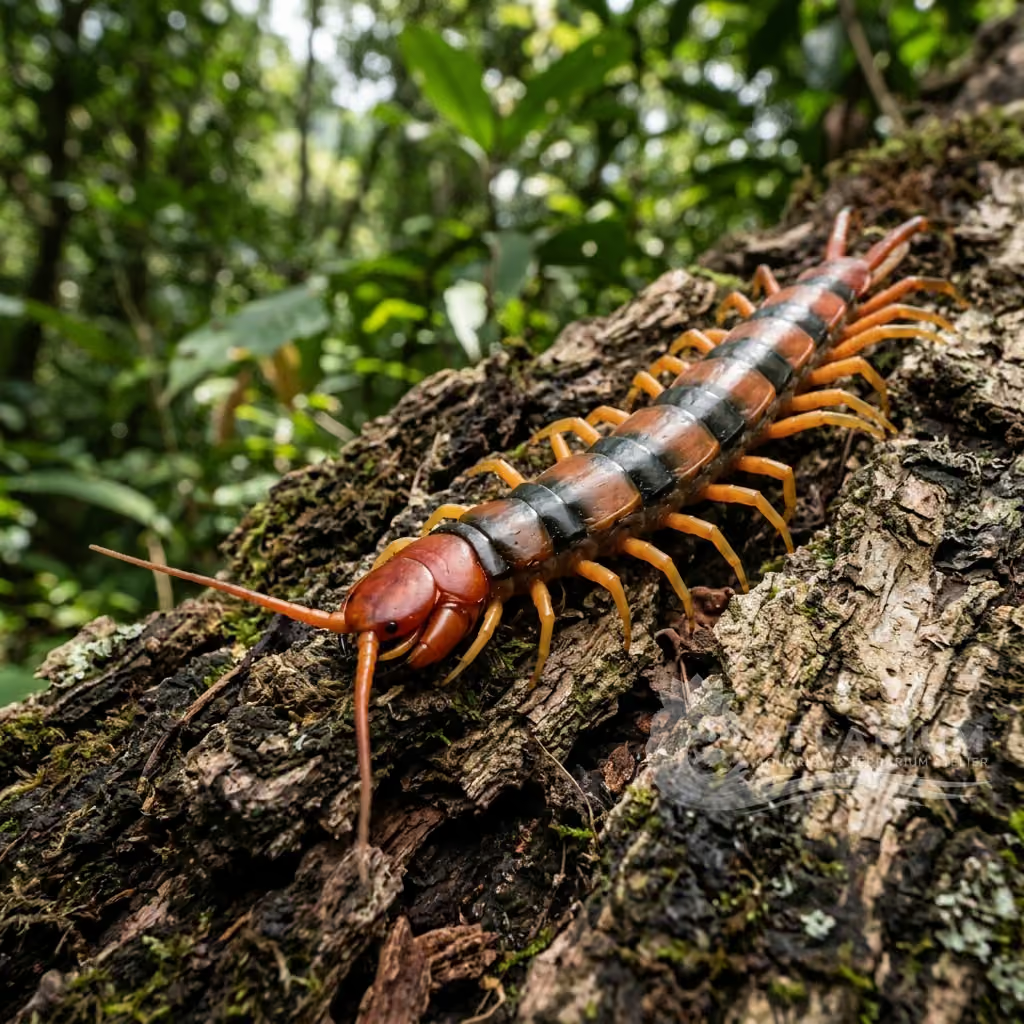
California Forest Scorpion
Uroctonus mordax
The Uroctonus mordax, the 'California Forest Scorpion'. Classified in the Chactidae family, it is the only North American scorpion adapted to the cold and humid redwood and pine forests of the Pacific coast. Of modest size (1.5-2.3 inches), it exhibits a very dark mahogany or chocolate brown color. In stark contrast to classic US desert scorpions, the mordax requires a humid forest terrarium and, above all, tolerates (and requires) very low temperatures (no higher than 68-72°F, suffering lethal damage if exposed to heat). Harmless, stocky and, the real challenge of breeding is maintaining the delicate balance between high humidity and constant cool climate, preventing deadly mycosis attacks.
Terrestre
60 - 80 %
18 - 24 °C
15 - 18 °C

Descrição da espécie

Cuidado, criação e companheiros de tanque

Origem e distribuição geográfica
Origem

Perfil de invertebrados terrestres
- Dieta
- Carnivore
- It is an insectivore that primarily feeds on very small prey items suitable for its size, including small insects, terrestrial isopods, small spiders, and occasionally tiny worms.
- Tamanho adulto
- 5 cm
- Estilo de vida/Microhabitat
- Terrestrial
- This species exhibits a terrestrial and slightly fossorial lifestyle. It heavily prefers cool, damp, heavily forested environments. It is not a deep burrower, preferring to utilize existing natural ground cover.
- Ciclo de atividades
- Nocturnal
- It is predominantly nocturnal. During the daylight hours, it remains heavily concealed under rotting logs, large rocks, or loose bark in cool, damp forests, becoming active only at night.
- Socialidade
- Solitary
- They can sometimes be kept in small groups if heavily and consistently fed, and provided with immense space and numerous hiding spots. However, strict solitary housing is always the safest option.
- Reprodução
- Oviparous
- They are viviparous, giving birth to live young. Like other scorpions, the mother carries the delicate scorplings on her back until they complete their first molt and disperse.
- Venenoso
- Yes
- Tolerância de tratamento
- Tolerant
- While they are generally quite docile and rarely attempt to sting, direct physical handling is still unnecessary and highly stressful for the scorpion, so it should generally be avoided.
- Brumação
- Não obrigatório
- It naturally experiences very cool, wet winters. It strictly requires cooler overall temperatures compared to most scorpions, and significantly benefits from a dedicated winter cooling period in captivity.
- Muda
- Periodic
- Molting typically occurs under natural cover. It absolutely requires consistently high humidity levels in its enclosure to ensure successful and complete ecdysis (molting) without getting stuck.

Espécies relacionadas
Recomendações agrupadas por parentes próximos, escolhas de acompanhantes e cuidados semelhantes.