Sulawesi Rabbit Snail
Tylomelania sp.
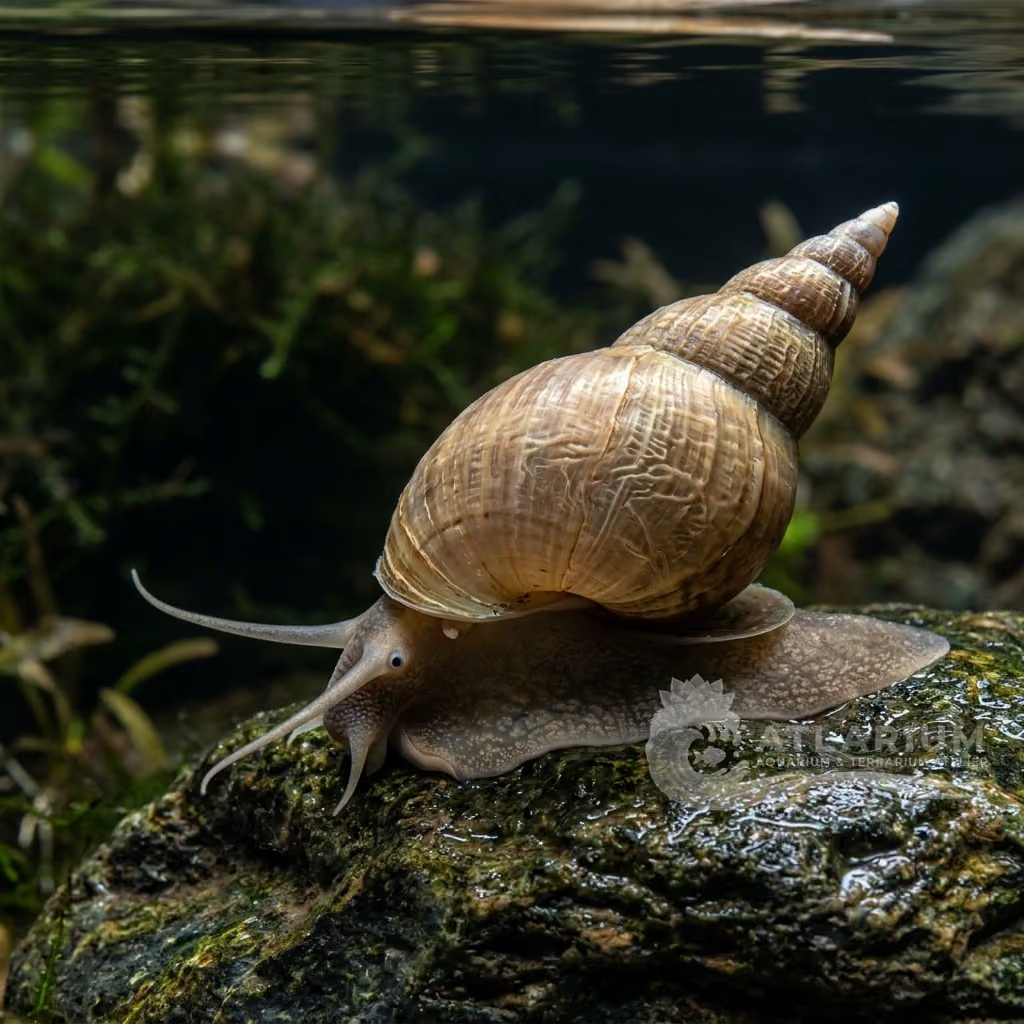
The Sulawesi Rabbit Snail, featuring a distinct long snout and unique, peaceful behaviors. Thrives in warm, alkaline water. Geographical Origin and Habitat: Snails of the genus Tylomelania...
Temperatura da água
26 - 30 °C
Valor de pH
7.5 - 8.5
Tipo de água
Água doce
Tipo invertebrado
Freshwater snail
Tamanho adulto
10 cm
Grupo mínimo
>= 1
GH
8 - 15 dGH
KH
4 - 10 dKH
TDS
200 - 500 ppm
Papel ecológico
Herbivore
Sensibilidade ao cobre
High

Descrição da espécie
Geographical Origin and Habitat: Snails of the genus Tylomelania are endemic to the ancient lakes of Sulawesi, Indonesia, particularly the Malili lake system (Lake Towuti, Lake Matano) and Lake Poso. They inhabit shallow rocky and sandy shores characterized by warm, oxygen-rich, and alkaline waters.
Taxonomy: Belonging to the family Pachychilidae, these snails grow to 4-8 cm depending on the species. They feature a long, heavy, sculpted conical shell. Their muscular foot is wrinkled, and they have a distinct, elongated, trunk-like snout resembling a rabbit's face.
Social Behavior: Peaceful, curious, and active. They move across the substrate by pulling their heavy shells forward in a unique hitching motion. They do not bother fish or dwarf shrimp. They are diurnal but can be shy under high-intensity lighting.
Coloration and Sexual Dimorphism: The shell is dark brown or black. The body is highly striking, coming in bright yellow, orange, or black speckled with gold or white spots. They are gonochoric (separate sexes) but show no external sexual dimorphism. They are livebearers.

Cuidado, criação e companheiros de tanque
Tank Setup: A tank of at least 40-50 liters is recommended. A sandy substrate is highly recommended to protect their foot from injury. Provide smooth rocks and driftwoods. Avoid keeping delicate, soft-leaved plants as hungry rabbit snails will eat them.
Diet and Feeding: Voracious detritivores and herbivores. They feed on algae, biofilm, decaying organic matter, and leaf litter. Supplement their diet with blanched vegetables (zucchini, cucumber, spinach), algae wafers, and high-quality sinking pellets.
Water Quality: Requires specific warm, alkaline water: temperature 26-30°C (cannot tolerate cool water under 24°C), pH 7.5-8.5, GH 8-20, and KH 6-15. Keep ammonia and nitrites at zero. Copper-based medications are highly toxic.
Compatibility and Tankmates: Safe with peaceful fish that tolerate warm temperatures and Sulawesi dwarf shrimp (*Caridina dennerli*). Never house with snail-eating predators (e.g. puffers, loaches, Clea helena) or large, aggressive bottom fish.
Aquarium Breeding: Slow but achievable. They are viviparous (livebearers). The female releases a single, white egg capsule which dissolves within minutes to release a fully formed miniature snail. They will not overpopulate the tank.
Risks and Diseases: Temperature shock or metabolic slowdown if water temperatures drop below 24-25°C. Shell erosion and cracking in soft or acidic water due to lack of calcium. High sensitivity to copper and commercial treatments.

Origem e distribuição geográfica
Snails of the genus Tylomelania are endemic to the ancient lakes of Sulawesi, Indonesia, particularly the Malili lake system (Lake Towuti, Lake Matano) and Lake Poso. They inhabit shallow rocky and sandy shores characterized by warm, oxygen-rich, and alkaline waters.
Origem
Oceanos tropicais e recifesSul e Sudeste AsiáticoLeste Asiático

Perfil de invertebrados
- Dieta
- Omnivore
- The primary diet of Tylomelania consists of various types of algae, biofilm, and decaying plant matter found on aquarium surfaces. It is an excellent clean-up crew member but may require supplemental feeding. Sinking algae wafers and blanched vegetables should be provided if natural food sources are depleted.
- Papel ecológico
- Herbivore
- In its natural habitat, Tylomelania plays a crucial role as a detritivore and primary consumer, helping to process organic waste. By constantly grazing on algae and detritus, it prevents excessive nutrient buildup and keeps surfaces clean. This ecological function translates perfectly into the closed ecosystem of a home aquarium.
- Tamanho adulto
- 10 cm
- Risco de salto
- Yes
- While Tylomelania lacks the ability to physically jump, it is known to occasionally climb above the water line or out of the tank entirely. This wandering behavior can sometimes lead to fatal desiccation if they fall onto the floor. A tightly fitted lid or a wide rim is highly recommended to keep them safely enclosed.
- Sensibilidade ao choque
- Medium
- Tylomelania is remarkably sensitive to sudden fluctuations in water parameters, particularly temperature, pH, and hardness. Rapid changes can induce osmotic shock, leading to lethargy, shell damage, or death. A slow drip acclimation process over several hours is highly recommended when introducing it to a new tank.
- Cálcio e minerais
- Medium
- Adequate calcium levels are absolutely critical for Tylomelania to develop and maintain a strong, healthy shell. Soft, acidic water will gradually erode the shell, exposing the snail to infection and premature death. Hobbyists should supplement the water column or diet with cuttlebone, coral skeleton, or specialized mineral blocks.
- Muda
- Shell growth
- Unlike crustaceans, Tylomelania is a gastropod and does not undergo a molting process to grow. Instead, it continuously adds new calcified layers to the aperture of its existing shell as it matures. Therefore, observing continuous, healthy shell growth lines without pitting or cracks is the best indicator of its well-being.
- Reprodução
- Livebearer
- The reproductive strategy of Tylomelania varies, but many require specific conditions such as brackish water to successfully yield viable offspring. While they may lay eggs frequently in a freshwater aquarium, the larvae often fail to develop without the proper salinity. This trait makes them ideal for aquarists who wish to avoid overpopulation issues.
- Compatibilidade e companheiros de tanque
- Verify
- Tylomelania is entirely peaceful and possesses no means to harm other tank inhabitants, making it perfect for community setups. It should not, however, be kept with aggressive loaches, pufferfish, or large crayfish that will prey on it. Ideal tank mates include small tetras, rasboras, and dwarf shrimp.

Espécies relacionadas
Recomendações agrupadas por parentes próximos, escolhas de acompanhantes e cuidados semelhantes.