Tucano Tetra
Tucanoichthys tucano
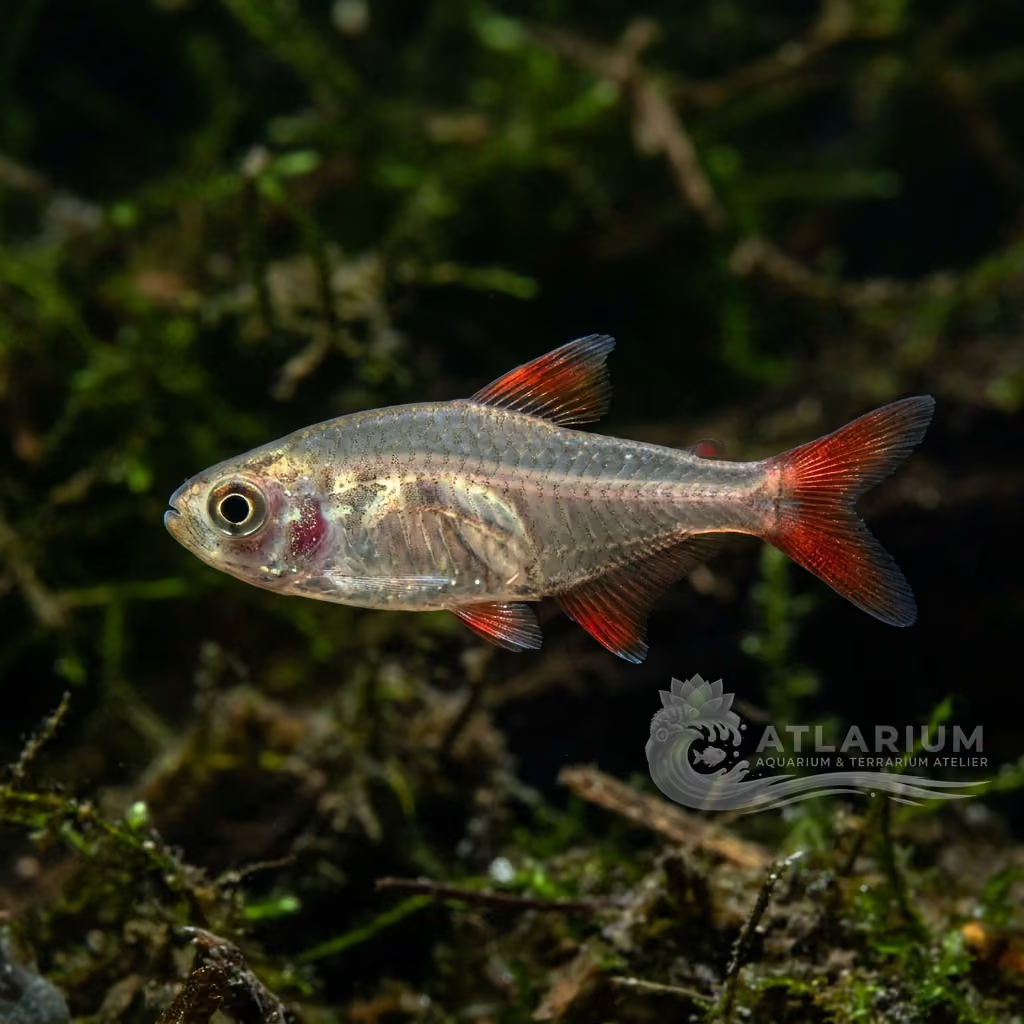
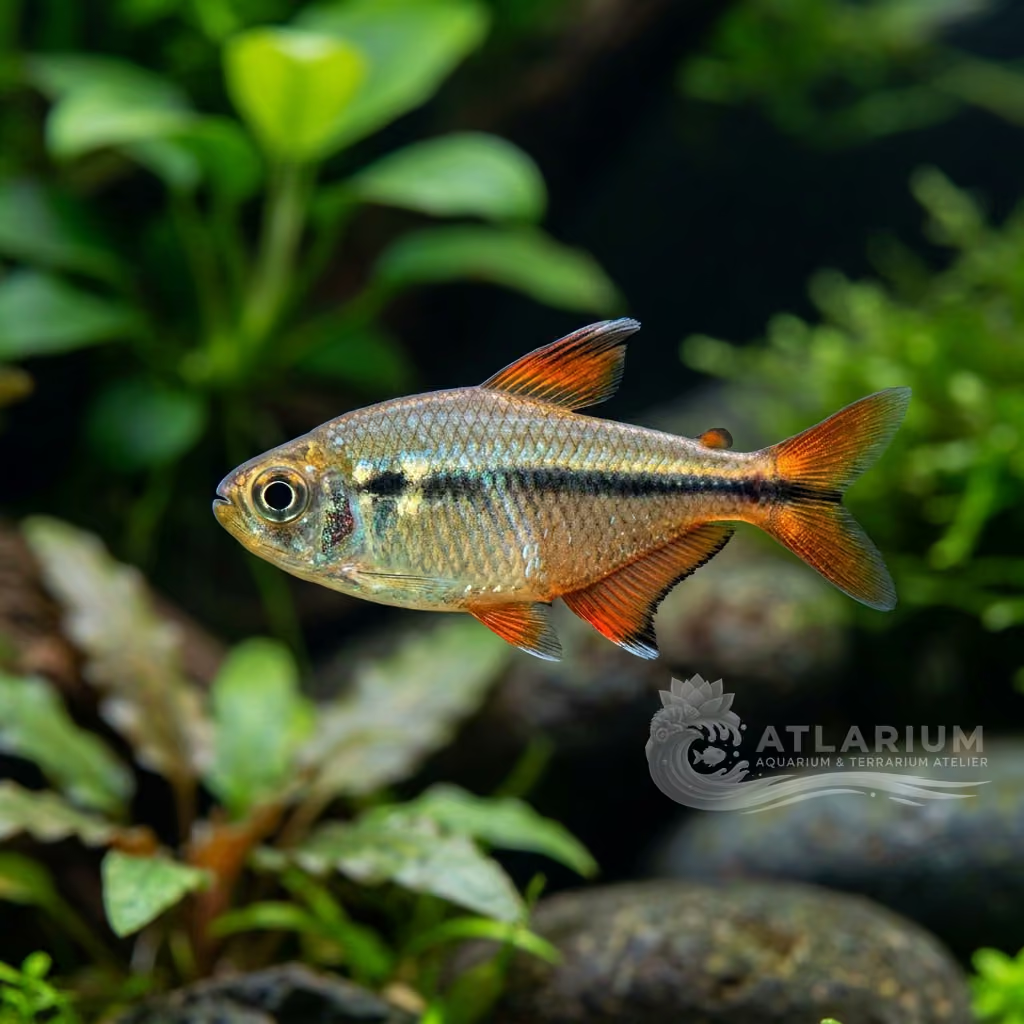
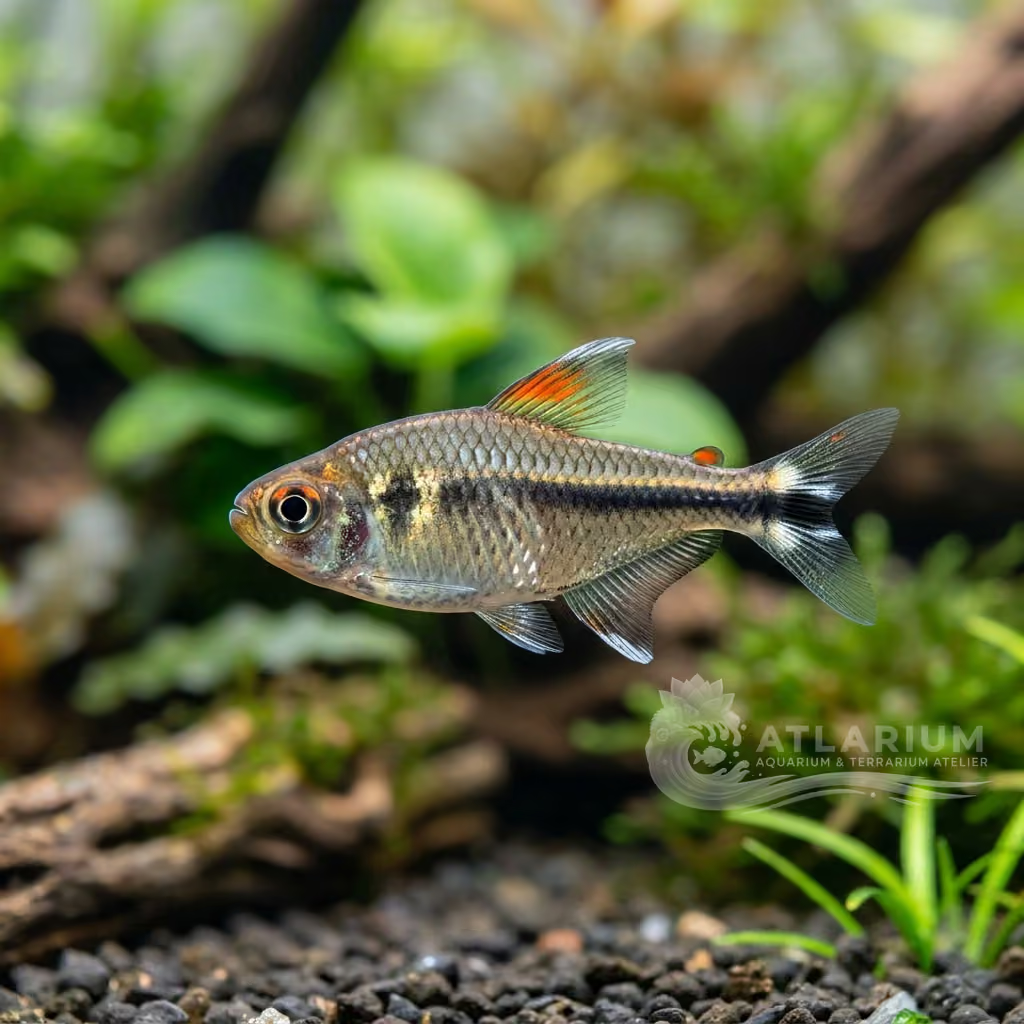
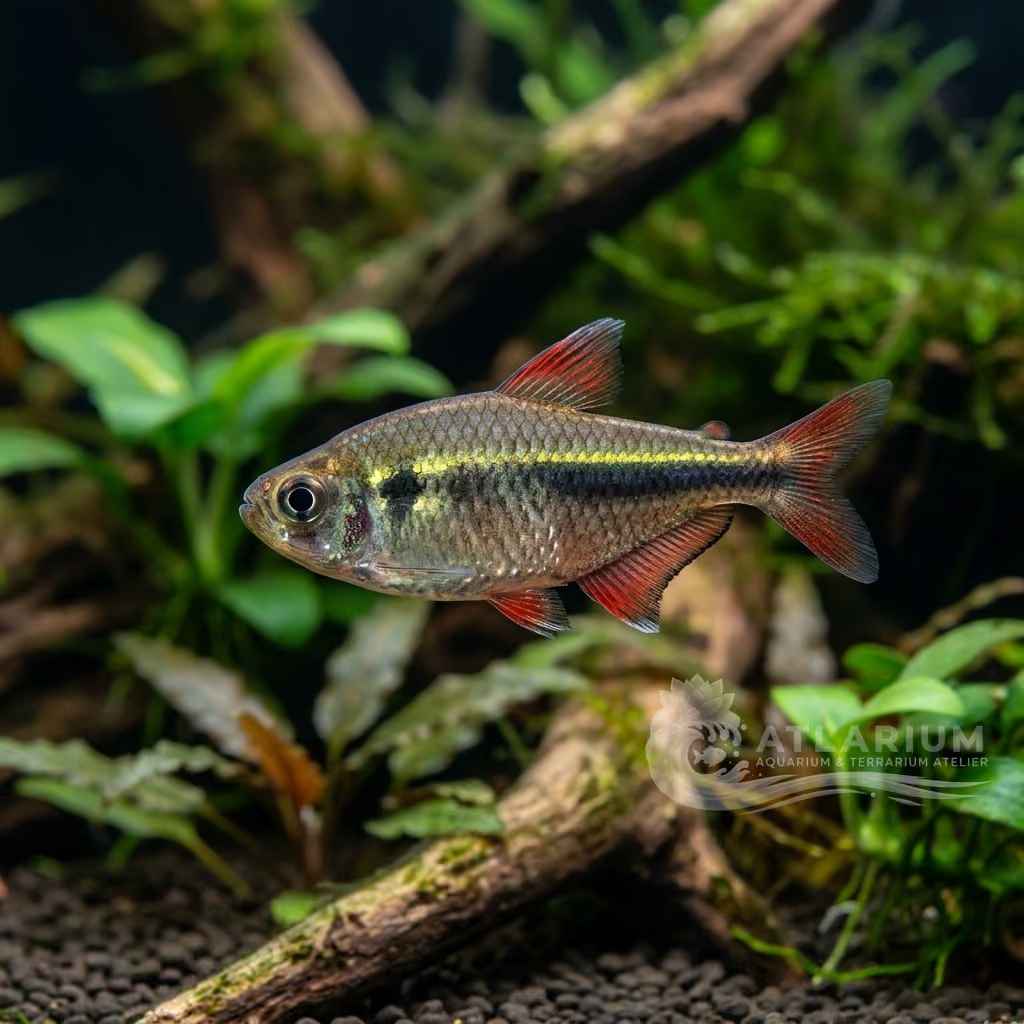
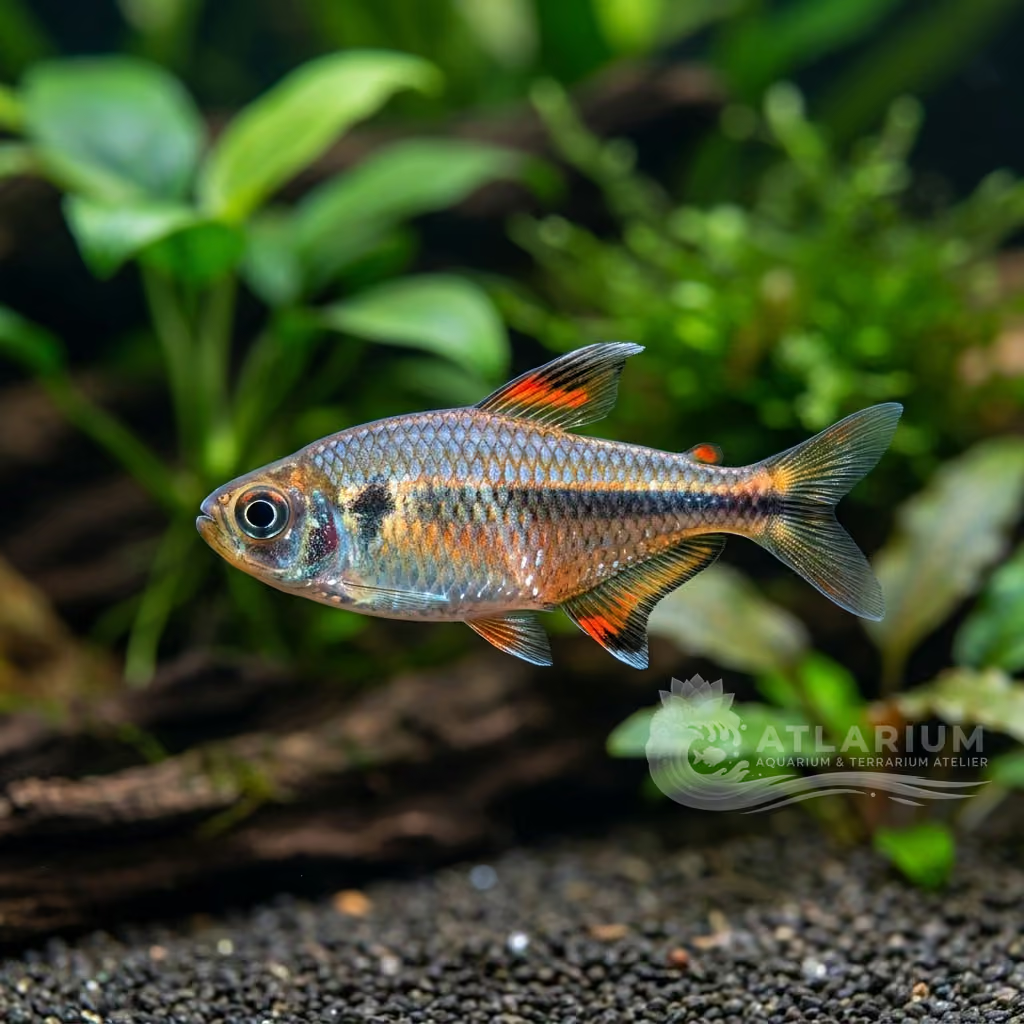
The Tucano Tetra is an exquisite, miniature Amazonian characin showcasing a transparent body and thick black lateral line. It demands extremely soft, acidic water and thrives in densely planted biotopes.
Temperatura da água
24 - 28 °C
Valor de pH
4.5 - 6
Tipo de água
Água doce
Nível do tanque
Meio
Tamanho adulto
1,7 cm
Volume mínimo do tanque
>= 30 L
Grupo mínimo
>= 6
GH
0 - 5 dGH
KH
1 - 2 dKH
TDS
10 - 95 ppm
Condutividade
16 - 148 uS/cm

Descrição da espécie
Geographical Origin and Habitat: Tucanoichthys tucano is a tiny freshwater fish native to the Rio Negro basin in northern Brazil. It is endemic to small, slow-flowing forest streams (igarapés) that are tributaries of the River Uaupés. These biotopes are classic blackwater habitats, characterized by extremely soft, acidic water stained dark like tea by dissolved humic substances and organic leaf litter.
Taxonomy and Morphology: Classified within the Characidae family, it is the sole member of the monotypic genus Tucanoichthys. The name honors the indigenous Tucano tribe of the Upper Rio Negro region where the fish was collected. This dwarf species is one of the smallest characins, with adults reaching a maximum length of only 1.5 to 2.0 cm.
Social Behavior: A schooling species by nature, it must be kept in groups of at least 8 to 10 individuals to feel secure and display its natural behavior. In smaller numbers, they become withdrawn and stressed. Males are known to establish small temporary territories during spawning, defending them from rivals with non-injurious displays.
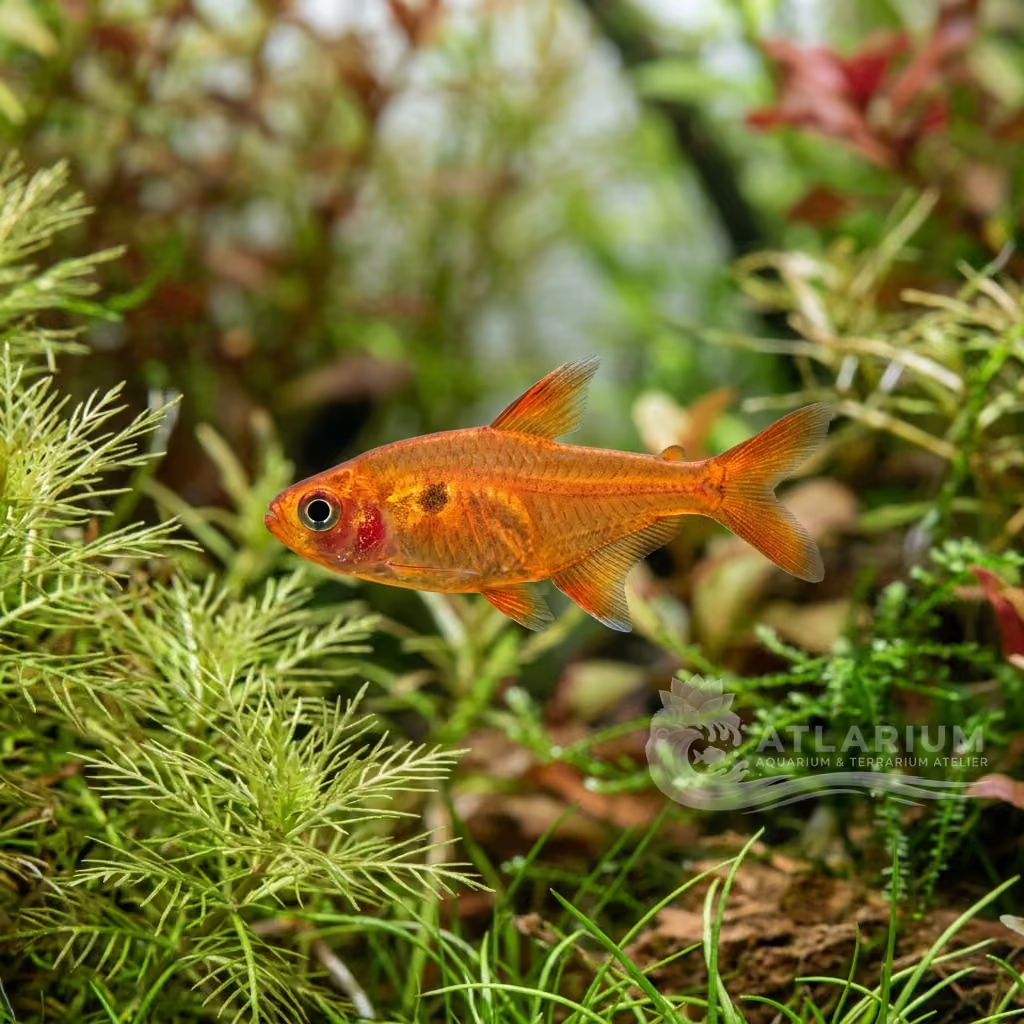
Coloration and Sexual Dimorphism: The body is largely translucent, showing the internal swim bladder and spine. A prominent, thick black lateral band runs from the snout to the caudal peduncle. In mature males, the dorsal, anal, and caudal fins display a reddish-orange hue, and they are generally more vibrant and slender than mature females.

Cuidado, criação e companheiros de tanque
Aquarium Setup: A dedicated tank or nano-aquarium of at least 40-50 liters is recommended for a small school. The aquascape should mimic a blackwater forest stream using a soft sand substrate, drifted root wood, and dried leaf litter (such as catappa or oak leaves) which slowly releases essential tannins and provides natural foraging sites.
Diet and Feeding: Micropredator. Due to their tiny mouths, they require very small food items. Offer live or high-quality frozen foods like newly hatched brine shrimp nauplii, copepods, rotifers, and finely crushed high-protein dry flakes. They should be fed small quantities twice or thrice daily to maintain their high metabolism.
Water Quality: This is the most demanding aspect of their care. The water must be exceptionally soft and acidic: pH between 4.0 and 5.8, KH near 0, and GH under 3. Total dissolved solids (TDS) must be kept very low, ideally below 50 ppm. The temperature should be maintained stably between 24 and 28 °C.
Compatibility and Cohabitation: Totally unsuitable for general community aquariums. They will be easily outcompeted for food or eaten by larger fish. Keep them in a species-only tank or with other tiny, peaceful blackwater species such as dwarf corydoras, small pencilfish, or peaceful freshwater dwarf shrimp.
Aquarium Breeding: Extremely challenging to breed. Spawning requires optimal water parameters (pH < 5.0 and zero hardness). Eggs are scattered among fine-leaved plants or leaf litter. The parents will eat their own eggs, so a separate spawning tank or prompt removal of the adults after egg-laying is necessary for success.
Risks and Diseases: Highly sensitive to any accumulation of nitrogenous waste (ammonia, nitrites, nitrates). They have low tolerance for fluctuations in water chemistry. If kept in hard or alkaline water, their immune systems collapse, making them highly susceptible to fatal velvet disease, columnaris, and fungal infections.

Origem e distribuição geográfica
Tucanoichthys tucano is a tiny freshwater fish native to the Rio Negro basin in northern Brazil. It is endemic to small, slow-flowing forest streams (igarapés) that are tributaries of the River Uaupés. These biotopes are classic blackwater habitats, characterized by extremely soft, acidic water stained dark like tea by dissolved humic substances and organic leaf litter.
Origem
Amazônia, Orinoco e Guianas

Perfil de peixe
- Temperamento
- Semi-aggressive
- They are exceedingly peaceful, shy, and timid fish that rely heavily on their group for security. They must be kept in schools of at least six to ten individuals to feel comfortable and show their natural behaviors. In a properly scaped tank with subdued lighting, they become inquisitive and active explorers.
- Dieta
- Omnivore
- In the wild, they are micro-predators that feed on tiny crustaceans and zooplankton in blackwater streams. In the aquarium, they require very fine foods such as crushed high-quality flakes, micro-pellets, and infusoria. Live baby brine shrimp and microworms are excellent treats that will encourage spawning and enhance their delicate colors.
- Expectativa de vida
- 2-4 years
- Tamanho adulto
- 1.7 cm
- Proporção sexual
- Group
- A mixed group is completely fine, but aiming for a balanced ratio of males to females is ideal. Males are typically more slender and display slightly more intense coloration, particularly when displaying to females. Females are slightly rounder, especially when gravid with eggs.
- Frequência de alimentação
- Twice daily
- Because of their minuscule stomachs, they should be fed very small amounts multiple times a day. Two to three tiny feedings ensure they receive adequate nutrition without fouling the water. Observing them during feeding is important to ensure they are not being outcompeted by more boisterous tank mates.
- Carga biológica
- Low
- These micro-tetras produce a practically negligible bioload, making them excellent candidates for nano and heavily planted aquariums. Regular water changes and a gentle sponge filter are more than enough to maintain pristine water quality. Their tiny size means even a moderate school will barely register on the tank's biological filtration.
- Fluxo
- Stagnant
- They inhabit sluggish blackwater tributaries and flooded forest floors. They prefer very gentle water movement, as strong currents will easily blow them around and cause severe stress. Baffling the filter output or using an air-driven sponge filter creates the perfect low-flow environment.
- Risco de salto
- Yes
- While not renowned as prolific jumpers, any startled micro-fish can easily dart out of an open aquarium. A tightly fitting lid is recommended to ensure they remain safely inside the tank. Floating plants like Amazon frogbit help block out harsh light, reducing their skittishness and lowering the risk of jumping.
- Reprodução
- Oviparous
- Breeding these tiny characins is rare but possible in dedicated, dimly lit blackwater setups. They are egg-scatterers that lay very few eggs among fine-leaved plants or mosses. The parents will consume the eggs if given the chance, so setting up a separate breeding tank with a spawning mop is necessary.
- Compatibilidade e companheiros de tanque
- Peaceful
- They are exceptionally peaceful and easily intimidated by larger or highly active tank mates. They must be kept with other micro-fish, such as small rasboras, dwarf corydoras, or Neocaridina shrimp. Keeping them with any fish large enough to fit them in its mouth will quickly result in them becoming a snack.
- Nível do tanque
- Middle
- They predominantly occupy the middle to lower levels of the water column. They love darting in and out of dense vegetation and exploring the intricate spaces among driftwood branches. They rarely venture to the very top unless food has been introduced.

Modelos e parâmetros científicos
FishBase
Acesso aos dados científicos oficiais da espécie
FishBase v25.04Dados sincronizados em: 15/06/2026
- Nível trófico
- 3 ± 0,4 se
- Resiliência
- Alta (menos de 15 meses)
- Unicidade filogenética (PD50)
- 1
- Relação bayesiana comprimento-peso
- a = 0.00389, b = 3.12
- VulnerabilidadeVulnerabilidade baixa (10 / 100)

Espécies relacionadas
Recomendações agrupadas por parentes próximos, escolhas de acompanhantes e cuidados semelhantes.