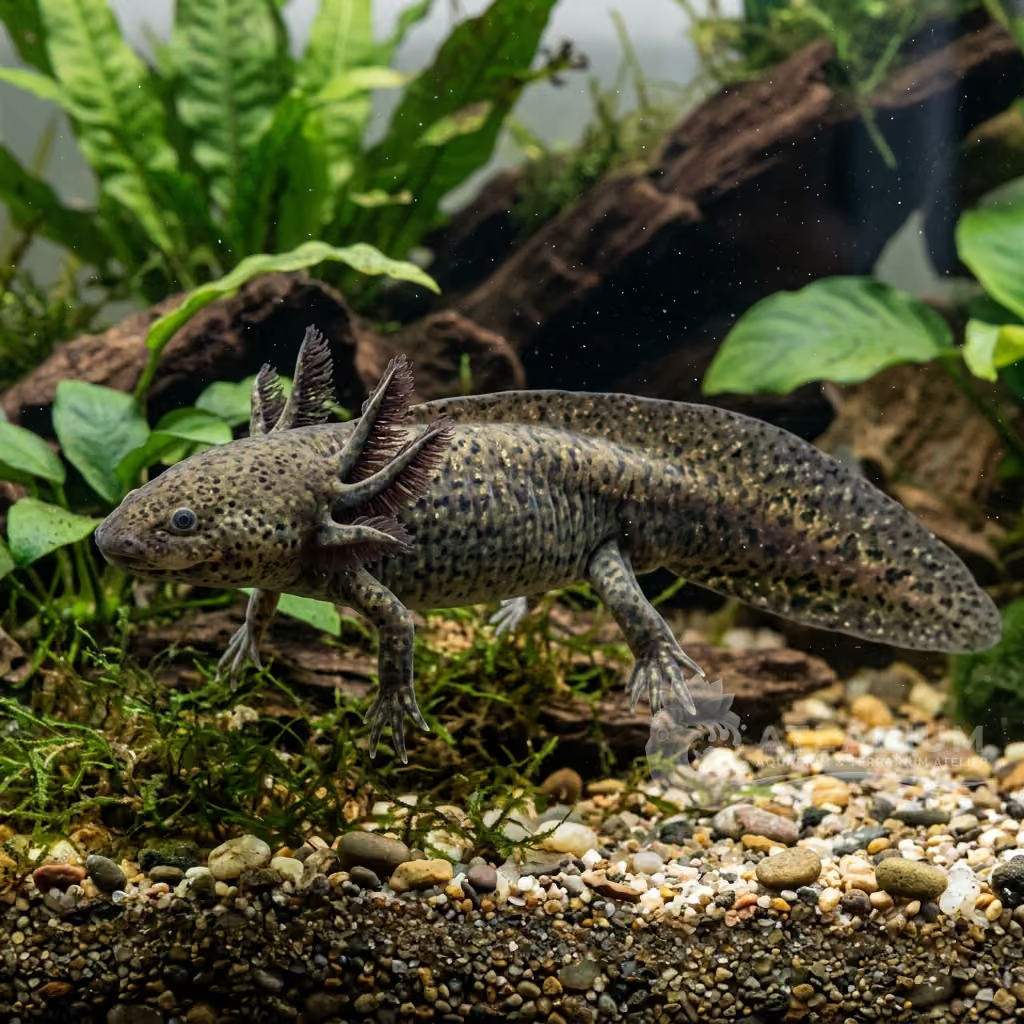
Cave Salamander
Eurycea lucifuga
The Cave Salamander is a slender, bright orange lungless amphibian adorned with stark black speckles. Equipped with large, prominent eyes, it is perfectly adapted for life in dark limestone cave systems.
Temperatura da água
10 - 17 °C
Valor de pH
7 - 8
Ambiente
Água doce / Semiaquático
Umidade
80 - 100 %
Temperatura diurna
12 - 18 °C
Temperatura noturna
10 °C
Temperatura ambiente
12 - 18 °C
Gabinete mínimo
>= 45 L

Descrição da espécie
Geographical Origin and Habitat: Endemic to limestone cave systems, abandoned mines, and wet crevices of the central and eastern United States (karst regions). They inhabit the twilight zone of caves near moisture.
Taxonomy and Genetics: Family Plethodontidae (lungless salamanders). Commonly known as the Cave Salamander. Unlike true obligate troglobites, they are not blind and have large eyes adapted for night vision.
Behavior and Habits: Strictly nocturnal and cave-dwelling. They are agile climbers on wet vertical stone surfaces and stalactites. They hunt small insects and spiders using their projectile tongues.
Morphology: Slender body reaching 12-16 cm. Vivid orange, reddish, or yellow-orange dorsal skin speckled with distinct black spots. Eyes are large and protruding. They lack lungs and breathe entirely through their moist skin. The skin lacks macroscopic venom glands, making it highly vulnerable to direct contact with irritating chemicals. Biological studies indicate low genetic variability among the isolated populations inside single cave systems.

Cuidado, criação e companheiros de tanque
Terrarium Setup: Tall vertical terrarium (minimum 45x45x60 cm). Provide wet, vertical rock wall surfaces (slate or polyurethane rock walls). Include a shallow cold-water area at the bottom.
Lighting and Heating: Cold-temperate species. Must maintain constant cool temperatures between 12-18°C year-round. Temperatures above 22°C are highly stressful and can be fatal. Keep in a dark area; no bright lighting is needed.
Humidity and Hydration: Maintain high humidity (90-100%) with good ventilation. Use chemically pure, dechlorinated water for misting; their lungless skin is highly permeable to toxins.
Feeding and Supplementation: Feed small insects such as fruit flies, springtails, dwarf isopods, and small worms. Dust prey with calcium and vitamins.
Compatibility: Peaceful and gregarious. Can be kept in small groups in cave-themed setups. Do not mix with other species.
Health and Common Diseases: Highly sensitive to heat and ammonia buildup. Never handle with bare hands; skin oils and body heat can cause fatal shock. Check for fungal infections. It is advisable to install a digital thermometer with an alarm to constantly monitor that the temperature does not exceed the critical threshold. The presence of small pieces of decayed wood promotes springtail growth.

Origem e distribuição geográfica
Endemic to limestone cave systems, abandoned mines, and wet crevices of the central and eastern United States (karst regions). They inhabit the twilight zone of caves near moisture.
Origem
América do Norte

Perfil anfíbio
- Dieta
- Insectivore
- The diet of Eurycea lucifuga consists primarily of appropriately sized prey items found in its natural habitat. In captivity, they should be offered a varied selection of live insects, worms, or small invertebrates to ensure nutritional balance. It is important to gut-load the feeder insects and occasionally dust them with high-quality calcium and vitamin supplements. Monitoring their food intake helps prevent obesity and maintains optimal health. Fresh water must always be available to aid in digestion.
- Expectativa de vida
- 5-9 years
- Tamanho adulto
- 15 cm
- Estilo de vida/Microhabitat
- Terrestrial
- Eurycea lucifuga leads a specialized lifestyle adapted to the specific niches of its ecosystem, whether that involves climbing, burrowing, or swimming. Its daily routine is a delicate balance of thermoregulation, seeking out hydration, and avoiding predators. In a captive environment, replicating these microhabitats—such as providing ample climbing branches or deep substrate—is crucial for their well-being. They generally thrive when left undisturbed to carry out their natural routines. A proper setup dramatically improves their lifespan and overall vitality.
- Ciclo de atividades
- Nocturnal
- The activity pattern of Eurycea lucifuga is heavily influenced by the specific light cycle and ambient temperatures of its native range. It may be primarily diurnal, nocturnal, or crepuscular, meaning its peak activity times align with the safest and most optimal conditions for survival. During these active periods, they can be seen exploring, hunting, or patrolling their territory. Careful regulation of the enclosure's lighting and heating schedules will help maintain these natural circadian rhythms. Disruptions to this pattern can cause significant stress or lethargy.
- Socialidade
- Solitary
- Eurycea lucifuga is known for its fascinating and unique behavioral traits that reflect its evolutionary adaptations. Observers may notice periods of active foraging interspersed with long spells of resting or hiding. They interact with their environment carefully, using their specialized senses to navigate and detect both prey and potential threats. While some individuals can be quite shy and reclusive, others may exhibit bold and curious behavior when comfortable in their enclosure. Providing a complex habitat with plenty of enrichment is essential for expressing natural behaviors.
- Reprodução
- Oviparous
- Reproduction for Eurycea lucifuga typically follows a seasonal pattern, often triggered by specific environmental changes such as temperature or humidity fluctuations. Mating behaviors can include complex courtship displays or specific vocalizations to attract a partner. After successful mating, the female will carefully deposit eggs or give birth, depending on the reproductive strategy of the species. Incubation or gestation periods require stable, precise conditions to ensure the healthy development of the offspring. Breeders must pay close attention to providing the right nesting environment.
- Toxicidade
- Harmless
- Like many amphibians, the cave salamander possesses skin glands capable of secreting a mild toxin as a defense mechanism against predators. This defensive secretion is generally harmless to humans but can cause irritation if it comes into contact with mucous membranes. Washing hands after handling is highly recommended to avoid any accidental transfer of these mild toxins.
- Estágio de vida
- Adult only
- The cave salamander begins life as a fully aquatic larva equipped with prominent external gills for breathing underwater. After several months of growth and development, they undergo metamorphosis, losing their gills and developing lungs to transition to a semi-terrestrial lifestyle. Adult cave salamanders spend their lives in moist, terrestrial environments near water sources within or around caves.
- Tolerância de tratamento
- Display only
- Visual display only. Handling stresses the animal and risks severe skin damage; their long tails are also fragile.
- Brumação
- Because the deep crevices and cave environments they inhabit remain relatively stable in temperature year-round, they typically do not brumate.
- Muda
- Periodic
- The extremely humid environment of caves naturally facilitates their shedding process, leaving virtually no trace as the skin is eaten.

Espécies relacionadas
Recomendações agrupadas por parentes próximos, escolhas de acompanhantes e cuidados semelhantes.