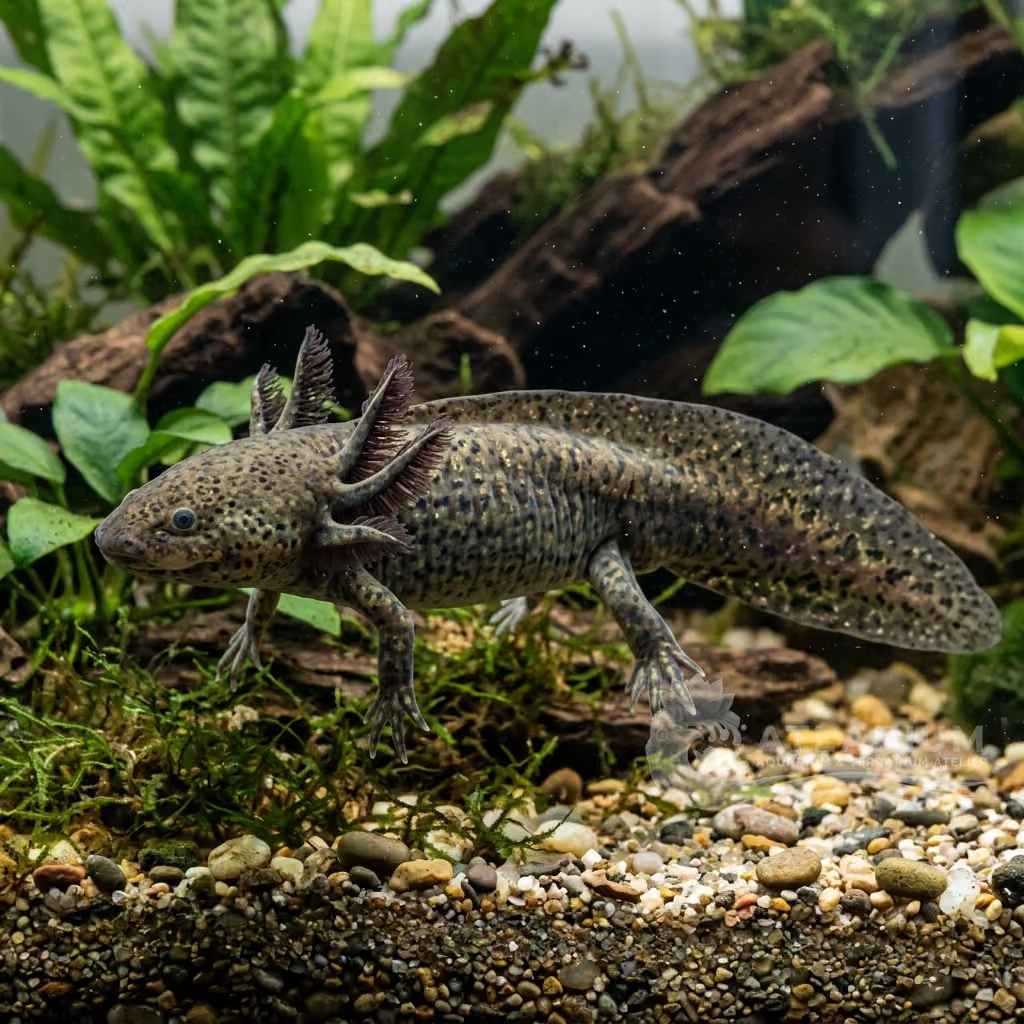
Hellbender
Cryptobranchus alleganiensis
The hellbender is a gigantic, fully aquatic salamander native to Appalachian streams. Known for its wrinkled skin used for respiration, it demands a massive 400L tank with fast, highly oxygenated, cold water.
Temperatura da água
10 - 20 °C
Valor de pH
7 - 8.5
Ambiente
Água doce
Umidade
100 %
Temperatura diurna
10 - 20 °C
Temperatura noturna
5 - 15 °C

Descrição da espécie
Geographical Origin and Habitat: Endemic to the eastern United States, particularly the Appalachian region. It is a strictly aquatic, ancient salamander inhabiting fast-flowing, clear, and highly oxygenated cold rivers and rocky streams, sheltering under large boulders.
Taxonomy and Genetics: A massive, flattened aquatic salamander reaching 50–70 cm in length. The body is brown, gray, or black with dark spots. It exhibits abundant, loose folds of skin along the sides of the body used for cutaneous respiration, and lacks external gills as an adult.
Behavior and Habits: Nocturnal and strictly aquatic. It spends the day compressed under massive river rocks. At night, it walks along the riverbed to hunt crayfish and small fish. They are active year-round, even under ice during winter.
Morphology: Sexual dimorphism is very subtle: adult females are typically larger and heavier, while breeding males develop a swollen ring of glands around the cloaca.

Cuidado, criação e companheiros de tanque
Terrarium Setup: Strictly aquatic. Requires a massive aquarium of at least 120–150 cm in length (300+ liters). Provide strong water currents using powerheads or flow pumps to oxygenate the skin. Use large, smooth river pebbles or sand as substrate. A secure, tight-fitting lid is mandatory. Provide flat rock shelters.
Lighting and Heating: Cold water is vital. Maintain temperatures between 10–18°C. Temperatures above 22°C are lethal and cause rapid death. A professional aquarium water chiller is mandatory. Keep lighting dim, as they are sensitive to bright light.
Humidity and Hydration: Fully aquatic. Requires pristine, highly oxygenated water. Weekly large water changes (50%) and heavy filtration are necessary to handle their large waste output. Use high-quality water conditioners to remove all chlorine.
Feeding and Supplementation: Carnivorous and voracious. Feed whole fish, freshwater crayfish (a natural favorite that supports their jaw development), large earthworms, and nightcrawlers.
Compatibility: Territorial and cannibalistic. They will swallow any fish or amphibian that fits in their mouth. House individually or in massive enclosures with widely separated shelters.
Health and Common Diseases: Highly sensitive to warm temperatures and chemical pollution, which cause skin necrosis and respiratory distress. Poor water quality leads to ammonia toxicity. When stressed or handled, they secrete a thick, toxic white mucus. Never handle with bare hands.

Origem e distribuição geográfica
Endemic to the eastern United States, particularly the Appalachian region. It is a strictly aquatic, ancient salamander inhabiting fast-flowing, clear, and highly oxygenated cold rivers and rocky streams, sheltering under large boulders.
Origem
América do Norte

Perfil anfíbio
- Dieta
- Carnivore
- The diet of Cryptobranchus alleganiensis consists primarily of appropriately sized prey items found in its natural habitat. In captivity, they should be offered a varied selection of live insects, worms, or small invertebrates to ensure nutritional balance. It is important to gut-load the feeder insects and occasionally dust them with high-quality calcium and vitamin supplements. Monitoring their food intake helps prevent obesity and maintains optimal health. Fresh water must always be available to aid in digestion.
- Expectativa de vida
- 30-35 years
- Tamanho adulto
- 74 cm
- Estilo de vida/Microhabitat
- Aquatic
- Cryptobranchus alleganiensis leads a specialized lifestyle adapted to the specific niches of its ecosystem, whether that involves climbing, burrowing, or swimming. Its daily routine is a delicate balance of thermoregulation, seeking out hydration, and avoiding predators. In a captive environment, replicating these microhabitats—such as providing ample climbing branches or deep substrate—is crucial for their well-being. They generally thrive when left undisturbed to carry out their natural routines. A proper setup dramatically improves their lifespan and overall vitality.
- Ciclo de atividades
- Nocturnal
- The activity pattern of Cryptobranchus alleganiensis is heavily influenced by the specific light cycle and ambient temperatures of its native range. It may be primarily diurnal, nocturnal, or crepuscular, meaning its peak activity times align with the safest and most optimal conditions for survival. During these active periods, they can be seen exploring, hunting, or patrolling their territory. Careful regulation of the enclosure's lighting and heating schedules will help maintain these natural circadian rhythms. Disruptions to this pattern can cause significant stress or lethargy.
- Socialidade
- Solitary
- Cryptobranchus alleganiensis is known for its fascinating and unique behavioral traits that reflect its evolutionary adaptations. Observers may notice periods of active foraging interspersed with long spells of resting or hiding. They interact with their environment carefully, using their specialized senses to navigate and detect both prey and potential threats. While some individuals can be quite shy and reclusive, others may exhibit bold and curious behavior when comfortable in their enclosure. Providing a complex habitat with plenty of enrichment is essential for expressing natural behaviors.
- Reprodução
- Oviparous
- Reproduction for Cryptobranchus alleganiensis typically follows a seasonal pattern, often triggered by specific environmental changes such as temperature or humidity fluctuations. Mating behaviors can include complex courtship displays or specific vocalizations to attract a partner. After successful mating, the female will carefully deposit eggs or give birth, depending on the reproductive strategy of the species. Incubation or gestation periods require stable, precise conditions to ensure the healthy development of the offspring. Breeders must pay close attention to providing the right nesting environment.
- Toxicidade
- Harmless
- They are completely non-venomous and pose no toxic threat to humans or their natural predators. However, they possess a thick, highly slippery mucous coating over their entire body that serves as a physical defense mechanism. This slime makes them exceptionally difficult for predators to grasp and helps protect their permeable skin from abrasive rocks. They rely heavily on hiding rather than chemical defenses to survive.
- Estágio de vida
- Metamorphosis
- As fully aquatic giant salamanders, they exhibit a form of incomplete metamorphosis, retaining some larval traits like a laterally compressed tail for swimming. However, unlike mudpuppies, they lose their external gills entirely as they mature, relying instead on extensive skin folds for respiration. They are exceptionally long-lived amphibians, with wild individuals regularly exceeding 30 years and captive specimens living even longer.
- Tolerância de tratamento
- Display only
- Hellbenders should never be handled unless absolutely necessary for critical conservation work or veterinary medical intervention. They are incredibly strong, muscular, and coated in a copious, incredibly slippery slime that makes holding them nearly impossible without causing injury. Any handling can severely damage their delicate, respiratory skin and cause profound physiological stress.
- Brumação
- Obrigatório
- They do not enter brumation or hibernate; they remain fully aquatic and active hunters throughout the frigid winter months. Their slow metabolism allows them to function efficiently in incredibly cold, highly oxygenated water without needing a dormant period. Captive environments must strictly replicate these cool, flowing conditions year-round to prevent severe health declines.
- Muda
- Regular
- Like all amphibians, hellbenders undergo periodic skin shedding to facilitate growth and remove potentially harmful aquatic parasites. The shedding process occurs entirely submerged, often going unnoticed as the loose skin sloughs off in small, translucent fragments. To conserve vital nutrients and proteins, they typically consume the shed skin immediately as it detaches from their body.

Espécies relacionadas
Recomendações agrupadas por parentes próximos, escolhas de acompanhantes e cuidados semelhantes.