Pygmy rattlesnake
Sistrurus miliarius
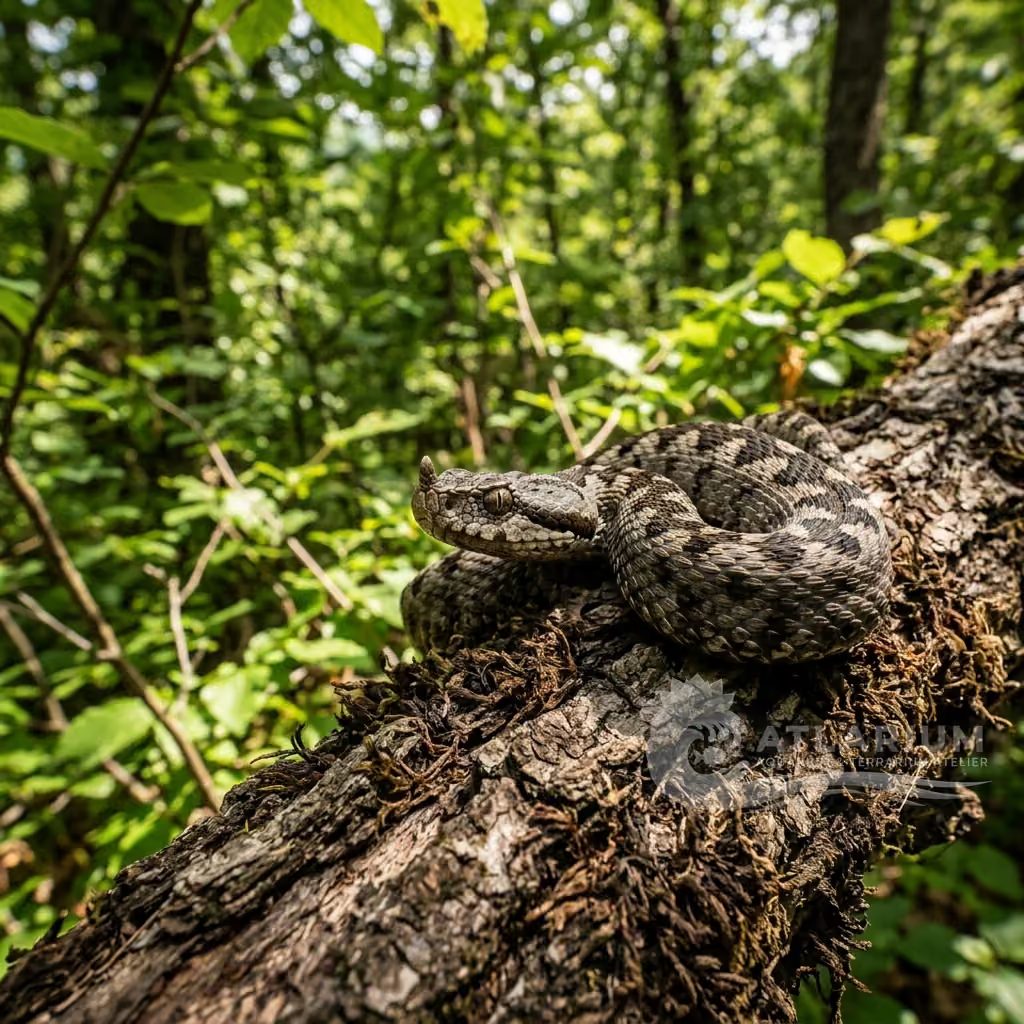
The pygmy rattlesnake is a small, venomous viper from the southeastern United States. It inhabits forests and marshes, requiring a secure terrarium with a dry surface.
Environnement
Terrestre
Humidité
50 - 70 %
Température diurne
18 - 32 °C
Température ambiante
18 - 32 °C
Température nocturne
22 - 24 °C
Point de repos chauffant
30 - 32 °C
Taille adulte
50 cm
Enclos minimal
>= 100 L

Description de l'espèce
Geographical Origin and Habitat: The pygmy rattlesnake (Sistrurus miliarius) is native to the southeastern United States, ranging from North Carolina south through Florida, and west into eastern Texas and Oklahoma. This species inhabits a variety of ecosystems, including pine flatwoods, sandhills, mixed deciduous forests, and wetlands bordering marshes or creeks. It prefers microhabitats rich in leaf litter, fallen logs, and subterranean burrows, which provide both thermoregulation and safety from predators.
Taxonomy and Genetics: Belongs to the family Viperidae, subfamily Crotalinae (pit vipers). The genus Sistrurus is distinguished from the genus Crotalus primarily by the presence of nine large, symmetrical head plates on the crown of the head, similar to colubrid snakes, rather than numerous small, fragmented scales. Three subspecies are recognized based on geographic range and color patterns: S. m. miliarius, S. m. barbouri, and S. m. streckeri.
Behavior and Habits: It is a predominantly terrestrial reptile with crepuscular and nocturnal tendencies, particularly during the hot summer months. Despite being venomous, it is shy and relies heavily on its cryptic coloration to blend into the surroundings. When threatened, it vibrates its tiny rattle, producing a faint buzzing sound that can only be heard from a distance of a few feet. Hunting is conducted primarily via ambush.
Morphology: This is one of the smallest rattlesnake species in the world, with adults typically measuring between 40 and 60 centimeters in total length. The body is relatively thick and stout, with a triangular head distinct from the neck. The base coloration ranges from light grey to brown or reddish, marked with a series of dark oval blotches along the back and sides, often accompanied by a reddish-orange mid-dorsal stripe.

Soins, reproduction et cohabitation
Terrarium Setup: An adult specimen requires a secure, escape-proof terrarium of at least 80x40x40 cm. Since this is a venomous species, the use of shifting doors and locking mechanisms is mandatory. The ideal substrate is a mixture of peat moss, coconut fiber, and cypress mulch, kept dry on the surface. Provide multiple hiding places, such as cork bark, hollow logs, or commercial caves, placed at both the warm and cool ends of the enclosure.
Lighting and Heating: A thermal gradient is essential. The basking zone should reach 30-32 °C using a regulated heat mat or deep heat projector controlled by a thermostat. The cool end of the enclosure should remain around 23-25 °C, with a nighttime drop to about 20 °C. Provision of a 5% UVB light source is highly recommended to promote natural vitamin D3 synthesis and maintain a stable 12-hour photoperiod.
Humidity and Hydration: Relative humidity should be maintained between 50% and 60%, with occasional spikes to assist during the shedding cycle. Light misting of one side of the enclosure is recommended, but wet substrate must be avoided. A heavy, shallow water dish filled with clean, fresh water must always be available in the cool zone, ensuring it cannot be easily tipped over.
Feeding and Supplementation: In captivity, they feed primarily on appropriately sized mice that have been pre-killed and frozen-thawed. Juveniles may require small lizards, frogs, or large insects. Feed young snakes once every 7-10 days and adults once every 14-20 days. Vitamin and mineral supplementation is generally not required if high-quality rodents are fed, though occasional supplementation can be beneficial.
Compatibility: Must be housed individually. Due to their venomous nature and territorial behavior, housing these snakes together or with other species is highly discouraged. Co-habitation increases stress levels and creates significant risks of injury or death to the animals, as well as complicating safe maintenance routines.
Health and Common Diseases: Common health issues include scale rot or dermatitis caused by excessively wet substrate, respiratory infections from cold drafts, and dysecdysis (incomplete shed) due to low humidity. Because this is a venomous species (hot species), any medical handling requires professional snake hooks, clear plastic restraint tubes, and must be conducted by experienced keepers or specialized exotic veterinarians.

Origine et répartition géographiques
The pygmy rattlesnake (Sistrurus miliarius) is native to the southeastern United States, ranging from North Carolina south through Florida, and west into eastern Texas and Oklahoma. This species inhabits a variety of ecosystems, including pine flatwoods, sandhills, mixed deciduous forests, and wetlands bordering marshes or creeks. It prefers microhabitats rich in leaf litter, fallen logs, and subterranean burrows, which provide both thermoregulation and safety from predators.
Origine
Amérique du Nord

Profil de reptile
- Régime alimentaire
- Carnivore
- The pygmy rattlesnake maintains a diverse diet that includes insects, centipedes, frogs, lizards, and small mammals like mice. It is an ambush predator that relies heavily on its excellent camouflage to remain undetected among fallen leaves and pine needles. Juvenile pygmy rattlesnakes frequently employ caudal luring, using their distinctively colored tail tips to mimic the movements of an insect and draw in unsuspecting frogs or lizards. Once the prey is within striking range, it is quickly subdued by the snake's venom.
- Taille adulte
- 50 cm
- Mode de vie/microhabitat
- Terrestrial
- They are predominantly terrestrial, inhabiting a wide range of environments including pine flatwoods, sandhills, mixed forests, and marshes, where they rely on their cryptic coloration to blend into leaf litter and fallen debris.
- Cycle d'activité
- Crepuscular
- This species exhibits shifting activity patterns depending on the season, being primarily diurnal during the cooler months of spring and autumn, but switching to crepuscular and nocturnal hunting during the intense heat of the summer to avoid overheating.
- Sociabilité
- Solitary
- Pygmy rattlesnakes are highly terrestrial and spend most of their time hidden under debris, logs, or within thick vegetation. They are generally solitary and can be active during the day or night, depending largely on the ambient temperature and weather conditions. Despite their tiny rattle, which sounds more like a buzzing insect and can barely be heard from a few feet away, they are easily agitated. When threatened, they coil tightly, buzz their rattle frantically, and do not hesitate to strike repeatedly.
- Reproduction
- Viviparous
- This small rattlesnake species reproduces viviparously, giving birth to live young in late summer or early fall. The female gestates the embryos for several months, often seeking out warm, sunlit areas to facilitate their development. A typical litter consists of anywhere from three to eight fully formed, venomous neonates. The young snakes are completely independent from the moment of birth and disperse quickly to find shelter and their first meal.
- Tolérance aux manipulations
- Expert only
- As a venomous species, they must never be handled directly. They are prone to striking when threatened or cornered and require strict protocols, specialized training, and tools like snake hooks if they must be relocated.
- Brumation
- Non requise
- Depending on their northern range, they require a winter brumation period for several months where temperatures drop significantly, allowing them to conserve energy and naturally stimulate spring reproductive behaviors.
- Mue
- Regular
- Shedding occurs periodically as the snake grows. Providing a slightly elevated humidity through a localized humid hide helps ensure that the skin, including the delicate eye caps and tail tip, comes off cleanly in one piece.

Espèces associées
Recommandations regroupées par proches parents, compagnons et soins similaires.