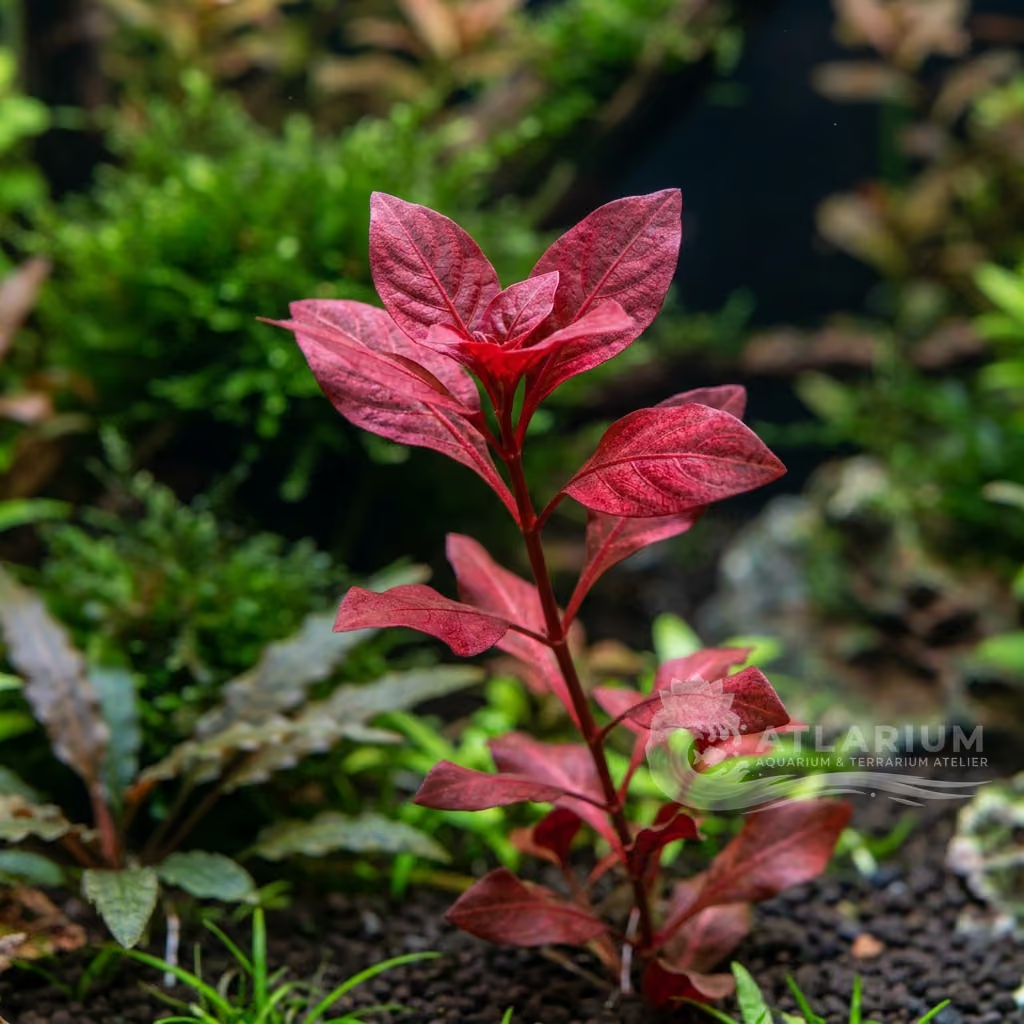
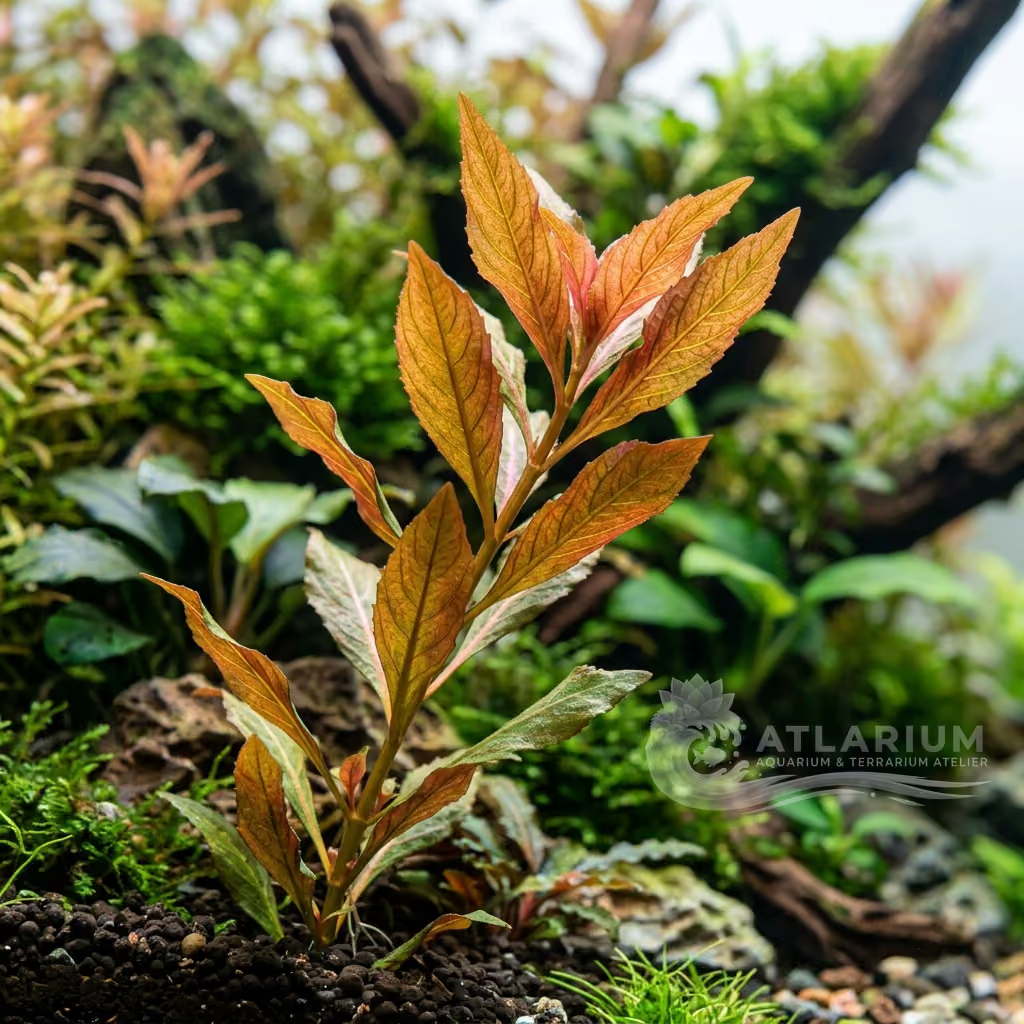
Lobelia cardinalis
Lobelia cardinalis
Lobelia cardinalis is a robust, slow-growing stem plant renowned for its fleshy light green leaves, ideal for creating 'streets' in Dutch-style aquascapes.
Température de l’eau
4 - 30 °C
Valeur du pH
6 - 7.5
Type d'eau
Eau douce
Lumière
Medium to High
CO2
Élevée
Hauteur attendue
22 cm
KH
2 - 14 dKH

Description de l'espèce
Geographical Origin and Habitat: Lobelia cardinalis is native to North America, widely distributed from southern Canada down through the United States to Mexico and Florida. It inhabits damp and riparian environments such as riverbanks, forest streams, freshwater marshes, and wet meadows. In nature, it grows predominantly in its emersed form, producing spectacular cardinal-red blooms that attract pollinators, but it exhibits remarkable tolerance to complete submersion during seasonal floods.
Taxonomy & Genetics: It belongs to the Campanulaceae family, subfamily Lobelioideae. The species features a highly stable genome allowing it to adapt to extreme climatic ranges, from freezing Canadian winters to hot Mexican summers. Its morphological transition between emersed and submerged forms is regulated by photosensitive hormonal changes, leading to reduced leaf size and a lighter green
Color & Texture: when submerged.
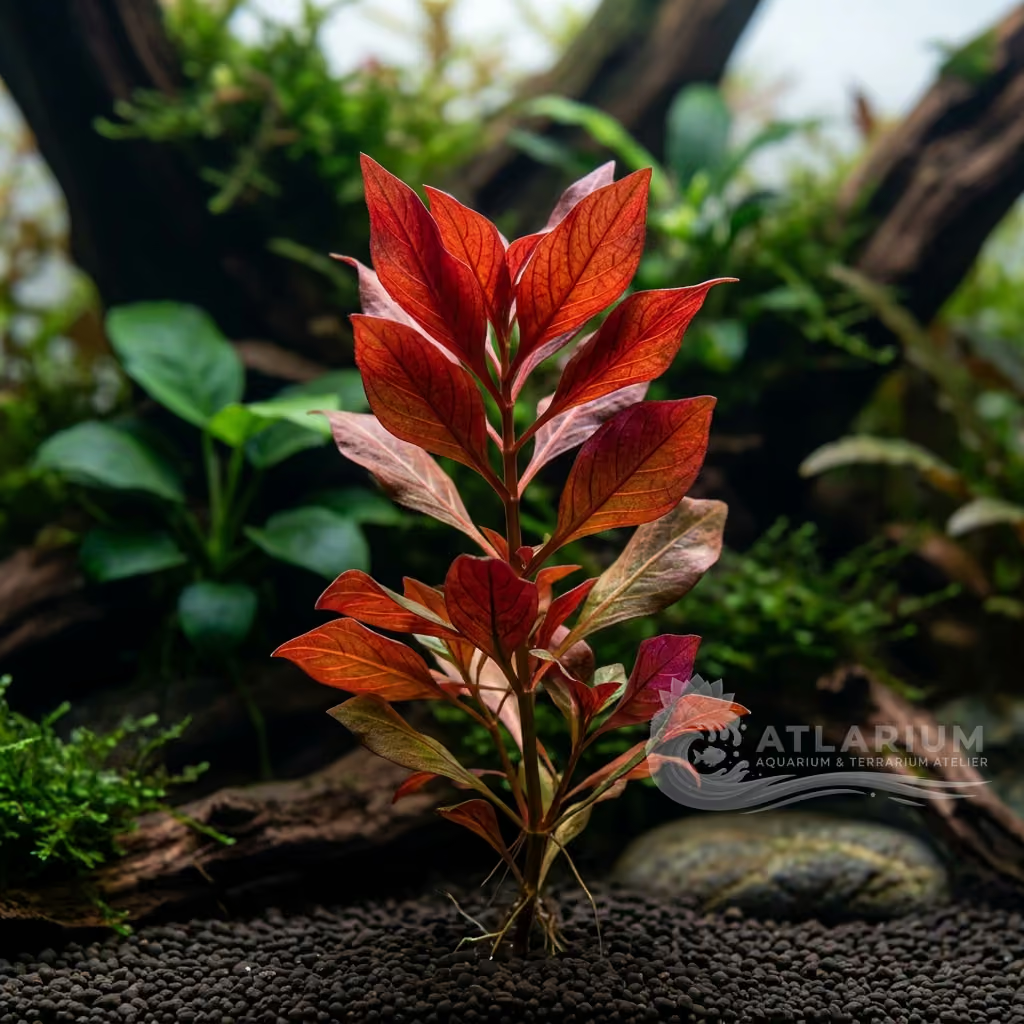
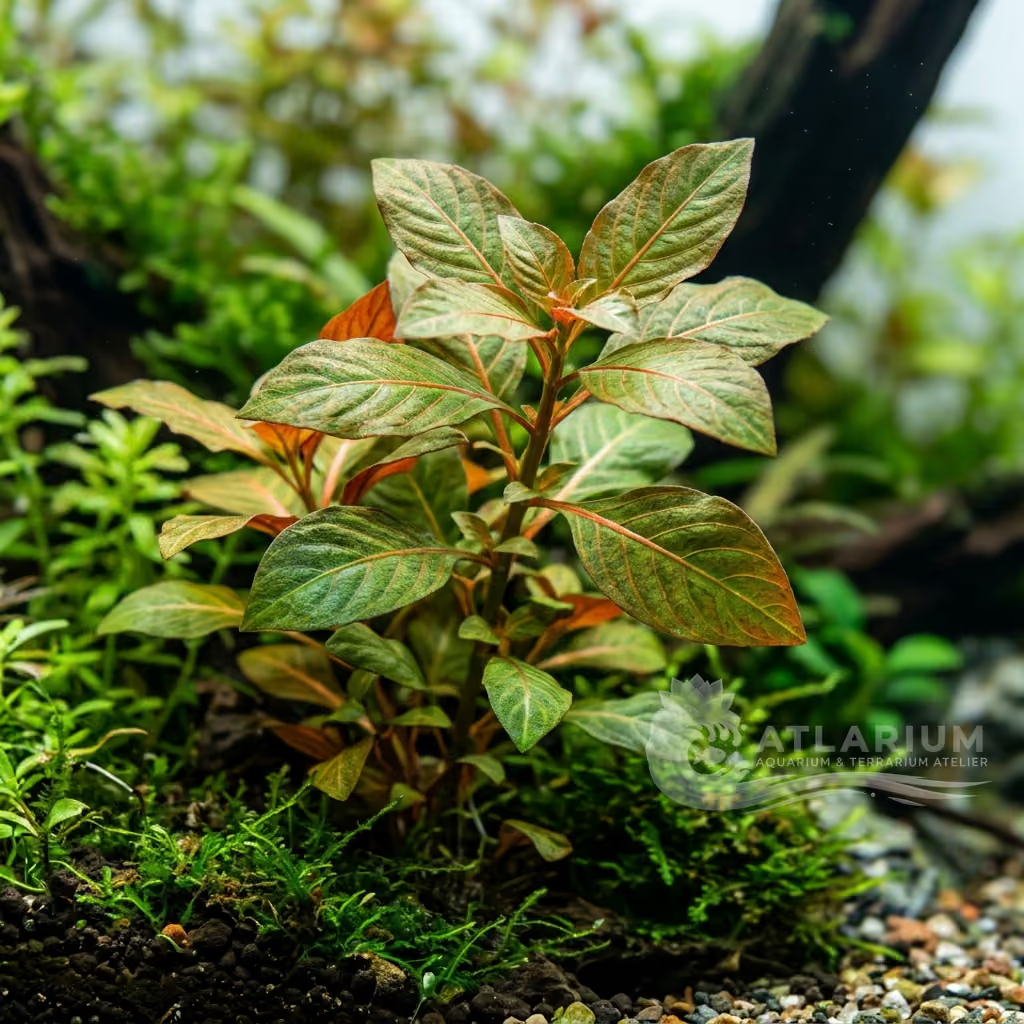
Physical Structure: In the aquarium, it develops erect, sturdy stems with a thickness of 4-6 mm, growing slowly to heights between 15 and 30 cm. Submerged leaves are alternate, short-petioled, and ovate-lanceolate in shape with slightly serrated margins. The root system is exceptionally developed, with thick, branched white roots that penetrate deeply into the substrate to secure the fleshy stems.
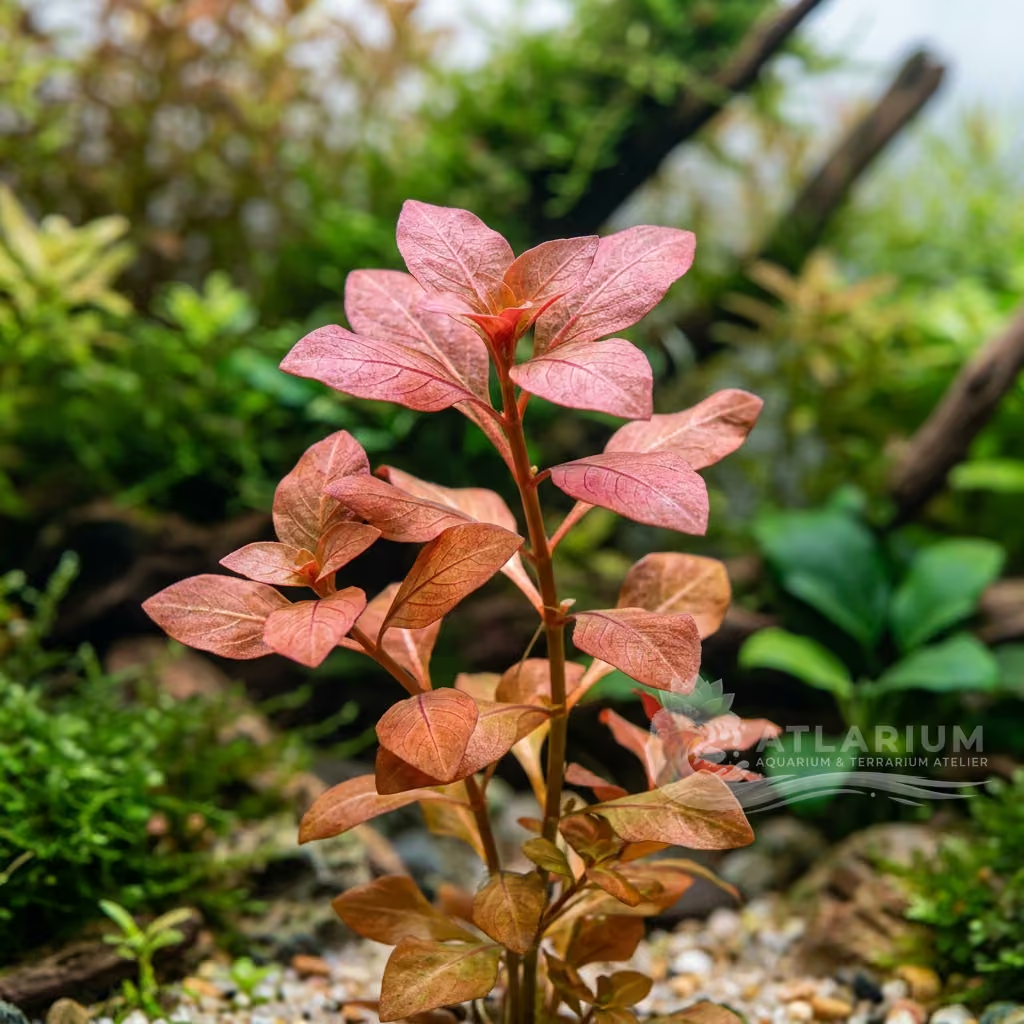
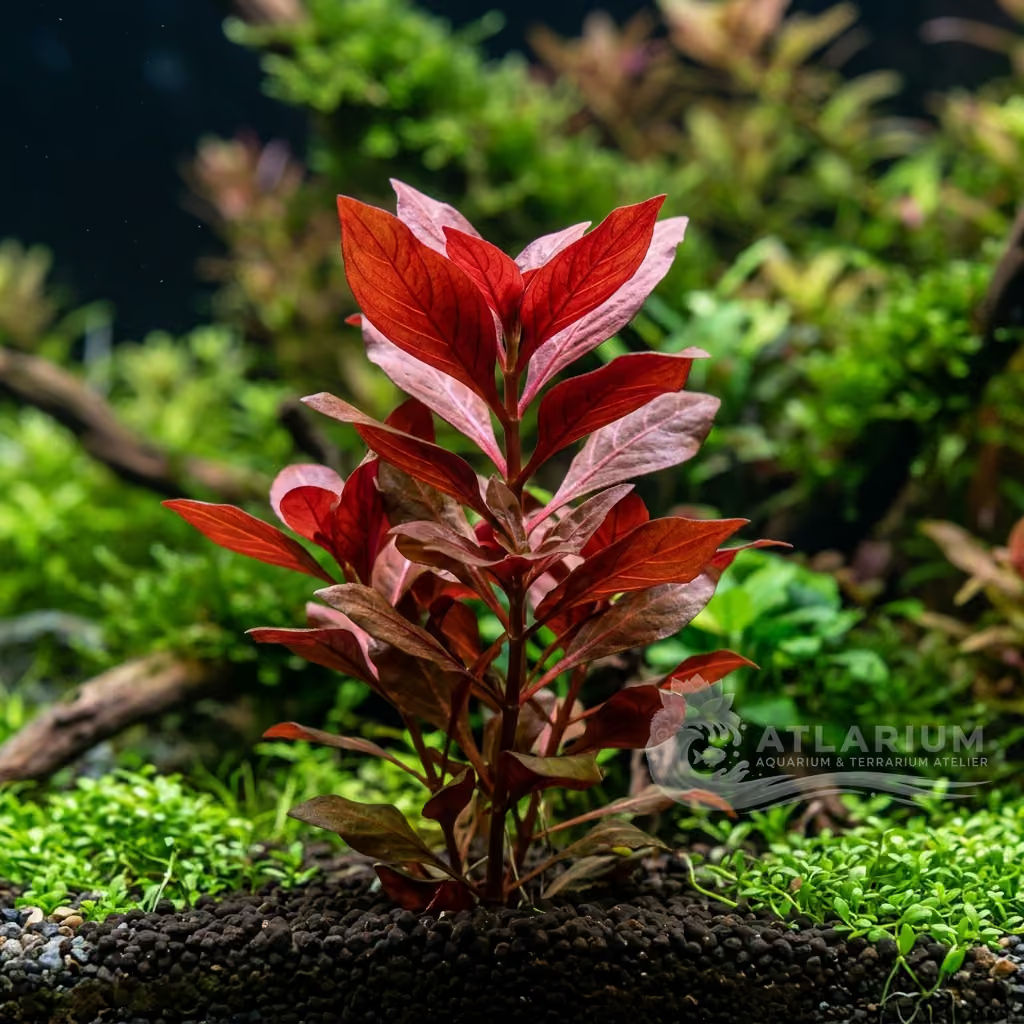
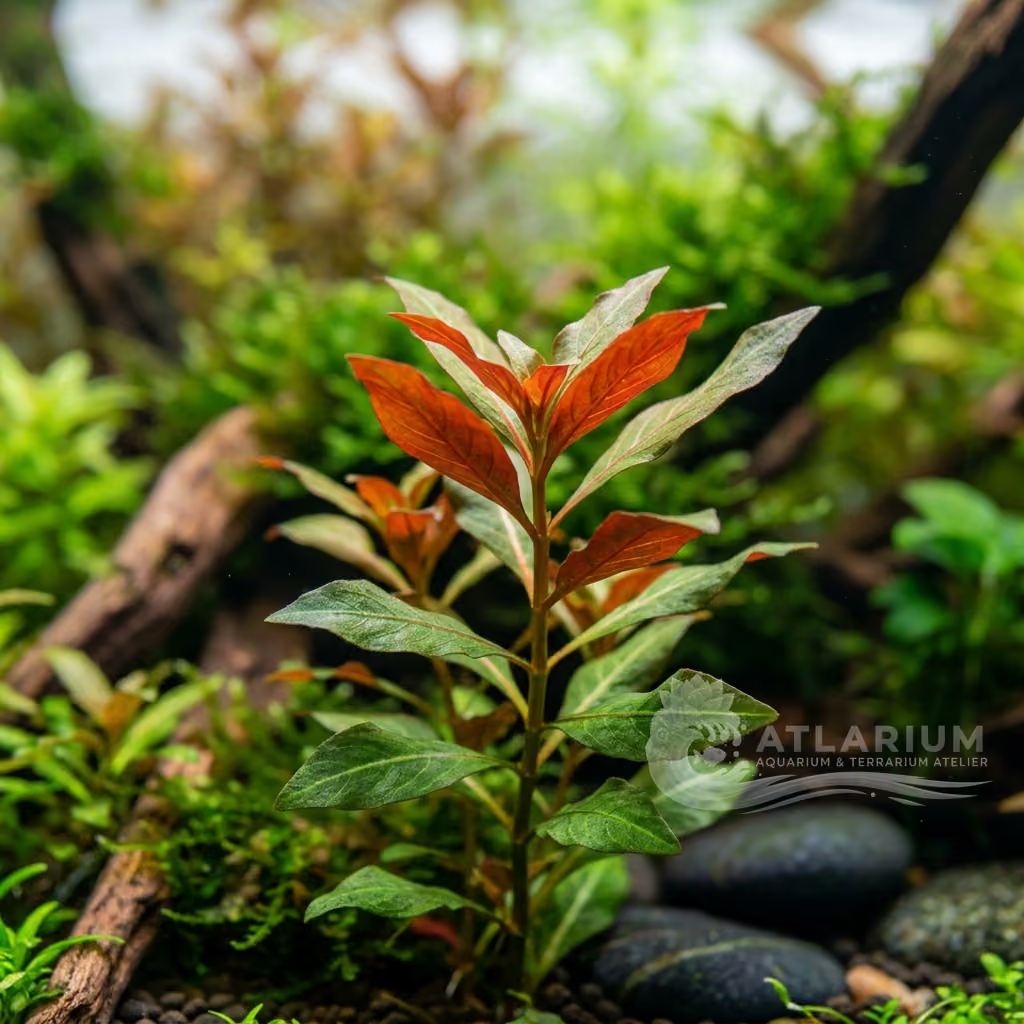
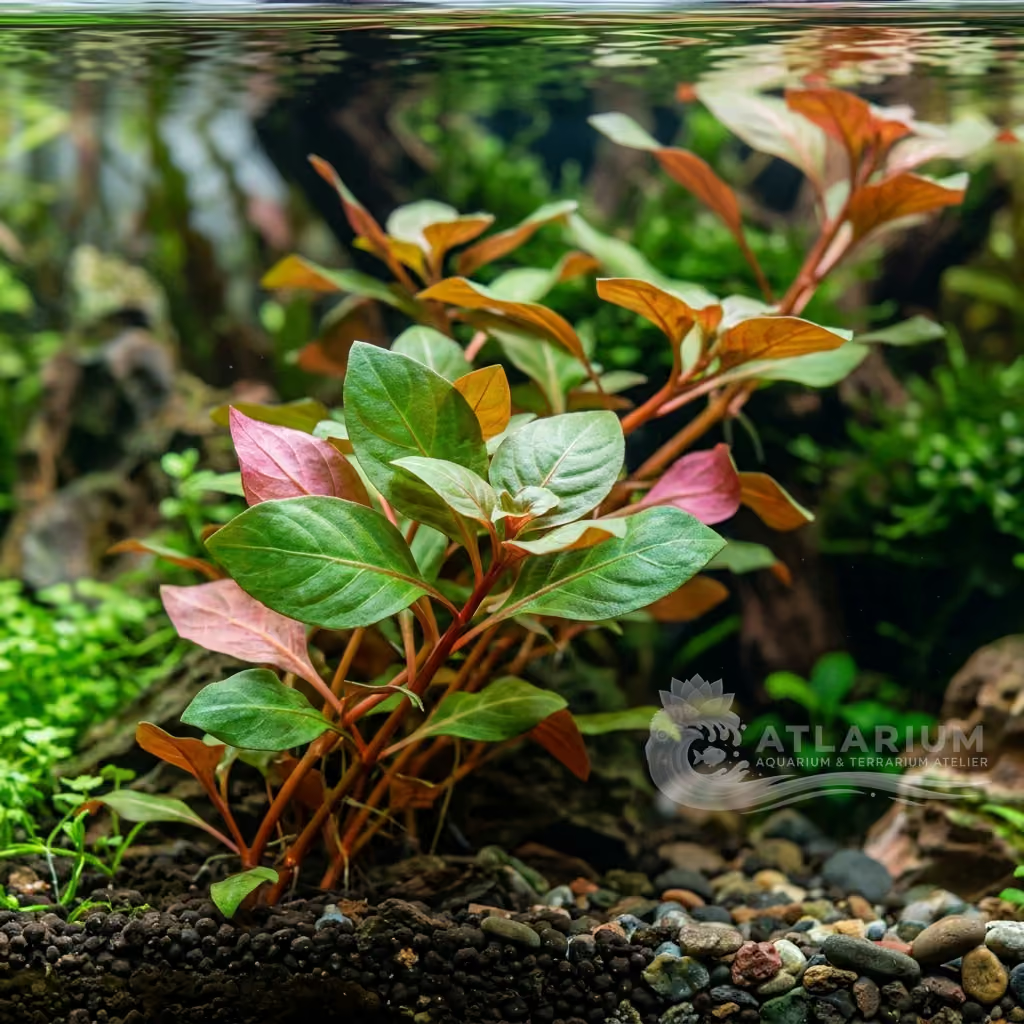
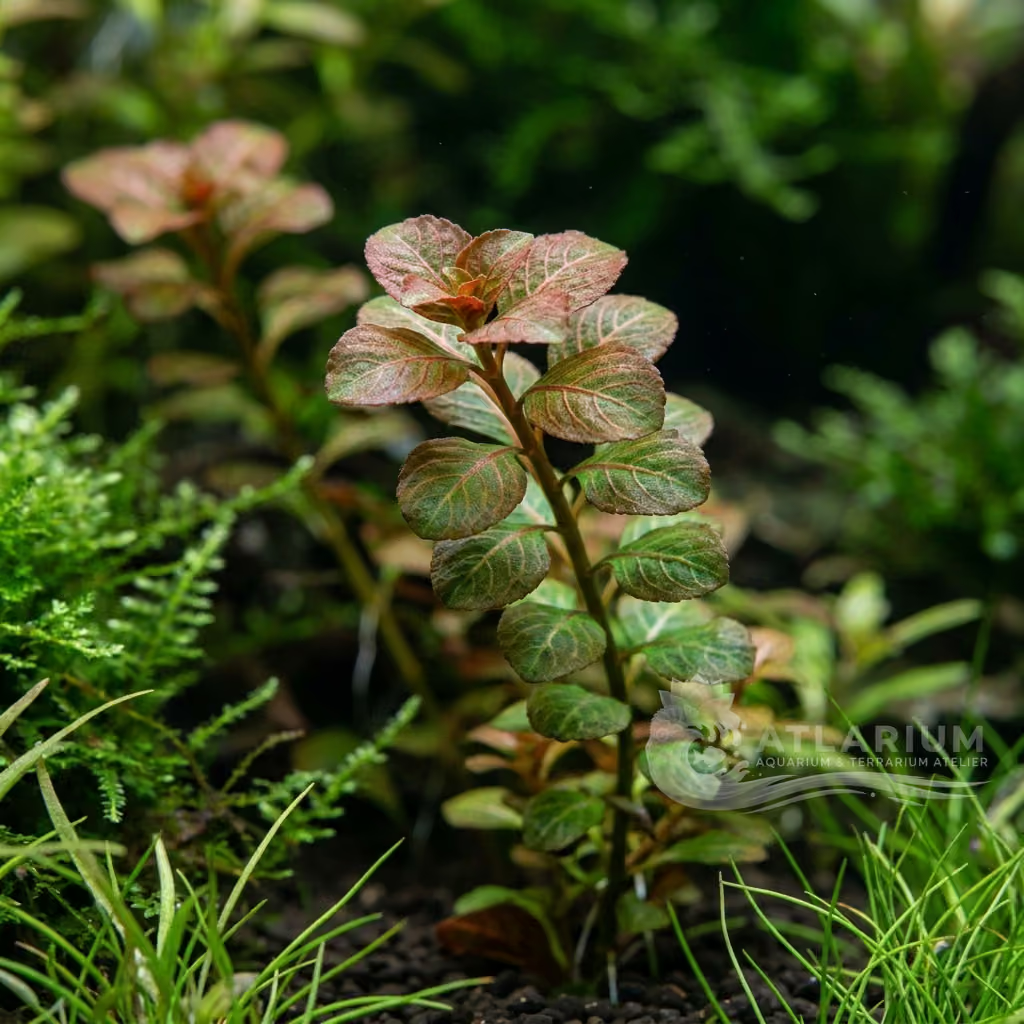
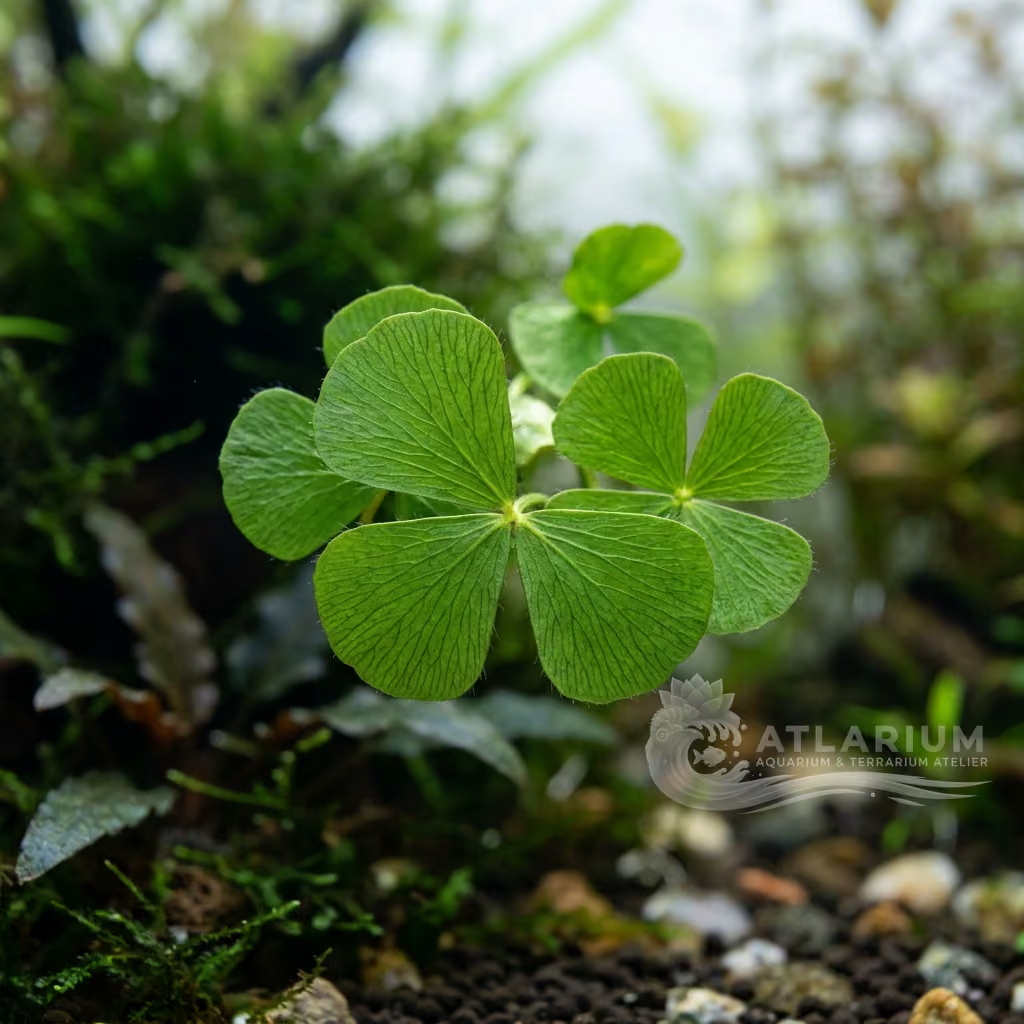
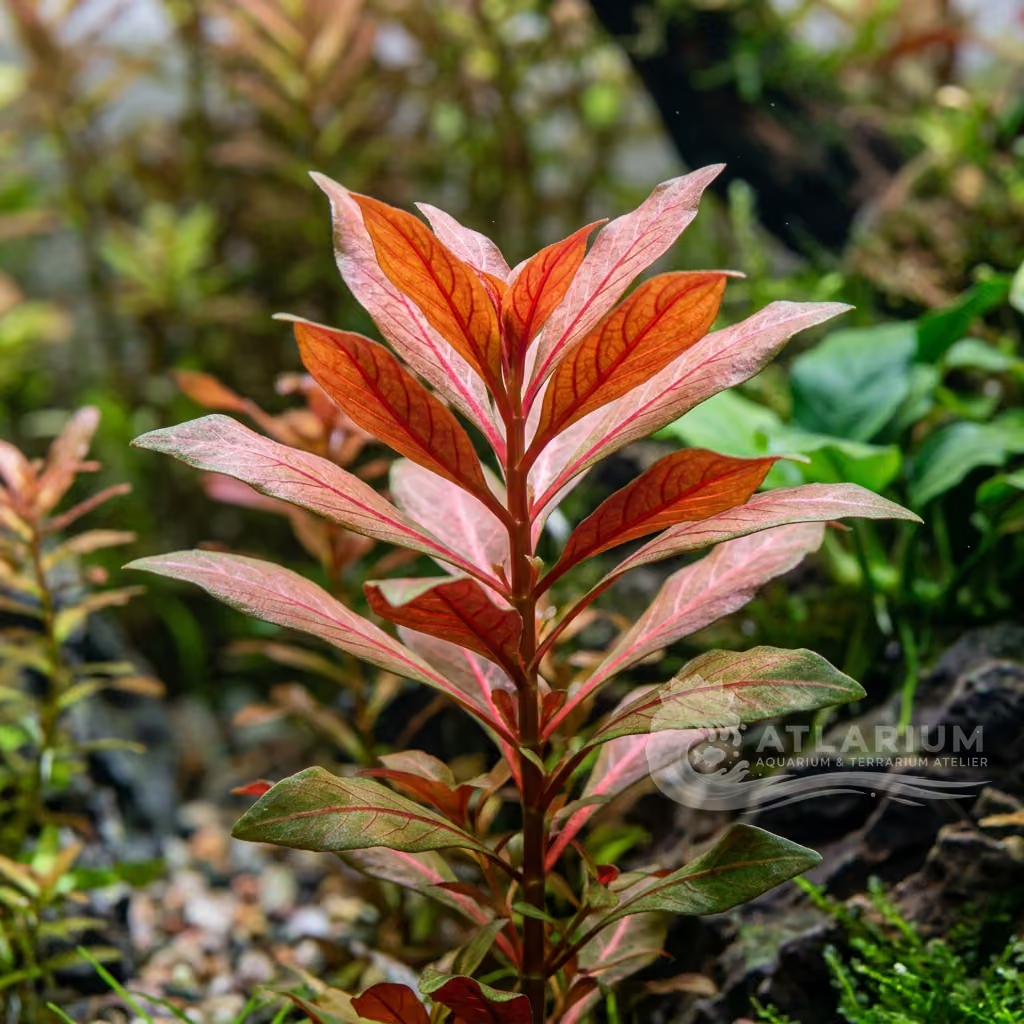
Color & Texture: Submerged leaves display a bright, fresh light green or lime-green coloration, occasionally showing violet or purple tints on the leaf underside under high light. The leaf texture is fleshy, almost leathery, with prominent venation that gives the surface a rough feel. This thick and rigid structure lends the plant a solid, neat appearance in the aquarium layout.

Soins, reproduction et cohabitation
Lighting & CO2: Requires moderate-high to intense lighting to keep internodes compact and promote wide leaf development. CO2 injection (15-20 mg/L) is advised to accelerate the otherwise slow growth rate and to produce thicker, healthier leaves.
Nutrition & Substrate: A fertile and nutrient-rich substrate is of vital importance due to the plant's powerful root system. Utilizing active soil or clay-based substrate and regularly placing root tabs rich in iron and potassium near the base is recommended to support growth.
Water Chemistry: Extremely adaptable: tolerates temperatures from 4°C to 30°C, pH from 6.0 to 7.5, and KH hardness from 2 to 14 dKH. It prefers stable, well-filtered water, with an ideal temperature range between 20°C and 25°C to maximize submerged growth.
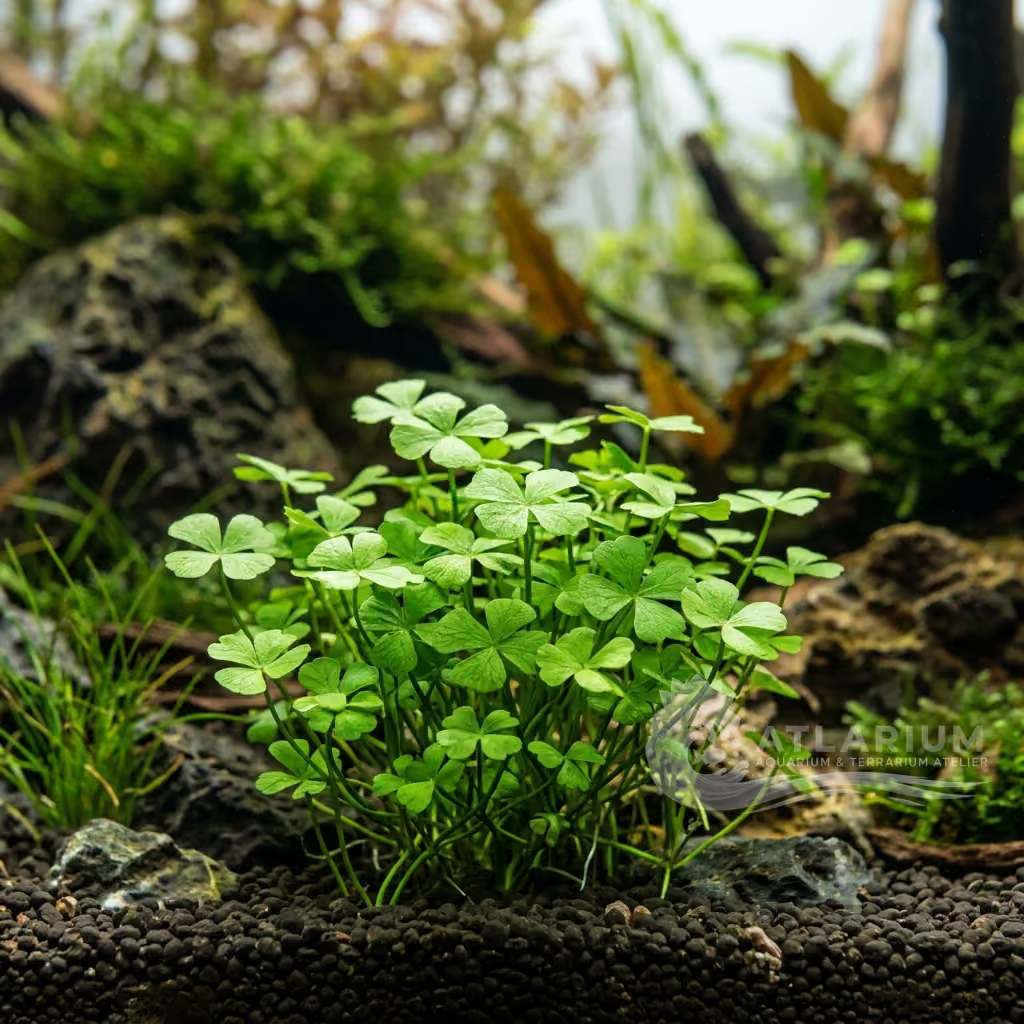
Space Management & Placement: It is one of the most famous plants for creating 'streets' in Dutch-style layouts, where it is arranged diagonally from the foreground to the midground. Stems should be planted individually about 2 cm apart to prevent the leaves from overlapping too much.
Pruning: Pruned by cutting the top of the stem at the desired height. This stimulates the plant to produce numerous lateral shoots, assuming a compact bushy shape. Trimmed tips can be replanted directly into the substrate for propagation.
Risks & Diseases: The main risk is related to substrate nutrient deficiencies, which present as stem thinning and loss of lower leaves. In low-light tanks or with low CO2, growth can halt almost completely, leaving the plant vulnerable to black brush algae on older leaves.

Origine et répartition géographiques
Lobelia cardinalis is native to North America, widely distributed from southern Canada down through the United States to Mexico and Florida. It inhabits damp and riparian environments such as riverbanks, forest streams, freshwater marshes, and wet meadows. In nature, it grows predominantly in its emersed form, producing spectacular cardinal-red blooms that attract pollinators, but it exhibits remarkable tolerance to complete submersion during seasonal floods.
Origine
Amérique du Nord

Profil de plante
- Emplacement
- Premier plan
- It is best positioned in the midground of the aquarium, where its striking light green color can stand out. Planting it in a terraced 'street' formation is a classic Dutch aquascaping technique. It can also be used in the foreground of larger aquariums.
- Forme botanique
- Tige
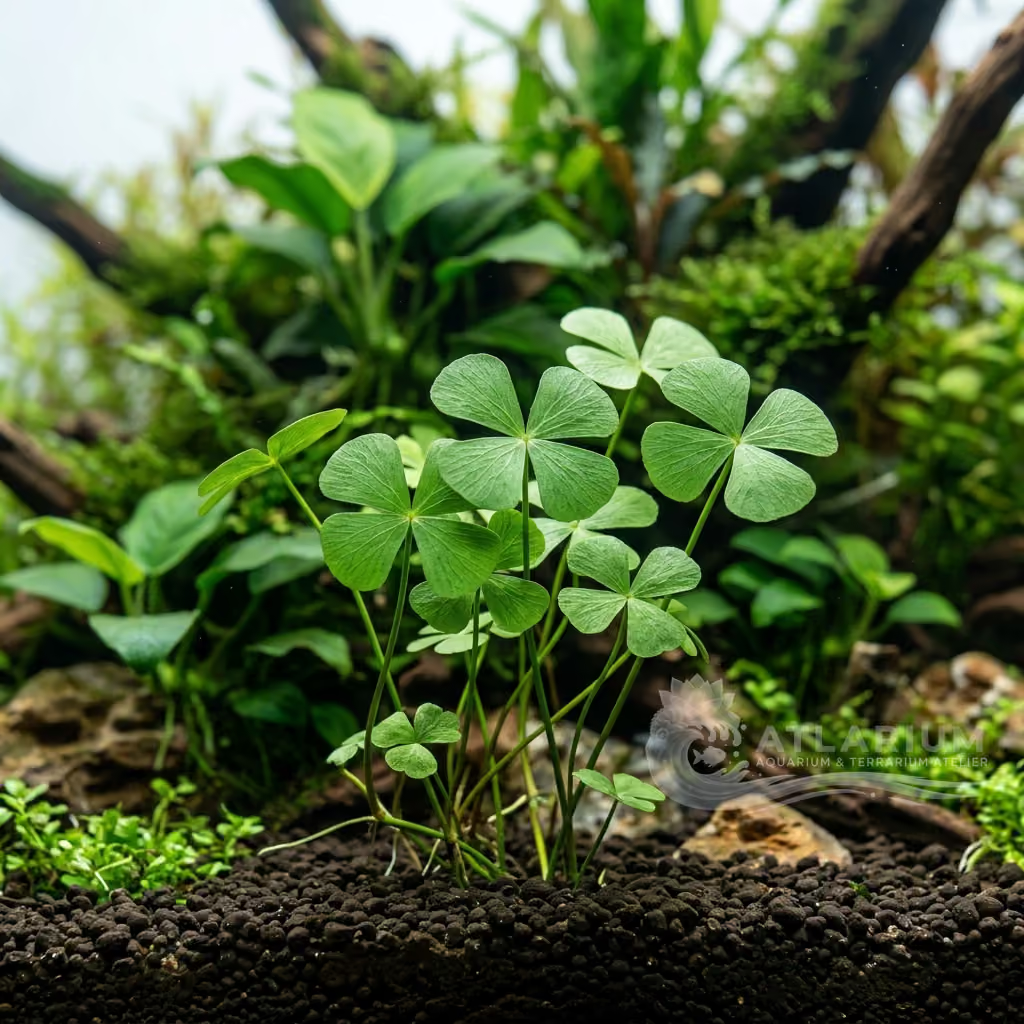
- Underwater, Lobelia cardinalis features light green, slightly rounded leaves on thick, fleshy stems. Emersed, the leaves turn purple and it can produce brilliant red flowers. The submerged form is remarkably compact and neat.
- Croissance
- Lente
- This is a notably slow-growing stem plant, which significantly reduces maintenance requirements. CO2 injection is not strictly necessary but will promote fuller leaves and slightly faster growth. Its slow pace makes it ideal for highly structured layouts.
- Substrat
- Élevé
- Lobelia cardinalis is an exceptionally heavy root feeder that requires a highly fertile, deeply layered substrate to sustain its thick stems and large foliage. It flourishes in premium, nutrient-packed aquatic soils that can accommodate its massive, vigorous root system. Providing a substrate depth of 3 to 4 inches ensures the roots have ample space to spread and deeply anchor the rather buoyant plant. Without a constant, substrate-derived supply of macronutrients, the plant's lower leaves will quickly deteriorate, and its overall growth will stunt.
- Fertilisation de la colonne d'eau
- Recommandée
- A consistent, moderate liquid fertilizer routine is beneficial for its long-term health. Because it grows slowly, over-fertilizing the water column can lead to algae settling on its broad leaves. Focus on a balanced supply of micro and macronutrients.
- Fertilisation racinaire
- Nécessaire
- A rich substrate is highly advantageous for this species. It develops a substantial root system that heavily draws from soil nutrients. The use of root tabs will result in thicker, more robust stems and larger leaves.
- Taille
- Occasionnelle
- To maintain a dense stand or 'street', trim the tops of the stems. The bottom portions will readily sprout new side shoots. The cut tops can be replanted right next to the original stems to thicken the grouping.
- Propagation
- Boutures
- Propagation is very easy by taking top cuttings and replanting them. Additionally, the plant naturally produces many lateral shoots which can be carefully detached and planted. The original cut stem will quickly form multiple new crowns.
- Sensibilité
- Modérée
- Lobelia cardinalis is generally quite hardy and adaptable to various water parameters. Its main vulnerability is algae growth on its slow-growing leaves if lighting is excessive and nutrients are imbalanced. Ensure good water circulation around its dense base.
- Rôle dans le décor
- Premier plan, Plan intermédiaire, group
- It is the quintessential midground 'street' plant in Dutch aquascaping. Its unique light green hue and fleshy texture offer brilliant contrast to fine-leaved or red background plants. Its structured growth habit provides a sense of order to the aquascape.

Espèces associées
Recommandations regroupées par proches parents, compagnons et soins similaires.