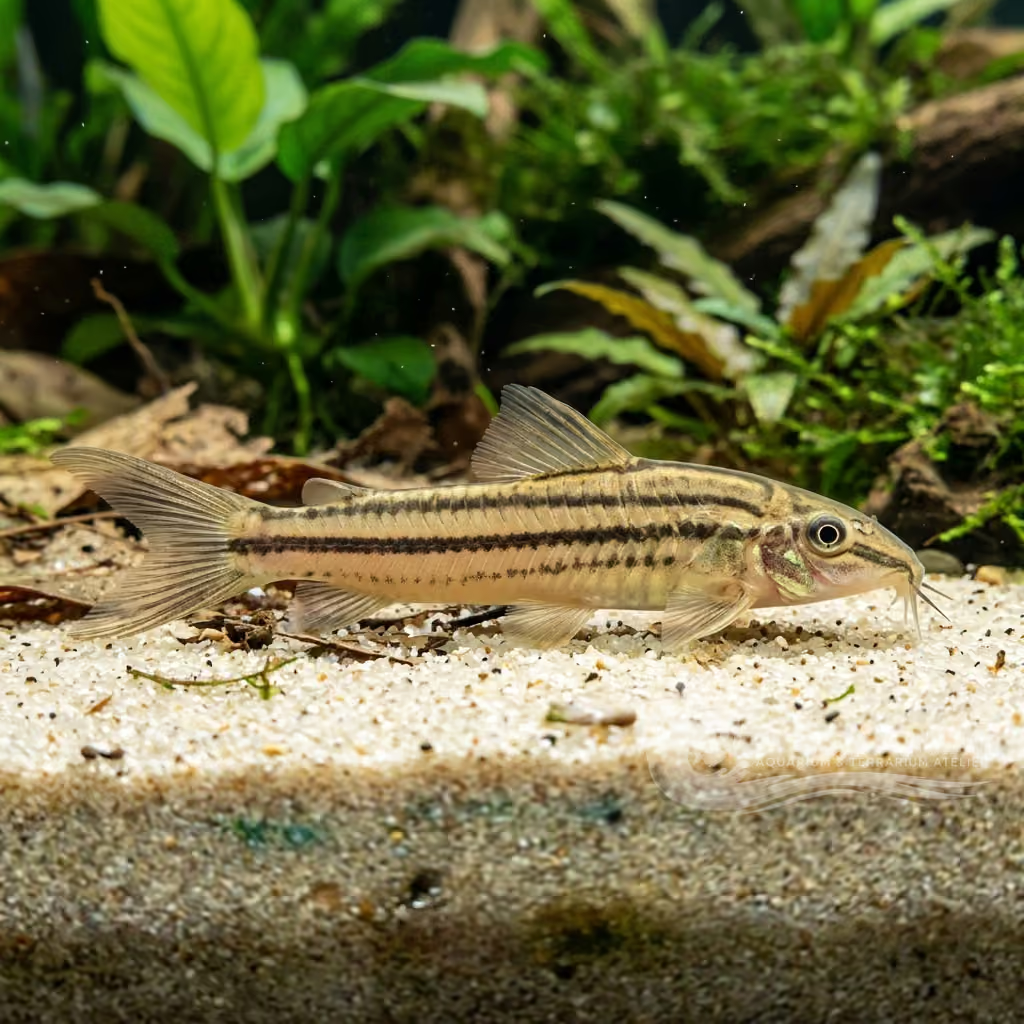
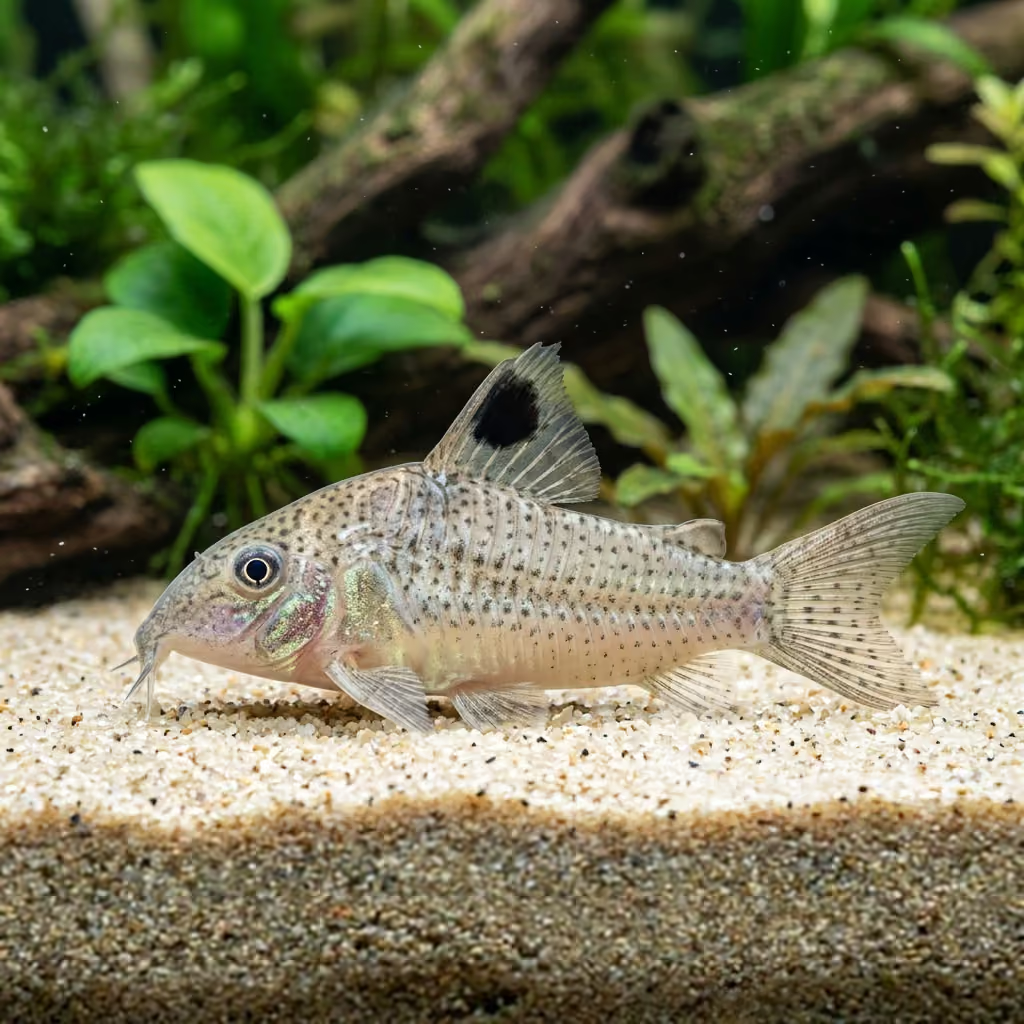
Gongota loach
Canthophrys gongota
A specialized and rare loach that buries itself in sand leaving only its eyes exposed — a unique camouflaged ambush predator. Elongated sand-colored body. Requires deep fine sand substrate to fully bury itself. Cool waters (16–24 °C). Micropredator that sifts through substrate. Often difficult to feed initially — needs live worms in substrate. Species-only tank with very clean water. Breeding never documented in captivity. For expert aquarists.
Température de l’eau
18 - 24 °C
Valeur du pH
6 - 7.2
Type d'eau
Eau douce
Niveau dans le bac
Fond
Taille adulte
13 cm
Volume minimal du bac
>= 80 L
Groupe minimal
>= 3
GH
2 - 12 dGH
KH
1 - 6 dKH
TDS
40 - 240 ppm
Conductivité
63 - 375 uS/cm

Description de l'espèce
Geographical Origin and Habitat: Native to the Brahmaputra River basin (India, Bangladesh, Nepal). Inhabits the sandy bottoms of hill rivers and streams, in clear, oxygen-rich waters.
Taxonomy and Morphology: Gongota Loach (Canthophrys gongota). Atypical and massive cobitid (13 cm / 5 inches). Possesses an enormous, ossified head with upward-protruding eyes, designed to camouflage and bury itself completely.
Social Behavior: Solitary and by day. Spends 90% of its time buried under the sand, leaving only its eyes sticking out (weever style). Comes out on patrol at night to forage.
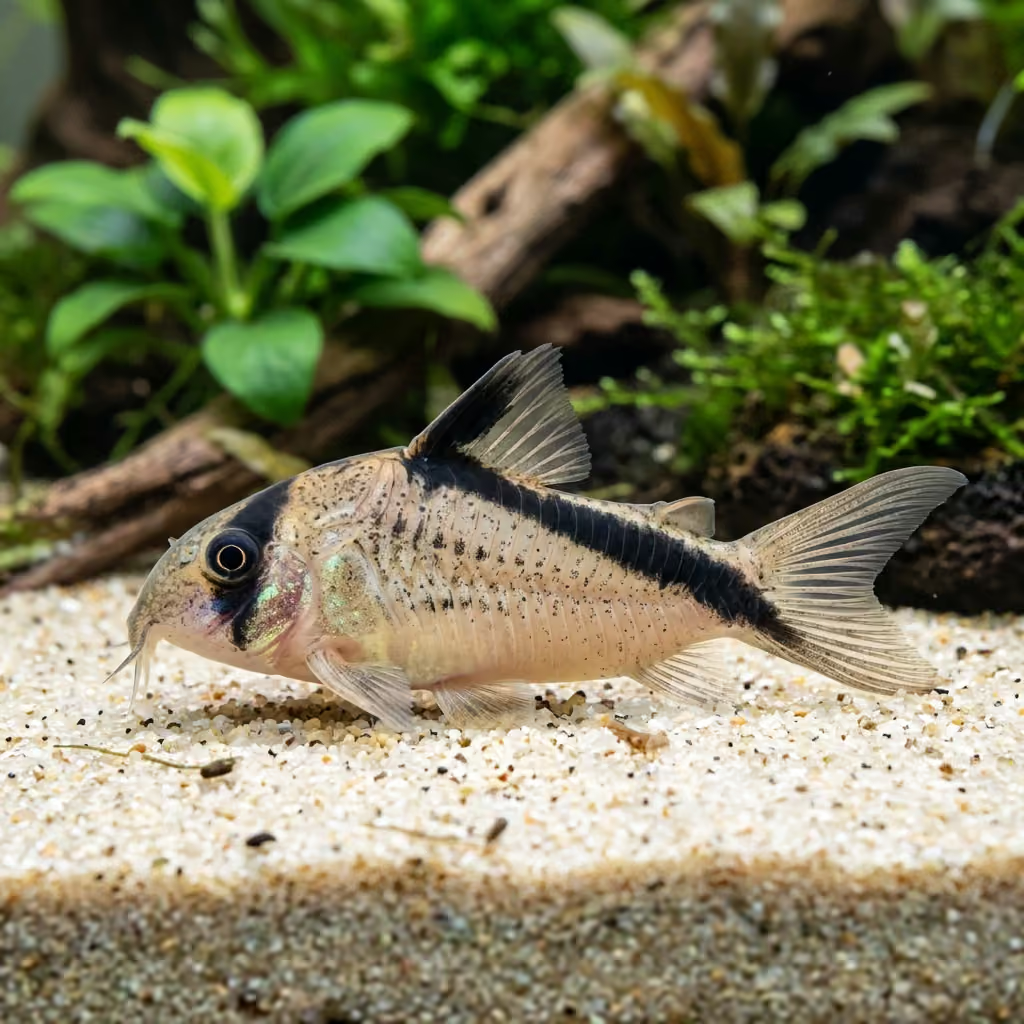
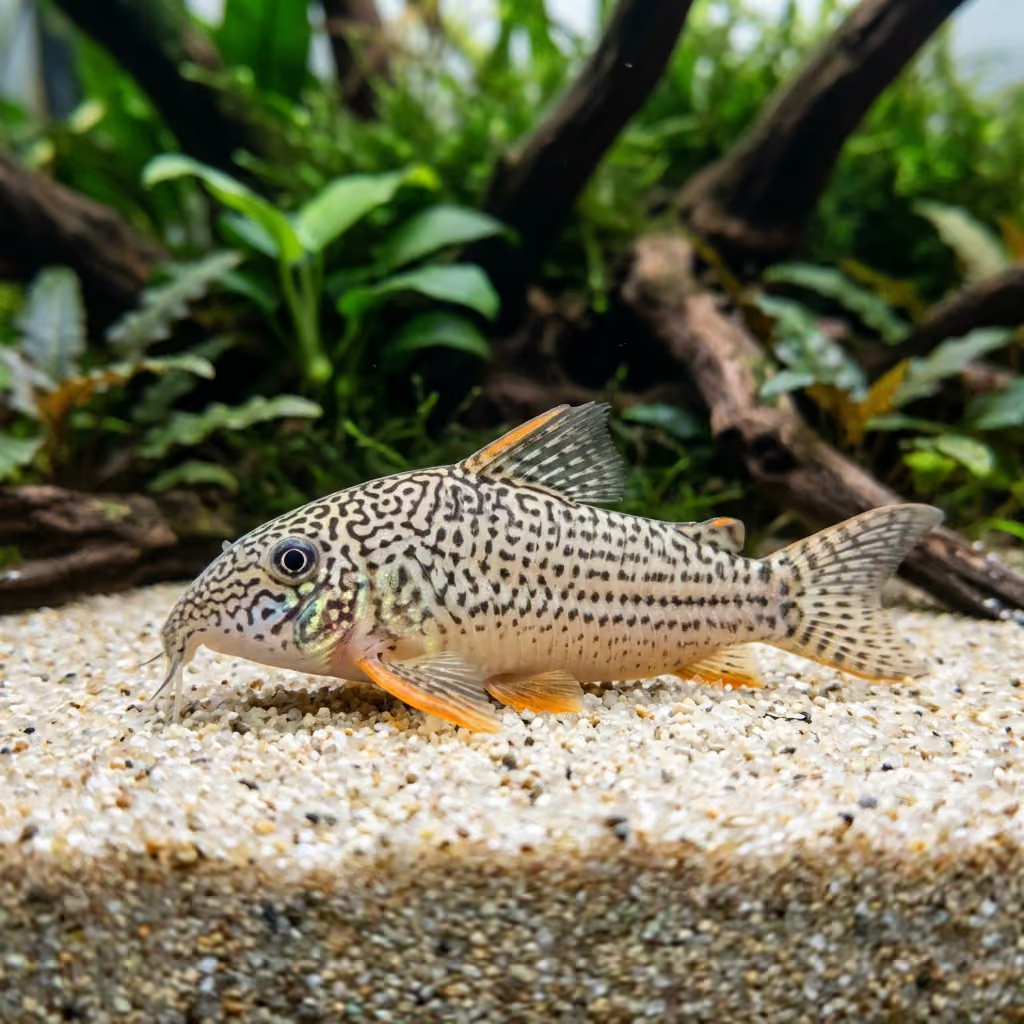
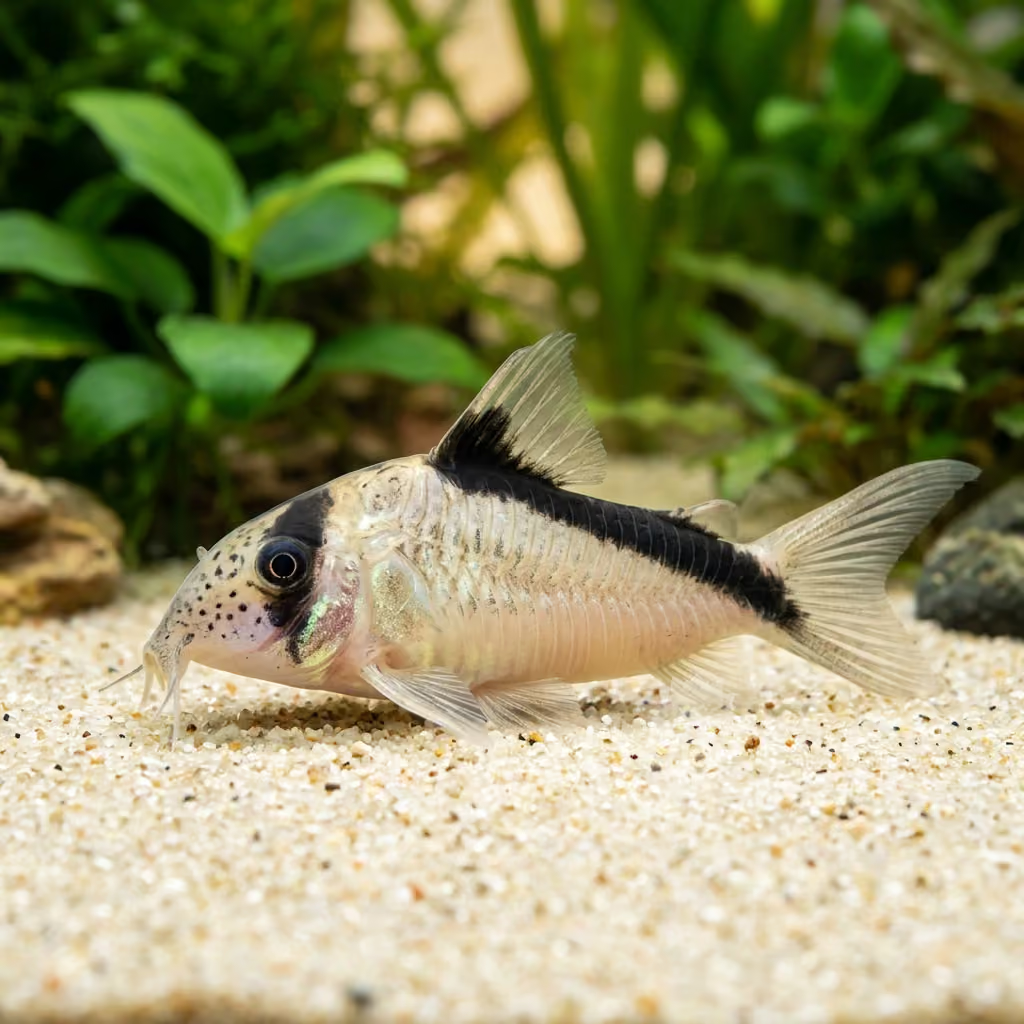
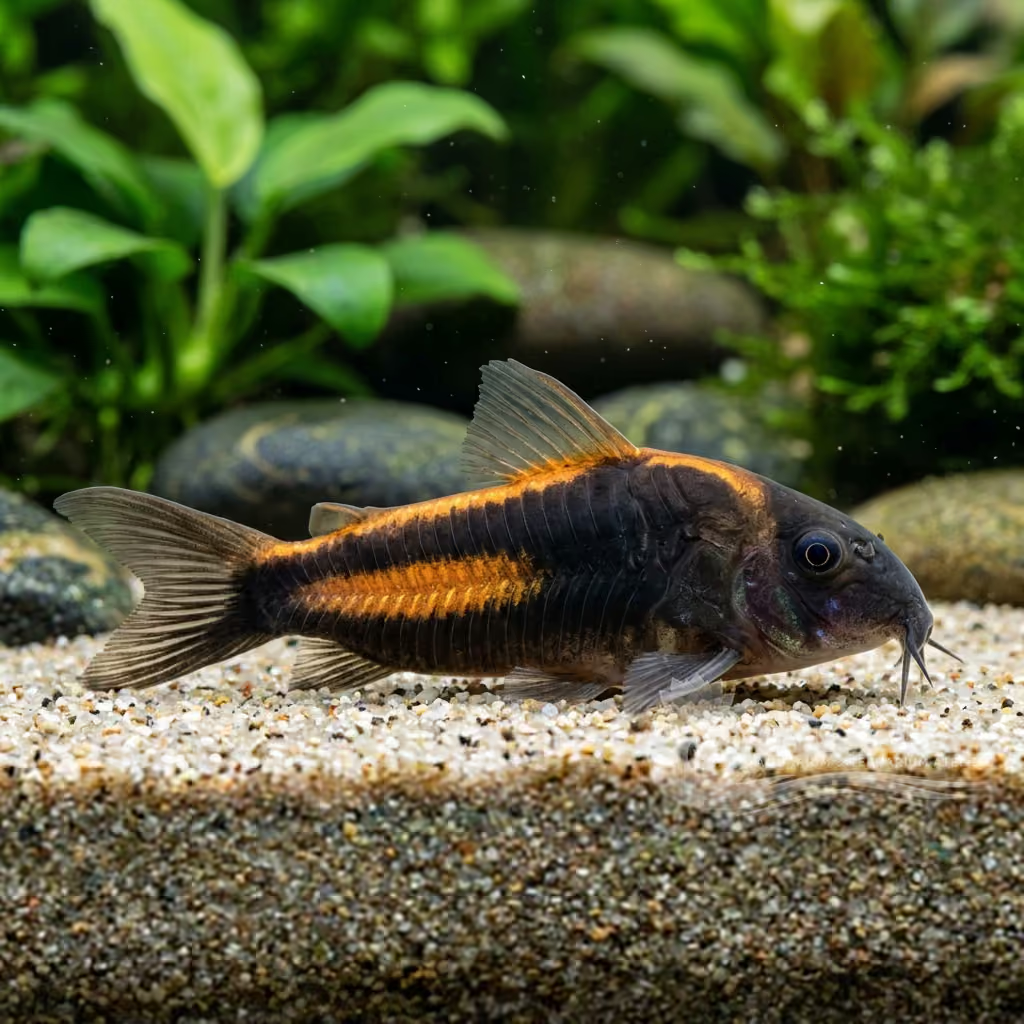
Coloration and Sexual Dimorphism: Extremely mimetic sand-colored coloration, covered with mottling and brown patches that perfectly simulate river gravel. No sexual dimorphism documented with certainty.

Soins, reproduction et cohabitation
Aquarium Setup: 100 cm (40 inches) tank. ABSOLUTE REQUIREMENT: very fine sand layer at least 5-8 cm (2-3 inches) deep to allow burying. Cold/cool water well moved by circulation pumps.
Diet and Feeding: Macrobenthivore. Filters huge mouthfuls of sand looking for worms. The diet in captivity requires live earthworms, bloodworms, tubifex and meaty sinking feeds. Often refuses dry food.
Water Quality: Accustomed to subtropical climates, requires cool temperatures (18-24°C / 64-75°F). Suffers terribly in warm tanks (above 26°C / 79°F). Tolerant of pH (6.0-7.2) but demands pristine water.
Compatibility and Cohabitation: Ignores any fish swimming in the water column. Do not pair with intrusive bottom fish (e.g. large Loricariids) that would disturb it, nor with warm-water fish.
Aquarium Breeding: Never documented. All are wild-caught specimens. They are supposed to be seasonal migrants.
Risks and Diseases: Very high post-import mortality rate due to thinness (they refuse dry food) and the use of unsuitable gravel bottoms that scratch their delicate scaleless skin, inducing infections.

Origine et répartition géographiques
Native to the Brahmaputra River basin (India, Bangladesh, Nepal). Inhabits the sandy bottoms of hill rivers and streams, in clear, oxygen-rich waters.
Origine
Asie du Sud et du Sud-EstAsie de l'Est

Profil de poisson
- Tempérament
- Peaceful
- This loach is extremely peaceful, shy, and reserved, showing absolutely no aggression toward tank mates. Due to its timid nature, it remains buried in the substrate for most of the day, emerging to explore and feed primarily during twilight and nighttime hours. It does not display significant territoriality and relies on the presence of conspecifics to feel secure. Active, boisterous, or aggressive tank mates will easily intimidate this species, causing it to remain permanently hidden and stressed.
- Régime alimentaire
- Carnivore
- It is a specialized micropredator that feeds by sifting mouthfuls of fine sand through its gills to extract small crustaceans, worms, and insect larvae. In captivity, while they may occasionally accept sinking pellets, their diet must be supplemented with live or frozen foods such as brine shrimp, daphnia, and clean bloodworms. Extreme care must be taken with food quality, as contaminated foods can introduce fatal bacterial infections. Because they are exceptionally slow feeders, it is critical to ensure they receive sufficient food without it being intercepted by faster tank mates.
- Espérance de vie
- 5-10 years
- Taille adulte
- 13 cm
- Ratio des sexes
- Group
- Visual sexual dimorphism is virtually non-existent in this species, making sex-based selection at purchase impractical. As a gregarious and naturally timid loach, it should be kept in a group of at least six or more individuals. Maintaining them in a small group reduces stress, encourages natural behavior, and helps them feel secure enough to venture out. Specific male-to-female ratios are not critical, as they coexist peacefully within their social group without displaying territorial aggression.
- Fréquence d'alimentation
- Twice daily
- Feeding this species once or twice daily is recommended, preferably right after the aquarium lights are turned off or during evening hours. This schedule aligns with their natural crepuscular and nocturnal activity patterns, when they are most comfortable leaving the sand to forage. Portions should be small and carefully targeted to prevent uneaten food from rotting in or on the substrate and fouling the water. Consistent monitoring is recommended to ensure all individuals in the group are receiving enough food.
- Charge biologique
- Low to Medium
- The biological load of Canthophrys gongota is considered low to medium due to its modest size and slow feeding habits. However, this species is highly sensitive to dissolved organic waste, ammonia, and nitrites, necessitating a mature and robust filtration system. A moderate water turnover rate that keeps the aquarium well-oxygenated without creating excessive turbulence at the substrate level is ideal. Routine water changes and careful maintenance of the sandy substrate are critical to preventing lethal pathogen build-ups.
- Courant
- Strong
- This species prefers a weak to moderate water flow, reflecting the slow-moving rivers and streams of its native Ganges basin. While efficient filtration is necessary to maintain clean water, the filter output should not create strong, turbulent currents near the substrate. The areas where the loaches bury themselves should remain calm and stable so they can burrow and sift sand easily. However, gentle surface agitation is beneficial to maintain the high dissolved oxygen levels they require to thrive.
- Risque de saut
- Yes
- Despite being a bottom-dwelling species, this loach poses a significant risk of jumping when startled or during active nocturnal phases. Sudden movements or perceived threats can cause them to dart rapidly upward and escape through any open spaces. A tight-fitting lid or cover is absolutely essential to prevent them from jumping out of the aquarium. Any small gaps around filters, cords, or tubing must also be securely blocked to ensure their safety.
- Reproduction
- Not bred in captivity
- Successful captive reproduction of this species has not been documented in home aquariums. In their natural habitat, they are seasonal spawners whose breeding cycles are triggered by temperature drops and monsoon rains that alter water chemistry. They scatter their eggs over the substrate and exhibit no parental care once spawning is complete. For advanced hobbyists, attempting to breed this loach is an extreme challenge that requires carefully mimicking complex seasonal and environmental changes.
- Compatibilité et compagnons
- Peaceful
- Compatibility is excellent only with species that are extremely peaceful and do not compete with them for food. Suitable tank mates include small, surface-dwelling cyprinids, rasboras, or other quiet species that occupy the upper water column and tolerate cooler water. Fast-feeding, aggressive, or territorial bottom-dwellers should be strictly avoided, as they will easily outcompete this timid loach for food. The presence of calm, non-threatening tank mates can help reassure this species and encourage it to show itself more frequently.
- Niveau dans le bac
- Bottom
- This species is a strict benthic dweller that remains almost exclusively at the very bottom of the aquarium. It spends the majority of its time resting on the substrate or completely buried beneath a layer of fine sand, with only its eyes exposed to survey its surroundings. They rarely swim into the middle or upper sections of the water column unless startled or during nocturnal exploration. Consequently, the tank layout must prioritize an expansive, unobstructed bottom area.

Modèles et paramètres scientifiques
FishBase
Fenêtre sur les données scientifiques officielles de l’espèce
FishBase v25.04Données synchronisées le : 15/06/2026
- Niveau trophique
- 3,2 ± 0,4 se
- Résilience
- Moyenne (1,4 - 4,4 ans)
- Singularité phylogénétique (PD50)
- 1
- Relation bayésienne longueur-poids
- a = 0.00575, b = 3.06
- VulnérabilitéVulnérabilité faible (10 / 100)

Espèces associées
Recommandations regroupées par proches parents, compagnons et soins similaires.